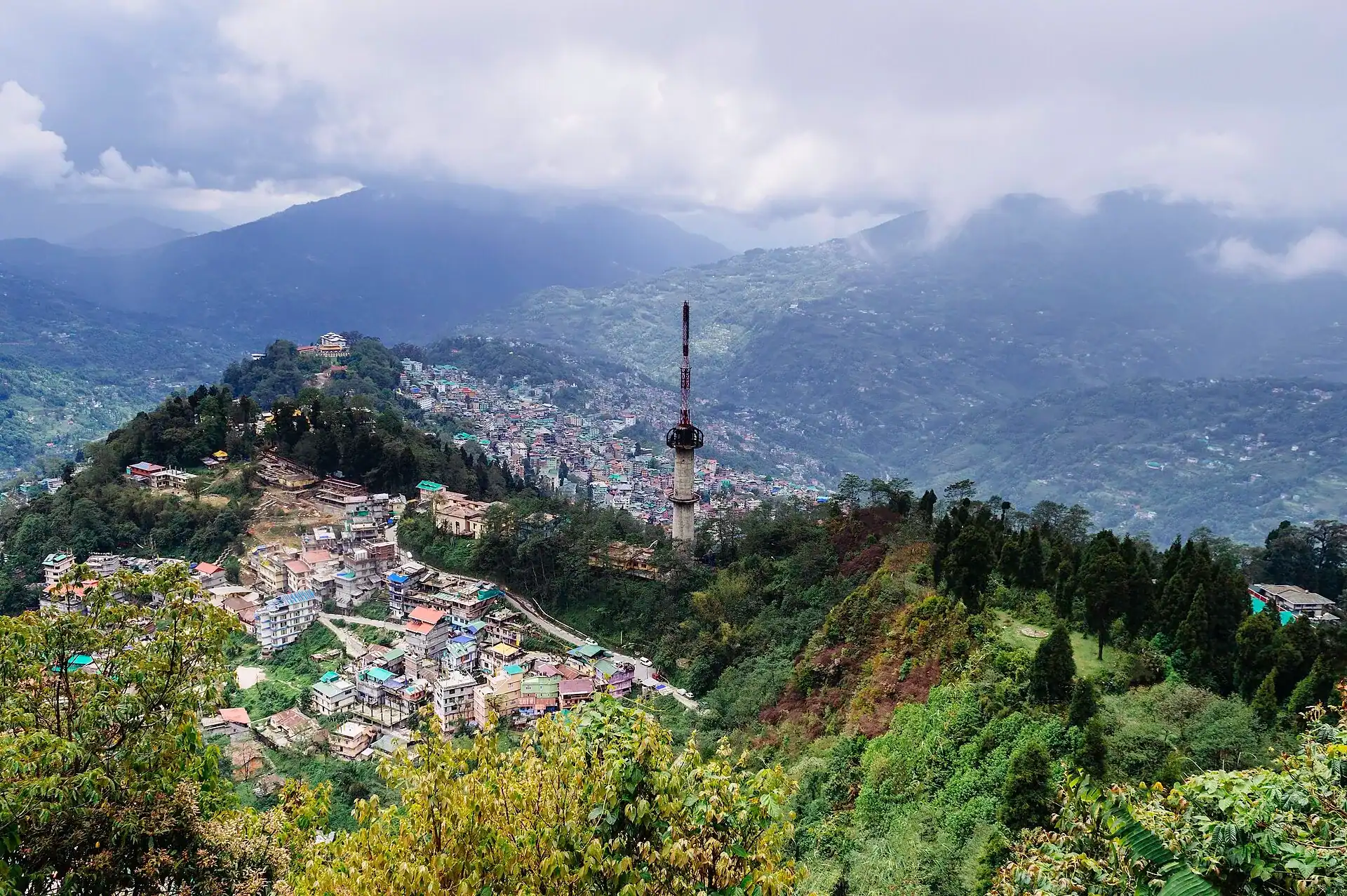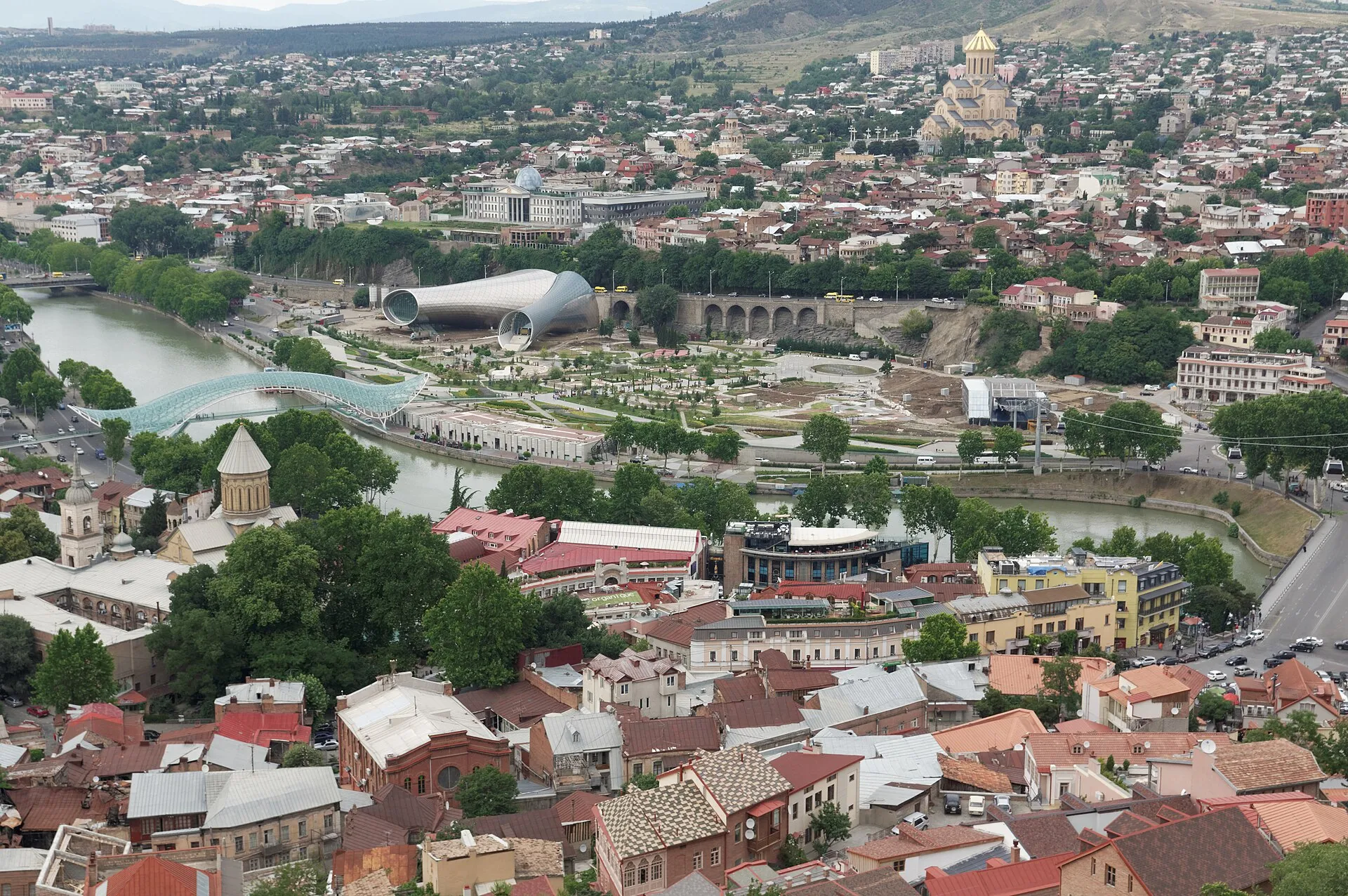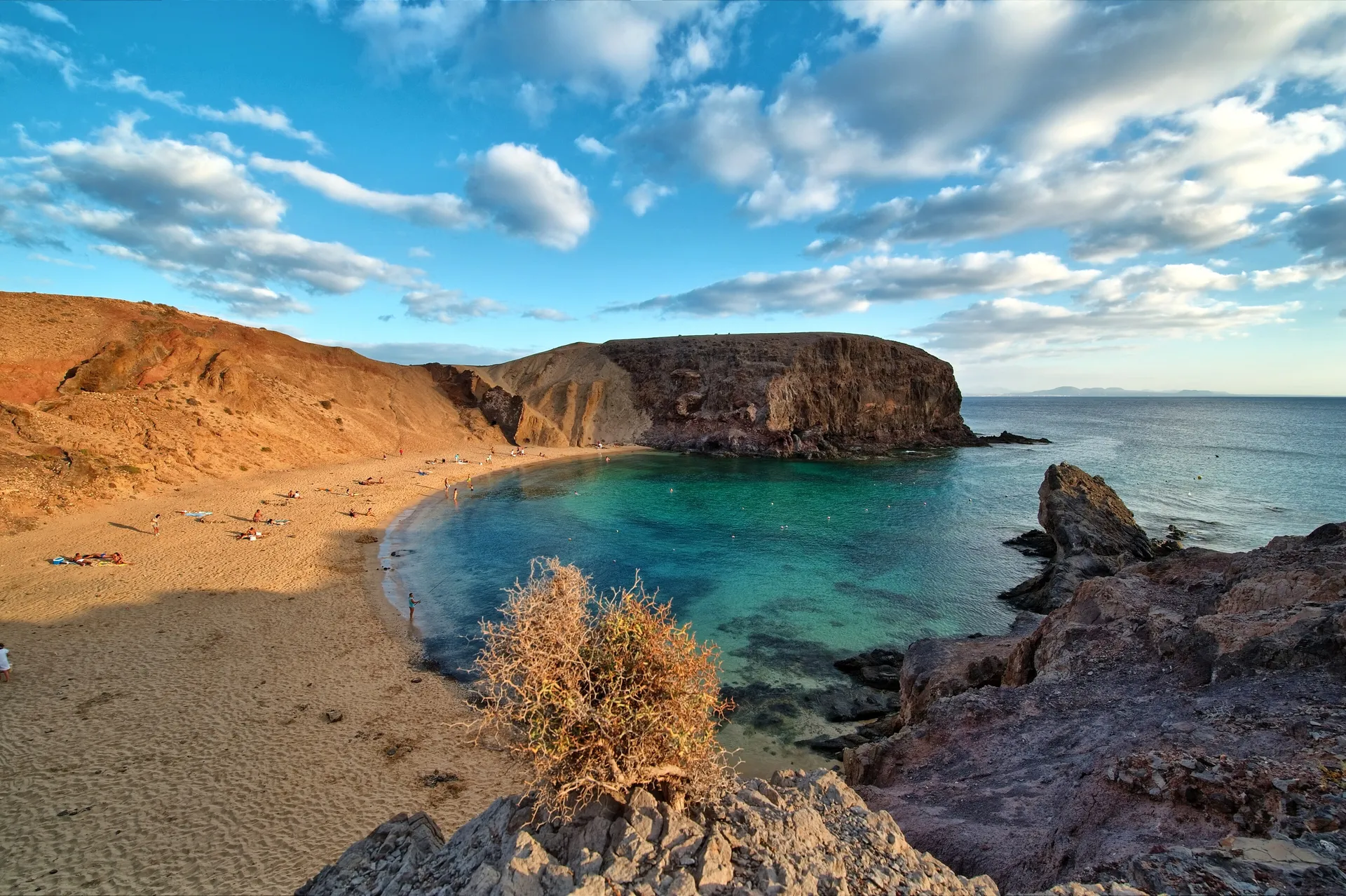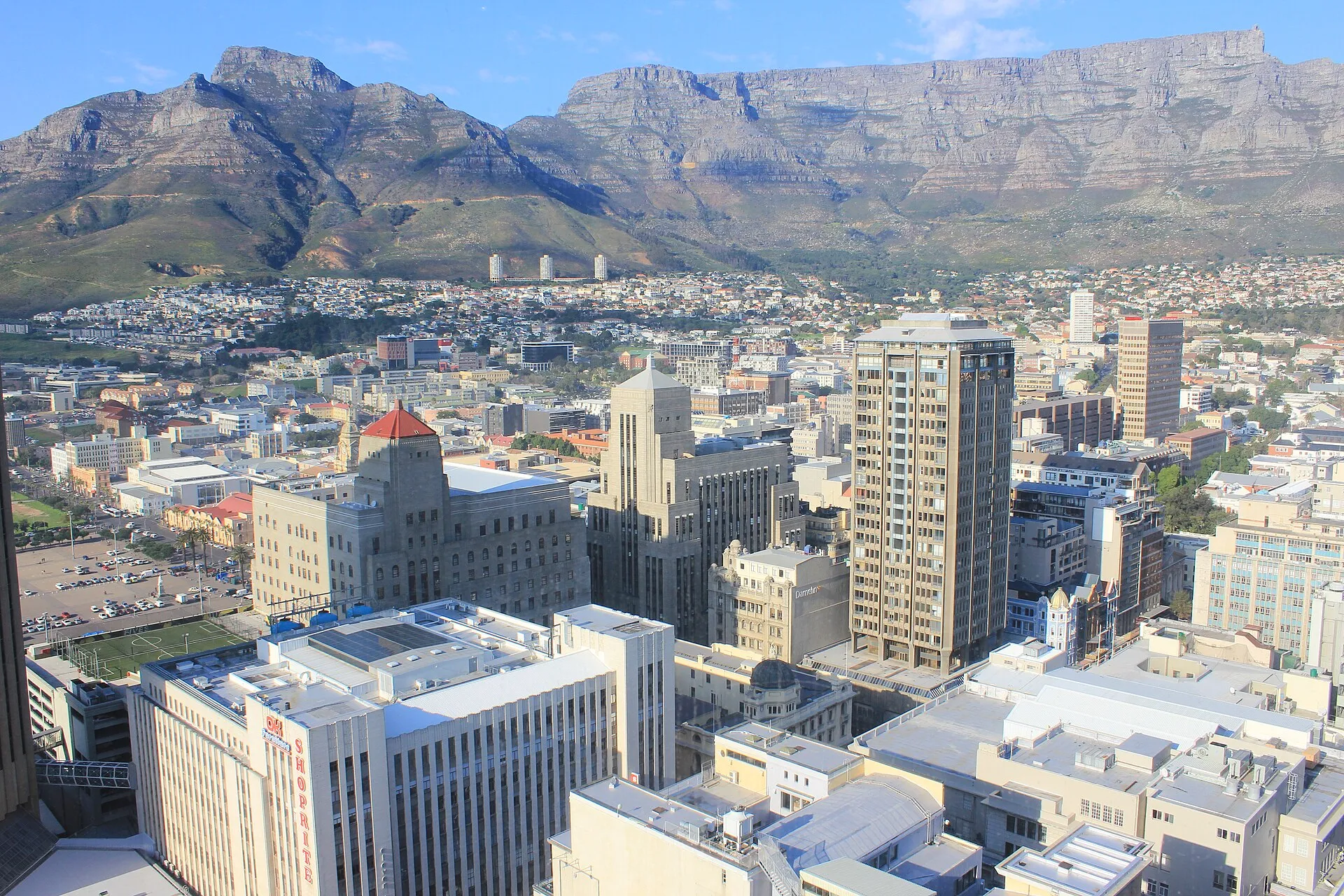
All fifteen cities on this list sit within about $120 of each other, from Multan at about $420 a month to Luang Namtha at about $540. At that level the price no longer tells them apart. A furnished flat costs a few hundred dollars almost everywhere here and a local meal a dollar or two. What separates these places is whether you can actually work from them, and whether you should be there at all right now.
They fall into three groups. The first is a set of Indian working cities, Coimbatore, Indore, Bhubaneswar, Nagpur and Madurai, where coworking spaces serve local software firms and a fibre line costs around $10 a month. Gokarna, on the Karnataka coast, is India's other entry and a different proposition: beach huts, temple town, shaky wifi. The second group is the mountain and trekking towns, Gilgit, Karakol, Bandipur, Gorkha and Luang Namtha, which are cheap and spectacular and lose their connection the moment the weather turns.
The third group needs reading before anything else. Shiraz and Hsipaw are on the list on cost alone: the UK advises against all travel to Iran and to northern Shan State in Myanmar, and the US says not to go to either country. Gondar sits in a region of Ethiopia that has seen armed conflict in recent years, and Multan's travel advisories can complicate insurance. Their entries below say what that means in practice.
Ranked by estimated monthly cost for one person, cheapest first, with ties broken by overall Nomad Score. The monthly figures are our own estimates of a comfortable local life: a furnished flat or long-stay room, eating mostly local food, home internet and local transport. Explore the numbers yourself on the comparison tool or browse all 1017 city guides.
At a glance
 Coimbatore
A real coworking market, fast home fibre and good hospitals for about $520 a month, with the Nilgiri hills close by for weekends.
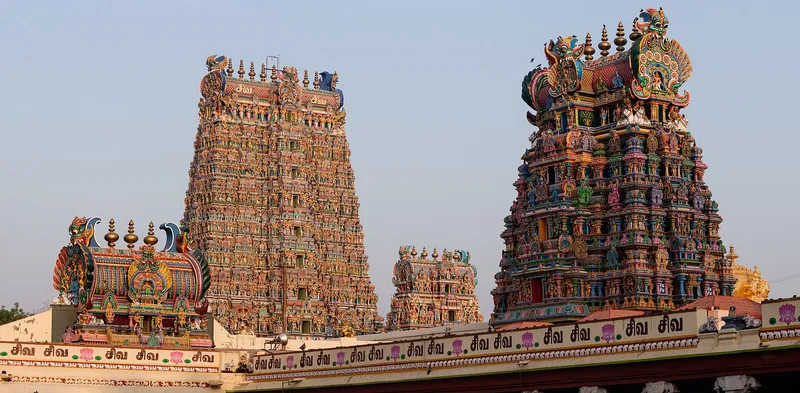
FOR FOOD AND TEMPLE LIFEMaduraiA working temple at the centre of the city and banana-leaf meals for a couple of dollars, at about $470 a month.
FOR THE MOUNTAINS Karakol
The Tian Shan trekking routes start at the edge of town, for about $500 a month, as long as your work survives a shaky connection.
What to weigh before you book
The monthly figure assumes you live like a resident: a local flat, local food, rickshaws and buses. Imported groceries and air conditioning are what push it up, and in Nagpur, Madurai and Bhubaneswar the air conditioning is not optional between April and June. Karakol has the reverse problem, with coal or gas heating through a severe winter that summer visitors never see.
Some costs do not show up in a monthly budget at all. Power cuts are routine in Multan's summer and Gilgit's winter, so a UPS or an inverter is part of the setup rather than an extra. Cash matters more than cards in most of these places: foreign cards do not work in Iran because of sanctions, they often fail at Gondar's ATMs, and Bandipur runs almost entirely on cash. Insurance is the last one. Policies that exclude areas under travel advice will not cover a stay in several of these cities, so check the wording before you book, not after.
The ranking
-
1
 $420/moNomad Score 2.5Safety 5WiFi 4Community 2
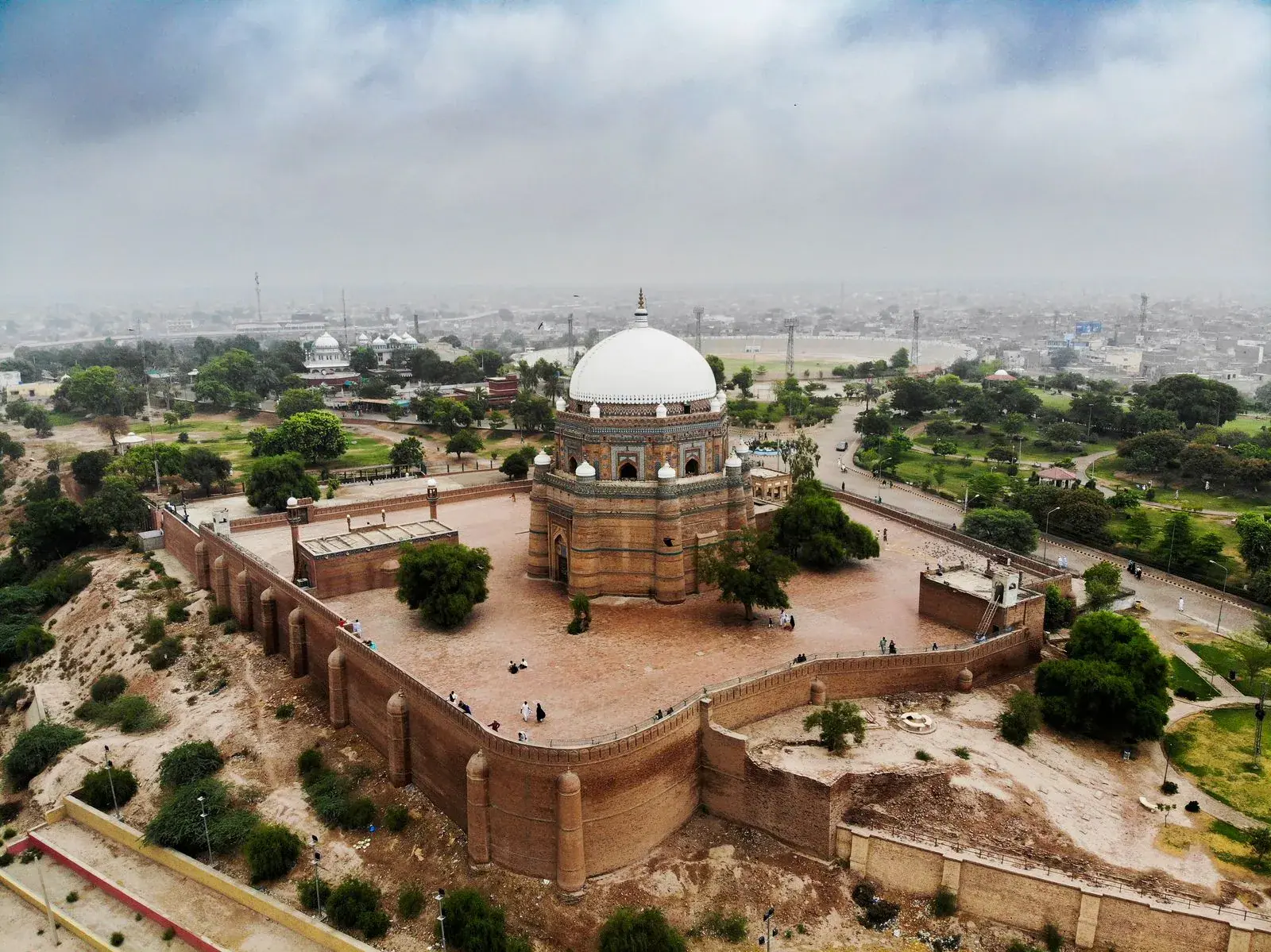
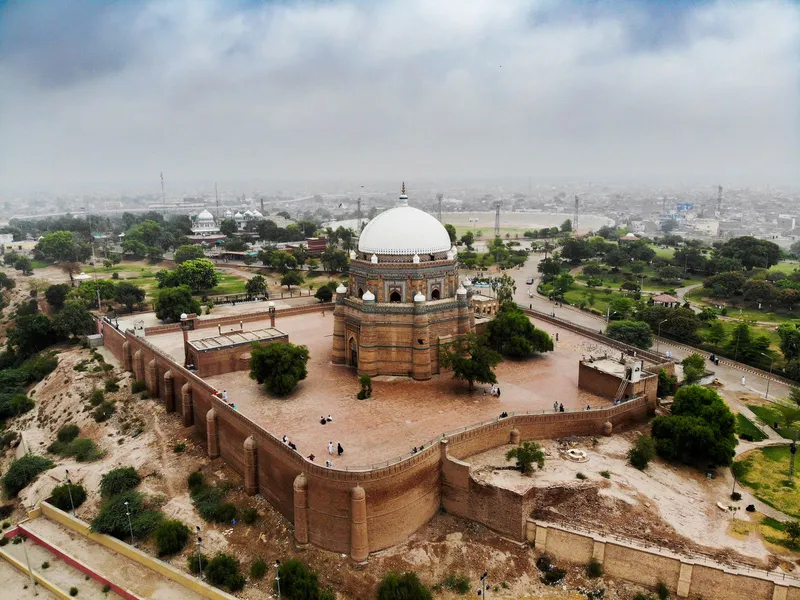
Five thousand years of settlement and a month for about $420: that is Multan's offer. The blue-tiled Sufi shrines are extraordinary, the mangoes are the best in Pakistan, and a restaurant meal for two rarely passes $10. Working here is another matter. Coworking is hard to find, you will meet few other foreigners, summer power cuts make a UPS or inverter essential, and April to June is too hot to choose deliberately. Travel advisories can complicate insurance too. Come with experience of Pakistan and a flat with fibre in Gulgasht or Model Town; first-timers do better starting in Lahore.
-
2
 $470/moNomad Score 4.5Safety 6WiFi 6Community 3
Madurai's street grid radiates out from the Meenakshi Amman temple, a working temple that some fifteen thousand people pass through every day, and the city still runs to its rhythm. A full meal on a banana leaf at one of the mess halls costs a couple of dollars and is among the best food in India. About $470 a month covers it all, with a one-bedroom at $100 to $250 and fibre for under $15. The trade is heat, noise and traffic, and from March to June the heat is genuinely dangerous, so plan your stay outside those months.
-
3
 $480/moNomad Score 5.4Safety 7WiFi 6Community 3
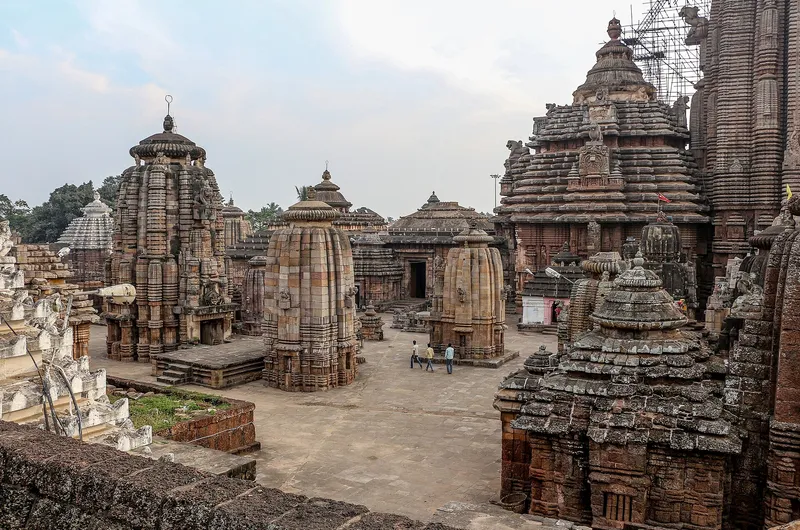
Several hundred Kalinga-style temples still stand in Bhubaneswar, and around them runs a planned state capital with an IT corridor, good hospitals and a real airport. That combination is rare at about $480 a month. A furnished one-bedroom in Saheed Nagar runs $110 to $200, a thali is under a dollar, and home fibre costs $8 to $12. Hot desks around Infocity serve local software firms rather than visitors. Other foreigners are scarce and the city sprawls, so plan on two or three winter months, with Puri and Konark as trips out.
-
4
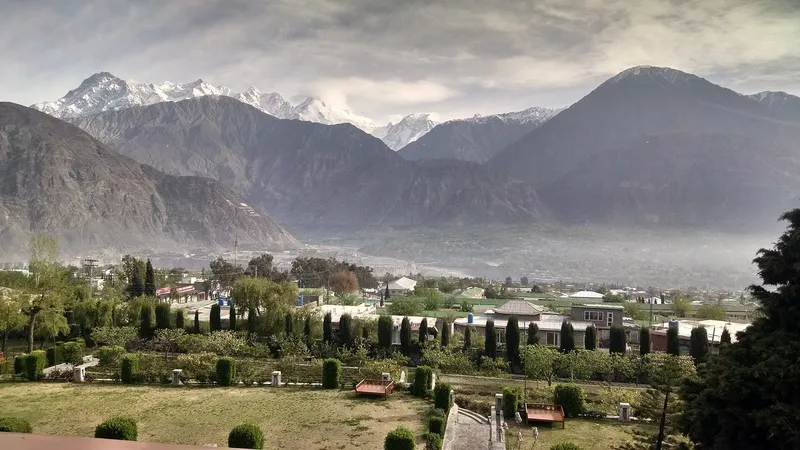 $480/moNomad Score 4.7Safety 5WiFi 4Community 3
Gilgit stands where the Karakoram, the Hindu Kush and the Himalaya meet, and the Hunza valley two hours north is one of the most spectacular inhabited landscapes on earth. About $480 a month buys a life here, and the hospitality is much remarked on. The connection is the problem: bandwidth up the Karakoram Highway is limited, outages are frequent, power cuts are routine in winter and you work from your room. Landslides and cancelled flights make every timing approximate. It suits trekkers whose work can wait, and parts of the wider region need current government advice before you go.
-
5
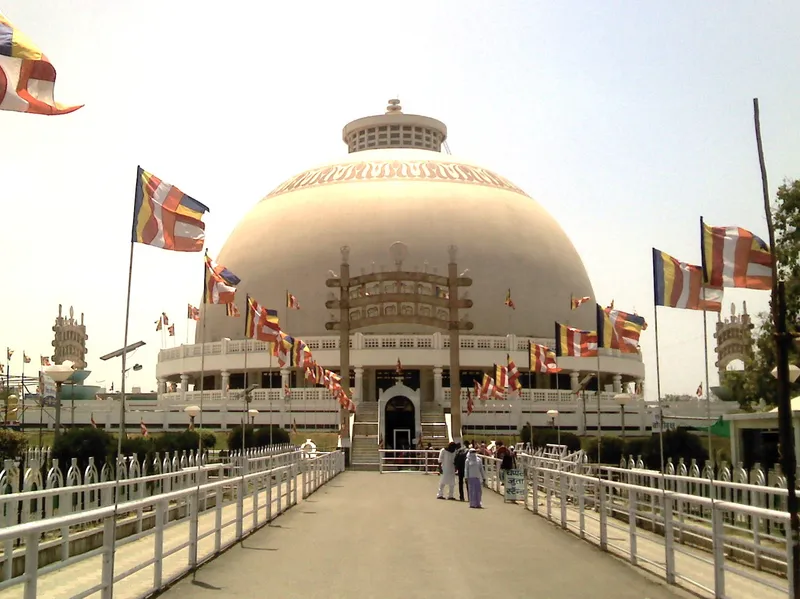 $490/moNomad Score 4.7Safety 7WiFi 6Community 3
Nagpur sits at the geographic centre of India, and that is its use: rail lines run in every direction, the metro is genuinely good, and two tiger reserves are within a three-hour drive. At about $490 a month it is one of the cheapest Indian cities of its size. A thali costs around a dollar, Saoji mutton $3 to $4, and hot desks near Civil Lines and the Parsodi IT park run $50 to $95 a month. Summer heat rules out four months, you will meet few other foreigners, and weekends usually start with a train ticket.
-
6
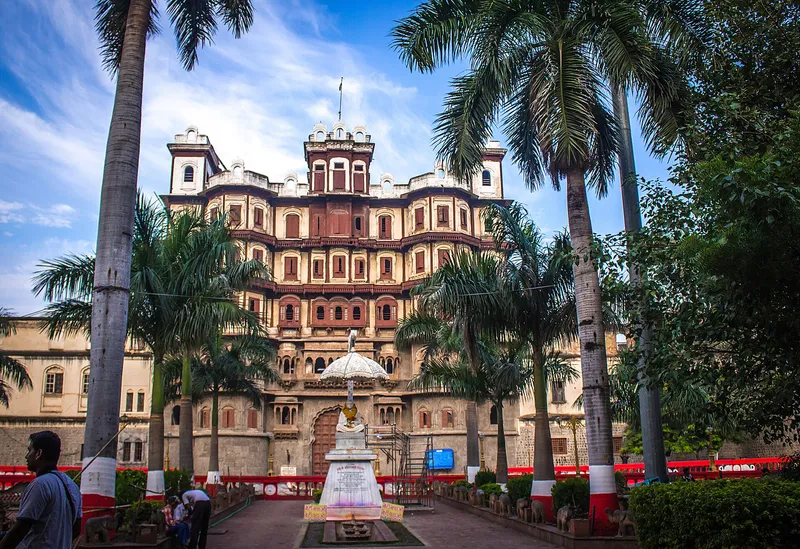 $500/moNomad Score 5.6Safety 7WiFi 6Community 3
Indore has topped India's national cleanliness survey every year since 2017, and the difference shows on the street. The other reason to come is food: poha with jalebi for breakfast costs well under a dollar, and an evening eating through Sarafa Bazaar rarely passes $5. About $500 a month covers a furnished flat in Vijay Nagar, fibre and a hot desk along AB Road, and an IIT and an IIM keep the city young. What it lacks is any foreign community, a walkable centre or much nightlife, and April to June is genuinely hot.
-
7
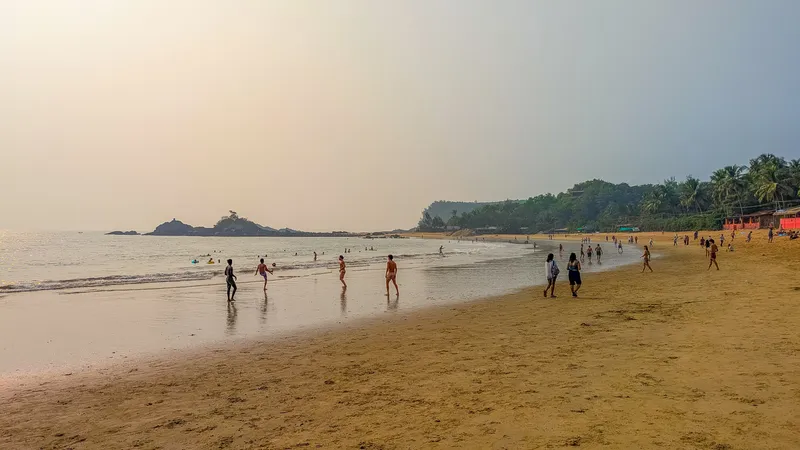 $500/moNomad Score 5.4Safety 7WiFi 4Community 4
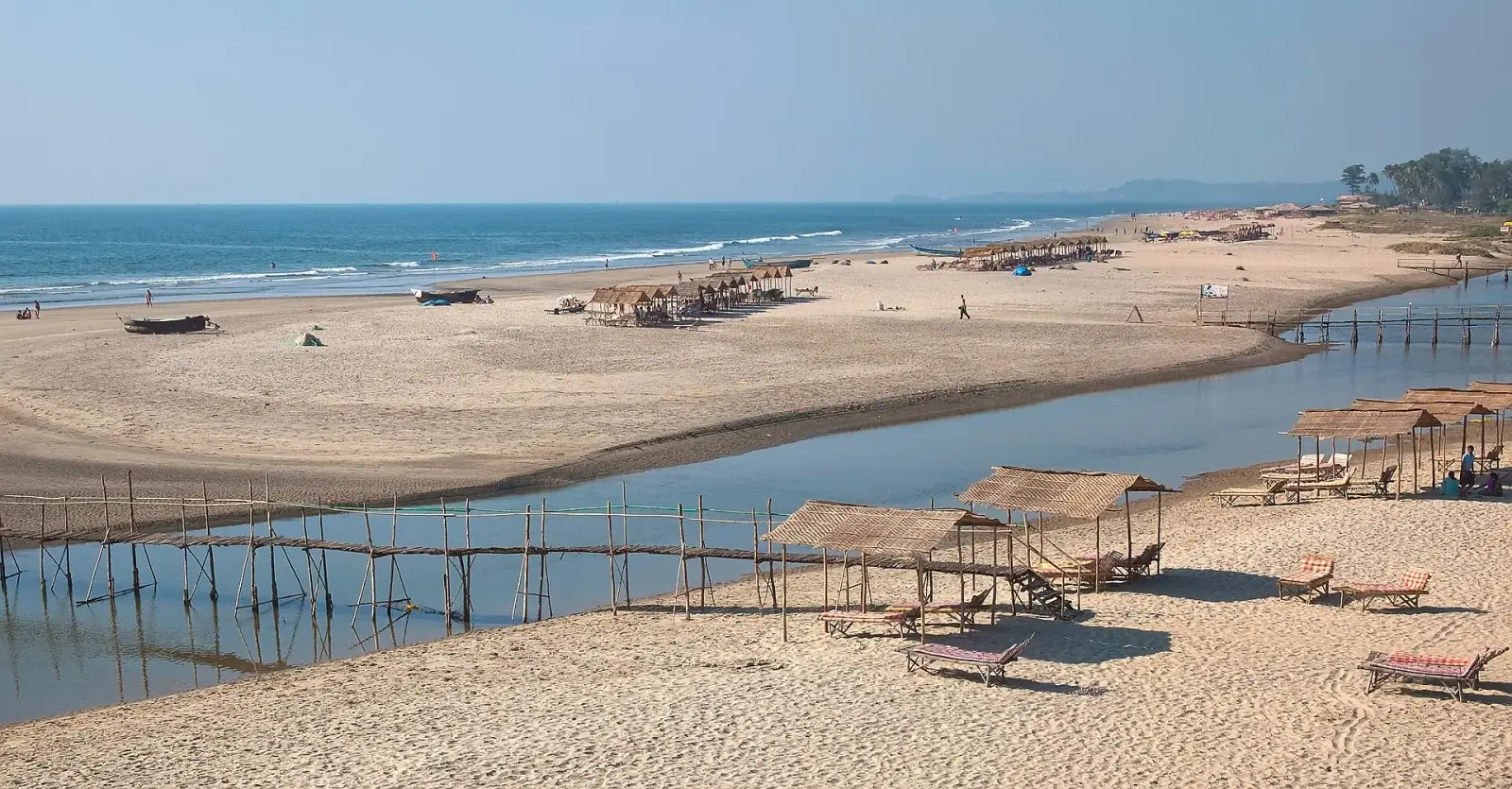
Gokarna is the beach town for people who find Goa too commercial: Kudle, Om, Half Moon and Paradise linked by footpaths and boats, with a working Hindu pilgrimage town behind them. A bamboo hut runs roughly $5 to $13 a night in season and a thali $1 to $2, so about $500 a month is comfortable. Work is the compromise. You work from your room or a cafe, beach-shack wifi drops whenever the power flickers, and the monsoon closes much of the town for a third of the year. Come for a few weeks of light work, and dress modestly away from the sand.
-
8
 $500/moNomad Score 5.4Safety 7WiFi 4Community 2
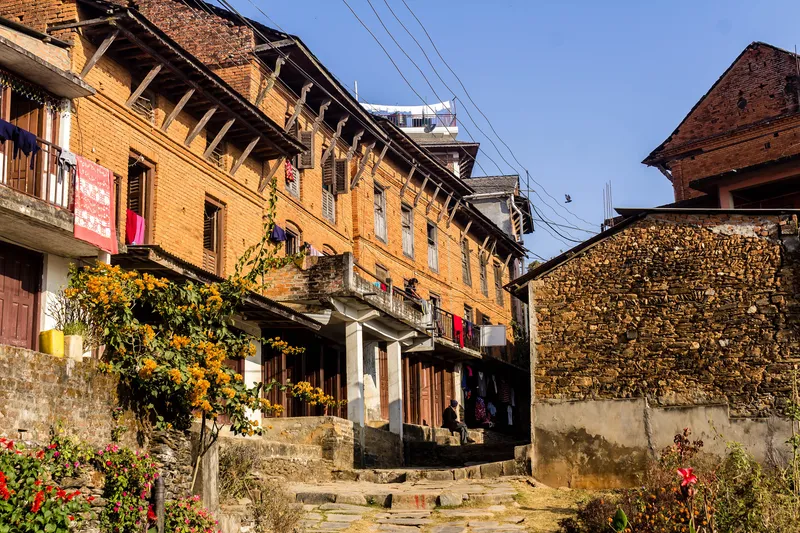
No cars run on Bandipur's main bazaar, a ridge-top street of carved Newari townhouses and temples halfway between Kathmandu and Pokhara. On clear days the Himalaya fills the view from the end of it. About $500 a month covers a private room and dal bhat three times a day, and almost everything is paid in cash. The town is small, though: a few days covers it, wifi ranges from workable to frustrating, you work from your guesthouse, and anything beyond minor medical care means a trip to Pokhara. Treat it as a working retreat of a few weeks.
-
9
 $500/moNomad Score 5Safety 7WiFi 5Community 4
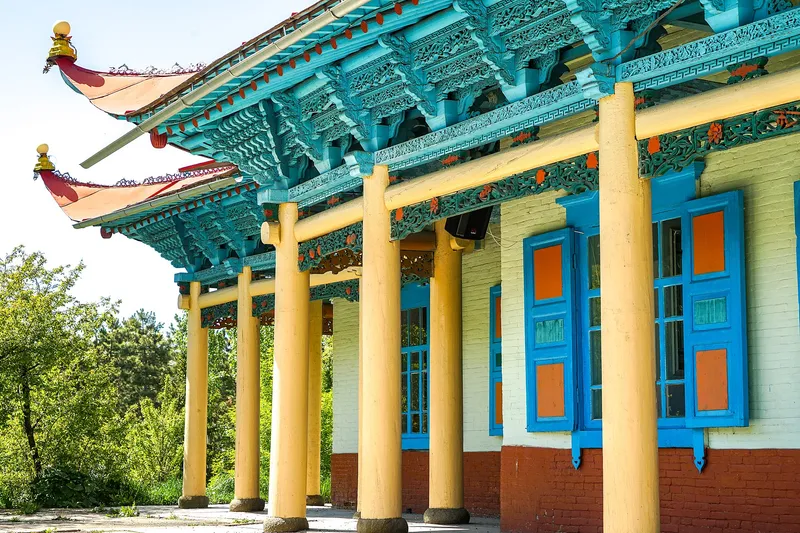
At the far end of Lake Issyk-Kul, under the Tian Shan, the Ala Kul trek and the Jeti Oguz valley start almost from Karakol itself. A month costs about $500, a one-bedroom $150 to $300. Two buildings tell its story: a Dungan mosque raised by Chinese Muslim refugees in 1907 without a single nail, and a wooden Orthodox cathedral built the same way. Russian is far more useful than English, connections are shaky, and winter heating is a real cost. Bishkek, with the serious hospitals, is six hours away by road.
-
10
 $500/moNomad Score 4.7Safety 7WiFi 4Community 2
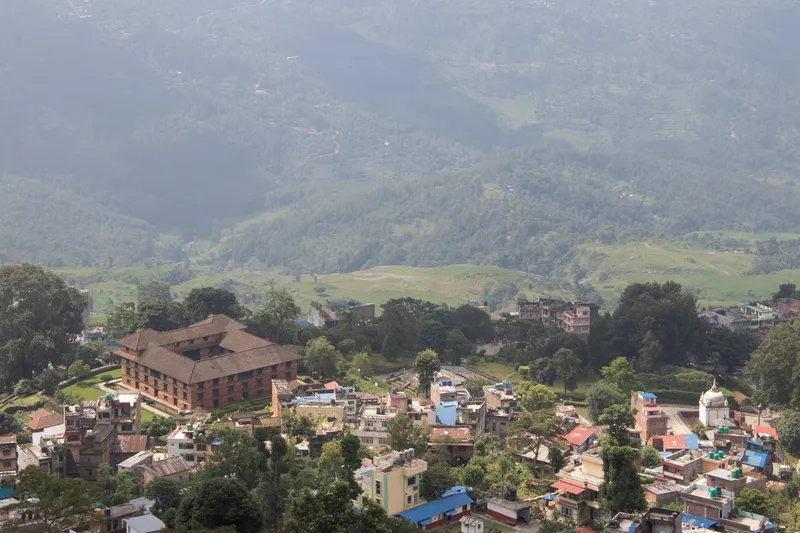
Gorkha's hilltop Durbar was the seat of Prithvi Narayan Shah, the king who unified modern Nepal, and the ridge it stands on gives Himalayan views without Pokhara's crowds. The bazaar below has not been rebuilt for visitors. Living costs about $500 a month, with a simple room at $5 to $13 a night and better long-stay rates negotiated at the guesthouse. Nobody should plan a full working week here: you work from your hotel, wifi drops even at the better hotels, and anything medical means Pokhara or Kathmandu. It works best as a short stop inside a longer Nepal trip.
-
11
 $500/moNomad Score 3.9Safety 5WiFi 3Community 2
Gondar was Ethiopia's imperial capital from the 1630s, and the castle compound of Fasil Ghebbi, the painted ceiling of Debre Berhan Selassie and the Simien Mountains beyond make it one of the richest places on this list to explore slowly. A plate of doro wat costs $2 to $4 and a month about $500. The cautions are serious. The wider Amhara region has seen armed conflict and unrest in recent years, with transport and communications cut at times. Wifi is weak, power cuts are frequent and foreign cards often fail at ATMs, so carry cash and check current advice first.
-
12
 $500/moNomad Score 3.4Safety 2WiFi 3Community 2
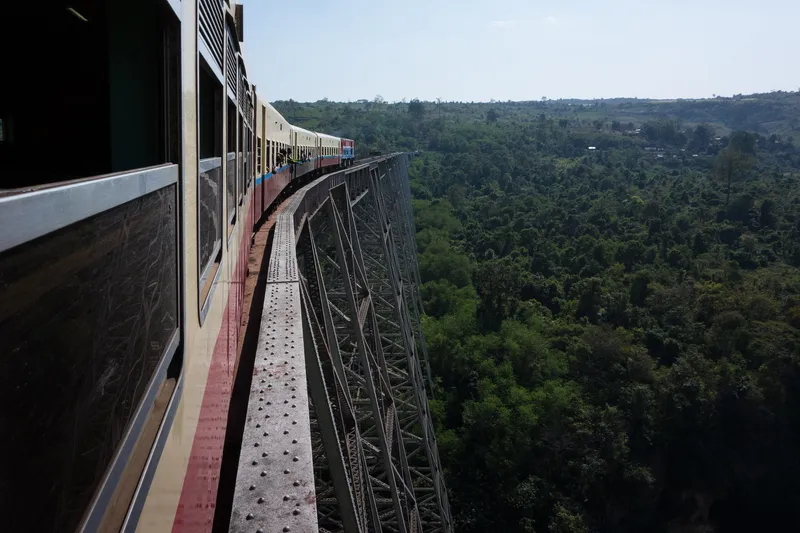
Hsipaw is a hill town in northern Shan State, known for multi-day treks through Palaung and Shan villages and tea plantations, and for the train over the Gokteik viaduct when it runs. On paper it costs about $500 a month. It should not be on anyone's plan right now. The UK advises against all travel to northern Shan State, and the US says not to travel to Myanmar for any reason, citing armed conflict and landmines. The town has changed hands twice in a year. Keep it on a watchlist, and read the official advice before considering a visit.
-
13
 $500/moNomad Score 3.4Safety 2WiFi 4Community 2
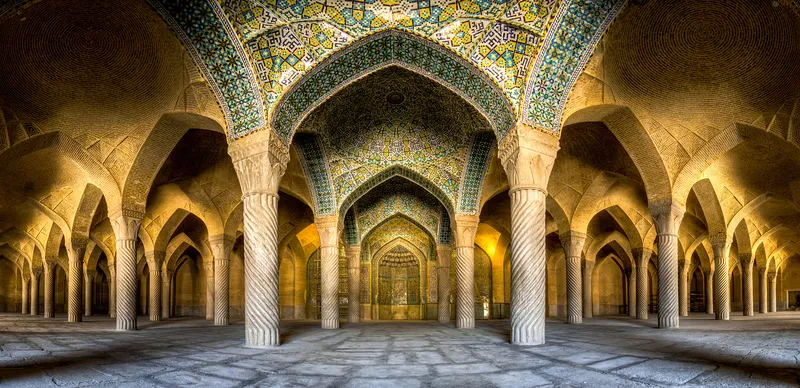
The poets Hafez and Saadi are buried in Shiraz, the city of the Vakil bazaar and the coloured glass of Nasir al-Mulk, with Persepolis an hour away. In normal times about $500 a month covers a life here. These are not normal times. Explosions were reported in the city in April, the UK advises against all travel to Iran, and the US says not to go for any reason and has no embassy to help you. Even before that, foreign cards did not work under sanctions and many international platforms were blocked. For now, this is a city to read about rather than book.
-
14
 $520/moNomad Score 5.6Safety 7WiFi 6Community 3
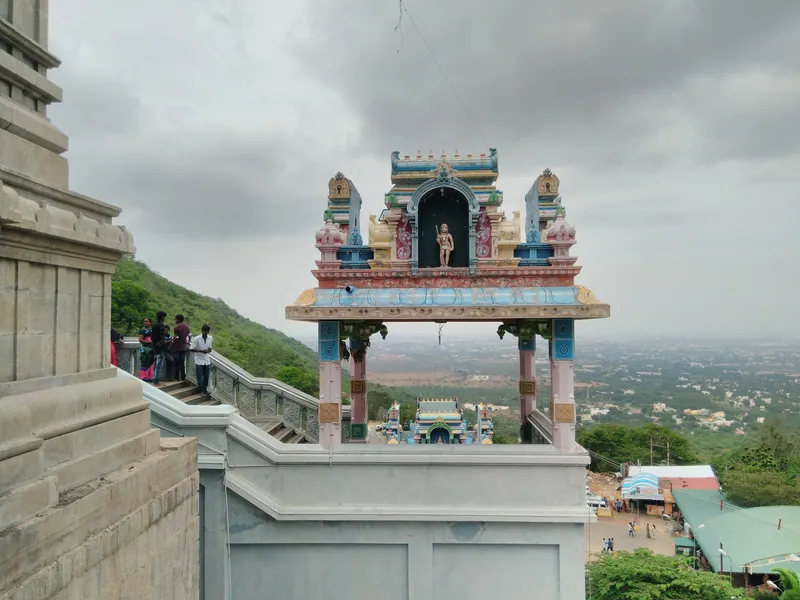
If your job fills a normal working week, Coimbatore is the strongest candidate here. Its engineering and textile industries support a real coworking market around Race Course, Peelamedu and Avinashi Road, with hot desks at $60 to $110 a month, and fibre is fast and cheap. The Palghat gap keeps the city cooler than most of Tamil Nadu, and the Nilgiri hills make easy weekends. About $520 a month covers a flat in Saibaba Colony and plenty of meals at under a dollar each. You will meet few other foreigners, the city sprawls, and bars close early.
-
15
 $540/moNomad Score 5.2Safety 8WiFi 4Community 3
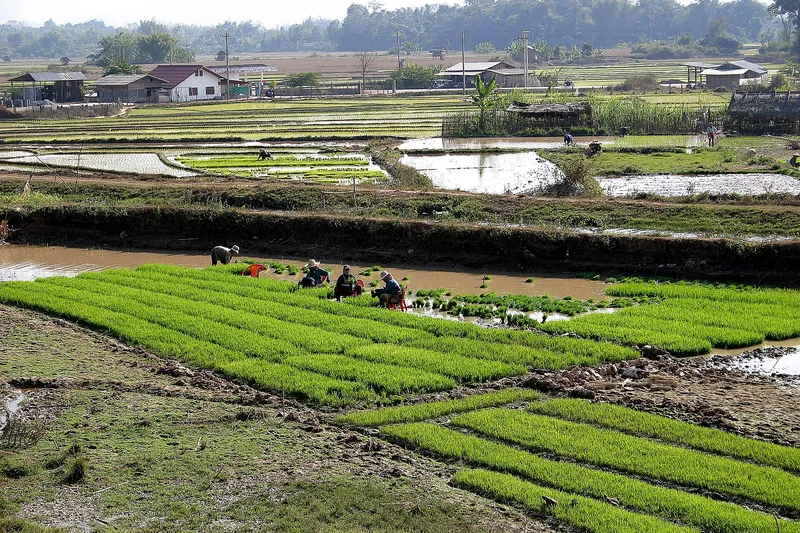
Luang Namtha is the way into the Nam Ha National Protected Area, one of the better-run community ecotourism schemes in Southeast Asia, where trekking fees are shared with the hill villages and guide numbers are capped. The town itself is quiet, friendly and cheap at about $540 a month, with the night market as the usual dinner. It sits on the overland loop between Huay Xai on the Thai border and Nong Khiaw, which makes it a good place to stop for a week. Connectivity is poor, medical care is basic, and March and April bring burning-season smoke.






Choose by the kind of month you need. If clients expect you on video every day, the Indian cities with coworking are the realistic options, and Coimbatore, Indore and Bhubaneswar give you hospitals, airports and fibre on top of the low rent. If the point is mountains or a few weeks of slow, offline work, Karakol, Bandipur and Luang Namtha are the better fit, with the connection treated as a bonus. And if a city on this list carries current advice against travel, let it wait.
The cheapest number is not always the best deal. Paying a little more often buys a great deal more, which is what our best value ranking measures. To see any two of these cities side by side, open them in the comparison tool.
Frequently asked questions
What is the cheapest city for digital nomads?
Multan in Pakistan, at about $420 a month, followed by Madurai in India at about $470. Multan is a city for experienced travellers with a reason to be in southern Punjab: coworking is hard to find, other foreigners are few and summer power cuts are routine. If you need a cheap base where work is straightforward, Bhubaneswar at about $480 and Nagpur at about $490 both have coworking, home fibre for around $10 a month and trains to the rest of India.
Can you really live on $500 a month as a digital nomad?
In most of these cities, yes, if you live as residents do. In Indore a furnished one-bedroom in Vijay Nagar is $120 to $220, breakfast from a street stall is well under a dollar and home fibre is $8 to $12. The budget breaks when you rely on imported groceries, constant air conditioning or Western restaurants, and it does not include flights or visa costs.
Why are the cheapest cities so often in South Asia?
Rent, food and labour cost very little there, and India, Pakistan and Nepal have big rental and street-food markets even in mid-sized cities. India supplies six of the fifteen cities on this list, Pakistan and Nepal two each, and Kyrgyzstan, Ethiopia, Myanmar, Iran and Laos one each.
Which of these cheap cities is best for remote work?
The Indian cities with an IT industry: Coimbatore, Indore, Bhubaneswar and Nagpur all have coworking spaces with hot desks for roughly $50 to $110 a month, and home fibre for under $15. The hardest places to work from are the remote ones, Gilgit, Gorkha, Bandipur and Luang Namtha, where the connection depends on the weather and the power supply. In Shiraz many international platforms are blocked.
Is it safe to go to every city on this list?
No. The ranking is by cost alone. The UK advises against all travel to Iran, which includes Shiraz, and to northern Shan State in Myanmar, which includes Hsipaw, and the US says not to travel to either country. Gondar is in Ethiopia's Amhara region, which has seen armed conflict in recent years. Read the current UK or US government advice for any city before you book, because it can change within a day.