Food is rarely the first line item on a relocation checklist, but it quietly shapes daily life more than almost anything else. When you work remotely, most of your meals happen where you live rather than on a two-week holiday, so the difference between a city with three good restaurants and a city with three hundred compounds over months. A strong food scene means cheaper lunches, more spontaneous dinners, and a market culture that turns grocery runs into something you look forward to.
The tradeoffs here are real. The world's best eating cities split into two camps: places where quality is astonishing but your budget disappears fast, and places where a full meal costs less than a coffee back home but the wifi or the visa terms ask something of you in return. San Sebastian and Tokyo deliver at the very top of the craft, yet they sit at very different price points. Penang, Bangkok, and Oaxaca prove that some of the planet's most exciting cooking lives in cities that are genuinely affordable to base in.
Read this ranking as a map of appetite, not a scoreboard of luxury. Every city here scores at or near the ceiling on food, so the honest decisions come from the surrounding factors: what you will pay per month, how the cafe scene works for a laptop, and whether the rest of the setup fits how you actually live. Use the scores and monthly budgets to weigh flavor against everything else.
Cities are ranked by their food and dining score across our 1,000-city index, with ties broken by the overall Nomad Score. Explore the numbers yourself on the comparison tool or browse all 999 city guides.
At a glance
 Penang
Around $740 a month buys you into one of Asia's greatest hawker cultures, where a legendary bowl of laksa or char kway teow costs pocket change and English is widely spoken.
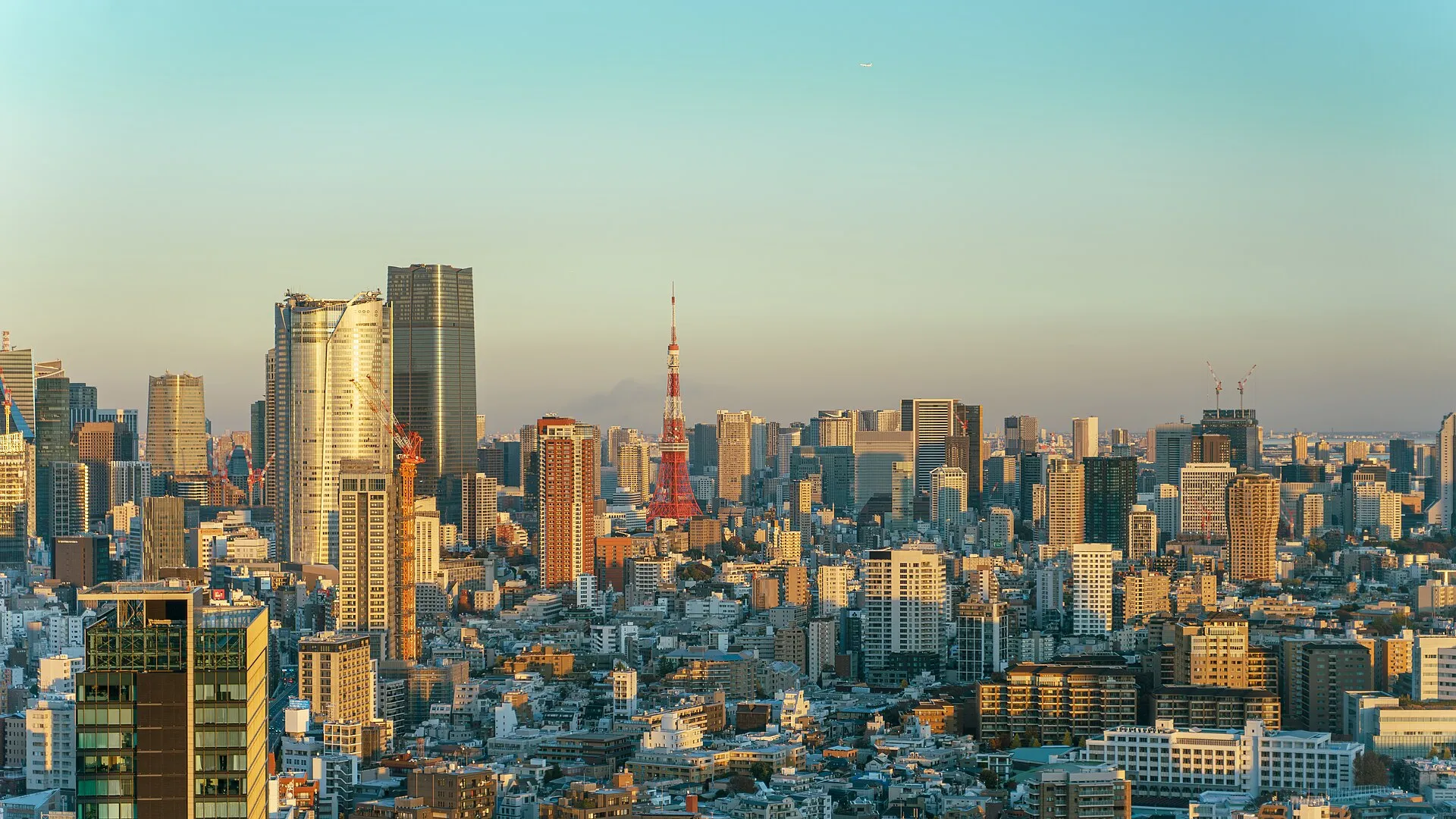
Best all-rounder Tokyo
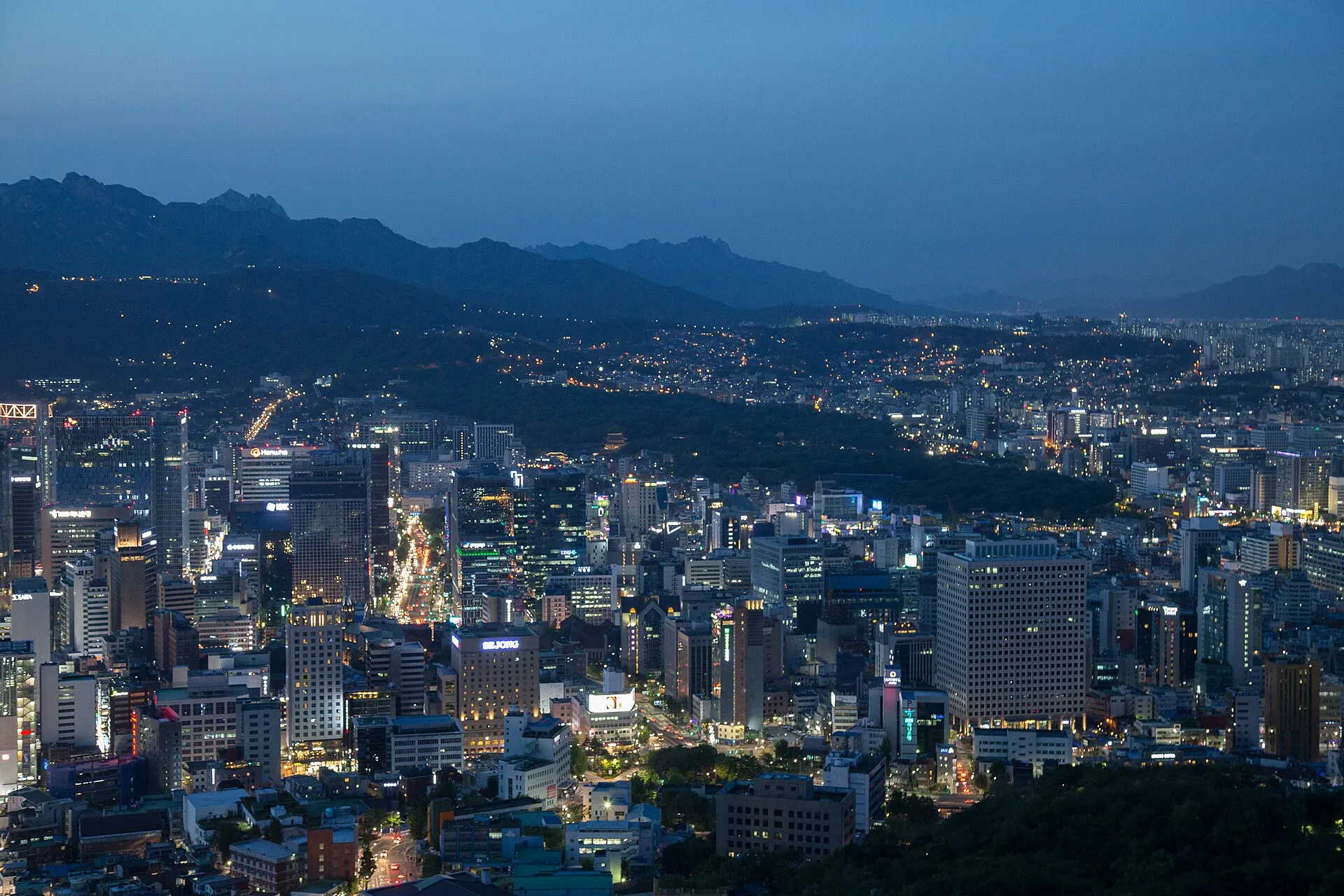
TokyoA perfect food score paired with top marks for safety and cleanliness, plus reliable wifi. Everything from convenience-store rice balls to Michelin counters is executed with startling consistency.
Mexico's culinary heart Oaxaca
At roughly $1,600 a month it sits in the cheaper half of the list while holding the heart of Mexican gastronomy, home to mole, mezcal, and some of the country's deepest market traditions.
What to weigh before you book
A top food score tells you the ceiling is high, but it does not tell you how the eating fits a working routine. Some of these cities reward the sit-down ritual more than the laptop lunch: Lyon's bouchons and Rome's trattorias are built for lingering meals, not for parking a laptop through the afternoon. Cafe culture varies enormously. Places with strong specialty-coffee scenes tend to be far friendlier to a remote worker who wants an outlet, decent wifi, and a table for three hours.
Weigh the practical costs too. New York and Paris are extraordinary to eat in, yet their monthly budgets can erase the savings that drew you abroad in the first place. Language matters at the market and the neighborhood spot: cities scoring lower on English reward a bit of effort to order well. And a great food score says nothing about air quality or safety, so cross-check those columns before you commit. The dish is only one part of the day.
The ranking
-
1
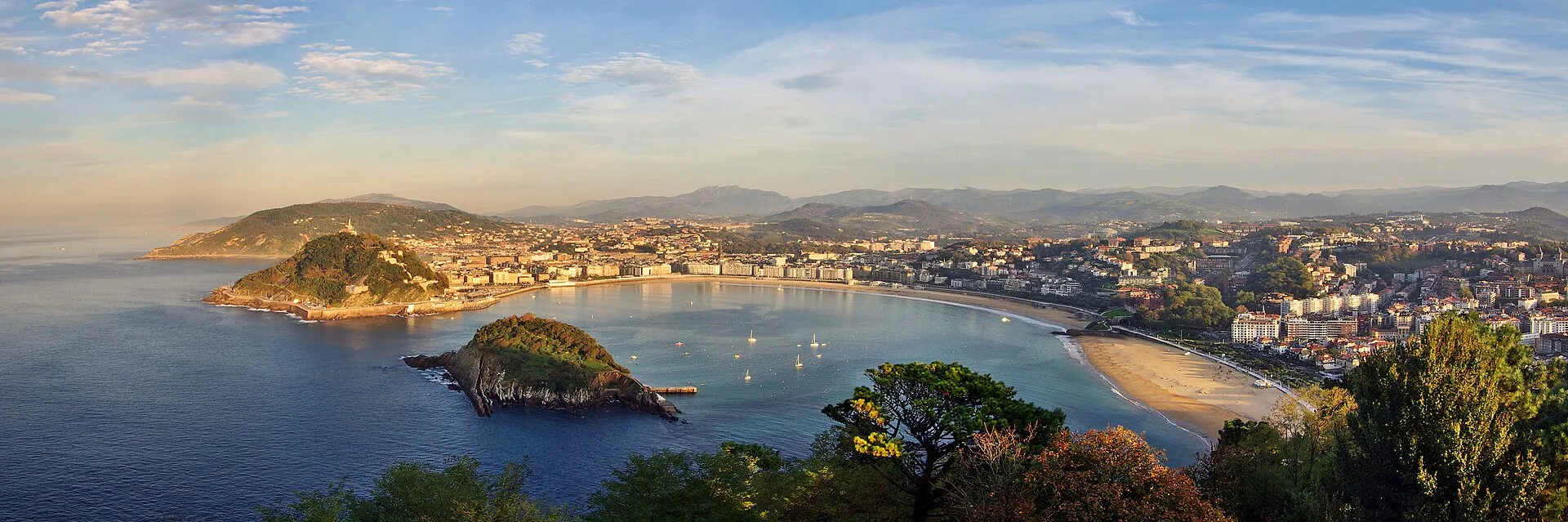
 Food 10/10Nomad Score 8.9$2,160/moSafety 9WiFi 8Value 4
This compact Basque city eats far above its weight, packing an astonishing concentration of pintxos bars and celebrated kitchens into a walkable old town. The ritual here is the txikiteo, hopping counter to counter with a small plate and a glass at each stop, which suits an evening off far better than a chaotic dinner reservation. Markets brim with the day's catch and Basque cider. The catch is cost: at $2,160 a month it is not cheap, and the community score is low, so you trade some social ease for the finest small-plate culture in Europe.
-
2
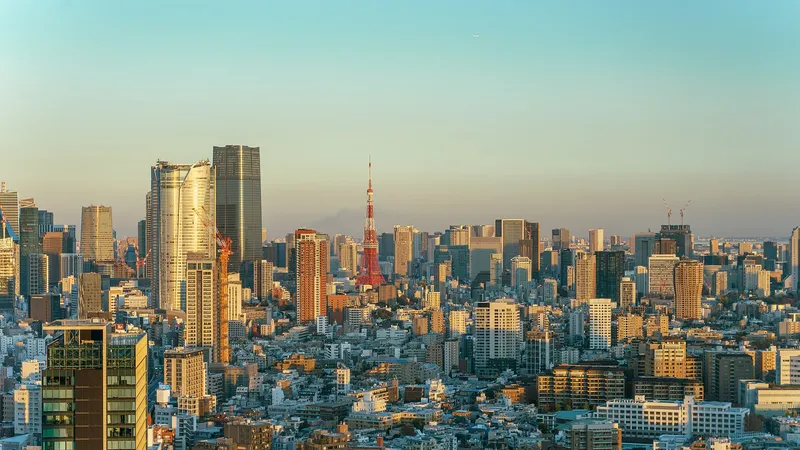 Food 10/10Nomad Score 8.7$1,920/moSafety 10WiFi 7Value 3
Few cities reward a curious eater like Tokyo, where quality runs deep from the humblest ramen counter to the world's densest cluster of top-tier restaurants. Even a convenience-store meal or a standing soba bar is executed with a precision that borders on absurd. Specialty coffee is excellent and cafes are calm places to work, backed by strong wifi and near-perfect scores for safety and cleanliness. The tension is budget and language: at $1,920 a month it is the priciest Asian base here, and a modest English score means the best neighborhood spots ask you to point, guess, and trust the room.
-
3
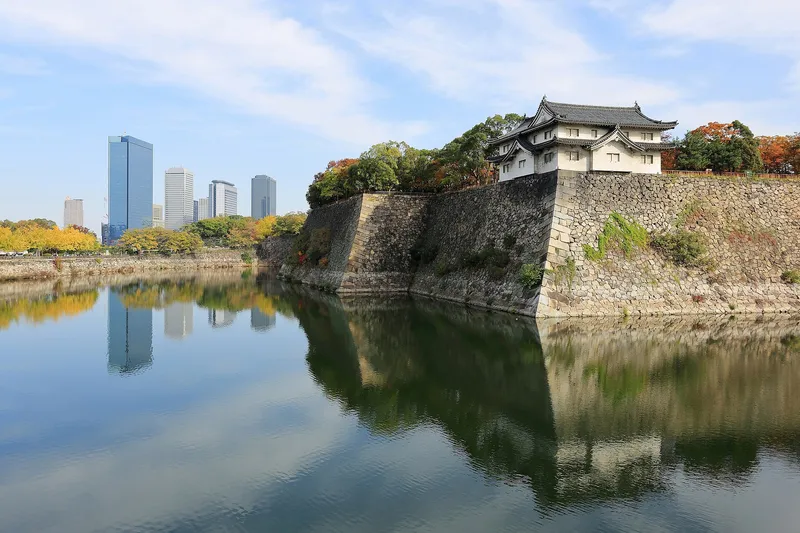 Food 10/10Nomad Score 8.3$1,460/moSafety 9WiFi 7Value 5
Japan's kitchen wears its appetite openly, and Osaka's street food defines the city more than any monument. This is the home of takoyaki and okonomiyaki, of neon-lit Dotonbori stalls and the local motto of kuidaore, eating yourself into ruin. It delivers Tokyo-level quality at a noticeably lower $1,460 a month, with similarly excellent safety and cleanliness. The tradeoff is that English is even thinner here than in Tokyo, and the nature score is modest, so you stay for the plates and the energy rather than escapes into green. For pure street-eating value in Japan, it is hard to beat.
-
4
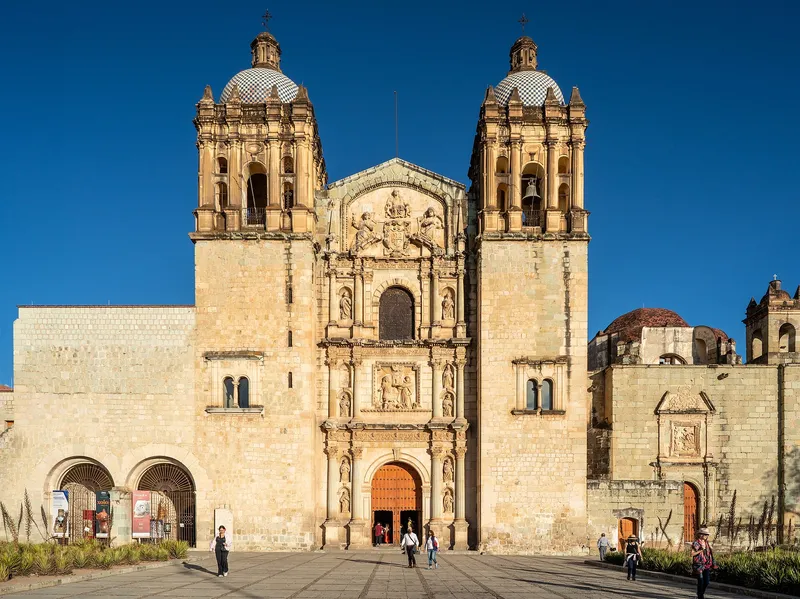 Food 10/10Nomad Score 7.8$1,600/moSafety 6WiFi 5Value 7
Widely called Mexico's culinary heart, Oaxaca turns eating into an education in mole, tlayudas, chapulines, and the smoky world of mezcal. The city's markets are the real classroom, stacked with chiles and chocolate and the ingredients of a cuisine recognized worldwide. At $1,600 a month it is the sixth cheapest of the fifteen here, and the food is unrivaled for the price. The friction is infrastructure: wifi scores are the weakest on this list, so you will scout cafes and coworking spots rather than assume a reliable connection at home. A slower, richer, less-wired way to live and eat.
-
5
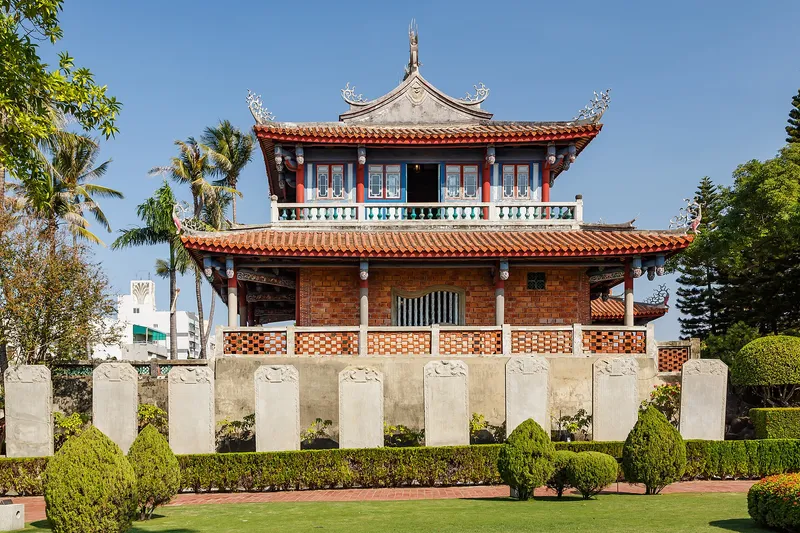 Food 10/10Nomad Score 7.8$830/moSafety 9WiFi 8Value 7
Taiwan's oldest city is also its most single-minded about food, a place where locals travel across the island for a specific bowl of beef soup or a particular danzai noodle stall. The eating leans small, cheap, and historic, tied to temple festivals and family recipes passed down for generations. At $830 a month with strong safety and a warm climate, it is an easy, gentle base. The trade is a quiet social scene, with the lowest community score on this list and thin English, so you come for the noodles and the temples rather than a ready-made expat crowd.
-
6
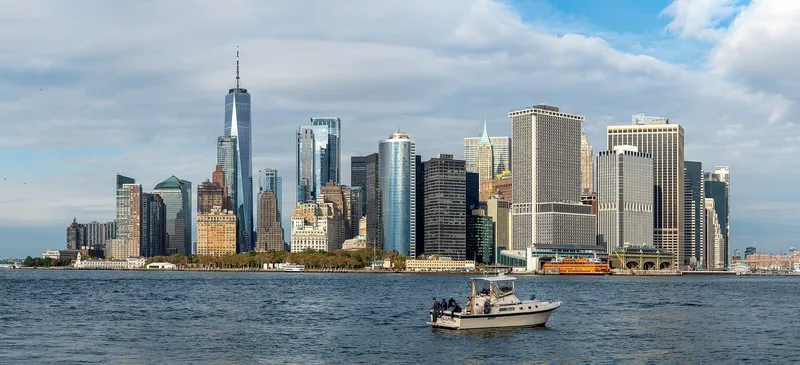 Food 10/10Nomad Score 7.8$5,720/moSafety 6WiFi 9Value 1
No city offers more range than New York, where a single subway line passes Dominican, Uzbek, Sichuan, and Senegalese kitchens within a few stops. Every cuisine on earth is represented, often by cooks who left home to make it, and the bagel-and-slice everyday layer is a genre unto itself. Cafes, wifi, and English are all effortless for a remote worker. The problem is the number that governs everything else: at $5,720 a month it is the most expensive base by a wide margin, with the worst cost score here. You eat magnificently, but the rent and the tab demand a serious income.
-
7
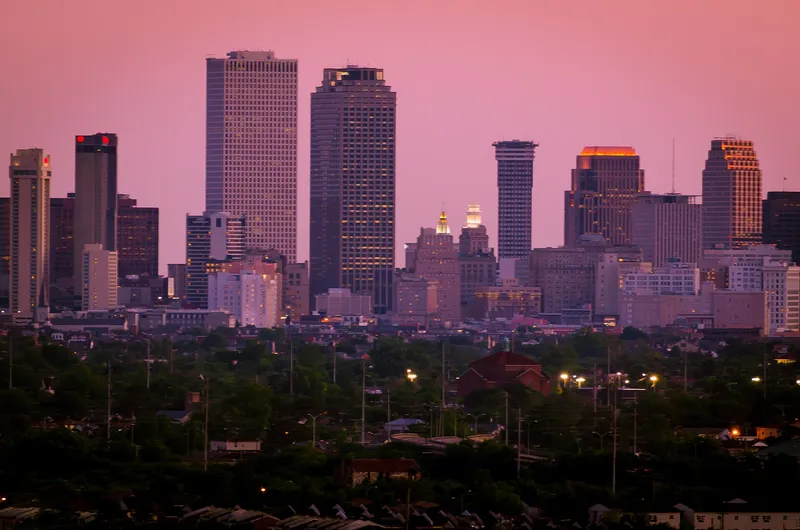 Food 10/10Nomad Score 7.8$2,600/moSafety 4WiFi 7Value 4
A steamy, soulful river city where jazz spills from French Quarter balconies, Creole kitchens run late, and Mardi Gras energy never fully fades.
-
8
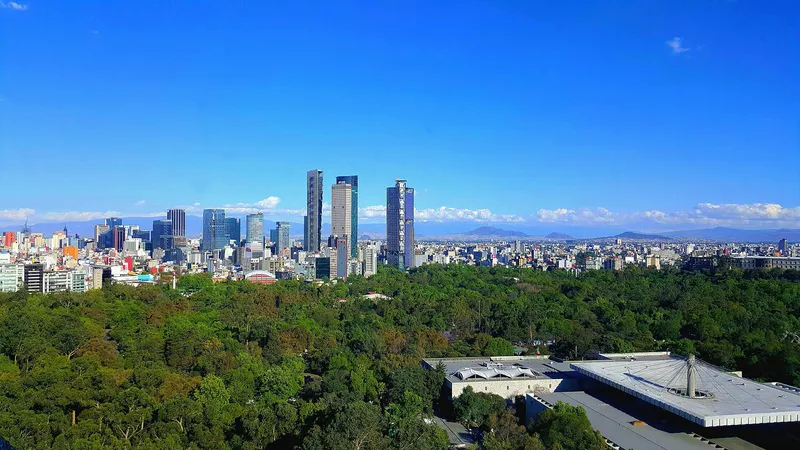 Food 10/10Nomad Score 7.6$1,680/moSafety 4WiFi 5Value 6
The capital's food runs from taco stands worked at midnight to some of Latin America's most ambitious tasting menus, all at a forgiving $1,680 a month. Markets like the sprawling neighborhood tianguis anchor daily life, and the specialty-coffee scene in Roma and Condesa gives remote workers plenty of laptop-friendly tables with real wifi. Culture and community both score high, so eating here is deeply social. The honest caveats sit in other columns: safety scores low and air quality lower, so you choose your neighborhood and your commute carefully in exchange for a food scene that genuinely has it all.
-
9
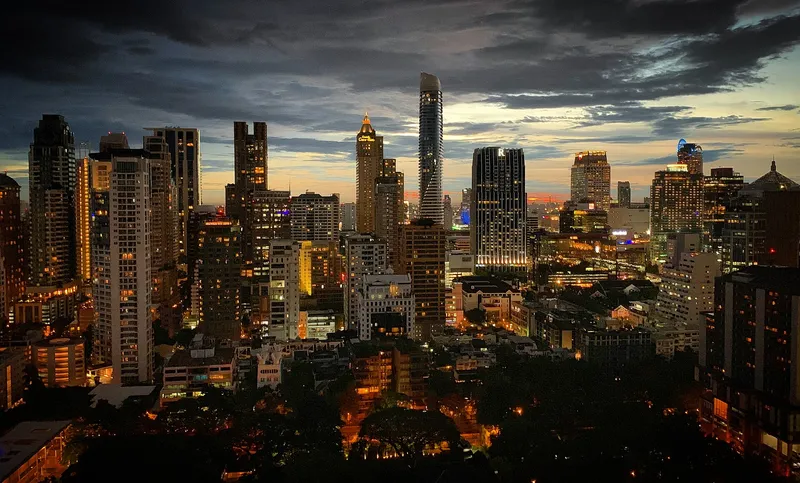 Food 10/10Nomad Score 7.6$1,150/moSafety 8WiFi 9Value 6
Bangkok eats around the clock, from dawn rice-soup carts to midnight noodle stalls, and the sheer density of street food makes it one of the most rewarding cities on earth to be hungry in. A world-class boat noodle or som tam costs almost nothing, and the strong community score means you will rarely eat alone for long. Wifi is solid and the nightlife scores high. The honest drawbacks are heat and air: the climate score is low and air quality the weakest here, so the smog and swelter shape when you venture out. For value, variety, and social eating, few cities compete.
-
10
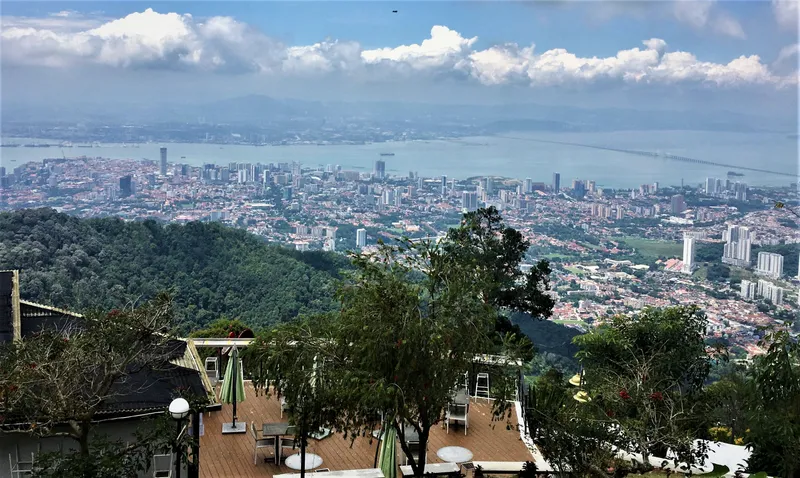 Food 10/10Nomad Score 7.4$740/moSafety 7WiFi 6Value 7
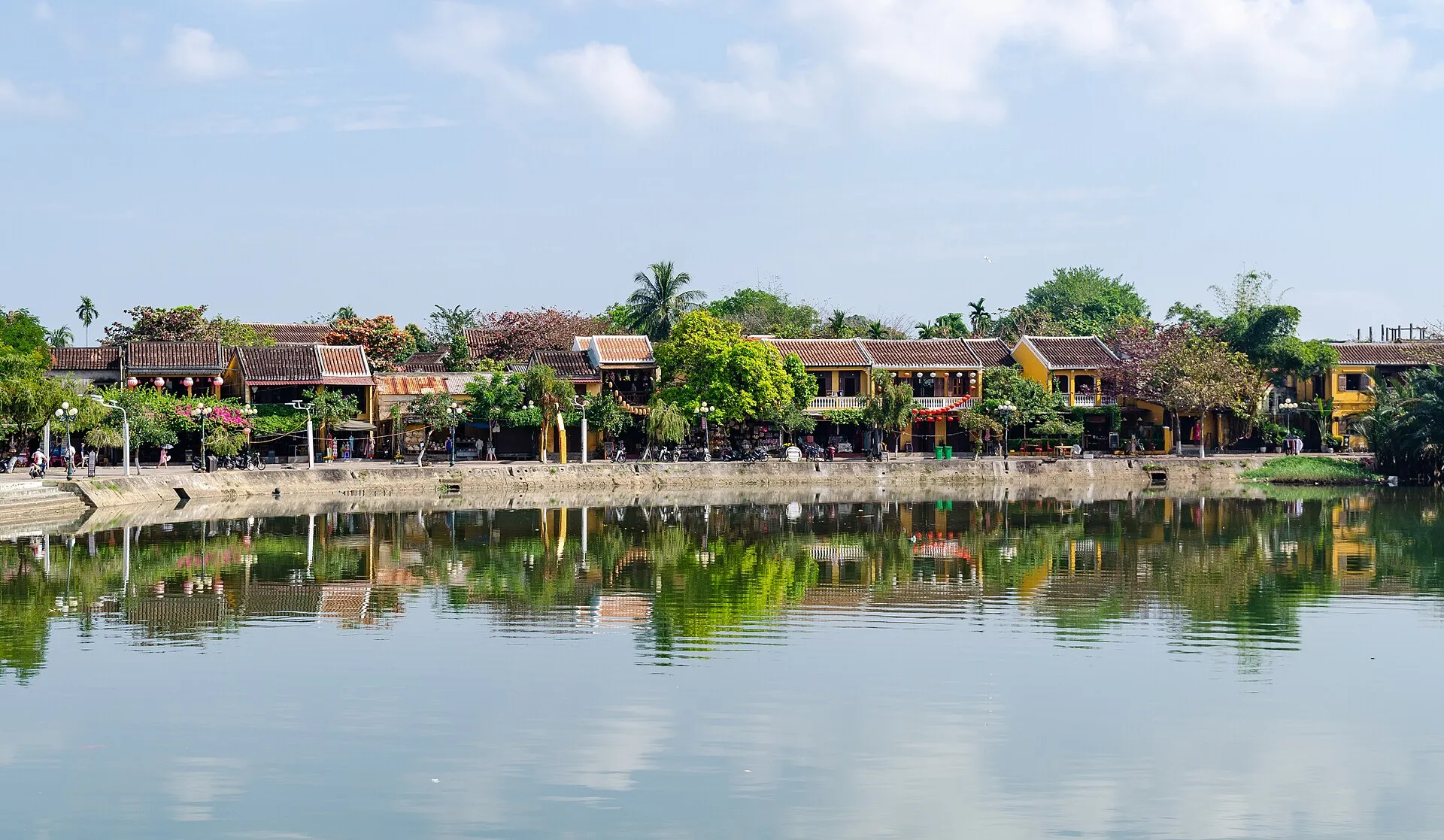
Penang's George Town is a hawker culture with few equals, a melting pot where Malay, Chinese, and Indian traditions collide into dishes like assam laksa, char kway teow, and nasi kandar. Stalls with decades of specialization sell single perfected plates for next to nothing, and at $740 a month it is one of the best food values anywhere. Strong English makes ordering easy, a rare gift at this price. The tradeoffs are a quieter nightlife and mid-range wifi, so it suits a nomad who wants incredible daily eating over a buzzing scene or a flawless connection.
-
11
 Food 10/10Nomad Score 7.4$2,560/moSafety 6WiFi 8Value 2
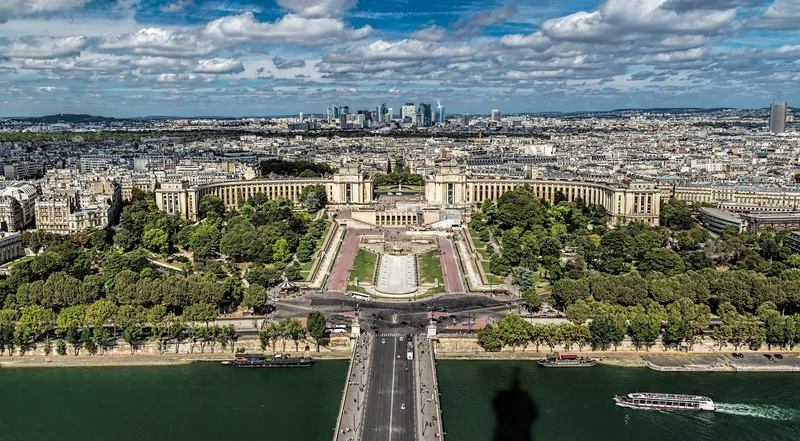
Paris rewards the patient eater, from the boulangerie run that starts the day to the neighborhood bistro that stretches dinner into hours. Markets, cheese shops, and natural-wine bars turn ordinary weeks into a slow education in French cooking, and the culture score sits at the ceiling. Specialty coffee has finally taken root, giving remote workers cafes worth a laptop. The reality check is money: at $2,560 a month and the second-worst cost score here, the city asks a lot for the privilege. You are paying for depth and ritual rather than street-food value, and the bill adds up quickly.
-
12
 Food 10/10Nomad Score 7.4$2,060/moSafety 8WiFi 7Value 5
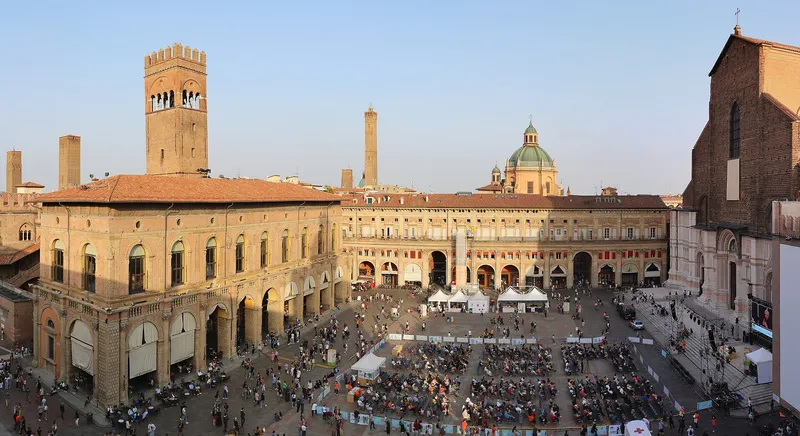
Nicknamed la Grassa, the fat one, Bologna is Italy's clearest argument for eating as identity: tortellini in brodo, tagliatelle al ragu, and mortadella from centuries-old delis in the Quadrilatero. As a historic university town it stays lively and relatively affordable at $2,060 a month, with a walkable center of arcaded streets. The food here is regional and traditional rather than globally varied, so you go deep on Emilia-Romagna rather than wide across cuisines. For a nomad who wants to master one of the world's great local kitchens without the crowds of Rome, it is an ideal base.
-
13
 Food 10/10Nomad Score 7.2$1,800/moSafety 7WiFi 9Value 4
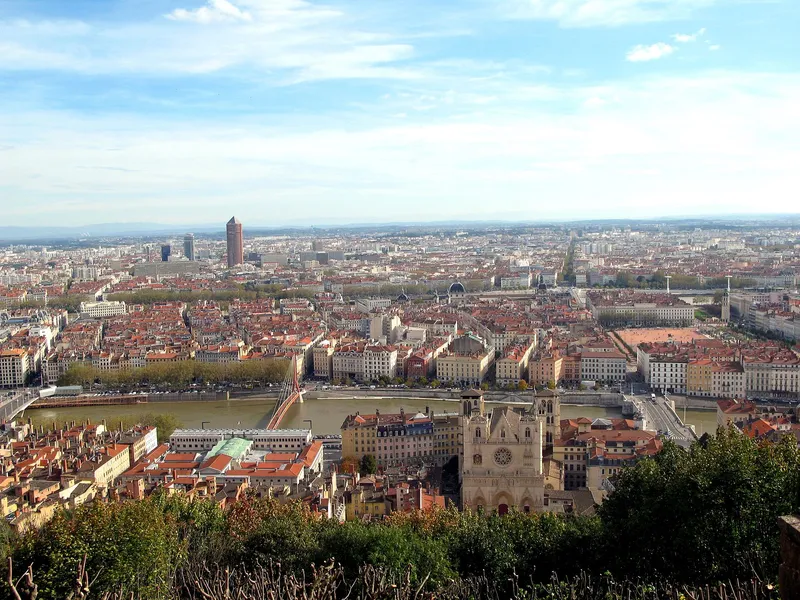
France's gastronomic capital makes its case in the bouchons, snug workaday restaurants serving quenelles, andouillette, and rich pork dishes with zero pretension. The covered market named for Paul Bocuse is a pilgrimage, and the confluence of two rivers gives the city a handsome, walkable core. At $1,800 a month it undercuts Paris while arguably out-eating it on tradition. The catch is that the scene is built for the table, not the terrace-with-laptop: cafe-working culture is thinner than in Paris, and English scores modest. Come for the meals of your life, and plan to work from a coworking desk rather than a bistro.
-
14
 Food 10/10Nomad Score 7.2$2,010/moSafety 6WiFi 7Value 4
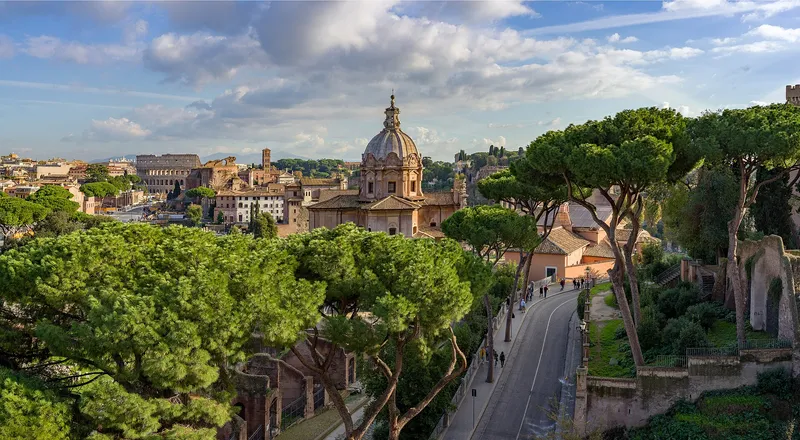
Rome's food is proudly, stubbornly local, built on four canonical pastas and the offal-heavy cucina povera of Testaccio. Trattorias hold to seasonal rhythms, the markets at Campo de' Fiori and Testaccio anchor the day, and a stand-up espresso is a civic ritual. At $2,010 a month it is more reachable than Paris while still deeply rewarding to eat in. The tradeoffs sit in the workday: wifi scores middling, and the city rewards long lunches more than laptop marathons. You come to Rome to eat like a Roman, which means slowing down to the city's own unhurried pace.
-
15
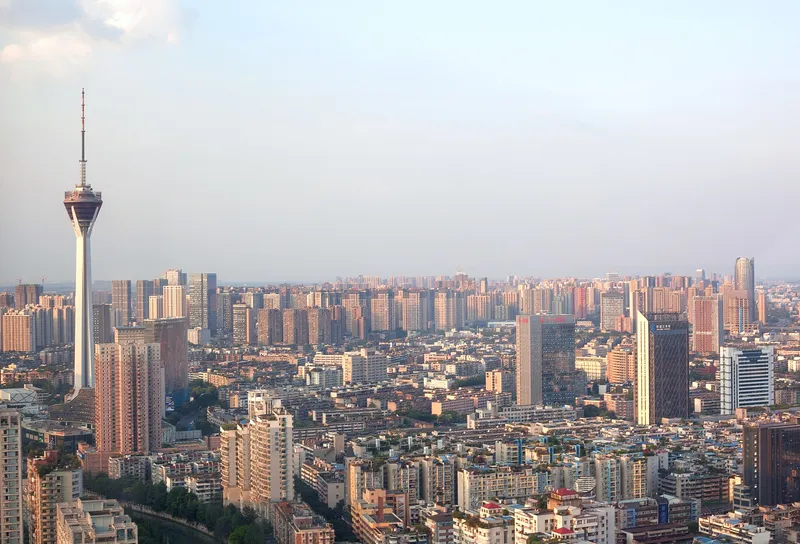 Food 10/10Nomad Score 6.5$750/moSafety 8WiFi 7Value 7
The laid-back capital of Sichuan, home of pandas, numbing hotpot and endless teahouses, a big, cheap city that runs at a famously relaxed pace.







Choosing a food-first base comes down to what you value alongside the plate. If money is no object and you want the highest craft, San Sebastian and Tokyo sit at the summit. If you want world-class eating that leaves your budget intact, Penang, Oaxaca, Tainan, and Bangkok prove the two goals are not in conflict. And if you want a food city that also scores well on everything else, Tokyo (9.1), San Sebastian (8.9) and Osaka (8.3) carry the highest Nomad Scores here.
Whatever draws you, weigh the food score against the columns that govern daily life: cost, wifi, safety, and air quality. Compare these cities side by side, dig into the full guides for the ones that tempt you, and let your appetite help make the call.
Frequently asked questions
What is the best cheap city for food lovers?
Penang at $740 and Oaxaca at $1,600 lead on value, both with perfect food scores. Penang offers Malaysia's legendary hawker culture with easy English, while Oaxaca sits at the heart of Mexican gastronomy. Tainan and Bangkok also deliver world-class eating on a modest budget, so Asia and Mexico dominate the affordable end of this ranking.
Which food city is best for working from cafes?
Tokyo and Mexico City strike the best balance of a strong specialty-coffee scene and reliable wifi. Their cafes welcome laptops for long stretches. By contrast, Lyon and Rome are built around sit-down meals and score lower on cafe-working culture, so you will lean on coworking spaces there instead of the neighborhood bistro.
Is New York worth it for food if you are on a budget?
Probably not. New York has unmatched culinary range, but at $5,720 a month it carries the worst cost score on this list. Unless you have a high income, the rent and dining tabs erase the savings that draw many remote workers abroad. For similar variety at a fraction of the price, Bangkok or Mexico City make far more sense.
Do I need to speak the local language to eat well in these cities?
It helps but is rarely essential. Penang and New York score high on English, making ordering effortless. Tokyo, Osaka, Tainan, and Chengdu score lower, so the best neighborhood spots reward a few learned phrases and a willingness to point and trust the kitchen. A translation app covers most gaps, and vendors are usually patient with curious eaters.
Which city has the best street food?
Bangkok, Osaka, and Penang are the street-food heavyweights. Bangkok eats around the clock with staggering density and variety, Osaka lives by its motto of eating yourself into ruin on takoyaki and okonomiyaki, and Penang perfects single hawker dishes handed down over decades. All three deliver extraordinary flavor for very little money, which is why they rank so highly.