Argentina is easy to enter and easy to stay in. US, Canadian, British, Australian and most EU passports get 90 days on arrival, and the immigration office, Migraciones, can add another 90 for a fee, which covers half a year with nothing arranged in advance. Since 2022 there has also been a digital nomad visa for nationalities that need no tourist visa: 180 days for people working remotely for employers or clients abroad, renewable once. Because the tourist stamp already stretches to six months, plenty of remote workers never apply for it. Compare it with other countries' schemes.
The ranking splits into cities and landscapes. Buenos Aires, Mendoza and Córdoba lead because they pair a working life, with coworking, fibre and people to meet, with food and wine worth the trip. Mar del Plata on the Atlantic and colonial Salta follow, level with each other. Beyond them the reasons change: Bariloche, Puerto Madryn, Ushuaia, El Chaltén and El Calafate are Patagonian bases chosen for mountains, whales and ice, with thinner internet and a strongly seasonal life. Rosario, a river city with the lowest measured cost here, shares its place with El Chaltén.
Money is the strangest part of living here. Peso prices move quickly, the rules on how foreigners pay have changed several times, and in the neighbourhoods foreigners favour, landlords often quote rent in dollars. That is why a furnished studio in Palermo costs more than the survey figure for Buenos Aires suggests. The clock works in your favour: Argentina sits three hours behind GMT with no daylight saving, so mornings overlap the European afternoon and afternoons cover the North American day.
Every Argentine city in our index is here, ordered by its overall Nomad Score, a composite of the 13 categories we rate, from cost and climate to internet, safety and visa access. Cities with the same score are listed in no particular order, which applies to Mar del Plata and Salta, and to Rosario and El Chaltén. Monthly costs for Buenos Aires, Córdoba and Rosario come from Numbeo data; the other nine are our own estimates. Explore the numbers yourself on the comparison tool or browse all 999 city guides.
At a glance
 Buenos Aires
Walkable Palermo and Recoleta, a mature coworking scene and a large community of remote workers, for $1,490 a month. Furnished studios in the favourite districts cost more.
Wine and the AndesMendozaA flat, walkable city with good coworking, Malbec vineyards at the edge of town and ski slopes within reach, for $1,400 a month. Summers are very hot.
Lowest costRosarioA riverside city with real coworking, bike share and a lively food scene, at $640 a month. Internet is slow for big uploads and the remote-work crowd is small.
What to weigh before you book
Argentina's seasons run opposite to the northern hemisphere's, and the country is long enough that they mean different things in different places. Patagonia is a summer proposition: in El Chaltén most lodging closes between May and September, Ushuaia falls to about seven hours of daylight in winter, and Bariloche's ski season pushes July prices up. The north works the other way round, with Salta and Purmamarca dry and clear from about April to October and stormy in summer, while Córdoba, Rosario and Mendoza all average January highs of 31C. Internet weakens as places get smaller, so El Chaltén, Purmamarca and Puerto Madryn suit light, flexible work, and Spanish matters everywhere outside the tourist trade. Nine of the twelve monthly costs are our estimates. Month-by-month conditions for every city are on the comfort index.
The ranking
-
1
 Nomad Score 7.6$1,490/moSafety 5WiFi 7Value 7
In Buenos Aires the city itself is the attraction: walkable Palermo, Recoleta and San Telmo, a Subte and round-the-clock buses on one SUBE card, and a large remote-work community around chains such as La Maquinita. Cafes like El Federal let you work for hours undisturbed. The survey basket puts life here at $1,490 a month. Furnished studios in Palermo or Recoleta, though, are quoted in dollars at $1,100 to $1,800 for rent alone. Phone snatching is common, Ezeiza airport has no rail link, and January heat sends locals to the coast.
-
2
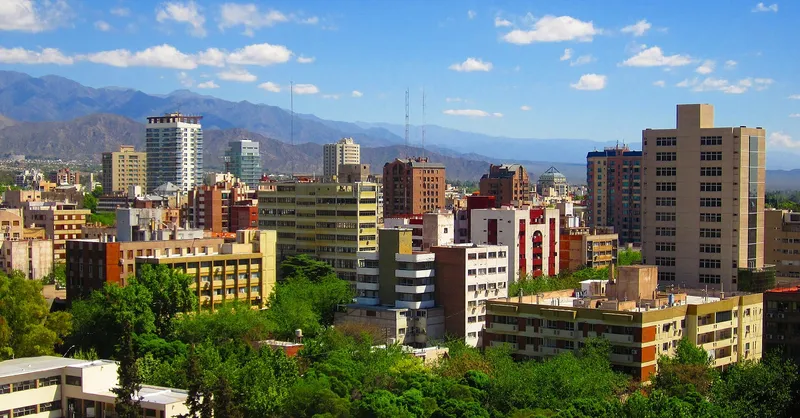 Nomad Score 7.4$1,400/moSafety 7WiFi 5Value 8
Vineyards and the Andes begin where Mendoza's flat, walkable grid ends. Coworking sits in the Microcentro and along Aristides Villanueva, with Tent Cowork the remote workers' favourite, and fibre in most long-stay flats handles video calls. Weekends go on cycling between Maipú wineries, skiing at Las Leñas or Penitentes, or driving about two and a half hours to Aconcagua. Our estimate is $1,400 a month. January highs average 31C, flights mostly route through Buenos Aires, petty theft has risen in recent years, and English is limited outside the wine trade.
-
3
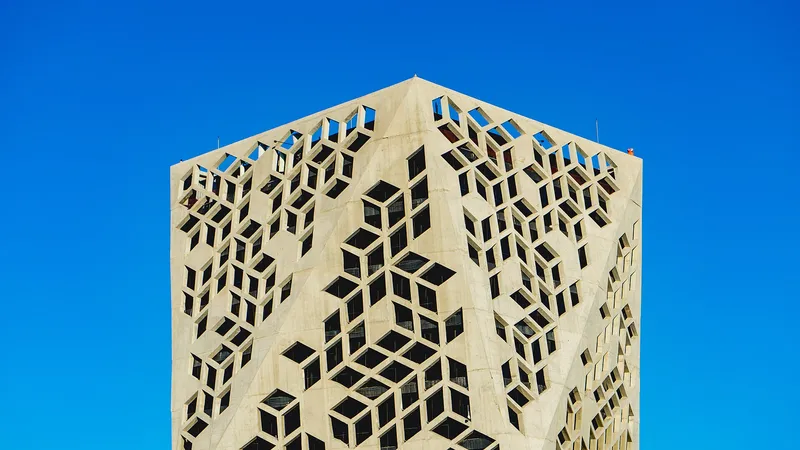 Nomad Score 7.2$1,130/moSafety 6WiFi 6Value 8
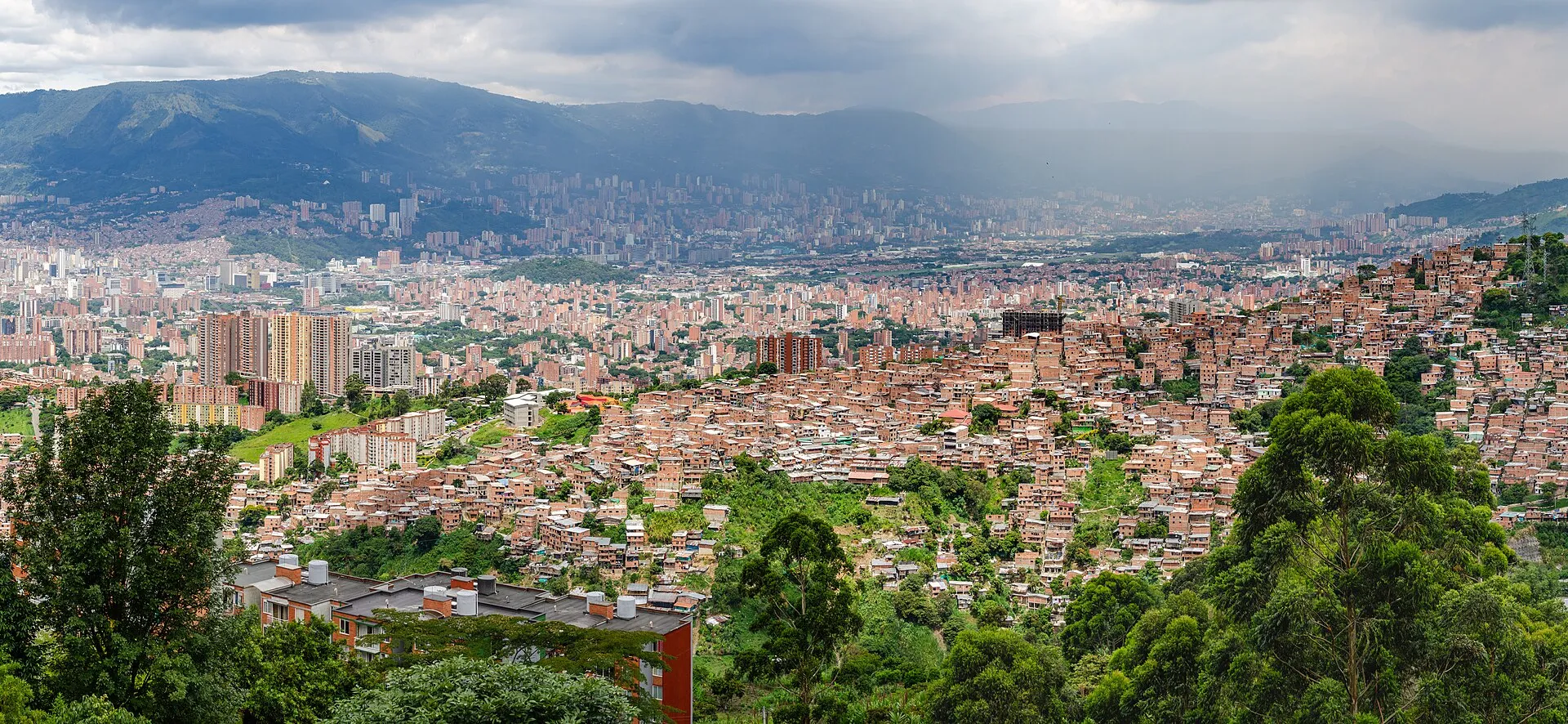
As Argentina's university city, Córdoba runs on students, which keeps its bars, its fernet habit and its coworking busy. La Maquinita has a branch in Nueva Córdoba, cafes such as COOFI are designed for laptops, and the city runs a Digital Nomads Program with free coworking access. The Sierras Chicas are a short drive away for weekend hiking. Costs here come to $1,130 a month. The catches: summer days often pass 35C, daily life happens almost entirely in Spanish, international trips start with a connection through Buenos Aires, and phone snatching from scooters is common.
-
4
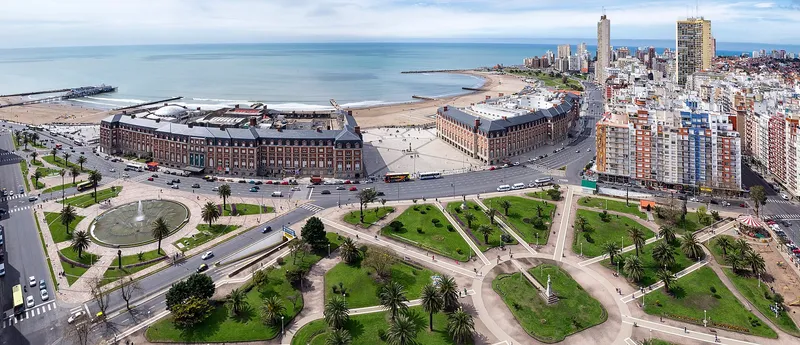 Nomad Score 6.9$1,200/moSafety 6WiFi 6Value 9
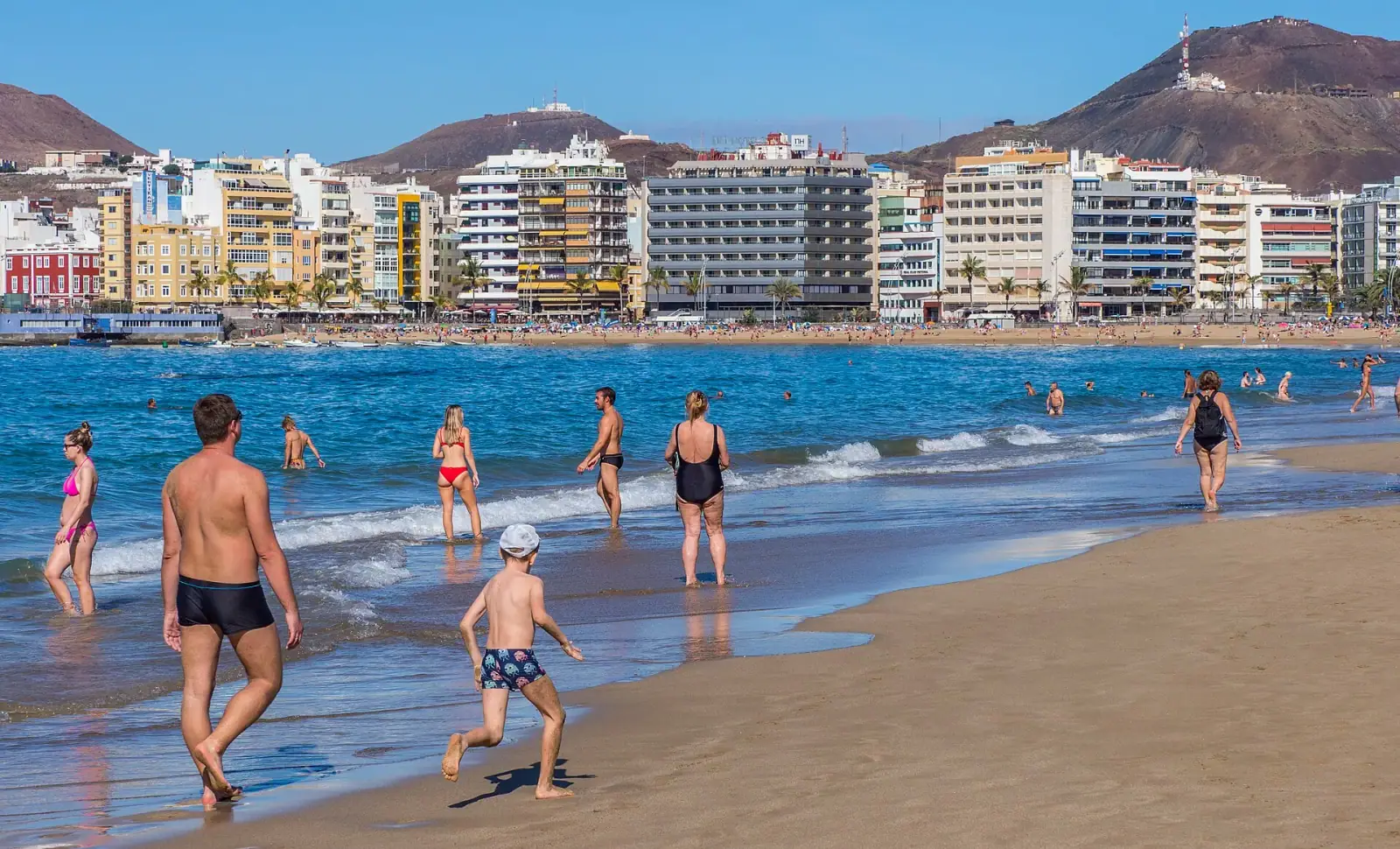
Five hours by bus from Buenos Aires, Mar del Plata is the country's classic summer beach city, with a walkable seafront, a serious seafood tradition and a short list of coworking spaces led by Indie Coworking near Parque San Martín. Outside January it is calm and cheaper than the capital, at an estimated $1,200 a month. In January the population roughly doubles, rents spike and desks fill. Winter highs sit between 13C and 15C, the remote-work community is tiny, and intermediate Spanish makes a real difference.
-
5
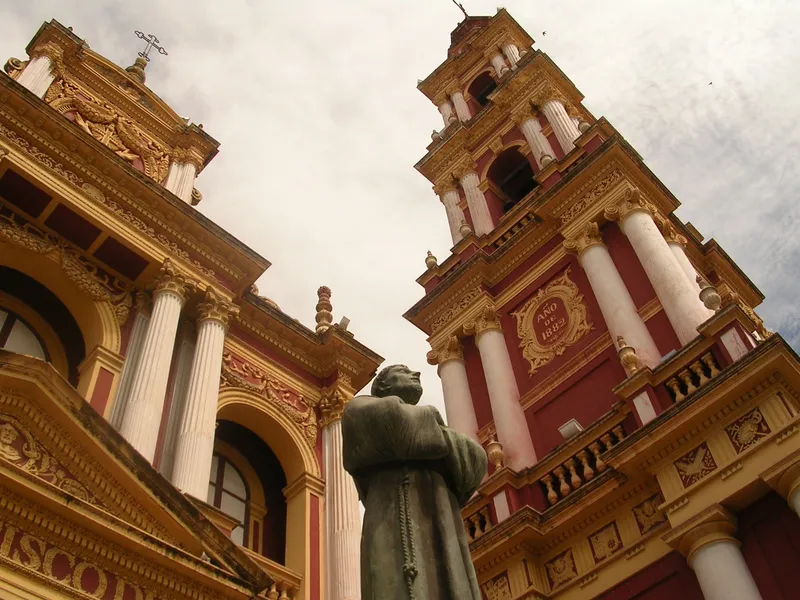 Nomad Score 6.9$1,000/moSafety 7WiFi 6Value 7
Two things make Salta: a colonial centre small enough to walk in an afternoon, and a province of Cafayate vineyards, the painted Quebrada de Humahuaca and the Salinas Grandes salt flats within a day's drive. At around 1,200m the winter is dry and sunny with clear views. Plan on roughly $1,000 a month. Shops still close for a long midday break, which suits a day split between European clients in the morning and American ones later. Internet trails the big cities, English is limited, and summer storms wash out gravel roads.
-
6
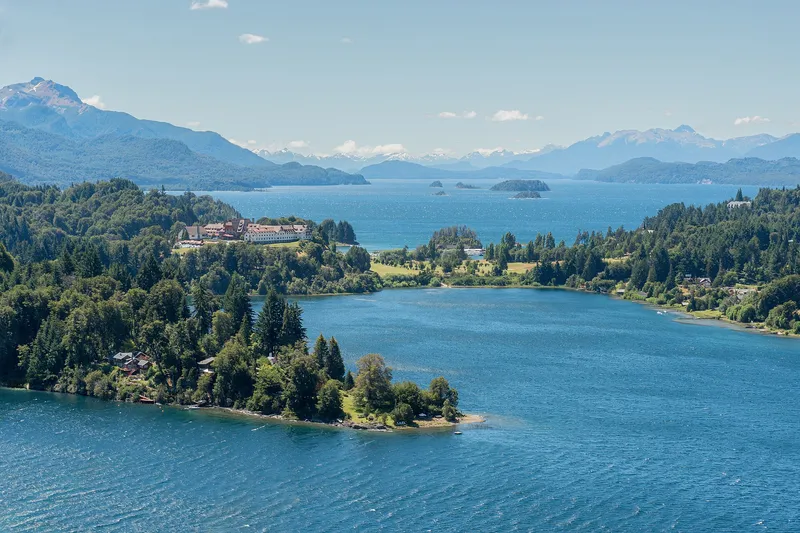 Nomad Score 6.7$1,800/moSafety 8WiFi 5Value 7
On the shore of Lago Nahuel Huapi, Bariloche puts trails, lakes and the ski slopes of Cerro Catedral within reach of town. Cafes such as Vertiente keep fast WiFi and sockets at the tables, the compact centre feels safe, and chocolate, lamb and craft beer fill the evenings. It is the priciest base here at $1,800 a month, because ski season and summer tourism keep rents high. July highs average 7C, coworking options are few, international flights connect through Buenos Aires, and the big nomad crowd lives elsewhere.
-
7
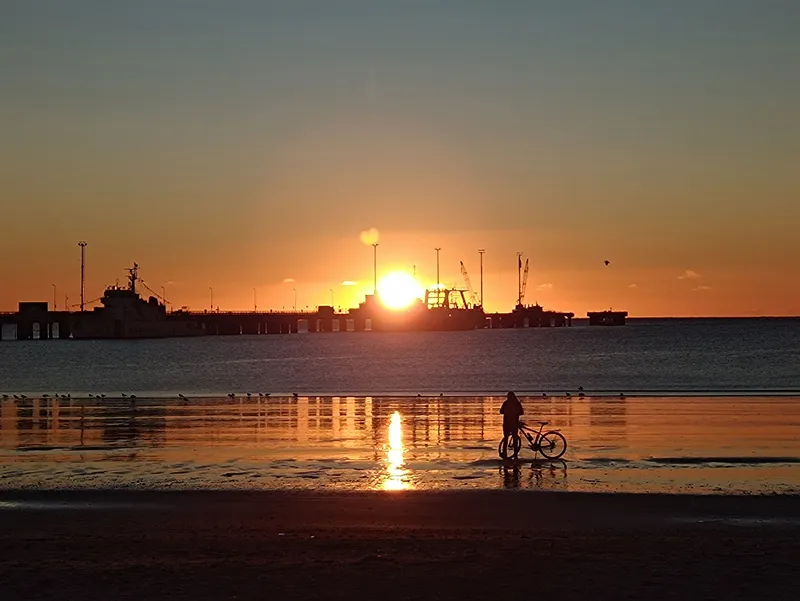 Nomad Score 6.5$900/moSafety 8WiFi 6Value 6
From June to December, southern right whales come into the bay at Puerto Madryn to calve, close enough at El Doradillo to watch from the beach. Península Valdés, with its elephant seals and orcas, and the Punta Tombo penguin colony are each about ninety minutes away. Budget around $900 a month, knowing that rents roughly double while the whales are in. There is no coworking, the internet is adequate rather than good, the wind barely stops, and the town itself is plain: everything worth seeing lies outside it.
-
8
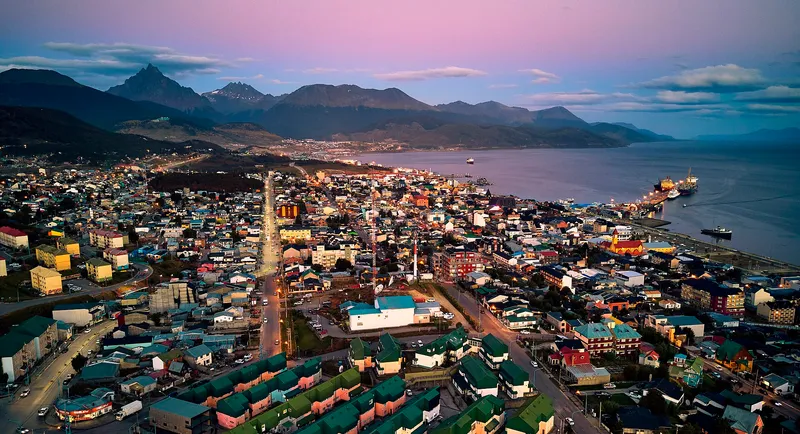 Nomad Score 6.3$1,400/moSafety 8WiFi 6Value 5
Living at the bottom of the world has a price, and Ushuaia is expensive for Argentina because almost everything arrives by ship or plane. In return you get the Beagle Channel, a national park at the edge of town, the departure port for Antarctic expeditions and December evenings that stay light past ten. English is more common than elsewhere thanks to the cruise trade. Expect about $1,400 a month. Housing is scarce, fibre is patchy, winter brings around seven hours of daylight, and Buenos Aires is three and a half hours away by air.
-
9
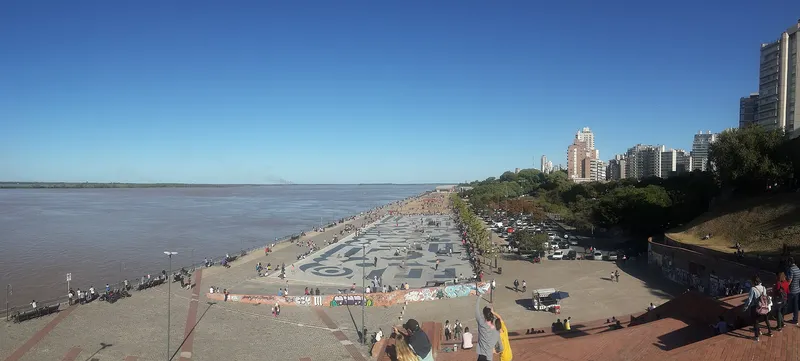 Nomad Score 6$640/moSafety 5WiFi 6Value 8
Rosario is the bargain of the list, a flat riverside city on the Paraná with a long promenade, a public bike share and coworking spaces such as REQ, two blocks from the water. Working from cafes is completely normal, the food runs from parrillas to Italian trattorias, and buses reach Buenos Aires in four to five hours. Measured living costs are $640 a month. The trade-offs: connections are slow for large uploads, the remote-work community is small, Spanish is essential, and January highs average 31C.
-
10
 Nomad Score 6$1,000/moSafety 8WiFi 4Value 6
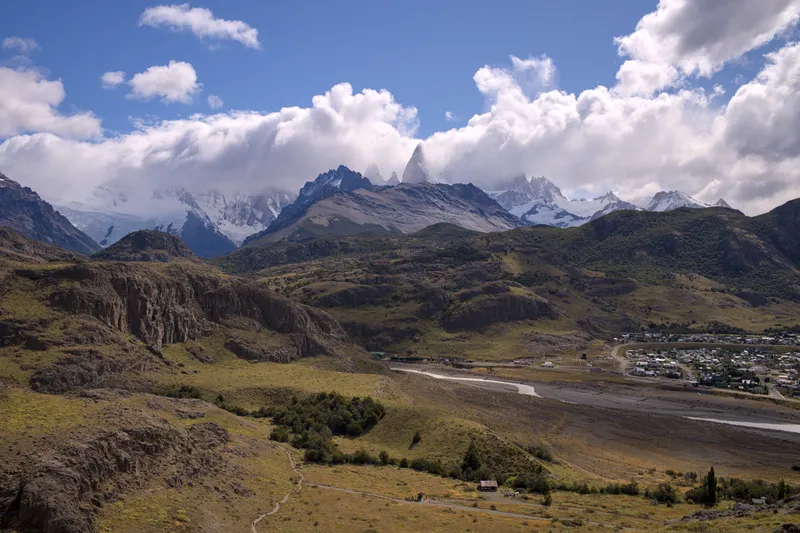
Trails, not desks, are the point of El Chaltén: Laguna de los Tres, Laguna Torre and the Fitz Roy viewpoints all start on foot from the edge of the village. Work comes second, with no coworking and a slow, shared connection that drops on busy evenings, so a Claro or Personal SIM is the real backup. A season here costs around $1,000 a month. Most lodging shuts from May to September, cash machines can run dry in January, and the weather flips from sun to sleet within an hour.
-
11
 Nomad Score 5.8$1,100/moSafety 8WiFi 5Value 5
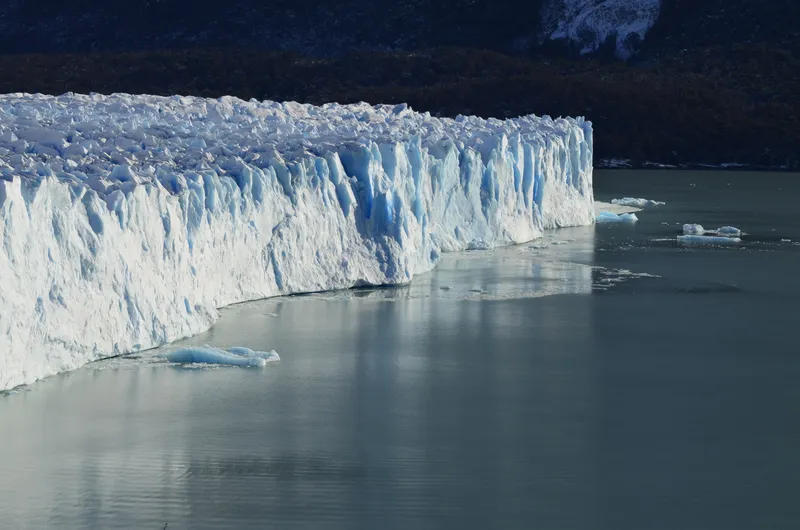
Why live in El Calafate? For the Perito Moreno glacier, a five-kilometre wall of ice about 80km away, and the national park behind it. The town on Lago Argentino is safe, compact and new, with no old quarter to speak of, and El Chaltén's trails are three hours north by bus. An estimated $1,100 a month covers a small flat and groceries, but park fees are charged on every entry. There is no coworking, WiFi wobbles in the evenings, and the wind rules out outdoor work for most of the year.
-
12
 Nomad Score 5$700/moSafety 7WiFi 3Value 7
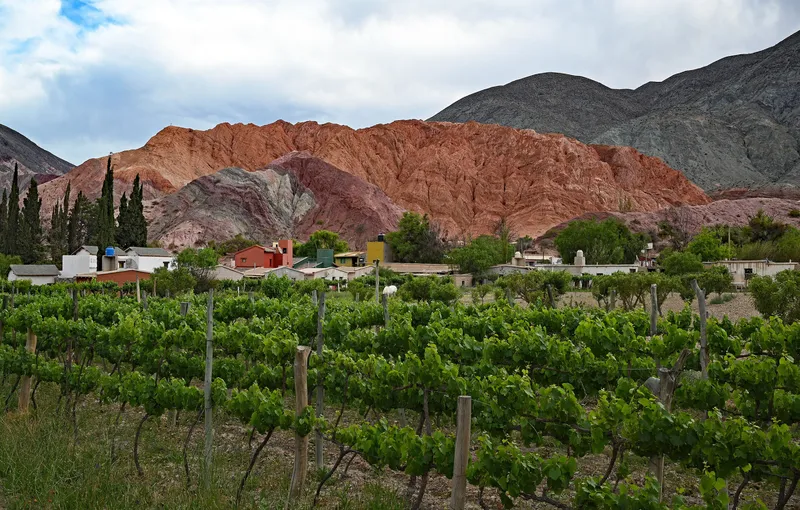
Tiny, adobe-built and ringed by red desert, Purmamarca sits under the striped Cerro de los Siete Colores, with a 1640s church roofed in cactus wood and a textile market on the plaza. The Salinas Grandes are about an hour up the road. Living costs are low at $700 a month, but this is a stop rather than a base: WiFi is one shared line that fails in storms, there is no laptop cafe culture, cards are often refused, and the altitude of roughly 2,300m brings headaches for the first day or two.
Argentina rewards moving with the seasons. Spend December to March in Patagonia, when El Chaltén's trails are open, El Calafate's boats are running and Ushuaia's evenings barely darken. Move to Buenos Aires, Córdoba or Mendoza for the mild autumn of April and May, then take the dry, sunny northern winter in Salta. Puerto Madryn fills the gap from June, when the whales arrive in the bay. For the wider picture across the region, our Latin America ranking puts Argentina's cities beside their neighbours.
Frequently asked questions
Does Argentina have a digital nomad visa?
Yes, since 2022. It is open to nationalities that need no tourist visa and gives 180 days to people working remotely for employers or clients outside Argentina, renewable once for a total of about a year. Since the ordinary 90-day stamp can be extended once to 180 days, many remote workers stay on that instead.
What does a month in Buenos Aires really cost?
The survey basket of central rent plus everyday costs comes to $1,490 a month. In the districts most foreigners choose, rents are quoted in dollars, and a furnished studio in Palermo or Recoleta runs $1,100 to $1,800 on its own. Belgrano and Villa Crespo, a short Subte ride away, cost $600 to $900.
When is the best time to work from Patagonia?
December to March, the southern summer, when days are longest and the trails, boats and shuttles all run. El Chaltén largely closes from May to September, and Ushuaia's winter brings around seven hours of daylight. Puerto Madryn is the exception: its whale season runs from June to December, peaking in September and October.
What is the cheapest city in Argentina on this list?
Rosario, at $640 a month, followed by Purmamarca at $700. Puerto Madryn comes next at $900, though its rents roughly double in whale season. Bariloche is the most expensive at $1,800.
How is this ranking calculated?
Every Argentine city in our index is ordered by its overall Nomad Score, a composite of the 13 categories we rate, including cost, climate, internet, safety and visa access. Cities that share a score are not ranked against each other. Costs for Buenos Aires, Córdoba and Rosario come from Numbeo data, and the other nine are our own estimates.