South Korea is built for people who work on laptops. Home and cafe connections are among the fastest anywhere, cafes expect you to stay for hours, study cafes rent silent desks by the hour, and the KTX puts most cities within three hours of Seoul. Streets are safe late at night, and food is cheap and very good. Across the ten cities below, a solo month runs from $770 in Jeonju to $1,870 in Seoul.
The F-1-D digital nomad visa is what makes a longer stay possible. After a pilot that opened in January 2024, Korea turned it into a permanent visa type on 30 June 2026. You qualify if a foreign company employs you and you have worked in your field for at least a year, and each grant lasts twelve months, renewable to a total of three years. The income bar depends on your age and your address, and it is expressed as a multiple of Korea's national income per person. Living in Seoul, Incheon or Gyeonggi, an applicant under 35 has to show one and a half times that figure, about $54,600 a year. Anyone 35 or older, or bringing a partner or children, has to show double, about $72,800. Base yourself anywhere else and the bars fall to about $36,400 and $54,600, and nine of the ten cities on this list lie outside the capital region. Our guide to nomad visas sets it against other countries' schemes.
The trade-off outside Seoul is company. Coworking is scarce beyond Seoul, Busan and Daejeon, English is limited, and the international crowd in most of these cities is English teachers and researchers rather than remote workers. Housing has its own logic: most foreigners rent on a monthly lease with a deposit of five to ten times the rent, and officetels ask the smallest deposits.
These are all ten South Korean cities in our index, ordered by their overall Nomad Score, our composite of 13 categories including cost, climate, internet, safety, food, English and visa access. Busan and Jeju, Gwangju and Gyeongju, and Daegu and Sokcho each share a score, so their order within each pair carries no meaning. Each monthly cost is either Numbeo survey data or, for cities no survey covers, our own estimate, and every estimate is labelled in its blurb. Explore the numbers yourself on the comparison tool or browse all 999 city guides.
At a glance
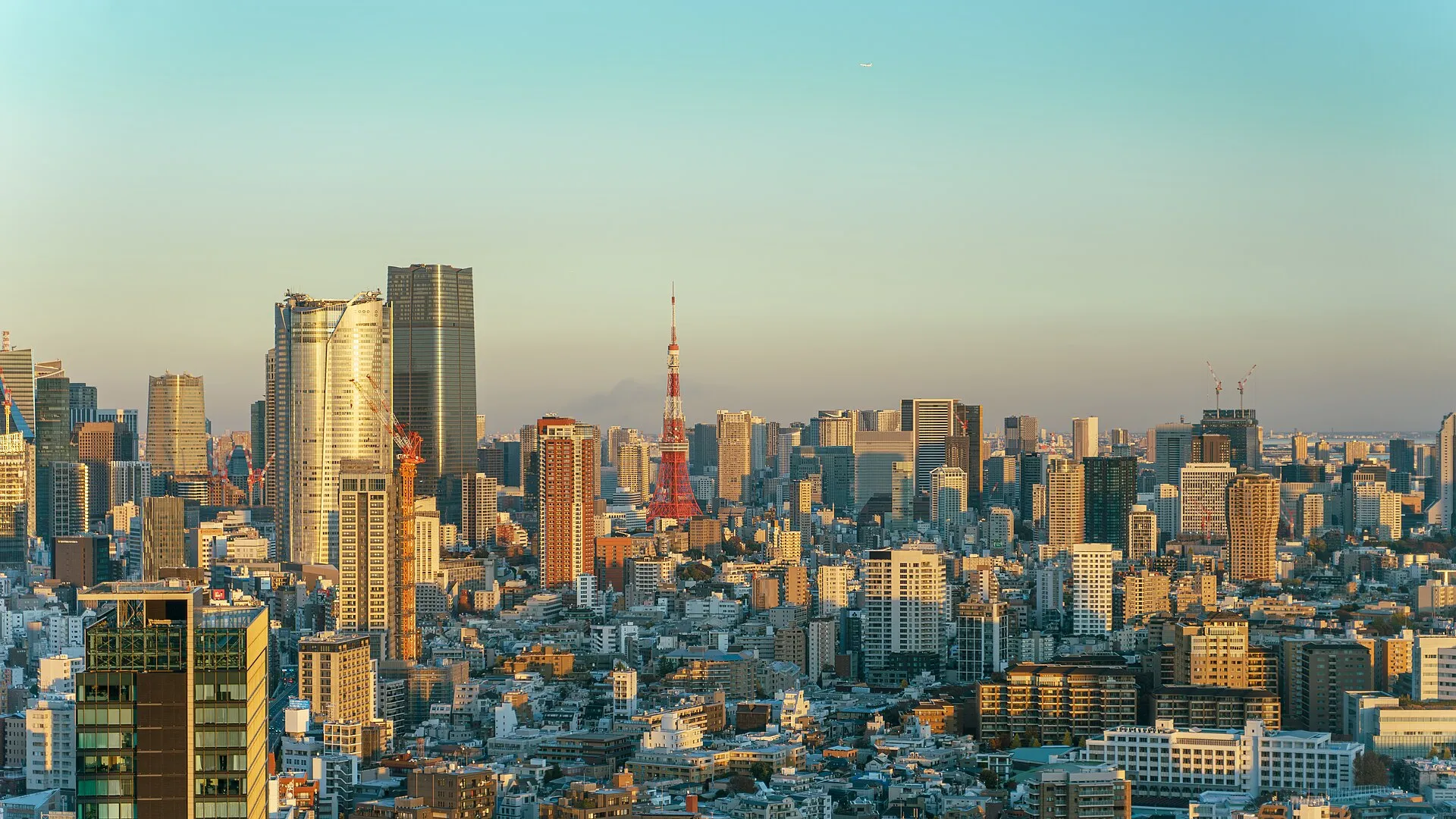
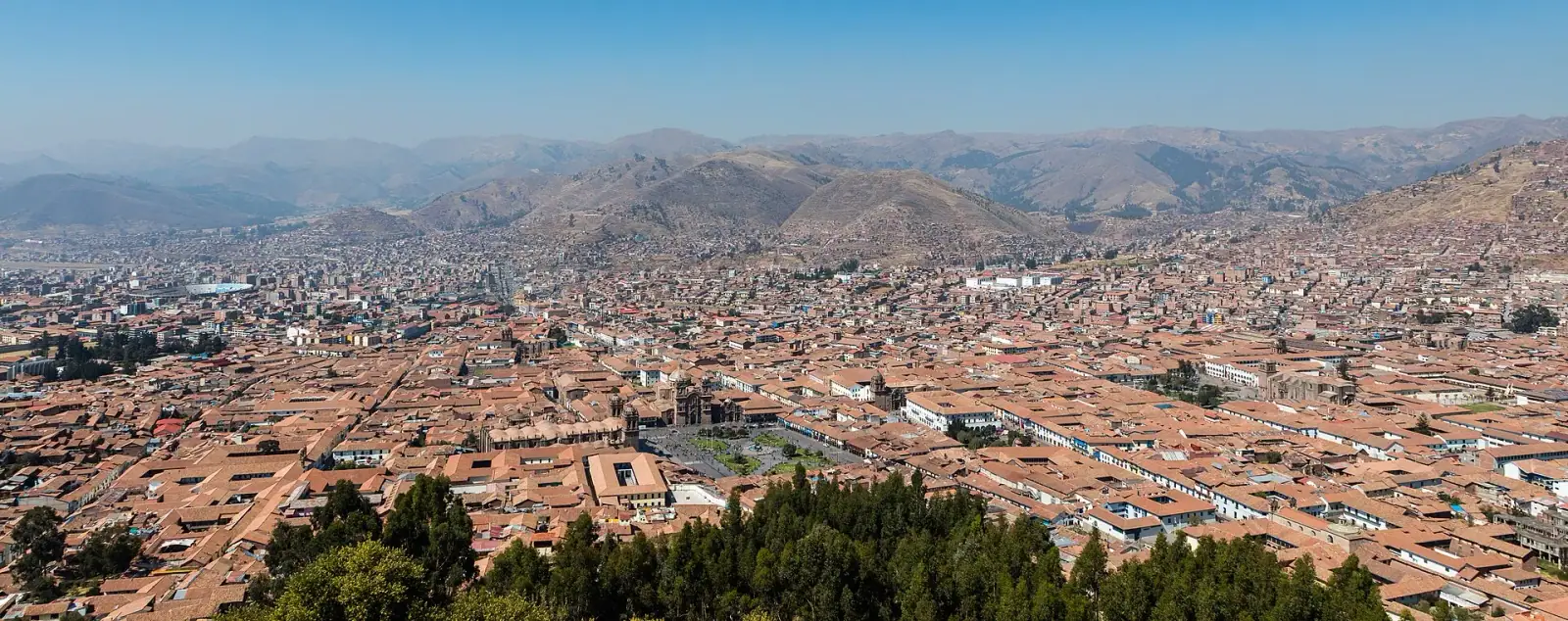
 Seoul
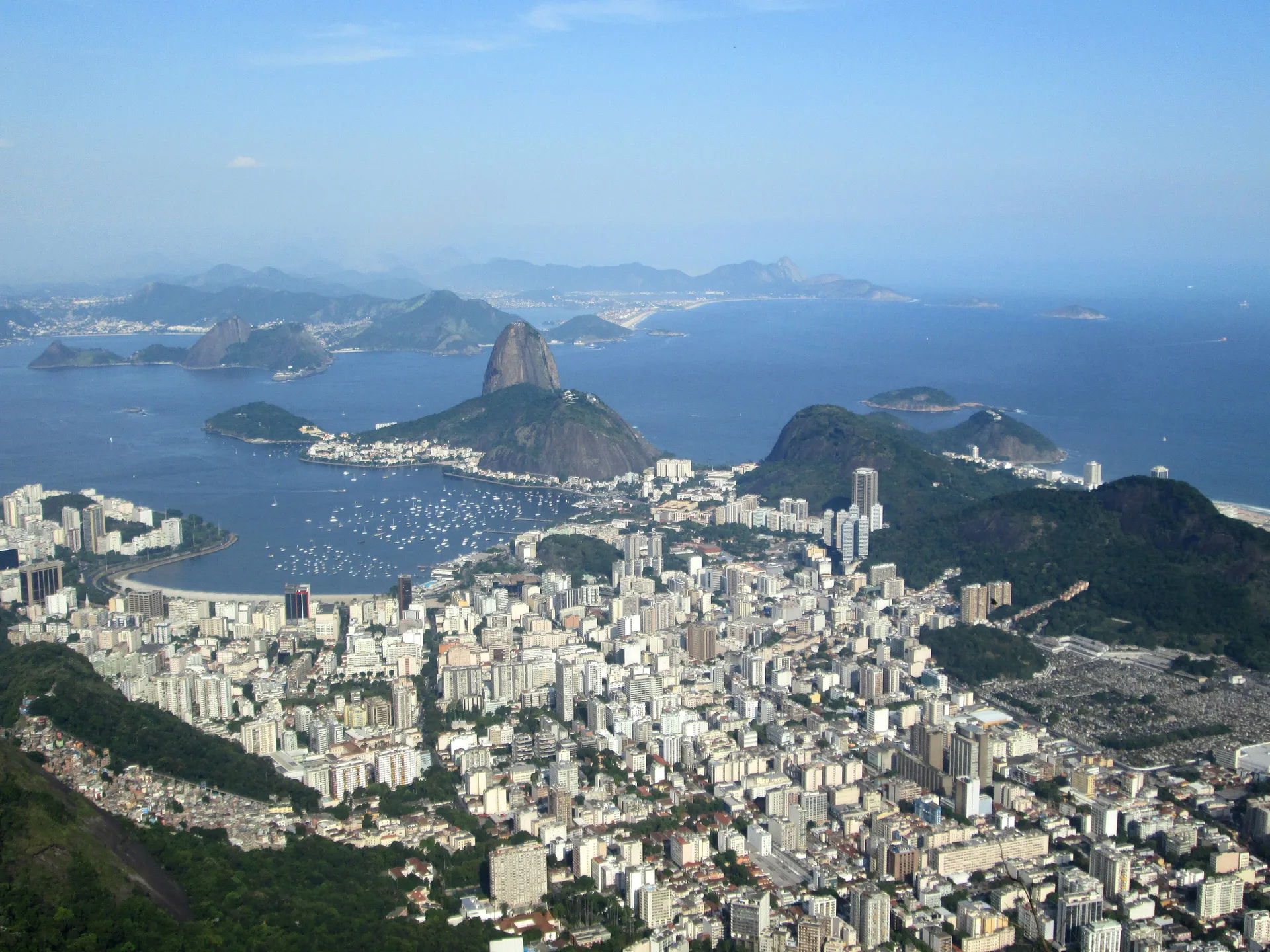
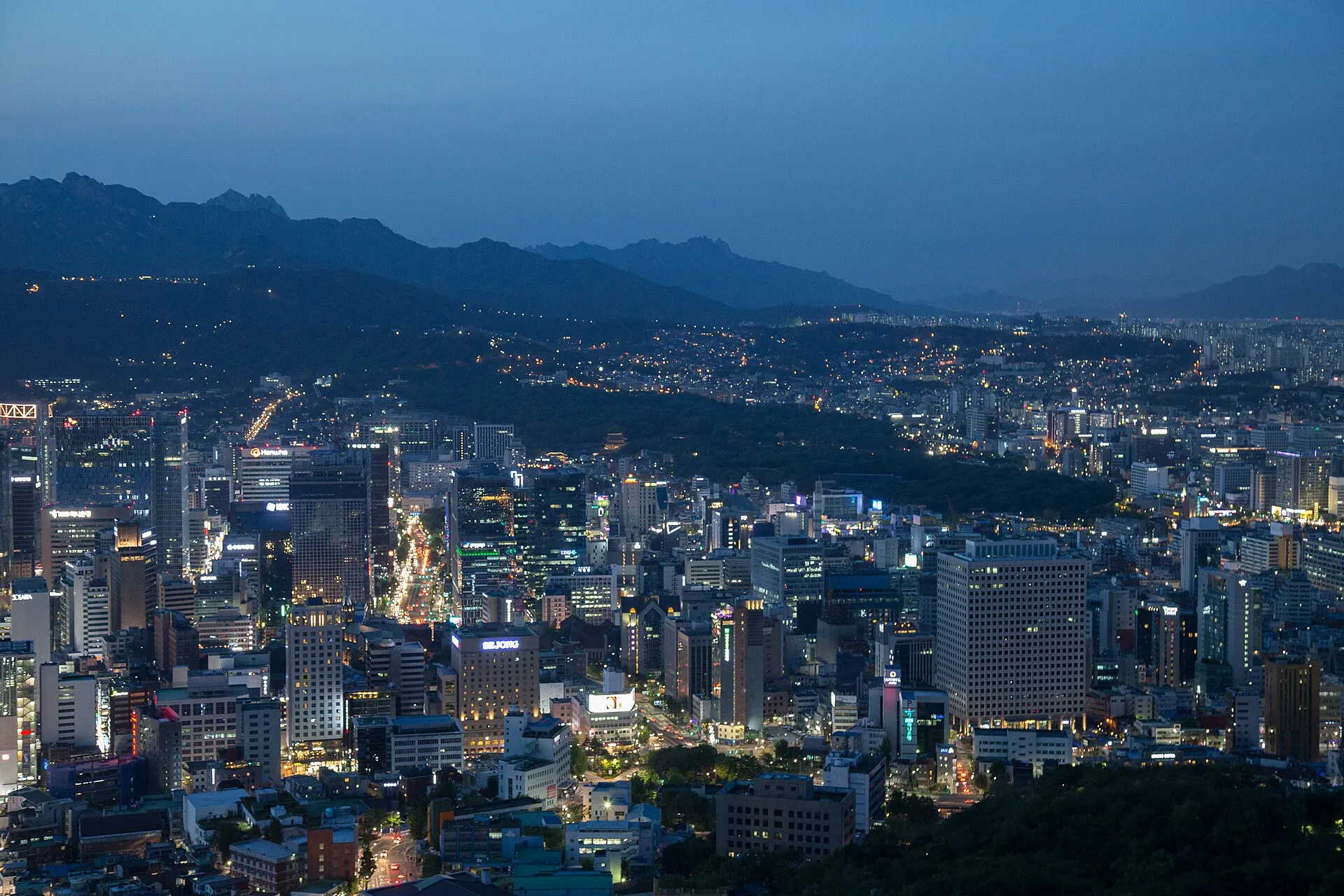
SeoulStudy cafes open around the clock, over 50 FastFive coworking sites and a free Google for Startups Campus. It costs $1,870 a month, the most in Korea.
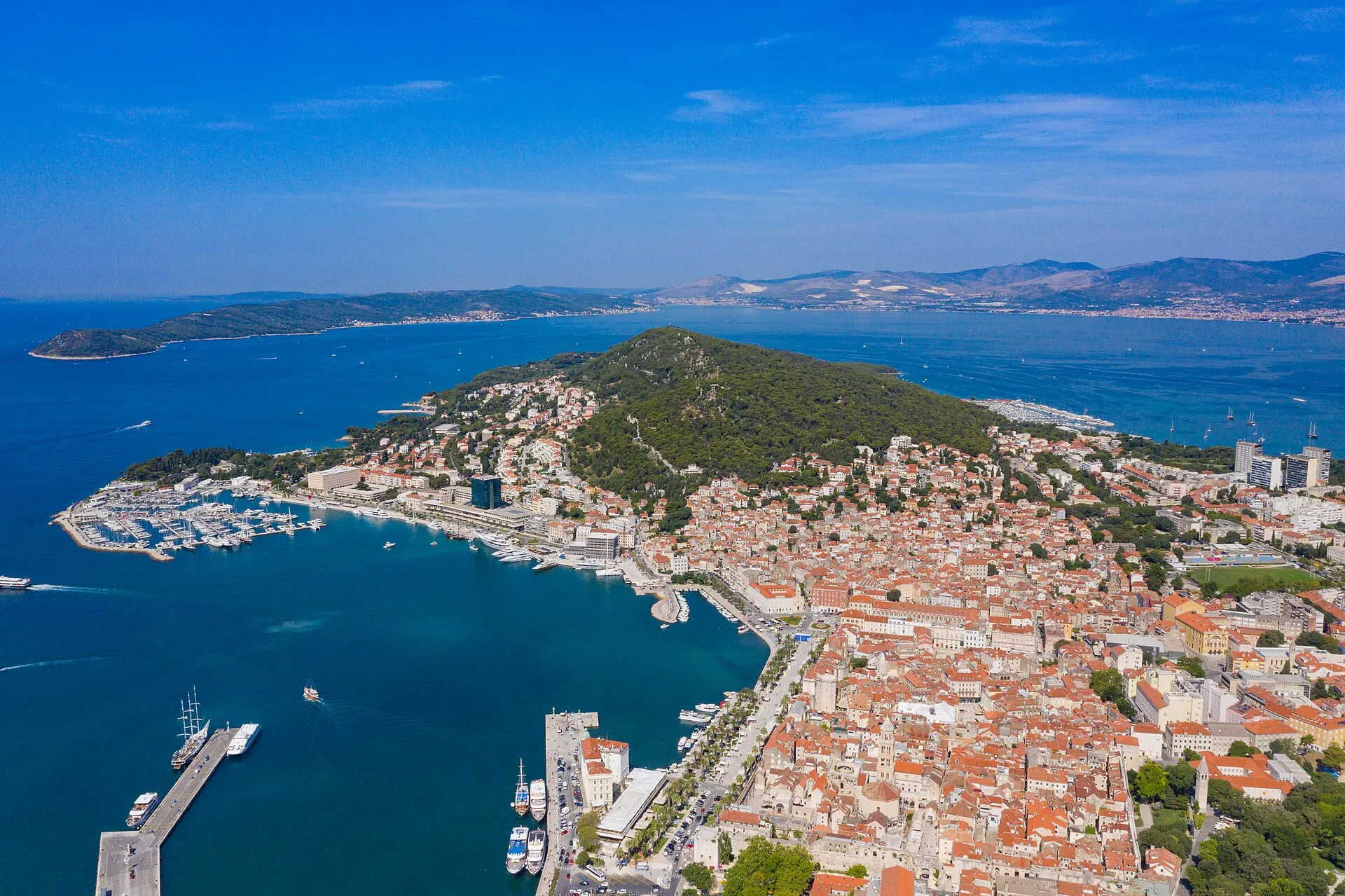
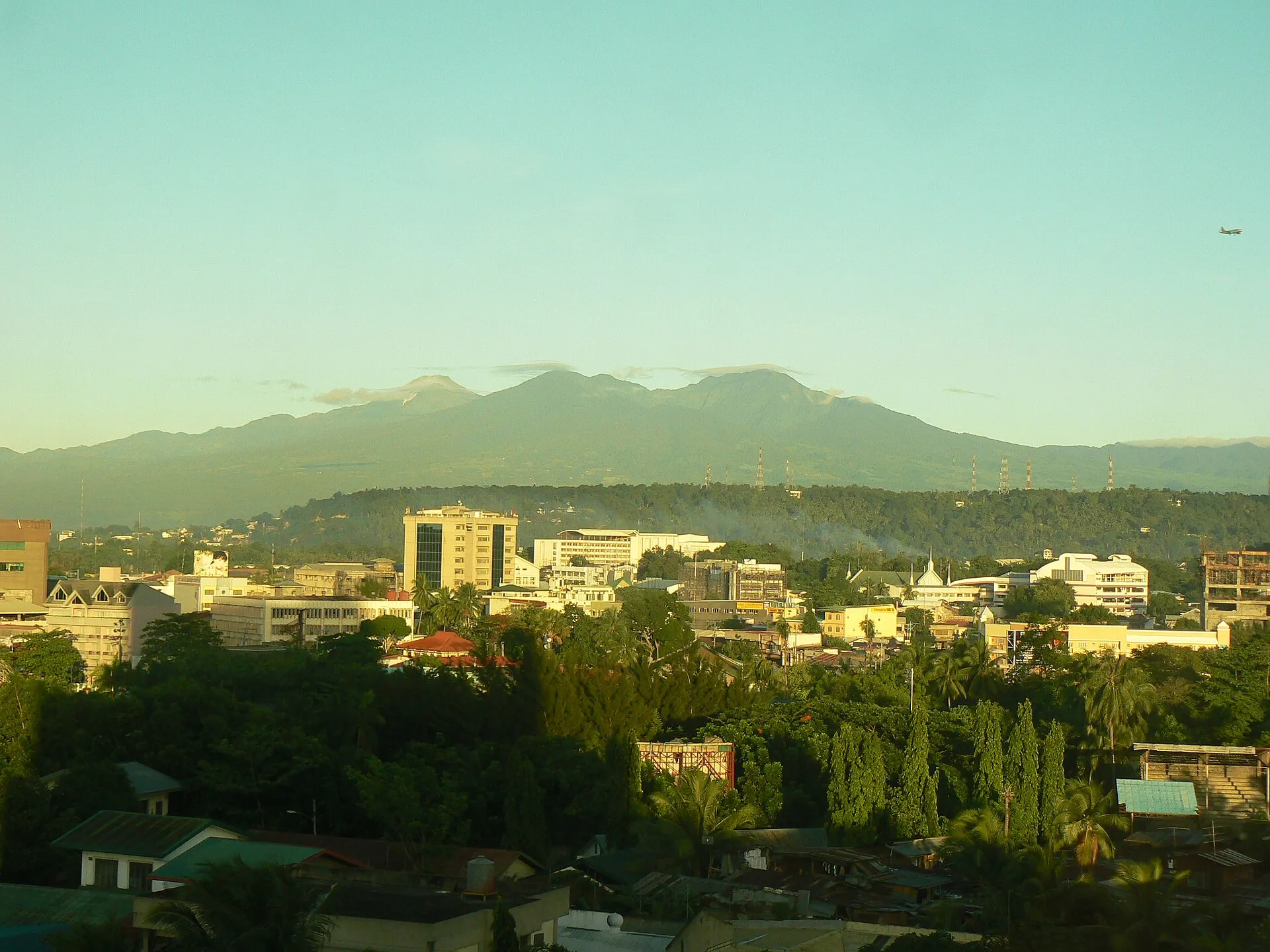
LOWEST COSTJeonjuA measured $770 a month, Korea's best-known food city, and the lower F-1-D income tier because it sits outside the capital region.
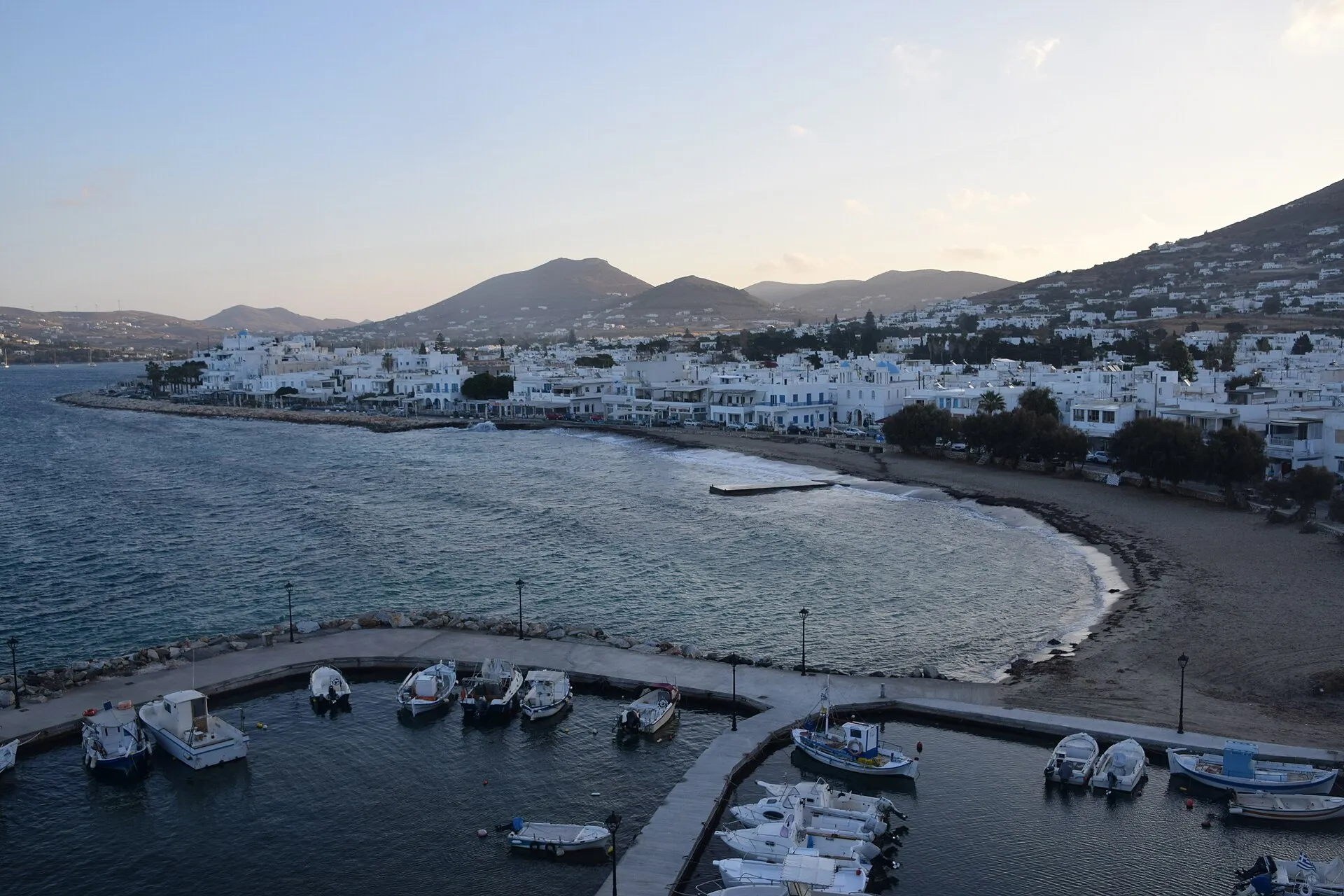
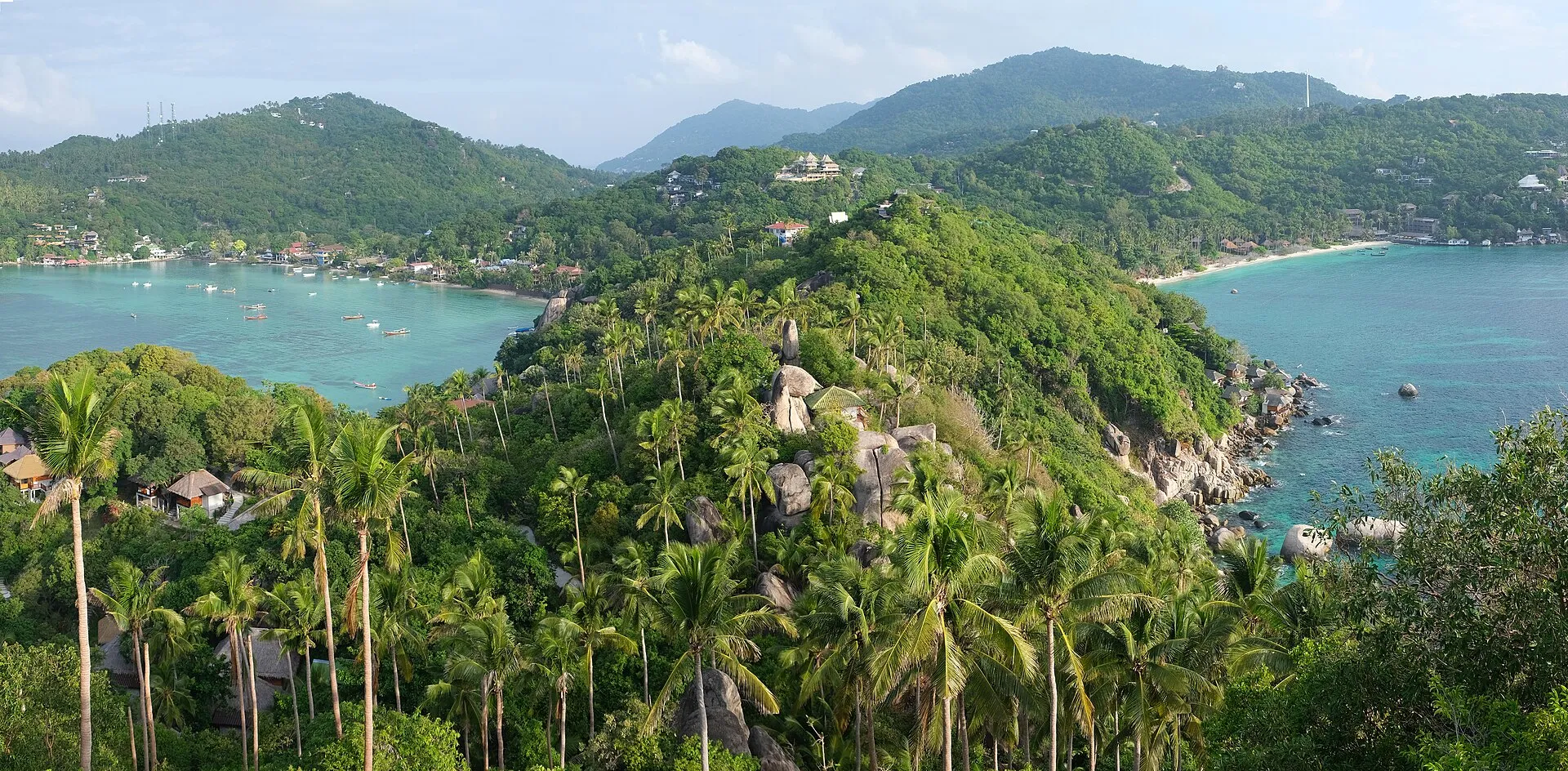
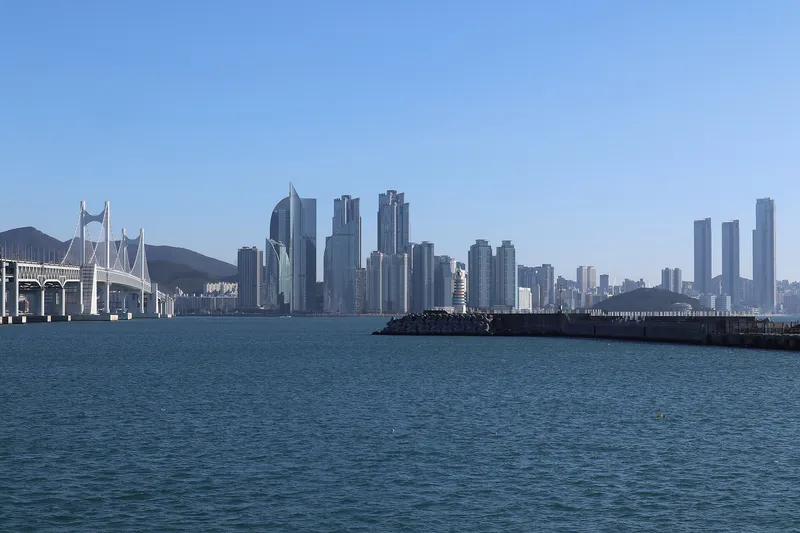
BEACH CITYBusanHaeundae and Gwangan beaches on the metro, four Pathfinder Coworking sites, and about $1,400 a month.
What to weigh before you book
Decide where you will live before you apply for the F-1-D, because the region sets the income bar. For an applicant under 35, choosing Busan or Daejeon over Seoul lowers the bar to about $36,400 a year, against about $54,600 in the capital region, and you prove the regional address with something like a lease that runs at least a month. The visa also requires private health cover of no less than about $69,500, and no Korean employer can hire you while you hold it. Then weigh the seasons. Winters inland are hard, with Seoul's January highs at 2C, the monsoon concentrates in July, when Seoul averages 414mm of rain, and spring yellow dust can leave the air unhealthy for several days at a stretch. What the ranking cannot tell you is how much you need other people. Daejeon sits last here, yet KAIST gives it more English than most Korean cities, and the KTX puts Seoul 50 minutes away, which matters more to some people than any score. Learning hangul, a few hours' work, turns signs and menus everywhere from opaque to readable.
The ranking
-
1
 Nomad Score 8$1,870/moSafety 9WiFi 9Value 4
For round-the-clock work, Seoul has an institution worth copying: the study cafe, a silent pay-by-the-hour desk at about $1 to $1.50 an hour, often open all night. FastFive runs more than 50 coworking sites, and Google for Startups Campus in Gangnam is free with registration. Budget $1,870 a month. The AREX express reaches Seoul Station from Incheon in 43 minutes, and the subway costs about $1 a ride. Spring yellow dust can make the air poor for days, July averages 414mm of rain, Hongdae stays loud until 4am, and the F-1-D income bar is highest in the capital region.
-
2
 Nomad Score 7.6$770/moSafety 9WiFi 9Value 7
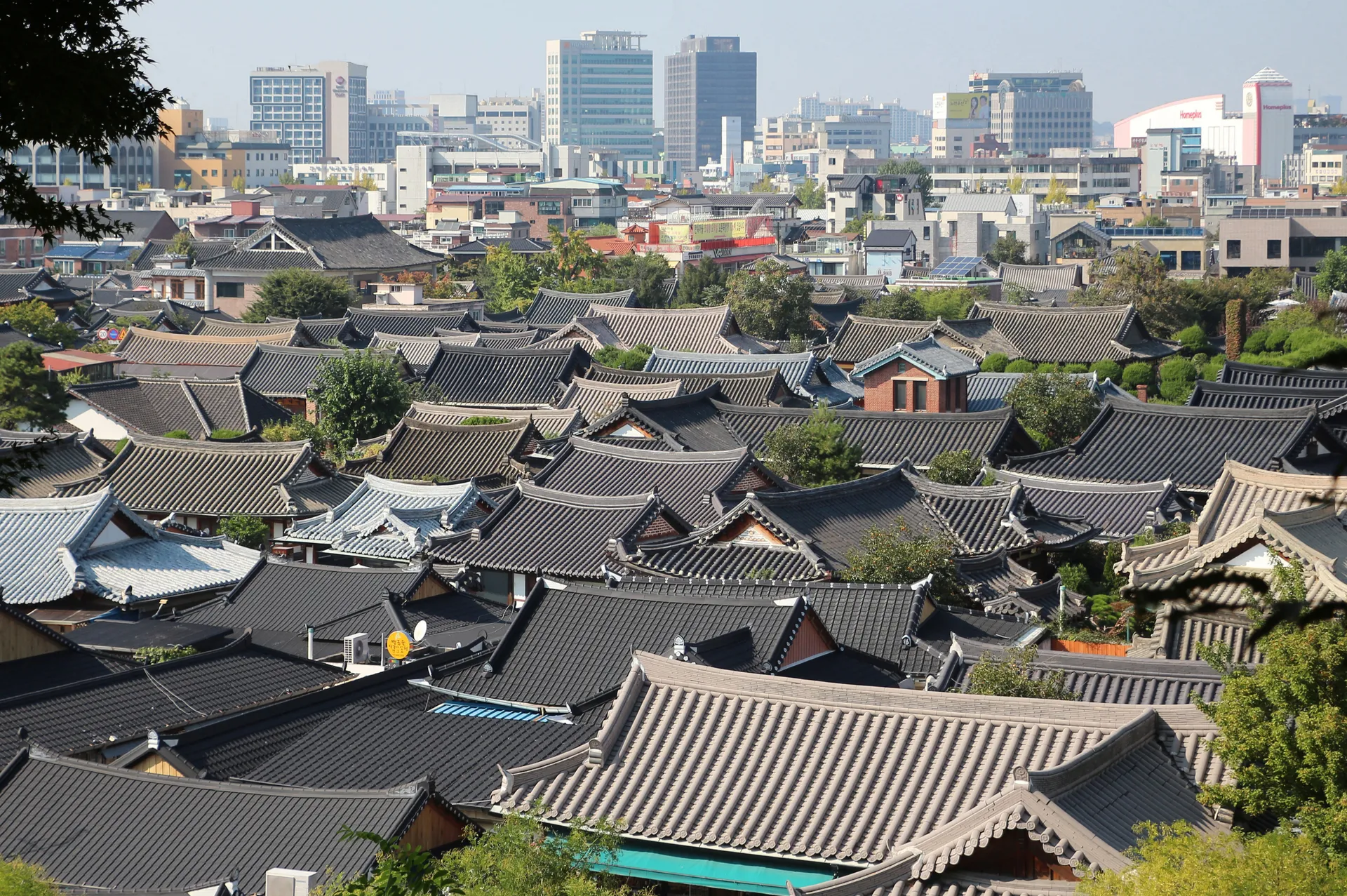
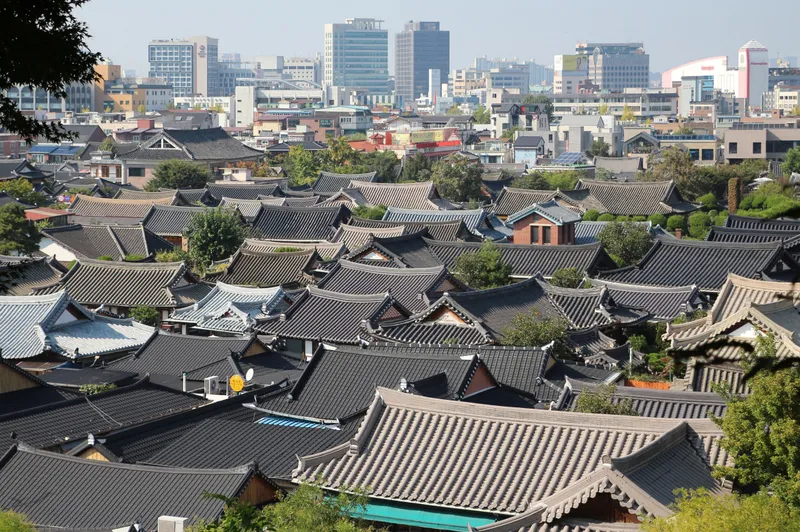
At $770 a month on Numbeo's measured basket, Jeonju is the cheapest city here, though a furnished flat pushes a realistic month nearer $1,000 to $1,400. The Hanok Village, around 700 tiled houses, is beautiful and largely a stage set now, so live in Seosin-dong, where the offices and coworking desks are, and walk over in the evening. Study cafes near Jeonbuk National University cover late work. For Seoul, take the train from Iksan, half an hour north, which has far more KTX departures than Jeonju station. Bibimbap was born here, English is scarce, and the lower F-1-D tier applies.
-
3
 Nomad Score 7.4$1,400/moSafety 9WiFi 8Value 5
Why choose Busan over Seoul? Haeundae and Gwangan beaches are on the metro, the seafood is cheap and excellent, and life costs about $1,400 a month. Pathfinder Coworking runs four sites with 24-hour access, and the cafes of Seomyeon and Gwangan are built for laptops. The KTX to Seoul averaged 2 hours 48 minutes over the first eight months of 2026. As a city outside the capital region, Busan falls under the lower F-1-D income tier. Expect thin English beyond Haeundae's tourist strip, heavy July rain followed by typhoon weeks, and a nomad scene you have to go looking for.
-
4
 Nomad Score 7.4$1,430/moSafety 10WiFi 7Value 6
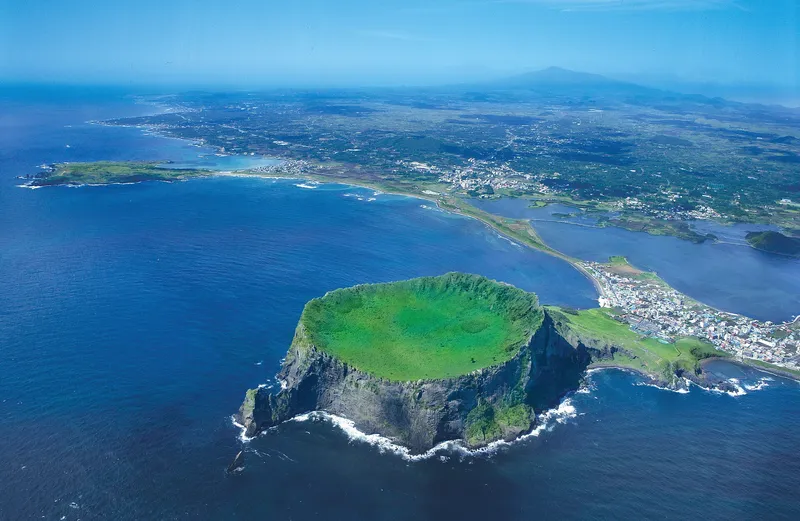
On Jeju, the view from your desk might be Hallasan or a sea cliff. J-Space in Jeju City is a free, government-backed coworking space, and O-Peace in Jocheon sells sea-view desks by the day. We estimate $1,430 a month before a car, and you will want one: rural buses run every 30 to 60 minutes, and rentals cost $28 to $42 a day. Flights to Seoul take about an hour. Arriving directly from abroad gives most nationalities 30 days visa-free on the island itself. Summer brings typhoons and domestic crowds, and nightlife barely exists outside Jeju City.
-
5
 Nomad Score 7.2$1,800/moSafety 9WiFi 9Value 7
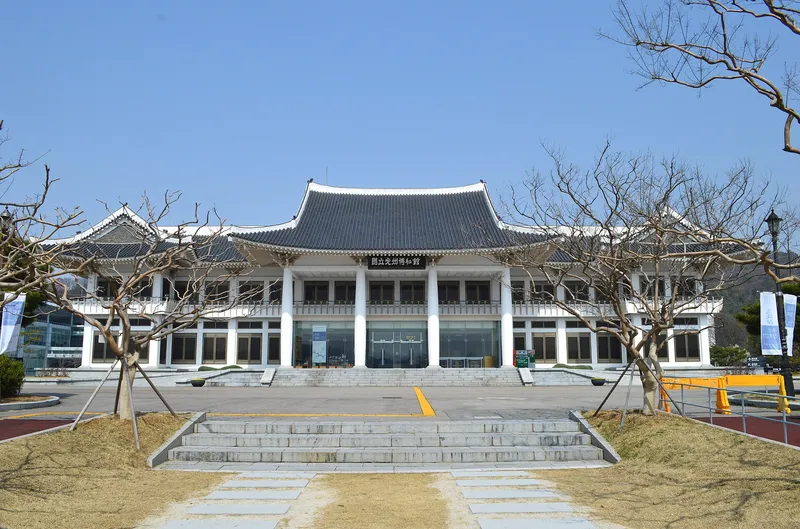
Between the Biennale, the Asia Culture Complex and the cooking of the Honam region, often called Korea's culinary heartland, Gwangju has more culture than its size suggests. Coworking is scarce and mostly Korean-speaking, so remote work happens on the Dongmyeong-dong cafe street or in study cafes. Our estimate is $1,800 a month. The KTX reaches Seoul in about 1 hour 45 minutes, and Mudeungsan National Park sits on the edge of town for weekend hikes. Living here also puts you in the lower F-1-D tier. English is limited outside the universities, and the city is relatively conservative, which LGBTQ+ visitors should know.
-
6
 Nomad Score 7.2$1,200/moSafety 9WiFi 9Value 6
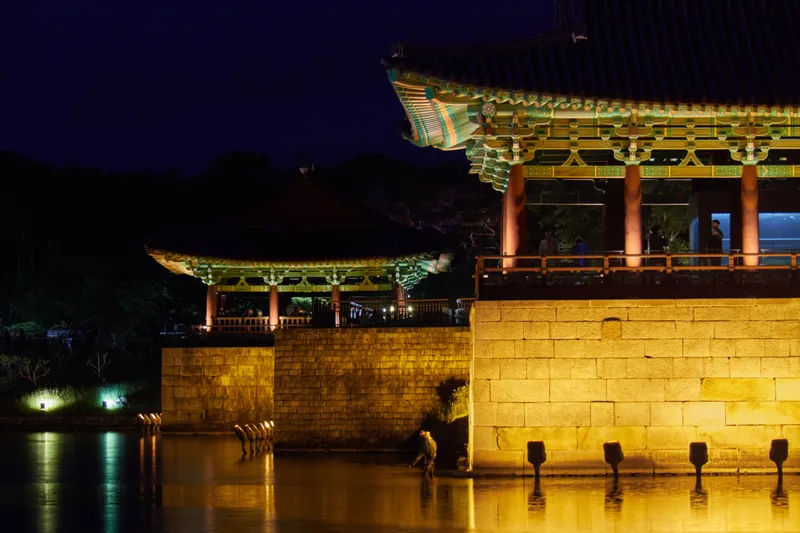
Silla kings ruled from Gyeongju for close to a thousand years, and what they left is mostly in the ground: grass-covered royal tombs, the Cheomseongdae observatory and palace foundations by Wolji Pond. A hired bicycle covers the flat inner ring of sites. We estimate $1,200 a month, and a flat on the downtown side costs less than one by Bomun Lake, which prices for weekend visitors. Busan is about half an hour by KTX, but the high-speed station sits out of town and its connecting buses stop early. Coworking is nearly absent, English very limited, and evenings quiet.
-
7
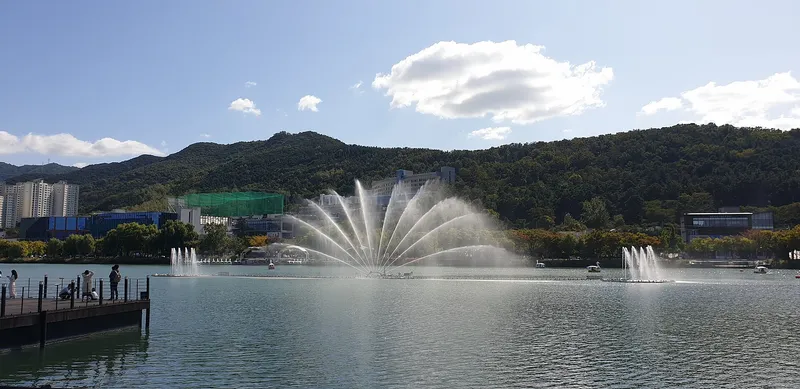 Nomad Score 6.9$1,210/moSafety 9WiFi 9Value 7
Locals call it Daefrica, and the basin earns the nickname every summer, when heat and humidity make outdoor errands a chore. The rest of the year Daegu is a practical, affordable big city at about $1,210 a month on Numbeo figures, with central furnished studios around $345 to $450. Three subway lines include an elevated monorail, and taxis are cheap. The Dongseongno cafe alley suits long sessions, and Regus at the Dongdaegu Trade Centre is the dependable desk. Most foreigners here teach English, so the nomad scene is small. The KTX reaches Seoul in about 1 hour 40 minutes.
-
8
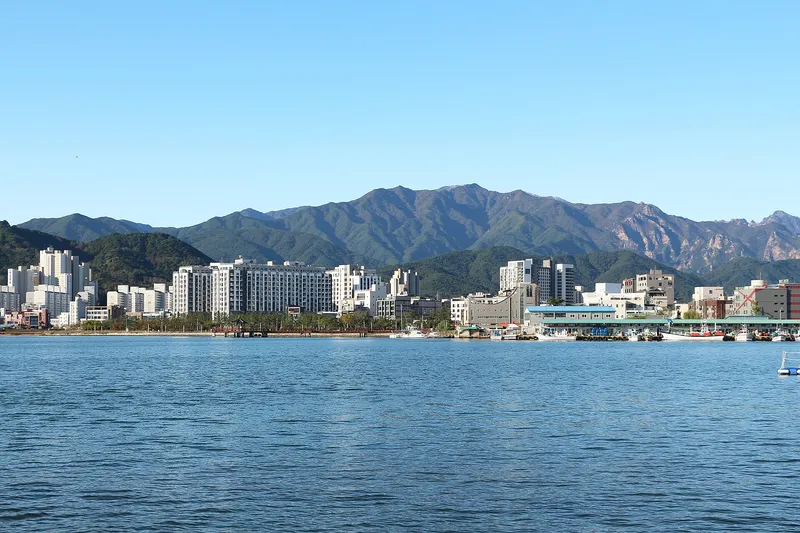 Nomad Score 6.9$1,500/moSafety 9WiFi 9Value 6
Seoraksan National Park is twenty minutes from Sokcho by city bus, which explains most of the people who live here by choice. The town sits between the East Sea, a port and a lagoon, the fish market is excellent, and we estimate $1,500 a month. There is no coworking, but cafes welcome long laptop sessions and the internet is as fast as Seoul's. No railway serves the city, so Seoul is two and a half hours by express bus. Autumn weekends bring foliage traffic, winters are cold and snowy, and daily life runs in Korean.
-
9
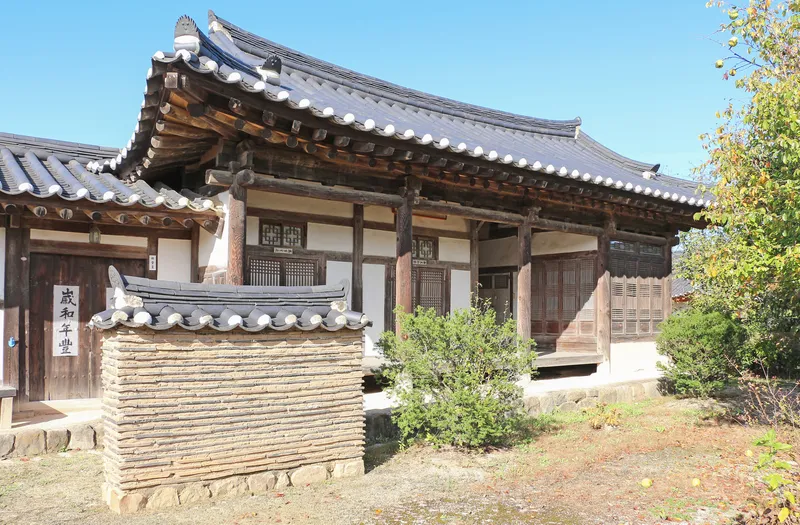 Nomad Score 6.5$1,100/moSafety 9WiFi 9Value 6
Not many foreigners settle in Andong, and that is much of its appeal. This is the heart of Korea's Confucian tradition, with the UNESCO-listed Hahoe Folk Village about 40 minutes out by bus and the mask dance festival in late September or early October. We estimate $1,100 a month, and jjimdak, built to share between two or three, is the local feast. KTX-Eum trains run direct from Seoul's Cheongnyangni station. There is no coworking space, so work happens in the large cafes near the station, and visa paperwork means a trip to Daegu, about an hour away.
-
10
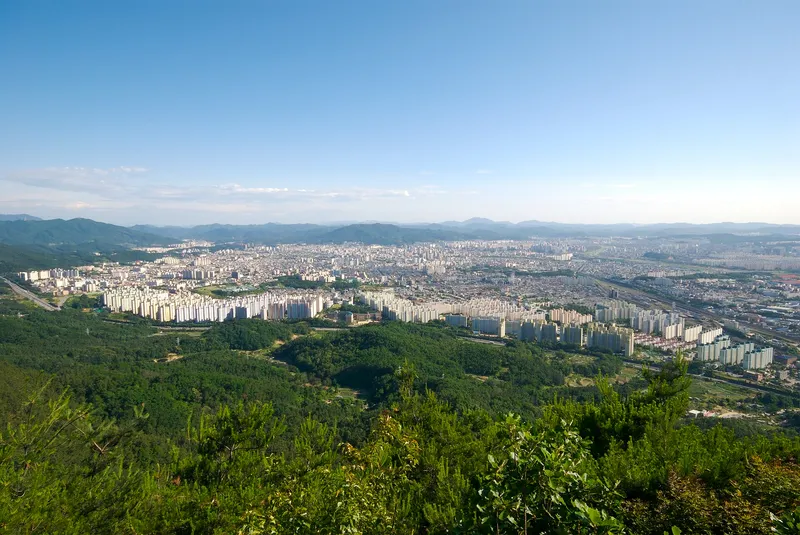 Nomad Score 6.1$1,350/moSafety 9WiFi 9Value 6
With KAIST and the Daedeok research district in town, Daejeon is a city of scientists and engineers, so English gets you further than it would in a typical provincial Korean city. Position is the other strength: the KTX puts Seoul 50 minutes away and Busan under two hours. We estimate $1,350 a month, and coworking is real, with startups around the research institutes. Yuseong's hot springs, Gyeryongsan's trails and Sungsimdang, the country's most famous bakery, fill the weekends. The city works rather than charms, it has no coast, and fine dust is a spring problem.
Korea rewards a decision that most nomad visas do not ask for: picking a region. A younger applicant who settles in Busan, Daejeon or Jeonju qualifies for the F-1-D on about two thirds of the income Seoul would require, and the KTX keeps the capital within an easy day trip. A sensible first stay is a 90-day visit split between Seoul and one regional city in spring or autumn, then an application once you know which city you want on the lease. For a look at Korea's neighbours on the same terms, see our ranking of Asian cities for remote work, or start with the Daejeon guide if a central rail hub appeals.
Frequently asked questions
Does South Korea have a digital nomad visa?
Yes, the F-1-D, a pilot from January 2024 that Korea made permanent on 30 June 2026. You need a job with a company based abroad and at least a year of experience in your field. Grants last a year and renew to a maximum of three years, a spouse and children can join you, and taking work from a Korean employer is off limits.
How much income do I need for Korea's F-1-D visa?
Two things set it, your age and the region you live in, and every bar is a multiple of Korea's income per person. In Seoul, Incheon and Gyeonggi, someone under 35 needs about $54,600 a year, and someone older, or coming with family, about $72,800. In the rest of the country the figures fall to about $36,400 and $54,600, though the lower one requires evidence, such as a lease, that you really live outside the capital region.
Which Korean city is cheapest for remote workers?
Jeonju, at $770 a month on Numbeo data, though a furnished flat pushes a realistic month nearer $1,000 to $1,400. Andong is the cheapest of our estimated cities at $1,100 a month. Seoul is the most expensive at $1,870 a month.
Is Busan or Seoul better for working remotely?
Seoul has far more coworking, more English and a bigger social scene, at $1,870 a month. Busan costs about $1,400 a month, puts beaches on the metro, and qualifies for the lower F-1-D income tier. The fast train between them averaged 2 hours 48 minutes over the first eight months of 2026, so many people spend time in both.
How were these Korean cities ranked?
By overall Nomad Score, our composite of 13 categories including cost, climate, internet, safety, food and English. All ten Korean cities in our index appear. Three pairs share a score, and within a pair the order is arbitrary.