Safety is the factor that quietly shapes everything else about a nomad base. It decides whether you take the late train home or pay for a taxi, whether you work from a park bench with your laptop open, and whether a partner or family member back home stops worrying about you. When petty theft and street harassment are non-issues, your mental bandwidth goes back to the work and the life you actually came for.
The tradeoff is real, though. The cities that top a safety ranking tend to be expensive, and several sit in cold northern climates or use languages that take effort to crack. You are often paying a premium, in rent or in daylight hours, for the freedom to stop thinking about crime. Cheaper, warmer places exist and many are perfectly livable, but few match the day-to-day calm you get from the names on this list.
Read the ranking as a spectrum rather than a leaderboard. Every city here scores at the ceiling for personal safety, so the order reflects overall livability among equally safe places. Weigh each entry against your budget, your climate tolerance, and whether you are traveling solo, as a woman, or with kids. The tradeoff notes in each blurb are where the real decisions live.
Cities are ranked by their personal safety score across our 1,000-city index, with ties broken by overall Nomad Score. Explore the numbers yourself on the comparison tool or browse all 999 city guides.
At a glance
 Tokyo
TokyoWhat to weigh before you book
A safety score captures the baseline: how likely you are to be mugged, harassed, or robbed, and how comfortable ordinary night walks feel. It does not capture natural hazards, so factor in Japan's earthquakes, Iceland's weather, or the isolation of a North Atlantic island town where help is far away if something goes wrong. It also averages across a whole city; even the safest metros have thinner streets late at night, and even chaotic cities have calm neighborhoods.
Think about what safe means for your specific situation. Solo women often rate street harassment and reliable late transit above raw crime statistics, and on both counts Japan and the Nordics stand out. Consider language too: in an emergency, being able to explain yourself matters, which nudges English-strong Singapore, Zurich, and Reykjavik ahead of cities where you would be gesturing at a pharmacist. Finally, safe and expensive travel together here, so budget honestly before you commit.
The ranking
-
1
 Safety 10/10Nomad Score 8.7$1,920/moWiFi 7Value 3Community 6
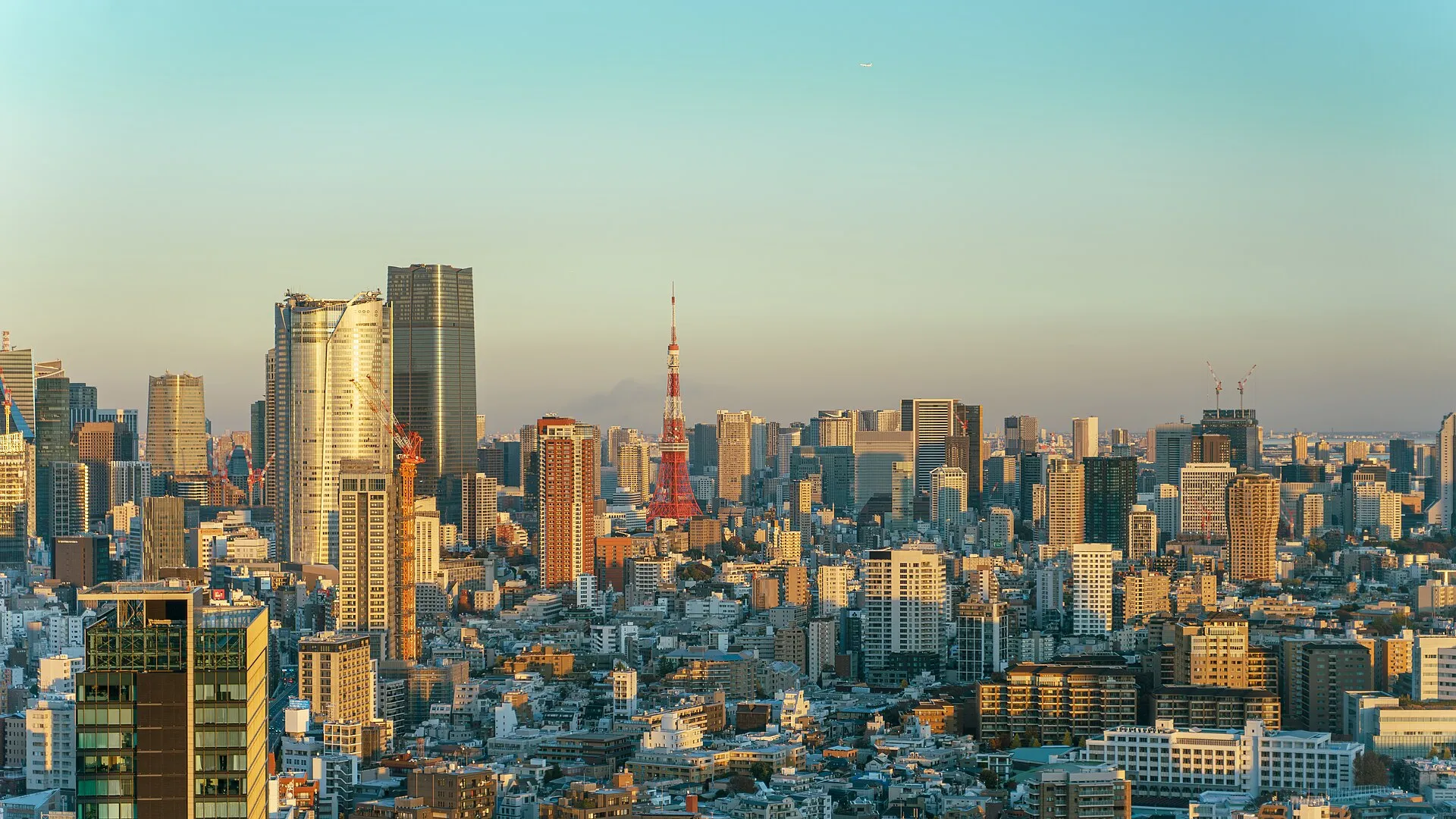
Nowhere makes the case for urban safety like Tokyo. A city of this scale where lost wallets get returned and women ride the last train without a second thought sets the standard the rest of this list is measured against. Petty theft exists but is rare, violent crime rarer still, and the sheer density means streets stay populated and watched late into the night. The tradeoff is cost: $1,920 a month earns a cost score of just 3, and the language barrier can complicate the paperwork of settling in.
-
2
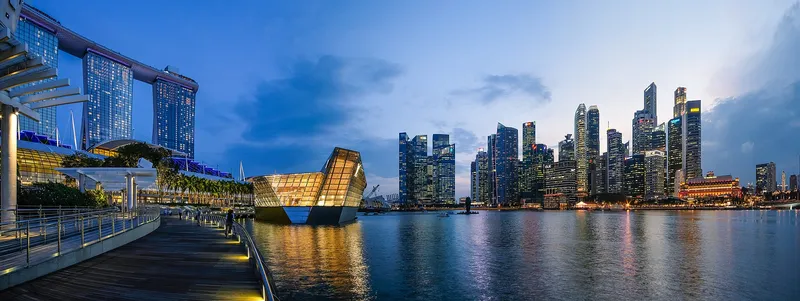 Safety 10/10Nomad Score 8.5$3,840/moWiFi 10Value 2Community 7
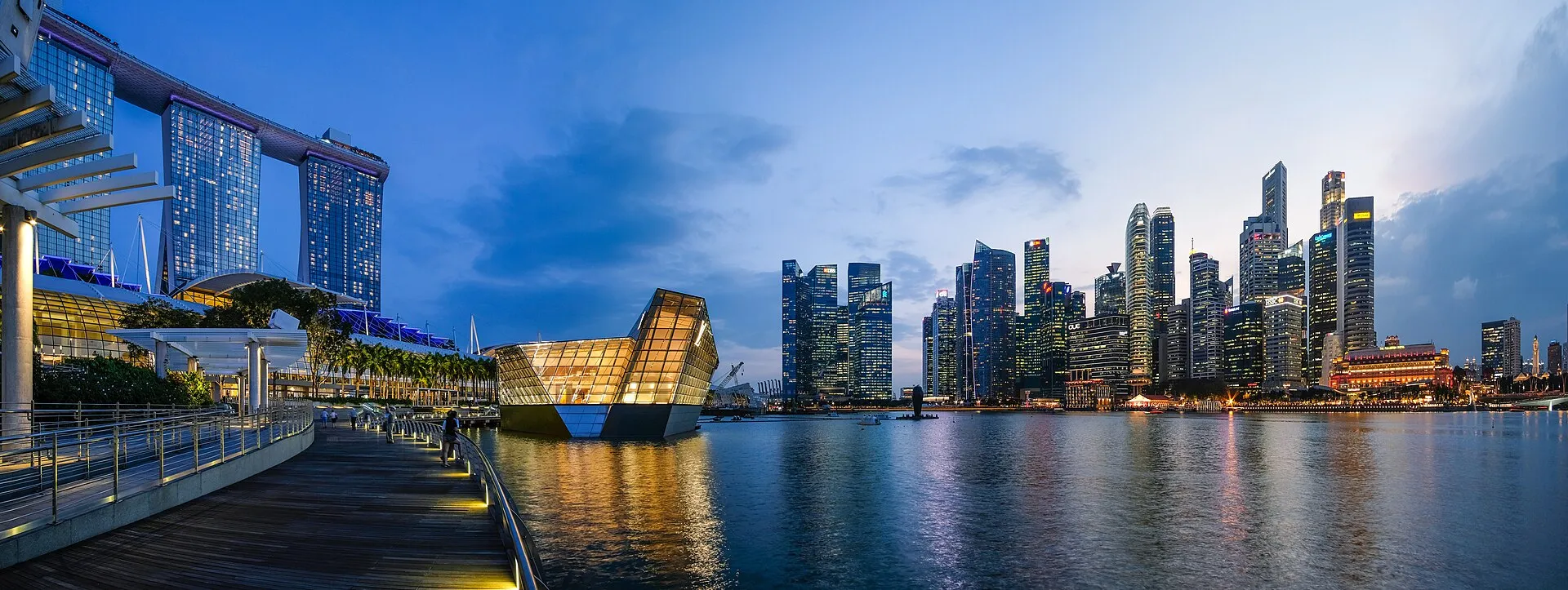
Singapore earns its safety through strict, consistently enforced law, and you feel it the moment you walk anywhere after dark. Solo travelers and women report some of the lowest street-harassment rates anywhere in Asia, and the spotless, well-lit transit runs late without menace. English is universal, which matters enormously if anything goes wrong. The catch is that this order comes with rigid rules and a high price tag of $3,840 a month, and the same firm hand that keeps crime near zero can feel controlling if you value a looser, more spontaneous city.
-
3
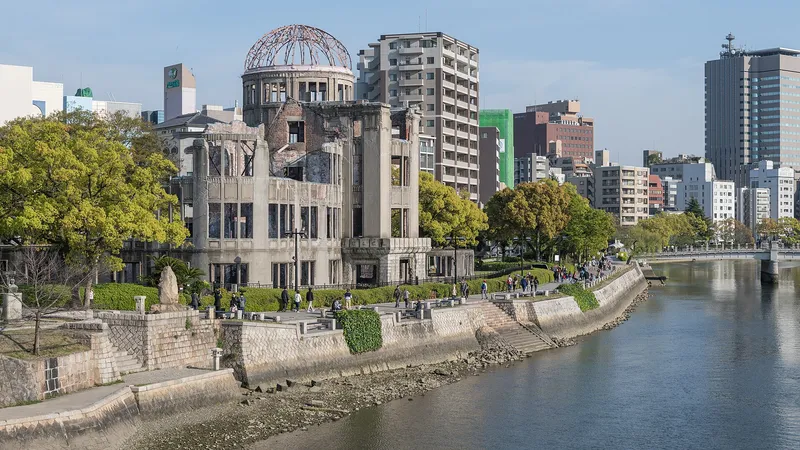 Safety 10/10Nomad Score 8.5$900/moWiFi 8Value 7Community 3
Hiroshima carries its history with a quiet, reflective calm that extends to how safe it feels to live there. Streets are relaxed, crime is minimal, and the tram-linked center is easy to navigate alone at night without concern. At $900 a month it is one of the cheapest bases on this list, and it gives you cleaner air and a gentler pace than the megacities. The limitation is community: with a low social score and modest English, building a circle here takes real effort, and nomads craving a busy scene may find it too still.
-
4
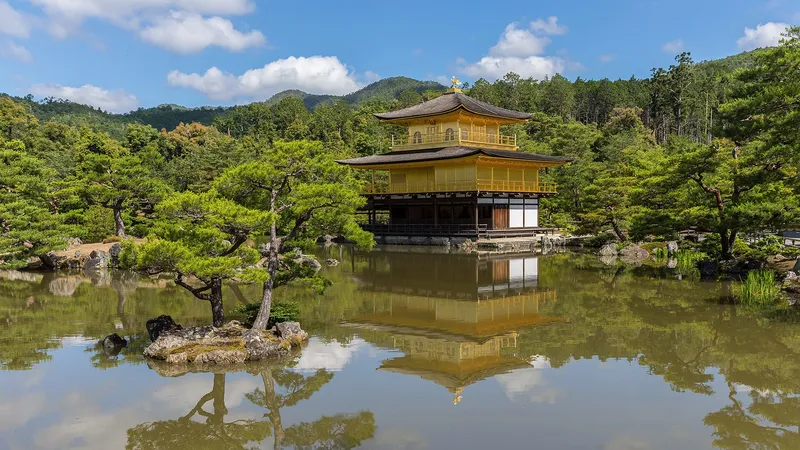 Safety 10/10Nomad Score 8.3$1,140/moWiFi 7Value 6Community 5
Kyoto pairs Japan's baseline safety with a slower, more contemplative rhythm. Wandering the temple districts or the Gion lanes after dark is calm and unthreatening, and solo women generally find it one of the most comfortable cities in the country. Crime barely registers day to day. At $1,140 a month it is the third-cheapest base here. The tradeoffs are practical: English is thin, tourist crowds can choke the center in peak season, and the quiet culture means the social scene is more reserved than a nomad hub might want.
-
5
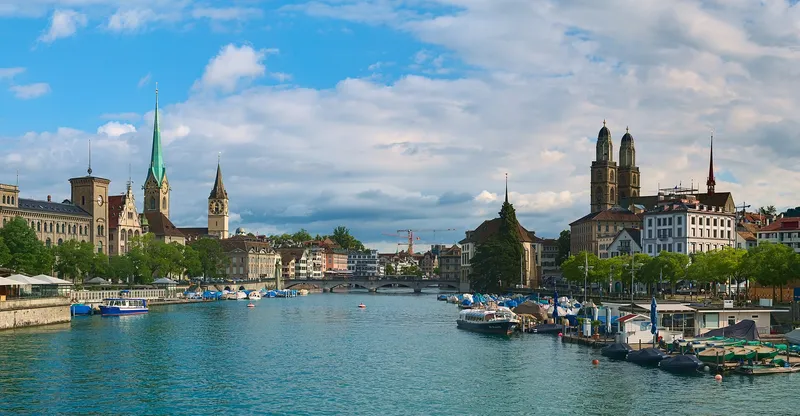 Safety 10/10Nomad Score 8$4,500/moWiFi 8Value 1Community 5
Zurich is safe in the orderly, understated Swiss way: everything works, nothing feels threatening, and you can walk the old town or the lakefront at any hour without a flicker of worry. Women traveling solo consistently rank it among Europe's most comfortable cities. The obvious problem is money. At $4,500 a month it is the most expensive base on this ranking, so the peace of mind comes at a price few can sustain long term. If your income can absorb it, little here will ever unsettle you.
-
6
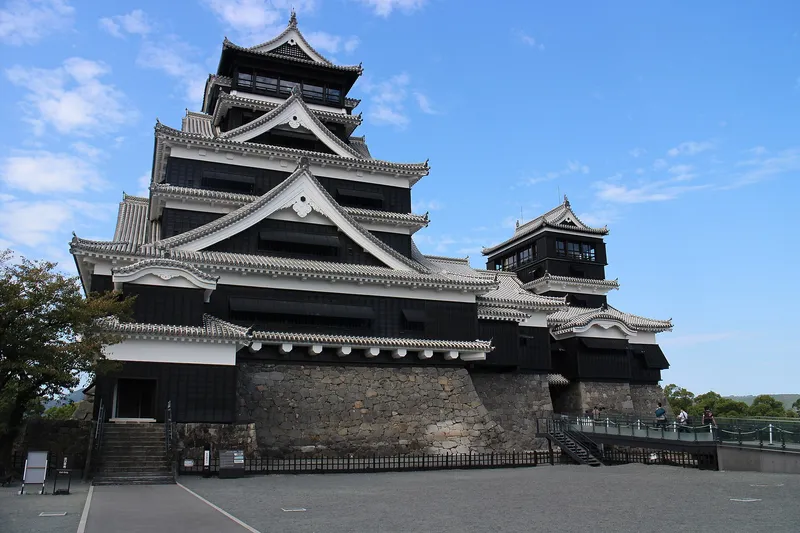 Safety 10/10Nomad Score 8$1,400/moWiFi 8Value 6Community 2
A rebuilt black castle below Aso, one of the largest active calderas on earth.
-
7
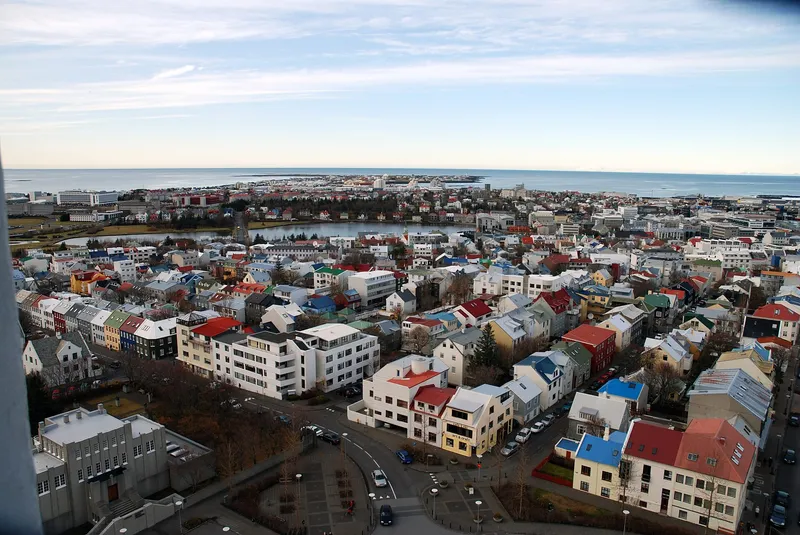 Safety 10/10Nomad Score 7.8$3,570/moWiFi 8Value 2Community 4
Reykjavik is about as safe as a capital gets, with almost no violent crime and a small, tight community where anonymity is rare. Women walk home alone routinely and the police famously carry no firearms. English is near-universal, so emergencies are easy to handle. The real hazards here are natural rather than criminal: brutal weather, long polar darkness, and isolation if a storm cuts you off. Add a cost of $3,570 a month and a limited food scene, and the peace of mind comes wrapped in genuine remoteness.
-
8
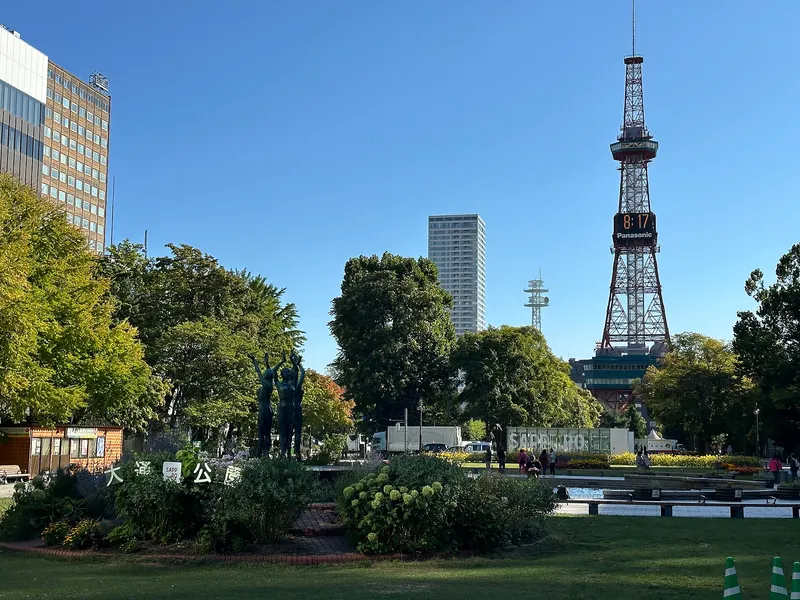 Safety 10/10Nomad Score 7.8$1,230/moWiFi 7Value 5Community 5
Sapporo brings the safety of Japan to a spacious, snow-country setting where the streets stay orderly and low-crime even through long winters. The grid layout makes it easy to walk home alone at night without confusion, and the outdoor culture draws people who like skiing and hiking on the doorstep. At roughly $1,230 a month it is one of the cheapest safe bases here. The obvious tradeoff is the harsh winter climate, and with limited English and a modest community, the cold months can feel isolating for a newcomer.
-
9
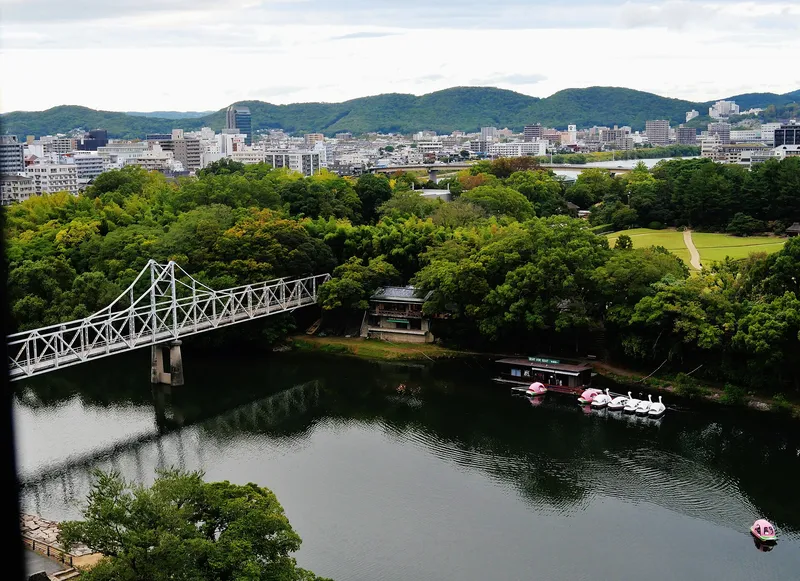 Safety 10/10Nomad Score 7.8$1,550/moWiFi 8Value 5Community 2
The sunniest city in Japan, with one of its three great gardens and the Inland Sea below.
-
10
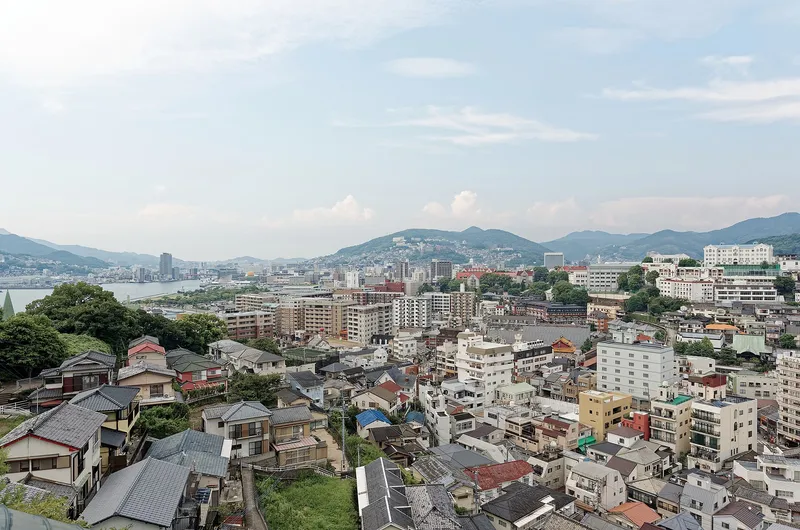 Safety 10/10Nomad Score 7.8$1,500/moWiFi 8Value 5Community 2
Japan's window on the world for two centuries, built on hills above a deep harbour.
-
11
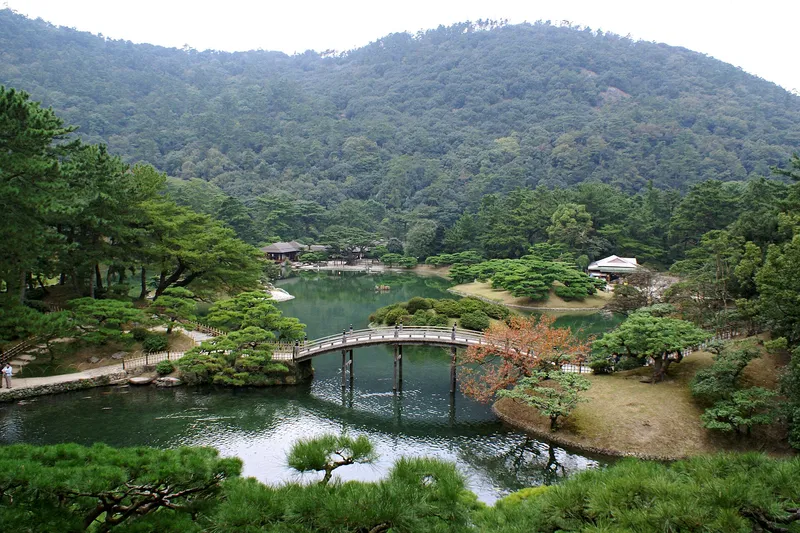 Safety 10/10Nomad Score 7.8$1,350/moWiFi 8Value 6Community 2
Shikoku's port for the art islands, with one of Japan's finest gardens in the middle of town.
-
12
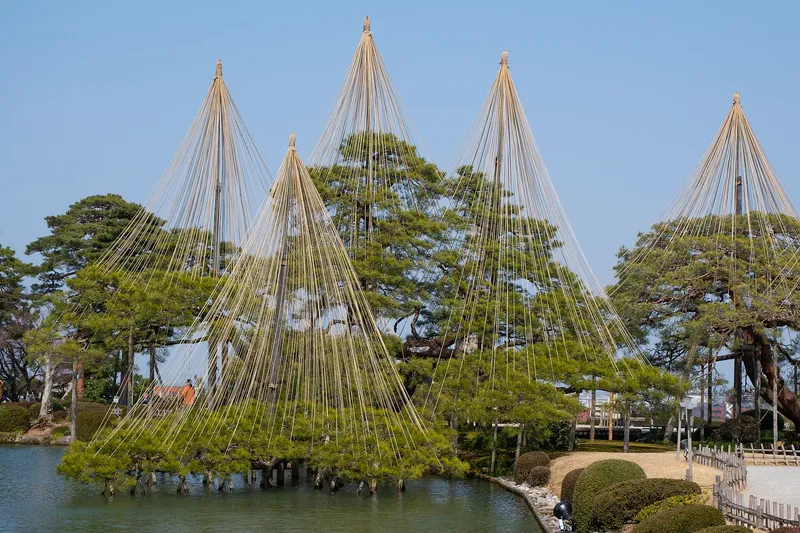 Safety 10/10Nomad Score 7.6$890/moWiFi 8Value 7Community 2
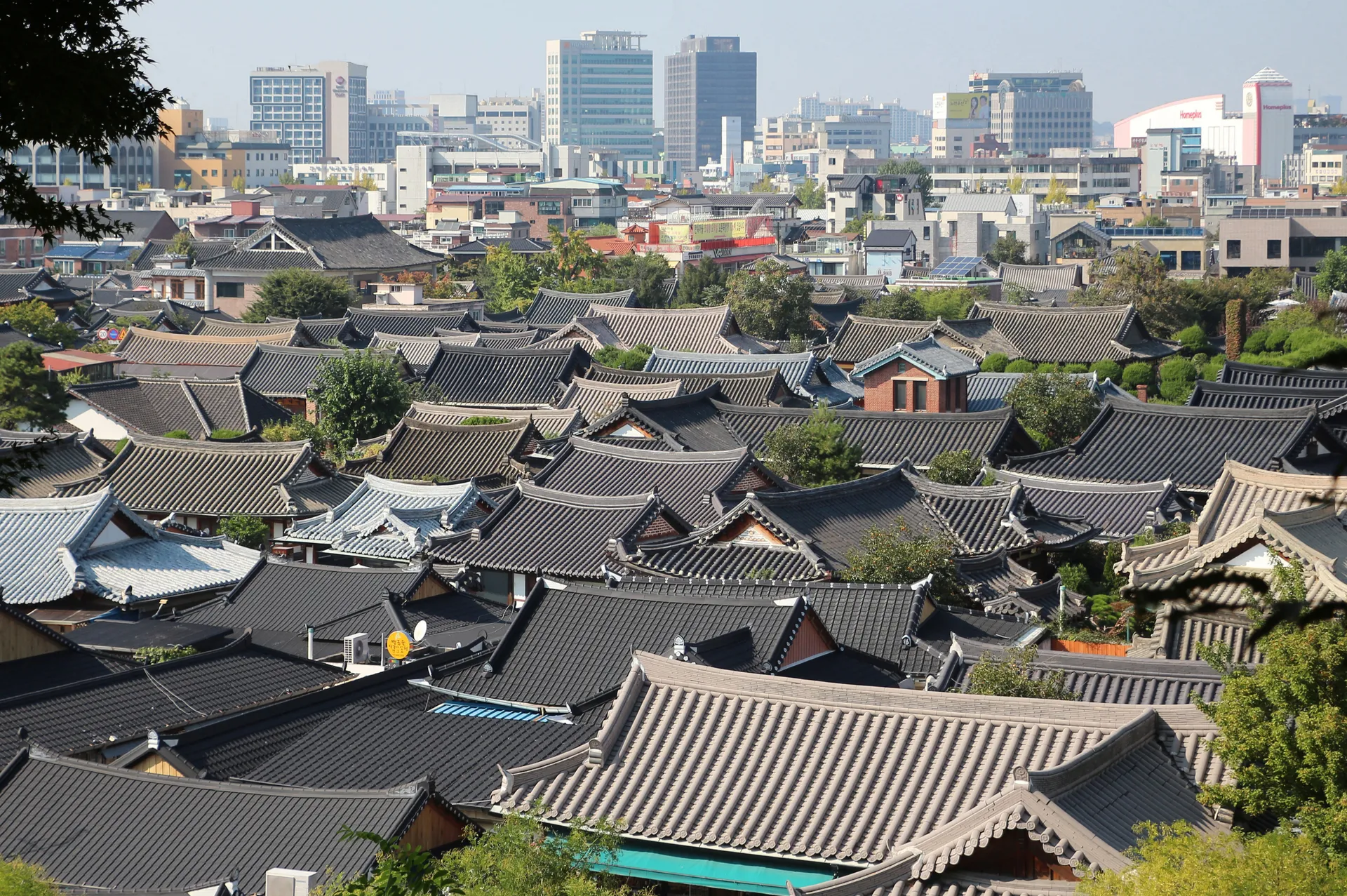
Experience preserved Edo-era culture and gardens.
-
13
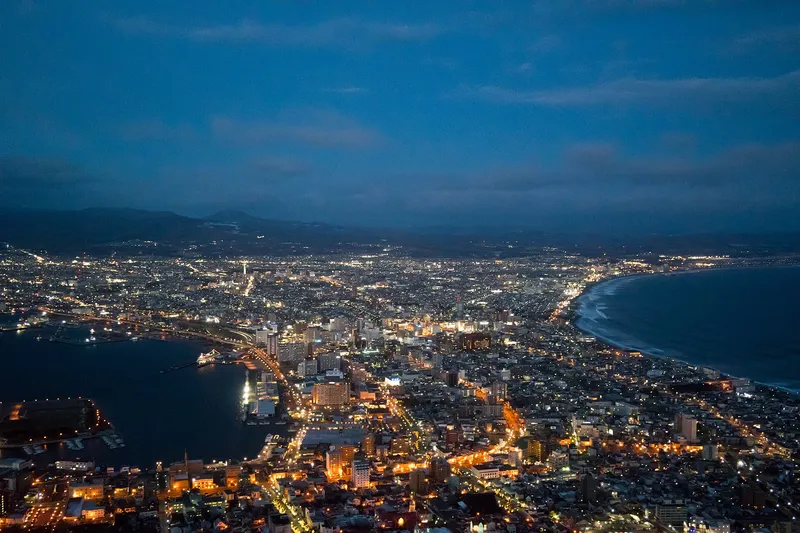 Safety 10/10Nomad Score 7.6$1,300/moWiFi 8Value 6Community 2
A star-shaped fort, a morning squid market, and the night view from the mountain.
-
14
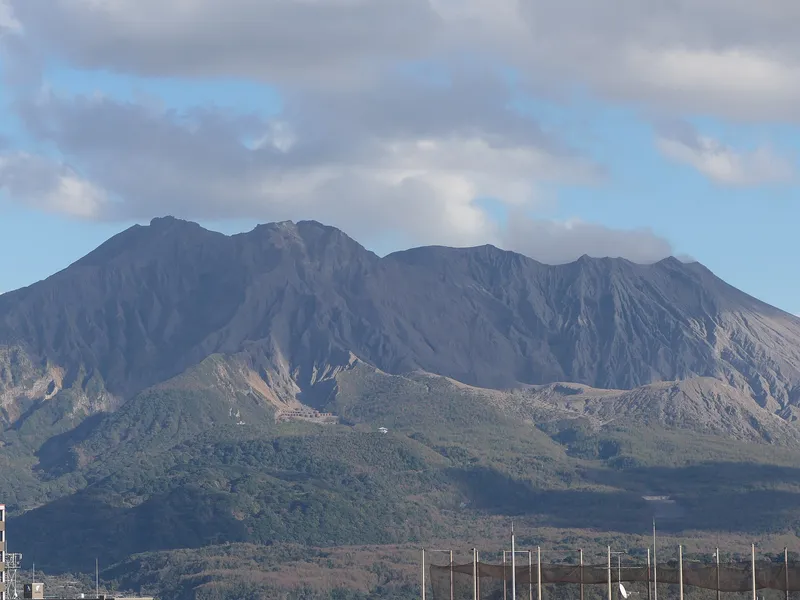 Safety 10/10Nomad Score 7.6$1,350/moWiFi 8Value 6Community 2
A city that sweeps volcanic ash off the pavements, with Sakurajima smoking across the bay.
-
15
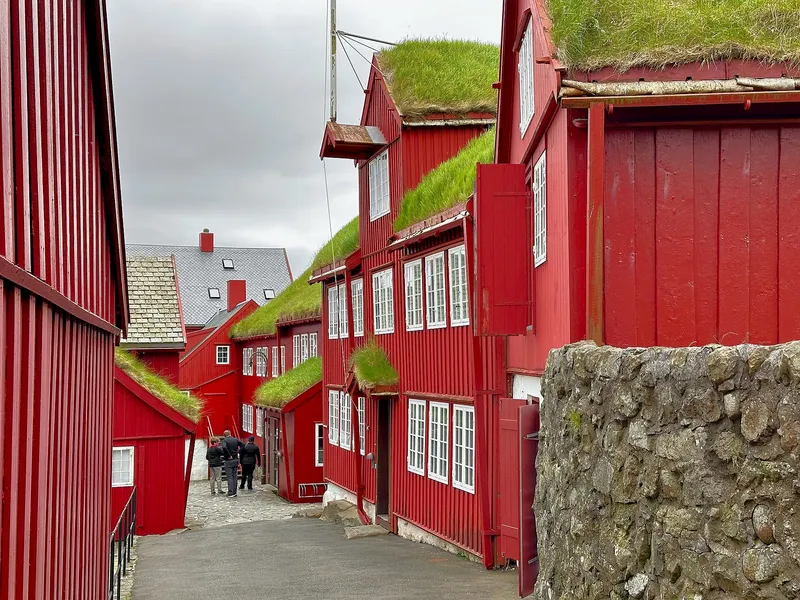 Safety 10/10Nomad Score 7.6$2,400/moWiFi 9Value 3Community 3
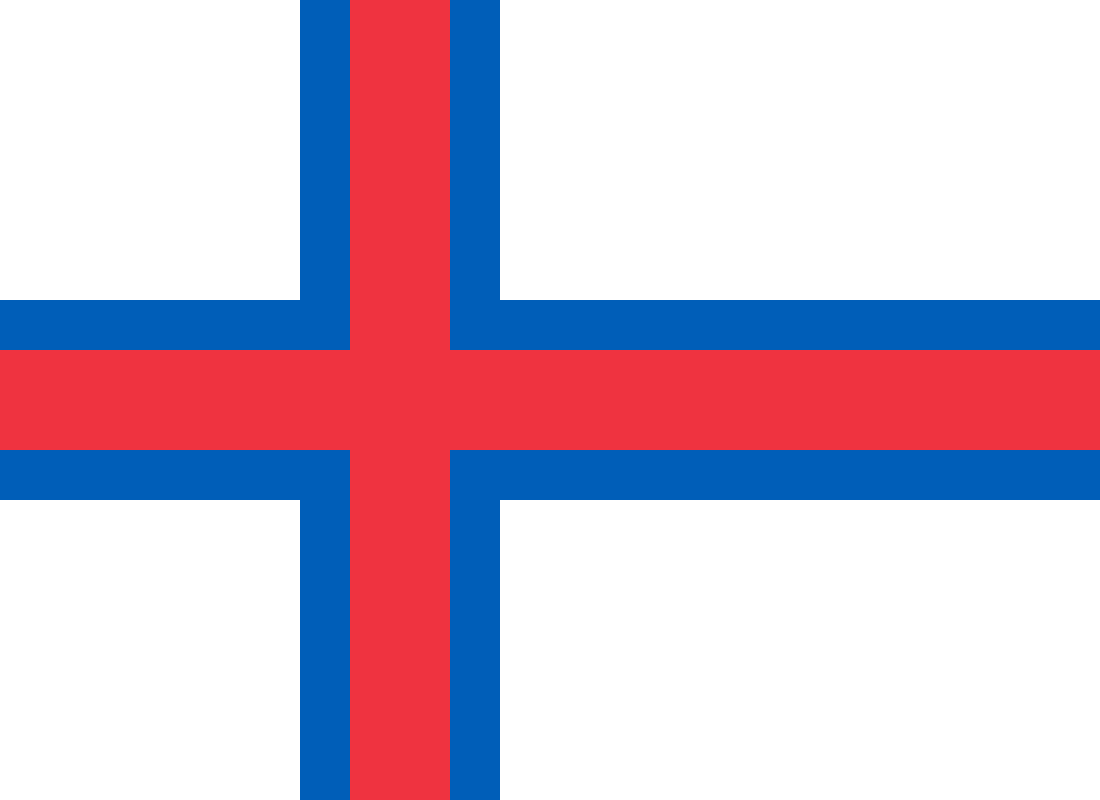
Grass-roofed houses on a North Atlantic rock where the weather changes every twenty minutes.

Choosing a base for safety usually comes down to what you are willing to trade for peace of mind. If money is no object, Zurich, Tokyo, and Singapore offer flawless security with full urban life attached. If budget matters more, the smaller Japanese cities lower down the list deliver the same low-crime calm for far less, provided you can handle a colder climate or a quieter social scene.
Every city here clears the highest safety bar, so let cost, climate, and community break the tie for you. Compare these bases side by side on the factors you weigh most, or browse the full city guides to see how each one fits the rest of your life, not just your sense of security.
Frequently asked questions
What is the safest city for digital nomads?
Tokyo tops our ranking. It combines negligible violent crime, rare petty theft, and famously reliable late-night transit with the infrastructure and food scene of a world capital. Women routinely ride the last train and walk home alone without concern. The main drawbacks are a cost score of just 3, at $1,920 a month, and a significant language barrier.
Are safe cities for nomads always expensive?
Not on this list. Zurich, Singapore and Reykjavik are expensive, but eleven of the fifteen cities here cost under $2,000 a month, all of them in Japan. Kanazawa ($890), Hiroshima ($900) and Kyoto ($1,140) offer ceiling-level safety for a fraction of Zurich's $4,500, if you accept a language barrier, a colder climate or a quieter social scene.
Which cities are best for solo female travelers?
Japan and the Nordics stand out. Tokyo, Kyoto, and Hiroshima pair very low street harassment with safe late-night transit, while Reykjavik and Zurich are consistently rated among the most comfortable cities anywhere for women walking alone. Strong English in Singapore also helps if you ever need to explain a situation quickly.
Does a high safety score mean no risk at all?
No. The score measures crime and everyday personal safety, not natural hazards. Japan sits on major fault lines, Iceland and Arctic Norway face severe weather and isolation, and even the safest city has quieter streets late at night. Treat the ranking as a strong baseline, then stay aware of the specific risks each location carries.
How does language affect safety abroad?
It matters most in emergencies. Being able to explain a problem to police, a doctor, or a pharmacist changes how safe a place feels in practice. That gives English-strong bases like Singapore, Zurich, and Reykjavik an edge over Japanese cities such as Kanazawa or Kyoto, where limited English means keeping a translation app close at hand.