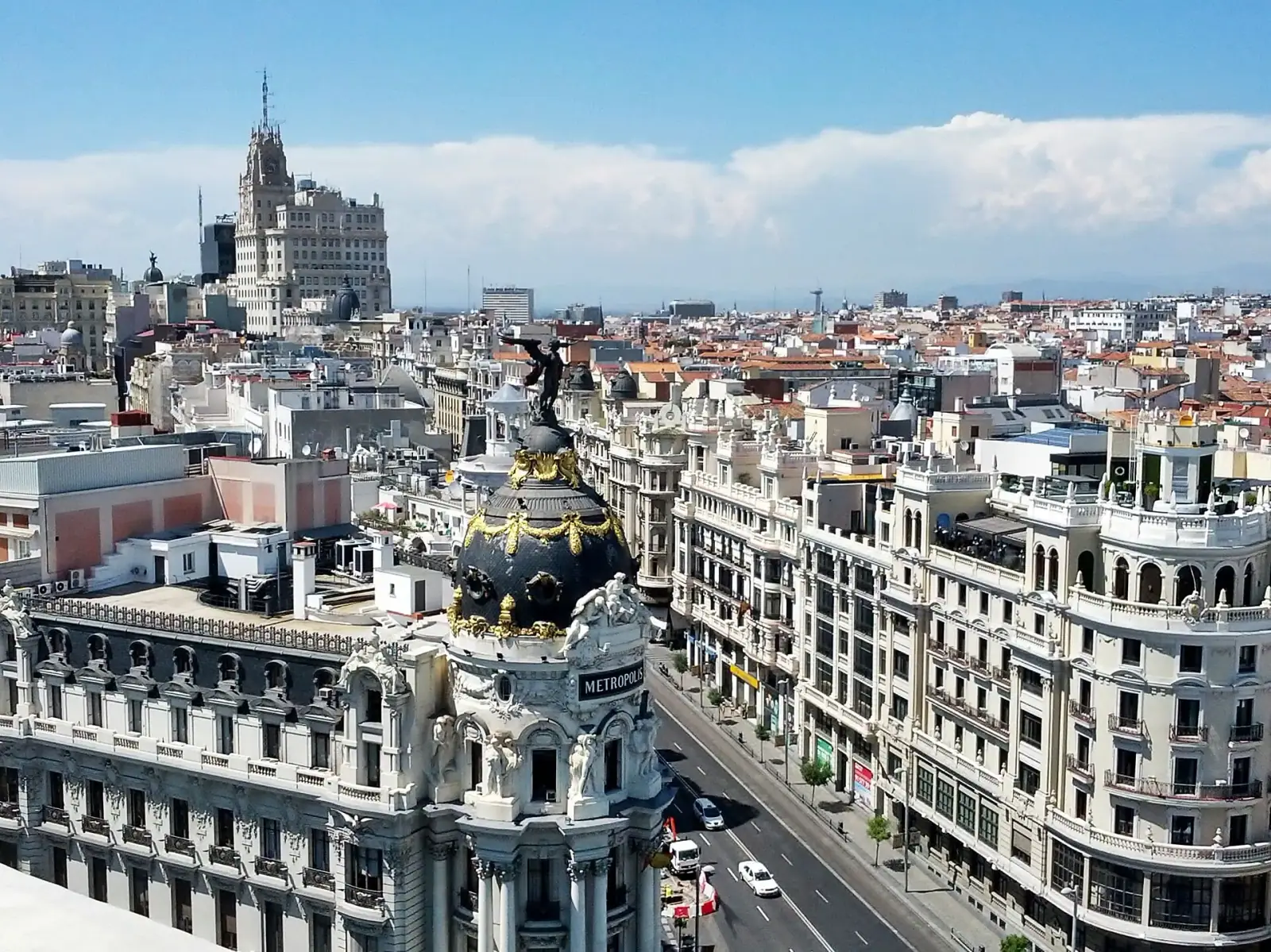
The hour a night out starts tells you a lot about a city. In Madrid, dinner at ten is normal and the clubs of Malasaña fill once most of Europe has gone to bed. In Berlin, a club that opens on Saturday night may not close until Monday. In Seoul, the evening ends with the first subway of the morning. That clock matters more to a remote worker than to a tourist, because you will still have calls the next day.
Madrid leads the list, with Berlin, Miami, Ibiza and New York close behind, and the range below them is wide: Las Vegas and its casino floors, Cali and its salsa bars, Tel Aviv's beachfront, the ruin bars of Budapest's old Jewish Quarter and the vaulted cellars under Krakow's Main Square.
Money runs through the whole list. Cali is the cheapest at about $1,500 a month and Krakow the cheapest in Europe at about $1,800, while New York, at about $6,500, costs more than four times as much as Cali. The entries below say what each scene is actually like, and what it asks of you in return.
Cities are ranked by their nightlife score across our 1,000-city index, with ties broken by overall Nomad Score, so cities with equally strong scenes are ordered by how well the rest of daily life holds up. Monthly costs are our own estimates for one person living comfortably. Explore the numbers yourself on the comparison tool or browse all 1017 city guides.
At a glance
 Barcelona
Beach clubs, Gothic Quarter cocktail bars and late vermouth, in a city whose food, coworking and nomad crowd hold up just as well by day.
Cheapest on the list Cali
About $1,500 a month in the salsa capital of the world, provided you take street safety seriously after dark.
Best value in Europe Krakow
Medieval cellar bars and a dense student scene at about $1,800 a month, in a safe, walkable city where English gets you by in the center.
What to weigh before you book
A famous scene tells you the energy exists, not whether it suits your rhythm. Spanish and Latin American cities run late by design, with dinner at ten and clubs filling after 2 a.m., which is thrilling on a free weekend and brutal on a workday tied to another time zone. Check how the local clock lines up with your calls before you commit, and decide whether you want to live inside the party district or a short ride from it: in Budapest, that is the difference between a flat in District VII and one across the river.
Cost and safety are the two things most likely to change your experience. Cali asks for real street awareness and trusted taxis at night, while Miami and Los Angeles are spread out enough that the ride home becomes part of the budget. Ibiza runs on a season: from November to March some cafes, gyms and services close, and the island you came for in July is a different place. The best base is the one where the nightlife is there on your terms, not imposed on every evening whether you want it or not.
The ranking
-
1
 Nightlife 10/10Nomad Score 8.5$3,200/moSafety 7WiFi 8Value 4
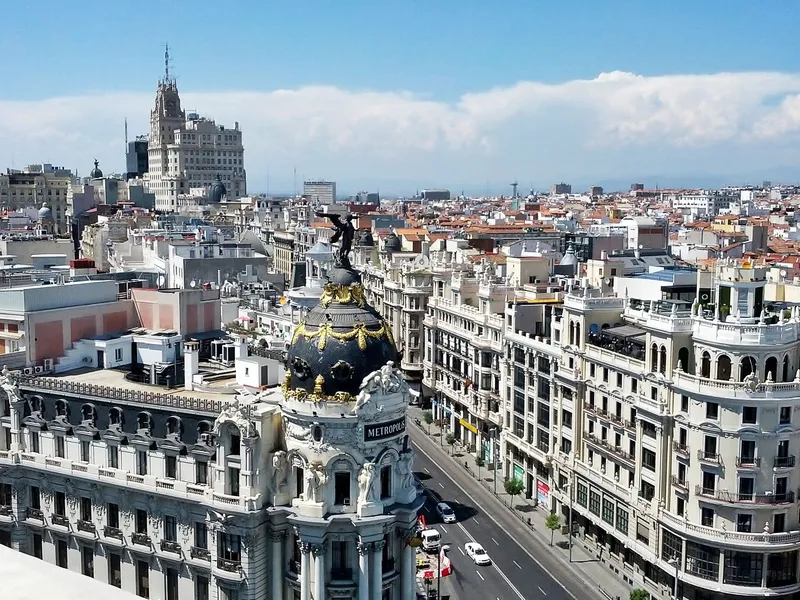
Madrid refuses to end the night early, mostly because it starts so late. Dinner at nine or ten is normal, tapas crawls through La Latina and Huertas spill onto terraces and century-old tabernas, and the clubs in Malasaña only fill once most European capitals have gone quiet. That schedule is the thing to plan around: a 9 a.m. call after a Madrid Saturday is hard work, and some Spanish helps you get past the visitor circuit. At about $3,200 a month it is not cheap, but few capitals pair this much culture with this much stamina after dark.
-
2
 Nightlife 10/10Nomad Score 8.3$3,400/moSafety 7WiFi 6Value 3
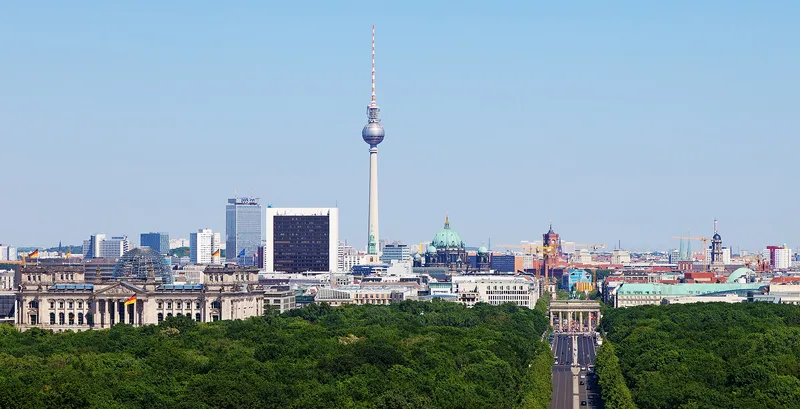
Berlin treats a night out as something closer to a weekend. Berghain opens on Saturday night and keeps going into Monday, Kreuzberg and Neukölln are full of bars that double as art spaces, and in summer the corner Späti selling cold beer is half the social life. The scene has its own rules: door policies are strict and phone cameras are often taped over. The tradeoffs are the long grey winter, when the parks and canal-side terraces empty, and European prices at about $3,400 a month. Few cities take the dance floor this seriously.
-
3
 Nightlife 10/10Nomad Score 8.2$5,000/moSafety 5WiFi 8Value 2
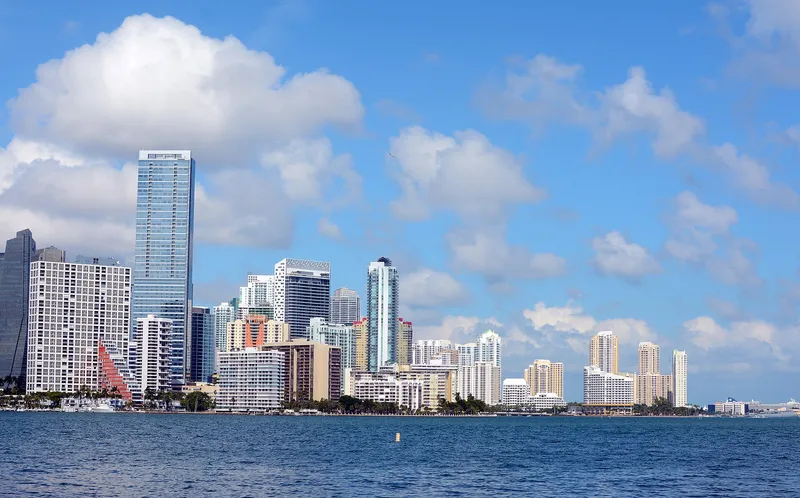
Miami's nights run on Latin music and money: South Beach clubs along Collins and Washington Avenue, Wynwood's warehouse bars under the murals, and a bilingual crowd where Spanish is as common as English. Winters are warm enough to live outdoors, which is why so much of the scene happens on rooftops and patios. The catch is steep. At about $5,000 a month only New York costs more here, the city is car-dependent outside Downtown and Brickell, and summer brings heavy heat, daily storms and a hurricane season that runs from June to November.
-
4
 Nightlife 10/10Nomad Score 7.8$4,000/moSafety 8WiFi 6Value 3
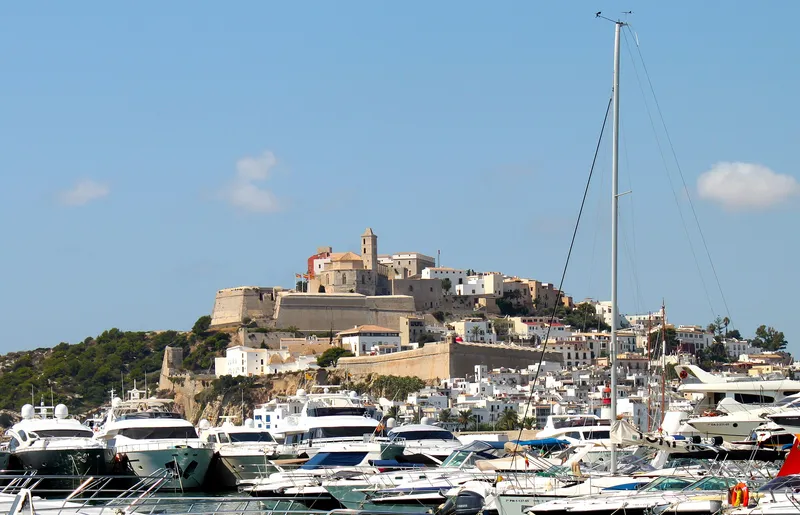
Ibiza is the rare place built almost entirely around the night, where superclubs like Pacha and Amnesia draw the world's biggest DJs across a long summer season. Days are the counterweight: pine forests, villages and quiet coves all lie within about 45 minutes of each other on a small island. For a working nomad the calendar decides everything. Prices peak in summer, and from November to March some cafes, gyms and services close, so the off-season is calmer and cheaper but far less of a party. A car or scooter is close to essential. Budget about $4,000 a month.
-
5
 Nightlife 10/10Nomad Score 7.8$6,500/moSafety 6WiFi 9Value 1
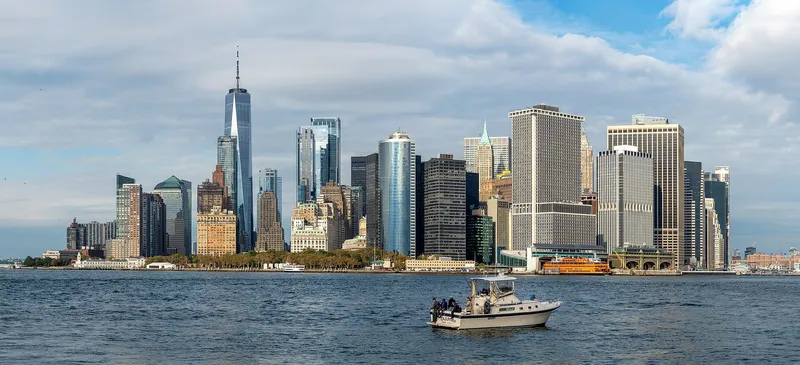
The city that never sleeps backs the cliche with substance: jazz in Greenwich Village basements like the Village Vanguard, warehouse parties in Brooklyn, comedy clubs, dive bars, and a kitchen serving something at every hour in every borough. The subway runs all night, so getting home is rarely the problem. The obstacle is money. At about $6,500 a month it is the most expensive base on this list by a wide margin, and round-the-clock energy has a grittier side, with crowded streets and noise you live with every day.
-
6
 Nightlife 10/10Nomad Score 7.4$2,900/moSafety 5WiFi 8Value 5
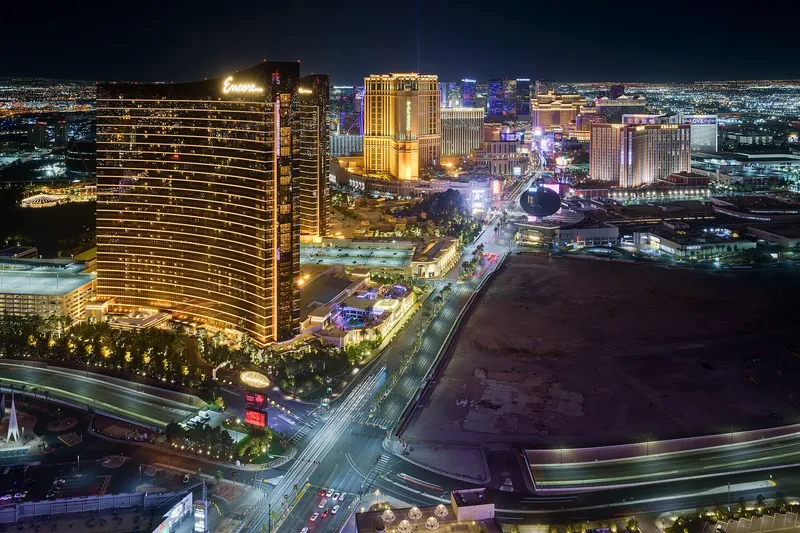
Las Vegas is a city whose whole economy is the night out. The four-mile Strip stacks casino clubs, residencies and shows one after another around the clock, while Fremont Street and the 18b Arts District downtown hold the cocktail bars, breweries and coffee roasters that locals actually use. Living here costs less than it looks, about $2,900 a month, and the airport is a low-cost hub with cheap flights everywhere. The catch is that the Strip is exhausting as a home, the city is car-dependent beyond it, and summer heat is extreme for months.
-
7
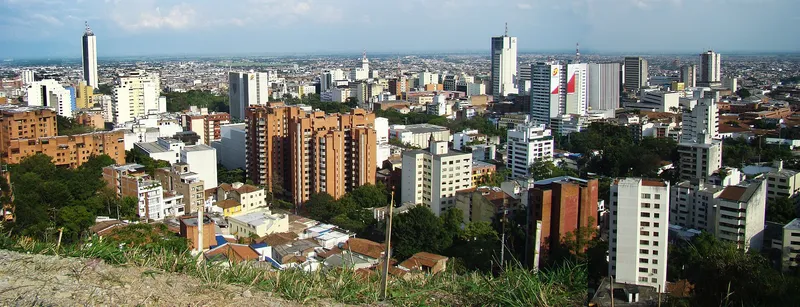 Nightlife 10/10Nomad Score 6.9$1,500/moSafety 3WiFi 6Value 8
Cali is the salsa capital of the world, and here nightlife means live orchestras and packed dance floors, from the salsa bars of Juanchito across the river to dance schools all over the city where you can learn the fast local style. At about $1,500 a month it is the cheapest base on this list, and the warmth of the Caleños is genuine. The clear tradeoff is safety: phone-snatching and muggings happen outside the main expat neighborhoods, so trusted taxis and care about where you wander are part of every night. Some Spanish will transform your nights out.
-
8
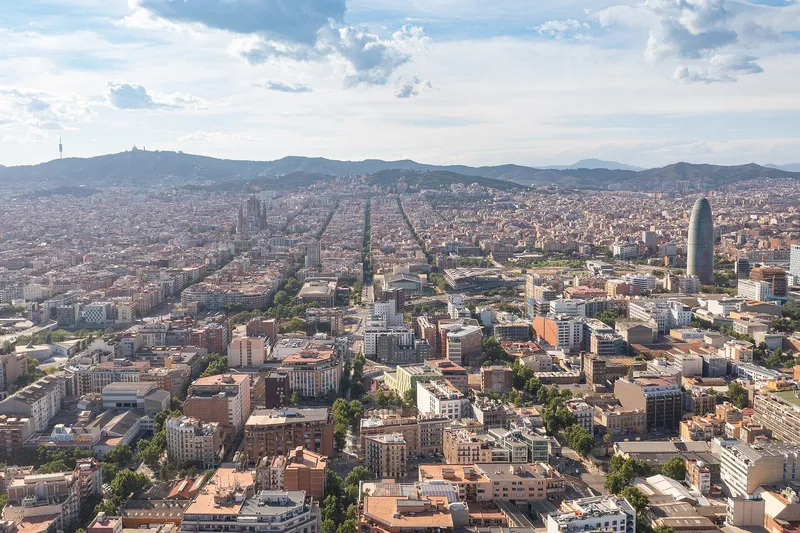 Nightlife 9/10Nomad Score 9.3$3,800/moSafety 6WiFi 8Value 3
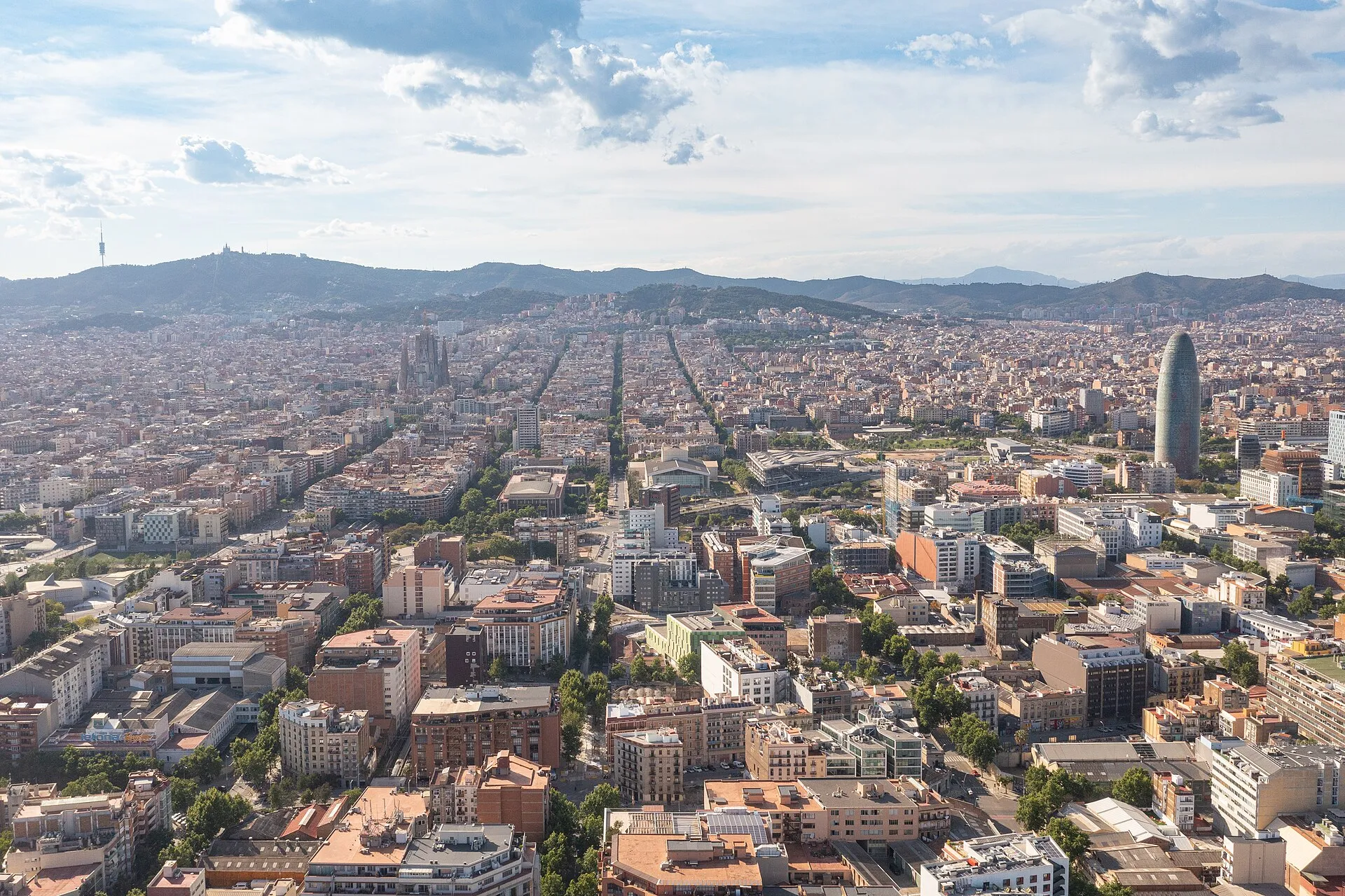
A Barcelona evening can start with vermouth on a terrace and end on the sand, by way of cocktail bars in the Gothic Quarter and El Born, a live music circuit, and clubs along the beach at Port Olímpic. Because the city also works by day, with Poblenou's coworking spaces and one of Europe's deepest nomad communities, evenings never feel like the only reason to be here. Pickpockets in the tourist core and on the metro are a genuine nuisance to manage, and at about $3,800 a month it costs more than Madrid, but few cities come closer to complete.
-
9
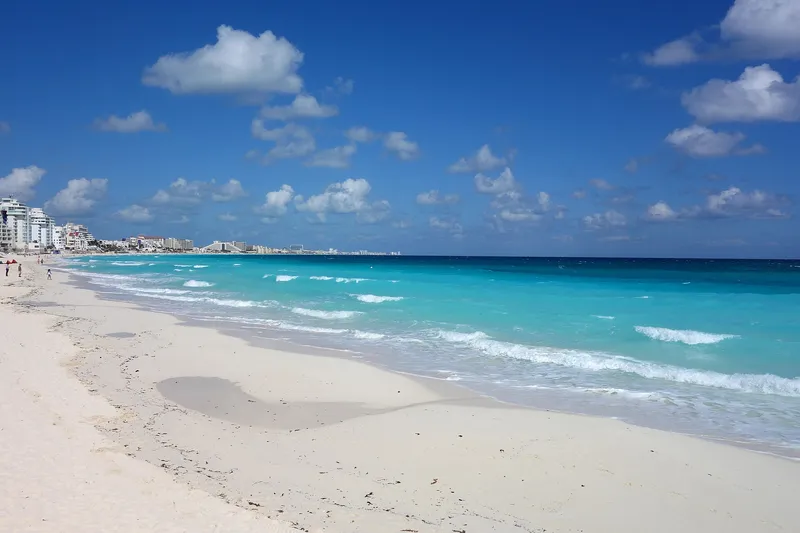 Nightlife 9/10Nomad Score 8.5$2,200/moSafety 6WiFi 6Value 6
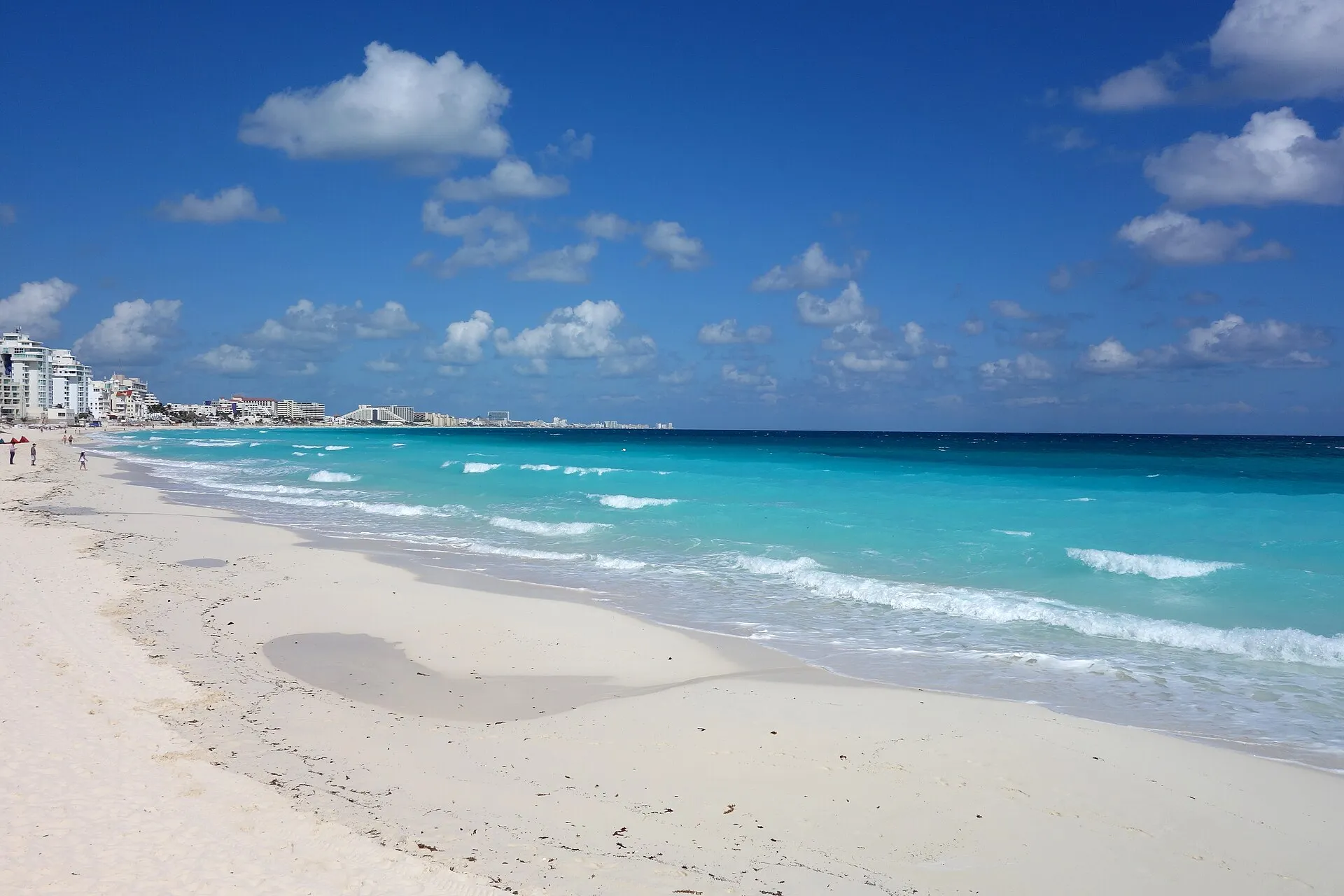
The Hotel Zone is where Cancún goes out: a long strip of sand between the lagoon and the Caribbean where high-volume clubs such as Coco Bongo and beach bars run until late. It is fun, but it leans touristic and spring-break loud, so people who want something more local head for downtown bars or nearby Playa del Carmen. Days are easy: warm water, cheap flights from the international airport, and the cenotes and ruins of the Yucatán within reach by bus. At about $2,200 a month it stays affordable, though summer heat and sargassum on the beaches need planning around.
-
10
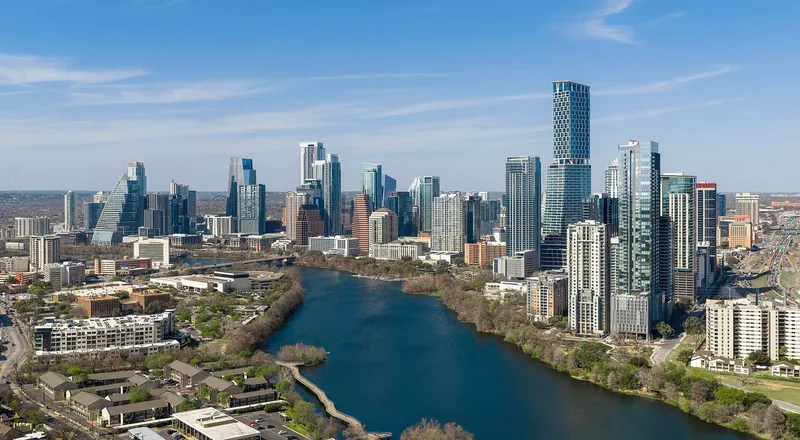 Nightlife 9/10Nomad Score 8.3$4,000/moSafety 6WiFi 9Value 3
Austin's official slogan is the Live Music Capital of the World, and most nights back it up: bands on Sixth Street and Red River, beer gardens on Rainey Street, honky-tonks, and a festival calendar anchored by SXSW each March. The crowd blends musicians with founders from the tech scene around Capital Factory, which is good for a nomad chasing both fun and work leads. By day the coffee shops on South Congress fill with laptops. The tradeoffs are a punishing summer and a cost of about $4,000 a month, far above Las Vegas.
-
11
 Nightlife 9/10Nomad Score 8.3$5,000/moSafety 5WiFi 9Value 2
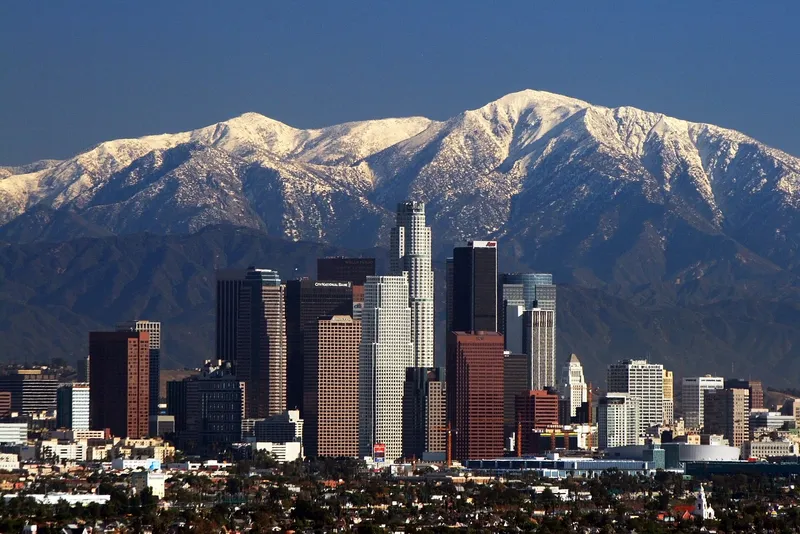
Los Angeles spreads its nights across canyons and boulevards, from Sunset Strip rock clubs such as the Whisky a Go Go to Hollywood rooftops and taco trucks feeding the after-hours crowd. The scenes never cluster the way they do in a walkable city, so you are driving or ride-hailing between Silver Lake, West Hollywood and Downtown, and that time and money add up. Mild, sunny weather almost all year means rooftop season never really ends. At about $5,000 a month it is expensive, and traffic and smog are the price of a city built around freeways.
-
12
 Nightlife 9/10Nomad Score 8$3,000/moSafety 9WiFi 9Value 4
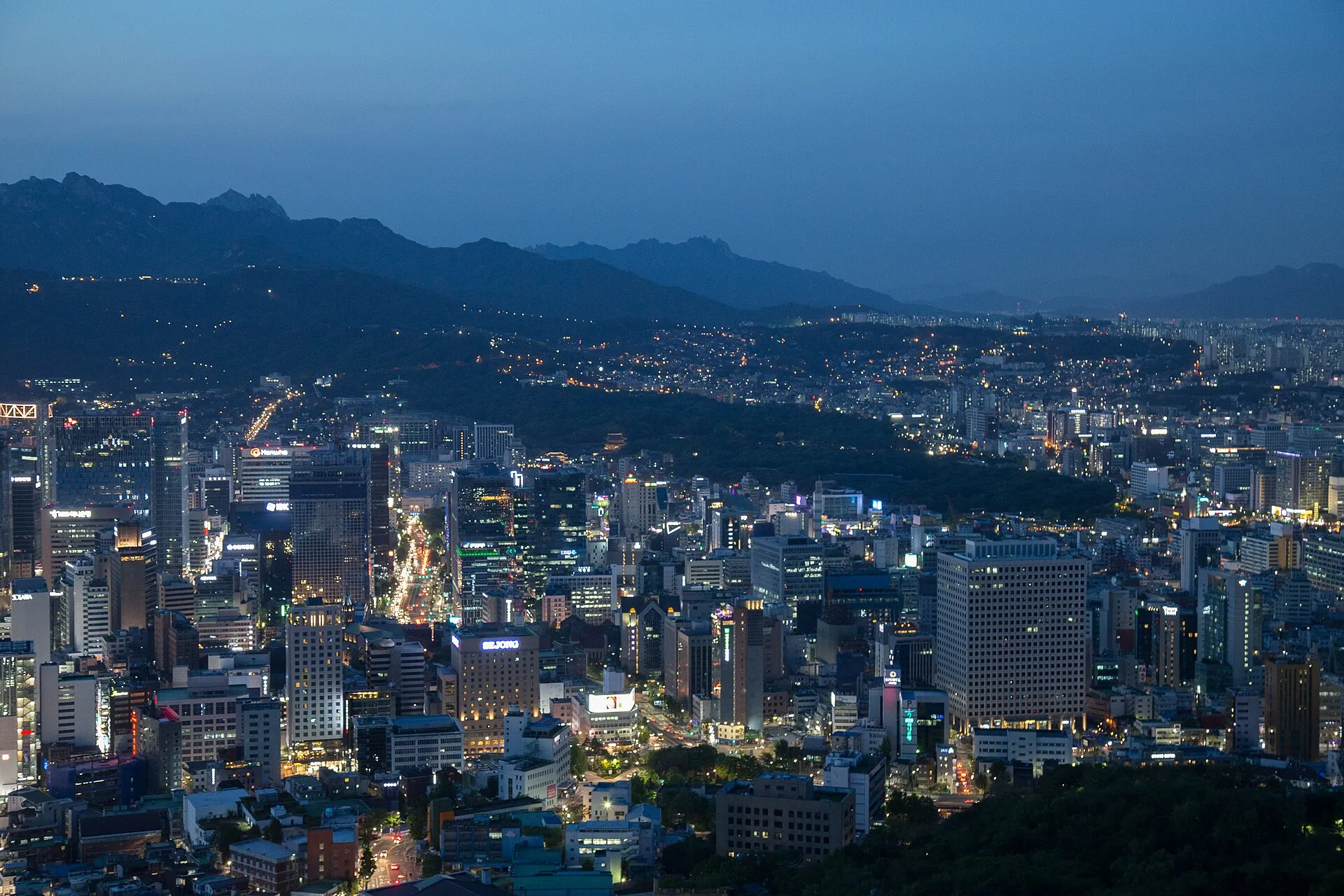
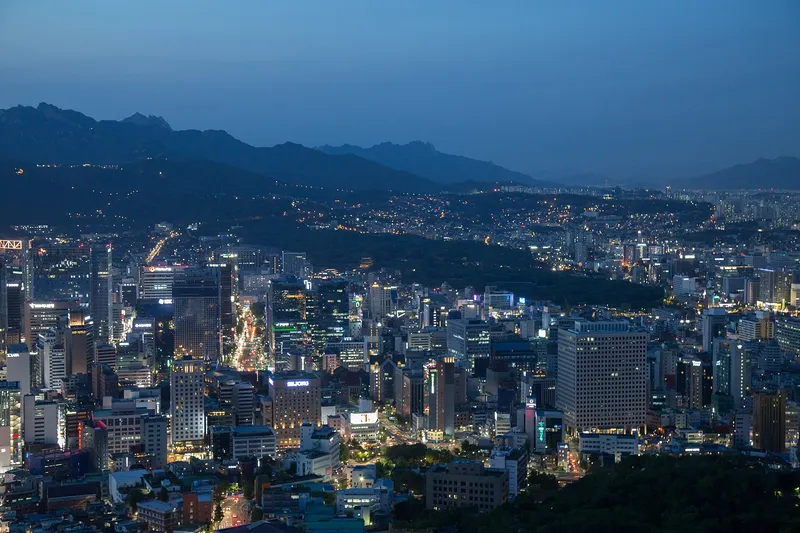
Seoul's nightlife is a marathon: live clubs and street buskers around Hongik University in Hongdae, international bars in Itaewon, and noraebang rooms where groups sing until the first subway of the morning. You can walk home through the neon at almost any hour, since the city is safe to cross alone at night in nearly every district, a rare luxury among lively cities. Spring brings yellow dust and particulate pollution, and English is thin outside tourist areas, so expect some friction. At about $3,000 a month, it pairs energy and safety like few places do.
-
13
 Nightlife 9/10Nomad Score 8$4,200/moSafety 6WiFi 8Value 2
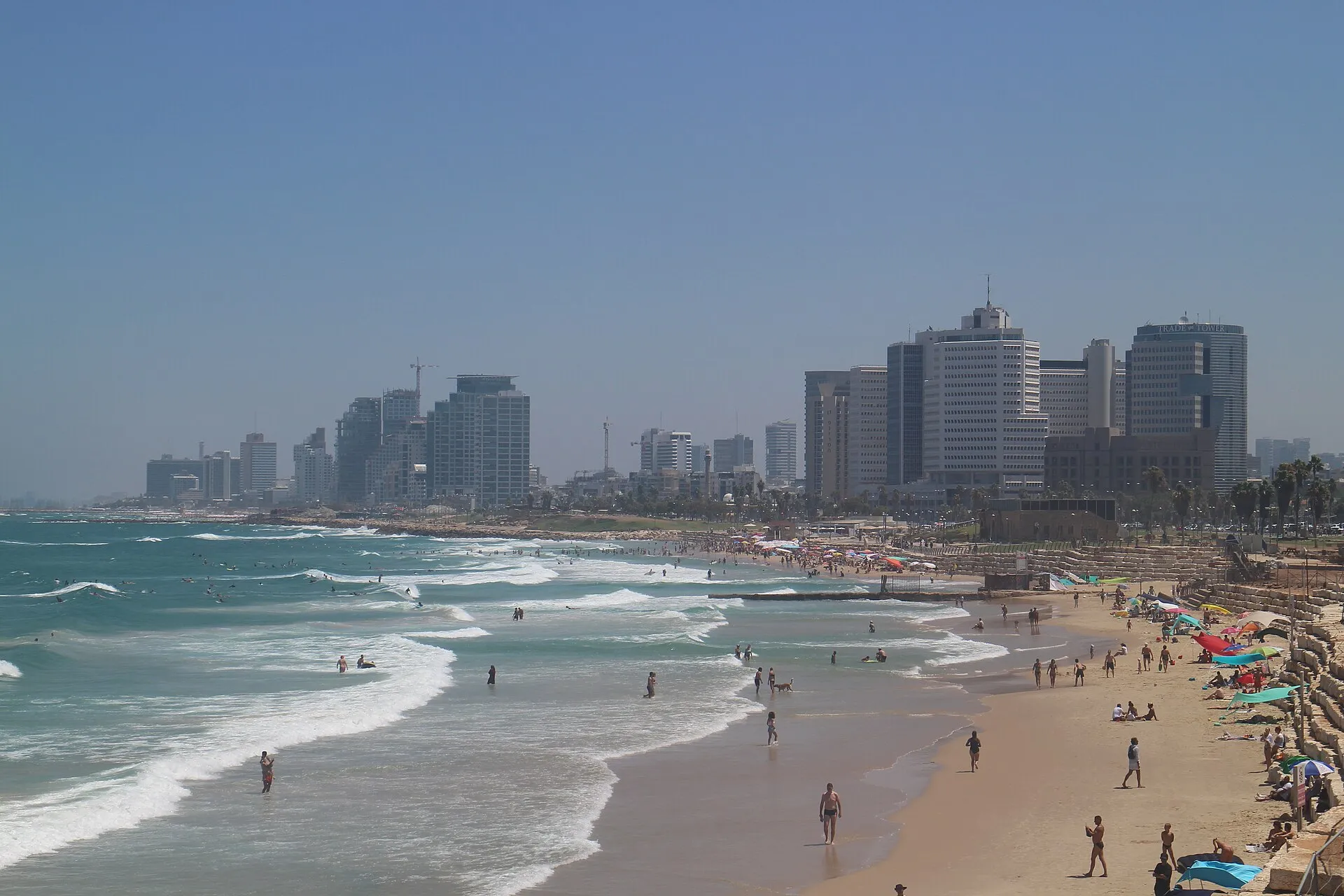
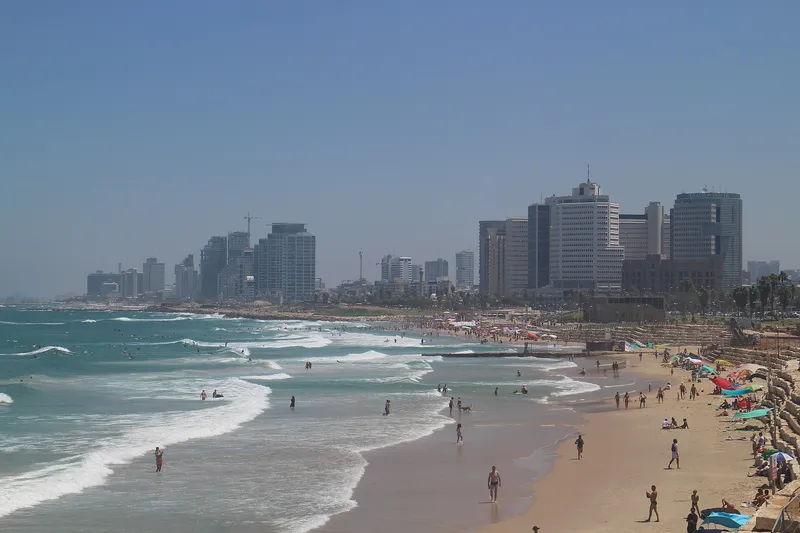
Tel Aviv lives late and outdoors. Bars line Rothschild Boulevard and the streets of Florentin, the beachfront promenade fills after sunset, and a startup crowd networks well past midnight. English is widely spoken, and the flat, walkable, cyclable city keeps the mood loose and warm for most of the year. Two things shape life here: Shabbat shuts down most public transit and many services from Friday evening to Saturday evening each week, and the regional security situation can shift quickly. At about $4,200 a month it sits among the priciest bases on this list.
-
14
 Nightlife 9/10Nomad Score 7.8$2,200/moSafety 7WiFi 8Value 6
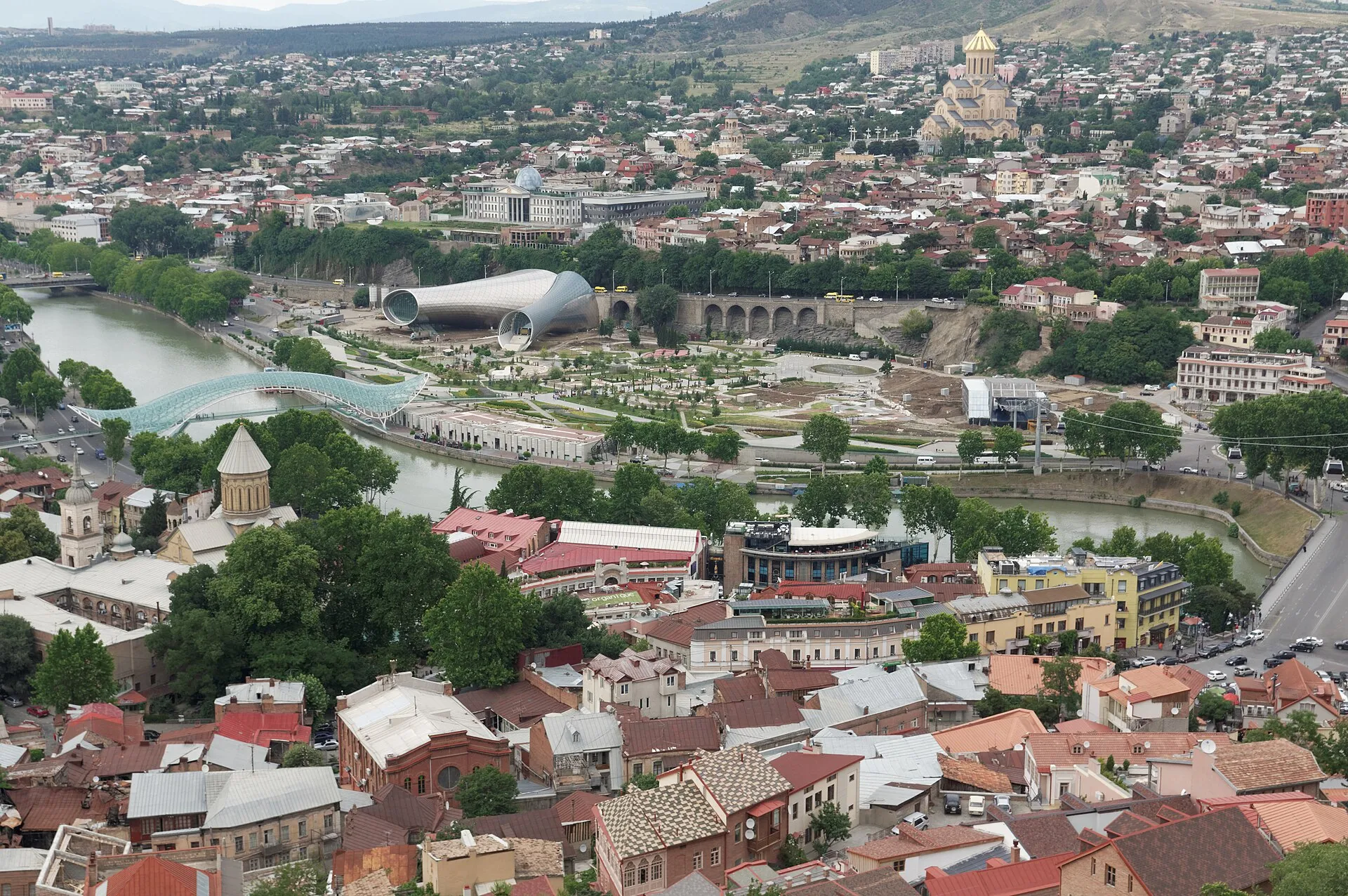
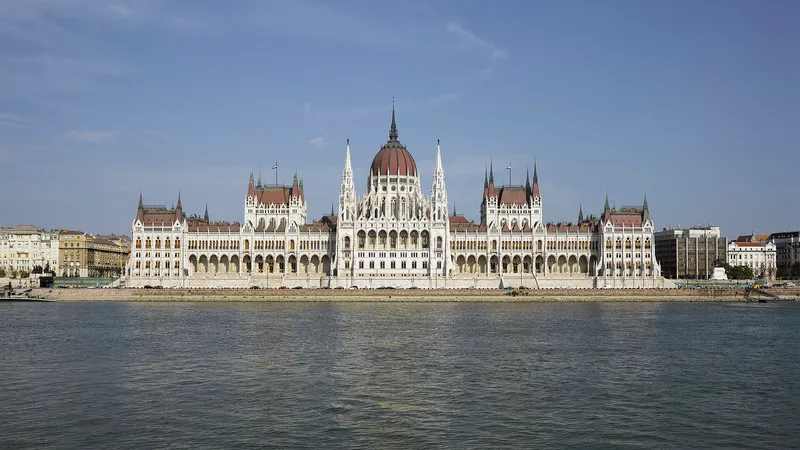
Budapest's signature night out happens in a ruin bar: a crumbling courtyard building in District VII, the old Jewish Quarter, filled with mismatched furniture, art and several bars across several floors. Szimpla Kert, the best known, still anchors the scene, and the streets around it stay busy every weekend. In summer the thermal baths host late parties too. At about $2,200 a month it is one of the cheapest capitals here for this much choice. Consider living a few streets away: District VII is noisy at weekends, and smoking is still common in bars.
-
15
 Nightlife 9/10Nomad Score 7.8$1,800/moSafety 8WiFi 8Value 7
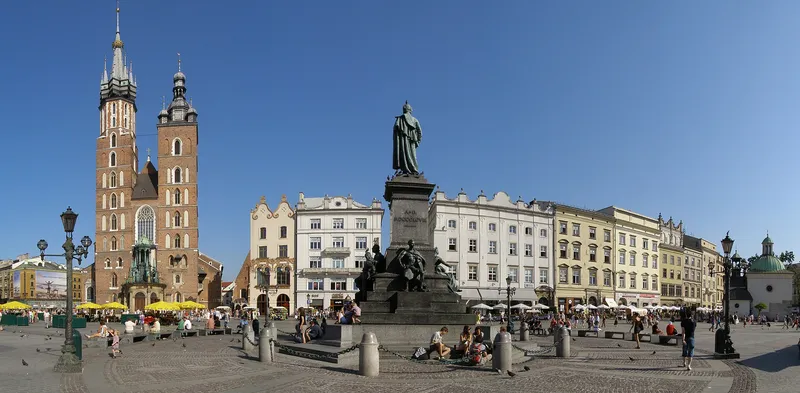
Krakow packs an astonishing number of bars into its medieval old town, many hidden in vaulted brick cellars around the Main Square, while Kazimierz, the old Jewish quarter, adds candlelit pubs and late-night zapiekanki from the round market hall on Plac Nowy. A large student population keeps it cheap and busy every night of the week, and the walk home feels safe. At about $1,800 a month it is the cheapest European nightlife base here. Winters are cold and grey with smog in the coldest months, and the Old Town can feel overrun in peak summer.





If you want the most serious scene and money is no object, Berlin and New York deliver. If you are watching costs, Cali, Krakow and Budapest prove that a great night out does not require a great expense, as long as you respect the safety tradeoffs in Cali. And if you need the city to work just as hard by day, Madrid, Barcelona and Seoul pair late nights with good metros and a working life that does not depend on the bars.
Before you book a month, read the city guides for the two or three that tempt you and look closely at where you would live. A flat above the action and a flat a short ride from it are very different places to take a 9 a.m. call.
Frequently asked questions
Which nomad city has the best nightlife overall?
Madrid tops this ranking. Its nights start late and run long, from tapas in La Latina to clubs in Malasaña, and the city around them works well for daily life. Berlin is the closest rival and the more serious club city, with venues like Berghain running from Saturday night into Monday.
What is the cheapest city on this list for a good night out?
Cali, Colombia, at about $1,500 a month, is the cheapest city here, and its salsa bars and dance schools cost little to enjoy. Krakow, at about $1,800, is the cheapest European pick and far safer at night, followed by Budapest and Cancún at about $2,200 each.
Are any of these cities good for nightlife and safe at night?
Seoul stands out: it is safe to walk alone at night in almost every district, so its neon neighborhoods are easy at any hour. Krakow and Madrid are also comfortable places to walk home. Be more careful in Cali, where phone-snatching and muggings happen outside the main expat areas, and plan your rides home in Miami and Los Angeles, where distances are long.
Do I need to speak the local language to enjoy the nightlife?
Not strictly. Miami, Los Angeles, New York, Austin, and Las Vegas run in English, and English is widely spoken in Berlin and Tel Aviv. In Cali and Madrid some Spanish will meaningfully deepen your nights out, and in Seoul and Budapest a few phrases go a long way outside the central districts.
Is it hard to work remotely from a nightlife city?
It depends on where you sleep. Live a short ride from the busiest streets rather than above them: Budapest's District VII, Krakow's Old Town and the Las Vegas Strip are all loud late into the night. In Madrid, Barcelona and Cali the whole city runs late, so keep early calls for weekdays and use a coworking desk to keep the working day apart from the night before.