Cost of Living in Kyoto
Real market data
Source: Numbeo · August 2026
$1,140/moSolo nomad1-bed centre + living costs
$1,600/moCoupleshared 1-bed + costs
$900/moLean / localcheaper area + costs
- 1-bed rent, city centre$560¥89,069
- 1-bed rent, outside centre$330¥51,820
- Monthly costs excl. rent (1 person)$580¥91,350
- Meal, inexpensive restaurant$9¥1,500
- Monthly transit pass$63¥10,000
Prices are from Numbeo (August 2026), converted to USD at $1 = ¥158.54 (01 Aug 2026). The monthly living-costs figure is our transparent one-person basket, groceries, a few meals out, utilities, phone, internet, transport and essentials, priced from those figures. Solo adds central rent; couple and lean are estimates from the same numbers. The guide below quotes its own monthly range, which is a different measurement rather than a competing one: this table prices a defined basket at the figures above, while that range is a judgement about how somebody actually lives here.
Kyoto sits in the middle of the Japanese cost spectrum: more expensive than Osaka or Fukuoka, but meaningfully cheaper than Tokyo. Your biggest variable is accommodation, and the gap between central and outer areas is significant.
- Rent, central Nakagyo or Shimogyo: $730-1,100/month for a furnished studio
- Rent, outer areas (Fushimi, Nishikyogoku, Nishijin): $430-670/month
- Groceries (cooking at home): $150-270/month; supermarkets like Fresco and Life are well-stocked
- Eating out: a set lunch at a local restaurant runs $5.50-8; dinner $9-18 at casual spots; budget $120-240/month
- Coworking hot-desk: $6-12/day drop-in; monthly memberships at Impact Hub or Connect Kyoto from $92-180
- Local transport: city buses are $1.50/ride; the subway costs $1.50-2 per trip; most nomads rely on a bicycle plus IC card and spend $49-73/month
- Total monthly range: $920-1,700 depending on rent and lifestyle; plan for the upper end if you eat out frequently or take day trips
Where to Work
Kyoto's coworking scene is smaller than Tokyo's but has enough solid options for a short or medium-term stay. Most spaces cater to a mix of local freelancers and foreign visitors, and English is at least partly supported.
Coworking Spaces
Connect Kyoto (Shijo/Karasuma) and common room Shijokarasuma are the most central and reliably open options. Impact Hub Kyoto, housed in a converted Nishijin machiya townhouse, has a strong community feel and day passes for $6. UNKNOWN KYOTO near Gojo station is a hybrid guesthouse/coworking space open 24 hours to members. Drop-in rates across the city hover around $9/day.
Cafe Work Culture
Kyoto has an ambiguous relationship with laptop workers in cafes. Independent specialty coffee shops rarely welcome extended laptop sessions, and many expressly prohibit it. Chain cafes like Tully's Coffee and Doutor are the exception: they have free WiFi, power outlets, and no one will ask you to leave after an hour. Cafe Bibliotic Hello! in Nakagyo is a notable independent that tolerates laptops, though it gets busy on weekends.
WiFi
Coworking spaces and most guesthouses offer fast, stable fiber connections. Public WiFi in tourist areas exists but is inconsistent and often requires registration. A local SIM card or pocket WiFi rental ($12-18/month for a SIM) is the smart backup and often the primary connection for anyone moving around the city.
Getting Around
Kyoto is a flat city built on a grid, which makes it unusually easy to navigate. A bicycle is the most effective way to get around and the option most long-term visitors settle on. Rental bikes run $61-92/month from services like CycleKyoto; many guesthouses include one.
The city bus network covers nearly every major destination but gets heavily crowded during cherry blossom and autumn foliage seasons, making journeys slow. The two subway lines (Karasuma and Tozai) are fast and reliable for north-south and east-west movement through the center.
For the airport: Kansai International Airport (KIX) is the main hub. The JR Haruka express train connects KIX to Kyoto Station in about 75 minutes, costing $13-21 depending on your pass status. A direct limousine bus takes about 100 minutes and costs $17. Itami Airport (closer but fewer international routes) connects to Kyoto by airport bus in around 55 minutes for $8.
Sorting transport? Book an airport transfer, or compare car rental on Auto Europe and QEEQ.
Visas and Staying Long-Term
Citizens of around 68 countries, including the US, UK, Canada, Australia, most EU member states, and many others, can enter Japan visa-free for up to 90 days for tourism. Working remotely for a foreign employer during a tourist stay is a legal grey area in Japan; the rules are not explicitly remote-work friendly under tourist status.
Japan launched a dedicated Digital Nomad Visa in 2024, allowing eligible nationals to stay and work remotely for up to 6 months. Requirements are strict: a minimum annual income of ten million yen, about $63,080, health insurance covering at least the same amount in medical costs, and a passport from one of 51 eligible countries and regions. The visa cannot be extended or renewed; you must leave Japan for 6 months before reapplying. Extensions of tourist status are rarely granted and not a reliable strategy.
Best Time to Visit
For remote work, May and October are the strongest months. Temperatures are mild (17-22C / 63-72F), skies are generally clear, and crowds are more manageable than the peak cherry blossom and autumn foliage periods.
Spring (late March to early April) brings the famous cherry blossoms and massive tourist crowds. Accommodation prices spike, popular spots are packed, and coworking spaces book up with other visitors doing the same thing you are.
Summer (July to September) is genuinely difficult. Kyoto sits in a basin surrounded by mountains, trapping heat and humidity. August averages a high of 32C (90F), heatwave days push past 35C, and the humidity is oppressive throughout. Air conditioning is essential and your productivity will suffer if you're moving around much.
Winter (December to February) offers the lowest prices and thinnest crowds. Temperatures drop to 2-8C (36-46F) and occasional snow adds beauty to temple gardens. It is a perfectly workable time to be here if you come prepared.
Avoid the rainy season in June and early July if possible. Rain is persistent but not torrential, and it does not stop anyone from working; it just makes the city less enjoyable outside.
Pros and Cons
- Extremely safe: crime is near zero and you can leave a laptop bag unattended without real concern
- World-class food at every price point, from $5.50 soba lunches to multi-course kaiseki
- Walkable and cycleable: a flat, logical grid with outstanding cycling infrastructure
- Cultural depth: temples, shrines, traditional arts, and seasonal festivals available year-round
- Reliable public transport with IC card convenience across buses, subway, and regional trains
- Strong fiber internet in guesthouses and coworking spaces
- Limited English in everyday life: menus, landlords, and local bureaucracy require translation apps
- Small coworking market: fewer spaces than Tokyo; options in some districts are thin
- Cafe work culture is restrictive: many independent cafes do not welcome laptops
- Summer is brutal: heat and humidity from July through mid-September are genuinely unpleasant
- Heavily touristed: peak seasons (April, November) make everyday movement slow
- Accommodation costs have risen: short-term furnished rentals now rival many Western European cities
Who Kyoto Is Best For
Kyoto works best for nomads who want to slow down and engage with a place rather than just pass through it. If you find meaning in routine, enjoy exploring on a bicycle, and want a city where safety is total and the food rewards curiosity every day, Kyoto is hard to beat.
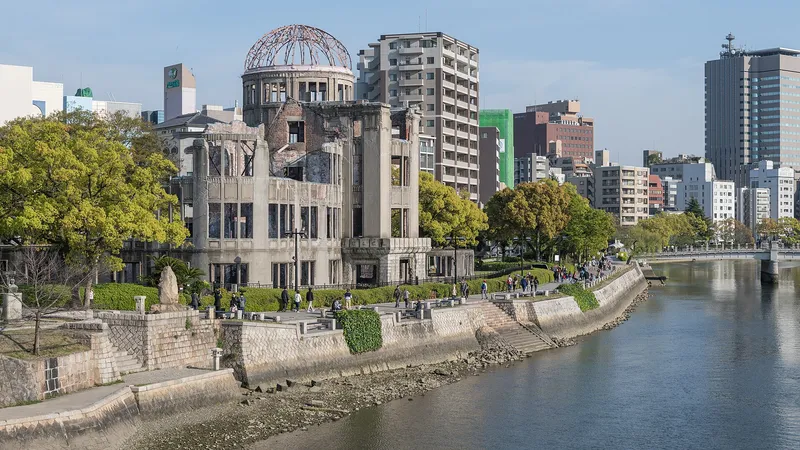
It suits solo workers who can build their own social structure: the existing nomad community is modest and you will not stumble into it by accident. It is also an excellent base for anyone wanting to explore the broader Kansai region, with Osaka 15 minutes away by express train and Nara, Kobe, and Hiroshima all reachable as day trips.
Skip Kyoto if you need a large, active English-speaking nomad community, rely on drop-in cafe work throughout the day, or plan to arrive in July or August. It is also not the right fit if your budget is tight and you cannot absorb the cost of a furnished short-term rental in a livable part of the city.