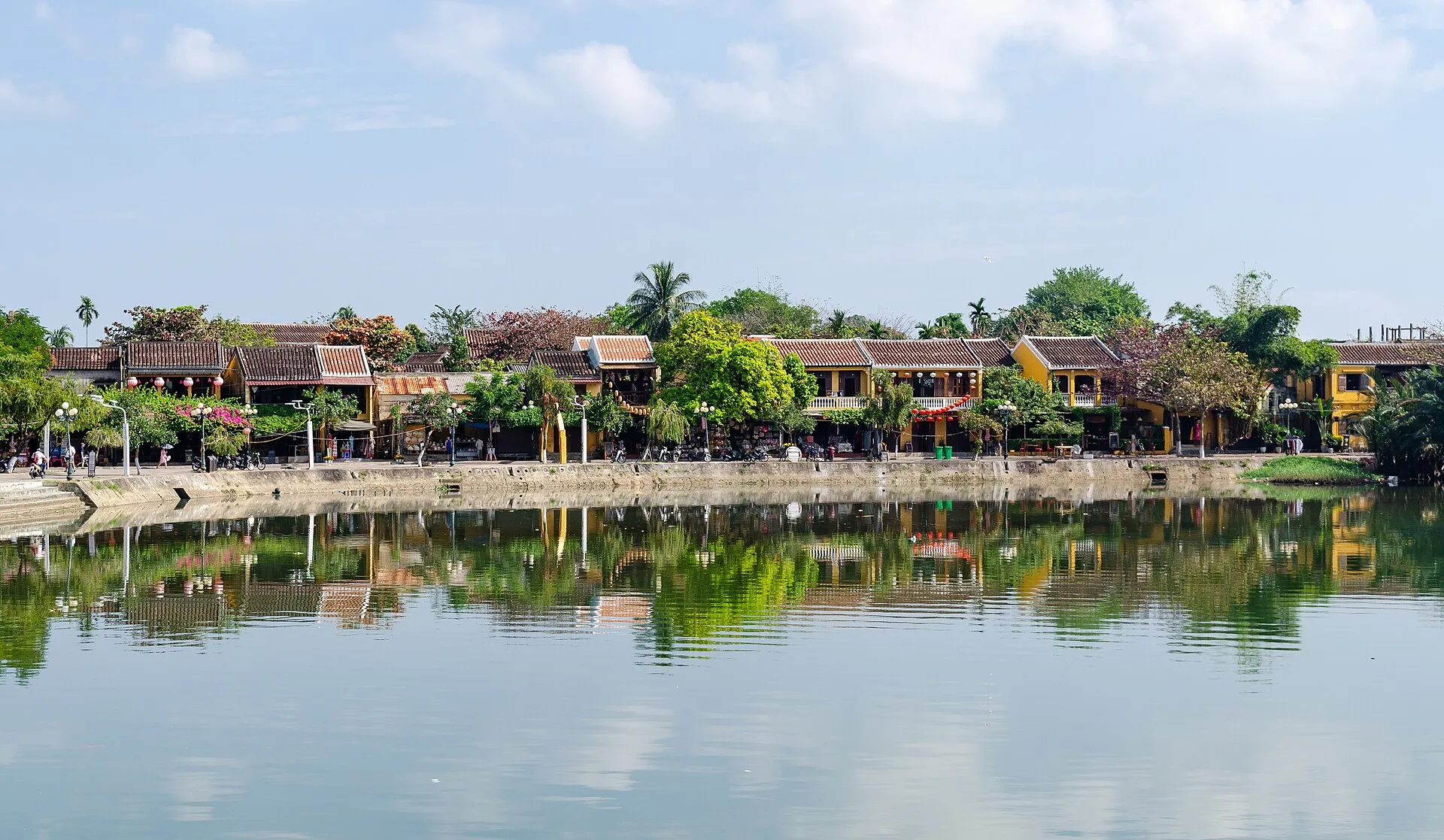
Money is the easy part of India. No city on this list costs more than $1,600 a month, and Gangtok and Shillong come in under $600. What changes from one base to the next is everything else: whether the power holds through a call, whether the monsoon is about to close the road, and whether you will spend May at 40C or at 3,500 metres.
Most remote workers come to India on the e-Tourist visa, which you apply for online and which runs for 30 days, one year or five years. On the longer two, each visit is limited to 90 or 180 days depending on the passport. It cannot be extended from inside the country, so long-stayers leave, often for Sri Lanka or Nepal, and come back.
The fifteen fall into three groups. Bangalore, Hyderabad, Pune and Kolkata are big cities with real coworking and tech crowds. Goa, Varkala, Kochi, Mysore, Alappuzha and Coorg are slower southern bases built around beaches, backwaters, yoga or coffee. Gangtok, Shillong, Rishikesh, Dharamshala and Leh trade bandwidth for mountain air. The weather decides more here than in most countries, so the Comfort Index month by month is worth a look before you book.
We order the Indian cities we cover by overall Nomad Score, a composite of 13 categories including cost, climate, internet, safety, food, English and visa access; the fifteen highest appear here. Many of these cities share a score, and where they do, the order they are listed in carries no meaning. Monthly costs are our own estimates. Explore the numbers yourself on the comparison tool or browse all 1017 city guides.
At a glance
 Goa
Coliving in Anjuna and coworking in Panaji make it one of the easiest places in India to meet other remote workers. Come between November and February.
BEST FOR TECH WORKBangaloreProfessional coworking, a deep startup scene and a mild plateau climate for $1,600 a month. Live near your desk, because the traffic is severe.
MILD AND AFFORDABLEMysoreA month comes to $700, with home fibre that handles calls and a climate that stays mild.
What to weigh before you book
A ranking cannot tell you what month it is, and in India that matters most. The west coast and the Himalayan foothills take the southwest monsoon from June to September, when Goa's beach cafes close and mountain roads wash out, and the plains bake from April to June. Power cuts are normal almost everywhere, so a Jio or Airtel SIM as a hotspot belongs in every setup, and outside the big tech cities it often is the setup. Finally, Gangtok and much of Ladakh around Leh need extra permits for foreign visitors, arranged on top of the visa.
The ranking
-
1
 Nomad Score 7.2$1,400/moSafety 6WiFi 5Value 8
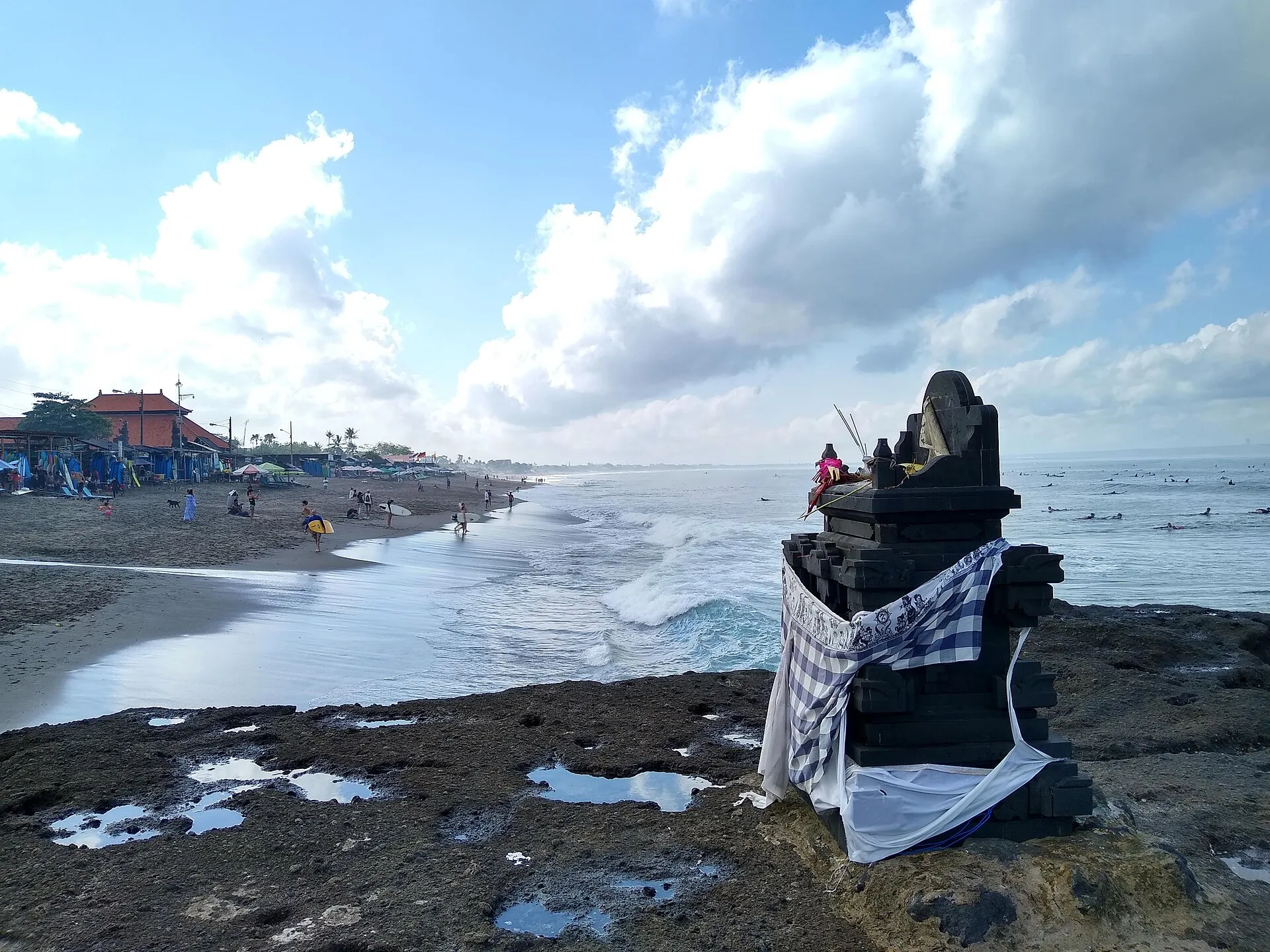
Community is Goa's strongest card. NomadGao in Anjuna runs a coliving house with weekly events, 91Springboard in Panaji has proper desks with power backup, and the cafes of Assagao fill with laptops from November to February. A month here comes to $1,400. In the nomad villages a furnished flat alone costs $365 to $575. A scooter is not optional, since no public transport links the beach villages. Then the monsoon arrives: July averages more than a metre of rain, and many beach shacks close until October.
-
2
 Nomad Score 7.1$550/moSafety 8WiFi 5Value 8
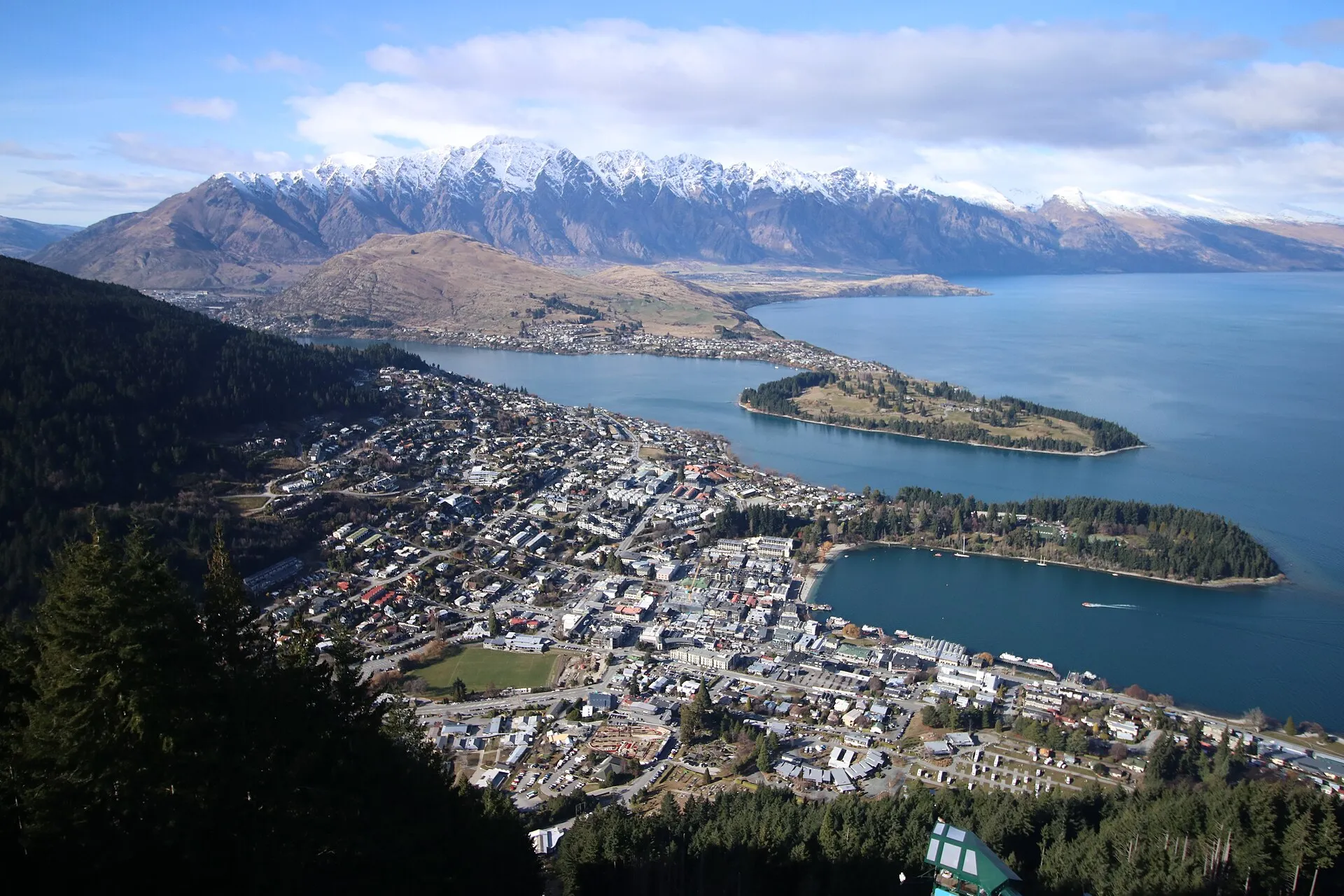
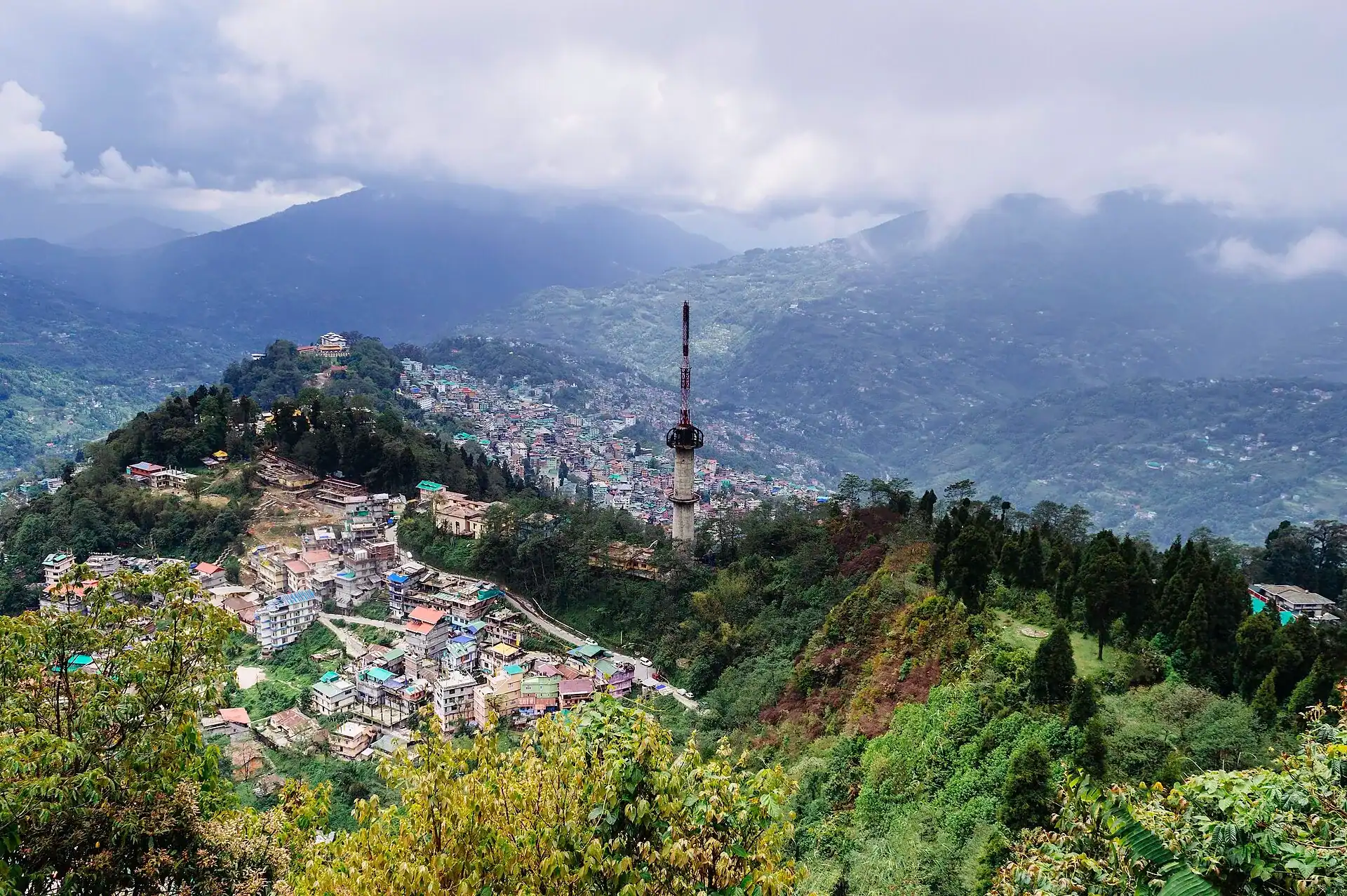
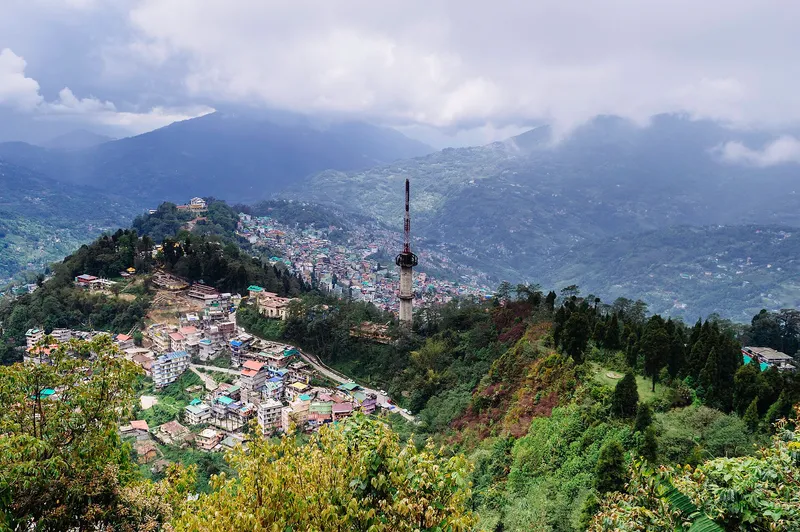
The first surprise in Gangtok is the absence of litter. Sikkim enforces its ban on single-use plastic, and on a clear morning Kanchenjunga, the world's third-highest mountain, stands over the town. English is widely spoken, MG Marg is a pleasant pedestrian street, and Rumtek is a working monastery rather than a museum. Living costs come to an estimated $550 a month. In winter, add $30 to $60 for a room heater. The weak point is the connection. Coworking is scarce, and monsoon landslides on the highway can cut both the road and the fibre beside it for days.
-
3
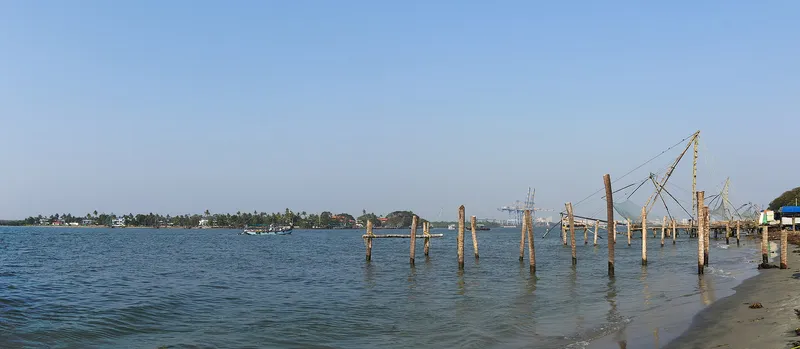 Nomad Score 6.5$1,000/moSafety 8WiFi 5Value 8
Across the water from Ernakulam's offices, Fort Kochi and Mattancherry keep the colonial streets, art cafes such as Kashi and the Kochi-Muziris Biennale. The professional coworking sits on the mainland in Kakkanad, the IT district, where a hot desk costs $41 to $83. Ferries between the two cost a few cents, and the Water Metro opened in 2023. A month costs $1,000. English is spoken almost everywhere, and the city has a reputation as safe for women travelling alone. From June to September the monsoon rain is heavy and daily, and nightlife stays quiet because Kerala restricts alcohol.
-
4
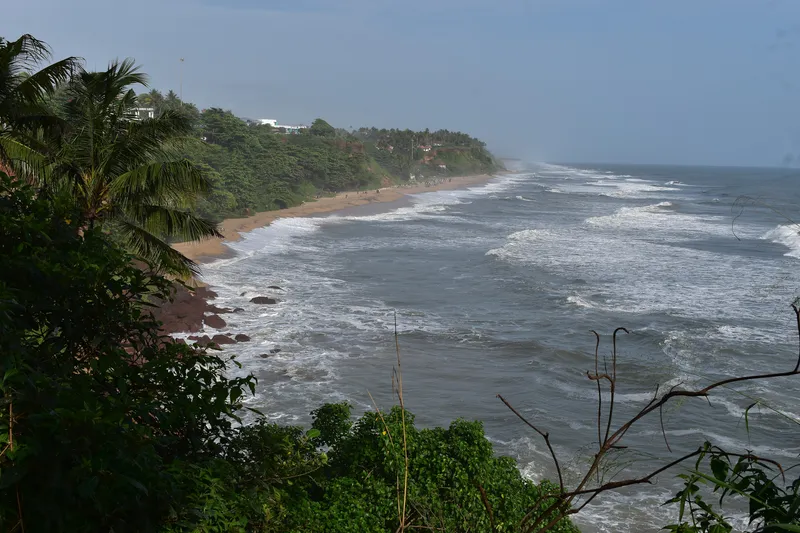 Nomad Score 6.5$650/moSafety 7WiFi 5Value 9
Varkala is a red laterite cliff above the Arabian Sea in southern Kerala, with a footpath along the top lined with cafés, guesthouses and Ayurveda clinics, and steps down to the beach at Papanasam, where pilgrims come to bathe near the Janardhana Swamy temple. Most of daily life happens on foot along that path. A month costs about $650, though room rates double in December and January. Coworking is mostly cafés, power and wifi drop in the monsoon from June to September, when the beach shacks close, and swimming is dangerous whenever the currents run.
-
5
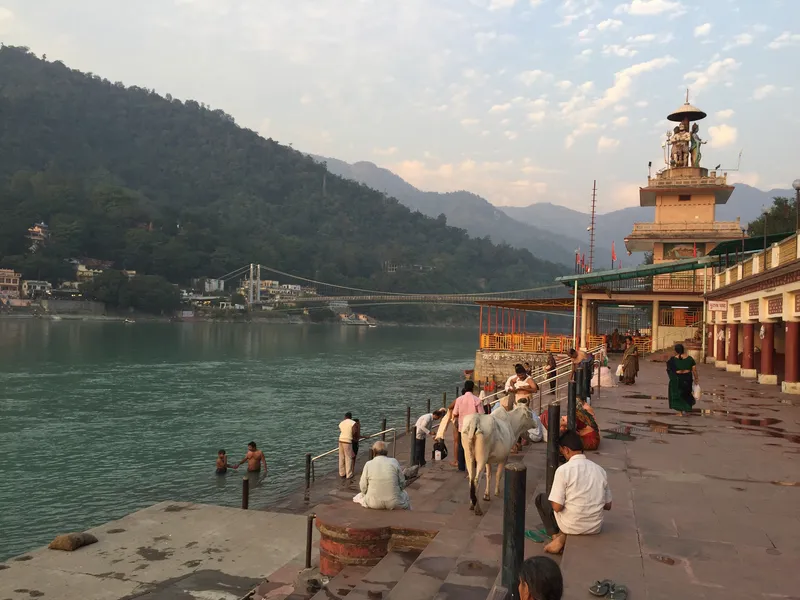 Nomad Score 6.3$900/moSafety 7WiFi 5Value 8
Yoga brings most people to Rishikesh, and the daily rhythm keeps them. Classes run at dawn and again before sunset, leaving the middle of the day for work in a Tapovan cafe overlooking the Ganges, a schedule that suits European clients far better than American ones. The town is legally vegetarian and dry, so the bar bill disappears. Our estimate is $900 a month, and a teacher training course costs several times that, paid up front. Speeds dip in heavy rain, so test a room before committing. In July and August the river swells, many schools close and the cafes empty.
-
6
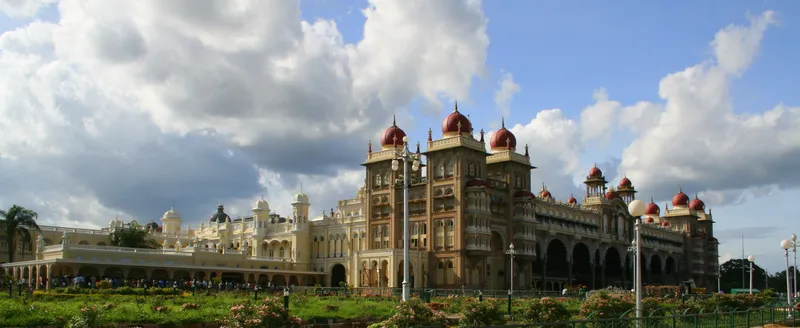 Nomad Score 6.3$700/moSafety 7WiFi 6Value 8
Mysore runs on the ashtanga timetable. Students in Gokulam practise from before dawn until about eight, so the cafes are full by mid-morning, quiet by evening, and social life happens over breakfast. Living costs come to $700 a month. Once the season starts, though, a furnished flat in the yoga district costs $200 to $450 on its own. Home fibre handles calls in a good building, and the plateau keeps the climate mild for most of the year. If you do not practise, the long-stay community is mostly invisible, and the city is orderly, pleasant and rather quiet.
-
7
 Nomad Score 6.3$560/moSafety 7WiFi 5Value 8
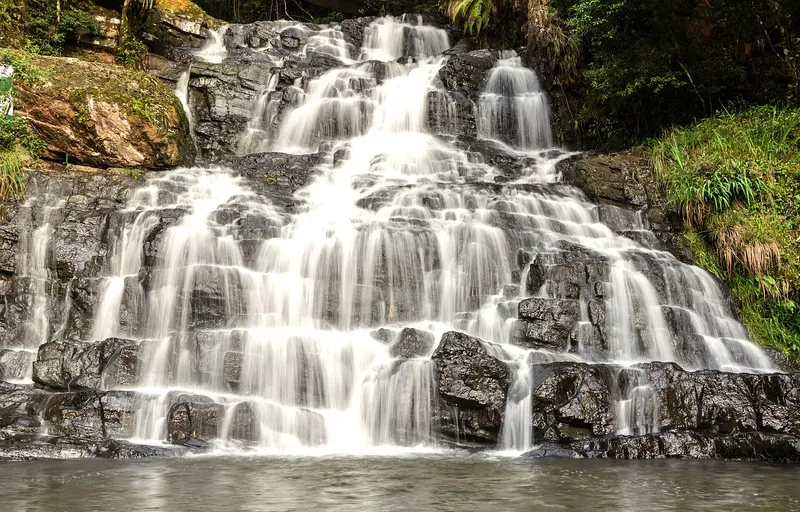
Rock bands, not film songs, set the soundtrack in Shillong, a town with a long love of Western music and an unusually anglophone daily life. Shillong sits on cool ridges with highs between 15C and 24C all year, and the living root bridges and the world's wettest villages are day trips away. Our estimate is $560 a month, with Khasi pork-and-rice cooking cheap and shared taxis the way everyone gets about. The three-hour drive down to Guwahati is the only practical link out. From May to September the rain barely stops, and an inverter for power cuts is standard household kit.
-
8
 Nomad Score 6.1$1,600/moSafety 6WiFi 6Value 7
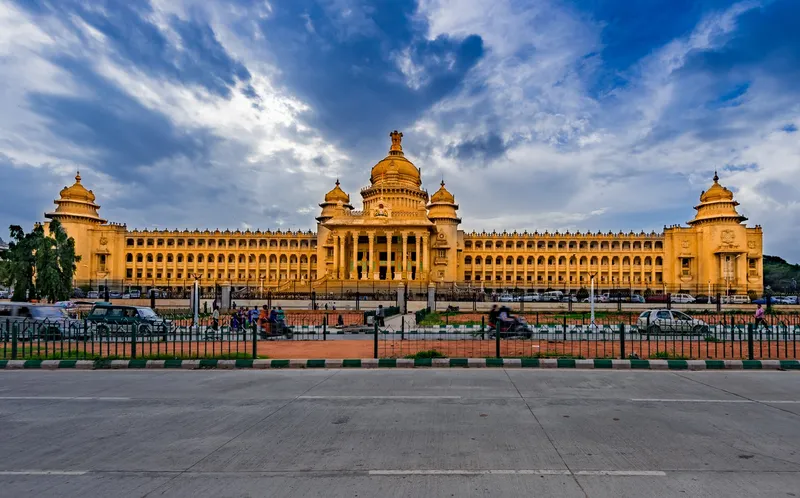
For a tech worker, Bangalore is the obvious Indian base: founders, engineers and meetups are everywhere, and nobody finds your laptop unusual. Coworking is plentiful and professional, from BHIVE's campuses in HSR Layout to WeWork on Church Street, and at around 900 metres the city stays milder than the plains. Living costs come to $1,600 a month. A furnished one-bedroom in Indiranagar or Koramangala runs $260 to $470. Craft beer and old South Indian tiffin rooms share the same streets. The cost is traffic, which can stretch a five-kilometre rush-hour ride to 45 minutes, so live near your desk or a metro line.
-
9
 Nomad Score 6.1$750/moSafety 7WiFi 5Value 8
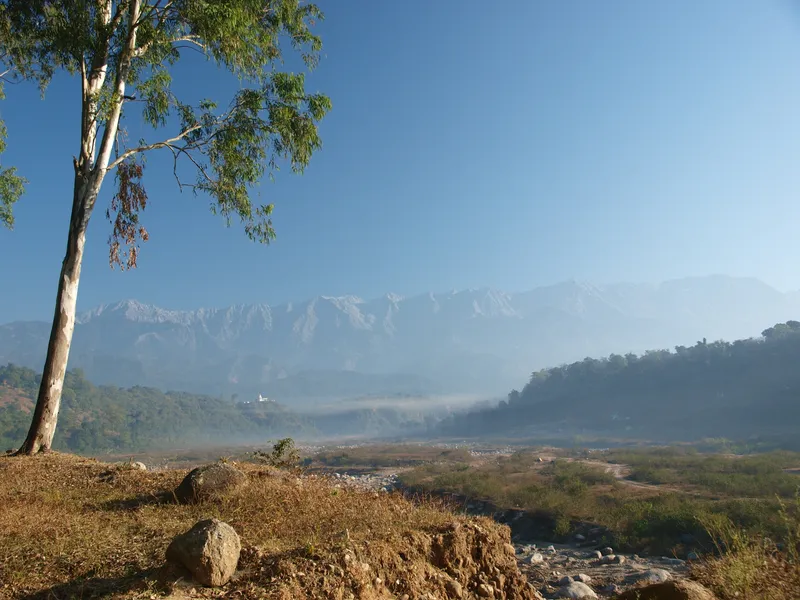
Since 1960 this hillside has been the seat of the Tibetan government in exile, and the monasteries, schools and refugee life around McLeod Ganj make it a living society rather than a heritage stop. Long-stayers work from cafes with views of the Dhauladhar range, walk through pine forest to Dharamkot, and hike to Triund at weekends. Our estimate is $750 a month. A guesthouse room on a long let runs $150 to $400. Plan to be somewhere else in July and August, when the monsoon takes down roads, power and the line together. When the Dalai Lama teaches, every room in town fills.
-
10
 Nomad Score 6.1$800/moSafety 7WiFi 6Value 8
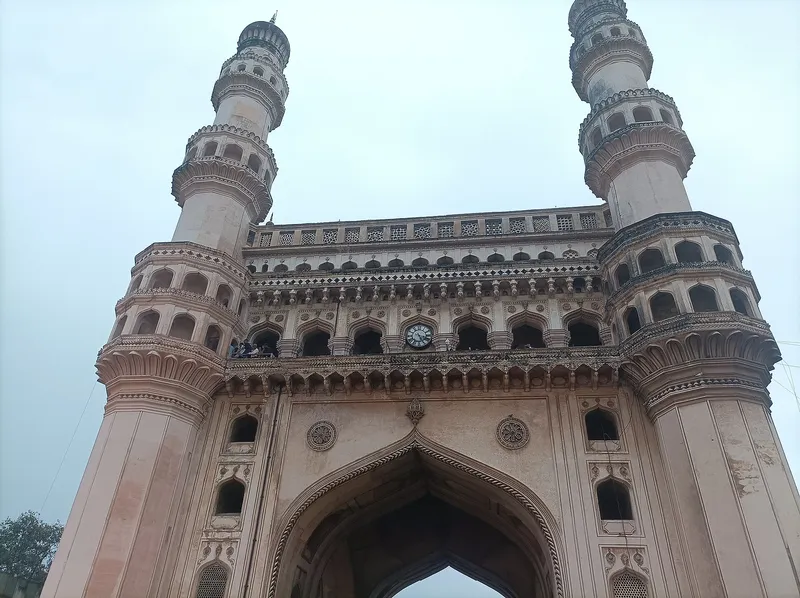
Two Hyderabads share one map. The old city has the Charminar, Golconda Fort, Irani cafes for chai and, during Ramzan, haleem ladled from street cauldrons; the HITEC City corridor out west has coworking desks, backup power and dependable broadband around Madhapur and Gachibowli. Living costs come to $800 a month. A hot desk adds $45 to $75. The biryani lives up to its reputation. Distances between the two halves are long, so most people pair the metro with app cabs. Avoid April to June: May highs reach 40C and the air conditioning never switches off.
-
11
 Nomad Score 6$650/moSafety 7WiFi 5Value 8
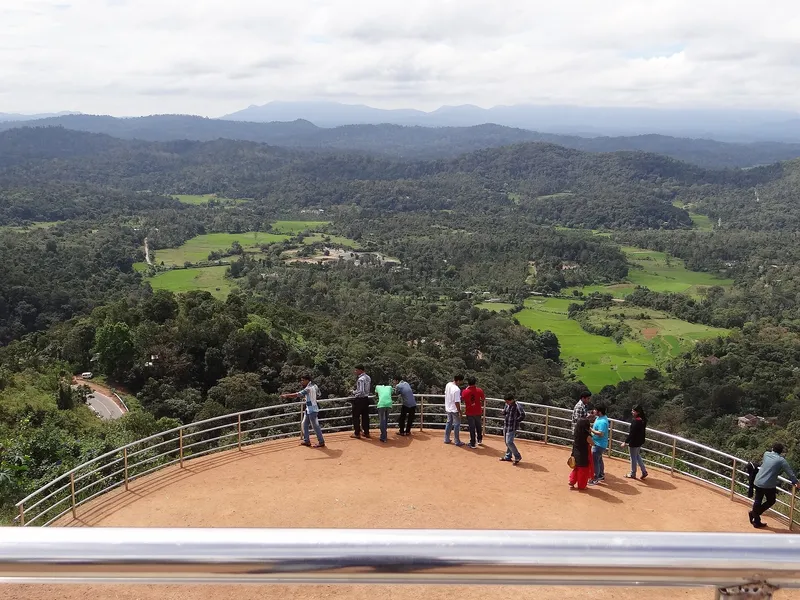
In Coorg, home is usually a homestay on a family coffee estate, with meals included and pepper and cardamom growing under the shade trees. At about 1,100 metres the nights are cool, and Kodava traditions, from the local language to the pork curry, set the district apart from the rest of Karnataka. We estimate $650 a month. Add a scooter at $50 to $80, since the district has no railway and no airport. Broadband in Madikeri is adequate; on the estates it ranges from usable to absent, so test the specific property. Stay off estate roads after dark, when elephants move through.
-
12
 Nomad Score 5.8$1,200/moSafety 7WiFi 5Value 8
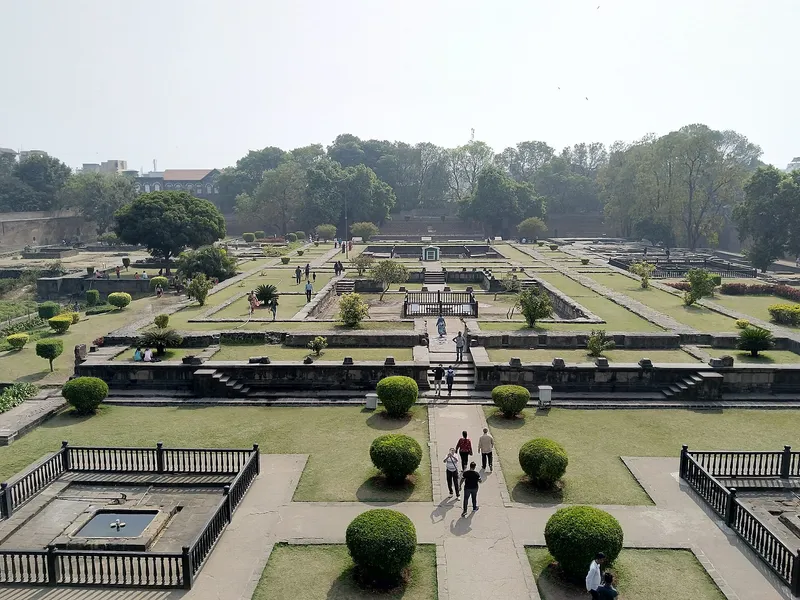
Sensible is the word for Pune. It is a university and tech city where you can rent a flat, order home fibre for $7.50 to $13 and have a reliable office within the week. Hundreds of coworking spaces cluster in Baner, Viman Nagar and Kharadi, and the startup crowd supplies a social life without much effort. A month comes to $1,200. Koregaon Park and Kalyani Nagar have the restaurants, from Maharashtrian thalis to craft beer. The drawbacks are heavy traffic, poor pavements, and air that turns hazy from November to January, exactly when the weather is at its best.
-
13
 Nomad Score 5.8$900/moSafety 8WiFi 4Value 7
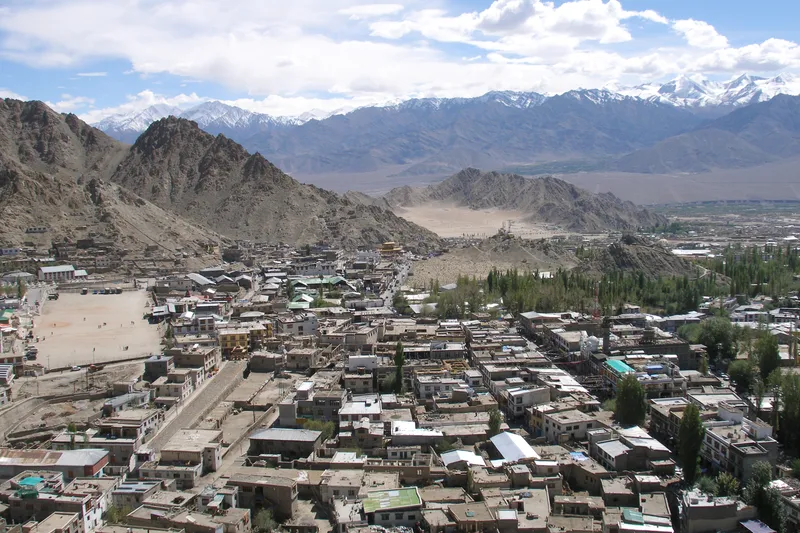
Between June and September, Leh opens onto the high-desert valleys, monasteries and mountain passes of Ladakh, and few summers anywhere are as striking. At 3,500 metres the first week is a write-off while your body adjusts; after that, mornings are the productive hours. Internet is slow and has at times been restricted across the region, and prepaid SIMs from elsewhere in India often fail here, so get a postpaid one. Our estimate is $900 a month, and negotiating a monthly rate beats paying peak-season nightly prices. By January, highs average minus 5C and much of the town has closed.
-
14
 Nomad Score 5.8$600/moSafety 7WiFi 5Value 8
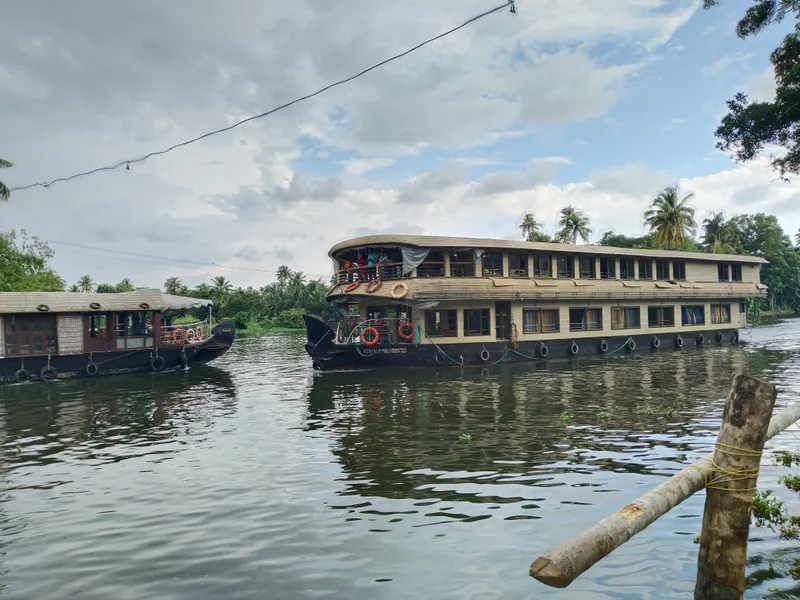
Houseboats, ferries and canal paths, more than roads, carry life around Alappuzha. Government boats cross Vembanad Lake for less than half a dollar, and the paddies of Kuttanad lie below sea level, held back by dykes. Marari's beach guesthouses offer the quietest desks in the area. Our estimate is $600 a month. Coworking is scarce, and wifi swings between fine and frustrating from one property to the next, so most people hotspot from a Jio or Airtel SIM with a large data pack. The humidity never lets up, and June alone averages 592mm of rain. November to February is the time to come.
-
15
 Nomad Score 5.8$700/moSafety 6WiFi 6Value 9
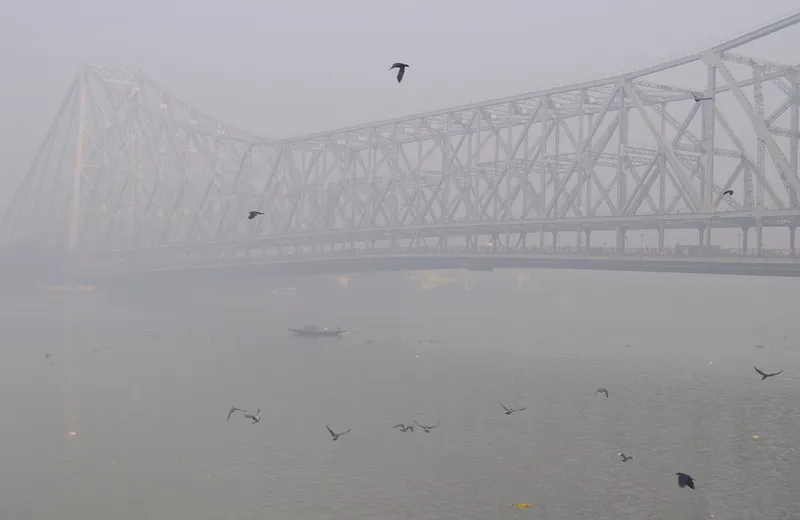
Anyone who likes to wander will find Kolkata hard to leave. College Street's kilometre of book stalls, the old coffee houses, Durga Puja in October and street food such as puchka and kathi rolls for under a dollar make the city a pleasure on foot. A month costs $700. Coworking clusters in Salt Lake Sector V, the IT district, for $60 to $110, and India's oldest metro crosses town for a few cents. The trade-off is the climate and the air: come between November and February, because pre-monsoon heat, monsoon flooding and pollution are hard on newcomers.
The smartest way to use India is to move with the seasons rather than pick one city for a year. Spend the cool, dry months from November to February in the south, in Goa, Kochi, Mysore or one of the tech cities, then head for the mountains as the plains heat up: Dharamshala and Rishikesh in spring, Leh from June. Bangalore, Hyderabad and Pune are the bases for anyone whose work needs a dependable desk all year. If you are weighing India against its neighbours, the best bases across Asia put it in context.
Frequently asked questions
Which visa do remote workers use in India?
Most remote workers use the e-Tourist visa, which you apply for online before you fly, valid for 30 days, one year or five years. On the one-year and five-year visas each visit is capped at 90 or 180 days by nationality, and the stay cannot be extended inside India, so long-stayers leave and re-enter.
Which Indian city is cheapest for digital nomads?
Gangtok, at $550 a month, followed by Shillong at $560 a month. Alappuzha comes next at $600 a month.
When is the best time to work remotely in India?
For the south and the big cities, November to February, when it is dry and comfortable. The mountain bases run on a different calendar: Leh is a summer base from June to September, and Dharamshala and Rishikesh are best in spring and autumn. Avoid the west coast from June to September, when the monsoon rain falls.
Do I need special permits for any of these cities?
For two of them, yes. Foreigners need an entry permit for Sikkim to reach Gangtok, issued free on presentation of your visa and passport photographs, and areas around Leh such as Nubra and Pangong need permits that checkpoints want to see on paper. Everywhere else on this list, the e-Tourist visa is enough.
How were these Indian cities ranked?
All the Indian cities in our index are ordered by overall Nomad Score, which combines 13 categories including cost, climate, internet, safety, food, English and visa access, and the top fifteen are shown. Many of them share a score, and where they do the list does not place one above another.