The Philippines makes daily life easy in one way that matters more than people expect: English works everywhere, from the landlord to the tricycle driver. Food and rent are cheap, and across the fifteen bases below a solo month runs from $550 in Iloilo to an estimated $1,050 on Boracay. What it asks in return is tolerance for brownouts, typhoons and domestic flights, because almost every trip abroad connects through Manila or Cebu.
The visa situation is unusual. In April 2025 Executive Order No. 86 set up a Digital Nomad Visa lasting up to a year, but only for nationals of countries that give Filipinos the same privilege, and as of October 2026 there was still no way to apply for it. Remote workers therefore arrive on the visa-free entry most Western passports get, usually 30 days, and extend it at Bureau of Immigration offices, which can stretch a tourist stay to 36 months. Past 59 days you also need an ACR I-Card. For a formal remote-work permit you would have to look at the nomad visas open now in other countries.
The real choice is between three kinds of place. Cebu, Davao, Iloilo, Dumaguete and Baguio are cities with fibre, coworking desks and ride-hailing. Siargao, Boracay, Bohol, El Nido and Coron are islands where a call depends on Starlink, a generator and a charged power bank. Sagada and Batad, high in the Cordillera, are places to go offline.
These are the Philippine cities in our index ordered by their overall Nomad Score, our composite of 13 categories including cost, climate, internet, safety, food, English and visa access. We cover 17 cities in the Philippines and show the fifteen highest: Manila falls below the cut, and Banaue shares Batad's score but is left off only because the list stops at fifteen. Where cities share a score, the order between them means nothing. Monthly costs are Numbeo survey data for Davao, Iloilo, Baguio, Dumaguete and Cebu and our own estimate for the other ten, and the blurbs flag each estimate. Explore the numbers yourself on the comparison tool or browse all 999 city guides.
At a glance
 Davao
DavaoOrderly streets, 24-hour coworking in Bajada and a spot outside the main typhoon belt, for about $690 a month.
ESCAPE THE HEATBaguioJanuary highs of 23C at 1,540 metres, so you work without air conditioning. A month costs about $810.
MOST REMOTE WORKERSSiargaoThe one island with a real nomad crowd, and Starlink in most cafes. We estimate $890 a month.
What to weigh before you book
Power and weather decide more working days here than any ranking can show. Brownouts hit the islands and the smaller cities often enough that a coworking space with a generator, a second SIM and a power bank belong in the budget, not on a wish list. Typhoon season mostly runs from June into November, but not everywhere: Davao sits outside the main storm track, Siargao's heaviest rain falls from December to February, and Vigan and Baguio are close to dry from January to April and drenched in July and August. The clock matters too. At eight hours ahead of Greenwich, a European working day reaches you in the evening and an American one overnight, the same gap that keeps Bacolod's outsourcing offices busy through the night. Finally, the Nomad Score rewards cost, nature and English, which all run high in this country, so Batad and Sagada appear here even though neither can carry a video call. For the coolest base, Baguio also appears among the eternal-spring cities.
The ranking
-
1
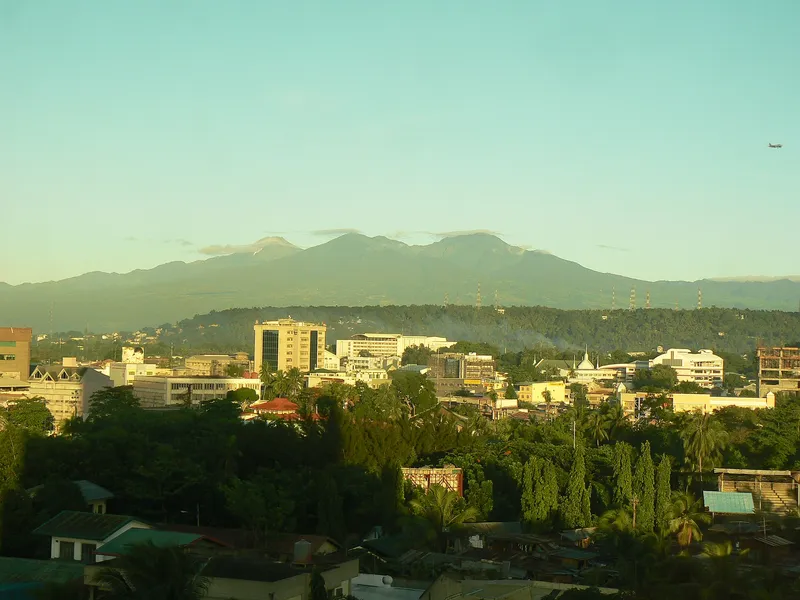 Nomad Score 7.6$690/moSafety 7WiFi 6Value 9
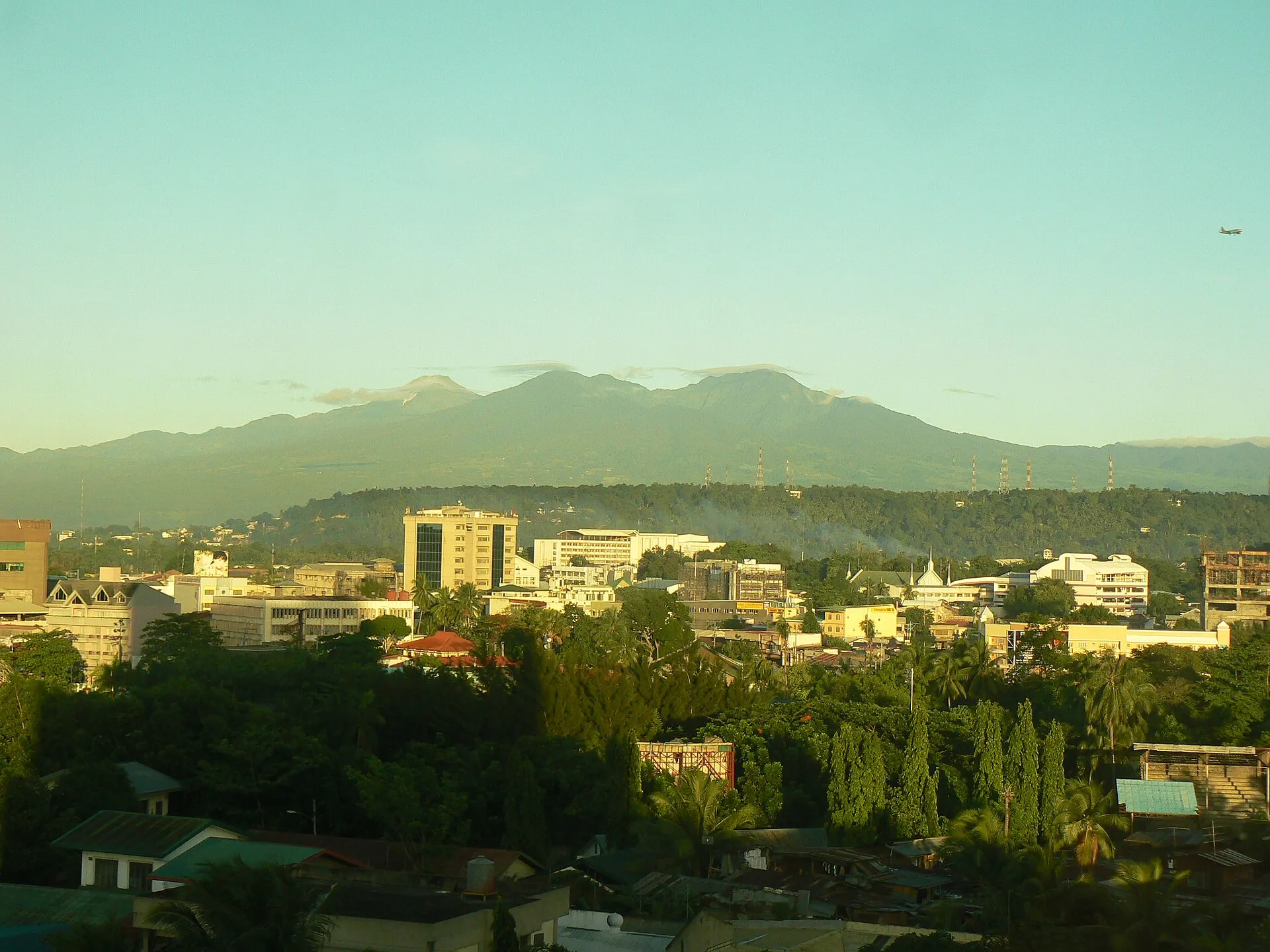
Order is the first thing visitors notice in Davao: quiet streets, a calmer pace than Manila or Cebu, and a city outside the main typhoon belt. A solo month runs about $690, with a central one-bedroom near $280 on Numbeo's figures. Work happens at Epicenter in Poblacion or iHub in Bajada, which never closes, and fibre holds up well in the central districts. The cost is distance and sprawl. Few international flights land here, almost nothing is walkable, and the remote-work crowd is small, so Grab and your own routine carry the month. Mount Apo and Samal Island fill the weekends.
-
2
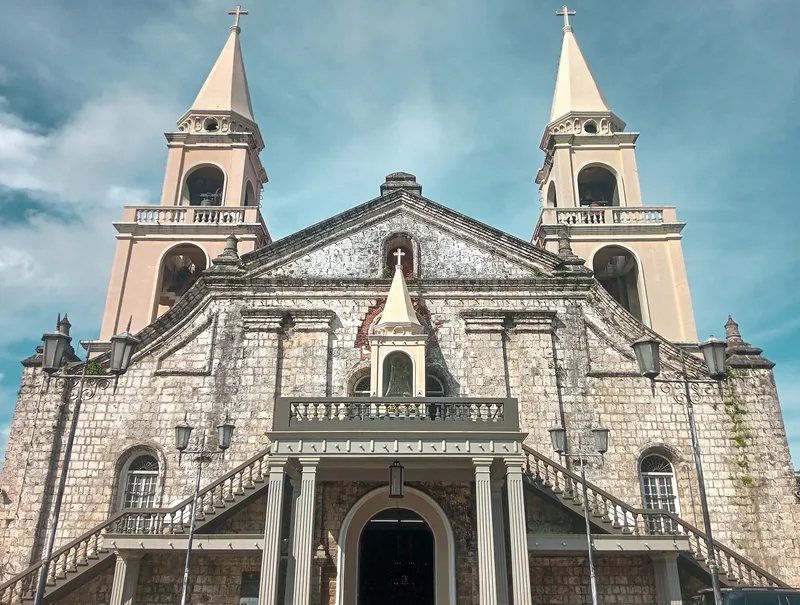 Nomad Score 7.4$550/moSafety 7WiFi 6Value 10
A bowl of La Paz batchoy for a couple of dollars sets the tone in Iloilo, the cheapest base on this list at $550 a month. It is a university city with a riverside esplanade and real bike lanes, rare in the Philippines. Bonds Coworking in Jaro runs around the clock on fibre, while cafe connections slow at peak hours. Order home internet early, since a new line takes two to four weeks to install. The airport sits 20 to 25 km out with no international routes. July averages 361mm of rain, so aim for January to April.
-
3
 Nomad Score 7.4$800/moSafety 7WiFi 5Value 8
Divers end up on Panglao, the small island tied to Bohol by a causeway, within reach of the reefs at Balicasag. Bohol has no cost survey, so $800 a month is our own estimate, and Panglao rents run well above those in Tagbilaran. Dedicated coworking opens and closes, so most people settle into air-conditioned cafes or work from home, with Starlink as the usual backup. Power cuts are common and sometimes run for hours, and Grab is unreliable, which makes a scooter close to mandatory. In return you get an international airport, two-hour ferries to Cebu and the Chocolate Hills inland.
-
4
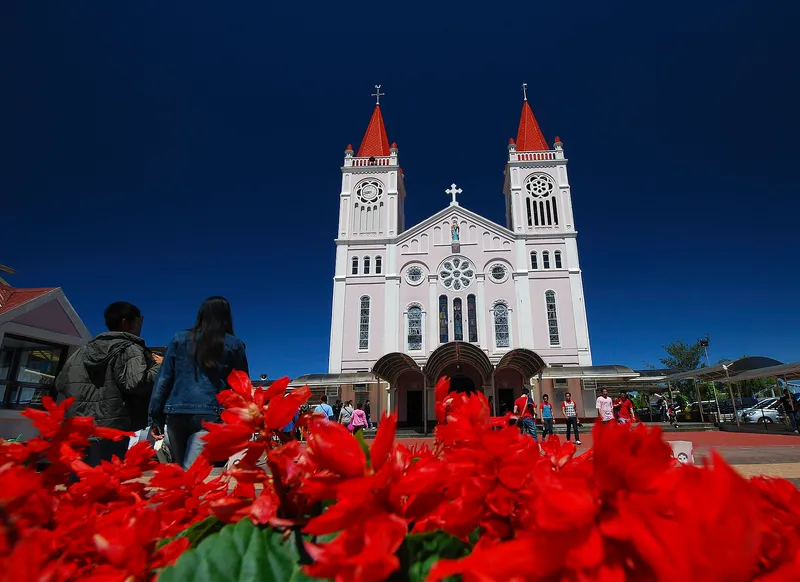 Nomad Score 7.2$810/moSafety 7WiFi 6Value 9
Sweaters are normal in Baguio. At about 1,540 metres, January highs reach only 23C, and nobody runs air conditioning, a real saving in a country with expensive electricity. A month costs about $810, and Session Road holds the useful desks, including 19Hundred Work.space with fibre and phone booths. A large student population keeps the cafes full and English everywhere. The trade-off is rain and road: August averages 963mm, landslides can close the mountain highways, and there is no airport, so Manila is five to six hours away by bus. Come between November and April.
-
5
 Nomad Score 7.1$1,050/moSafety 7WiFi 5Value 7
Nearly everything on a resort island carries a markup, which is why Boracay, at an estimated $1,050 a month, is the dearest base here. What that buys is White Beach outside the door and a shoreline path you can walk end to end in about 40 minutes. Mahogany Lounge in Station 1 has Starlink and a generator, and KnEsq in Balabag is the island's most office-like space. Nightlife is easy to find and easy to skip. The catch is size: the island is about 7 km long, restlessness sets in after a few weeks, and December to April brings crowds and higher rents.
-
6
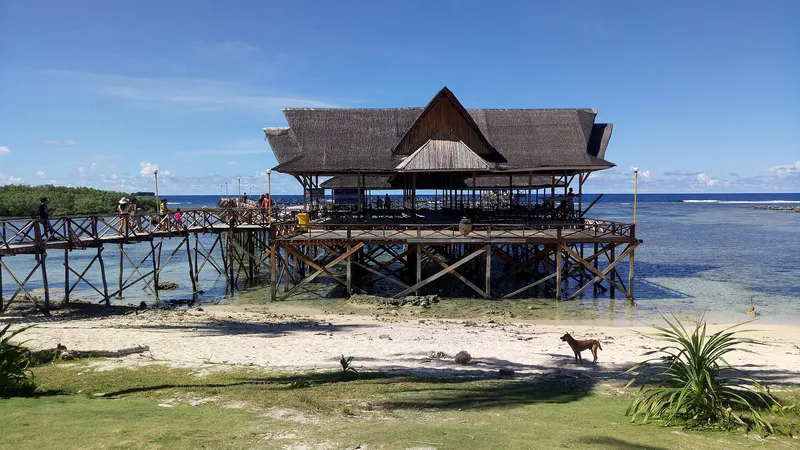 Nomad Score 6.5$890/moSafety 7WiFi 4Value 7
Starlink changed Siargao. Since its arrival in early 2023, nearly every coworking space and cafe in General Luna can carry a video call, and Coco Space adds solar backup to its pool and call booths. This is the one Philippine base with a sizeable remote-work community, and its days are built around the surf at Cloud 9. Our estimate is $890 a month, more in the December to April peak. There is no Grab, so you ride a scooter, and crashes are the main safety risk. Power still cuts out, December averages 491mm of rain, and the island has no major hospital.
-
7
 Nomad Score 6.5$700/moSafety 7WiFi 6Value 8
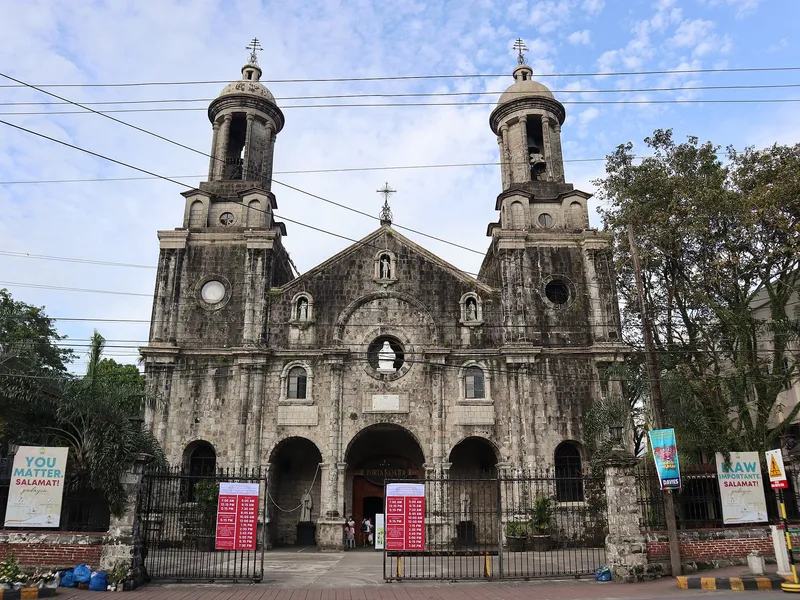
Bacolod is built for night shifts. Its outsourcing industry works American and Australian hours, so coworking at $70 to $130 a month is plentiful for a city this size, and the cafes fill before dawn rather than at lunch. That rhythm suits someone working to the Pacific far better than someone working to Europe. Our estimate is $700 a month, with electricity the cost that swings most. The city is flat, friendly and fed on chicken inasal, and Iloilo is an hour away by ferry. It is not pretty, has no nomad scene, and the Kanlaon volcano nearby has been restless since late 2024.
-
8
 Nomad Score 6.3$720/moSafety 7WiFi 3Value 8
Palawan here means Puerto Princesa, the provincial capital; El Nido and Coron have entries of their own. It is the only town on the island with dependable coworking, at Workhub Palawan on Rizal Avenue or Think Space, and Grab works here. Our estimate is $720 a month. The airport is a short tricycle ride from town and visa extensions are handled at the local immigration office, which matters on an island this long. The limits are a thin nomad community and a van ride of five to six hours to El Nido. The underground river and island-hopping fill the days off.
-
9
 Nomad Score 6.3$570/moSafety 7WiFi 4Value 8
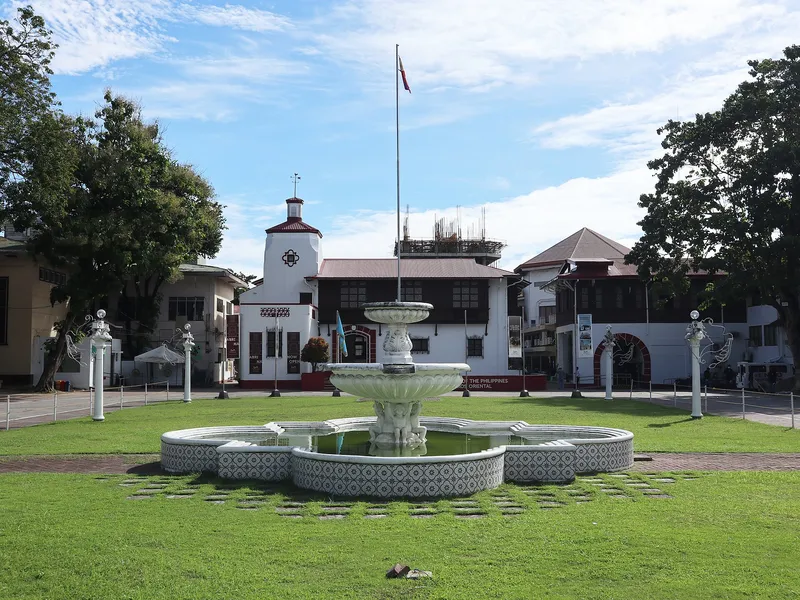
Few places in the country are this easy to settle into. Dumaguete is a university town on the Negros coast with an expat community in the thousands, English at every level, and a month that costs about $570. Rizal Boulevard anchors the waterfront, WorkIn offers round-the-clock desks, and Apo Island's reefs are a boat ride from Malatapay, 30 km south. Rain is modest by Philippine standards, with the wettest month averaging 159mm. Brownouts are more common than in the bigger cities, though, and every international trip connects through Manila or Cebu.
-
10
 Nomad Score 6.3$800/moSafety 7WiFi 5Value 7
Plan your calls for the morning in Coron. There is no coworking space, fixed connections are unreliable, and a Globe or Smart data pack is often the better line. What you get instead are Kayangan and Barracuda lakes and about a dozen Japanese supply ships sunk in a 1944 air raid, now dived straight from town. Much of Coron Island is ancestral domain of the Calamian Tagbanua, who charge a small entry fee at each lagoon. Our estimate puts a month at $800. Busuanga's airport takes domestic flights only, and other remote workers are scarce.
-
11
 Nomad Score 6.1$720/moSafety 7WiFi 3Value 8
El Nido now has one serious office: Neighbors and Nomads on Hama Street, with two fibre lines, call booths and 24-hour access for $120 a month. That makes a working stay on Bacuit Bay possible in a way it was not a few years ago. Our estimate for a month is $720, and tourist restaurants push it up quickly. Power still drops a few times a month, the town's ATMs run dry, and wet-season seas can cancel island tours for days. Lio Airport, 5 km north, has direct flights from Manila and Cebu, far quicker than the van from Puerto Princesa.
-
12
 Nomad Score 6.1$700/moSafety 7WiFi 5Value 8
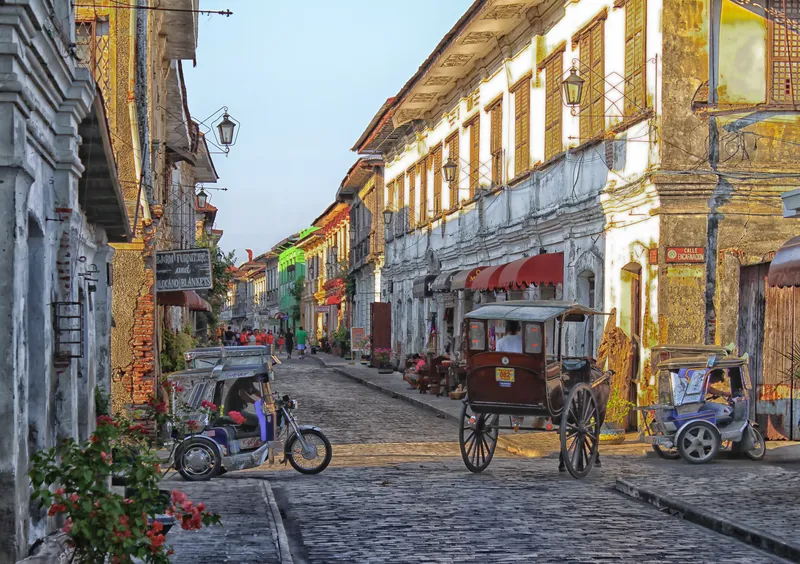
Wartime bombing flattened almost every Spanish colonial town in the country and missed Vigan, which is why several hundred ancestral houses still line Calle Crisologo and the streets around it. There is no coworking, so a hotel with steady in-room wifi does the job, backed by mobile data. A month runs about $700 on our estimate. The dry season is very dry, with February averaging 10mm of rain against 541mm in August. Manila is an overnight coach of eight to ten hours away, and four to six weeks is about as long as the town holds a remote worker.
-
13
 Nomad Score 6$910/moSafety 5WiFi 5Value 8
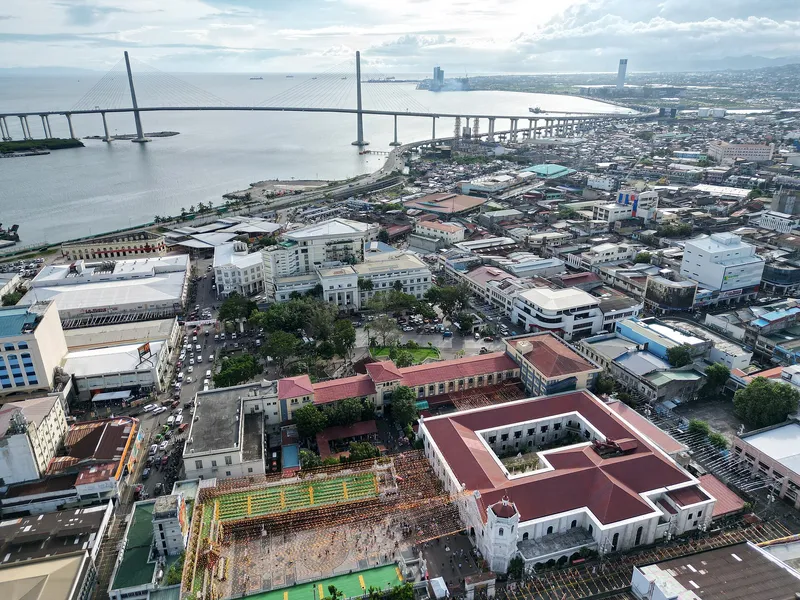
IT Park in Lahug is the reason to choose Cebu. The Company and KMC Solutions run polished desks there, Nest Workspaces stays open around the clock, and apartment fibre in the district is fast. Mactan airport, 30 to 45 minutes away, is the hub most of the Visayas connects through, and Moalboal or Malapascua make easy weekends. A month costs about $910. The city itself is the price: heavy traffic, streets you cannot comfortably walk, poor air near the main roads and phone snatching in crowded places. Live near IT Park and leave town on Saturdays.
-
14
 Nomad Score 6$700/moSafety 7WiFi 4Value 8
Light work and long walks are the honest deal in Sagada. Sitting about 1,500 metres up in the Cordillera, the town has January highs near 20C, pine forest all around, and a dawn that often brings a sea of clouds at Kiltepan. There is no coworking, guesthouse wifi drops out and coverage changes street to street, so only asynchronous work fits. Our estimate is $700 a month. Caves such as Sumaguing need a registered guide booked at the tourism office, and Baguio is five to six hours away by van. Come between November and May, before fog and leeches take over the trails.
-
15
 Nomad Score 5.8$600/moSafety 7WiFi 3Value 8
No road reaches Batad. You walk down from the saddle into an amphitheatre of stone rice terraces some 2,000 years old, and every errand afterwards is on foot. Wifi is weak or absent, electricity comes and goes, and the dependable signal is back in Banaue, so remote work here means none at all. Homestays cost a few dollars a night, and our estimate for a month is $600. Treat it as a retreat between work stints: take the overnight bus from Manila, hire an Ifugao guide for Tappiya Falls, and leave the laptop closed.
Match the place to the work. If your days are built on calls, live in a city: Davao for calm, Cebu for coworking and flights, Iloilo or Dumaguete for the lowest costs, Baguio if the heat wears you down. If your work is flexible, Siargao gives you company and surf, while Bohol, El Nido and Coron give you reefs and the occasional outage. Vigan, Sagada and Batad are for a few weeks between projects, not for a quarter with deadlines. Whichever you pick, arrive in the dry months, carry a second SIM, and plan your extensions around the immigration office nearest your base.
Frequently asked questions
What is the best city in the Philippines for digital nomads?
Davao heads our list. It is cheap at about $690 a month, orderly and safe, outside the main typhoon belt, and has coworking that runs around the clock. Cebu has more coworking and better flights but is noisier and more polluted, and Siargao has the liveliest community of remote workers.
What is the cheapest city in the Philippines for remote work?
Iloilo, at $550 a month, followed by Dumaguete at $570. Both figures come from Numbeo survey data, and both cities have working fibre and coworking desks. Of the estimated figures, Batad's $600 is the lowest, but the village has no reliable internet at all.
Does the Philippines have a digital nomad visa?
On paper, yes. An April 2025 executive order, No. 86, established a visa lasting up to one year for remote workers paid from abroad, limited to nationals of countries that give Filipinos the same treatment. As of October 2026 no application process had opened, so remote workers enter visa-free and extend at the Bureau of Immigration, up to 36 months in total.
When is the best time to be based in the Philippines?
For most of the country, December to April: drier, calmer seas and fewer storm-related outages. Typhoon season runs roughly June to November, though Siargao's wettest months are December to February and Davao sits outside the main typhoon track. Baguio, Sagada and Batad stay cool all year but take very heavy rain from about May to October.
How are these Philippine cities ranked?
By overall Nomad Score, our composite of 13 categories such as cost, climate, internet, safety, food and English. We cover 17 Philippine cities and show the top fifteen. Cities that share a score have no order between them.