Brazil lets most European passports in for 90 days, and the Federal Police can extend that once, at their discretion, to a maximum of 180 days in any twelve months. Americans, Canadians and Australians lost their visa-free entry on 10 April 2025 and now need an e-visa, bought online before they fly. For a longer stay there is the VITEM XIV, a digital nomad visa for people paid from abroad: it asks for $1,500 of foreign income each month or $18,000 in savings, runs for one year and can be renewed once. See how it compares with other nomad visas.
The top of the ranking belongs to the big names. Rio has beaches under granite peaks, Florianópolis is an island of surf and startups, and São Paulo is South America's business capital with a food scene to match, level with orderly Curitiba. Further down the reasons get more particular: the baroque towns of Tiradentes and Ouro Preto, the kite village of Jericoacoara, alpine-styled Gramado and the quiet northeastern beach city of João Pessoa. Monthly costs run from $750 in João Pessoa to $1,350 in Rio.
Two habits make life here work, wherever you land. The first is getting a CPF, the free taxpayer number foreigners can apply for, without which a bank account, a phone contract and plenty of online purchases stay out of reach. The second is Portuguese. English is scarce outside coworking spaces and tourist strips in every city below, and even a basic grasp of the language turns a visitor's month into an ordinary life.
Every Brazilian city in our index appears here, ordered by its overall Nomad Score, a composite of the 13 categories we rate, among them cost, climate, internet, safety, food and visa access. Cities with the same score are listed in no particular order: São Paulo and Curitiba share one, as do Tiradentes, Fortaleza and Brasília, Salvador and Ouro Preto, and the four cities from Jericoacoara to João Pessoa. Monthly costs for Rio, Florianópolis, São Paulo, Curitiba, Recife, Fortaleza, Salvador and Belo Horizonte are built from Numbeo data; the other seven are our own estimates. Explore the numbers yourself on the comparison tool or browse all 999 city guides.
At a glance
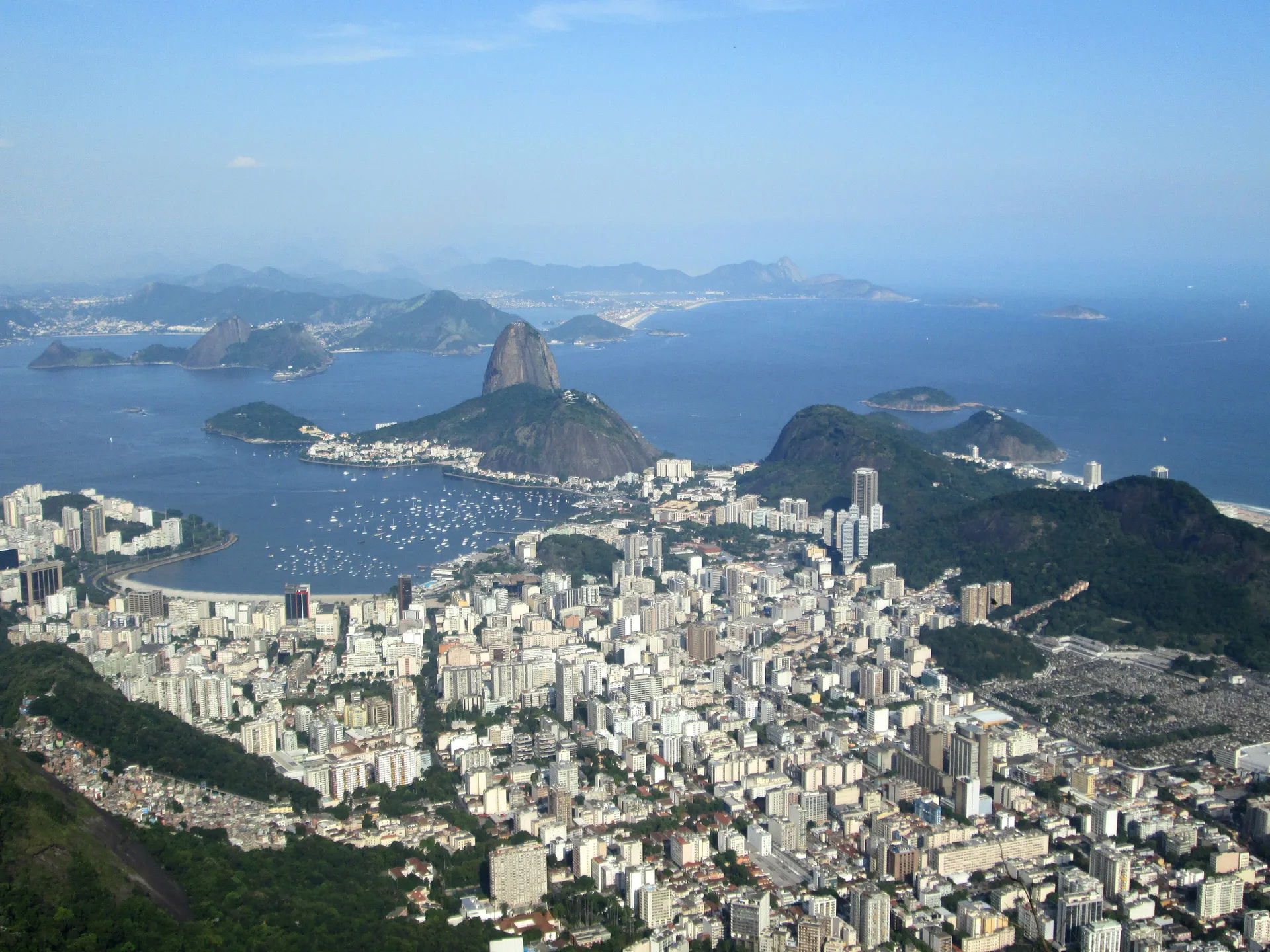
 Rio de Janeiro
City beaches under granite peaks, a nightlife that runs all week and coworking clustered in Botafogo, for $1,350 a month. The price is constant street awareness.
Calm, green and well runCuritibaParks, a bus network other cities copied and some of the most dependable internet in Brazil, for $960 a month. Winters are cool, damp and grey.
Quiet beach on a budgetJoao PessoaThe calmest of the northeastern capitals, with fast cheap fibre and a low-rise green seafront, at $750 a month. Evenings are quiet and English is rare.
What to weigh before you book
Safety differs more between Brazilian cities than anything else on this page. Rio, São Paulo, Salvador, Recife, Fortaleza and central Porto Alegre all ask for steady street awareness, a phone kept out of sight and an Uber after dark, while Curitiba, Gramado, Tiradentes and João Pessoa feel noticeably calmer. Weather divides by region rather than by season: the northeast coast is hot all year and takes its heaviest rain between March and July, the highland interior around Belo Horizonte, Brasília and Ouro Preto is dry from May to September and drenched around December and January, and the south has real winters in buildings with no heating. The smallest places trade work infrastructure for beauty, so Tiradentes, Jericoacoara and Gramado have no proper coworking. Seven of the fifteen monthly costs are our estimates rather than survey data. Month-by-month conditions for each city are on the comfort index.
The ranking
-
1
 Nomad Score 7.8$1,350/moSafety 4WiFi 9Value 6
Few cities let you climb a granite peak before work and swim after it, and that is Rio's whole argument. Coworking clusters in Botafogo, Centro and Ipanema, home fibre is fast once you have checked the building, and the working day overlaps with both New York and London. Rent and living costs come to $1,350 a month, not counting the condominium fee most buildings add. The cost is attention: phone snatching along the promenade is common, so laptops stay indoors and Uber replaces walking after dark.
-
2
 Nomad Score 7.6$1,140/moSafety 6WiFi 6Value 6
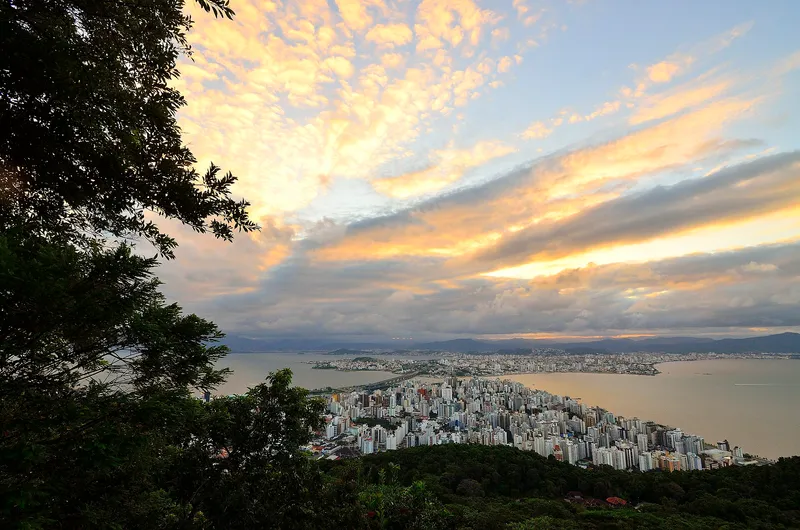
An island of more than 40 beaches, lagoons and green hills, Florianópolis pairs surf with a startup scene that keeps its coworking busy, from Sandbox near Campeche to Impact Hub in Centro. It is safer than most large Brazilian cities, and flights to São Paulo take about 90 minutes. Expect to spend $1,140 a month. The island is not walkable, so you live on apps, a bike or a hired car, and from December to February the beaches fill, traffic stalls and short lets jump in price, which is why people sign leases before December.
-
3
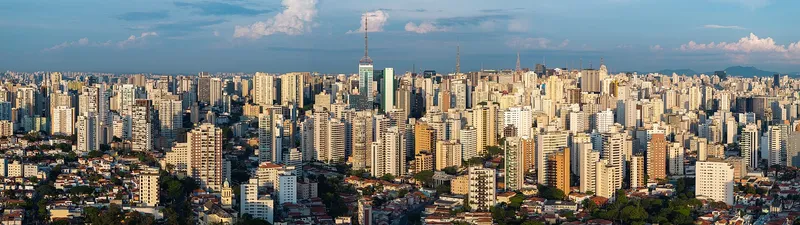 Nomad Score 7.2$1,180/moSafety 4WiFi 9Value 6
For a city rather than a beach, São Paulo is the pick: the business capital of South America, with WeWork and Impact Hub desks, Coffee Lab in Vila Madalena for laptop mornings, and food at every price from pastel stalls to Michelin-recognised dining rooms. Liberdade holds the largest Japanese district outside Japan. Budget $1,180 a month. Traffic can turn a short trip into 90 minutes, the metro misses many neighbourhoods, and the streets demand constant awareness, especially at night. Summer brings daily downpours, while June to August is dry and mild.
-
4
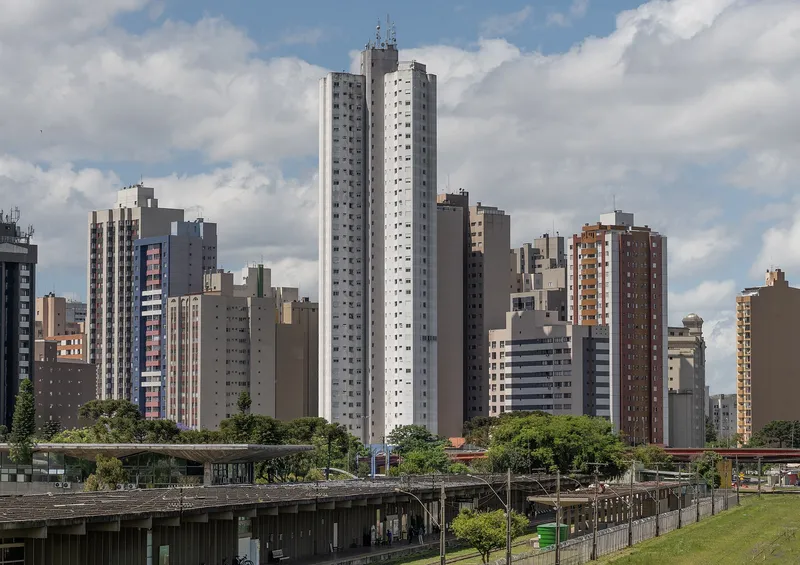 Nomad Score 7.2$960/moSafety 6WiFi 7Value 7
Curitiba pioneered the bus rapid transit model and still runs on it, with tube-shaped stations and fares of about $1. The city sits on a cool plateau, so July highs reach only 20C, and its parks, clean streets and reliable fibre make it the steadiest working base among Brazil's big cities. Everyday costs total $960 a month. There is no beach, the winter is damp and grey, and the foreign community is small enough that building a social life takes effort and some Portuguese.
-
5
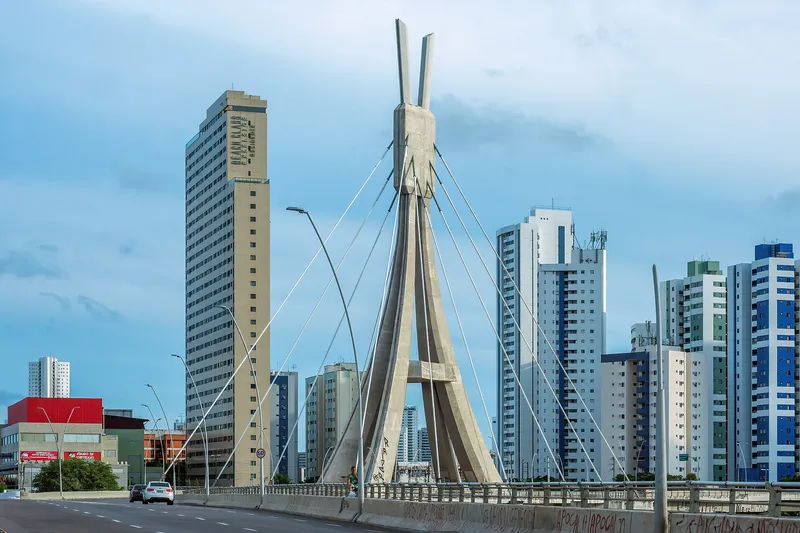 Nomad Score 7.1$900/moSafety 4WiFi 6Value 8
Recife's case rests on Porto Digital, a technology park of more than 350 companies that gives the city real coworking, from Hub Plural in Boa Viagem to Reef in the restored port district. Frevo, maracatu and the colonial streets of neighbouring Olinda carry the culture, and highs hold between 28C and 31C all year. Living here runs to $900 a month. Rain is the catch, with June bringing close to 390mm, and so is security: beach robberies happen in daylight, sharks keep swimmers inside marked zones, and WiFi outside coworking is slow.
-
6
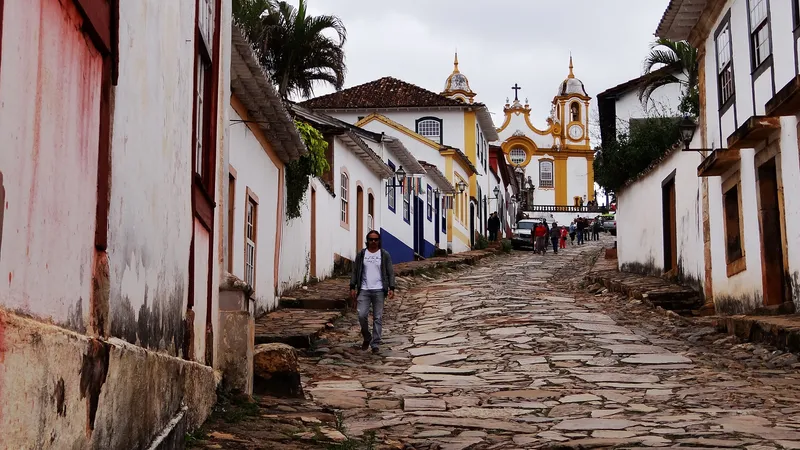 Nomad Score 6.7$900/moSafety 8WiFi 6Value 6
With fewer than ten thousand residents, Tiradentes is a baroque mountain town of gilded churches, cobbled lanes and one of Brazil's most celebrated food scenes. There is no coworking space, so your desk comes with a pousada or a monthly flat, and the rhythm follows the visitors: crowded weekends, calm and cheaper weekdays. Plan on $900 a month. Colonial houses have no heating, so June and July mornings call for a room with a fireplace, and the late-January film festival and August's gastronomy festival fill every bed in town.
-
7
 Nomad Score 6.7$830/moSafety 4WiFi 7Value 6
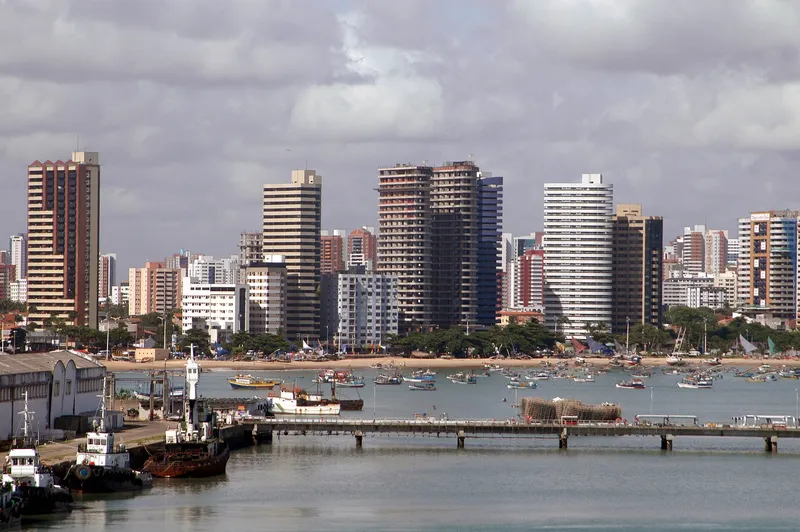
Heat is a constant in Fortaleza, with highs of 31C or 32C in every month and a sea breeze that keeps them bearable. Its less obvious strength is technical: more undersea internet cables come ashore here than almost anywhere else in the southern hemisphere, which means low latency to Europe and North America. Coworking sits in Meireles, Aldeota and Iracema, and the coast road west leads to the dunes. Expect $830 a month. Crime is higher than in the southern cities, air conditioning is a real bill, and the rain piles into March and April.
-
8
 Nomad Score 6.7$1,100/moSafety 6WiFi 7Value 6
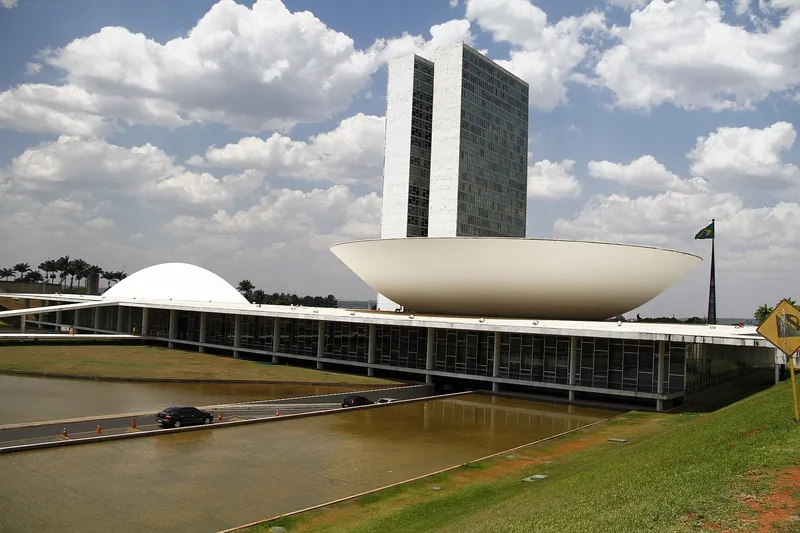
Built from nothing as a planned capital, Brasília trades street life for order: fast fibre, plenty of coworking fed by the consultancy economy, an airport that connects to the whole country, and Niemeyer's Congress and Cathedral along the Monumental Axis. At about 1,100m, the dry season from May to September is sunny and almost rainless. It costs $1,100 a month. The city was designed for cars, it empties at weekends, foreigners are rare, and by August the dry air turns harsh with smoke from cerrado fires.
-
9
 Nomad Score 6.5$940/moSafety 3WiFi 5Value 7
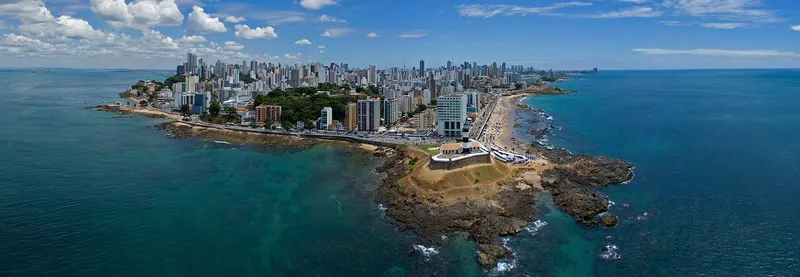
Capoeira, candomblé, axé music and a Bahian kitchen found nowhere else give Salvador an Afro-Brazilian culture unlike anywhere else in the country, centred on the colonial Pelourinho. HUB Salvador, with more than 400 desks in a converted port building, anchors the coworking scene, and an air-conditioned metro runs cheaply from the airport into town. Day to day, Salvador costs $940 a month. Rain peaks in April and May, cafes rarely welcome laptops, rents have climbed since 2024, and safety takes daily attention, with phone snatching and risky buses after dark.
-
10
 Nomad Score 6.5$1,000/moSafety 6WiFi 6Value 7
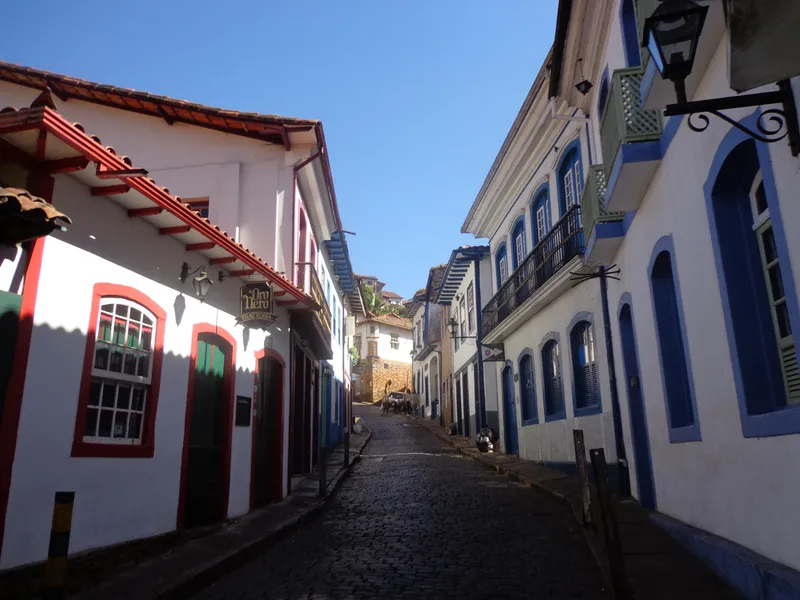
Gold built Ouro Preto, and the eighteenth-century town it paid for has barely changed: steep cobbled streets, baroque churches and a UNESCO listing. A federal university keeps it lived in rather than preserved, so term time brings plenty of people in their twenties and thirties who are not tourists. Fibre reaches most of town, although listed houses sometimes carry it to one room only. Count on $1,000 a month. The hills are punishing, wet cobbles are slippery, the student houses get loud midweek, and coworking barely exists.
-
11
 Nomad Score 6.3$900/moSafety 7WiFi 5Value 6
No paved roads, no cars in the centre and some of the world's most reliable kite wind: that is Jericoacoara, a sand-street village inside a national park. Work bends around it, since there is no coworking, pousada WiFi varies, and a Brazilian SIM used as a hotspot is the real backup. Allow $900 a month, more in the windy high season. Getting there means a long transfer from Fortaleza or a flight to the newer airport at Cruz, and the town charges visitors a daily tourism fee that adds up over a month.
-
12
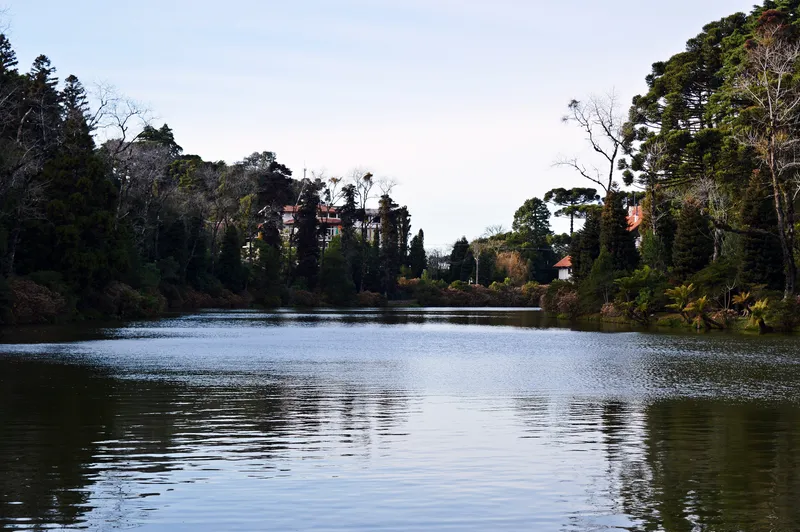 Nomad Score 6.3$1,000/moSafety 8WiFi 6Value 6
If a Bavarian village turned up in the hills of southern Brazil, it would look like Gramado: chocolate shops, fondue and hydrangea-lined streets at about 830m. It is one of the safest and tidiest towns in the country, and apartment WiFi is solid because the whole place is built for visitors. Budget around $1,000 a month. There is no real coworking, fog and rain arrive in any month, and Natal Luz, the Christmas lights festival from late October into January, packs the town and lifts prices, so most people stay a few weeks.
-
13
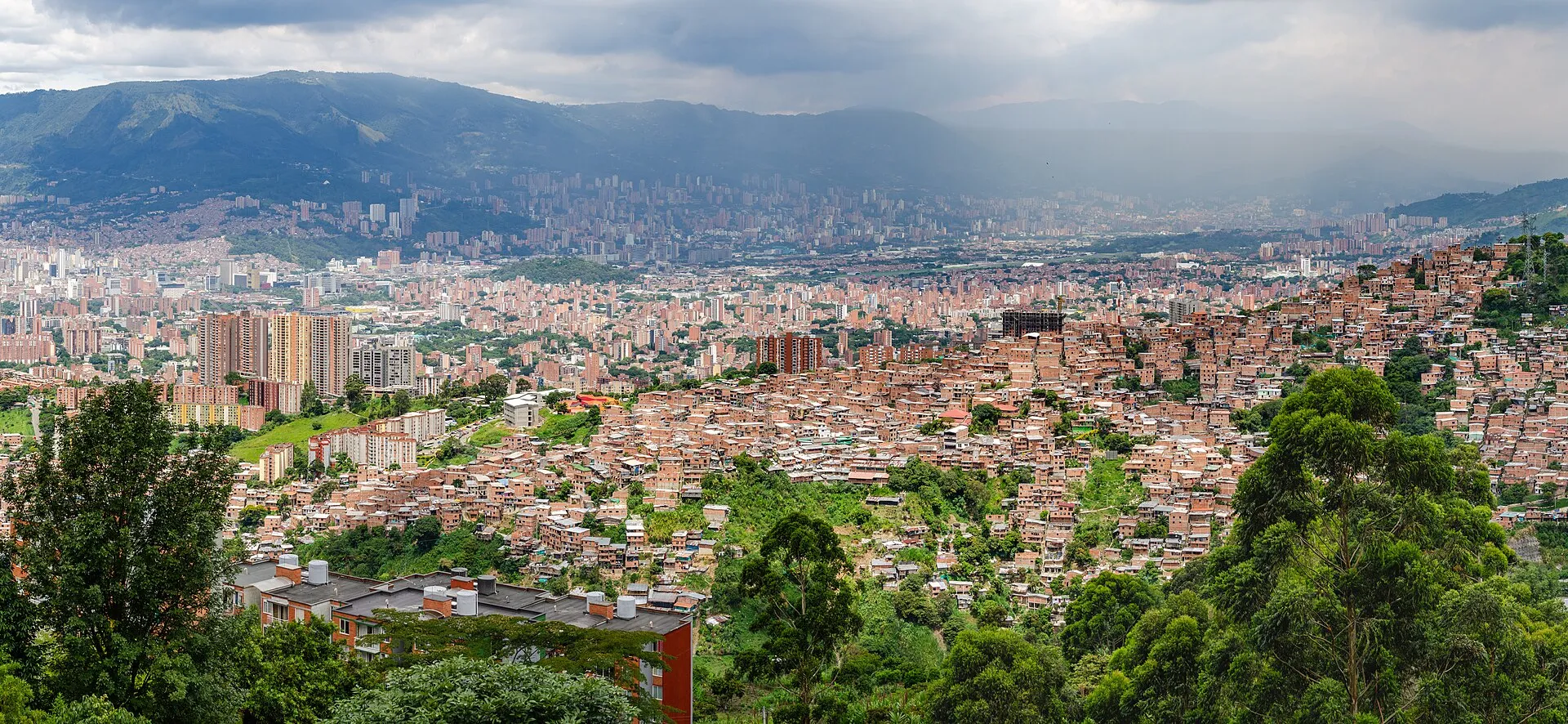
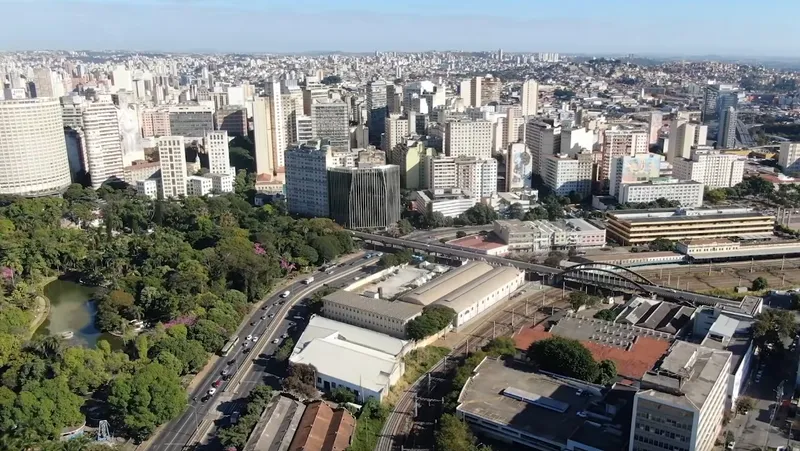 Nomad Score 6.3$980/moSafety 5WiFi 7Value 6
Come to Belo Horizonte hungry. Its botecos serve some of Brazil's best bar food, a per-kilo lunch costs $5 to $9, and Savassi holds most of the coworking and the cafes where lingering over a laptop is normal. The startup community is one of the more active in the country, and at about 850m the dry season from April to September stays mild. Ouro Preto and the other colonial towns make easy weekends. Living costs reach $980 a month. The city is hilly and sprawling with one short metro line, English is scarce, and there is no beach.
-
14
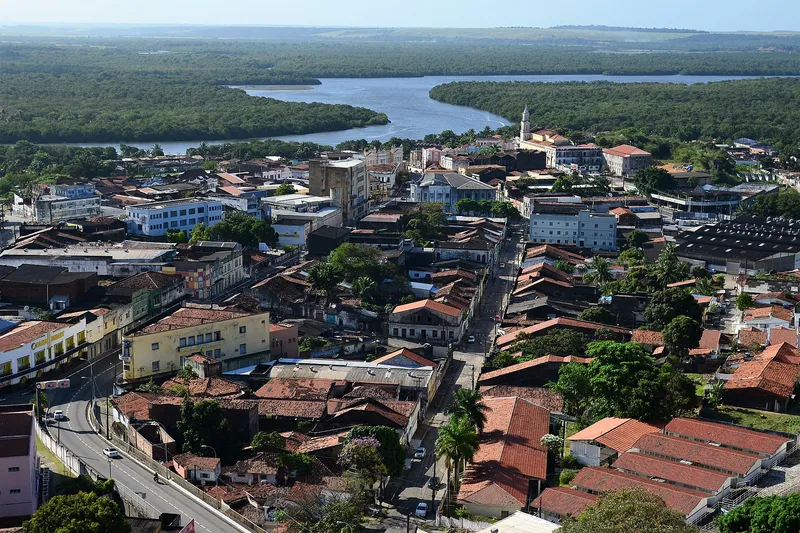 Nomad Score 6.3$750/moSafety 5WiFi 6Value 7
Sunrise reaches João Pessoa before anywhere else in the Americas, and height limits on its seafront keep the sand in sunlight through the afternoon. Fibre is fast and cheap across the beach neighbourhoods, and a federal university supports a software sector larger than the city's size suggests. At $750 a month it is the cheapest base on the list. The trade is quiet: little English, few other foreigners and gentle nightlife, with heavy rain from April to June. Recife, two hours south, covers whatever the city lacks.
-
15
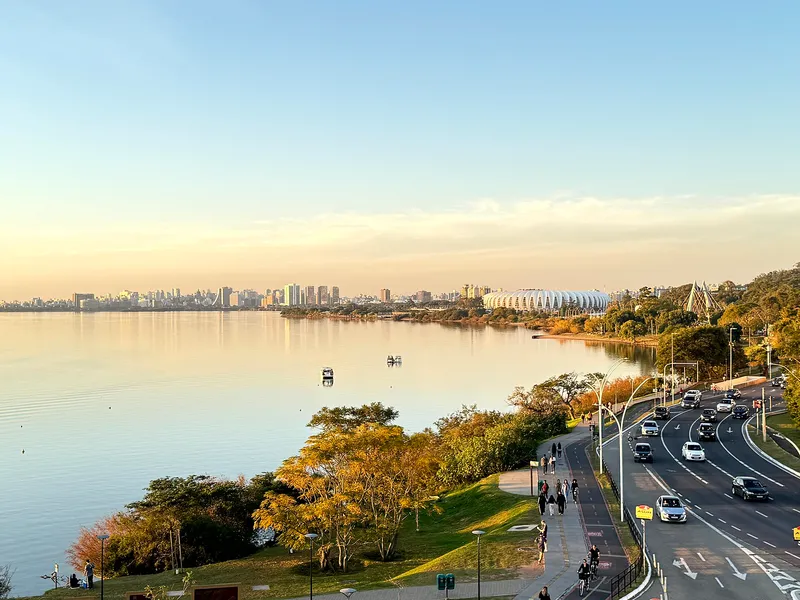 Nomad Score 6.1$1,000/moSafety 5WiFi 7Value 7
Where the beach cities sell heat, Porto Alegre sells four seasons, along with churrasco, chimarrão and a technology sector around the Tecnopuc park, with coworking cheaper than São Paulo's. Summer highs reach 31C, July highs sit near 20C, and buildings are rarely heated. Uruguay and the Serra Gaúcha wine country are a short trip away. Our estimate is $1,000 a month. Crime leads the drawbacks, the centre is unsafe after dark, recovery from the May 2024 floods is uneven in low-lying districts, and the foreign community is tiny.
Because the regions keep different calendars, a year in Brazil can chase the dry weather. The highland cities of Minas Gerais and Brasília are at their sunniest from May to September, while the northeast coast is still wet. By September the rain has moved off Recife, Fortaleza, João Pessoa and Jericoacoara, and the kite wind on that coast is building towards its peak. Florianópolis is calmest and cheapest from April to August, and Curitiba is most pleasant in spring and autumn. To set Brazil against its neighbours, see our Latin America ranking.
Frequently asked questions
Can I stay in Brazil longer than 90 days as a remote worker?
Yes, on the VITEM XIV digital nomad visa, which needs $1,500 of foreign income each month or $18,000 in savings, plus health insurance and a criminal record check. It lasts one year and can be renewed once. After arriving you register with the Federal Police within 90 days for the CRNM residence card. Without it, a visa-free stay is 90 days, extendable once to a maximum of 180 in twelve months.
Do Americans need a visa for Brazil?
Yes. Since 10 April 2025, citizens of the US, Canada and Australia need an e-visa, applied for online before travel. British and most EU citizens still enter visa-free for up to 90 days.
What is the cheapest city in Brazil on this list?
João Pessoa, at $750 a month, followed by Fortaleza at $830. Recife, Tiradentes and Jericoacoara all come in at $900. Rio is the most expensive at $1,350.
Which Brazilian cities avoid the tropical heat?
The south and the highlands. In July, highs average 17C in Gramado and 20C in Curitiba, with Porto Alegre about the same as Curitiba. All three have genuinely cold nights in buildings without heating. Ouro Preto, Belo Horizonte, Brasília and São Paulo sit high enough to stay mild through their dry winters.
How is this ranking calculated?
Every Brazilian city in our index is ordered by its overall Nomad Score, a composite of the 13 categories we rate, including cost, climate, internet, safety and visa access. Cities with the same score are not ranked against each other. Costs for eight cities come from Numbeo data and the other seven are our own estimates.