Nomading broke is not the same as being on holiday broke. You still have to file work, take calls, and hit deadlines, which means the cheapest room in town is useless if the WiFi drops mid-meeting or you never feel safe walking home. The math that matters is not just rent, it is rent plus a connection you can trust plus a place you can relax in.
This is why the pure-cheapest approach is a trap. A $400 room in a town with no reliable internet and no coworking will cost you clients, and a bargain base where you feel unsafe will cost you sleep. Price is only useful once the basics hold. Chase the lowest number alone and you often pay for it twice, in lost income and lost nerve.
So this list does something different. It leads with low monthly cost, then filters hard for usable WiFi and safety, so every city here is cheap AND somewhere you can actually run a working life from. The Match score on each card reflects that blend, not the raw price. If you only care about the lowest sticker, see our separate Cheapest Cities page. This one is about stretching a small budget without stranding yourself.
We rank on a cost-led blend that weights low monthly cost most heavily, then layers in usable WiFi and personal safety, so the winners are cheap and genuinely livable and workable rather than just inexpensive. Explore the numbers yourself on the comparison tool or browse all 999 city guides.
What to weigh before you book
This ranking has settled almost entirely in East Asia: eight Japanese cities, three Korean and two Taiwanese, with Hyderabad in India and Lublin as the one European entry. That is the blend doing its job. Once WiFi and safety count for close to half the score, the regional cities of Japan, Korea and Taiwan win, because every one of them pairs WiFi of 8 to 10 out of 10 with safety of 9 or 10, at $770 to $1,350 a month.
The tradeoff is social and linguistic. Twelve of the fifteen score 2 or 3 for nomad community, and most sit at 3 or 4 for English, so expect translation apps at the pharmacy and a social life you build yourself. Hyderabad (community 5), Kaohsiung and Nagoya (both 4) are the exceptions, and Hyderabad's English score of 7 is the best here. Winter is the other catch in the north: Aomori and Hakodate score 4 for climate and spend months under snow.
Visas are the quiet cost. Japan, Korea and Taiwan let many passports in for around 90 days without a visa, Lublin sits inside the Schengen limit of 90 days in any 180, and India wants an e-visa before you land, so a long stay on this list means paperwork, planned exits and the flights that go with them. Weigh that against the monthly rent before you decide a $440 city is truly cheaper than a $1,350 one.
The ranking
-
1
 Match 9/10Nomad Score 7.6$770/moSafety 9WiFi 9Value 7
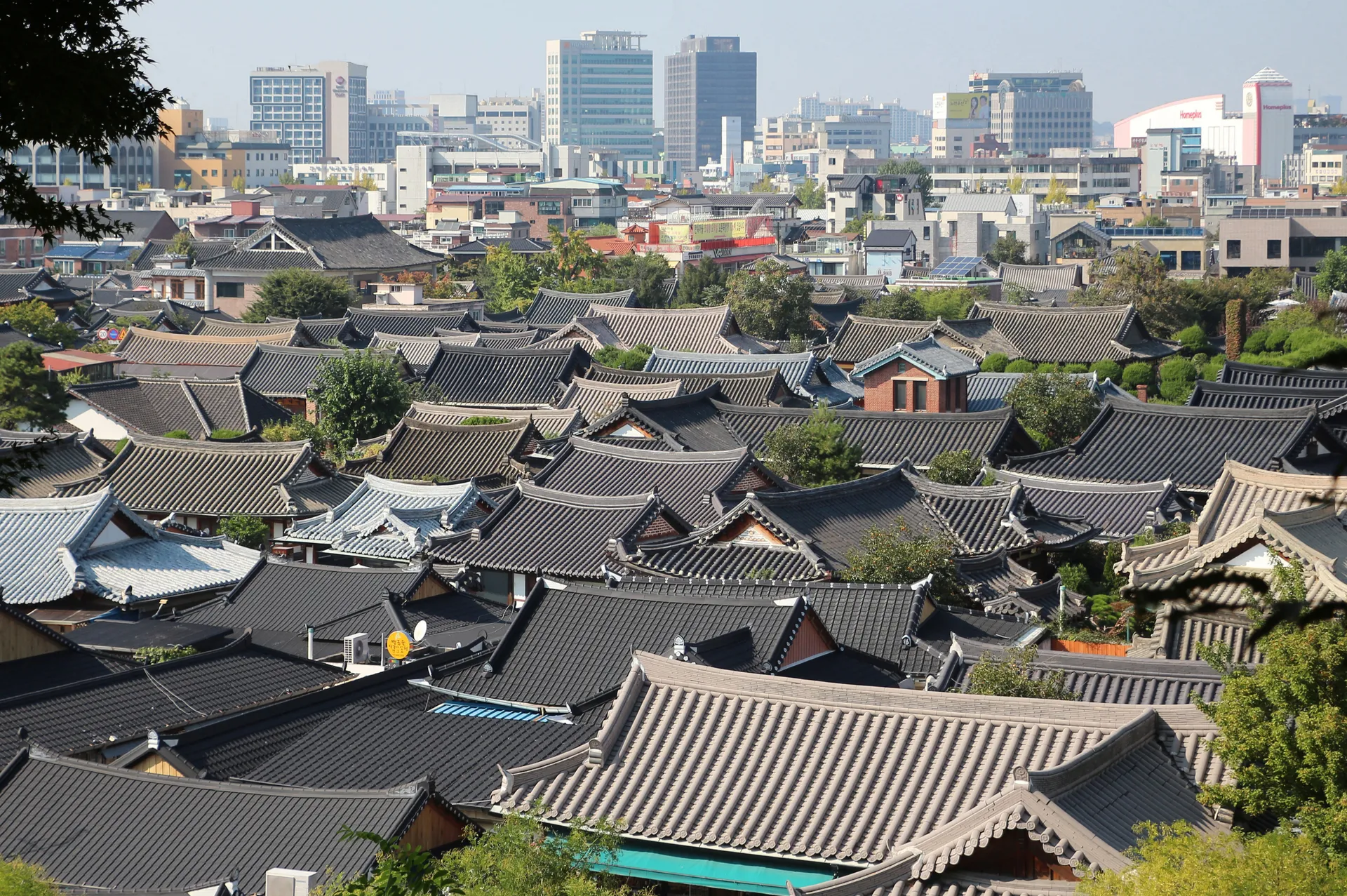
The soul of Korean tradition, a city of hundreds of tiled hanok houses, the birthplace of bibimbap, and slow, crafted living.
-
2
 Match 8.9/10Nomad Score 8.5$900/moSafety 10WiFi 8Value 7
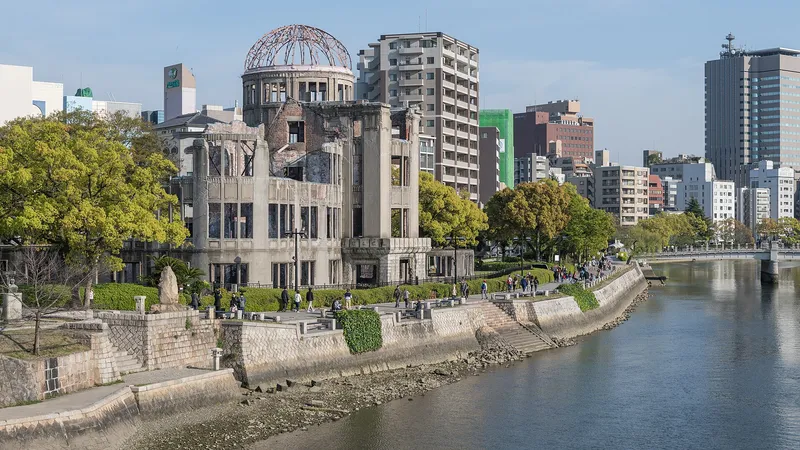
City of peace with powerful history.
-
3
 Match 8.9/10Nomad Score 7.6$890/moSafety 10WiFi 8Value 7
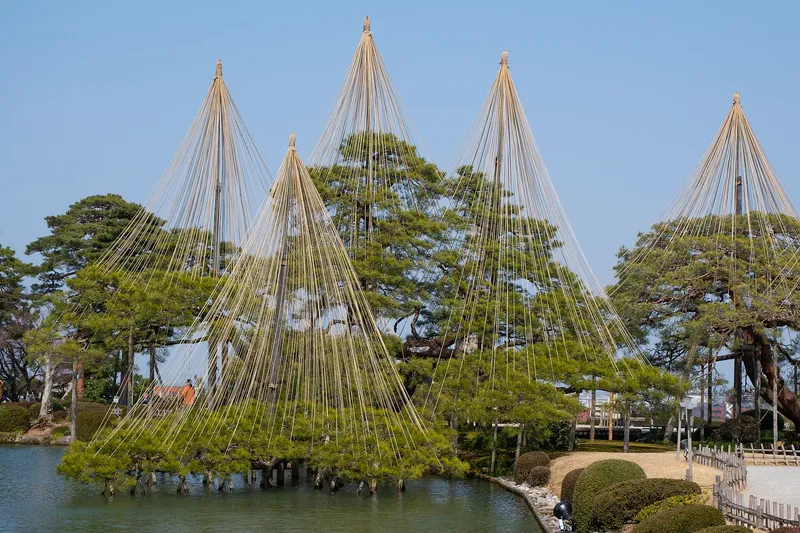
Experience preserved Edo-era culture and gardens.
-
4
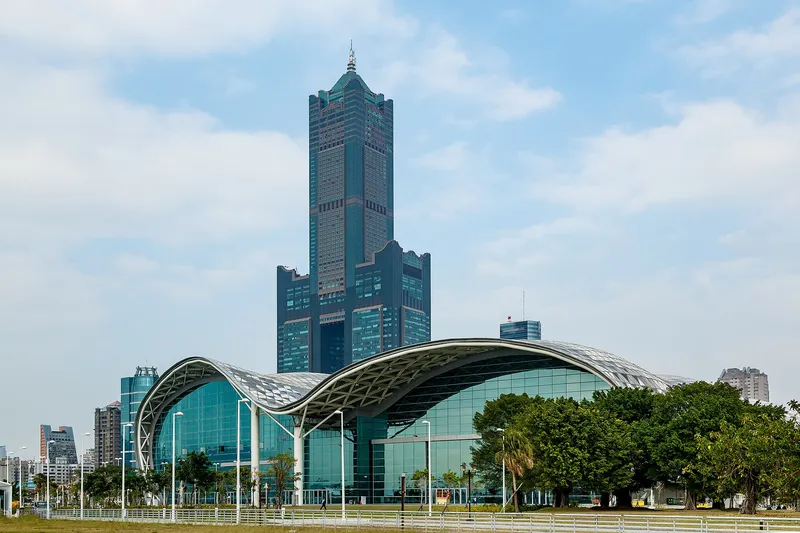 Match 8.7/10Nomad Score 8$860/moSafety 9WiFi 8Value 6
Taiwan's sunny southern harbor city.
-
5
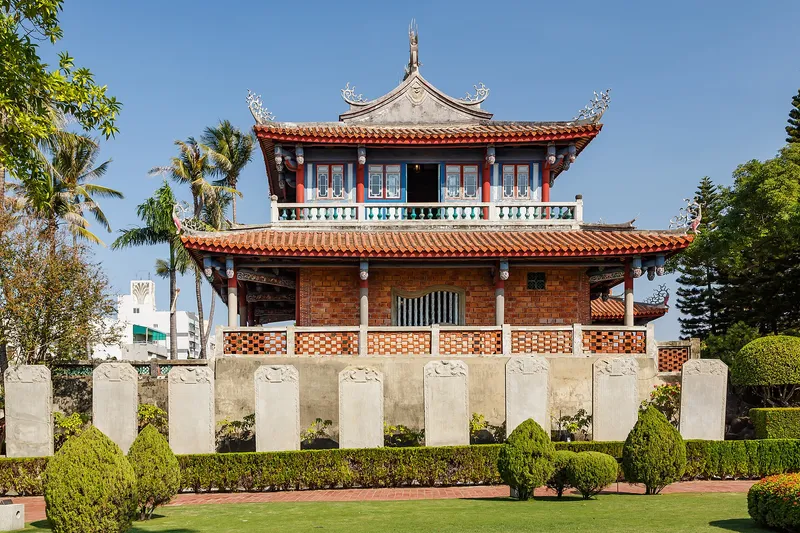 Match 8.7/10Nomad Score 7.8$830/moSafety 9WiFi 8Value 7
Tainan undercuts nearly every city on this list and still has its best food. Food scores a perfect 10/10 in Taiwan's oldest city, backed by 9/10 culture, 9/10 safety, and dependable 8/10 WiFi, so it is both a joy to live in and easy to work from. Budget around $830 a month, cheaper than everywhere here except Hyderabad and Jeonju. The usual Asian tradeoff applies: English 4/10 and community 3/10 mean a slower social start and some translating. If you want a cheap-ish base where daily life is genuinely rich, Tainan delivers more than its price suggests.
-
6
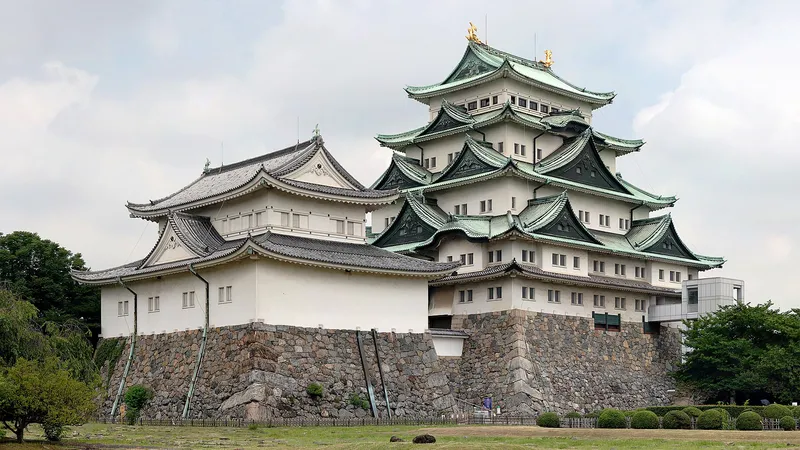 Match 8.7/10Nomad Score 7.4$1,080/moSafety 10WiFi 8Value 6
Discover industrial powerhouse between Tokyo and Osaka with samurai heritage.
-
7
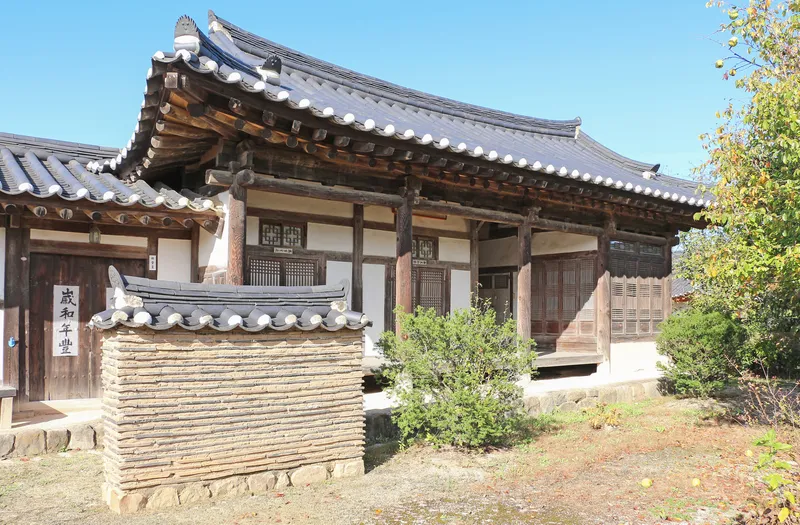 Match 8.7/10Nomad Score 6.5$1,100/moSafety 9WiFi 9Value 6
A North Gyeongsang city known as the spiritual home of Korean Confucian tradition, with the UNESCO Hahoe folk village, riverside mask dance, and hearty regional dishes like jjimdak and salted mackerel.
-
8
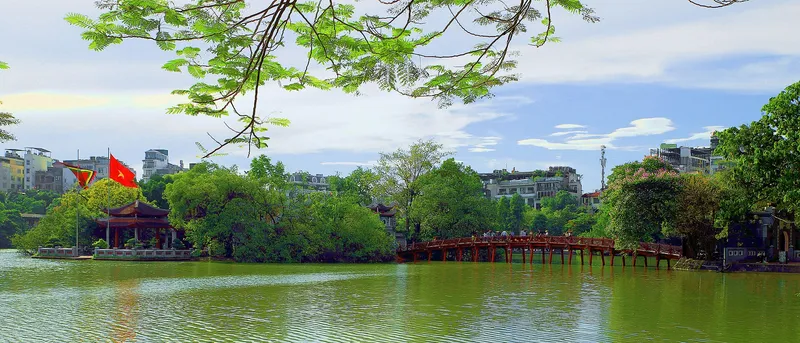 Match 8.7/10Nomad Score 6.3$690/moSafety 7WiFi 9Value 8
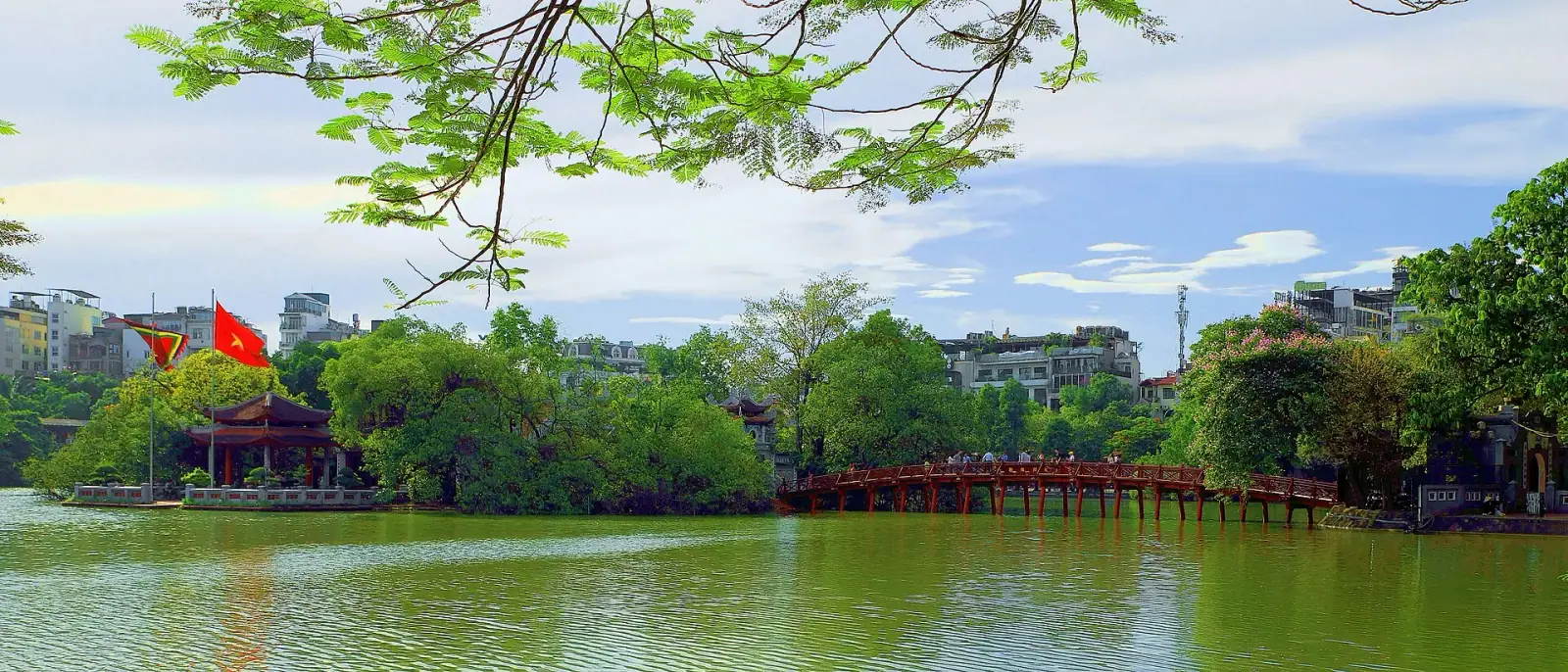
Explore ancient temples, egg coffee, and Old Quarter chaos at its finest.
-
9
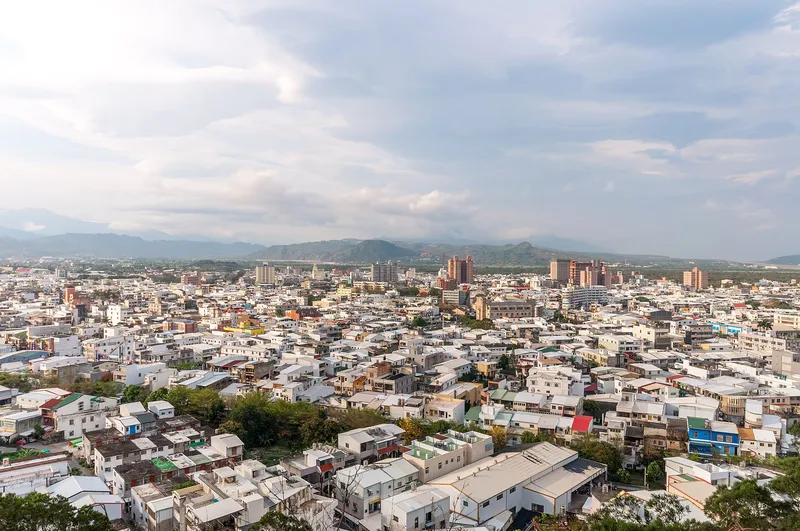 Match 8.6/10Nomad Score 7.8$950/moSafety 9WiFi 8Value 7
Taiwan's Pacific coast, where the mountains meet the sea and nobody is in a hurry.
-
10
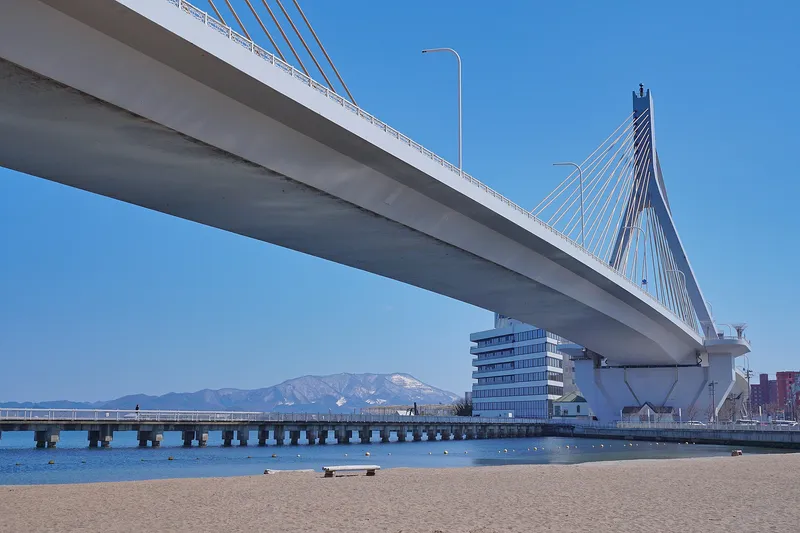 Match 8.6/10Nomad Score 7.4$1,200/moSafety 10WiFi 8Value 7
The snowiest city of its size on earth, and a festival of giant illuminated floats.
-
11
 Match 8.6/10Nomad Score 7.2$1,200/moSafety 9WiFi 9Value 6
South Korea's ancient Silla capital, an open-air museum of royal burial mounds, temples, and lakeside palace ruins.
-
12
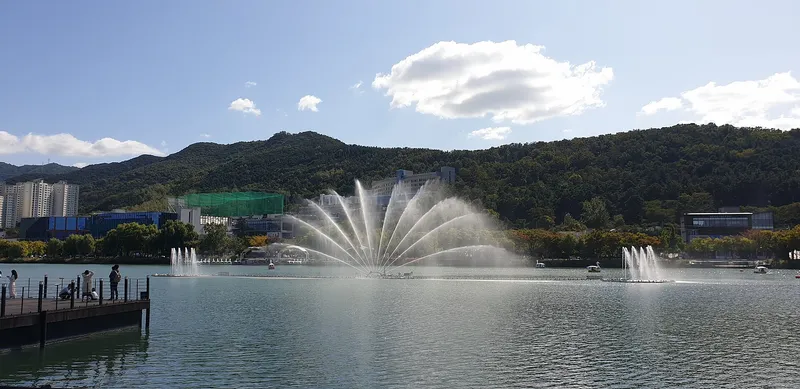 Match 8.6/10Nomad Score 6.9$1,210/moSafety 9WiFi 9Value 7
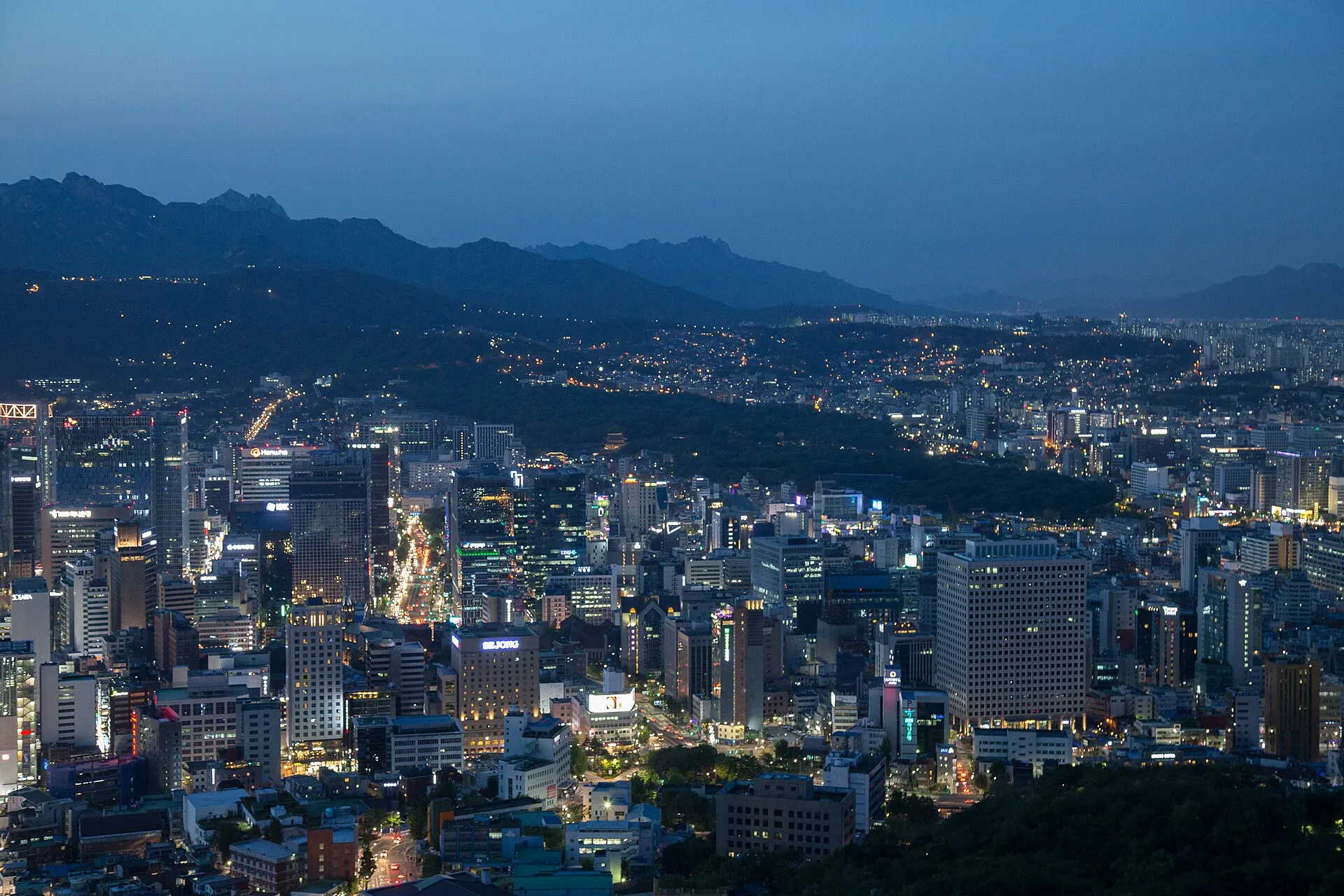
Daegu tops the list because it is boringly reliable where it counts. WiFi scores 9/10 and safety 9/10, so calls hold and late walks feel fine, and Korea's infrastructure means the connection follows you from apartment to cafe. At roughly $1,210 a month it is not the cheapest base here, but you are paying for a genuinely workable city rather than just a low room rate. The honest catch is social: community sits at 2/10 and English at 4/10, so expect translation apps and a solo stretch until you build your own routine among the mountains and fashion districts.
-
13
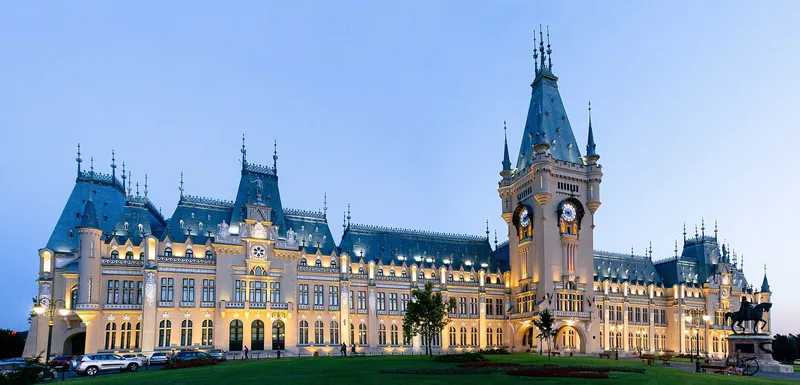 Match 8.6/10Nomad Score 6.9$850/moSafety 7WiFi 9Value 8
Moldavia's old capital, now a software city with more students than most of Romania.
-
14
 Match 8.6/10Nomad Score 6.7$610/moSafety 7WiFi 8Value 8
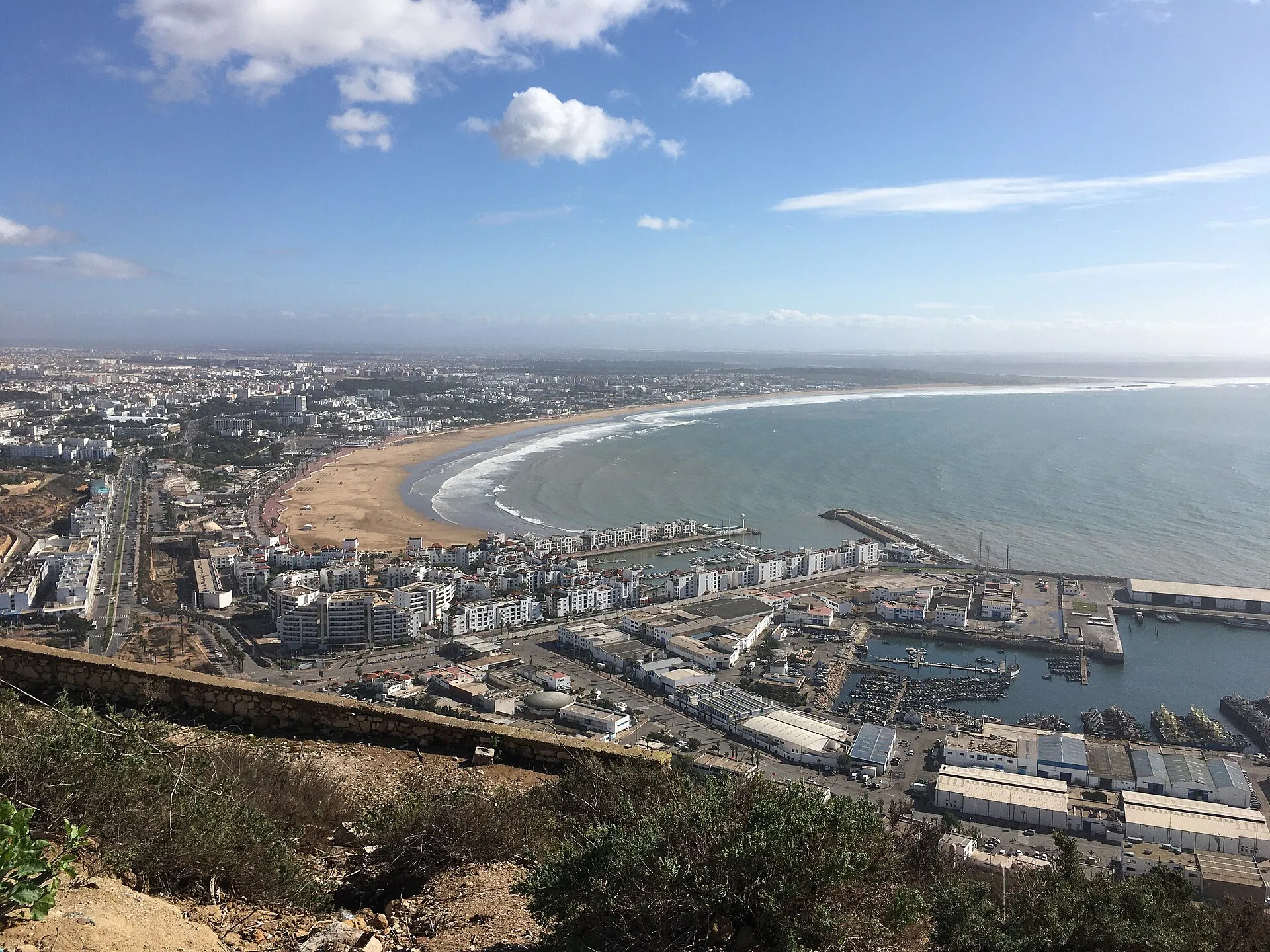
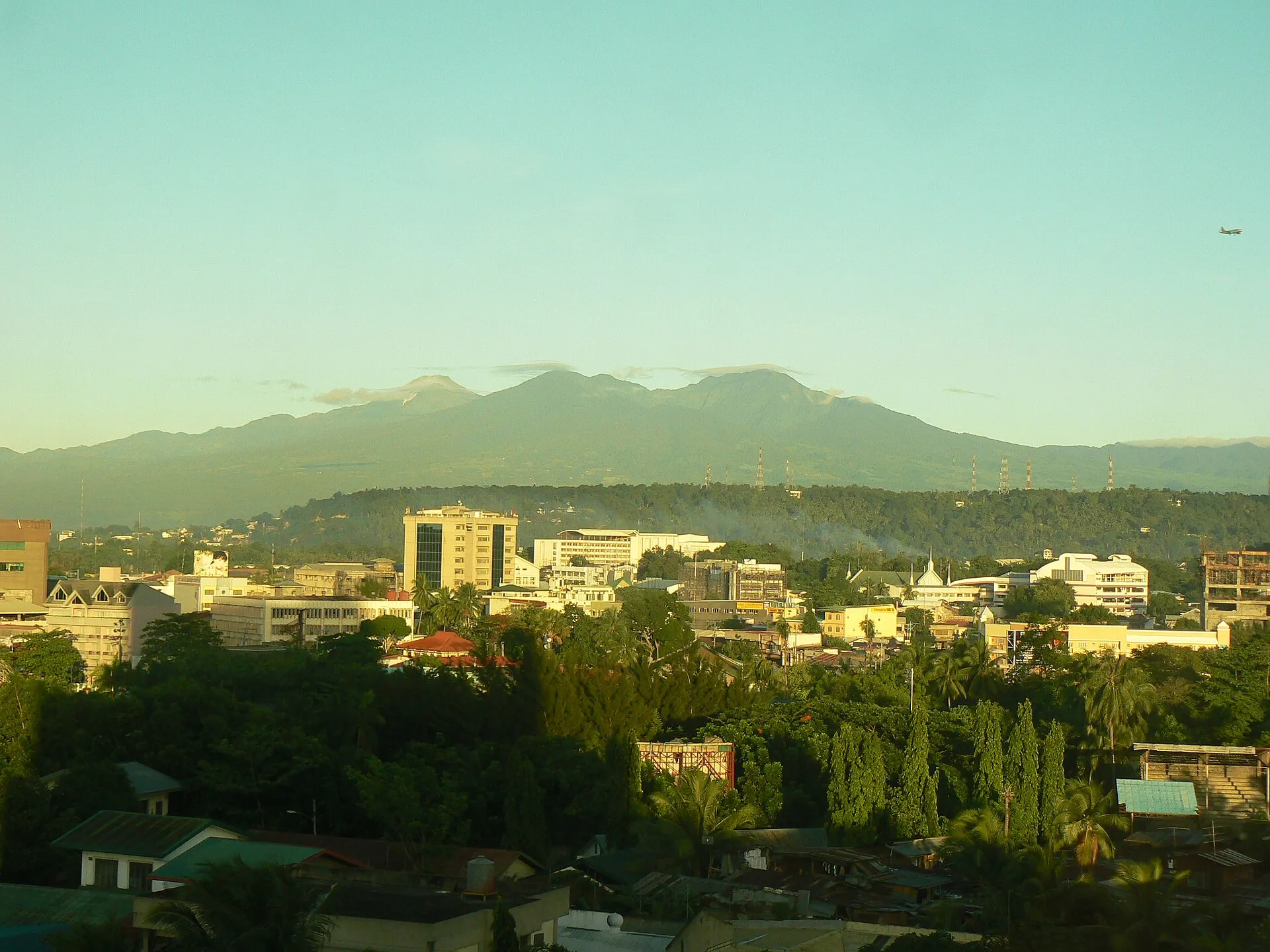
The White City with volcanic views and colonial charm awaits.
-
15
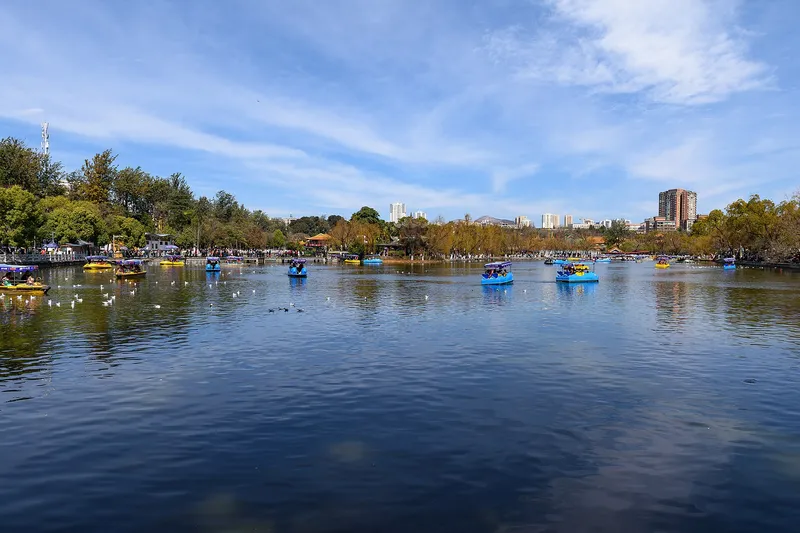 Match 8.6/10Nomad Score 6.7$550/moSafety 8WiFi 7Value 7
The 'City of Eternal Spring', a flower-filled highland capital with mild year-round weather and Yunnan's wild landscapes at its edge.





None of these cities wins on every axis, which is the whole point of a blend. Hyderabad, Jeonju, Tainan and Kaohsiung give you the lowest rent, under $900 a month, with WiFi at 8 or 9. The Japanese cities cost $890 to $1,350 and hand back perfect safety scores and food scores of 8 and 9. The right answer depends on what you refuse to compromise on, so it is worth putting your shortlist side by side rather than trusting a single number.
Use our Compare tool at /compare to line up two or three of these cities on cost, WiFi, safety, and the full set of categories, so the tradeoffs are visible at a glance instead of buried in prose. If you are not sure which direction fits you at all, the Nomad Taste Wheel at /wheel matches your priorities to cities across the whole database, budget-first or otherwise, and points you toward the bases most likely to suit how you actually live and work.
Frequently asked questions
Can you really live and work on these budgets?
Yes, with honest expectations. The cheapest bases here, Hyderabad at $440, Jeonju at $770 and Tainan at $830 a month, cover rent, food, and daily life in-country. What the East Asian bases do not cover is a big social scene: community scores 2 in Jeonju and 3 in Tainan, so you pay for the saving with a thinner circle of other nomads. Hyderabad has the strongest nomad community on the list at 5/10, which can be worth its rougher edges if you work better around people.
Which cheap city has the best WiFi?
Daejeon is the only city here with a perfect 10/10 for WiFi, at $1,350 a month. For less, Jeonju pairs 9/10 WiFi with a $770 monthly cost, and Hiroshima and Lublin do the same for $900. Hyderabad, Tainan and Kaohsiung sit at 8/10 for $440 to $860, which is fine for calls and normal work.
How is this different from your Cheapest Cities page?
The Cheapest Cities page ranks purely by price, so the lowest sticker wins even if the WiFi is weak or the base feels isolating. This page uses a cost-led blend instead: low monthly cost is weighted most heavily, then usable WiFi and safety are layered in, so every city here is cheap AND somewhere you can genuinely work and live. The Match score on each card reflects that blend, not the raw rent. In short, Cheapest answers where is it least expensive, this page answers where does a small budget still work.
What hidden costs should I plan for on a very cheap base?
Two big ones. First, language: most cities here score 3 or 4 for English, so a lease, a phone contract or a clinic visit can take a translation app and patience, and an agent who speaks English may charge for it. Second, visas and flights: Japan, Korea and Taiwan let many passports stay around 90 days, Lublin sits inside the Schengen cap, and India needs an e-visa, so a long stay means planned exits. Airfare and visa admin can quietly erase the gap between a $440 city and a $1,350 one.
Does cheap mean unsafe here?
No, and that is deliberate. Safety is one of the three ingredients in the ranking, so no city made this list on price alone. All eight Japanese cities score 10/10 for safety, the Korean and Taiwanese picks score 9/10, Lublin sits at 8/10, and Hyderabad, the lowest here, at 7/10. The real tradeoffs on this list are social and linguistic, thin nomad communities and low English scores, rather than danger. You can spend very little on this list without feeling unsafe.