Fast internet is common now. Fast internet in a city where a month costs well under $1,500 still narrows the map quickly. Every city here offers that pairing, with connections that hold up on video calls and monthly costs between $610 and $1,350. Where Ookla's Speedtest Global Index publishes a city median for August 2026, the numbers are strong. Valparaíso's median home broadband was 417 Mbps, and Bangkok's was 322 Mbps.
Two clusters dominate. Four South Korean cities make the list, none of them Seoul: Jeonju, Andong, Gyeongju and Daegu run on the same national fibre as the capital, rent for considerably less, and have cafe cultures built around long laptop sessions. Taiwan adds Kaohsiung, Tainan and Taichung, where home fibre is fast and cheap. The rest are spread across three continents: Hanoi and Ho Chi Minh City in Vietnam, Bangkok, São Paulo and Rio de Janeiro in Brazil, Valparaíso in Chile, Arequipa in Peru, and Iași, Romania's software city.
A city median is not your flat, though. In Valparaíso and Arequipa the fibre is fast where a building has been wired for it and slow where it has not, so run a speed test before you sign. Cheap also tends to come with a reason. Hanoi, Bangkok and Taichung all have winter or dry-season air that is a real health concern, and in nearly every city here daily life runs in a language other than English. If speed matters more to you than price, the fastest WiFi ranking drops the budget half of the formula.
Each city's place comes from a 50/50 blend of two halves: our WiFi rating, and how cheap its monthly cost is relative to the cheapest and most expensive cities in our index. Only cities with an overall Nomad Score of 6.0 or more are included, so every entry is a workable base. The WiFi rating is measured from Ookla's Speedtest Global Index, using the city's own fixed and mobile medians where Ookla publishes them, and capped one point above the country's measured level where it does not. Explore the numbers yourself on the comparison tool or browse all 999 city guides.
At a glance
 Hanoi
HanoiA month costs $690, and Ookla measures home broadband at 252 Mbps. The trade-off is winter air pollution that can reach unhealthy levels.
Cheapest on the list Arequipa
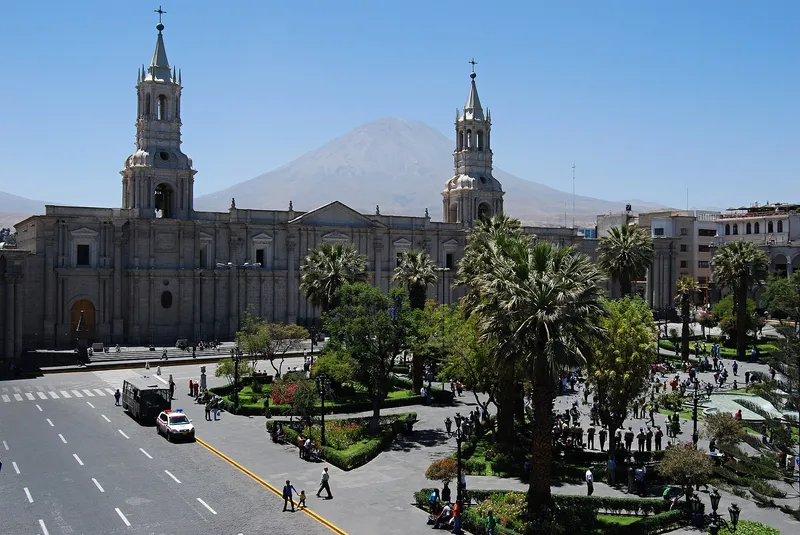
Arequipa costs $610 a month and its median fixed connection is 294 Mbps. Cafes like Kafi Wasi have a socket at every seat.
Easiest all-rounder Kaohsiung
Taiwan's safety, food and fast home fibre for $860 a month, with an airport that sits on the metro's Red Line.
What to weigh before you book
The two halves of this ranking measure different things, and neither is your exact experience. The WiFi rating is a direct measurement only where Ookla publishes a city median, which covers Hanoi, Ho Chi Minh City, Valparaíso, Bangkok, São Paulo, Arequipa and Rio de Janeiro. For the Korean and Taiwanese cities and Iași, it is a ceiling set by the national figure, which in those countries is already high, but it is not a reading from that street. The cost half has a similar split: eleven of these monthly figures are built from measured Numbeo data, while Iași, Andong, Gyeongju and Taichung are our own estimates. Beyond both numbers sit things a ranking cannot weigh for you, such as summer heat in Daegu and Ho Chi Minh City, air quality in the big Asian cities, and how much English you need in shops and offices. If coworking matters, know that Andong has none and Gyeongju very little.
The ranking
-
1
 Match 9.1/10Nomad Score 6.3$690/moSafety 7WiFi 9Value 8
In Hanoi, $690 a month covers life in a capital with a deep coffee culture and connections that rarely get in the way. Ookla's medians are 252 Mbps on fixed lines and an unusually fast 493 Mbps on mobile. Toong runs five coworking spaces across the city, and COGO in Dong Da stays open around the clock. The serious drawback is the air: winter PM2.5 often reaches unhealthy levels, which rules the city out for anyone with breathing problems. June highs reach 35C, so October to November and March to April are the months to aim for.
-
2
 Match 9/10Nomad Score 7.6$770/moSafety 9WiFi 9Value 7
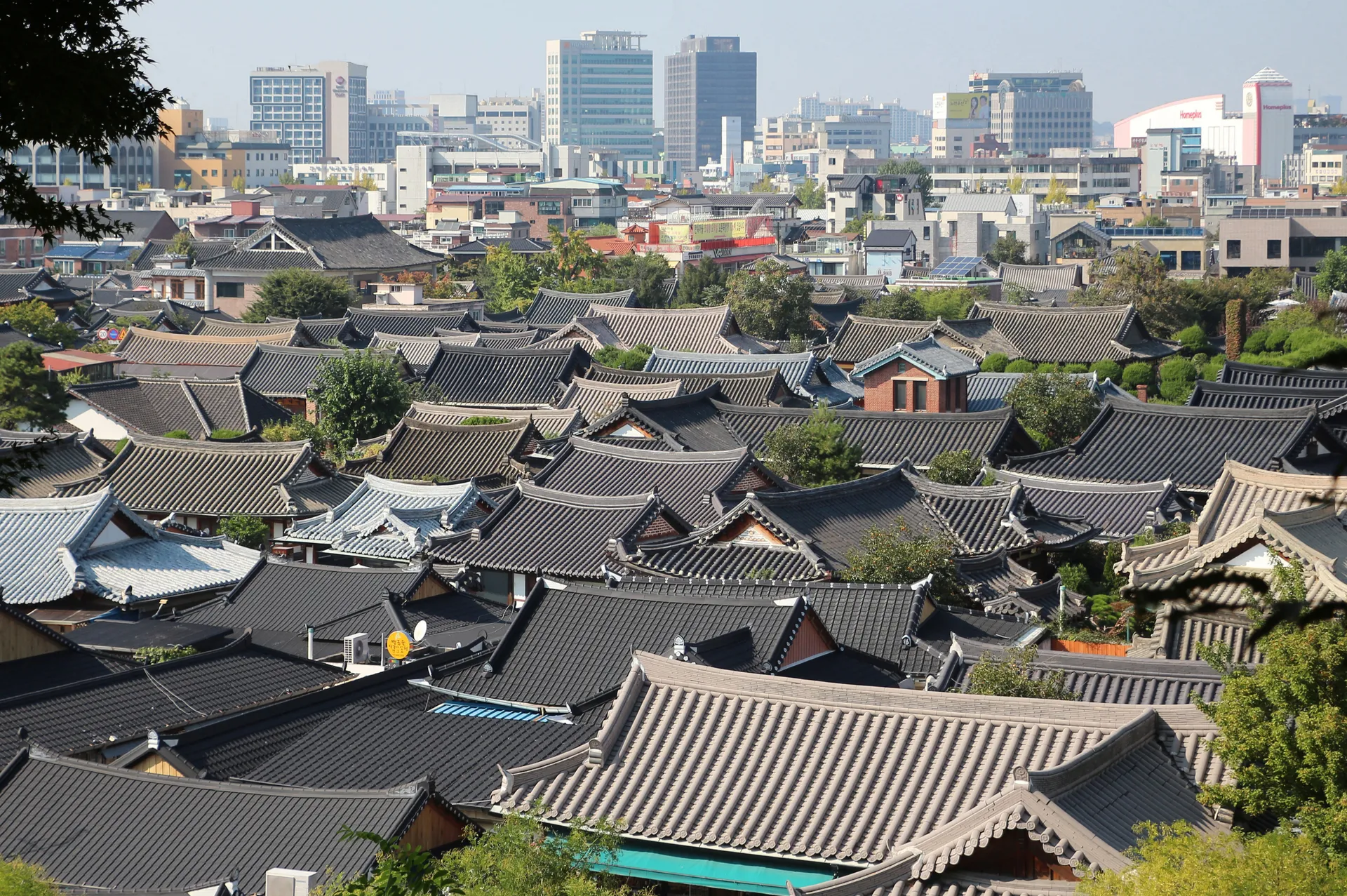
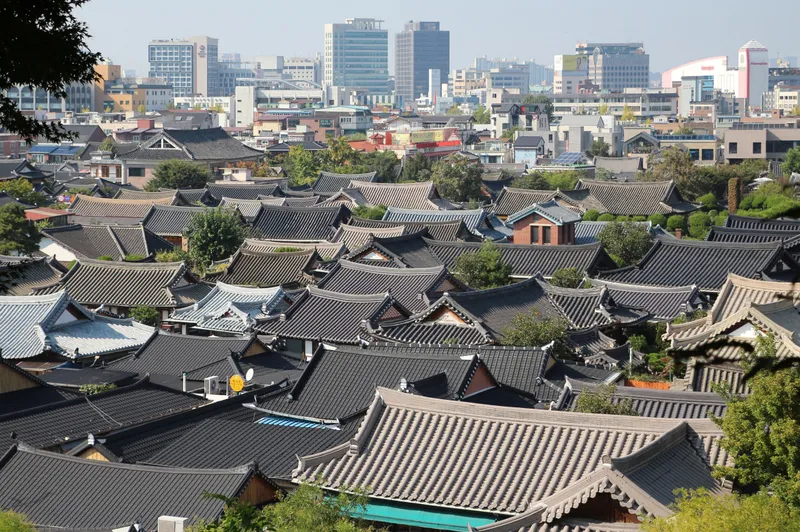
When ordinary cafes close at ten, Jeonju's study cafes take over: unstaffed, card-entry rooms that charge by the hour, stay silent by rule and often open all night. Most rentals come with reliable fibre, and the city costs $770 a month, comfortably less than Seoul or Busan. Live in Seosin-dong or near the university rather than in the hanok village, which fills with visitors from mid-morning. KTX trains reach Seoul in under two hours. The trade-offs are limited English and almost no international remote-work community, and winters are properly cold, with January lows of minus 4C.
-
3
 Match 9/10Nomad Score 6.9$850/moSafety 7WiFi 9Value 8
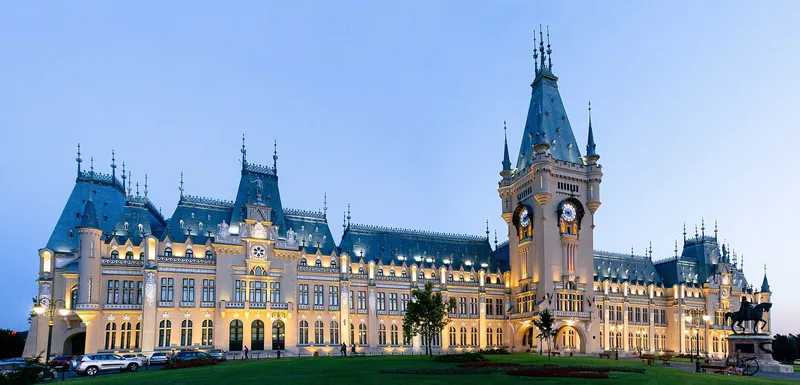
With 60,000 students and a large software industry, Iași has the infrastructure of a tech town: gigabit fibre is normal and costs a fraction of western European prices. English is common among the people you are likely to meet, and coworking desks run about $90 to $150 a month. At $850 a month it is about as cheap as European Union living gets. Expect hard winters, with January highs of 1C, and no nomad scene at all, since foreigners here mostly work for local tech firms. Bucharest is six hours away by train, though the growing airport flies to a good spread of European cities.
-
4
 Match 8.9/10Nomad Score 6.3$870/moSafety 6WiFi 9Value 7
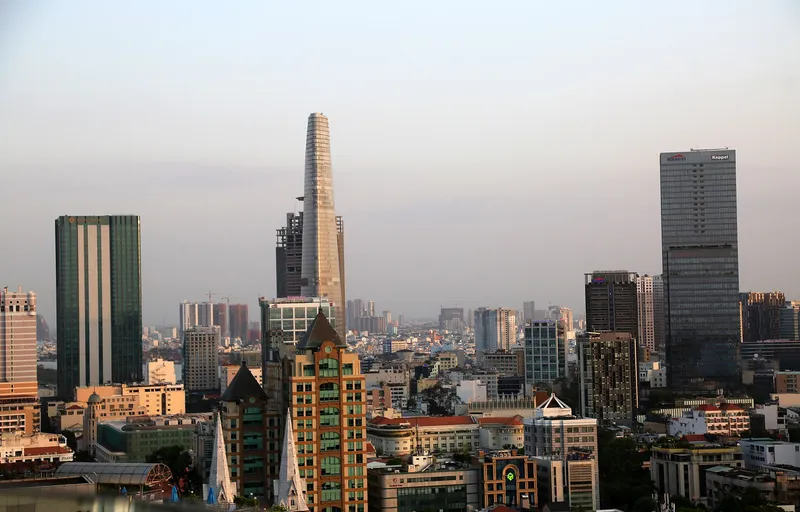
Hotter than Hanoi and never cold, Ho Chi Minh City has a large nomad scene, with regular meetups and coworking at every price point, from Toong to Dreamplex. Ookla's median for fixed broadband is 298 Mbps, and cafes in the central districts usually handle video calls. Expect $870 a month and heat that never breaks, with highs of at least 30C all year. December to April is the dry season, though March and April bring the worst air of the year. Skip it if you need quiet to concentrate: traffic and motorbike noise in the centre are relentless.
-
5
 Match 8.8/10Nomad Score 6.7$990/moSafety 4WiFi 9Value 7
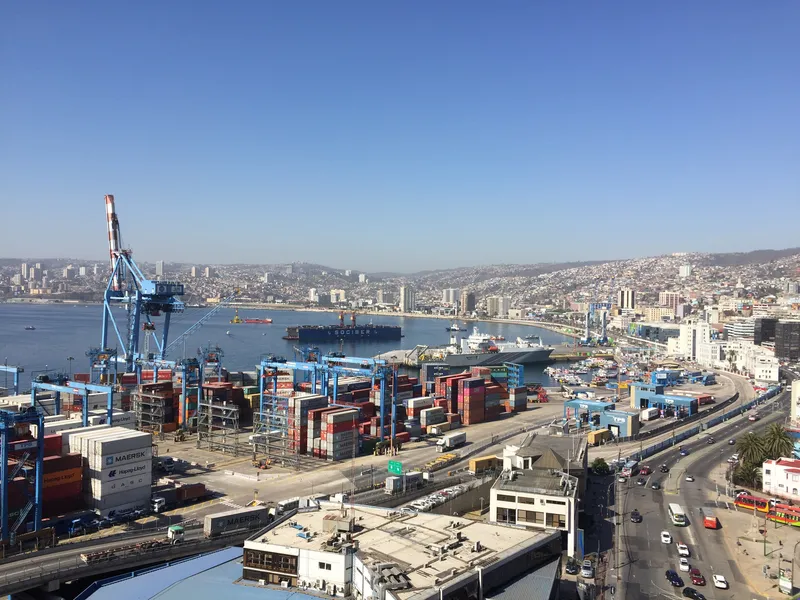
There is a catch to the fastest measured home internet on the list. Valparaíso's Ookla fixed median is 417 Mbps, but the speed depends on the building: newer wiring delivers, older houses on the hills can be patchy, and cafe WiFi is unreliable. A desk at Paralelo Cowork near Barón station solves that. The port's street art, funiculars and seafood make $990 a month feel generous, but winters are cold and damp indoors, with July highs of 15C, and the hills get unsafe after dark. Chile has no nomad visa, so most stays run on the tourist entry and one extension.
-
6
 Match 8.7/10Nomad Score 7.6$1,150/moSafety 8WiFi 9Value 6
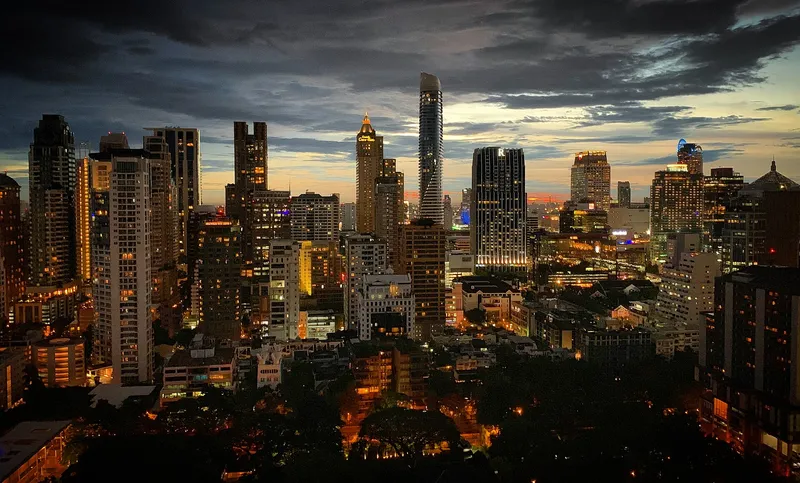
Bangkok earns its place on infrastructure. Ookla measures its median home connection at 322 Mbps, fibre is standard in every coworking space, and the C Asean space inside Samyan Mitrtown is free beyond whatever you eat. Skytrain and metro lines connect the districts nomads live in, and private hospitals charge a fraction of Western prices. All that costs $1,150 a month. Heat and pollution are the real price, with April highs of 36C and the worst air from December to March. Visa-free stays were cut to 30 days in September 2026, so longer stays now run on the Destination Thailand Visa.
-
7
 Match 8.7/10Nomad Score 7.2$1,180/moSafety 4WiFi 9Value 6
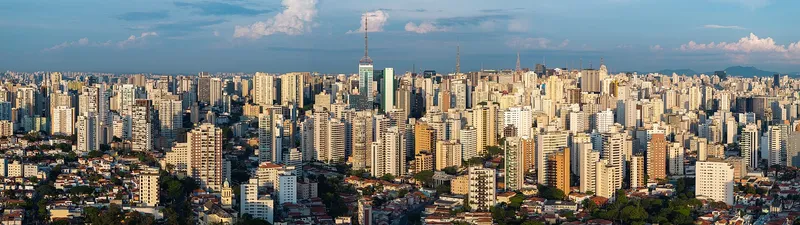
Colleagues as well as connections: that is what São Paulo offers that the smaller cities cannot. The coworking market is mature, from WeWork on Faria Lima to Impact Hub in Pinheiros, and the startup scene makes networking easy. Ookla's medians are 250 Mbps fixed and 352 Mbps mobile. A month runs $1,180, and Brazil's digital nomad visa asks for $1,500 a month in foreign income. The costs are safety and scale. Phone snatching and some violent crime demand constant awareness, traffic can eat hours, and daily life needs at least basic Portuguese.
-
8
 Match 8.7/10Nomad Score 6.7$610/moSafety 7WiFi 8Value 8
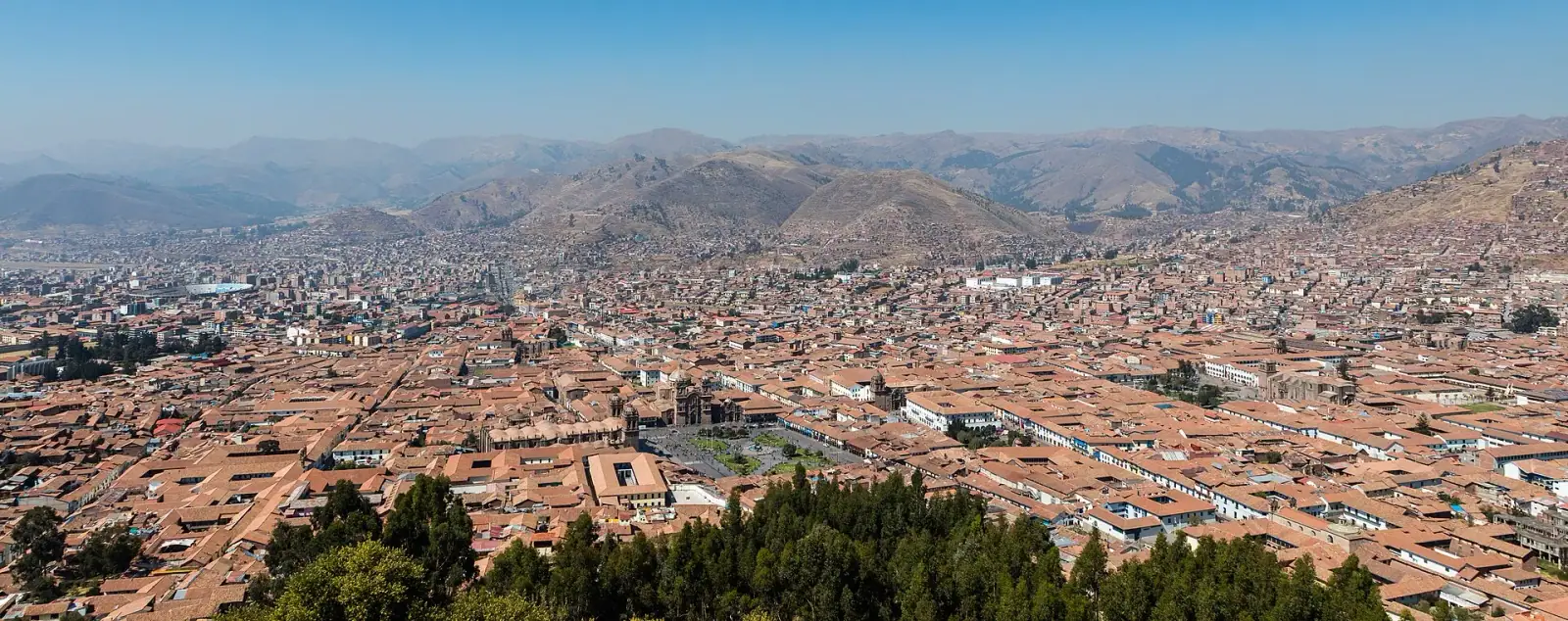
Sunshine comes almost free in Arequipa, where barely any rain falls from April to November and a comfortable month costs $610. Ookla puts the median fixed connection at 294 Mbps, and cafes like Kafi Wasi and Palacios Coffee have sockets at every seat and staff used to people staying for hours. Home internet varies by landlord, so older, cheaper buildings can be slow. At 2,335 metres the nights are cold, down to 7C in July. Peru gives most Western visitors up to 183 days, but its digital nomad visa, passed into law in 2023, still cannot be applied for.
-
9
 Match 8.7/10Nomad Score 6.5$1,100/moSafety 9WiFi 9Value 6
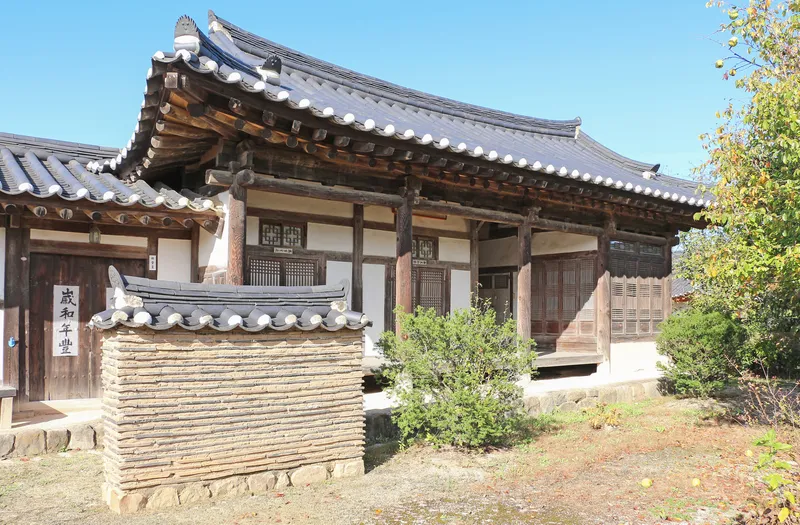
Not a single coworking space operates in Andong, and it barely matters. Large multi-storey cafes near the station and in Ok-dong offer free WiFi, plenty of sockets and a local habit of studying for hours, while the public library makes a quiet, free backup. The draw is Confucian Korea: Hahoe Folk Village, the Dosan Seowon academy and a mask dance festival each autumn. A month comes to about $1,100. Winters bite, with January lows of minus 7C, English is scarce, and Daegu, an hour away, is where the networking and visa paperwork happen.
-
10
 Match 8.6/10Nomad Score 7.2$1,200/moSafety 9WiFi 9Value 6
A bicycle is the best commuting tool in Gyeongju, where flat paths link royal tomb mounds, an ancient observatory and the old palace pond. Fast internet reaches almost everywhere, so a good flat and a rotation of cafes downtown or around Bomun Lake stand in for the coworking spaces the city lacks. Rent on the downtown side rather than by the lake, which is priced for weekend visitors. Budget about $1,200 a month, plus the odd KTX run to Busan, roughly half an hour away. The trade-off is quiet: the nomad community is tiny, English is very limited and evenings end early.
-
11
 Match 8.6/10Nomad Score 6.9$1,210/moSafety 9WiFi 9Value 7
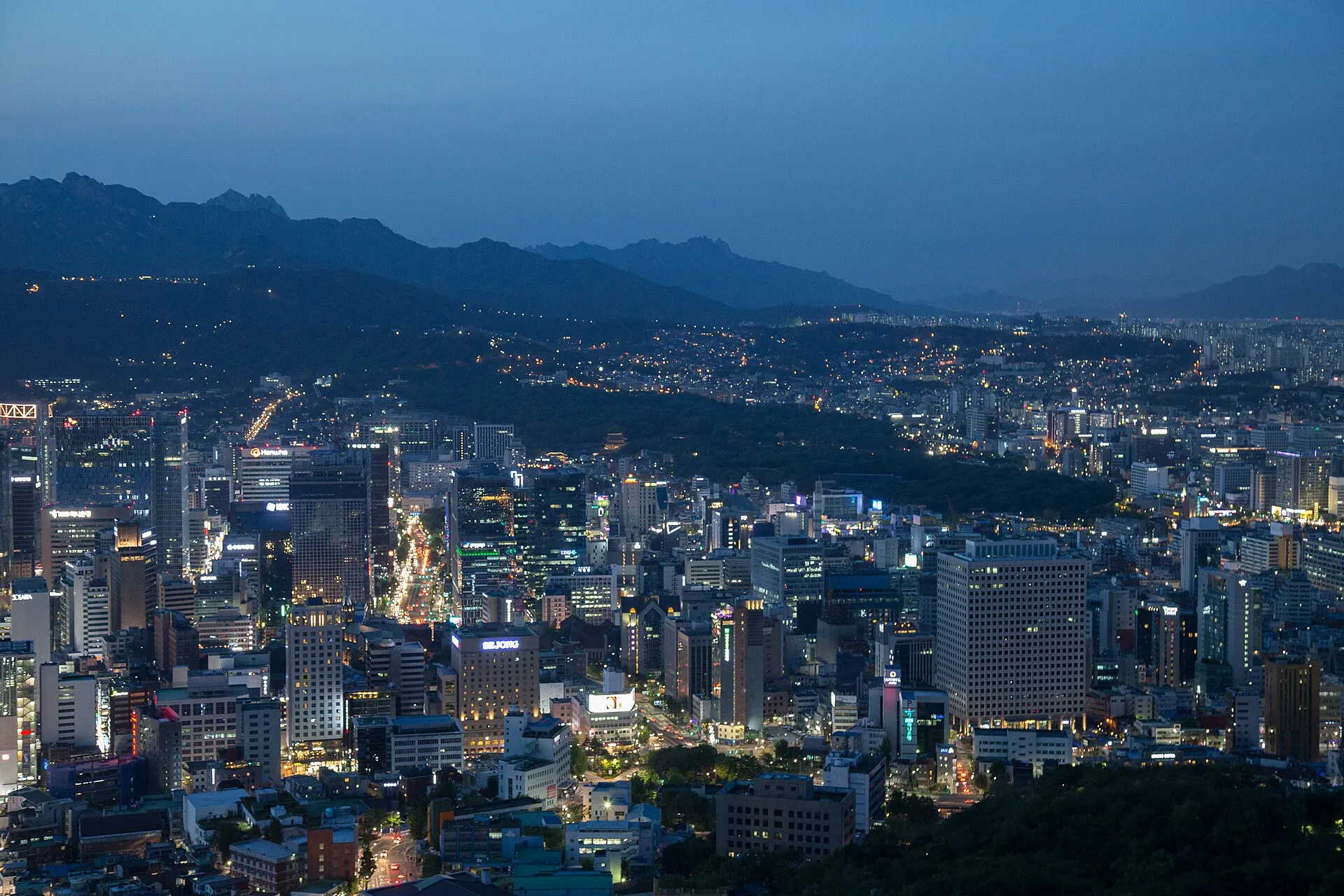
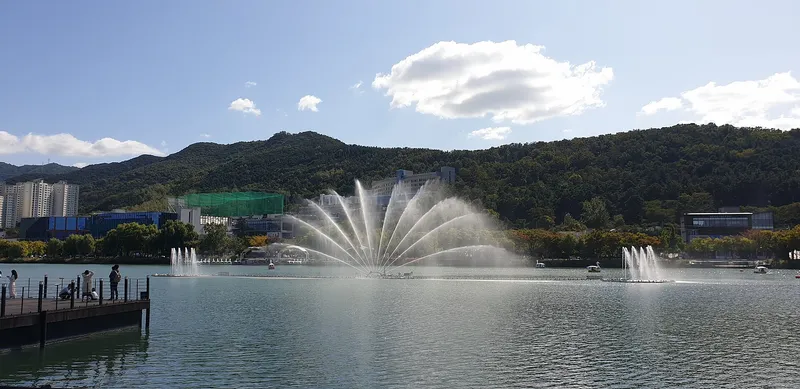
Three subway lines, a nearby airport and fast trains to Seoul make Daegu the one big city among the Korean entries. Its cafes are large, well lit and full of sockets, often with the WiFi password printed on your receipt, and the Dongseongno cafe alley is the place to start. Regus near Dongdaegu Station covers the days you need a proper desk. At $1,210 a month it costs more than the smaller Korean towns here. Summer is the catch: the city sits in a mountain basin, August highs average 31C, and locals call the place Daefrica.
-
12
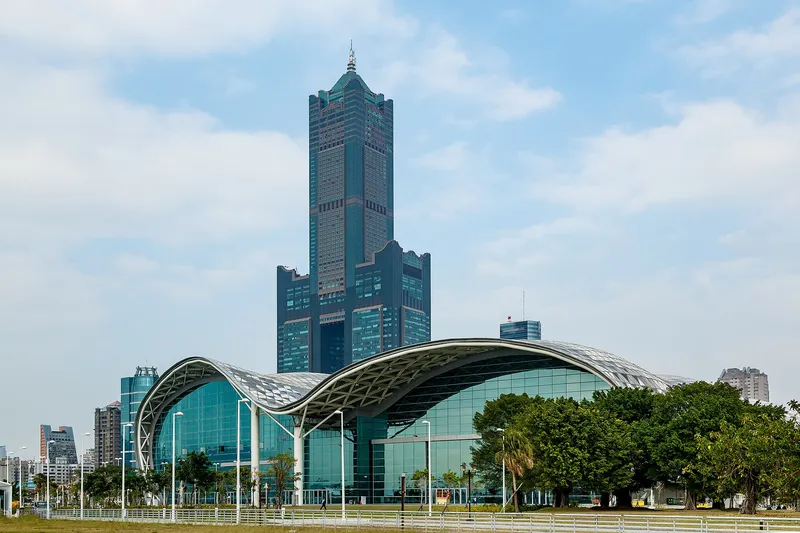 Match 8.5/10Nomad Score 8$860/moSafety 9WiFi 8Value 6
Arriving in Kaohsiung could hardly be easier: the airport sits on the metro's Red Line, 20 to 30 minutes from downtown. Life costs $860 a month, cheaper than Taipei on almost every line, and night markets such as Ruifeng and Liuhe make cooking optional. Home fibre is excellent, and Second Space, next to Central Park station, offers coworking around the clock with an international crowd. Come between mid-November and early April. Summers are hot and wet, with 488mm of rain in an average August, and typhoons can disrupt travel.
-
13
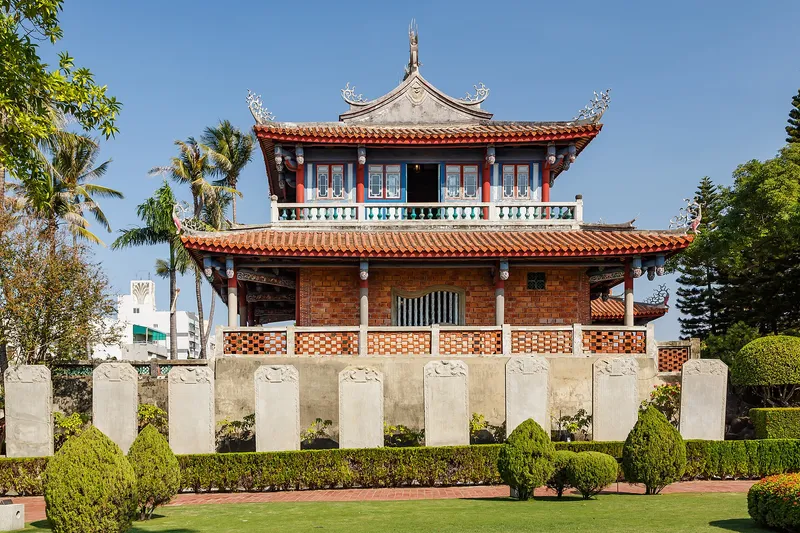 Match 8.5/10Nomad Score 7.8$830/moSafety 9WiFi 8Value 7
Food decides it for most people who choose Tainan, Taiwan's street-food capital, where a bowl of beef soup or danzai noodles costs $2 to $3.50. The working setup is solid too: home fibre is fast and cheap, and Spaceout has quiet desks and English-speaking staff. At $830 a month it undercuts Kaohsiung slightly. The weak spot is transport, since buses run infrequently and most residents ride scooters. Winters are mild and drier than in the north, while August brings 394mm of rain. Anyone in chip design has a professional reason to be near the TSMC fabs on the city's edge.
-
14
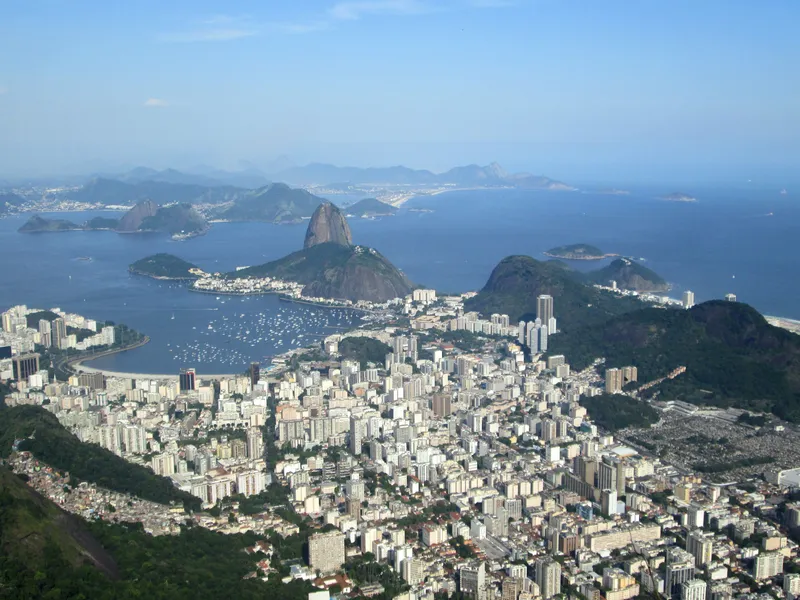 Match 8.5/10Nomad Score 7.8$1,350/moSafety 4WiFi 9Value 6
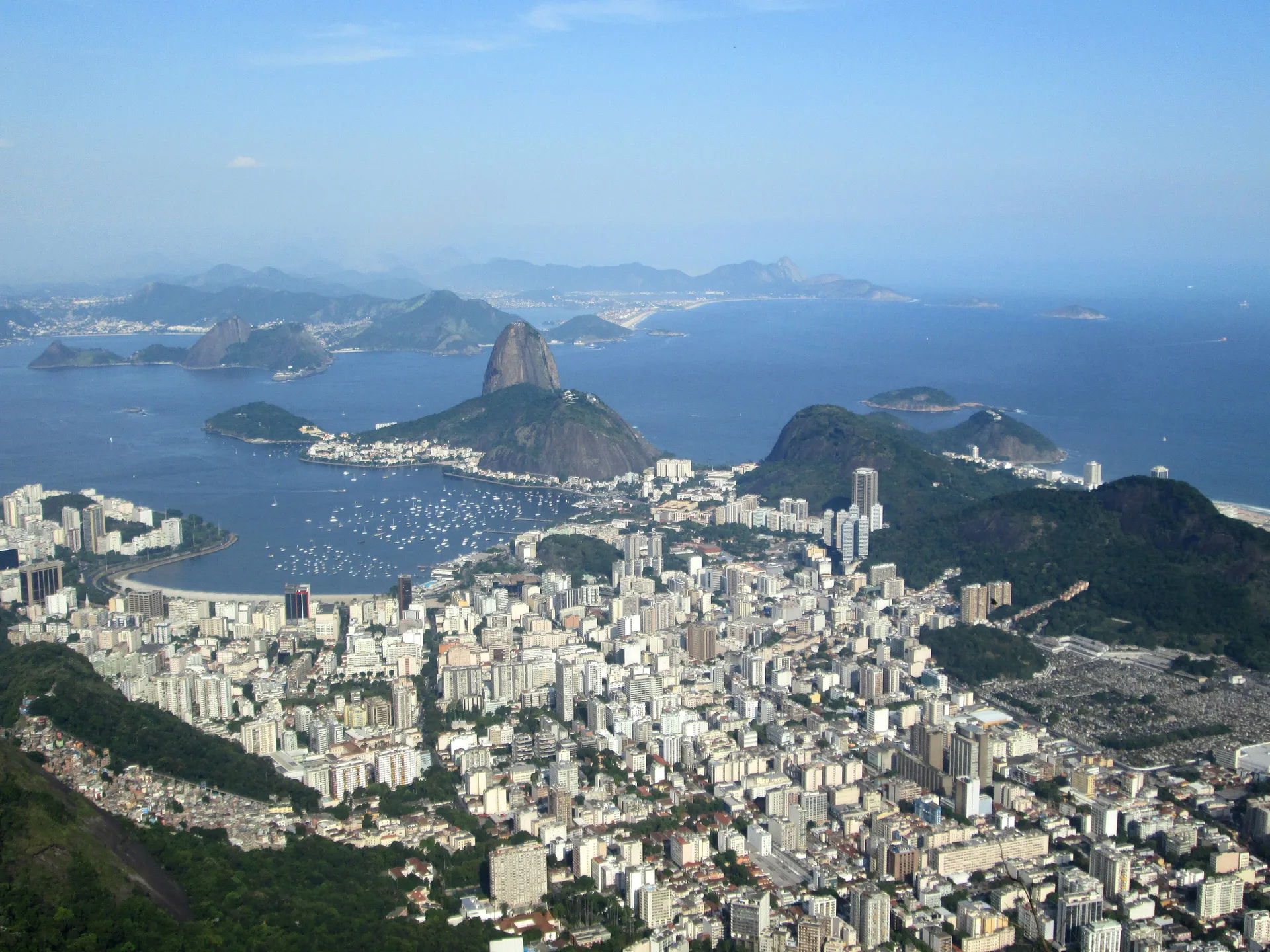
Rio's best argument for remote work is the clock: a normal afternoon falls inside the London working day, while New York starts only an hour or two behind. Ookla's medians are 258 Mbps on fixed lines and 367 Mbps on mobile, though home fibre varies by building, so test it before signing. Coworking clusters in Botafogo, Centro and Ipanema. Budget $1,350 a month, and ask whether a rent includes the condominium fee, which can add a serious amount. Leave the laptop indoors: phone snatching along the beachfront is common, and staying alert is part of daily life.
-
15
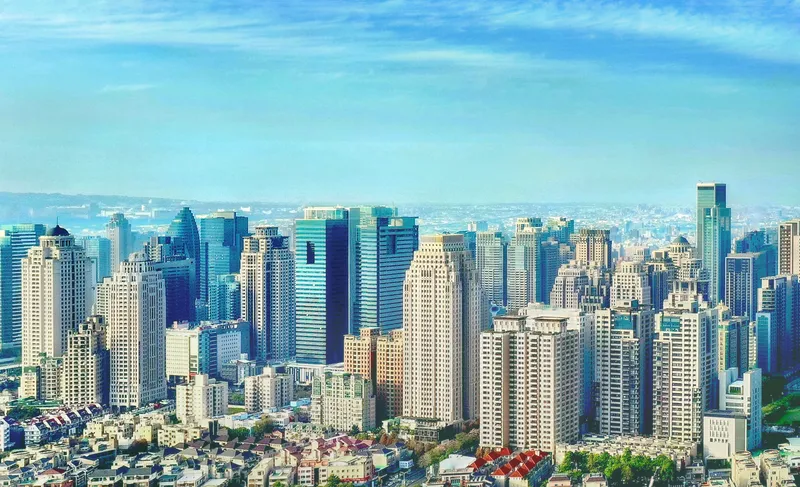 Match 8.5/10Nomad Score 7.8$1,350/moSafety 9WiFi 9Value 6
Taichung buses are free for the first ten kilometres of any trip paid with an EasyCard, one small reason it is often called Taiwan's most liveable city. The streets around the Calligraphy Greenway and Shen Ji New Village are full of independent roasters happy to host a laptop all afternoon, and coworking desks cost about $130 to $220 a month. The city sits in the central plain, sunnier than Taipei, and high-speed trains reach the capital in under an hour. At $1,350 a month the cost is fair, but the winter air is often the worst in the country.




If the lowest possible cost matters more to you than the connection, the cheapest cities for digital nomads drop the WiFi half entirely. Within this list, the choice mostly comes down to what you want around the fibre. Hanoi, Ho Chi Minh City and Bangkok give you big Asian cities with established nomad scenes. The Korean towns trade community for calm, safety and cafes you can work in all day. Taiwan's three cities add food and easy rail links, and São Paulo and Rio de Janeiro bring Latin American energy with the safety caveats that come with it.
Frequently asked questions
Which cheap city has the fastest internet?
Among the cities here where Ookla publishes a city median, Valparaíso has the fastest fixed broadband at 417 Mbps, followed by Bangkok at 322 Mbps. On mobile data, Hanoi leads at 493 Mbps. These are August 2026 medians from Ookla's Speedtest Global Index.
How was this list ranked?
Each city gets a 50/50 blend of our WiFi rating and how cheap its monthly cost is relative to the rest of our index. Only cities with an overall Nomad Score of 6.0 or more qualify. The WiFi rating comes from Ookla's measured medians, taken from the city where Ookla publishes one and capped from the national figure where it does not.
Is cafe WiFi as fast as these numbers?
Often not. The medians describe home and mobile connections, while cafe WiFi is shared: in Hanoi it slows at busy lunch hours, and in Valparaíso it is unreliable enough that a coworking desk is the safer choice. Korean and Taiwanese cafes are the exception, built for long laptop sessions with sockets at most seats.
Do these cities have coworking spaces?
The big ones do. Bangkok, Ho Chi Minh City, Hanoi and São Paulo have mature coworking markets, and Daegu, Kaohsiung, Tainan and Taichung each have a few options. Andong has none and Gyeongju very little, so in those towns you work from home, cafes or the public library.
Which of these countries offer a digital nomad visa?
South Korea, Brazil, Taiwan and Romania all have one. Korea's asks younger applicants who live outside the capital region for about $36,400 a year. Brazil's asks for $1,500 a month in foreign income. Vietnam and Chile have no such visa, and Peru's has been passed into law but cannot yet be applied for, while Thailand's Destination Thailand Visa covers remote workers on a five-year, multiple-entry basis.