Culture works differently when you live somewhere for three months instead of visiting for three days. A tourist sees the Prado once and moves on. A resident drops in on a quiet weekday evening for a single room, learns which neighbourhood festival closes their street in September, and starts to recognise the musicians on the corner. The cities here reward that slower, repeated kind of attention, because their culture runs through ordinary weeks rather than sitting on a list of sights.
They come in roughly two kinds. Some are institutional heavyweights, where the density of museums, theatres and concert halls is the draw: London, Paris, New York, Vienna and Madrid. Others carry culture as daily practice: tea ceremony and Noh theatre in Kyoto, the social aid and pleasure clubs of New Orleans, neighbourhood matsuri across Tokyo. Athens and Rome are simply built on top of their past, so the walk to the supermarket passes ruins. Six of these cities also appear in our ranking of the best cities for food, which is no coincidence.
What culture rarely comes with is low rent. The fifteen run from $1,140 a month in Kyoto to $5,720 in New York, and the famous centres are crowded with exactly the visitors you are trying not to be. Each entry below says where the culture actually lives and what you give up to be near it.
Cities are ranked by the culture category of our 13-category city score, which is an editorial judgement rather than a count of museums. All fifteen share the top culture rating, so ties are broken by the overall Nomad Score: the order reflects how livable each city is as a base, which is why Barcelona and Tokyo sit above Rome and Athens. Explore the numbers yourself on the comparison tool or browse all 999 city guides.
At a glance
 Kyoto
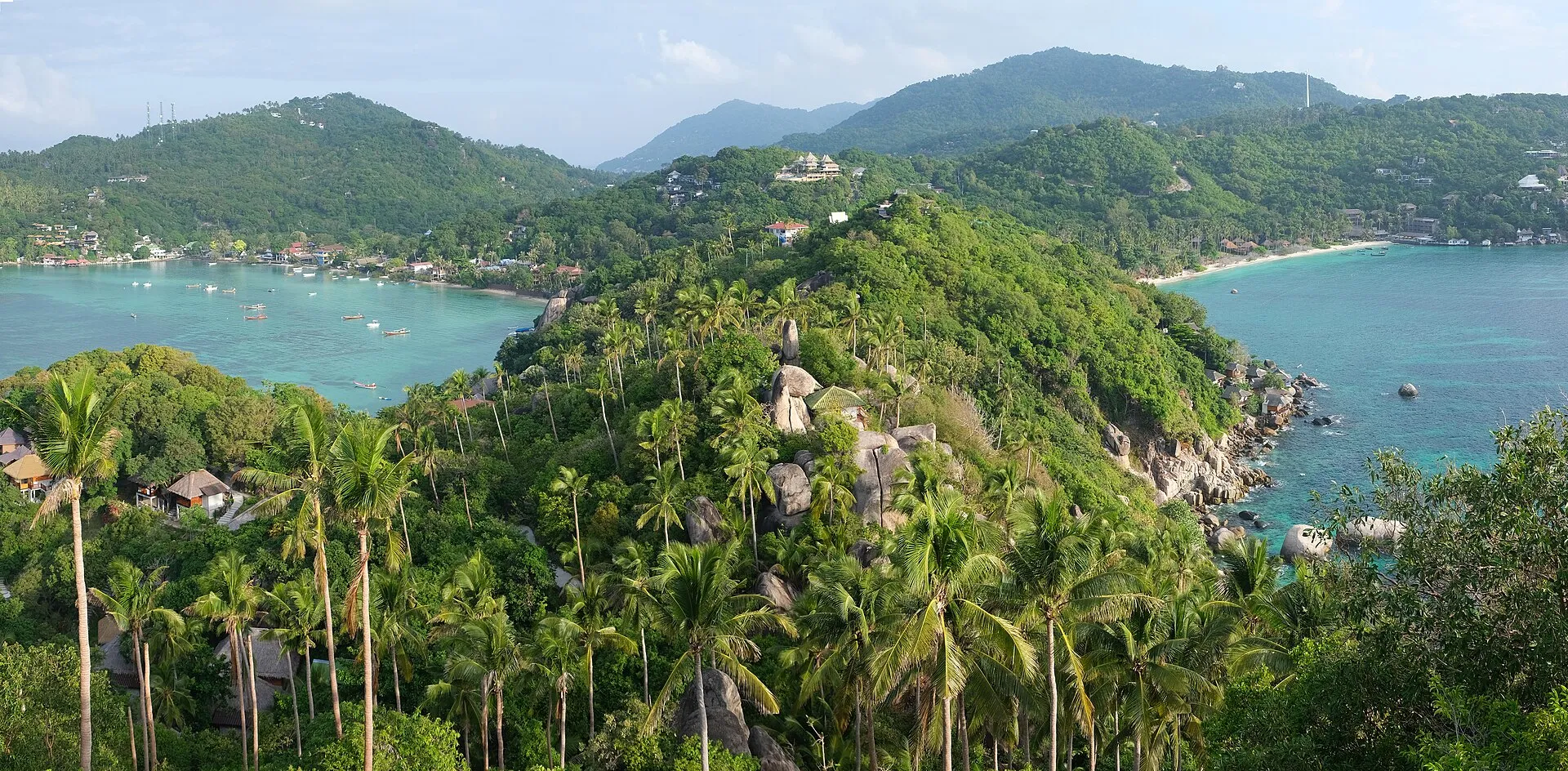
KyotoTea ceremony, Noh theatre and geiko culture are still practised here rather than staged. At $1,140 a month it is also the cheapest city on the list.
History on a budget Athens
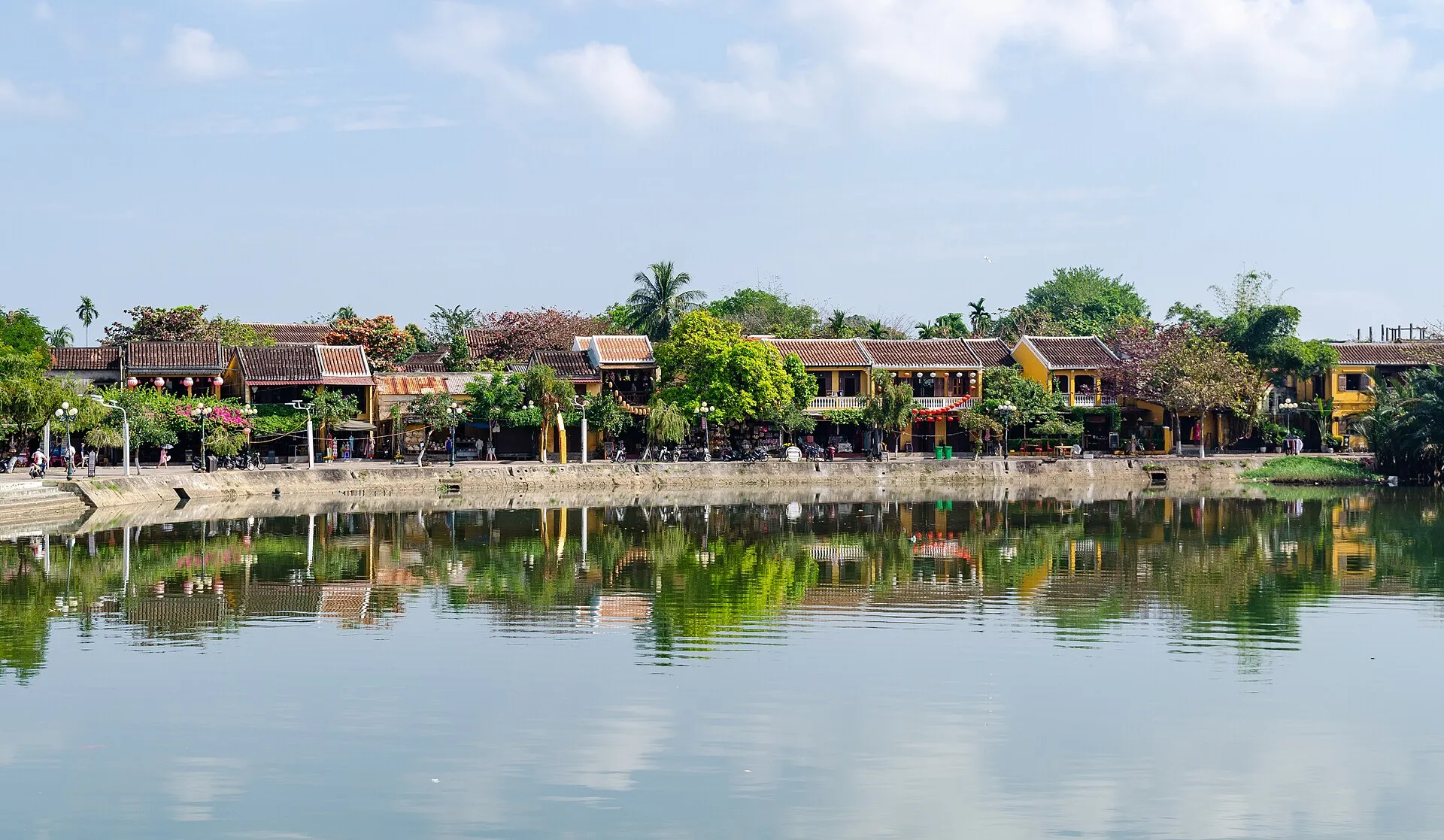
The Acropolis, the Ancient Agora and the National Archaeological Museum are all walkable from the centre, for $1,520 a month.
Best free museums London
The British Museum, Tate Modern, the National Gallery and the V&A charge nothing to enter. That softens, a little, a $4,380 monthly bill.
What to weigh before you book
Culture is the least measurable thing we rate, and the rating behind this list is our own judgement rather than a tally. It cannot tell you which kind of culture you will actually use. If you visit a museum twice a month, London's free collections are worth more to you than Kyoto's temples; if you would rather join something than look at it, a Sunday second line in New Orleans or a Tokyo neighbourhood festival will mean more than the Louvre. Weigh what culture costs in crowds, too: Barcelona, Kyoto, Prague and Rome all have centres where residents are outnumbered, and a flat a few stops out is often the better base. Language decides depth as well. Madrid, Mexico City and Paris open up far more to someone with basic Spanish or French, and Kyoto's traditions reward even a little Japanese.
The ranking
-
1
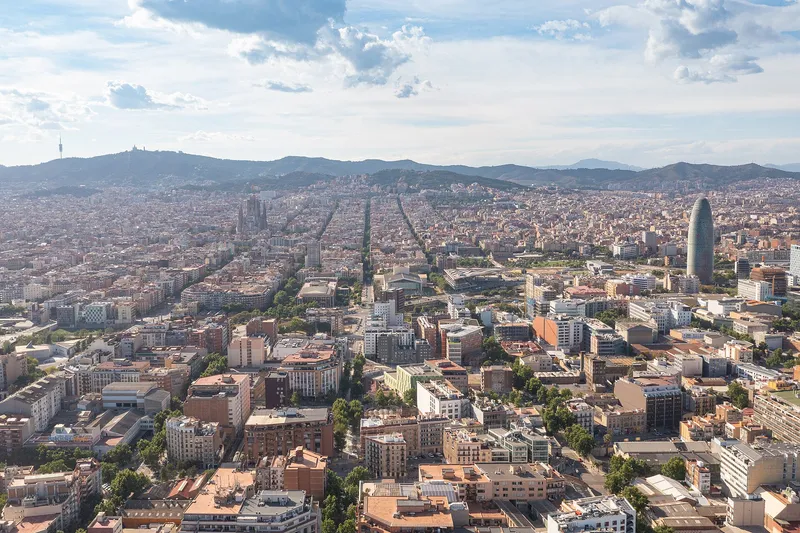 Culture 10/10Nomad Score 9.3$2,440/moSafety 6WiFi 8Value 3
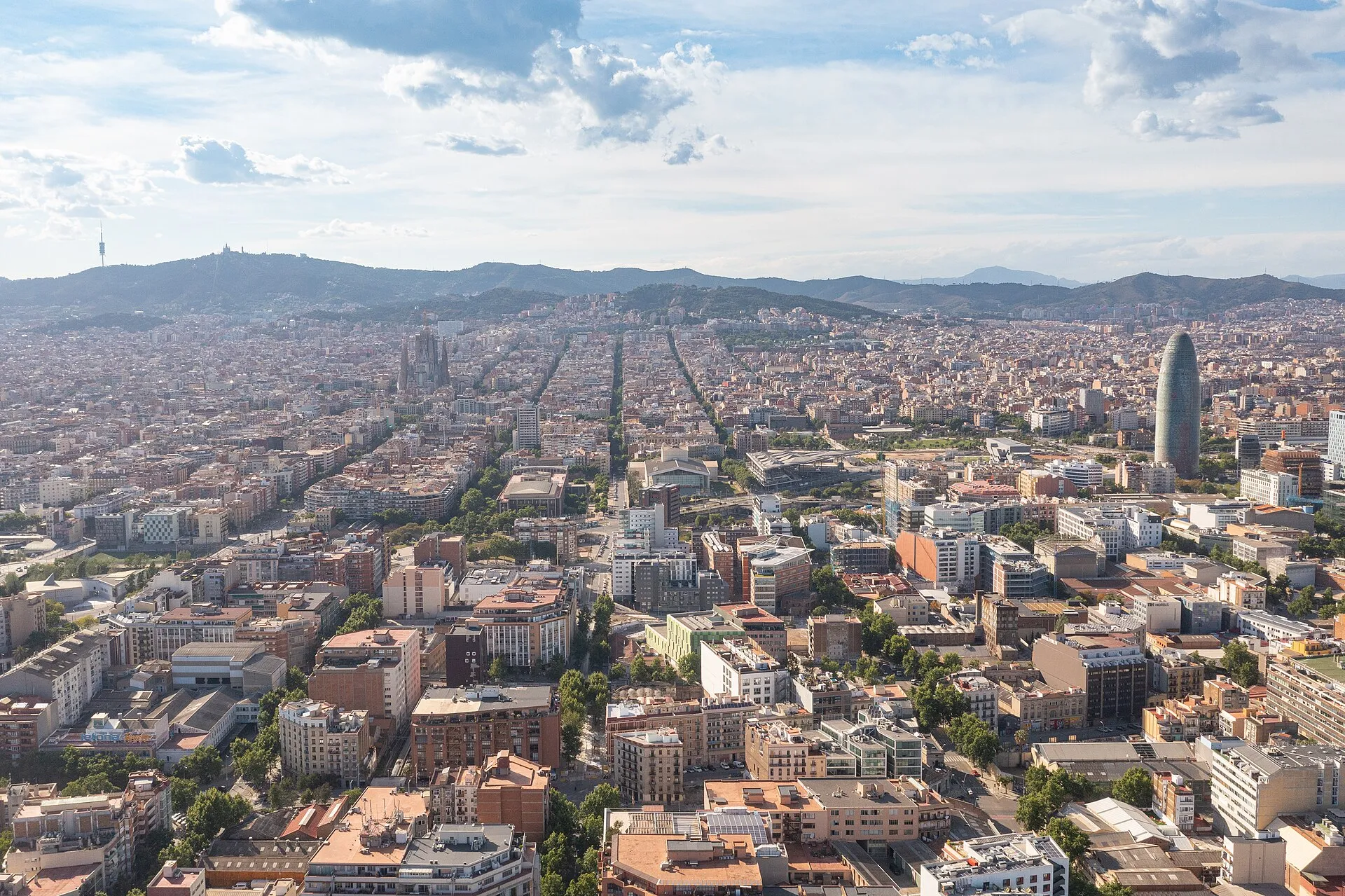
Barcelona runs on two identities at once, Catalan and Spanish, and the Catalan one sets the calendar: Sant Jordi in April and La Mercè in September are the city's own festivals. Gaudí gets the headlines, but the Picasso and Miró museums become easy weekday visits once you live here, and El Born's medieval lanes around Santa Maria del Mar are where evenings drift. The catch is that everyone else knows this too. Rents have climbed sharply, the tourist zones are crowded, and locals are pushing back on mass tourism. At $2,440 a month, choose a flat for living, not sightseeing.
-
2
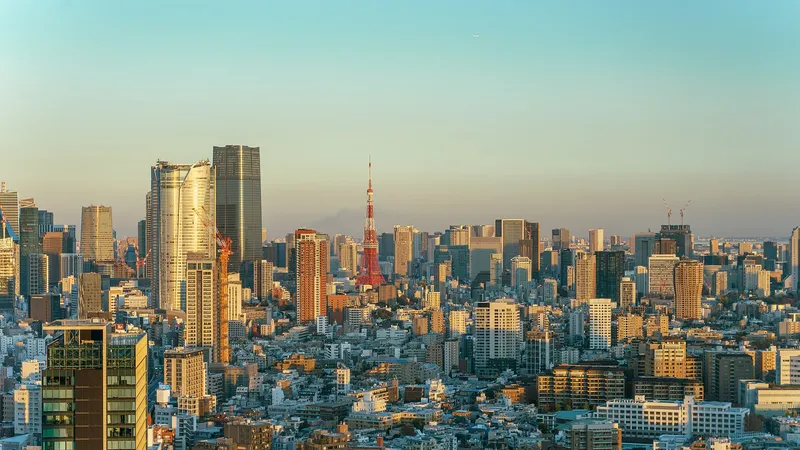 Culture 10/10Nomad Score 8.7$1,920/moSafety 10WiFi 7Value 3
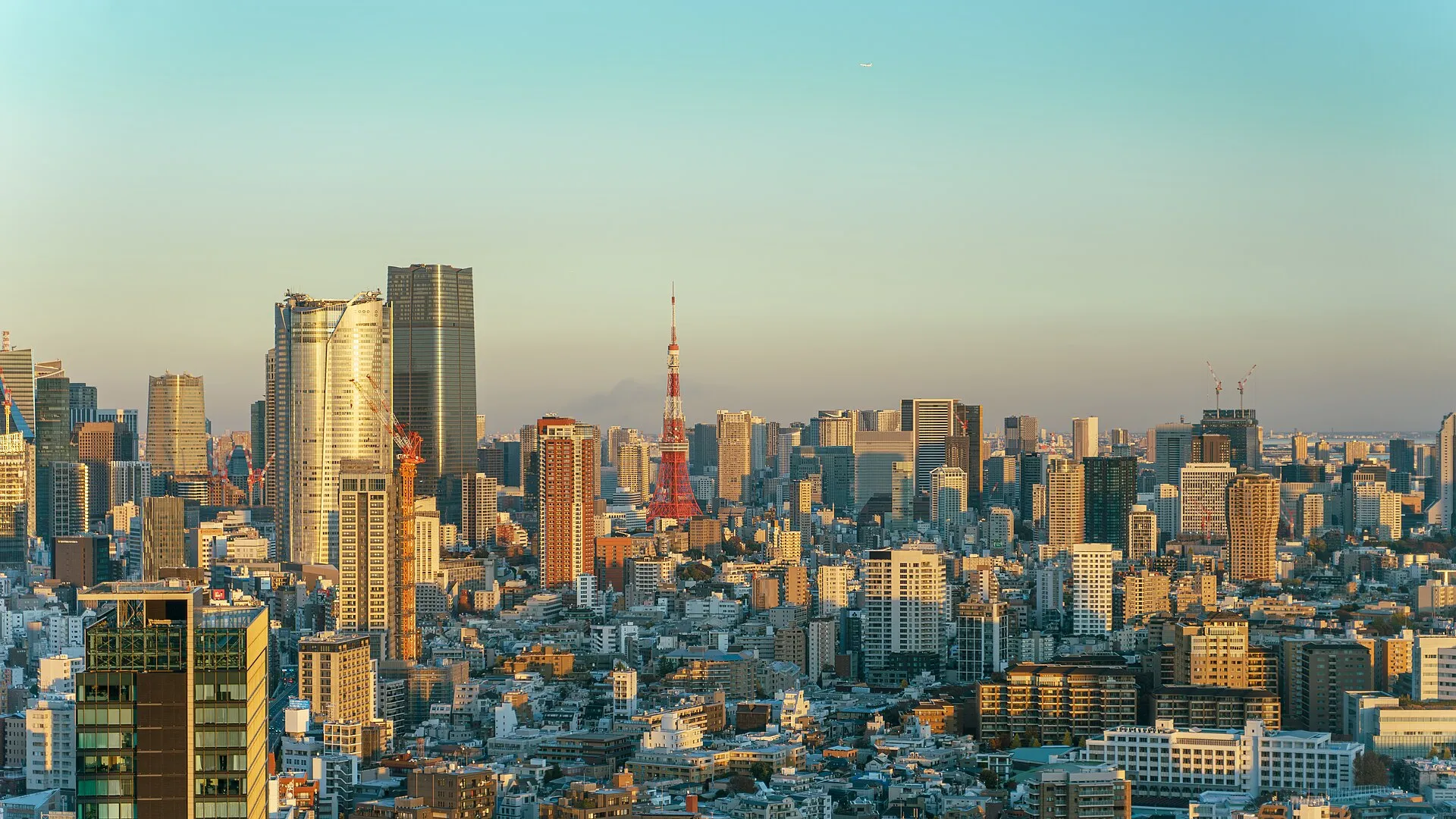
Tokyo's culture lives as much in etiquette as in landmarks. Shinto shrines and Buddhist temples stand between towers, but the deeper texture is daily: quiet trains, orderly queues, shoes off indoors, and the selfless hospitality called omotenashi. Neighbourhood matsuri run all year, and Shimokitazawa's live music venues and vintage shops give you an indie scene a short ride from Shibuya. For about $1,920 a month you get a city that runs on time and rewards curiosity. The friction is language: outside tourist areas a translation app becomes essential, and apartments are small by Western standards.
-
3
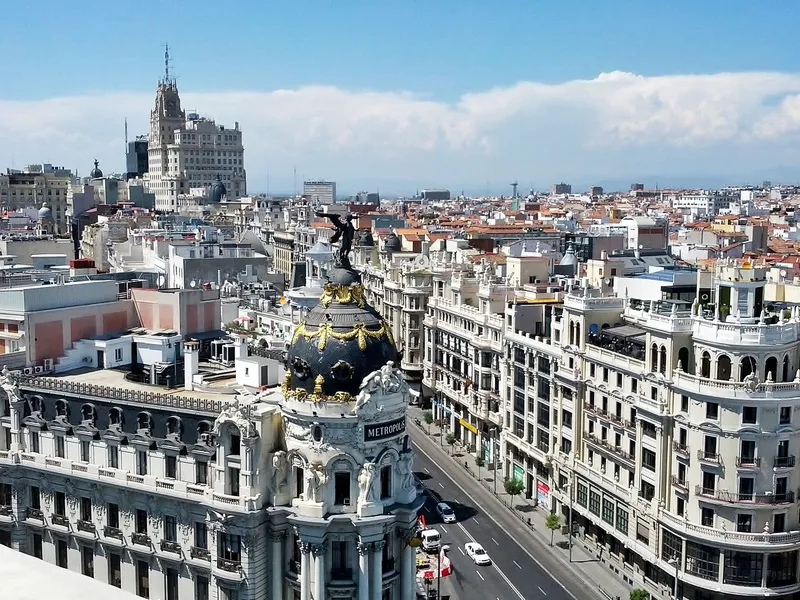 Culture 10/10Nomad Score 8.5$2,330/moSafety 7WiFi 8Value 4
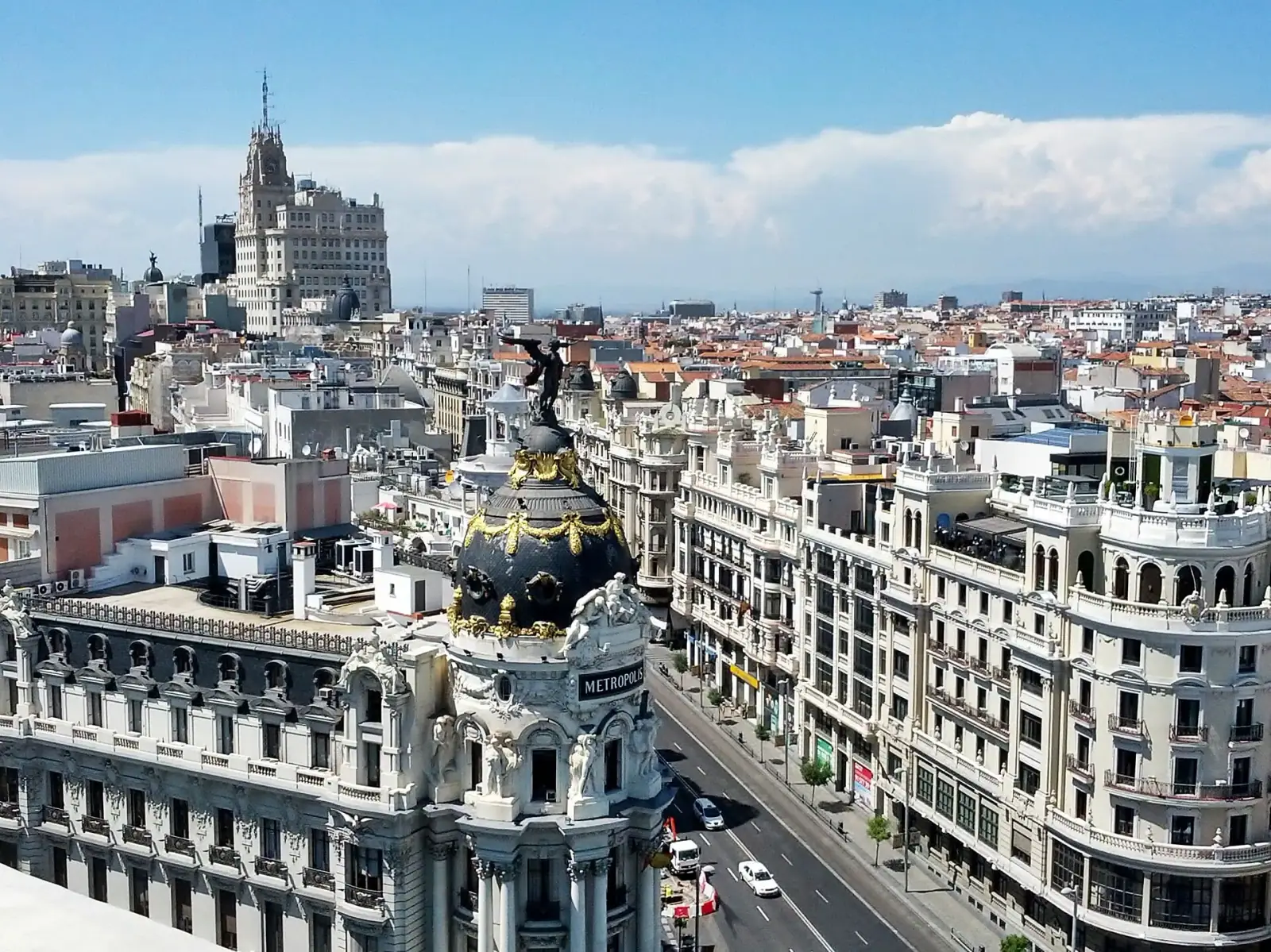
For sheer museum density, Madrid is hard to beat. The Prado, the Reina Sofía and the Thyssen-Bornemisza sit within walking distance of each other, so giving a lunch break to a single gallery room becomes routine. Beyond the galleries the culture is social: long lunches, late dinners, Sunday cañas around El Rastro in La Latina, flamenco and football. That late rhythm is also the trade-off, since dinner at nine or later collides with early client calls. Summers regularly pass 35C. Budget $2,330 a month and aim for spring or autumn.
-
4
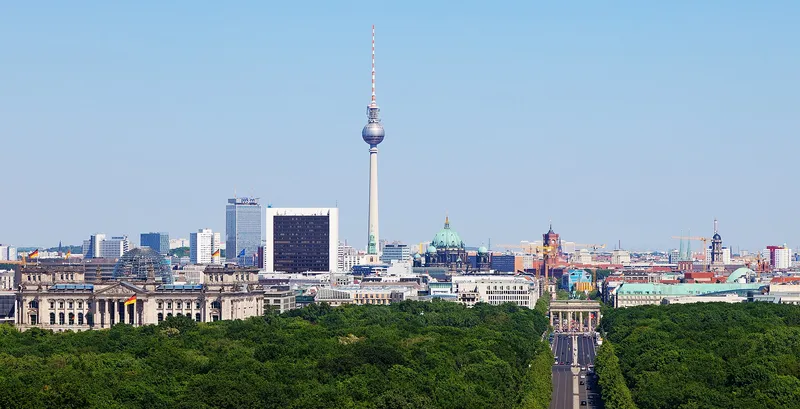 Culture 10/10Nomad Score 8.3$2,520/moSafety 7WiFi 6Value 3
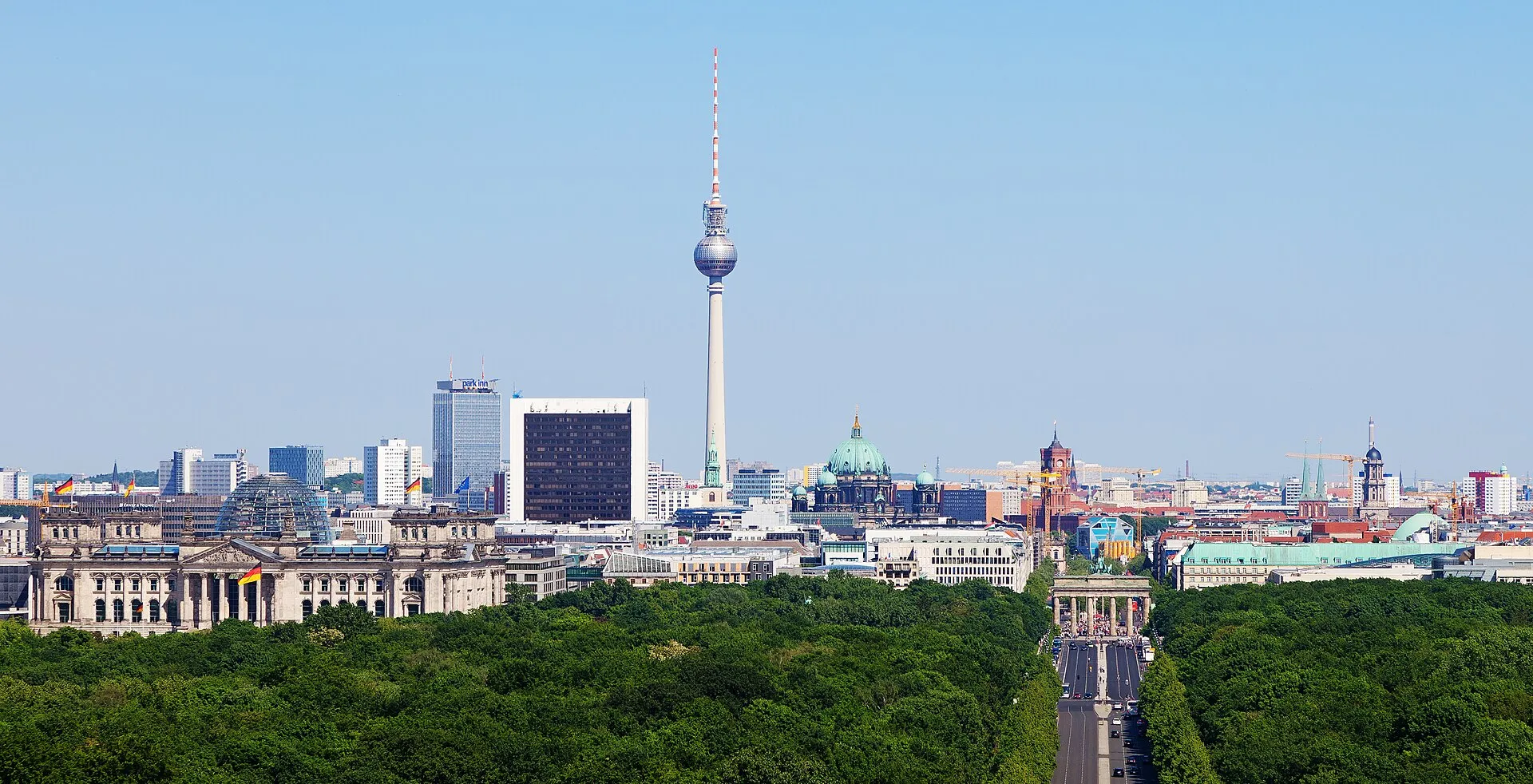
A divided twentieth century shaped Berlin's culture, and the evidence is everywhere. Museum Island is a UNESCO World Heritage Site, the East Side Gallery turns the longest surviving stretch of the Wall into an open-air canvas, and hundreds of galleries, independent cinemas and theatres fill the gaps. The Berlinale draws the film world every year. Kreuzberg and Friedrichshain carry the counterculture and the street art. Living here costs about $2,520 a month, and the entry fee is paid in bureaucracy, a brutal hunt for a flat and long grey winters that test even devoted fans.
-
5
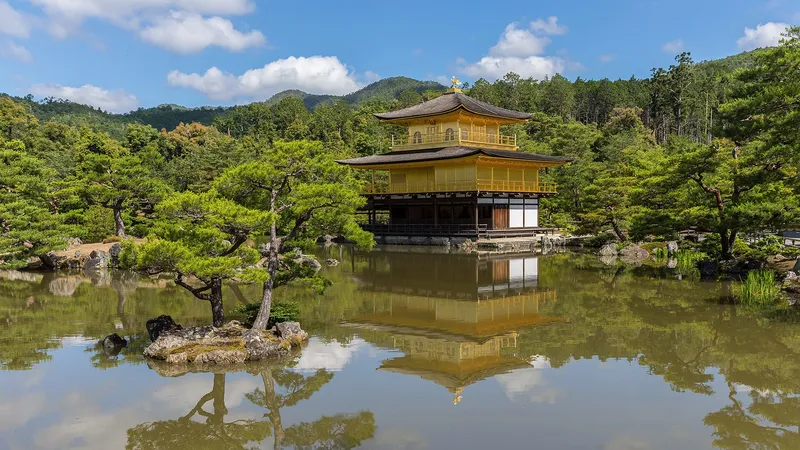 Culture 10/10Nomad Score 8.3$1,140/moSafety 10WiFi 7Value 6
Kyoto holds more than 1,600 temples and shrines, yet the reason to live here is that its traditions are still practised. Tea ceremony, Noh theatre, ikebana and nishijin weaving continue, geiko culture survives among the wooden machiya of Gion, and a restaurant inside the Daitokuji temple complex still serves Buddhist vegetarian cooking. Seventeen UNESCO World Heritage Sites sit within the city. At $1,140 a month it is the cheapest base in this ranking. The honest costs: blossom and foliage seasons clog the streets, laptop-friendly cafés are scarce, and summer heat in the basin is oppressive.
-
6
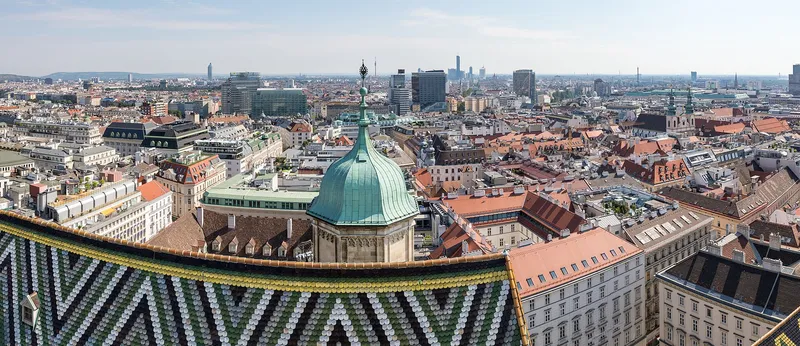 Culture 10/10Nomad Score 8.2$2,500/moSafety 9WiFi 7Value 4
Vienna lets you live inside institutions that other cities only visit. Mozart, Beethoven, Freud and Klimt all worked here, more than 100 museums include the Kunsthistorisches, the Albertina and the Belvedere, and classical concerts run all year. The coffee house is UNESCO-recognised culture in its own right: nobody rushes you out of a marble-table Kaffeehaus over a single Melange, though many are deliberately unplugged, so take calls elsewhere. Neubau and the MuseumsQuartier are the creative end of town. Expect about $2,500 a month, reserved locals who warm slowly, and long, grey winters.
-
7
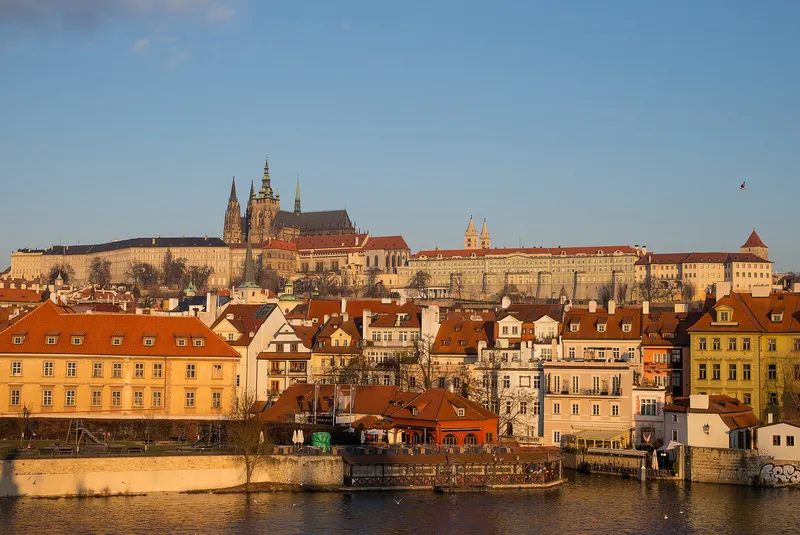 Culture 10/10Nomad Score 7.8$1,970/moSafety 8WiFi 6Value 5
Prague pairs Baroque spires with a literary streak that runs from Kafka to the experimental theatres working today. Dvořák is the other local name, and the Prague Spring music festival draws audiences from around the world. For a resident, the livelier culture sits outside the old town: the DOX contemporary art centre and galleries in former industrial buildings, plus beer halls and container-market stages where Czech dry wit is on show. Around $1,970 a month buys a capital cheaper than its western rivals. The centre, though, is packed and priced for tourists, and good flats go fast.
-
8
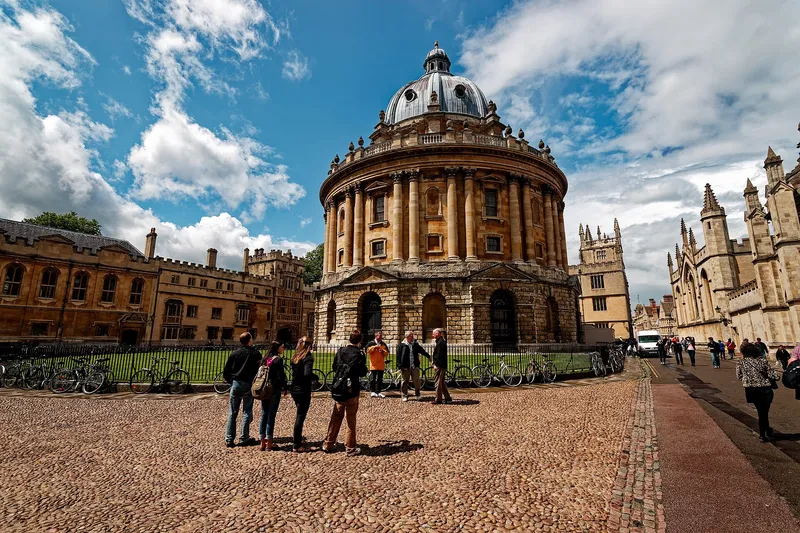 Culture 10/10Nomad Score 7.8$3,420/moSafety 8WiFi 7Value 3
Oxford is the smallest city here and the most concentrated. More than nine centuries of university life left the Bodleian Library, the Ashmolean Museum and college chapels open to the public, alongside strong theatre, classical music and festivals of literature and film, much of it free. You can cross the historic centre on foot in about fifteen minutes, then work from the café inside the University Church with a view of the Radcliffe Camera. The bill is steep: $3,420 a month, one of the tightest rental markets in the UK, and a six-month limit on visitor stays.
-
9
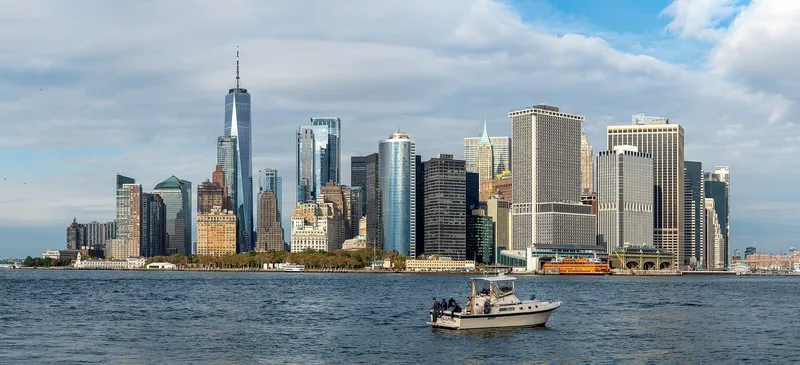 Culture 10/10Nomad Score 7.8$5,720/moSafety 6WiFi 9Value 1
New York offers culture at a scale nothing else on this list matches. The Met, MoMA and the Guggenheim are the obvious anchors, but the real advantage is volume: Broadway and off-Broadway, gallery openings in Chelsea and Bushwick, live music in every genre on any night of the week. Many museums run pay-what-you-wish periods, and the public library's 90-plus branches double as free, quiet workspaces. None of that offsets the rent. At $5,720 a month this is the priciest base in the ranking, best suited to a purposeful stay of four to eight weeks.
-
10
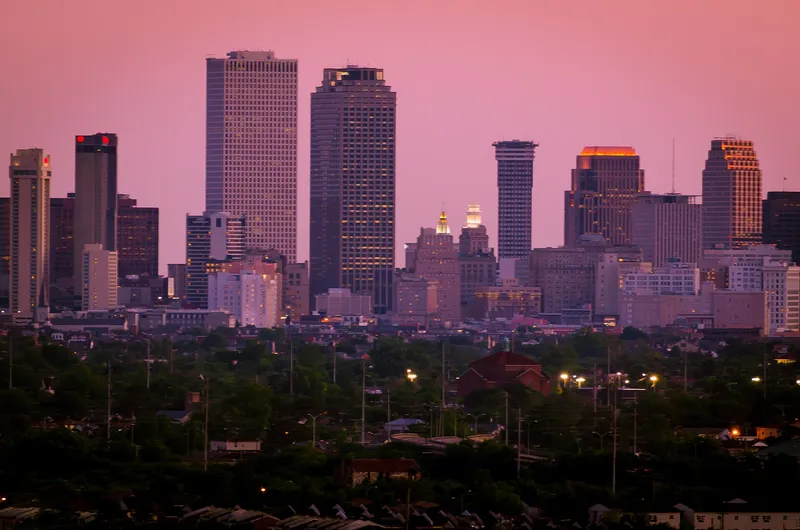 Culture 10/10Nomad Score 7.8$2,600/moSafety 4WiFi 7Value 4
In New Orleans the culture happens on the street rather than behind glass. Second line parades roll through the neighbourhoods most Sundays from late summer, organised by the social aid and pleasure clubs, and jazz funerals and Mardi Gras are community practice, not performances. Frenchmen Street has live music every night, while the French Quarter and Garden District hold some of the best-preserved architecture in the country. Museums are modest by comparison. About $2,600 a month stretches further than in most big US cities, but summer heat, hurricane season and fragile power need planning.
-
11
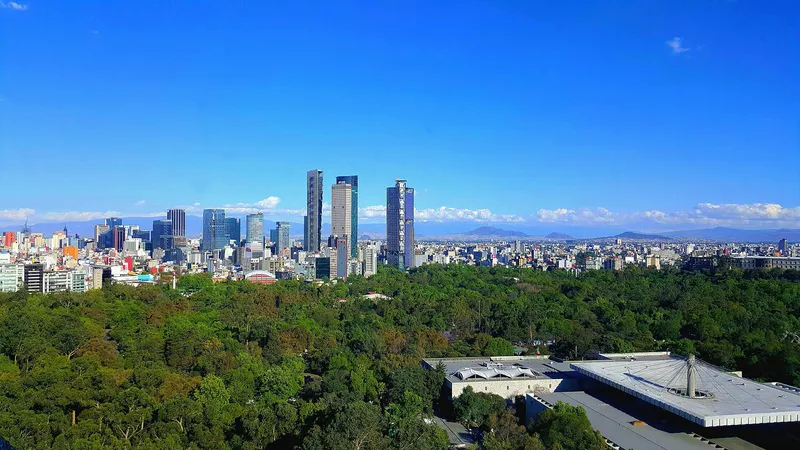 Culture 10/10Nomad Score 7.6$1,680/moSafety 4WiFi 5Value 6
Mexico City gives you a world capital's cultural range for $1,680 a month. Its historic centre, a UNESCO World Heritage Site, was built on top of Aztec Tenochtitlan, and from there you can move between Chapultepec's museums, Frida Kahlo's Coyoacán, Art Deco Condesa and the muralist buildings. Lucha libre and Day of the Dead sit beside a serious contemporary art scene. The trade-offs are physical: the city lies at about 2,240 metres, air quality spikes in the dry months, and traffic eats time. Gentrification tension in Roma and Condesa is real, so rent long and spend locally.
-
12
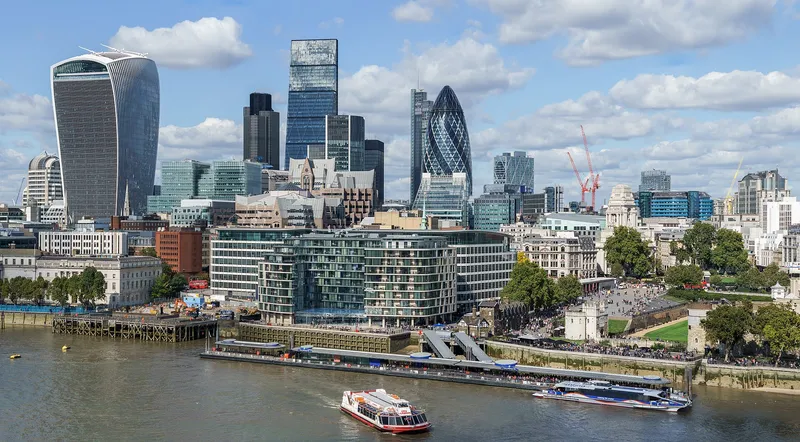 Culture 10/10Nomad Score 7.6$4,380/moSafety 6WiFi 6Value 1
London's strongest argument is that its great museums cost nothing. The British Museum, Tate Modern, the National Gallery, the V&A and the Natural History Museum are all free, so a spare hour between calls can become a gallery visit. Theatre, live music and art run at every price point, and the mix of communities means no single culture dominates: Brixton's Caribbean heritage, Camden's counterculture, Soho's theatres and LGBTQ+ history. Against all that sit $4,380 a month, winter afternoons dark by four, and café wifi too unreliable to build a working day around.
-
13
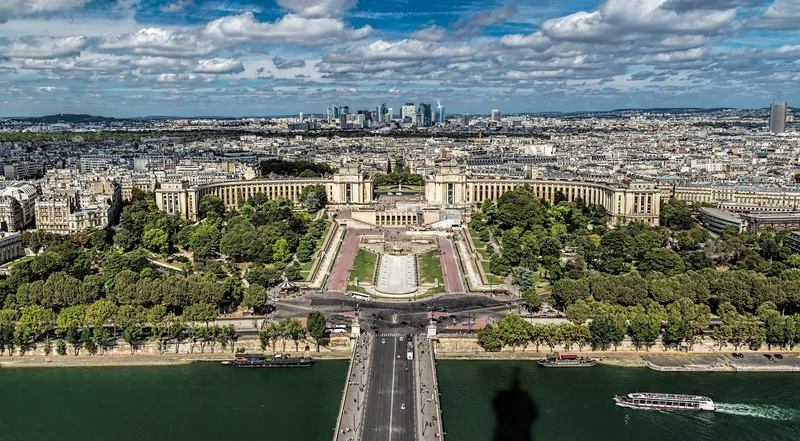 Culture 10/10Nomad Score 7.4$2,560/moSafety 6WiFi 8Value 2
Paris suits people who will return to the same places again and again. The Louvre, the Musée d'Orsay and the Centre Pompidou are joined by dozens of smaller museums, Saint-Germain's cafés still trade on the memory of Sartre and Hemingway, and the Marais adds medieval streets and Jewish heritage. Life runs at a deliberate pace around food and conversation, and Sundays close much of the city. Plan on $2,560 a month, pay for a proper workspace since most cafés are not laptop places, and expect heat waves and poor air on busy summer days.
-
14
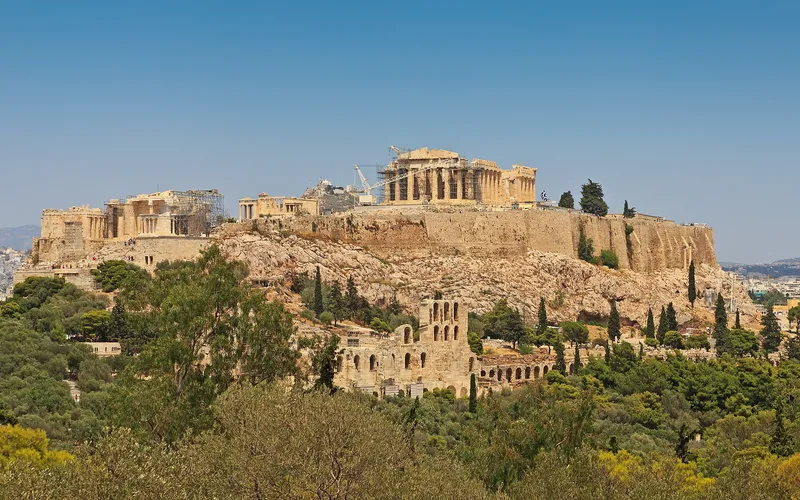 Culture 10/10Nomad Score 7.4$1,520/moSafety 6WiFi 6Value 5
History sits underfoot in Athens to a degree few capitals can match. The Acropolis, the Ancient Agora, the National Archaeological Museum and Byzantine churches are all walkable from the centre, so antiquity becomes the backdrop to errands. The modern layer holds up too: excellent bookshops, a strong cinema culture, a thriving contemporary art scene and the counterculture of Exarchia. At $1,520 a month it is the cheapest capital in this ranking. Expect grit, though: parts of the centre feel chaotic, summer brings punishing heat and pollution, and rental wifi often needs a coworking backup.
-
15
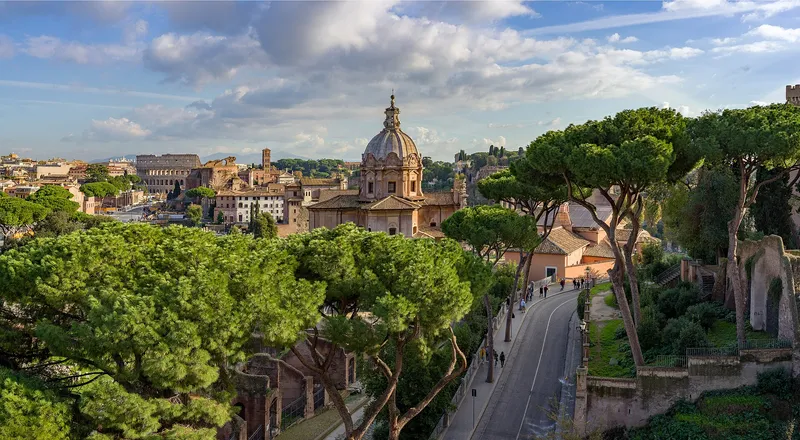 Culture 10/10Nomad Score 7.2$2,010/moSafety 6WiFi 7Value 4
Over 2,700 years of history are layered into Rome's ordinary streets, so a Baroque fountain or a Renaissance church is often just the route to the market. Cultural life goes well beyond ruins: opera at the Teatro dell'Opera, open-air cinema in summer and local festivals through the year. Testaccio, with its historic market and working-class heritage, is where the city feels most Roman. About $2,010 a month covers a comfortable life. The friction is practical: bureaucracy is slow, cafés expect a quick espresso at the bar rather than a laptop, and August heat stalls the working week.







For the most culture per dollar, start with Kyoto, Athens and Mexico City: each puts world-class heritage within walking distance for $1,680 a month or less. If budget matters less than density, London, Paris and New York put more within a short ride than anywhere else here. Whichever you pick, live a little outside the famous centre, learn the local festival calendar early, and stay long enough for a full season, because the best of these places shows itself on the twentieth walk, not the first.
Frequently asked questions
Which city is best for culture as a digital nomad?
Barcelona tops our list: Gaudí's architecture, the Picasso and Miró museums and its own Catalan festivals come with a large nomad community and fast internet. Tokyo and Madrid follow. All fifteen cities share our top culture rating, so the order reflects overall livability, and Kyoto or London may suit you better depending on the kind of culture you want.
What is the cheapest city for culture lovers?
Kyoto, at $1,140 a month, followed by Athens at $1,520 and Mexico City at $1,680. Kyoto offers living traditions such as tea ceremony and Noh theatre, Athens the Acropolis and the National Archaeological Museum, and Mexico City a UNESCO-listed centre built over Aztec Tenochtitlan.
Which of these cities have free museums?
London stands out: the British Museum, Tate Modern, the National Gallery, the V&A and the Natural History Museum are all free. Many New York museums run pay-what-you-wish periods. In Oxford, the Ashmolean, the Bodleian and the college chapels are open to the public, and much of the cultural calendar costs little or nothing.
Which culture city suits a quieter, slower stay?
Kyoto and Oxford. Kyoto moves at a considered pace, with quiet in public as a social norm, and Oxford's historic centre can be crossed on foot in about fifteen minutes. Vienna is the capital-sized version: calm, orderly and built around lingering for hours in a coffee house.
How was this culture ranking made?
Each city is ranked by the culture category of our 13-category city score, which is our editorial judgement rather than a measurement. All fifteen share the top rating, so ties are broken by the overall Nomad Score, which weighs cost, wifi, safety, community and the other categories.