Peru gives a remote worker a lot for very little: Inca stonework you walk past on the way to a coworking desk, a food culture that rivals any in South America, and monthly budgets that start near $600. What it does not give you is a reliable connection everywhere. Outside Lima, Arequipa and Cusco, a mobile data plan is usually the real internet, and many of the most beautiful bases sit high enough in the Andes that the first week is spent getting used to the air.
The paperwork is simple and also limited. Most Western passports enter Peru without a visa, but tourist time is capped at 183 days in any year, the officer at the border decides how much of that you get, and a stay cannot be lengthened once you are in the country, so request the full stay you want at passport control. A Nomada Digital migratory status does exist on paper. Legislative Decree 1582 set it up in November 2023, for people on the payroll of a foreign employer, with stays of up to a year. Migraciones has never published a procedure for it, though, so nobody can apply, and every remote worker in Peru is still there as a tourist.
The list falls into two parts. Three cities have the infrastructure for a full working week: Cusco, Arequipa and Lima. Behind them comes a long tail of small towns, from the surf beaches of the north coast to the Cordillera Blanca and the Amazon, that suit light or asynchronous work and reward people who travel slowly.
These are all 13 Peruvian cities in our index, ordered by their overall Nomad Score, which combines 13 categories such as cost, climate, internet, safety, food, English and visa access. Several of the smaller towns share a score, and where they do, the order in which they appear means nothing. Monthly costs for Lima and Arequipa come from Numbeo survey data; for the other eleven cities they are our own estimates. Explore the numbers yourself on the comparison tool or browse all 999 city guides.
At a glance
 Cusco
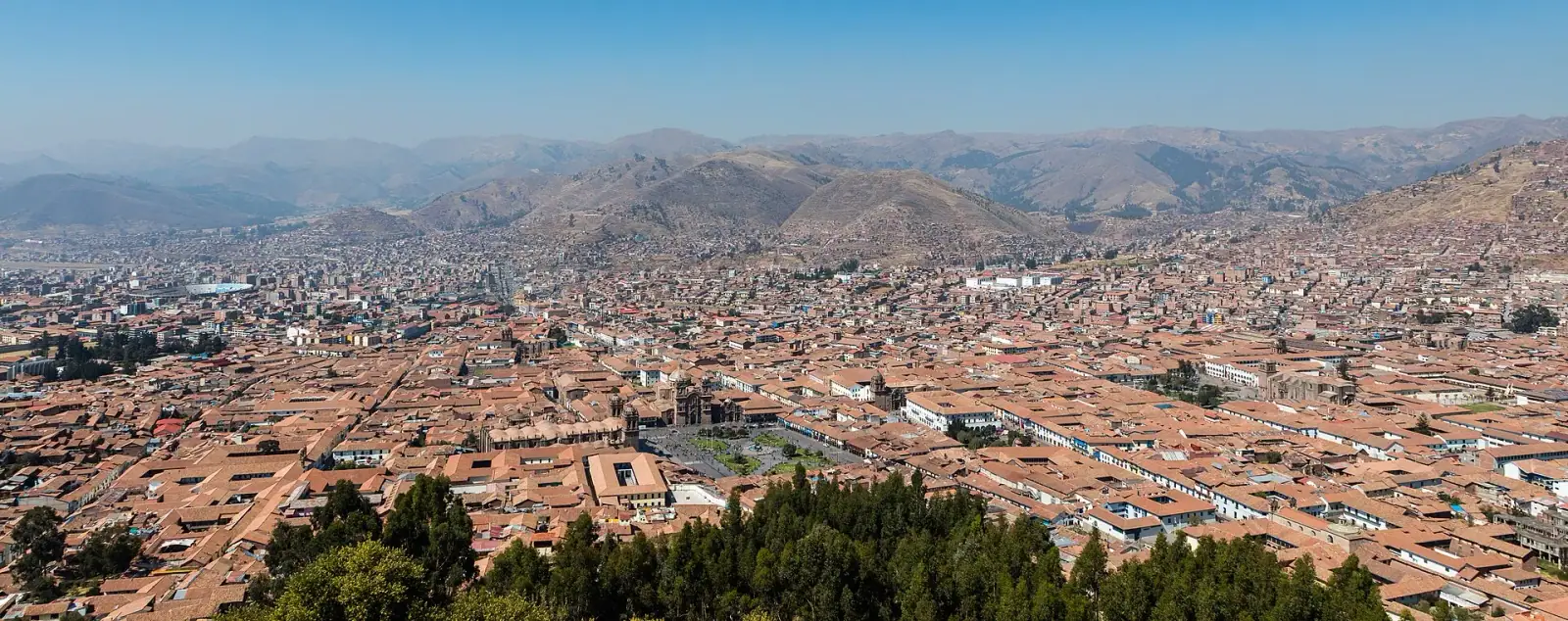
CuscoA real remote-work scene, with coworking in the old centre and the Sacred Valley for weekends, at an estimated $1,020 a month. Give the altitude a few days.
BEST VALUEArequipaA sunny colonial city at a manageable altitude, with cafes that expect laptops, for $610 a month on Numbeo's figures.
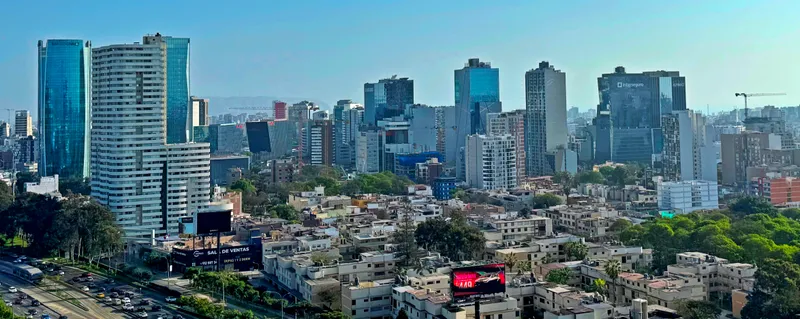
BEST FOR FOOD AND FIBRELimaThe most dependable home internet in the country and its finest restaurants, for $1,130 a month. The coast sits under grey cloud from May to November.
What to weigh before you book
Three things decide a Peruvian stay more than any ranking can. The first is the connection: only Lima, Arequipa and Cusco have coworking spaces you can build a call-heavy week around, and almost everywhere else you should plan to work from a local SIM. The second is altitude. Cusco, Pisac, Huaraz and Puno all sit near or above 3,000 metres, and nobody thinks clearly in their first days there, which makes Arequipa a sensible stop on the way up. The third is season, and it runs in opposite directions: the Andes are dry from May to September and wet from November to April, while the desert coast around Lima turns grey in exactly the months the mountains are clear. Bear in mind too that only Lima and Arequipa have measured costs; the other figures are our estimates.
The ranking
-
1
 Nomad Score 7.1$1,020/moSafety 6WiFi 5Value 8
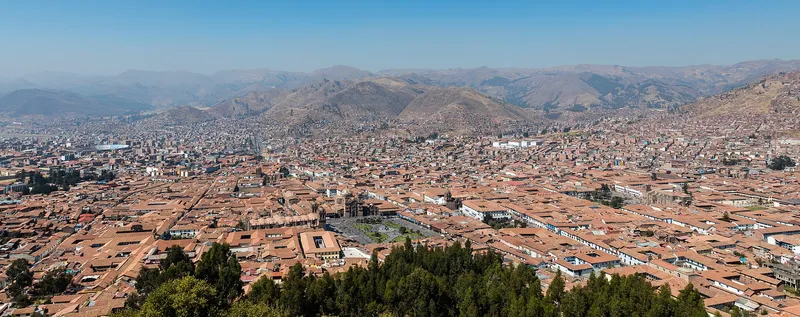
A steady stream of remote workers passes through Cusco, and it is easy to see why: Inca walls line the old centre, the Sacred Valley is close by, and Machu Picchu makes a weekend trip. Work from a coworking desk such as Ayni Center or Selina on the Plaza de Armas, because guesthouse wifi sags in the evening. Our estimate is $1,020 a month. A room or studio in San Blas takes $440 to $650 of that. The price is altitude: at 3,400 metres the first days bring headaches and slow thinking, and July lows average 1C.
-
2
 Nomad Score 6.7$610/moSafety 7WiFi 8Value 8
Built from white volcanic stone beneath El Misti, Arequipa is the place in Peru to get quiet, steady work done. The air is dry, rain almost never falls between April and November, and cafes such as Kafi Wasi and Palacios put a socket at every seat. Numbeo's figures come to $610 a month for one person. A central one-bedroom takes about $360 of that. Arequipan picanterias serve one of the country's great regional cuisines, and Colca Canyon is the classic weekend away. What you give up is company: the nomad crowd is small, and daily life outside the tourist core runs in Spanish.
-
3
 Nomad Score 6.1$1,130/moSafety 4WiFi 7Value 7
If the connection matters more to you than the sunshine, Lima is the answer. Home fibre and coworking spaces such as Comunal in Miraflores and Barranco handle video calls without fuss, and the food, from set lunches near $3.50 to some of the most celebrated restaurants on the continent, could justify the trip by itself. Numbeo's citywide data gives $1,130 a month. In Miraflores or San Isidro, though, a furnished one-bedroom alone runs $740 to $1,300. Two things wear people down: traffic that can eat 90 minutes each way, and the garua, a flat grey sky that sits over the coast from May to November.
-
4
 Nomad Score 5.8$800/moSafety 7WiFi 5Value 7
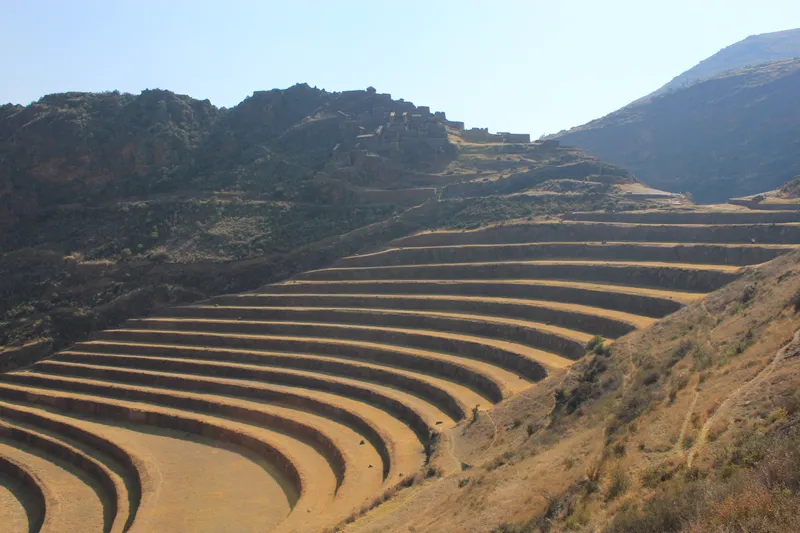
Pisac is for people whose work can bend around a mobile signal. There is no coworking space, rental wifi is hit and miss, and most long-stayers run their days on a Claro, Movistar or Bitel SIM. In return you live beneath terraced Inca ruins that you can walk early, before the tour groups drive in from Cusco, an hour away by colectivo. An estimated $800 a month covers a simple life, while the eco-lodges favoured by the yoga and retreat crowd cost more. Sunday's market packs the plaza, so Tuesday and Thursday are the calmer days to claim a cafe table.
-
5
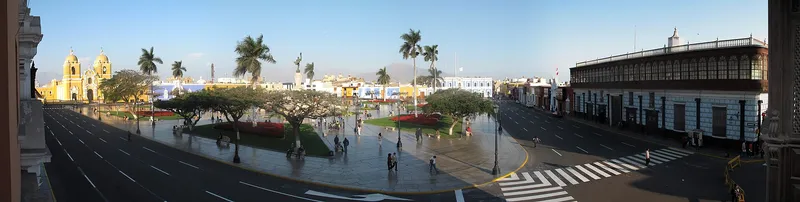 Nomad Score 5.6$1,000/moSafety 5WiFi 5Value 9
Rain hardly registers on Peru's northern desert coast, where no month in Trujillo averages more than 5mm. Highs stay between 20C and 26C all year. It is a working city rather than a tourist set, with the adobe ruins of Chan Chan on its edge and cabrito and ceviche on every menu. Estacion Coworking in San Andres has fibre and a startup crowd, and home fibre from Claro or Movistar is cheap at $24 to $35. Our estimate for living here is $1,000 a month. Very little English is spoken, the nomad scene is tiny, and basic Spanish is close to essential.
-
6
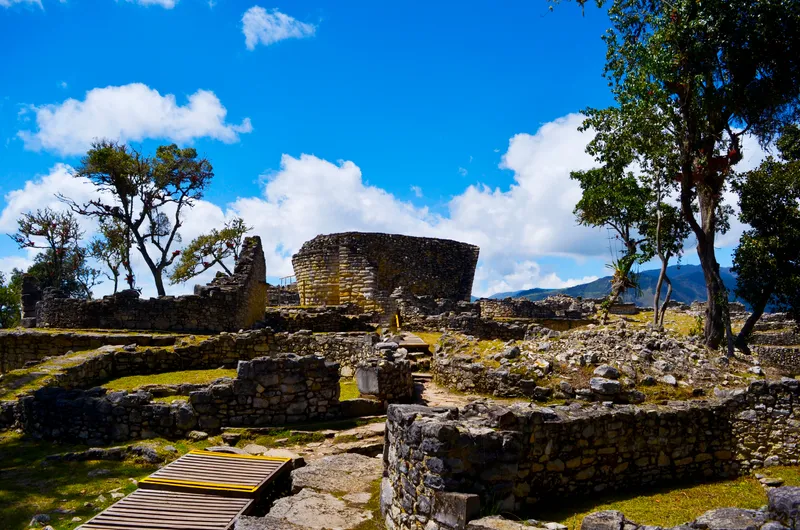 Nomad Score 5.2$600/moSafety 7WiFi 4Value 8
Getting here is half the story: nine or ten hours by bus from Chiclayo, or a weather-dependent flight that may not leave. The reward is a white-walled colonial town in the northern cloud forest, with the pre-Inca fortress of Kuelap up a cable car and the Gocta waterfall a day trip away. Life is cheap, an estimated $600 a month. A room near the Plaza de Armas costs $250 to $400. Work is the hard part. There is no coworking, cafe wifi copes with email but not with video, and cards are rarely accepted, so carry soles.
-
7
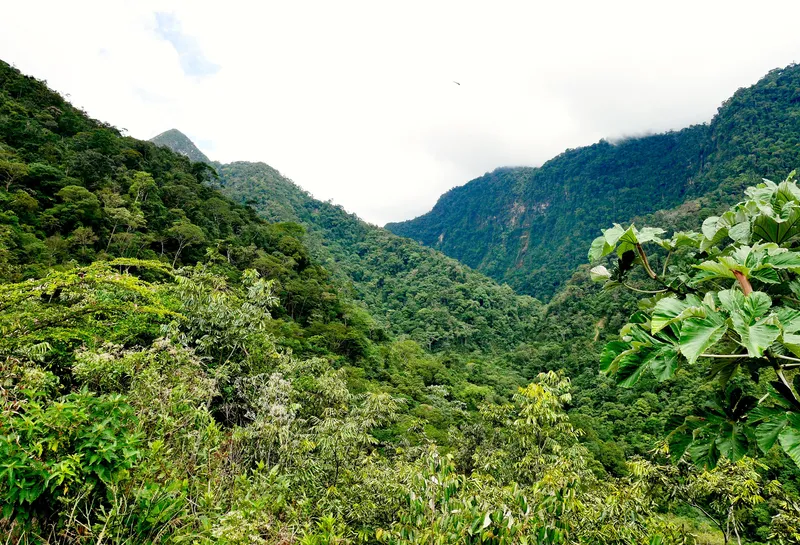 Nomad Score 5.2$600/moSafety 6WiFi 5Value 8
Swap the Andes for the Amazon foothills and the thermometer stops moving: Tarapoto's highs sit at 32C or 33C in every month. The pace is slow and friendly, a one-bedroom near the Plaza Mayor starts around $205, and waterfalls, cacao farms and the Blue Lagoon at Sauce fill the weekends. Expect around $600 a month, by our estimate. Daily flights reach Lima in about an hour. For work, rent a place with its own fibre line, because cafe connections struggle and wet-season storms knock them out. The constant buzz of mototaxis is the soundtrack, whether you like it or not.
-
8
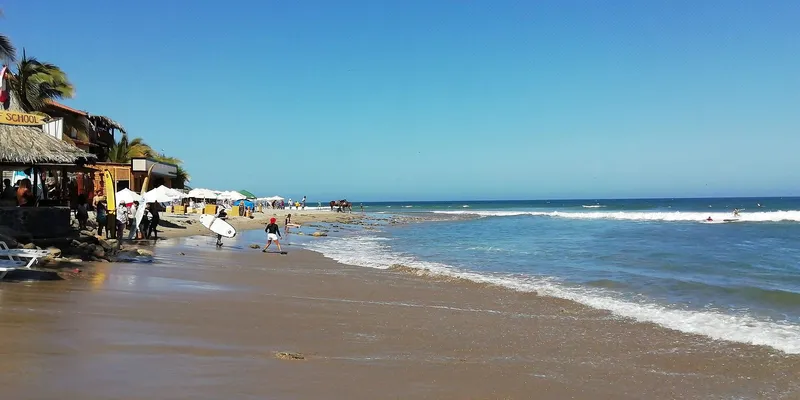 Nomad Score 5$900/moSafety 6WiFi 4Value 8
Work mornings, surf afternoons: that is the routine Máncora is built for. The far north coast stays warm all year, with highs between 27C and 30C, and gentle beginner breaks and cheap, fresh ceviche are what keep people here for a month. Selina is the only coworking space in town, about $170 for a monthly desk with a pool, and away from it mobile data usually beats cafe wifi. Budget an estimated $900 a month. The central strip has petty theft and a drug trade, tap water is not drinkable, and the nearest airports at Talara and Tumbes are an hour or more away.
-
9
 Nomad Score 5$700/moSafety 6WiFi 4Value 8
Mountaineers come to Huaraz first and work second, and the town makes no pretence otherwise. Huascarán, Peru's highest peak, rises over a plain grid of streets rebuilt after the 1970 earthquake, and Laguna 69 and the Santa Cruz trek start within a day's drive. We estimate $700 a month before guides and gear hire, which add up faster than rent does. Cafe Andino, with seating upstairs and a view of the range, is as close as the town gets to an office. Connections slow in the evening, the first days at 3,050 metres fog the brain, and the wet months bring landslides.
-
10
 Nomad Score 4.7$1,000/moSafety 6WiFi 4Value 9
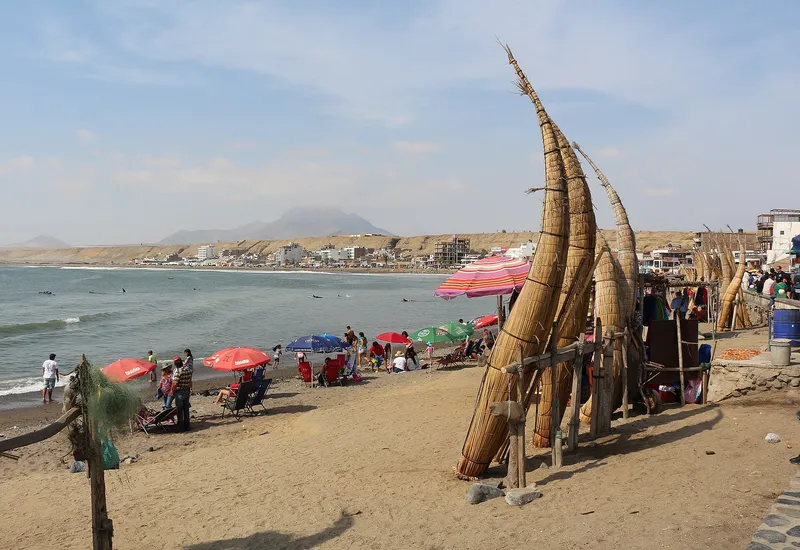
Small, cheap and right on the Pacific, Huanchaco is a surf village where fishermen still put out in caballitos de totora, the local reed boats, with Chan Chan's ruins close by. Trujillo is twenty minutes away by colectivo for under a dollar, which matters, because there is no coworking here. Chocolate Cafe and the hostel gardens are the offices, on DSL or mobile broadband rather than fibre, so a day of important calls means a trip into the city. Our estimate is $1,000 a month. Non-surfers find the social circle small, and from May to October low cloud often hides the sun.
-
11
 Nomad Score 4.7$800/moSafety 6WiFi 5Value 7
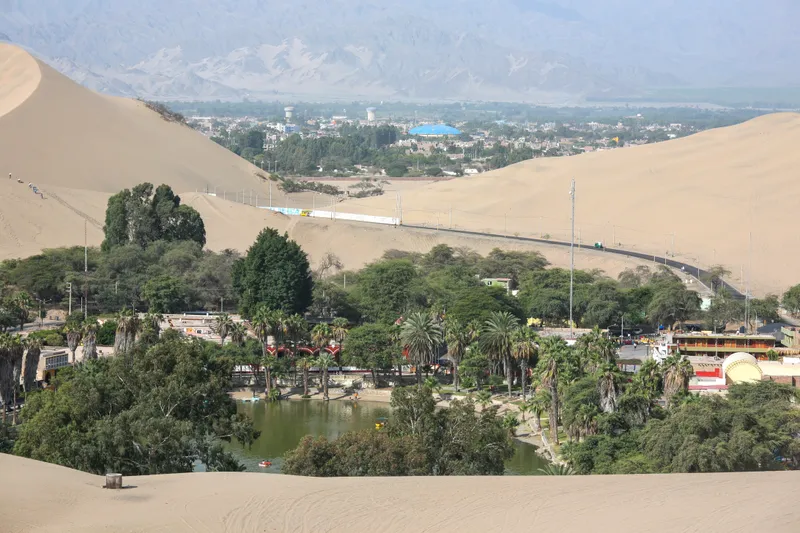
What Huacachina offers is spectacle: a palm-fringed lagoon in a ring of giant dunes, with buggy rides and sandboarding at $12 to $20 a tour. The village is a single loop of hostels and bars, and the lagoon itself now depends on pumped water, after wells across the valley lowered the water table that fed it. We estimate $800 a month, but groceries, cash and a faster connection all mean a ten-minute taxi into Ica. The pisco and wine bodegas of the Ica valley make a good afternoon. Treat it as a few days between Lima and Nazca rather than a home.
-
12
 Nomad Score 4.7$600/moSafety 6WiFi 5Value 8
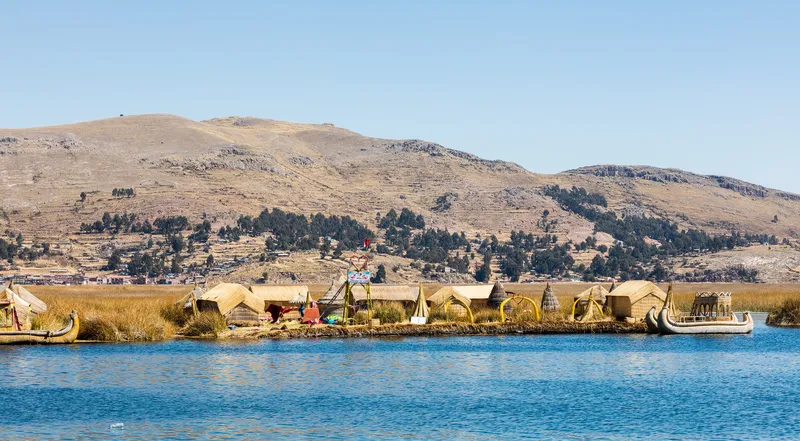
Lake Titicaca is the reason to be in Puno, and the town on its shore is mostly where you sleep between boat trips to the Uros reed islands and Taquile. At about 3,830 metres it is the highest and coldest base here: daytime highs never pass 17C, and June lows average 1C. We estimate $600 a month overall. Rent is informal, with a basic room at $250 to $450. Cafes on Jiron Lima tolerate a laptop for an hour or two, on a connection that suits email rather than calls. Come for the Candelaria festival in early February, then move on.
-
13
 Nomad Score 4.3$620/moSafety 4WiFi 5Value 8
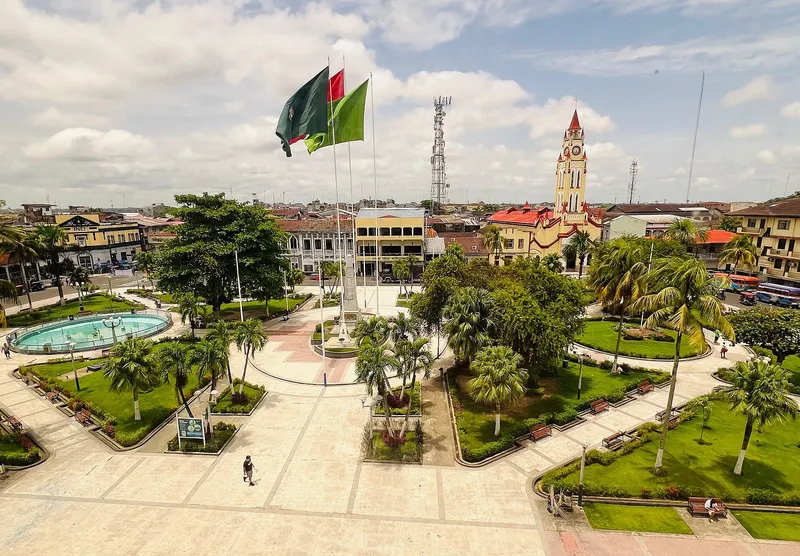
No road reaches Iquitos, so everything arrives by river or by plane, including the bandwidth. Connections are limited, power cuts happen, and a rental or lodge with satellite internet is worth asking for by name. For anyone on American hours, the clock matches New York's outside US daylight saving time. Daily life comes to an estimated $620 a month, though imported goods cost more. Rubber-boom mansions faced in tiles line the centre, and the city buys its food at the riverside market in Belen. Every month is hot and wet, with highs of 31C to 33C, and street crime is a real problem.
For most people the right Peruvian plan is a pairing rather than a single city. Arequipa or Lima makes a dependable working base, and the small towns become the stretches of a few weeks in between: Cusco and Pisac for the Inca heartland, Huaraz for the high mountains, Máncora or Huanchaco for surf, Tarapoto or Iquitos for the Amazon. Time the Andes for the dry season and the coast for its sunny summer, and the 183 tourist days go a long way. To weigh two of these against each other, put them side by side, and if the Andes appeal more than the country, Colombia's best bases make the obvious comparison.
Frequently asked questions
Does Peru have a digital nomad visa?
Only on paper. Legislative Decree 1582 set up a Nomada Digital migratory status in November 2023, meant for people who work for an employer outside Peru and allowing a stay of up to a year. Migraciones has never published how to apply for it, so nobody can, and remote workers in Peru enter as tourists.
How long can I stay in Peru as a tourist?
Up to 183 days in any year for most Western passports, entered without a visa. The officer at the border sets the length of each stay, often 90 days, so ask for the number you need on arrival. There is no way to lengthen it once you are inside, which is why long-stayers leave for Chile, Bolivia or Ecuador and come back.
Which Peruvian city has the best internet for remote work?
Lima, where home fibre and coworking spaces in Miraflores, Barranco and San Isidro handle video calls reliably. Arequipa and Cusco both have coworking spaces that work well, though rented flats vary. In the smaller towns on this list, plan to work from a local SIM, with Claro and Movistar the usual choices.
Which is the cheapest city in Peru for digital nomads?
Chachapoyas, Tarapoto and Puno come out lowest at an estimated $600 a month each. Arequipa, at $610 a month, is the cheapest city with measured Numbeo data, and it is the better place to get work done: it has coworking spaces and cafes built for laptops, which the three cheaper towns lack.
How were these Peruvian cities ranked?
Every Peruvian city in our index is ordered by its overall Nomad Score, a combination of 13 categories including cost, climate, internet, safety, food, English and visa access. Peru has 13 cities in the index, so all of them appear. Where cities share a score, the list does not rank one above the other.