Cost of Living in Queenstown
Real market data
Source: Numbeo · August 2026
$2,390/moSolo nomad1-bed centre + living costs
$3,060/moCoupleshared 1-bed + costs
$2,160/moLean / localcheaper area + costs
- 1-bed rent, city centre$1,560NZ$2,658
- 1-bed rent, outside centre$1,330NZ$2,262
- Monthly costs excl. rent (1 person)$830NZ$1,414
- Meal, inexpensive restaurant$18NZ$30
- Monthly transit pass$130NZ$215
- Buy price, per m² (centre)$7,940NZ$13,514
Prices are from Numbeo (August 2026), converted to USD at $1 = NZ$1.7 (01 Aug 2026). The monthly living-costs figure is our transparent one-person basket, groceries, a few meals out, utilities, phone, internet, transport and essentials, priced from those figures. Solo adds central rent; couple and lean are estimates from the same numbers.
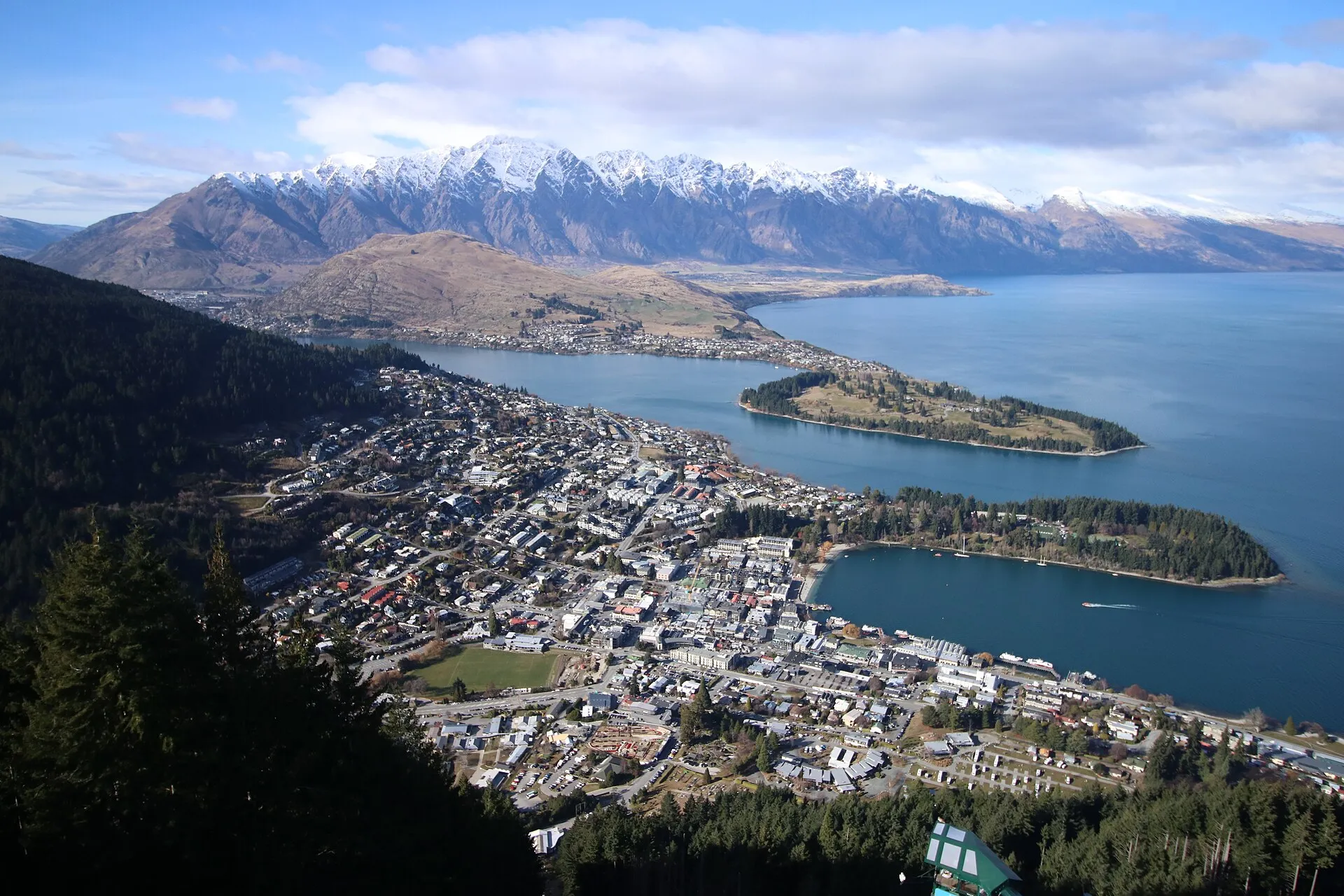
Queenstown is one of New Zealand's most expensive towns, and housing is the reason. It is a small resort community squeezed between mountains and a lake, tourism drives demand, and the supply of long-term rentals is tight because so many properties are held for short-stay visitors. Expect to compete for the good ones. Note that New Zealand quotes rent per week, so the weekly figures below matter more than the monthly total.
Here is a realistic monthly budget for one person (roughly $0.50 to 0.58 at 2025-2026 rates):
- Rent, central one-bedroom: about $1,260 per month, roughly $1,250.
- Rent, cheaper area: a one-bedroom in Shotover Country or Lake Hayes, a 15 to 20 minute drive out, runs closer to $1,000 per month, roughly $990. A room in a shared house is often $145 to $175 per week.
- Groceries: $205 to $295. Shop at the Pak'nSave in Frankton, not the small central stores, which are noticeably pricier.
- Eating out: a casual meal is $11 to $18, a mid-range dinner for two runs about $50, and fine dining is $38 to $50 per person. Budget $175 to $355 depending on habits.
- Coworking hot-desk: roughly $145 to $235 per month for a flexible desk.
- Local transport: the Orbus fare is a flat $1 with a Bee Card, so a bus-only month is under $59. A car adds far more.
All in, a single remote worker realistically spends $2,060 to $2,940 per month, with rent driving most of the range. This is not a cheap base, and you should have your housing sorted before you commit.
Where to Work
For a town this size, the coworking options are solid. Fluid ShareSpace sits centrally and offers hot desks by the day, week, or month, plus meeting rooms and standing desks. iMeet is another central option with dedicated fibre internet, in-desk power, and ergonomic chairs. The Workshop and the alpine-themed Mountain Club round out the choices, the latter leaning toward membership rather than casual drop-in. Startup Queenstown Lakes keeps a current list if you want to compare.
Cafe-work culture exists but is casual, and central cafes fill with tourists, so it is better for a couple of hours than a full day. If you need reliable focus and calls, pay for a desk. On WiFi: New Zealand's fibre is genuinely good in town and at coworking spaces, though speeds and reliability drop once you head into the surrounding valleys and smaller settlements, so check any rural rental carefully.
Getting Around
The town center is compact and walkable, and you can cross the core in ten minutes on foot. The public bus, Orbus, is cheap and useful: a flat $1 fare with a Bee Card connects the center, Frankton, and outlying suburbs, with buses running frequently through the day. For life inside the town-Frankton corridor, buses and walking cover most of it.
A car is not essential for daily town life, but it becomes genuinely useful if you live out in Lake Hayes or Shotover Country, or if you want to reach ski fields, trailheads, and day trips like Glenorchy or Wanaka on your own schedule. Parking in the center is limited and paid, so many residents keep a car for adventures rather than commuting.
Queenstown Airport (ZQN) is at Frankton, only a couple of kilometres from the center, so getting to and from it is easy and quick. The Orbus service links the airport with the Frankton interchange and onward to town for the same flat fare, and taxis or ride-share are a short trip. ZQN has good domestic links plus some trans-Tasman flights, though for most long-haul international travel you will connect through Auckland or Christchurch.
Sorting transport? Book an airport transfer, or compare car rental on Auto Europe and QEEQ.
Visas and Staying Long-Term
This is where New Zealand became much friendlier to remote workers. Since 27 January 2025, visitor visas and NZeTA-based visa-waiver entries explicitly allow you to work remotely for an overseas employer or client, with no limit on hours. Coding, calls, email, and content work for a non-New Zealand business are fine. What you cannot do is work for a New Zealand employer or client, which still requires a proper work visa.
On length of stay: travellers from visa-waiver countries get an NZeTA (valid two years for multiple trips) and are typically admitted for up to three months at a time, or up to six months for United Kingdom passport holders, with a cap of six months in any twelve-month period. There is also a tax angle: staying and working beyond roughly 92 days in a twelve-month window can create New Zealand tax obligations, so plan around that threshold.
Best Time to Visit
Queenstown has four distinct seasons, and it is genuinely a year-round destination with two different personalities. Winter (June to August) is ski season, when the town fills up, prices peak, and the surrounding fields draw crowds. Summer (December to February) is hiking, biking, and lake season, with long daylight and warm days, and it is also busy. Autumn (March to May) brings gold and red foliage around the lakes and is widely considered the most beautiful stretch.
For remote work specifically, the shoulder seasons of spring (September to November) and autumn are the sweet spot. You get milder weather, thinner crowds, easier and cheaper accommodation, and enough good days to enjoy the outdoors on weekends without paying peak-season rates. If you ski or snowboard, winter is worth the premium, but be ready for higher costs and a packed town.
Pros and Cons
Pros
- Stunning alpine and lake scenery with world-class outdoor access on your doorstep.
- Clear, legal remote-work status for overseas earners on a visitor visa or NZeTA.
- Reliable fibre internet and a surprisingly good set of coworking spaces for the size.
- Safe, clean, English-speaking, and easy to settle into.
- Compact, walkable center with a cheap, useful local bus.
Cons
- Very high cost of living, especially housing.
- Extremely tight long-term rental supply, worsened by short-stay demand.
- Small town: limited nightlife variety, few big-city amenities, and you may run out of new things quickly.
- Geographic isolation, with most long-haul travel routed through Auckland or Christchurch.
- Heavy tourism means crowds and peak-season pricing for much of the year.
Who Queenstown Is Best For
Queenstown suits remote workers who genuinely love the outdoors and will use them: skiers, hikers, bikers, and anyone who wants mountains and a lake to be the whole point rather than a weekend novelty. It fits people with a comfortable income who can absorb the high rents, and those who value safety, cleanliness, and reliable internet over big-city variety and low prices.
Skip it if you are on a tight budget, if you need the energy and choice of a large city, or if long-term affordable housing is a dealbreaker, because the rental market here is unforgiving. It also is not ideal if isolation wears on you or if you want a big, churning nomad social scene, since the community is small and seasonal. Come for the setting and the lifestyle, and only if the numbers work.