Italy is one of Europe's most tempting bases for remote workers, and since 2024 it finally has a dedicated digital nomad visa to match the fantasy. The pitch is obvious: some of the best food on the continent, walkable historic centres, a warm Mediterranean climate, and rail links that put Rome, Milan and the coast within a few hours of each other. What surprises most people is how different the cities feel from one another.
The country splits roughly three ways for nomads. The warmer south and islands (Lecce, Matera, Taormina, Cagliari) trade infrastructure for value and climate, at $1,300 to $1,500 a month. The north (Trento, Trieste, Udine, Bergamo, Bologna) offers steadier wifi and calmer, cleaner streets, mostly at a higher price. And the art cities sell culture and beauty with tourist crowds attached: Florence and Rome carry two of the three highest costs on this list, while Umbria's Perugia and Assisi are the two cheapest.
This ranking scores these 15 Italian cities on the same 13 categories, so you can weigh food and climate against wifi, cost and safety instead of trusting a postcard. Every entry lists its Nomad Score and a realistic monthly budget, plus the one tradeoff most likely to catch you out.
Cities are ranked by their overall Nomad Score among the Italian cities we rate. Explore the numbers yourself on the comparison tool or browse all 999 city guides.
At a glance
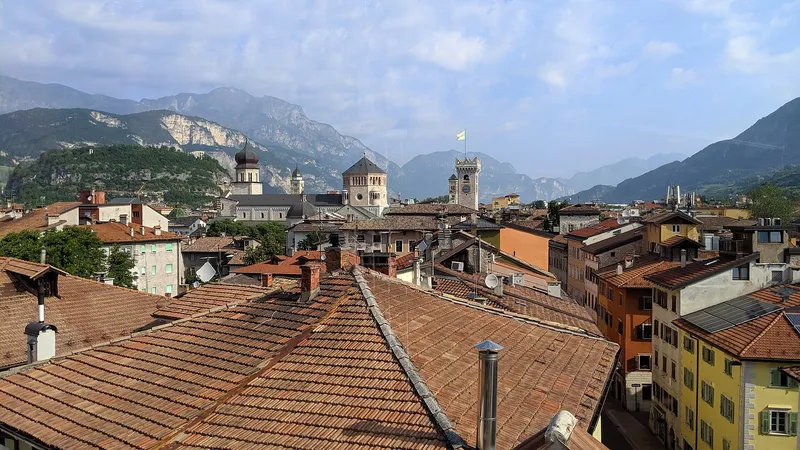
 Trento
Top Nomad Score at 8.3, with a perfect 10 for nature, a 9 for safety and the best wifi here (8), at $1,900 a month.
BEST VALUEAssisiThe cheapest base on the list at $1,100 a month, with a 9 for safety and culture in a hill town above the Umbrian plain.
BEST IN THE SOUTHLeccePuglia's baroque capital scores 7.6, second in the south only to Cagliari, with warmth, safety (8) and food (9) at $1,300 a month.
What to weigh before you book
The biggest decision is visa strategy. Italy's digital nomad and remote-worker visa, live since 2024, lets non-EU nationals stay long term if they can prove income, health insurance and a qualifying job, but it runs through consulates and comes with real paperwork. Without it, non-EU nomads fall under the Schengen 90-days-in-180 limit, which is fine for a season but not a life. EU citizens skip all of this. Whichever route you take, budget time for Italian bureaucracy, since residency permits, tax codes and rental contracts move slowly and rarely in English.
Infrastructure and seasons vary more than the scores alone suggest. Trento posts the best wifi here at 8 and most northern cities sit at 7, while Lecce, Matera and Taormina sit at 6, and small towns can be patchier still, so test your connection before committing to deadlines. Summer brings heat and heavy tourist crowds to Rome, Florence and the coast, making spring and autumn the sweet spot. Finally, English levels are modest outside the big hubs (Lecce and Matera score 4), so even basic Italian noticeably improves daily life, admin and community.
The ranking
-
1
 Nomad Score 8.2$1,900/moSafety 9WiFi 7Value 4
An Alpine city with Venetian frescoes, Dolomite trailheads and Italy's best air.
-
2
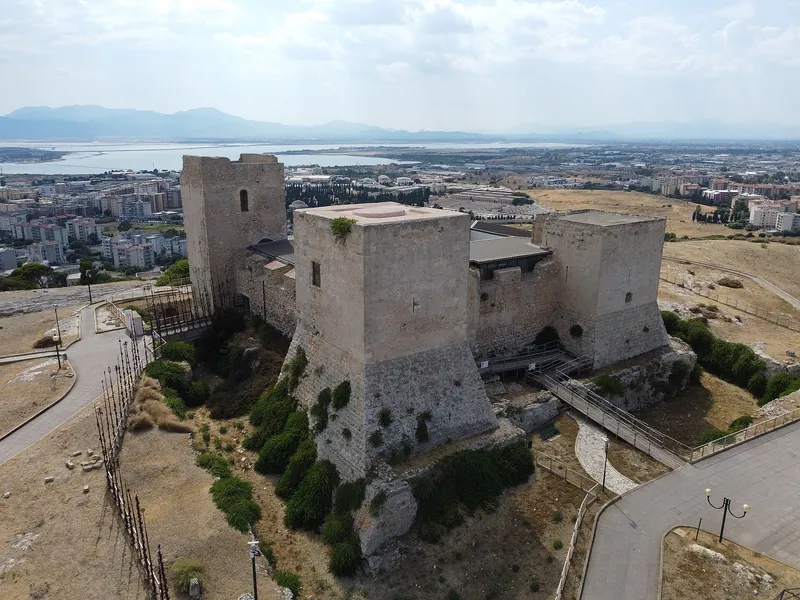 Nomad Score 7.8$1,500/moSafety 8WiFi 7Value 6
Sardinia's capital, with flamingos in the salt pans and an eight-kilometre city beach.
-
3
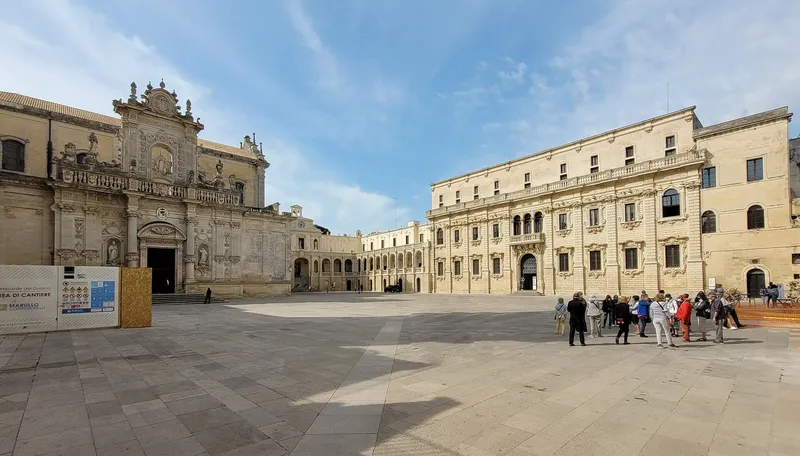 Nomad Score 7.6$1,300/moSafety 8WiFi 6Value 6
Third on the list with a 7.6 Nomad Score, Lecce earns its Florence of the South nickname through honey-coloured baroque streets and a genuinely low cost of living, $1,300 a month. It pairs an 8 for climate and safety with a 9 for both food and culture, so daily life is warm, cheap and beautiful. The catch is connection: a community score of just 3 and English at 4 mean there is little ready-made nomad scene here, and wifi at 6 is decent rather than fast. Bring some Italian and a plan to meet people.
-
4
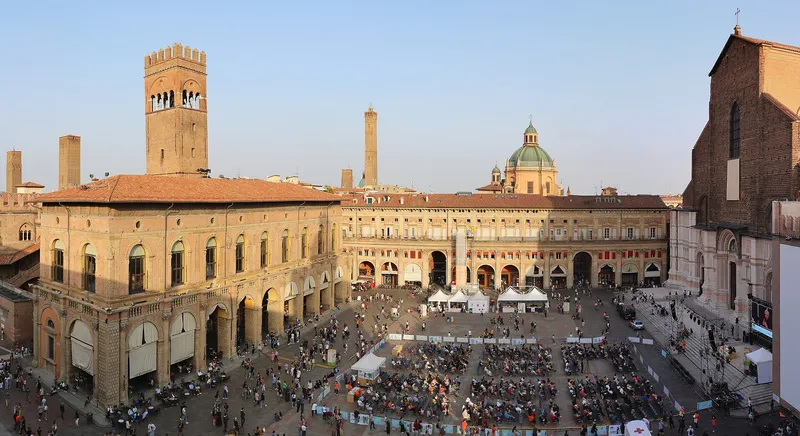 Nomad Score 7.4$2,060/moSafety 8WiFi 7Value 5
Italy's food capital lands fourth on 7.4, and its perfect 10 for food is no accident in the home of ragu, tortellini and mortadella. Home to Europe's oldest university, Bologna also has the warmest nomad footing on this list, level with Rome, with community at 6, English at 6, wifi 7 and lively nightlife at 7. Expect to pay for that balance: budgets run $2,060 a month and cost scores just 5. Nature is the weak point at 5, since the city sits inland on the flat Po plain, so weekend hills and coast mean a train ride rather than a short walk.
-
5
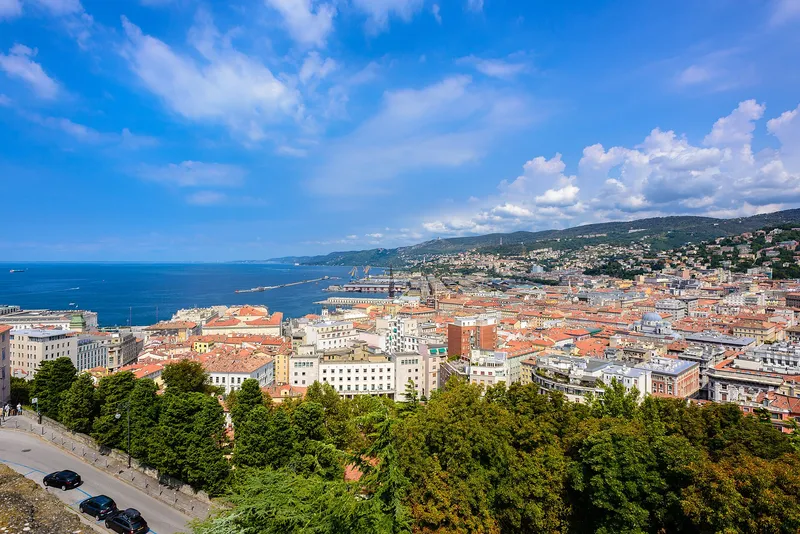 Nomad Score 7.4$1,730/moSafety 8WiFi 7Value 6
Sitting on the Slovenian border, Trieste scores 7.4 and feels more Central European than Italian, with grand Habsburg cafes and an easy Adriatic pace. It is one of the country's cleaner, healthier bases (cleanliness and air quality both 8) and posts a reliable wifi 7 alongside a strong 8 for safety, all for $1,730 a month. The tradeoff is energy: nightlife rates just 5 and community only 3, so this is a place for quiet, focused work rather than a buzzing social calendar. Winter bora winds also make it noticeably cooler than the south.
-
6
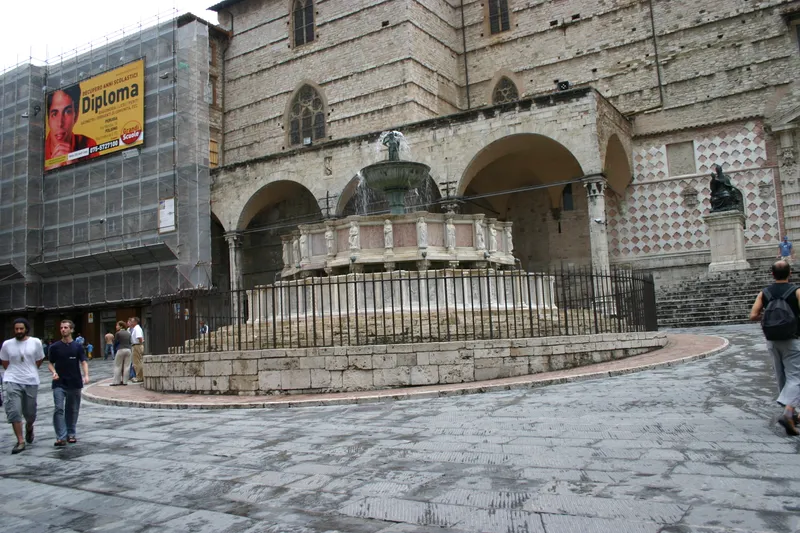 Nomad Score 7.4$1,220/moSafety 8WiFi 7Value 6
A hilltop Umbrian capital of Etruscan gates and medieval alleys, a lively university and chocolate town above rolling green hills.
-
7
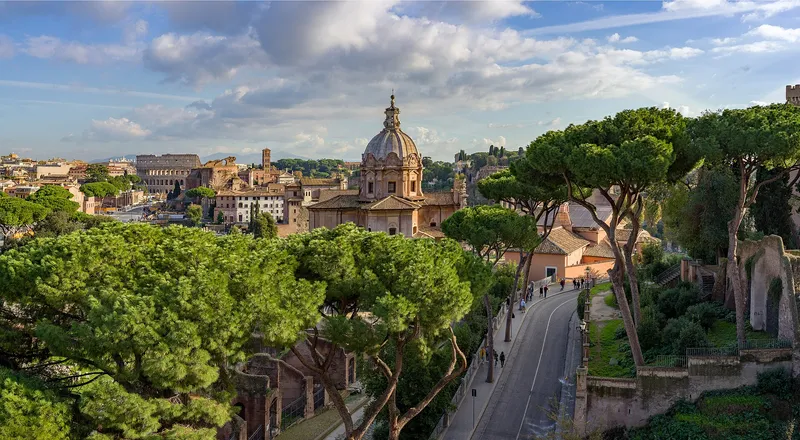 Nomad Score 7.2$2,010/moSafety 6WiFi 7Value 4
The Eternal City ranks eighth at 7.1 and is unmatched for sheer depth, with a perfect 10 for culture and another 10 for food layered over ancient ruins and baroque squares. Nightlife (8) and a large, mixed community (6) make it easy to land and stay busy year round. What drags it down is livability under the tourist load: cost is a harsh 4 at $2,010 a month, safety sits at 6 and cleanliness at just 5. Summer crowds and heat are intense, so spring and autumn are far kinder times to base here.
-
8
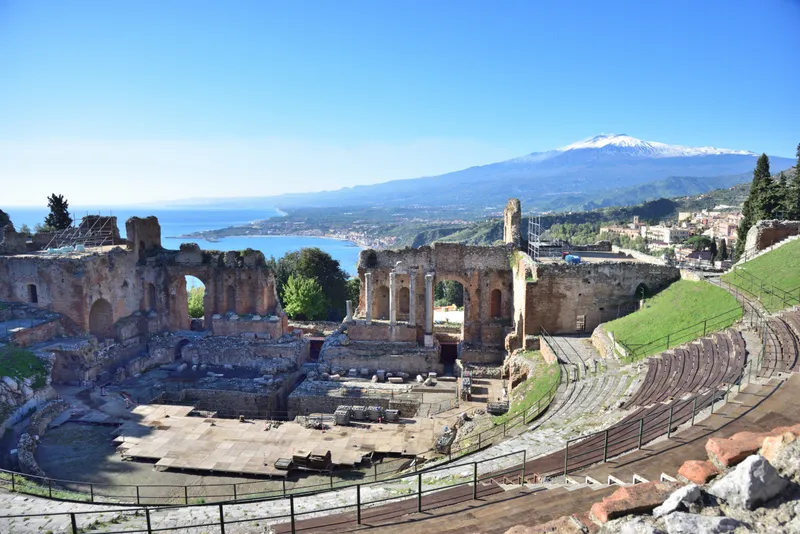 Nomad Score 7.2$1,300/moSafety 8WiFi 6Value 5
A cliff-top Sicilian resort town of a Greek theatre framing Mount Etna and the sea, chic lanes, and bougainvillea terraces.
-
9
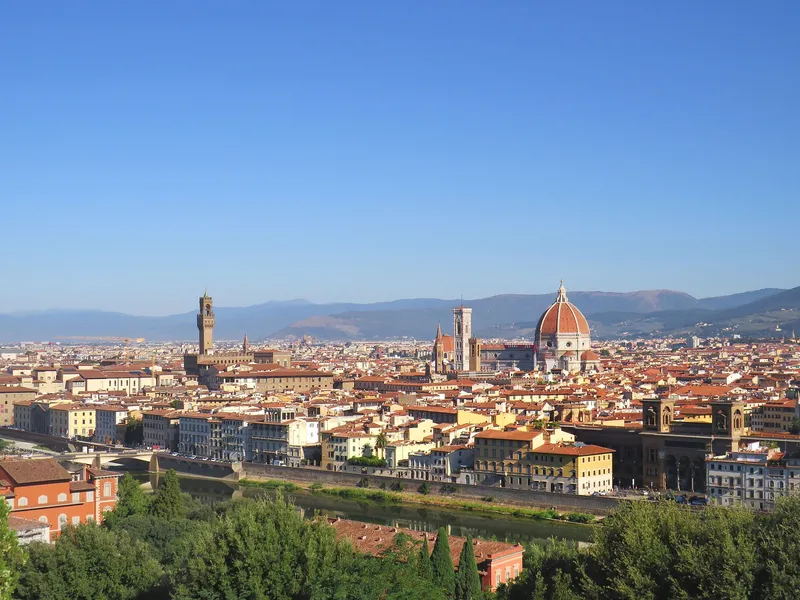 Nomad Score 7.1$2,610/moSafety 7WiFi 6Value 4
Renaissance Florence also scores 7.1, carried by a 10 for culture and a 9 for food in a compact, walkable centre packed with world-class art. Tuscan hills sit right on the doorstep, and the city feels safe and manageable at a 7. The problem is the same one every visitor notices: it is small and very touristed, so cost scores 4 at $2,610 a month, the most expensive on this list, and the historic core can feel more museum than neighbourhood. Community at 5 and wifi at 6 are workable but unremarkable, making this a base you choose for beauty over practicality.
-
10
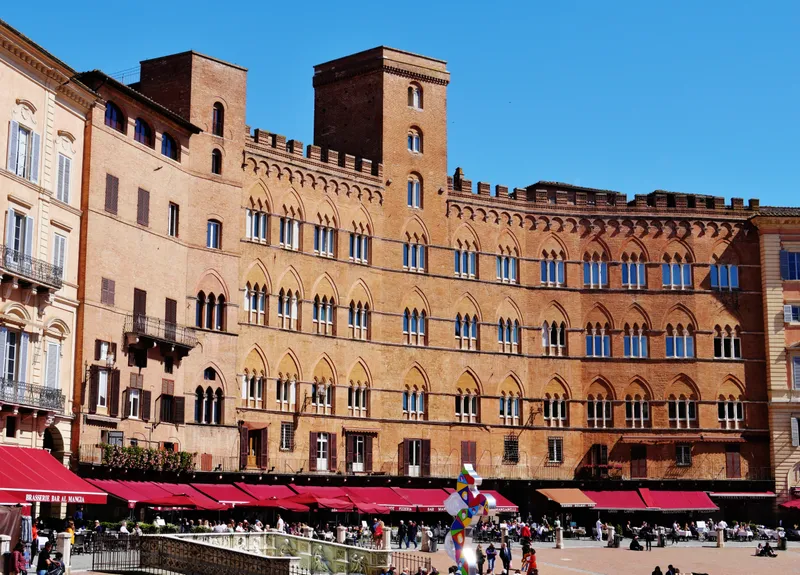 Nomad Score 7.1$1,880/moSafety 8WiFi 6Value 5
A medieval Tuscan city built around the shell-shaped Piazza del Campo, all brick towers, Gothic art, and rolling vineyard hills.
-
11
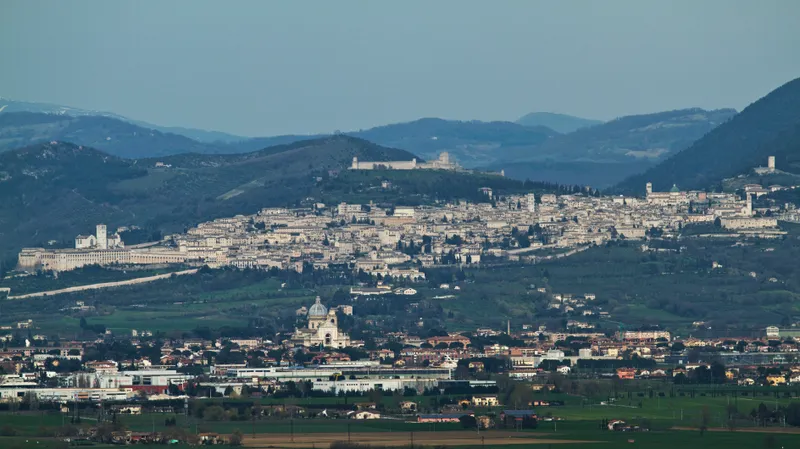 Nomad Score 7.1$1,100/moSafety 9WiFi 7Value 6
A serene pink-stone hill town in Umbria, the birthplace of Saint Francis, crowned by his great frescoed basilica above olive groves.
-
12
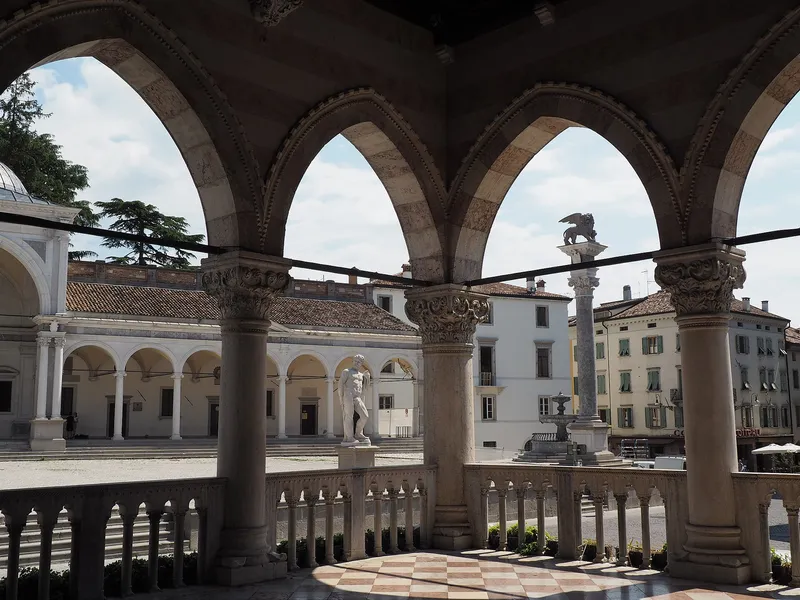 Nomad Score 7.1$1,350/moSafety 8WiFi 7Value 6
Venetian arcades in Friuli, an hour from both the Alps and the Adriatic.
-
13
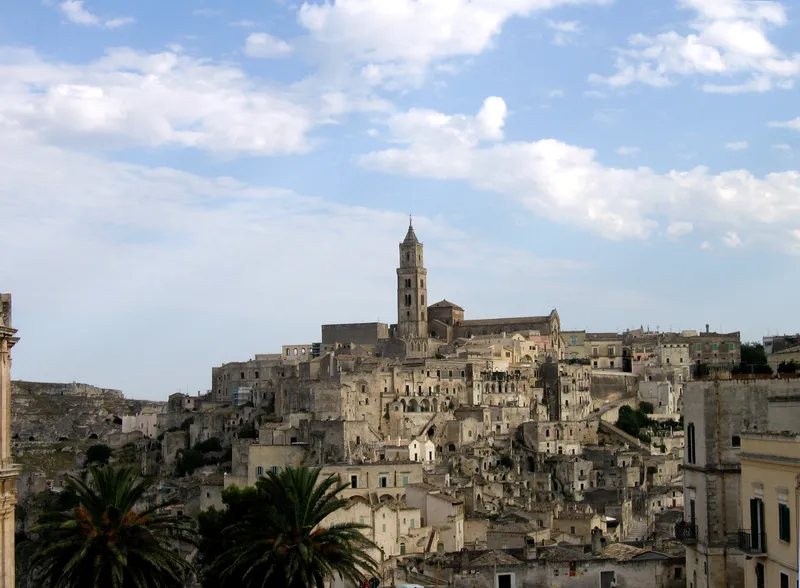 Nomad Score 6.9$1,300/moSafety 8WiFi 6Value 6
An ancient cave city of tufa-stone Sassi carved into a ravine, one of the world's oldest continuously inhabited places.
-
14
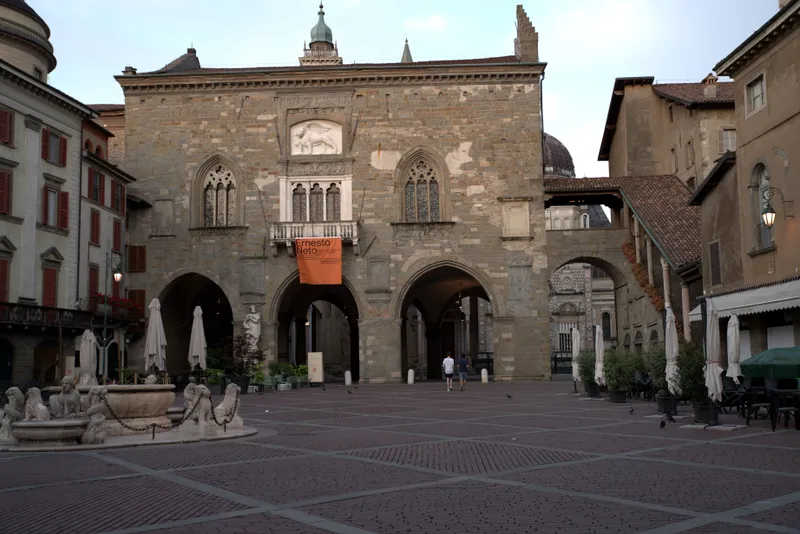 Nomad Score 6.9$1,440/moSafety 8WiFi 7Value 5
A Lombard city of two halves, a Venetian-walled hilltop Citta Alta above a lively lower town, with the Alps on the horizon.
-
15
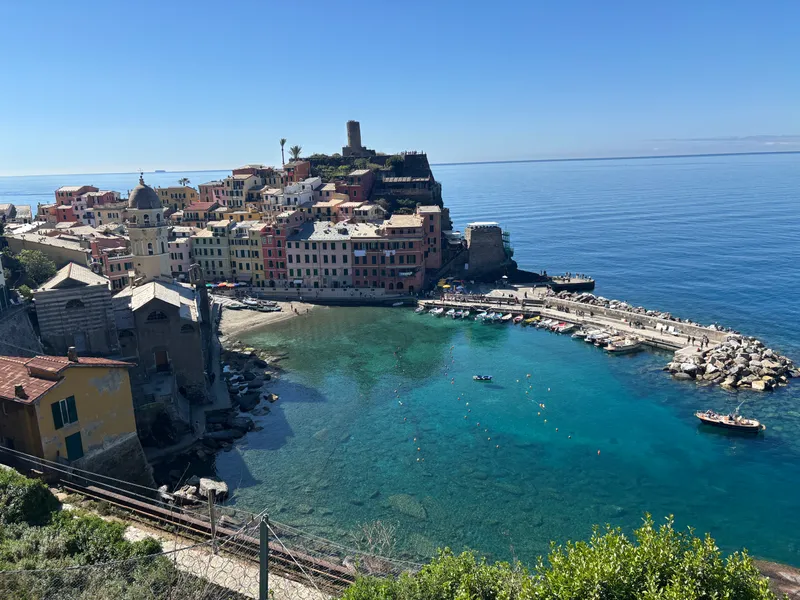 Nomad Score 6.9$1,400/moSafety 8WiFi 6Value 5
The most photogenic of the Cinque Terre, a cluster of pastel houses tumbling to a tiny harbour on the Ligurian cliffs.
Italy rarely comes down to a single winner. The south and islands (Lecce, Matera, Taormina, Cagliari) win on climate and cost but ask you to accept slower wifi and thinner English, while the north (Trento, Trieste, Bologna) flips that trade with better infrastructure at higher rents. The art cities reward beauty over convenience. The right choice depends entirely on which categories you weight most heavily.
To pin that down, put your shortlist side by side on our /compare tool and see the 13 category scores, budgets and Nomad Scores line up head to head. If you are still deciding what kind of base actually fits you, the /wheel walks you through your priorities and matches you to cities across Italy and beyond, so you end up somewhere that fits your work and your life rather than just the postcard.
Frequently asked questions
What is the best digital nomad city in Italy?
Trento takes the top spot with a Nomad Score of 8.3. This Alpine city in the north pairs a perfect 10 for nature with a 9 for safety and cleanliness and the best wifi on the list (8), at $1,900 a month. Its weak points are a small nomad community (3) and cool winters (climate 6). For warmth and a lower bill, Cagliari in Sardinia follows at 7.8 for $1,500 a month, with Lecce in Puglia at 7.6 for $1,300.
Which is the cheapest city in Italy for digital nomads?
Assisi is the cheapest base on this list at $1,100 a month, followed by Perugia at $1,220, both in Umbria, and then Lecce, Taormina and Matera at $1,300. The three southern towns add a warmer climate to the low price, though you trade some infrastructure, with wifi scoring 6.
Does Italy have a digital nomad visa?
Yes. Italy launched a dedicated digital nomad and remote-worker visa in 2024 for non-EU nationals who can prove sufficient income, health insurance and a qualifying skilled job. It allows long-term stays beyond the Schengen 90-days-in-180 rule that otherwise applies to non-EU visitors. Applications go through Italian consulates and involve real paperwork, so start early. EU citizens do not need it.
Is northern or southern Italy better for remote work?
It depends on your priorities. The north (Trento, Trieste, Bologna, Bergamo) offers faster wifi (7 or 8) and, in Trento and Bologna, more English, but costs more, with Bologna at $2,060 a month. The south (Lecce, Matera, Taormina, Cagliari) is warmer and cheaper, at $1,300 to $1,500, but has patchier wifi and less English. The north suits infrastructure-focused workers; the south suits value and climate seekers.
How are these Italian cities ranked?
Cities are ranked by their overall Nomad Score, a composite built from 13 categories including cost, wifi, climate, safety, food, culture and community. We apply the same scoring to every Italian city we cover, so a warm, cheap southern base and an expensive, connected northern hub are measured on identical terms rather than by reputation alone.