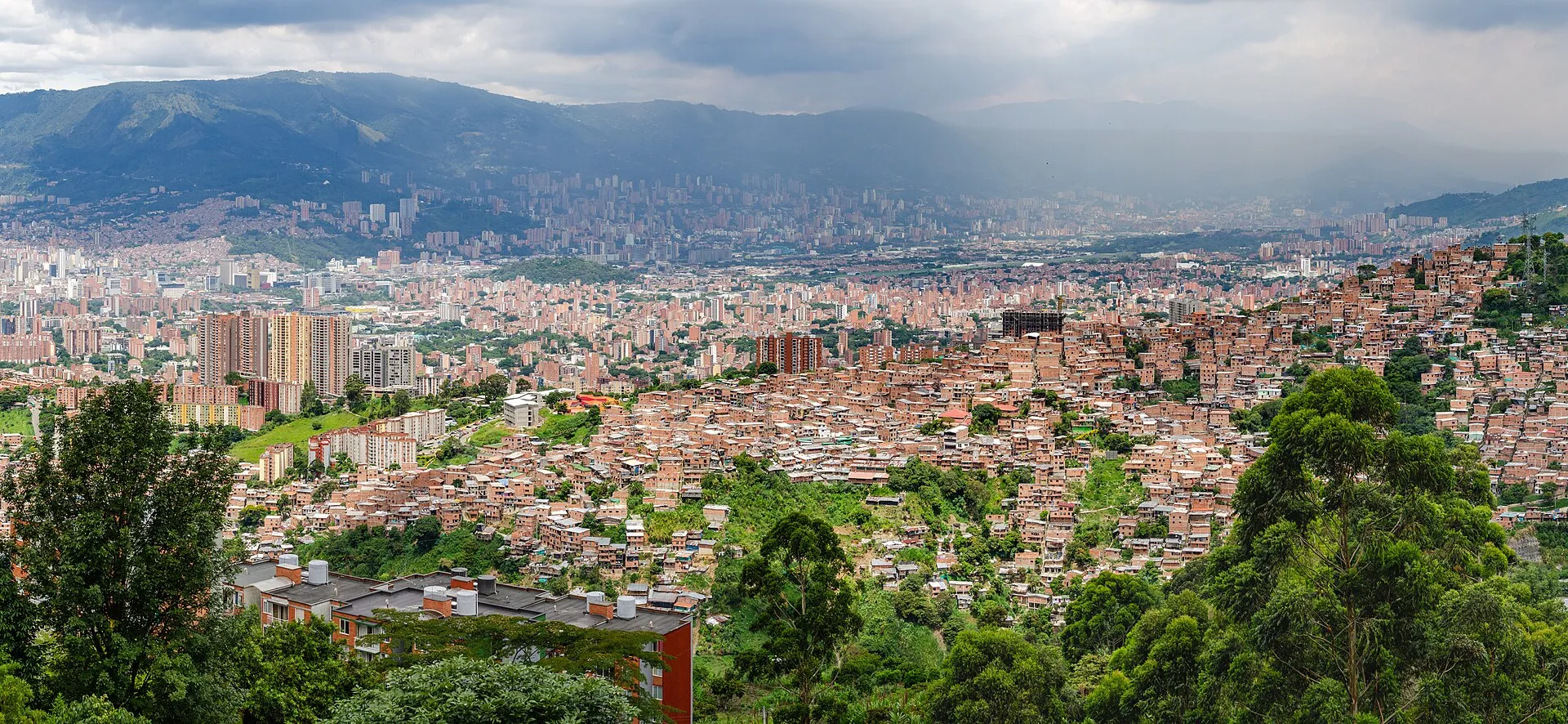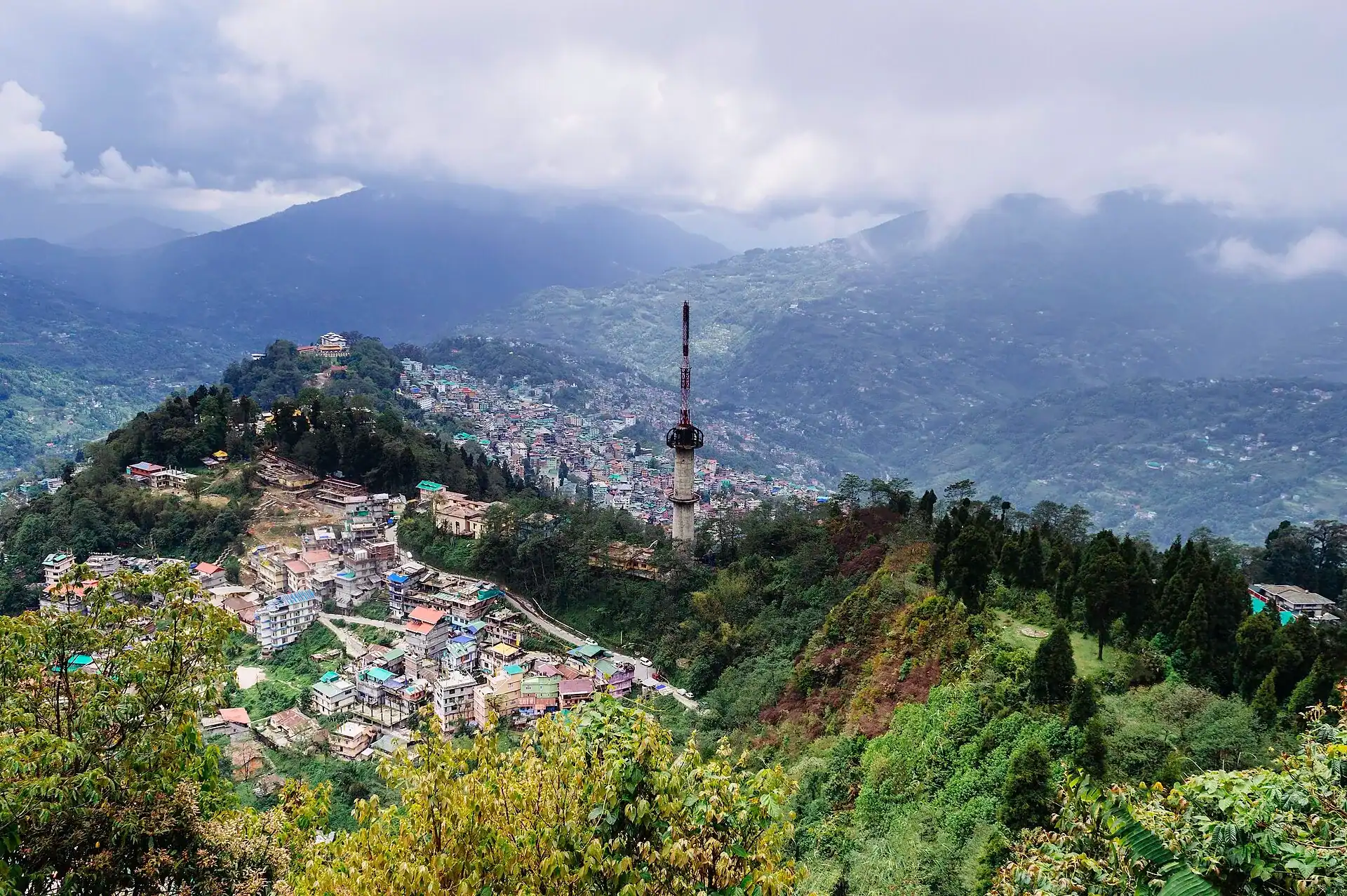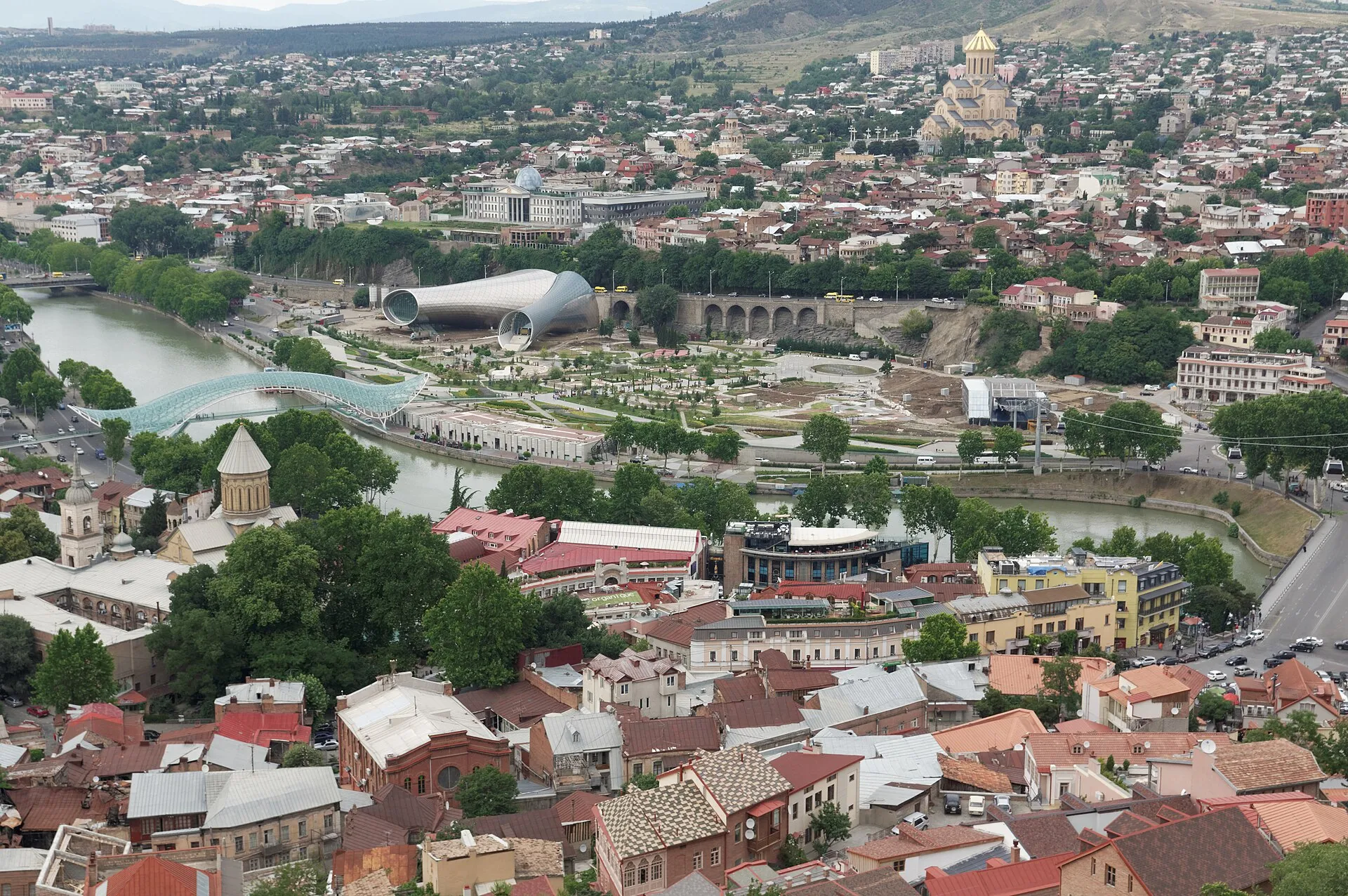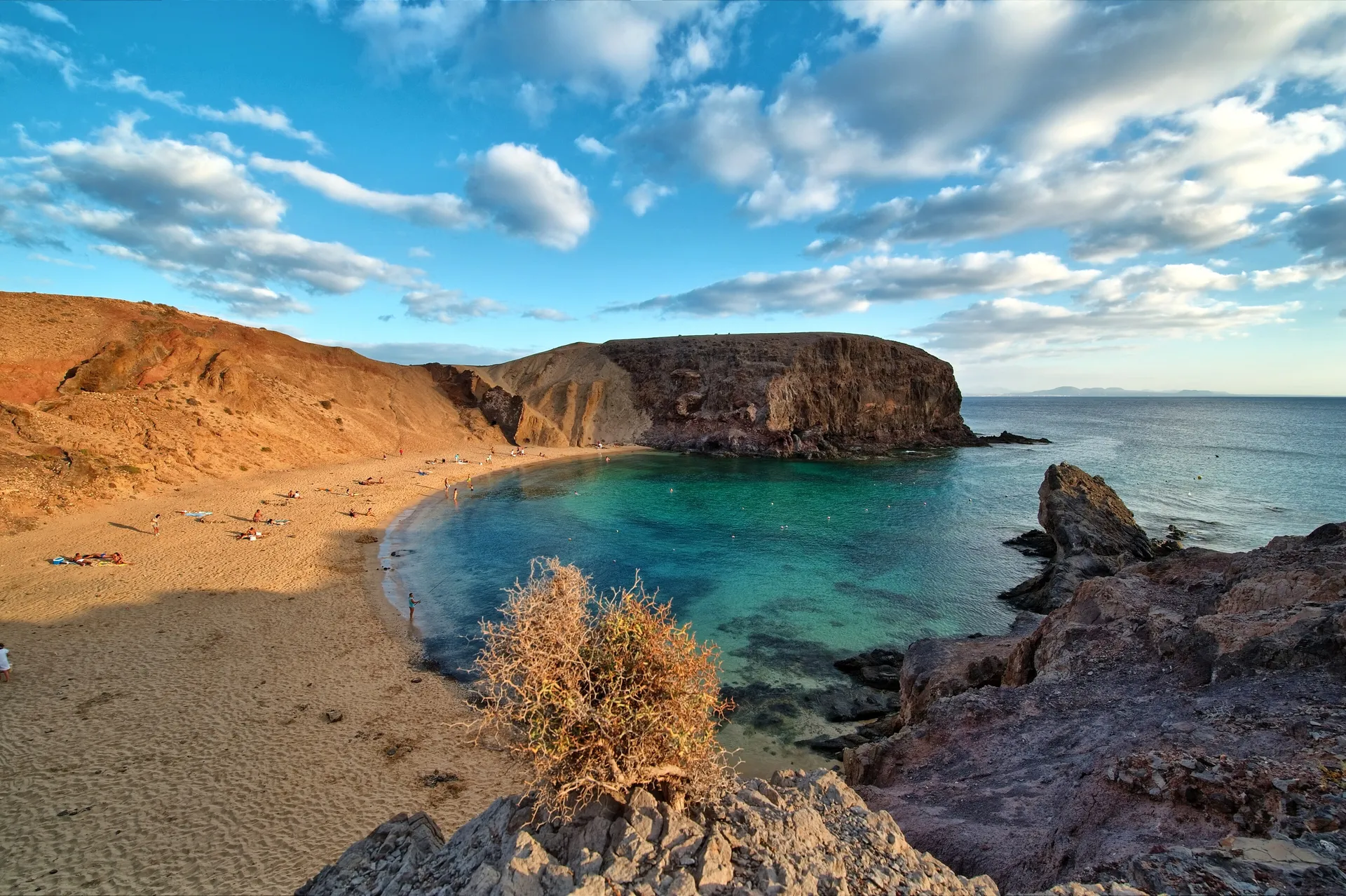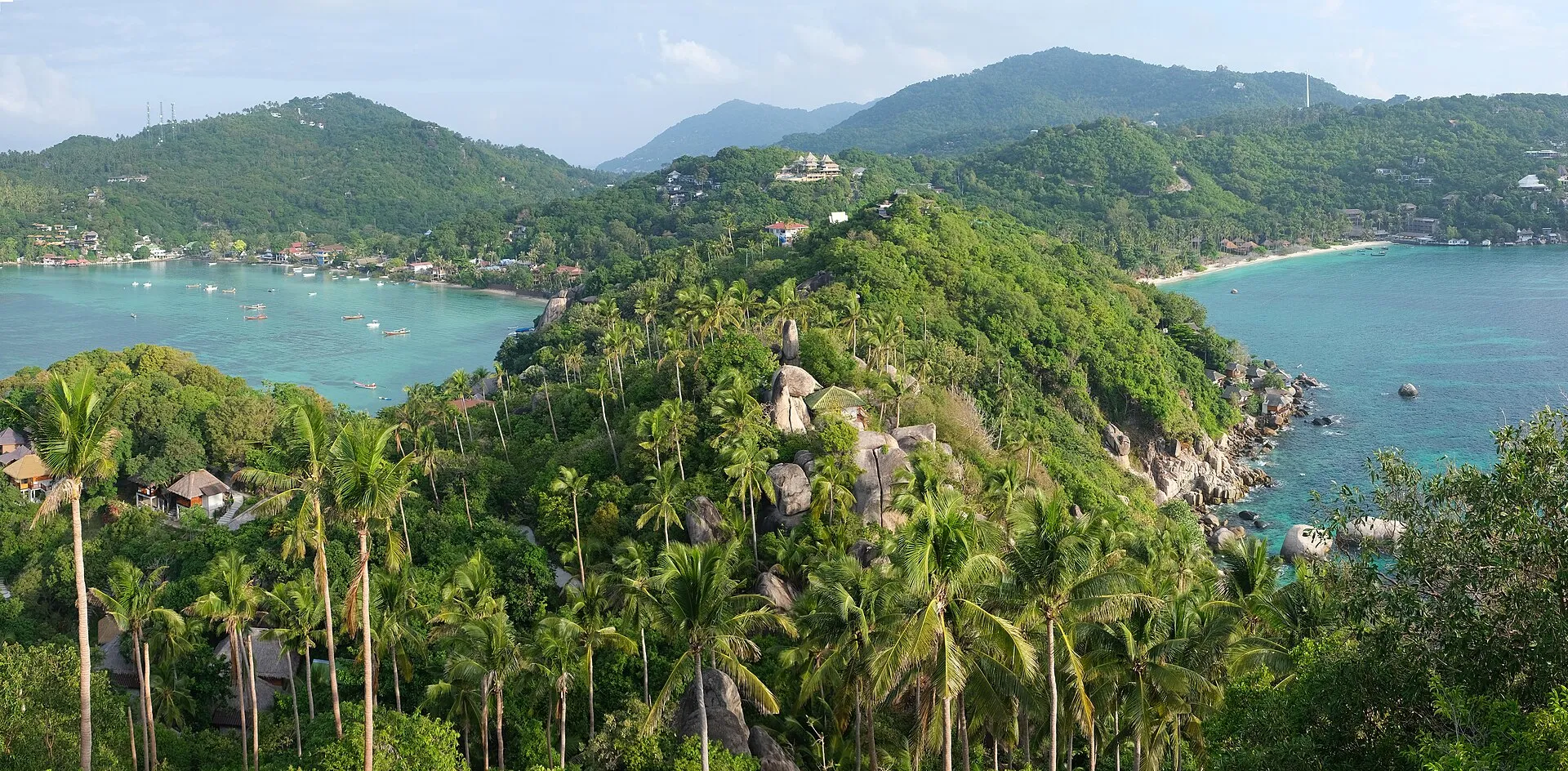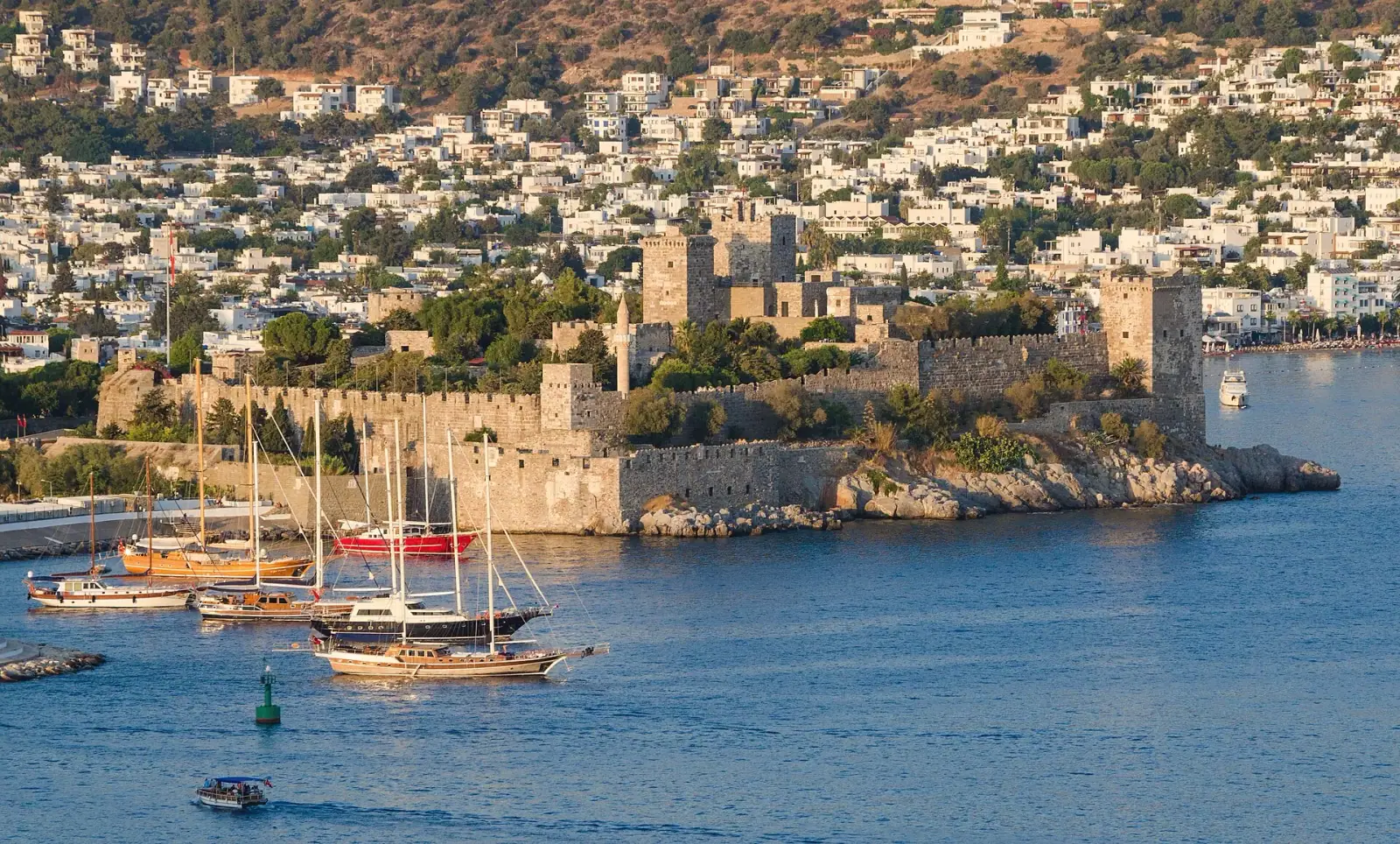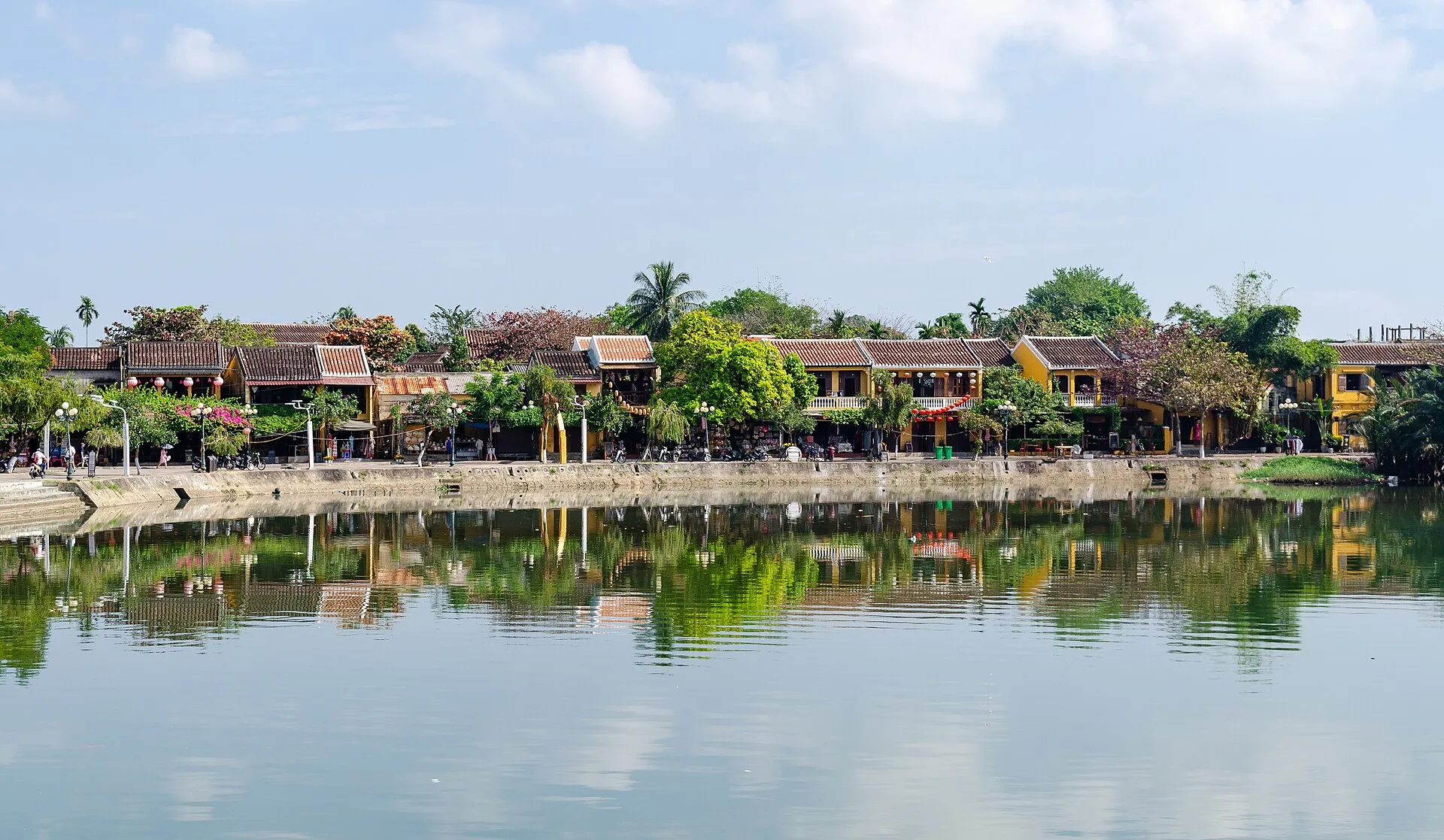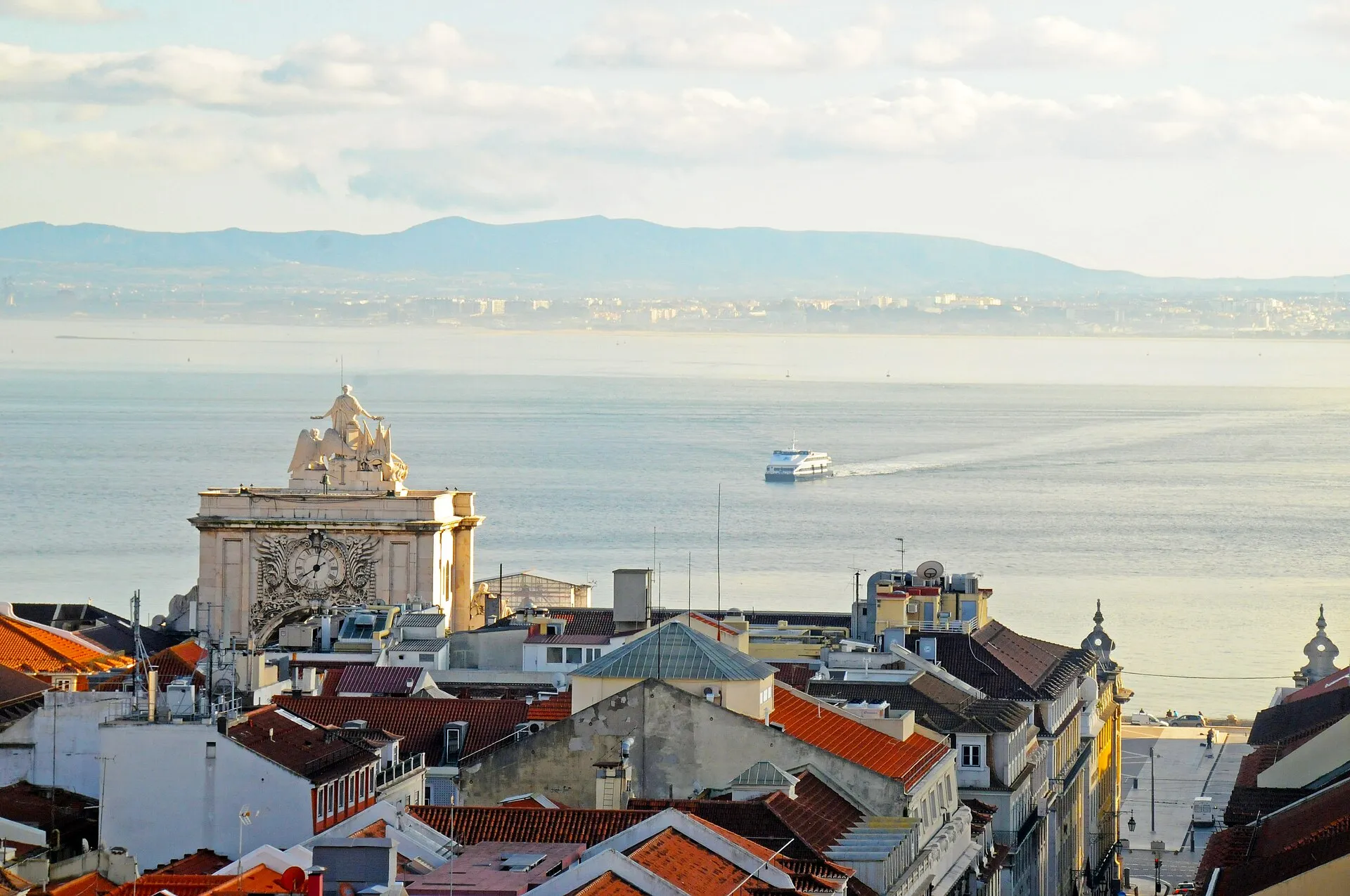
Read this list as a calendar rather than a map and it starts to make sense. From November to March the good light is out in the Atlantic: Las Palmas and Lanzarote stay above 20C by day while the sun sets before four in Berlin. From May to October the Greek islands, the Dalmatian coast and San Sebastián's bay have their turn. In between sit the Iberian cities, Lisbon, Porto, Valencia, Madrid and Barcelona, which are pleasant for most of the year.
That is why nine of the fifteen places are in Spain or Portugal. They have the sun, the trains, the coworking and a visa for remote workers, and few other countries manage all four. Germany earns its two places, Munich and Berlin, on order and infrastructure rather than weather.
The spread in price is wide. Naxos at $1,400 a month costs less than half of what Barcelona or Munich does at $3,800, and the gap is honest: island living means patchy internet, ferries the wind can cancel and villages that close for the winter, while the expensive cities sell you a ready-made social life and everything working.
Ranked by overall Nomad Score among the European cities we cover. Monthly costs are our own estimates for one person living comfortably, in US dollars. Explore the numbers yourself on the comparison tool or browse all 1017 city guides.
At a glance
 Lisbon
A sunny capital with a big remote-work crowd and Portugal's D8 visa, for about $3,500 a month
BEST VALUE Naxos
A Cycladic island that stays open through the winter, for about $1,400 a month
BEST WINTER BASE Las Palmas
Spring weather in January, a city beach and a nomad community already in place
What to weigh before you book
Schengen sets the clock before anything else does. Most non-European passports get 90 days in any 180 across the whole zone, and every country on this list is inside it, Croatia since 2023. Portugal, Spain, Greece and Croatia each run a visa or residence permit for remote workers, with income bars that differ a lot from one to the next; the nomad visa finder lines them up. Germany's route for the self-employed is its freelance permit, which is judged case by case.
After that, decide between an island and a city. On Paros, Naxos and Lanzarote you spend less and live nearer the water, but you work from home, you need wheels for half the year and the social life is what you make of it. Las Palmas is the exception, an island with a real city on it. In Lisbon, Barcelona, Madrid and Berlin the community comes ready-made, at roughly twice the island price.
Last, think about housing and language together. Summer lets on the islands and in Split and Dubrovnik cost far more than a winter lease, so the cheap way to live on the coast is to arrive in autumn and sign for a long stay. Berlin and Lisbon run comfortably in English; in San Sebastián, Madrid and on the Greek islands, a little of the local language makes the landlord and the town hall far easier.
The ranking
-
1
 Nomad Score 9.6$3,500/moSafety 8WiFi 8Value 3
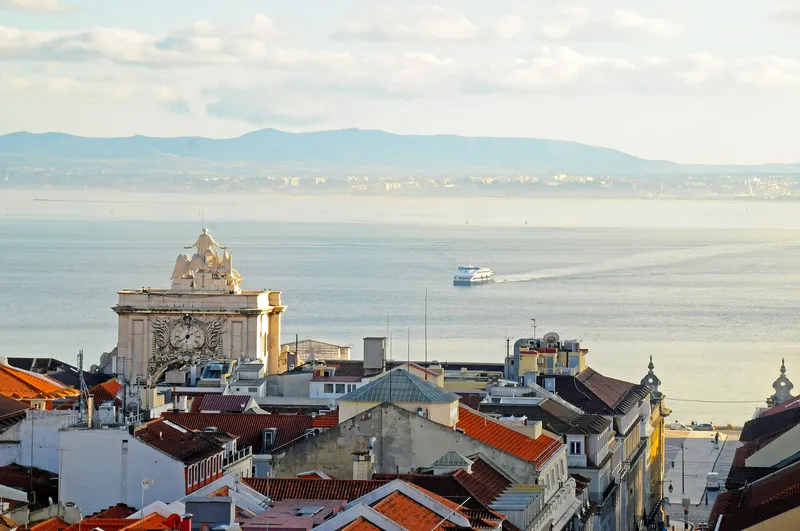
Lisbon spreads over steep hills above the Tagus, and the old yellow trams still grind up through Alfama and Graça past laundry hung between tiled facades. The remote-work crowd here is large enough that coworking spaces, meetups and language exchanges are easy to find in any central neighbourhood, and the train along the coast puts the beach at Carcavelos within half an hour. Portugal's D8 visa offers a legal route to a long stay. What has changed is the price: at about $3,500 a month, central rents now rival cities where people earn far more.
-
2
 Nomad Score 9.3$3,800/moSafety 6WiFi 8Value 3
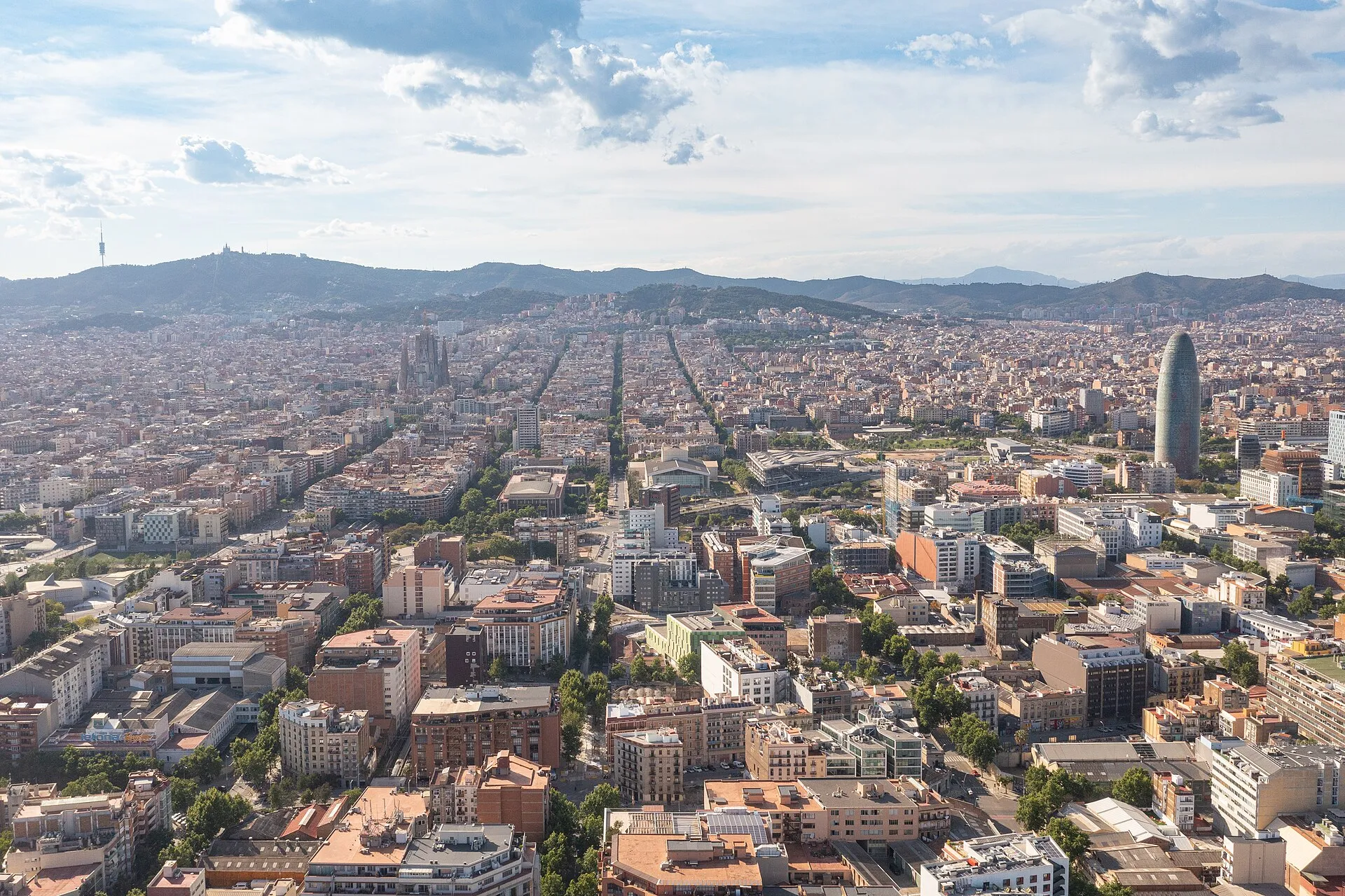
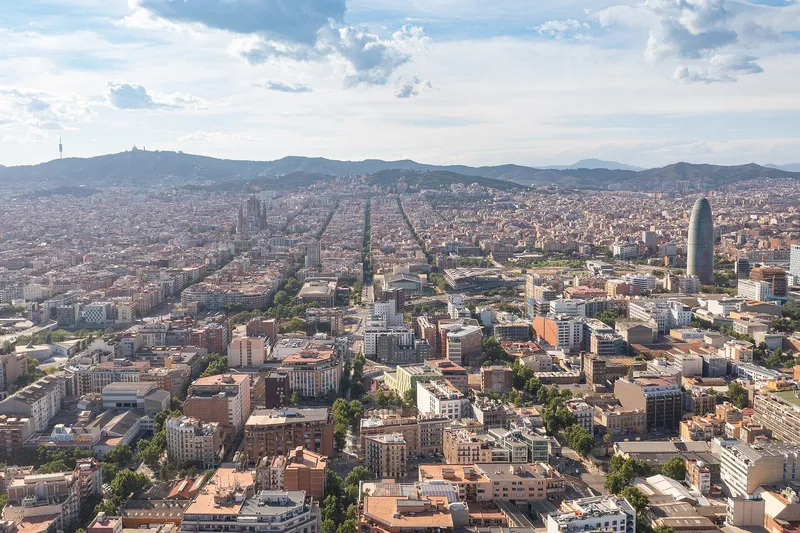
Barcelona fits a city beach, Gaudí and a serious tech economy into one walkable grid. The Eixample's cut-corner blocks make cycling easy, Poblenou's old textile factories now hold startups and coworking floors, and Barceloneta's sand is a short metro ride from most flats. Spain's digital nomad visa covers long stays. Two things push back. At about $3,800 a month it shares the top price on this list with Munich, and pickpockets work Las Ramblas and the metro, more tiresome than dangerous. Keep your phone off café tables and the city gives back a great deal.
-
3
 Nomad Score 9.1$2,800/moSafety 8WiFi 8Value 4
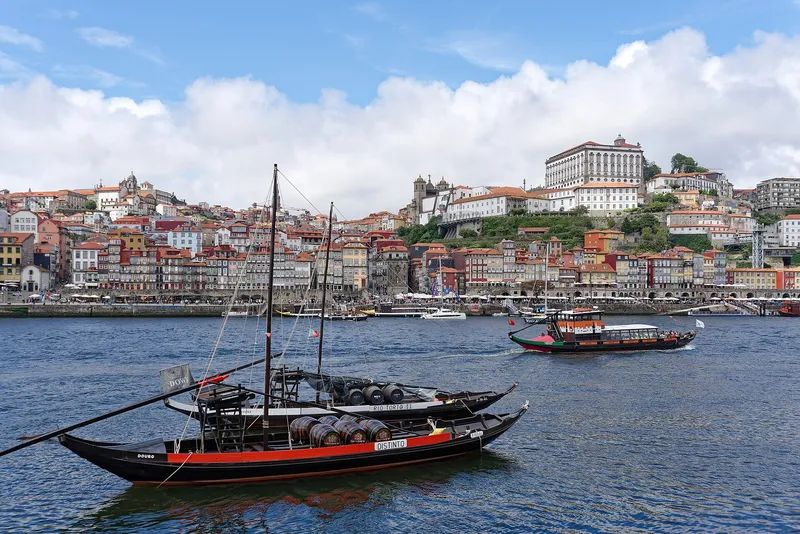
Porto is steeper, greyer and more weathered than Lisbon, and plenty of people prefer it that way. Tiled houses stack down to the Douro at Ribeira, the port lodges line the far bank in Vila Nova de Gaia across the iron Dom Luís I bridge, and the Atlantic beaches of Foz are a bus ride west. At about $2,800 a month it costs $700 less than the capital, under the same D8 visa. The nomad scene is smaller and winters bring proper rain, so it suits people looking for a city to live in rather than a scene to join.
-
4
 Nomad Score 9.1$1,450/moSafety 9WiFi 7Value 6
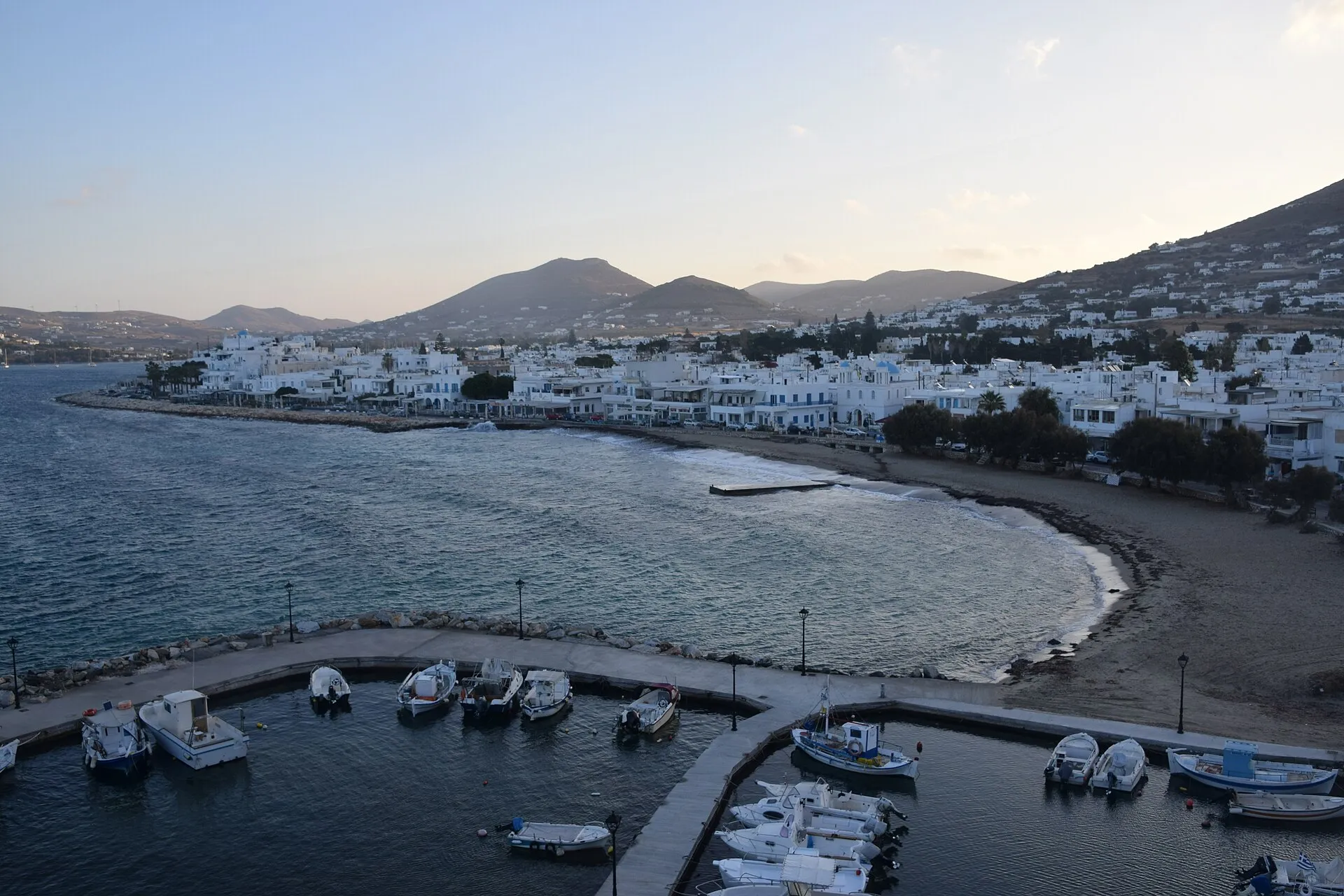
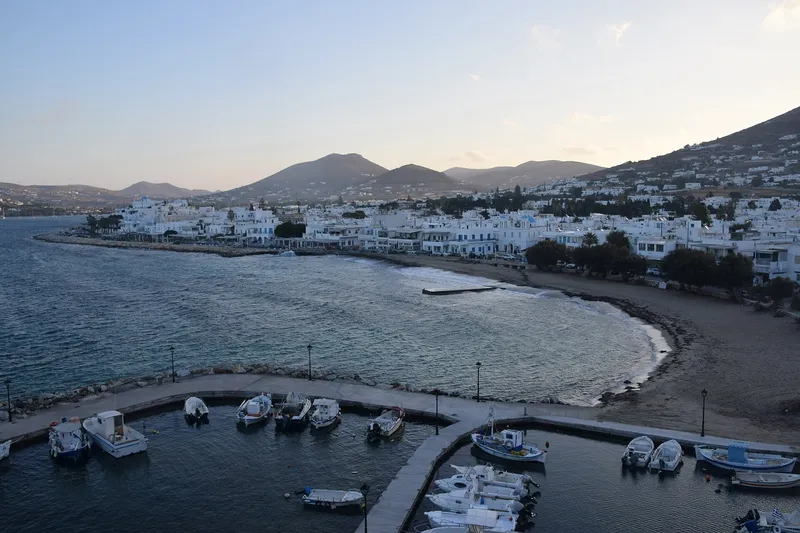
Paros is the Cycladic island that has gathered a small remote-work crowd instead of only holidaymakers. Parikia, where the ferries dock, keeps its banks, supermarkets and health centre open through the winter, while Naoussa's little harbour fills with fishing boats and summer bars. Fast ferries reach Athens in about three and a half hours. At about $1,450 a month it is one of the two cheapest bases here, but the internet depends entirely on the address and the island empties by February. Test the connection before you sign, and bring your own reasons to stay busy.
-
5
 Nomad Score 8.9$3,300/moSafety 9WiFi 8Value 4
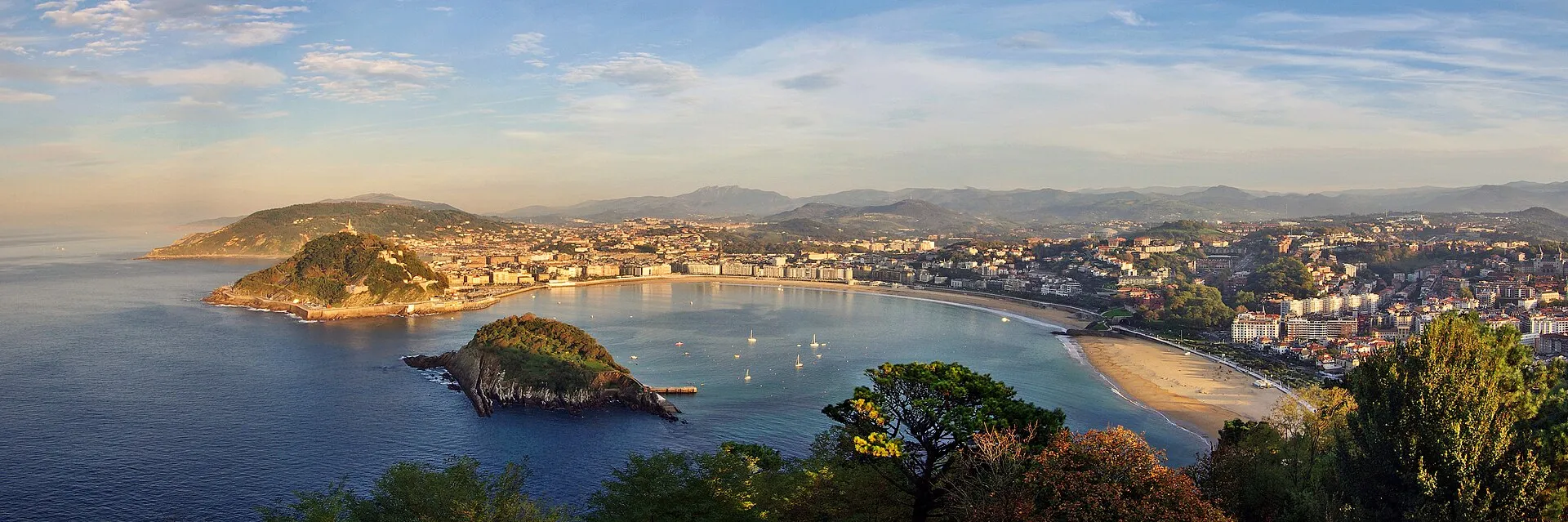
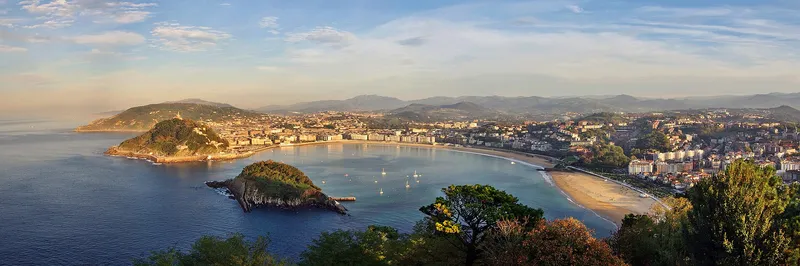
San Sebastián curls around La Concha bay, and the beach sits so close to the old town that a swim can fit between a morning call and lunch. That lunch is the point. The Parte Vieja packs pintxos bars into a handful of narrow streets, and the city's cluster of Michelin-starred kitchens makes the same argument at the top end. It costs about $3,300 a month, the nomad community is small, and Basque and Spanish do more of the talking than English. Rain is frequent outside summer. Come for food, surf and calm, not networking.
-
6
 Nomad Score 8.7$2,300/moSafety 8WiFi 6Value 6
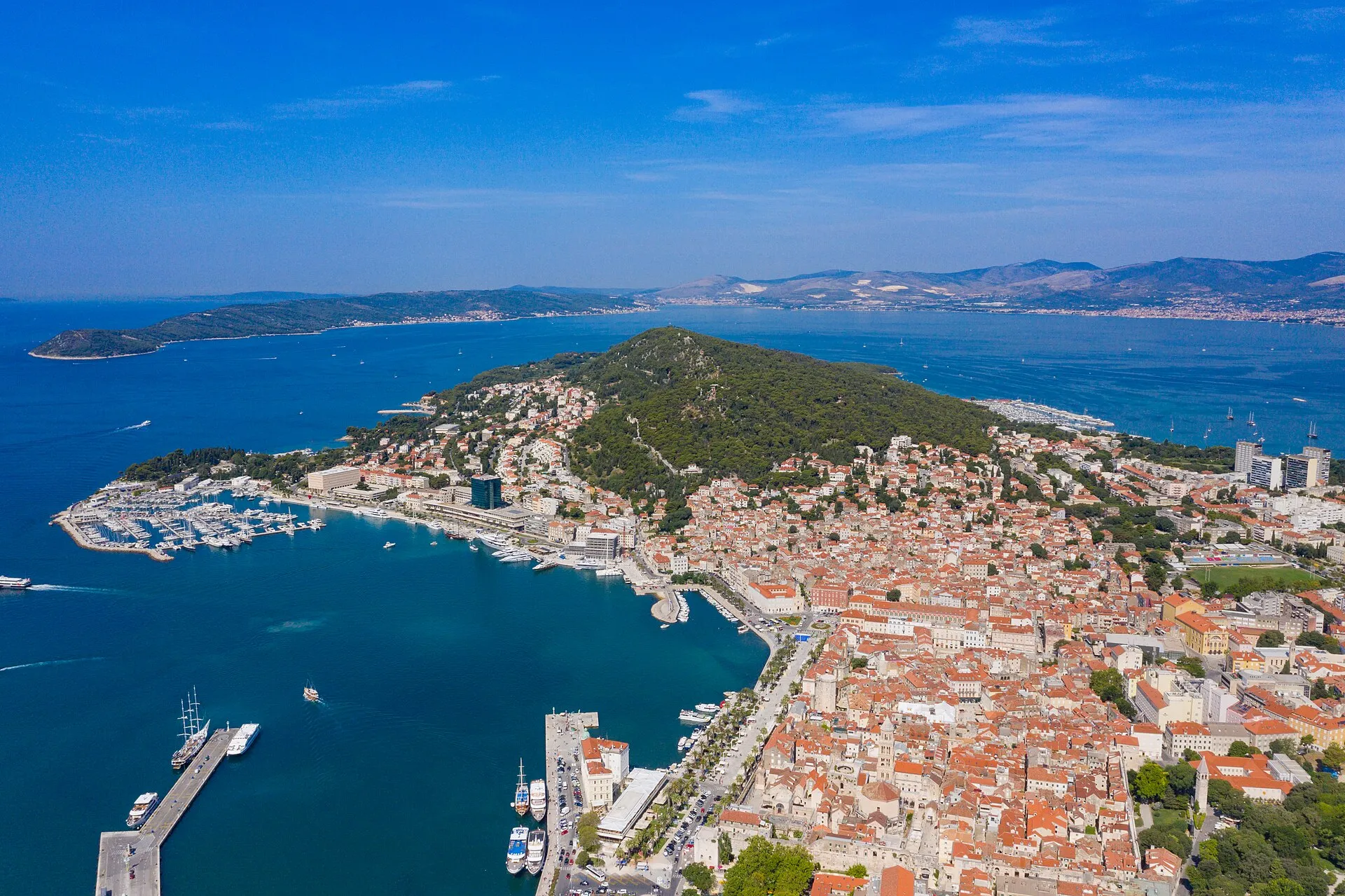
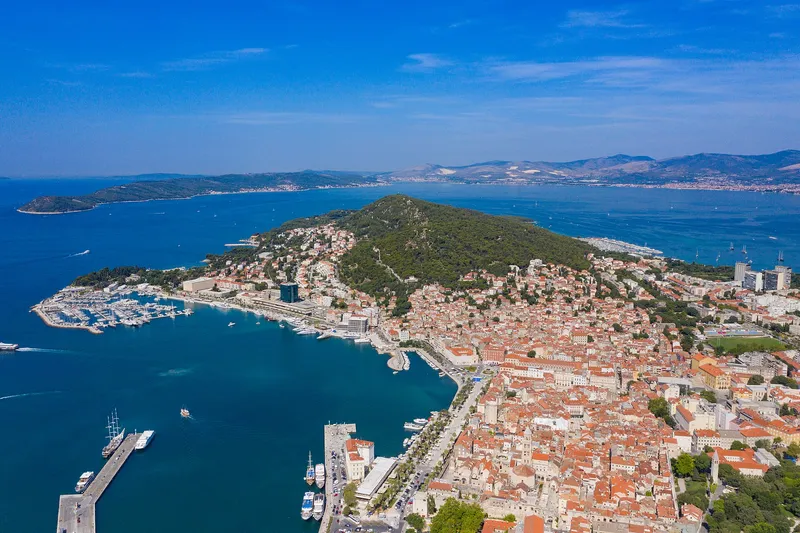
Split grew inside a Roman emperor's retirement palace, and people still live, eat and work within Diocletian's walls. From the Riva promenade, ferries and catamarans leave for Brač, Hvar and Vis, so island weekends need almost no planning. At about $2,300 a month it is the cheaper of the two Croatian cities on this list, and Croatia's digital nomad residence lets non-EU remote workers stay up to 18 months. Summer brings crowds and price spikes, and winter is quiet enough that many places close. Spring and autumn are when living here makes the most sense.
-
7
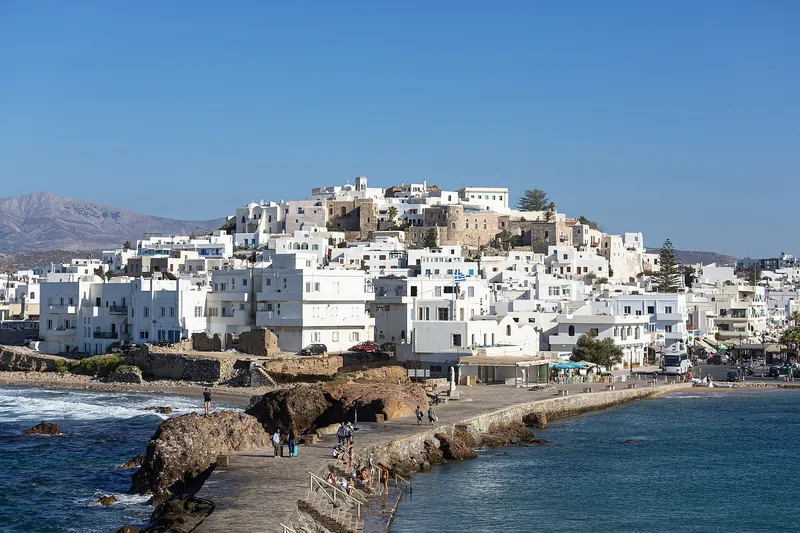 Nomad Score 8.7$1,400/moSafety 9WiFi 6Value 6
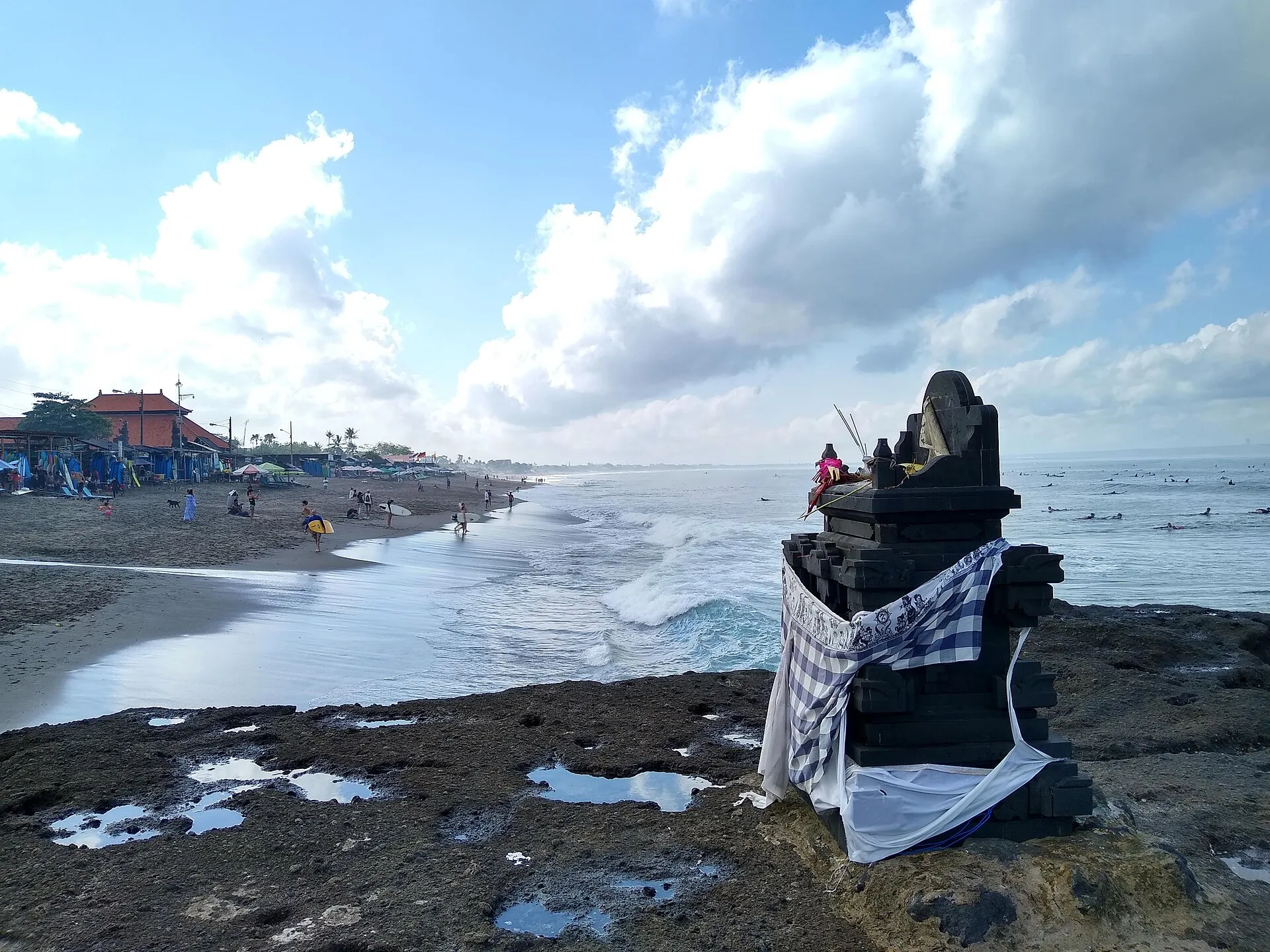
Naxos farms as well as it swims, which is why it does not shut down in October. The largest of the Cyclades has mountain villages such as Filoti and Apiranthos, west-coast beaches that run for kilometres and rarely fill, and food the island grows itself. Chora climbs from the harbour to a Venetian castle, with the marble Portara gate standing on its islet at the harbour mouth. At about $1,400 a month it is the cheapest place on this list. Coworking is scarce, so you work from home or a café, and the internet varies house to house.
-
8
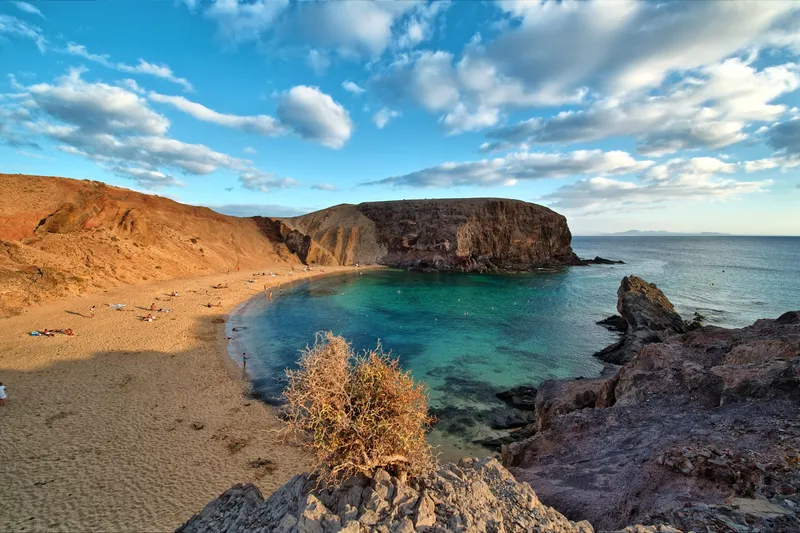 Nomad Score 8.7$1,900/moSafety 9WiFi 8Value 6
Lanzarote looks like nowhere else in Europe: black lava fields at Timanfaya, vines planted in hollows of volcanic ash at La Geria, and whitewashed villages against bare brown hills. Winter days hover around 22C, the island keeps the same clock as London, and the long beach at Famara draws surfers and kiters. At about $1,900 a month it costs less than Las Palmas, but the nomad crowd is small, a car is close to essential and the trade winds can blow for days. It rewards a quiet routine with work for European clients more than a busy social calendar.
-
9
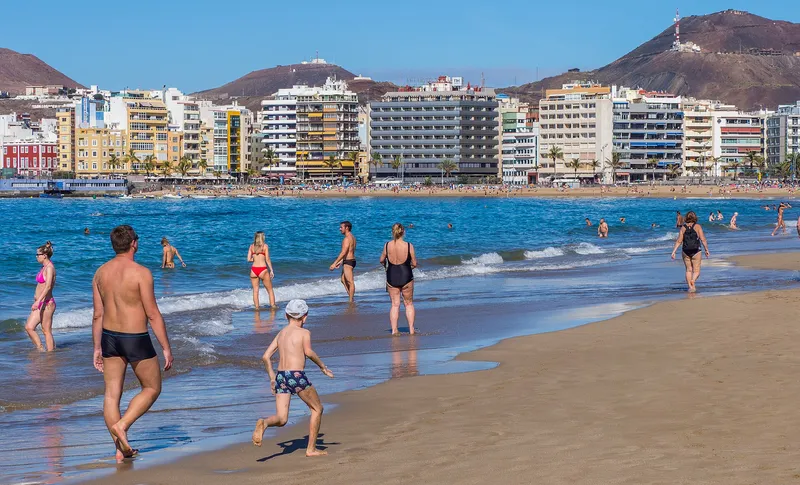 Nomad Score 8.5$2,400/moSafety 7WiFi 7Value 5
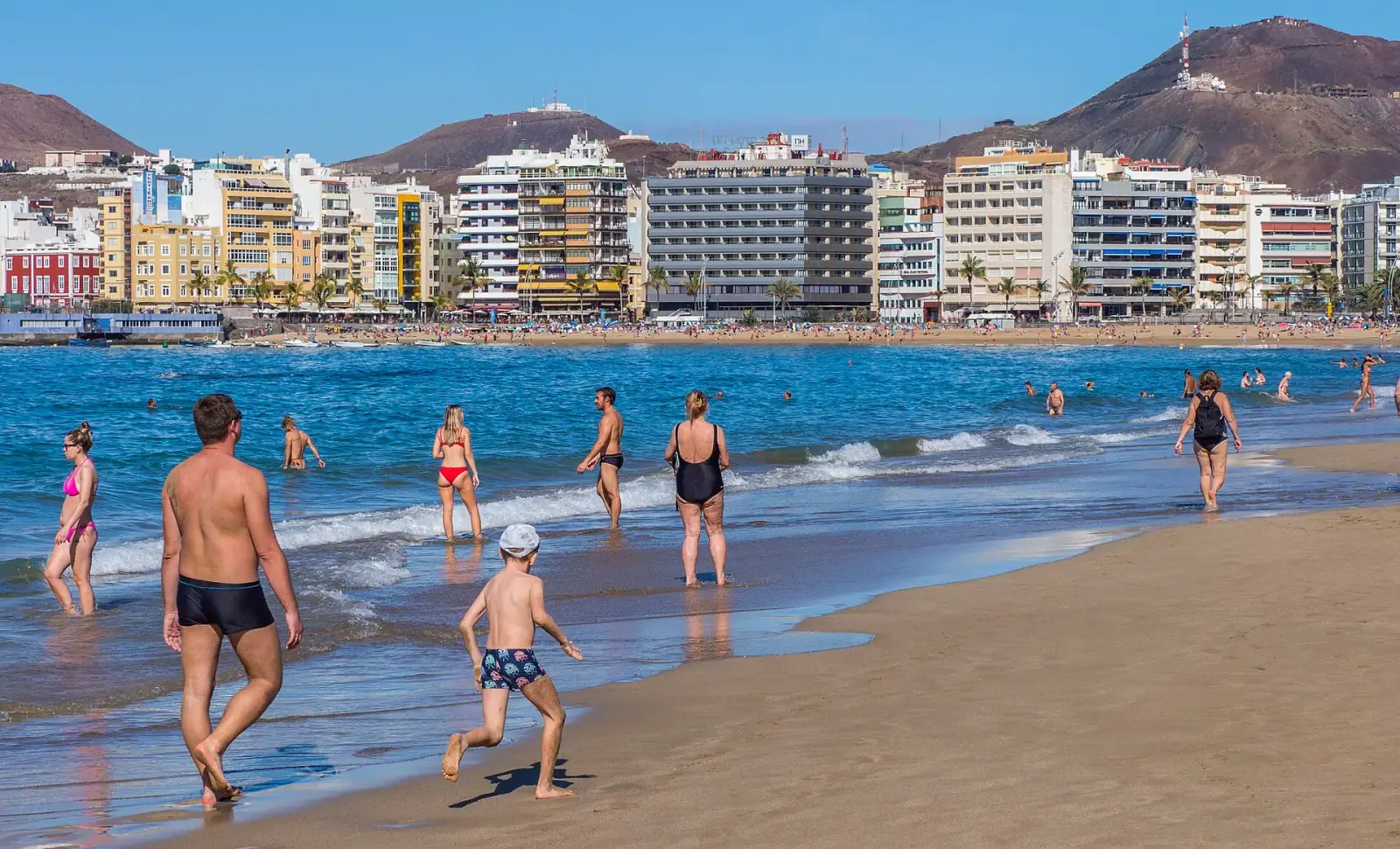
Las Palmas is the biggest city in the Canaries, and that is what separates it from a resort. Las Canteras, about three kilometres of sand sheltered by an offshore reef, runs right along the neighbourhood where most nomads live, so a swim before work is an ordinary habit rather than a treat. Coliving houses and coworking spaces have built one of Europe's best-known winter nomad scenes around it, and Spain's nomad visa applies. About $2,400 a month buys spring weather in January. The catch is distance: going anywhere off the island means a flight.
-
10
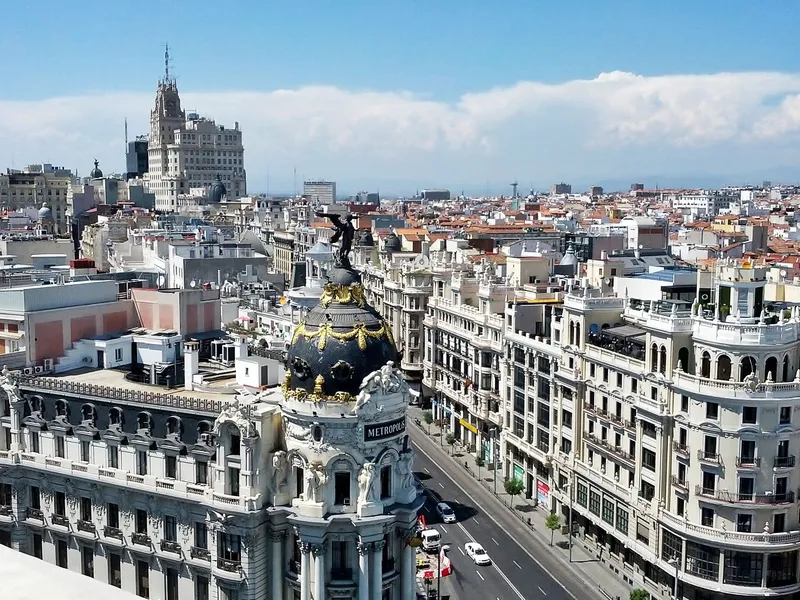 Nomad Score 8.5$3,200/moSafety 7WiFi 8Value 4
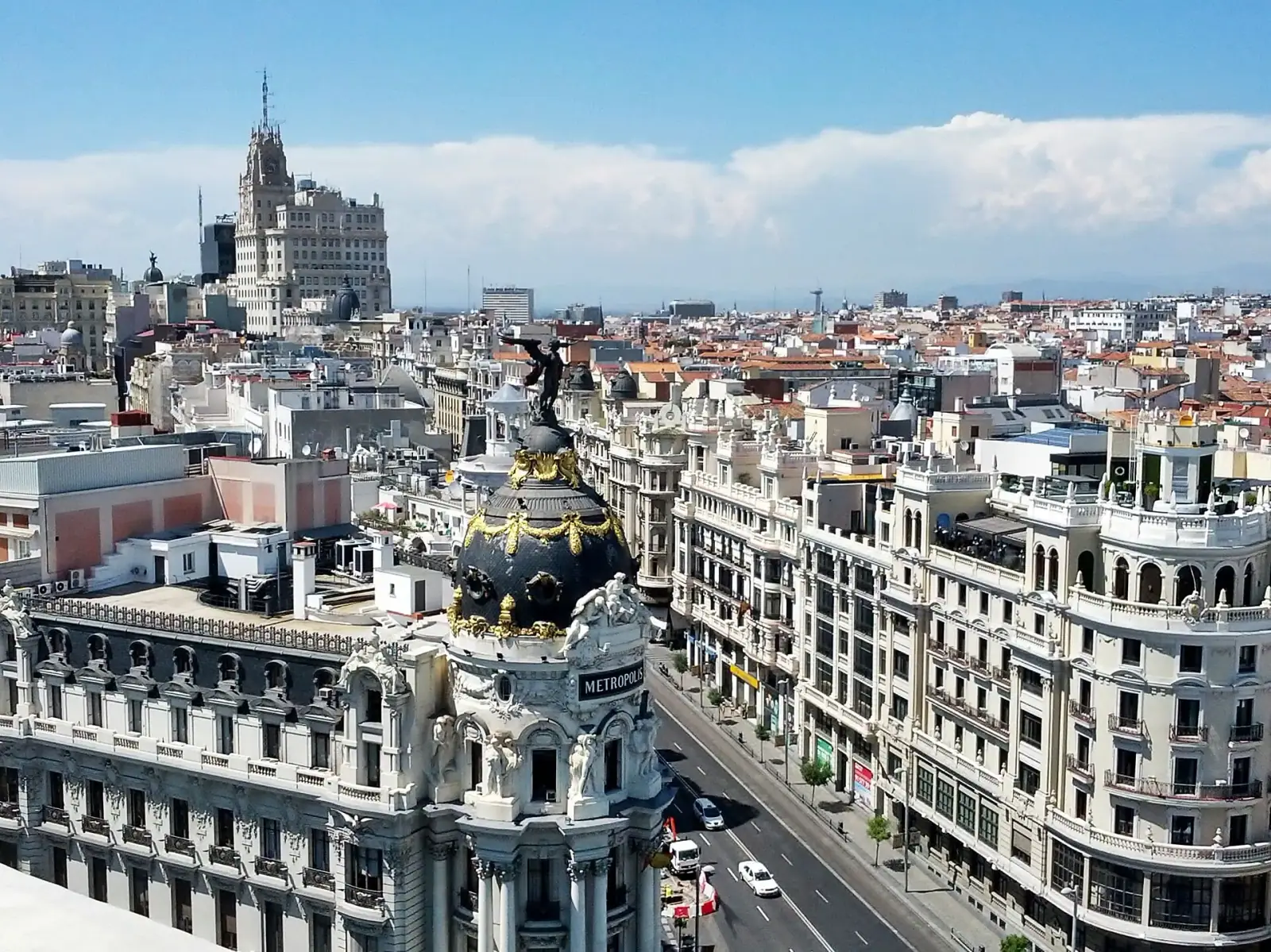
Madrid keeps late hours. Dinner starts after nine, the terraces of La Latina and Malasaña stay full past midnight, and the metro runs until about half past one. Daytime has its own pull: the Prado, the Reina Sofía and the Thyssen sit within a short walk of each other, and Retiro park works as the city's back garden. At about $3,200 a month it costs less than Barcelona for a similar depth of culture. There is no sea, July and August are fiercely hot, and the dry winters can be cold, so it shines from autumn through early summer.
-
11
 Nomad Score 8.5$3,800/moSafety 9WiFi 7Value 3
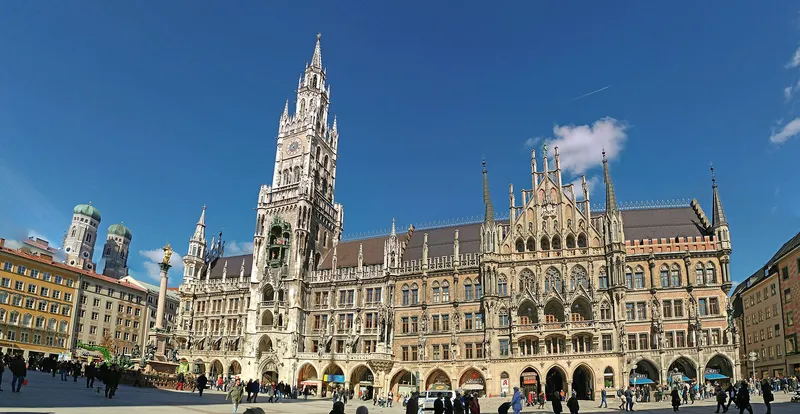
Munich trades sunshine for order. Public transport is dependable, the streets are clean, and the Englischer Garten, larger than New York's Central Park, has surfers riding a standing wave on the Eisbach channel in the middle of the city. The Alps are close enough for a Saturday hike, and the beer gardens fill the moment spring arrives. All of this costs about $3,800 a month, level with Barcelona at the top of this list, and winters are cold and dark. It suits people who want structure and mountains on the doorstep more than a cheap or sociable base.
-
12
 Nomad Score 8.5$3,000/moSafety 9WiFi 7Value 4
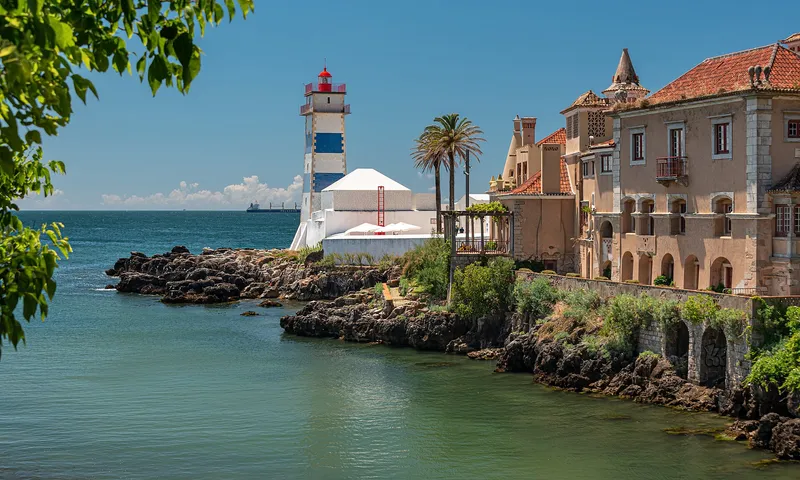
Cascais was a fishing village until Portugal's royal family began spending summers here in the 1870s, and it still has the fish restaurants and the harbour to show for both lives. The coastal train reaches Lisbon's Cais do Sodré in about 40 minutes, so you can live by the sea and go into the capital when you want it. Guincho beach brings surfers and kiters, and Sintra's wooded hills are a short drive inland. At about $3,000 a month it is expensive for Portugal and quiet after dark. Couples, families and runners will like it most.
-
13
 Nomad Score 8.3$3,400/moSafety 7WiFi 6Value 3
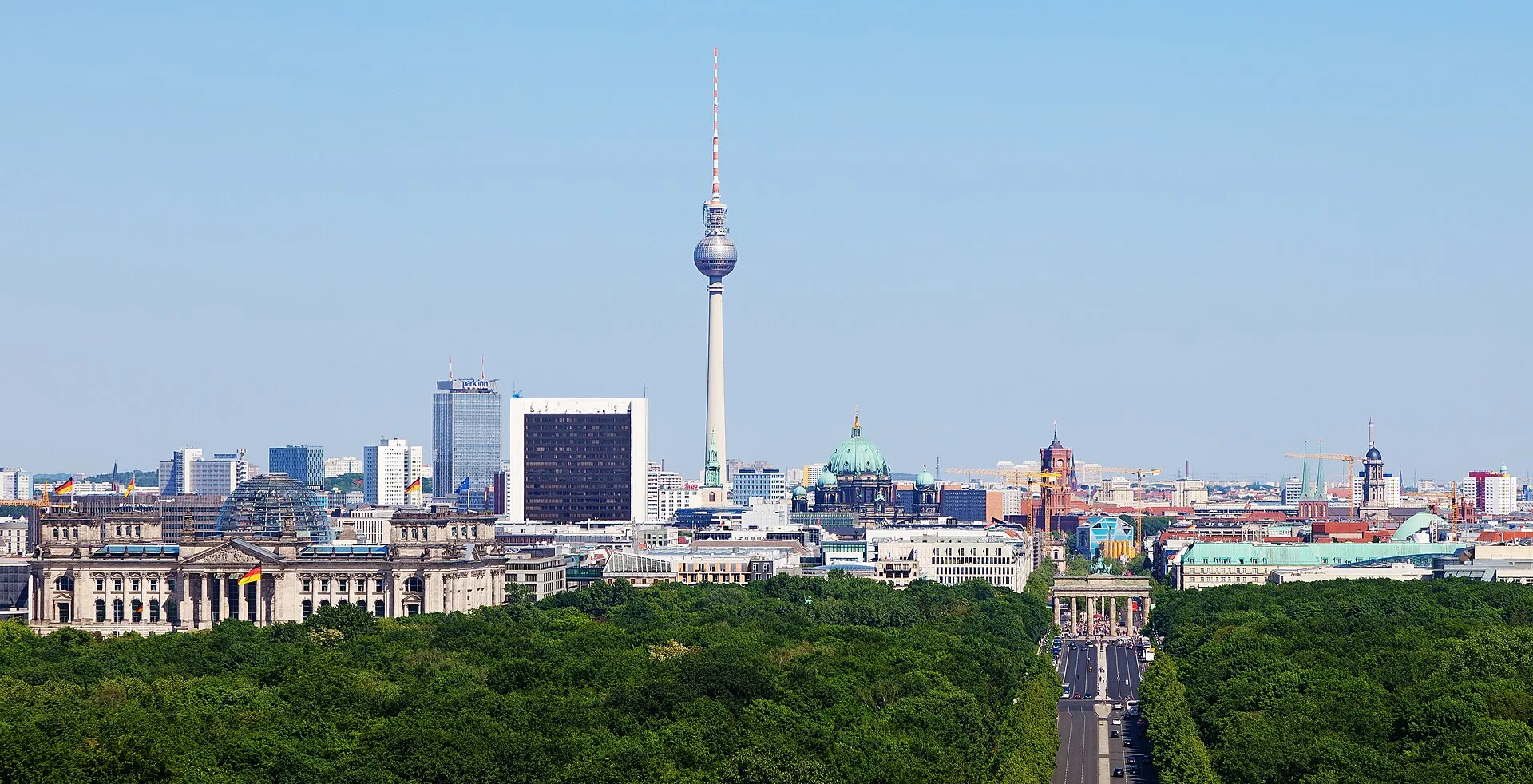
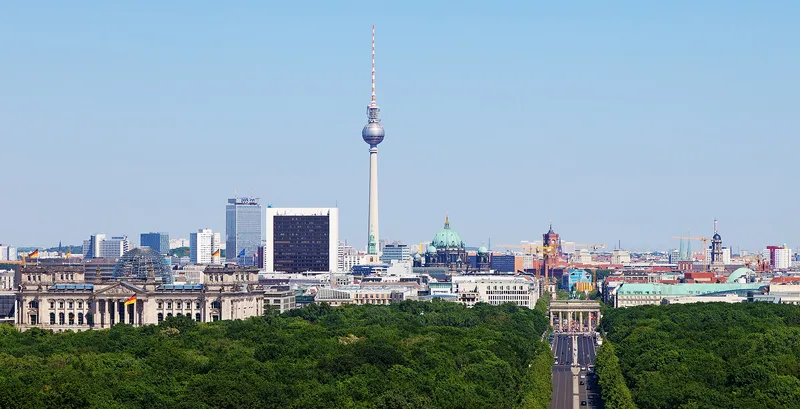
Berlin is one of the easiest cities in Europe to live in English. It is big, flat and green: the old Tempelhof airport is now a park where people cycle and kite-skate down the runways, and lakes such as the Wannsee and the Müggelsee are a train ride out. Startups, galleries and clubs run late, and the coworking choice is deep. It costs about $3,400 a month, and finding a flat is a real hunt. The bigger price is winter, when the sun sets before four in December. Between May and September few capitals are better.
-
14
 Nomad Score 8.3$2,500/moSafety 7WiFi 7Value 5
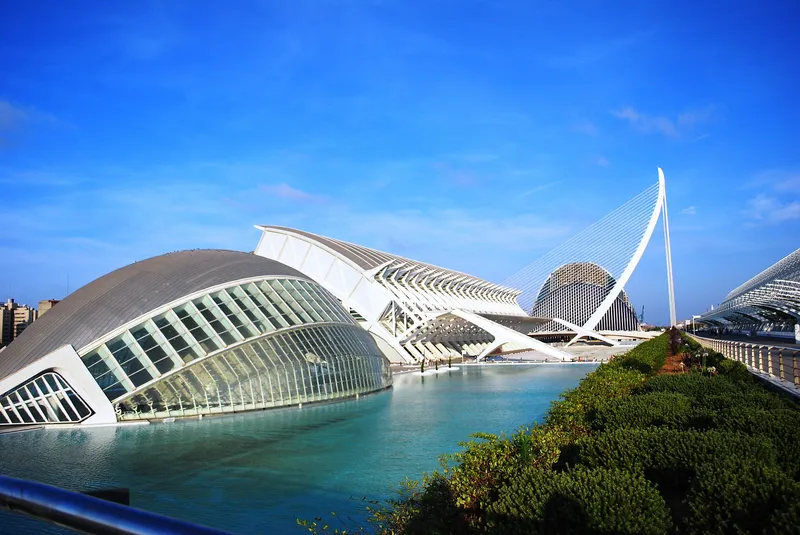
Valencia turned a flood into its best feature. After the 1957 flood the Turia river was diverted around the city, and the empty riverbed became a park of about nine kilometres, with running paths, football pitches and orange trees, ending at the white curves of the City of Arts and Sciences. The city is flat, the bike lanes are good and Malvarrosa beach is a tram ride from the centre. At about $2,500 a month it costs well under Madrid or Barcelona, with solid coworking in Ruzafa. July and August are hot and sticky, and rents have climbed fast.
-
15
 Nomad Score 8.3$2,800/moSafety 9WiFi 6Value 4
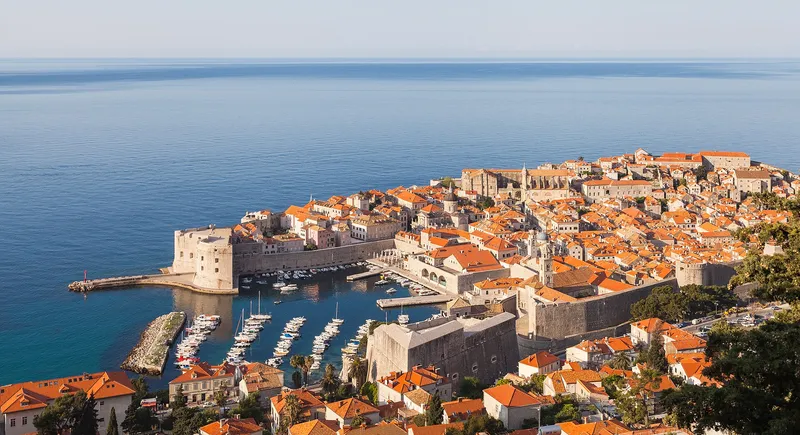
Dubrovnik is wrapped in about two kilometres of medieval walls you can walk along the top of, with the Adriatic dropping away beneath. Inside, the polished limestone of the Stradun runs between baroque churches, and Lokrum island is a short boat ride from the old port. Living here means planning around the cruise ships: summer days are packed and expensive, and winter is half-shuttered. At about $2,800 a month it costs more than Split and the nomad scene is tiny, but for an independent worker on Croatia's 18-month residence, spring and autumn here are lovely.

If you want a single base for the whole year, Lisbon, Valencia or Porto will carry you through every season without a bad month. If you would rather follow the weather, a winter in Las Palmas and a summer on Naxos or in Split costs less than a year in Munich, and you see more of the continent for it. Count your Schengen days before you book either plan.
To set two or three of these against each other on cost, weather and visas, open the compare tool. If you are still deciding what kind of place suits you, the Nomad Taste Wheel matches cities to what you care about.
Frequently asked questions
What is the best city in Europe for digital nomads?
Lisbon leads this ranking. It combines a large remote-work community, mild winters, Atlantic beaches a short train ride away and Portugal's D8 visa for long stays. It costs about $3,500 a month, so Porto at $2,800 and Valencia at $2,500 are the closest matches for less money.
Which European nomad base is cheapest?
Naxos, at about $1,400 a month, then Paros at $1,450, both Greek islands in the Cyclades. Lanzarote at $1,900 is the cheapest Spanish option and Split at $2,300 the cheaper of the two Croatian cities. On the islands the saving comes with patchier internet and very quiet winters.
Where in Europe is warm enough to work through the winter?
The Canary Islands. Las Palmas and Lanzarote reach about 21C to 22C by day in January, against 17C in Valencia and 15C in Lisbon. Both are Spanish, so they sit inside Schengen and Spain's digital nomad visa covers them.
How long can a digital nomad stay in Europe?
Without a visa, most non-European passport holders get 90 days in any 180 across the whole Schengen area, which includes every country on this list. Portugal, Spain, Greece and Croatia run visas or residence permits for remote workers that allow much longer stays, each with its own income requirement; Croatia's allows up to 18 months. Our nomad visa finder compares them by income.
How is the Europe ranking ordered?
By our Nomad Score, which weighs thirteen categories including cost, internet, safety, climate, visas, food and community. The monthly costs are our own estimates for one person. The full method is on our methodology page.