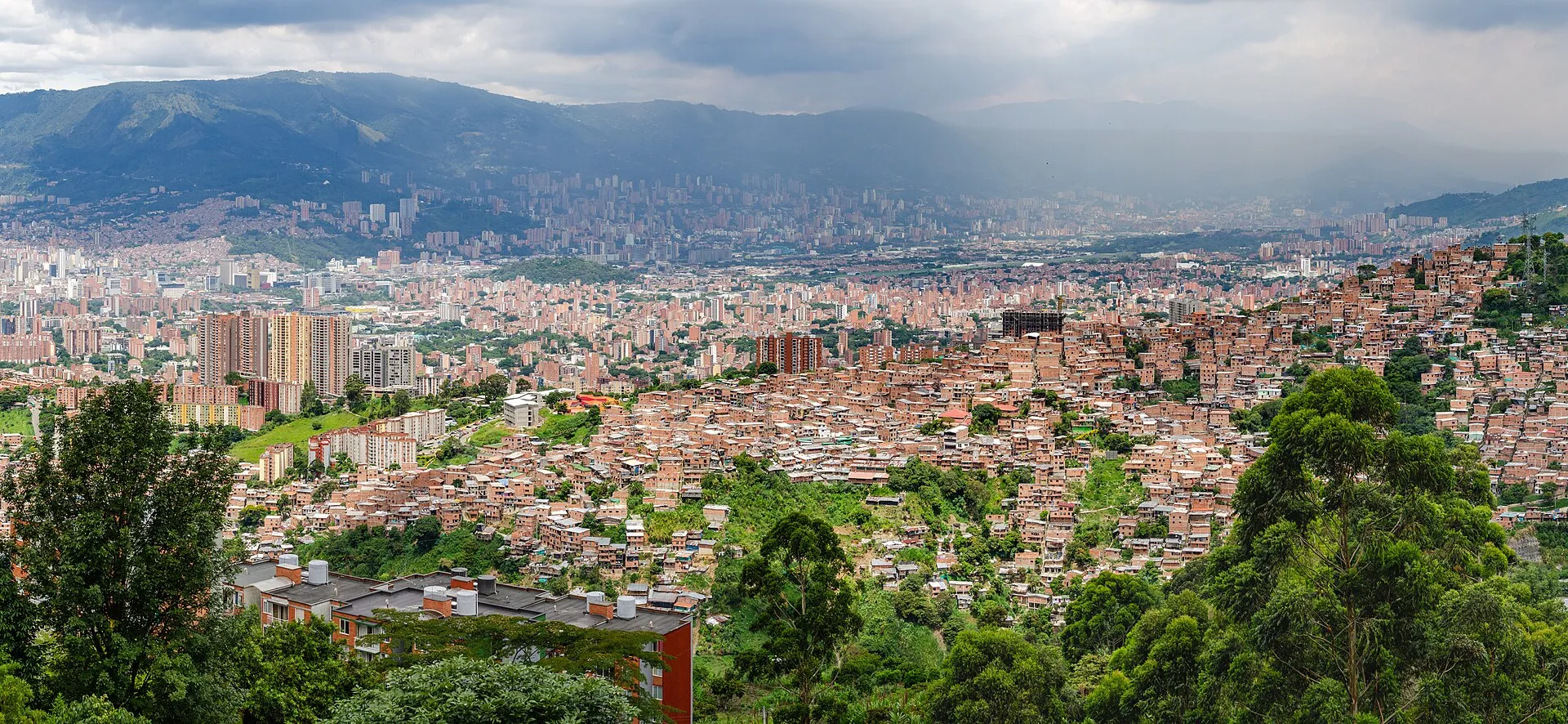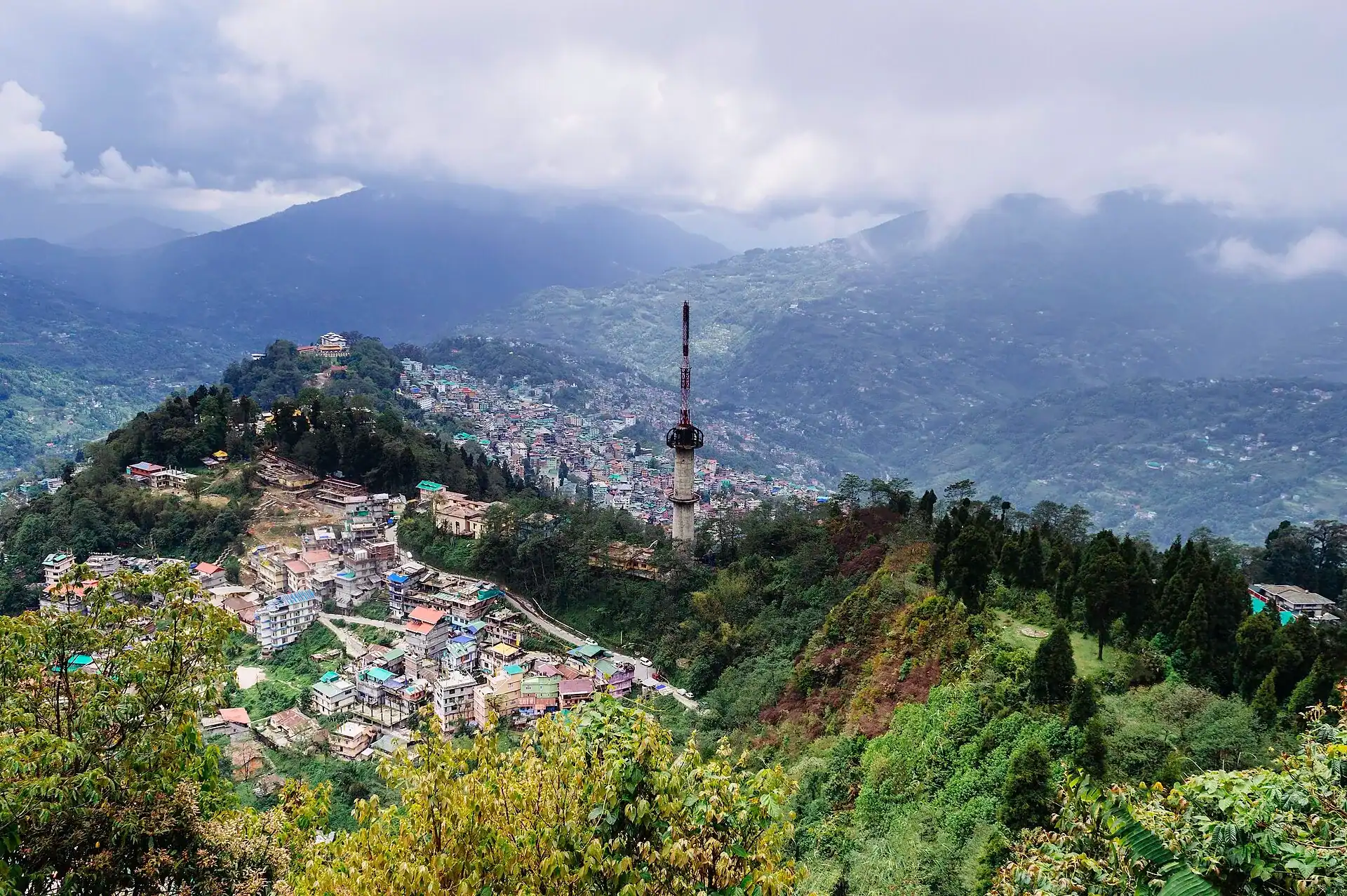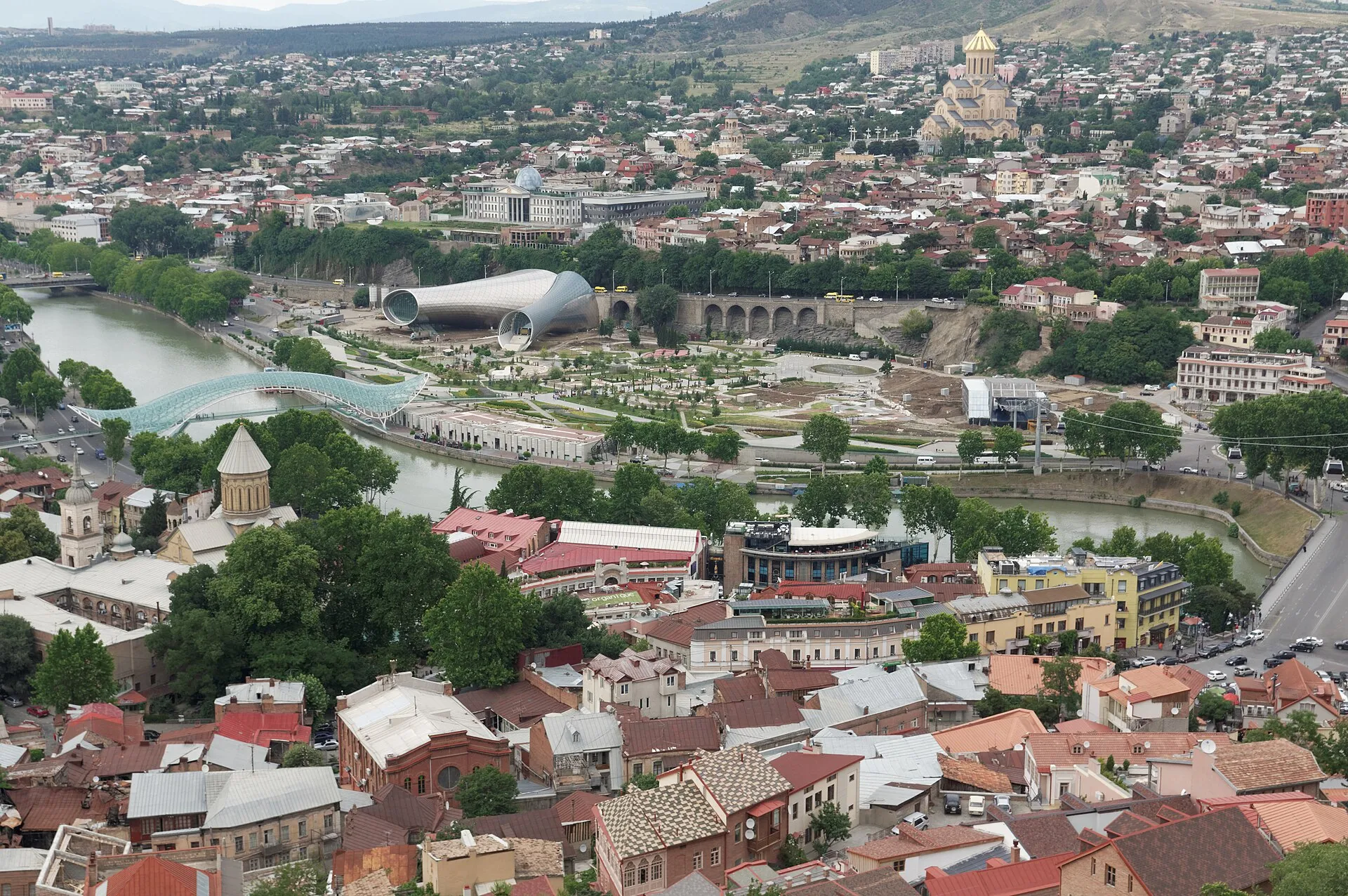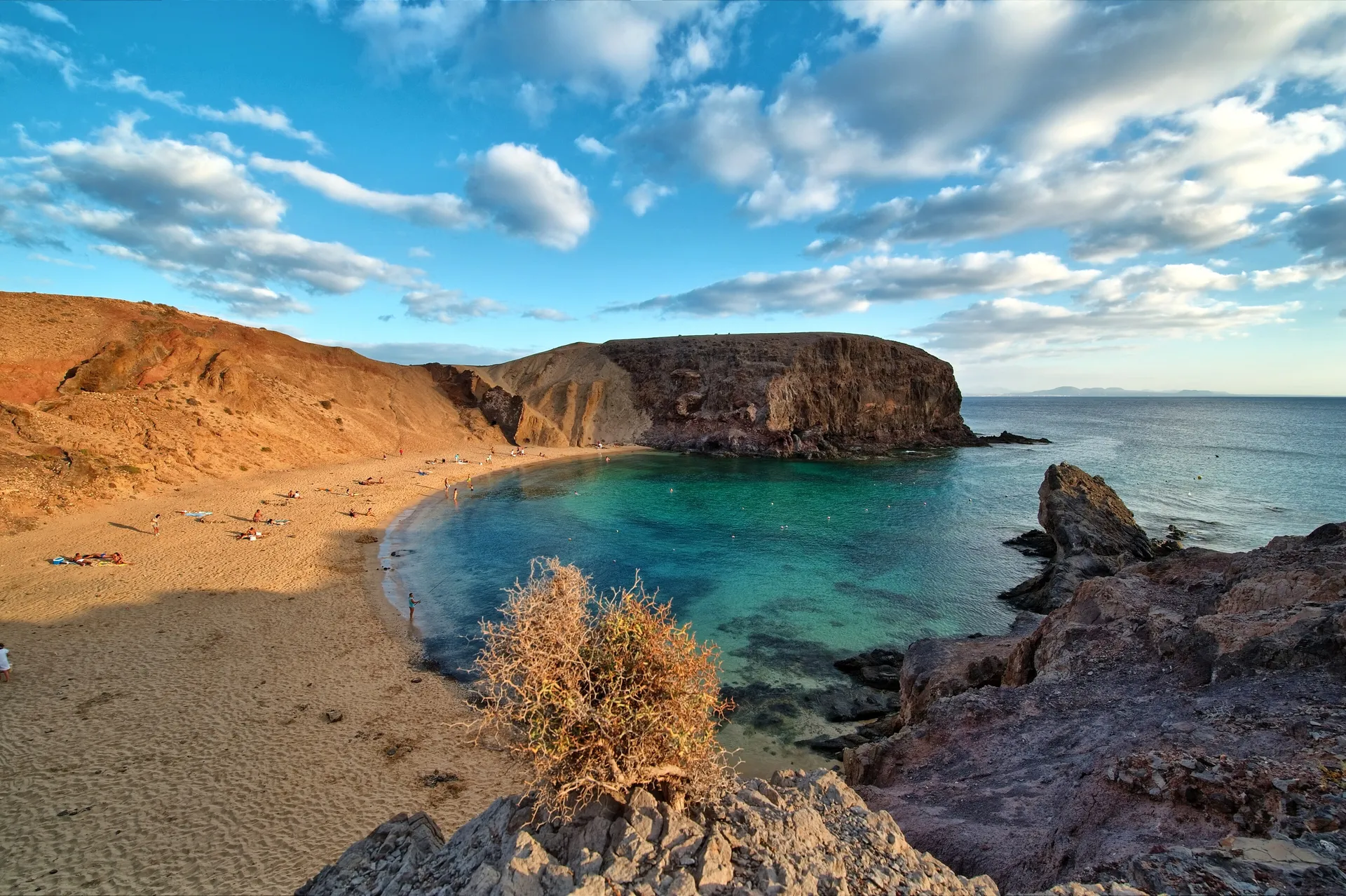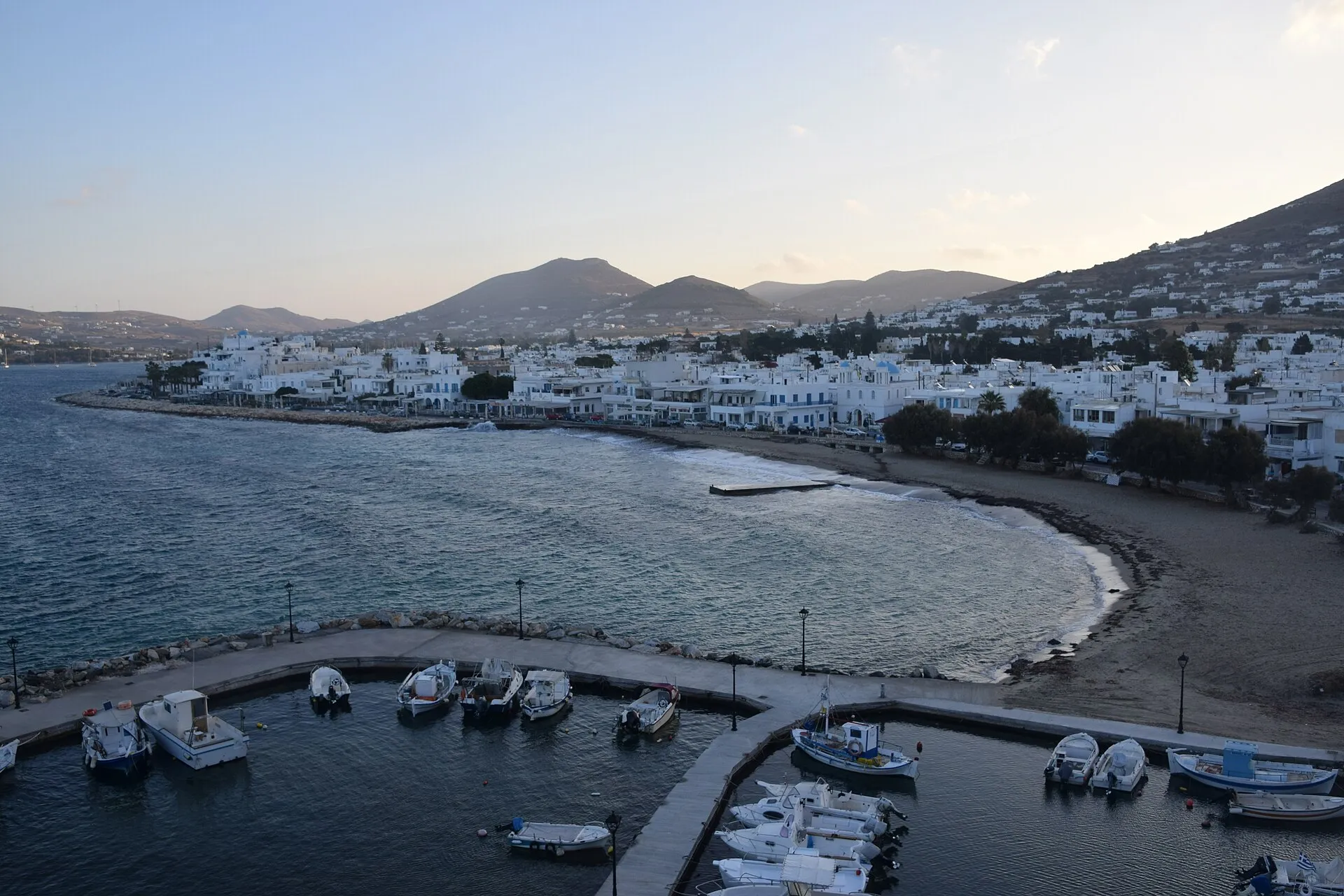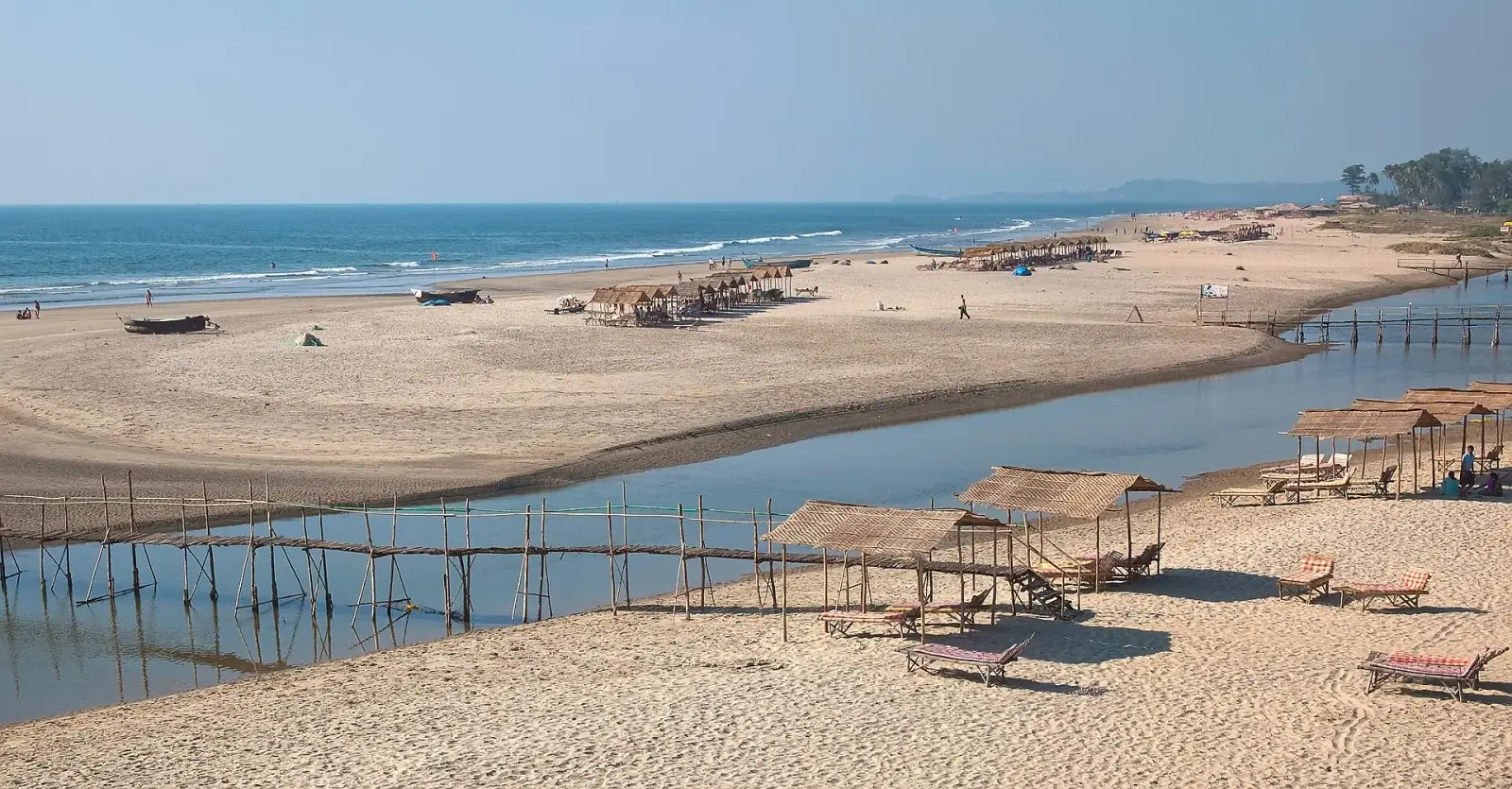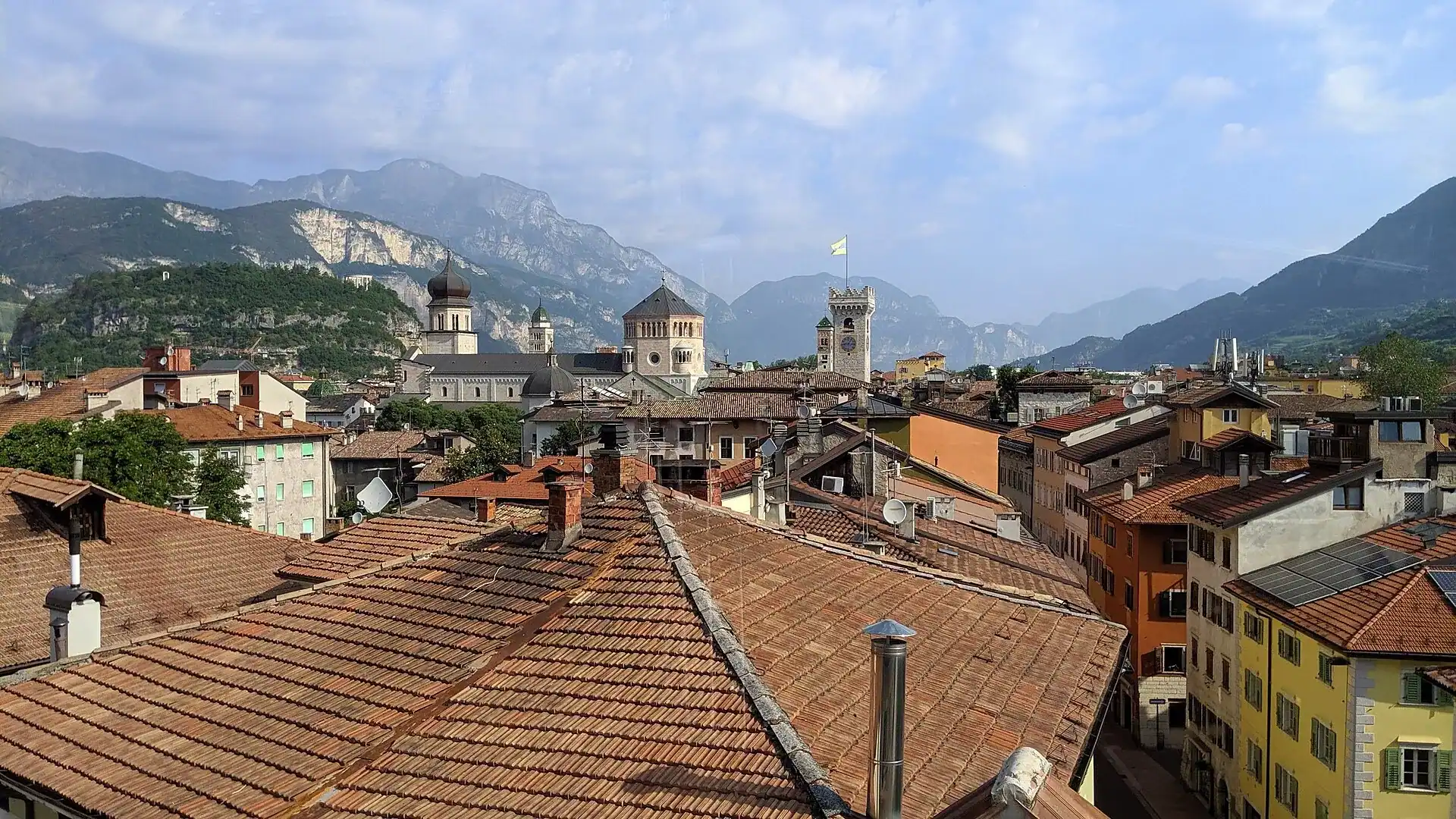
Draw a circle an hour's travel around Lisbon and a third of this list falls inside it: Lisbon itself, Cascais on the coast to the west, Sintra in the forested hills, Ericeira on the surf coast to the north and Setúbal across the Tagus to the south. Draw the same circle around Porto and you catch Porto plus Braga, Guimarães and Aveiro. Portugal is a small country, and for a remote worker that is the point: you can live somewhere quieter and cheaper and still be a train ride from the airport.
The price gap inside each circle is wide. Lisbon costs about $3,500 a month and Cascais about $3,000, while Setúbal and Sintra, under an hour away on the train, come to about $1,400. Évora, inland in the Alentejo, is the cheapest base here at about $1,050.
The rest of the list is coast and island. Nazaré's winter swells are where the biggest waves ever surfed were ridden, Sagres sits at the windy southwestern corner of mainland Europe, Faro is the Algarve's airport city, and Funchal on Madeira stays between 20C and 27C all year.
Ranked by Nomad Score across the Portuguese cities we cover; the score weighs thirteen categories including cost, internet, safety and climate. Costs are our own monthly estimates for one person. Explore the numbers yourself on the comparison tool or browse all 1017 city guides.
At a glance
 Lisbon
What to weigh before you book
The D8 visa is where most non-EU plans start. It is Portugal's residence route for remote workers and asks for income of about $4,240 a month; that floor is four times the Portuguese minimum wage, so it rises whenever the wage does. Without it you have 90 days in any 180 across the Schengen area, and days spent in Spain or France count against the same allowance.
After that, the question is how far from a big city you can stand to live. The small towns here, Braga, Guimarães, Aveiro, Nazaré and Setúbal, have only a small nomad scene, so the people you meet will mostly be Portuguese. In return you pay well under half of what Lisbon costs.
The weather splits north from south. Braga and Guimarães get more rain than anywhere else on this list, with grey Minho winters to match, while Faro and Sagres are dry and bright. Évora has the hottest summers, with July and August highs of 33C, and Funchal the steadiest year.
The ranking
-
1
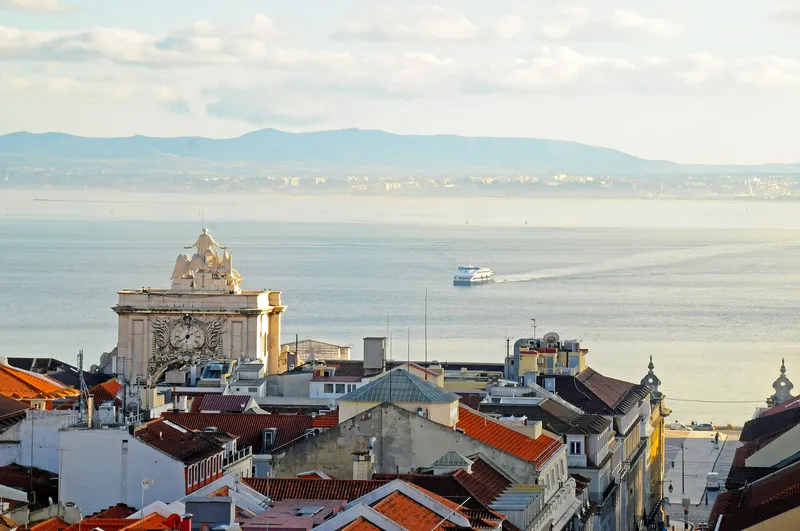 Nomad Score 9.6$3,500/moSafety 8WiFi 8Value 3
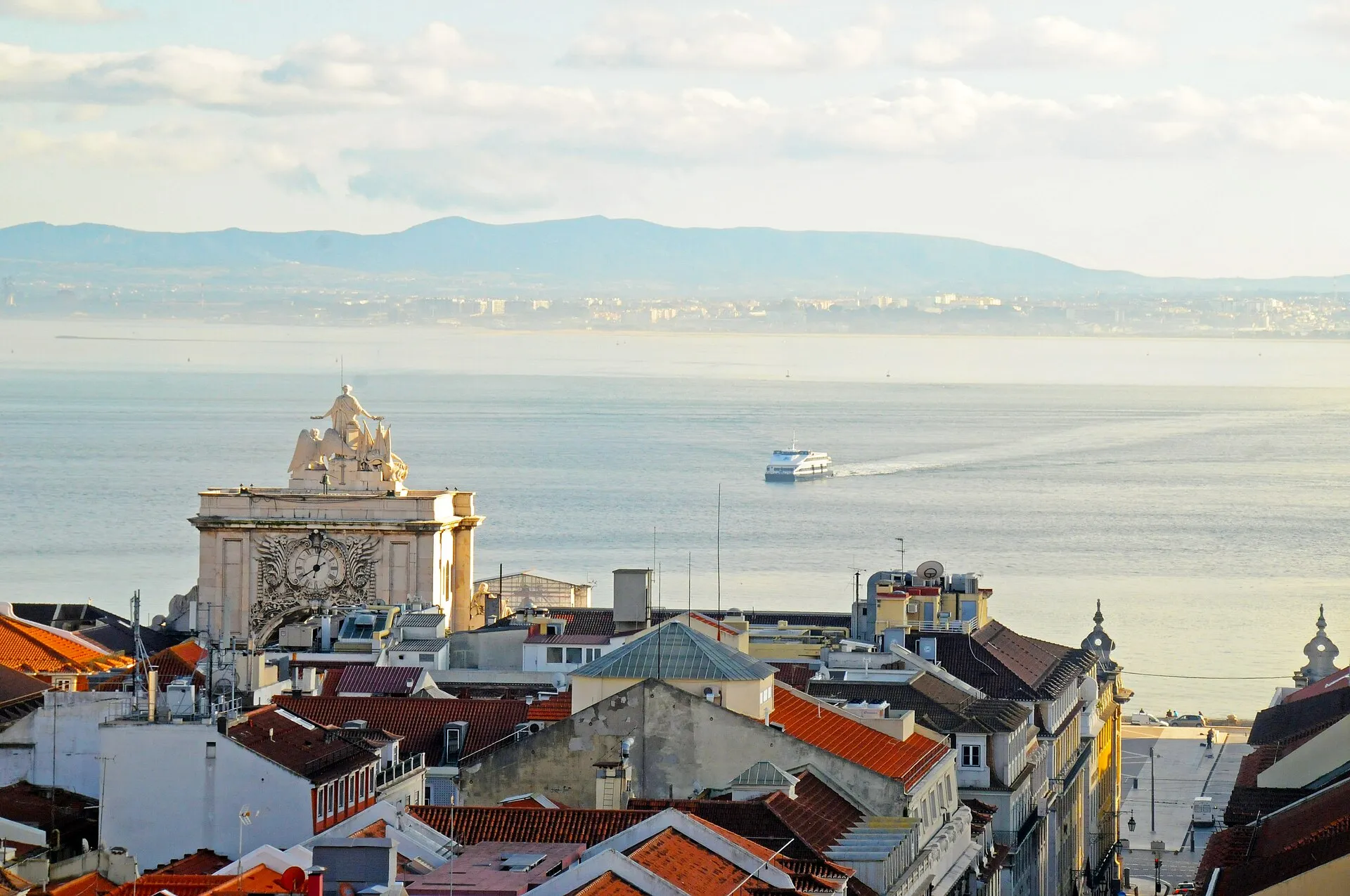
Lisbon is built on hills above the Tagus, and the yellow 28 tram still grinds up through Graça and the Alfama to prove it. It has the biggest remote-work scene in Portugal, from coworking spaces in old warehouses and markets to a startup crowd that grew alongside Web Summit, held here every November, and English is widely spoken. Beaches at Carcavelos and the Costa da Caparica are a train or bus ride out. The price is steep for Portugal at about $3,500 a month, with rents up sharply in recent years and the old quarters full of short lets.
-
2
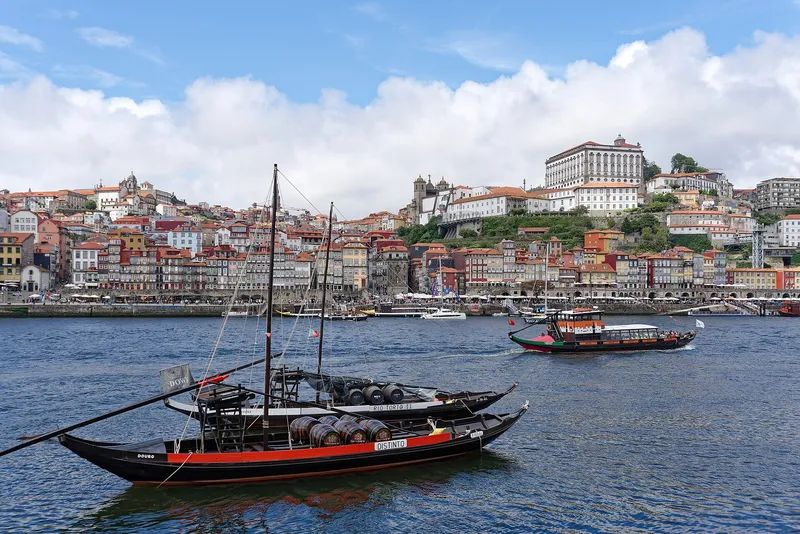 Nomad Score 9.1$2,800/moSafety 8WiFi 8Value 4
Porto stacks itself up the steep north bank of the Douro, tiled houses piled on each other down to the Ribeira waterfront, with the port wine lodges of Vila Nova de Gaia facing them across the river. It is smaller, cheaper and more local than Lisbon, at about $2,800 a month, and the metro runs both to the airport and to the beach at Matosinhos, where the grilled fish is the reason to go. The remote-work scene is real but thinner. Porto is green because it is wet, and winters bring long grey spells.
-
3
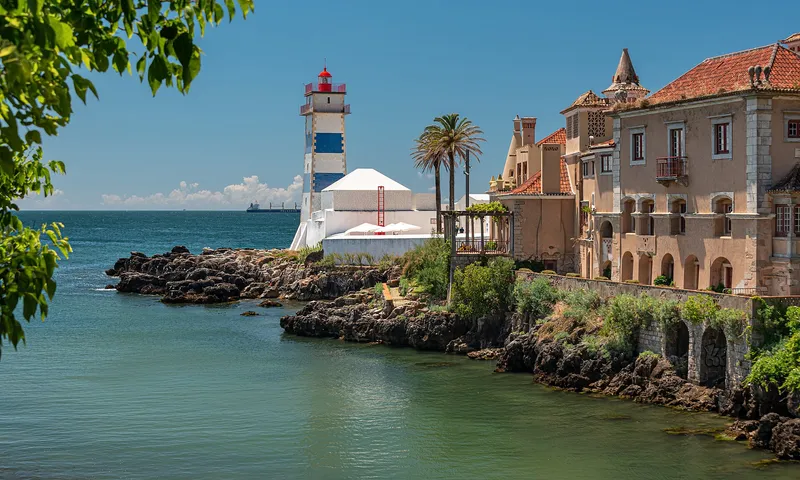 Nomad Score 8.5$3,000/moSafety 9WiFi 7Value 4
Cascais was a fishing village until Portugal's royal family began spending summers here in the 1870s, and it has stayed polished ever since: a marina, a citadel, small beaches tucked between rocky points, and a seafront cycle path out towards the Guincho dunes. The coastal train reaches Lisbon's Cais do Sodré in about 40 minutes. It is safe and easy, and at about $3,000 a month among the most expensive bases here. It feels like an affluent seaside suburb rather than a nomad hub, so many residents head into Lisbon for their social life.
-
4
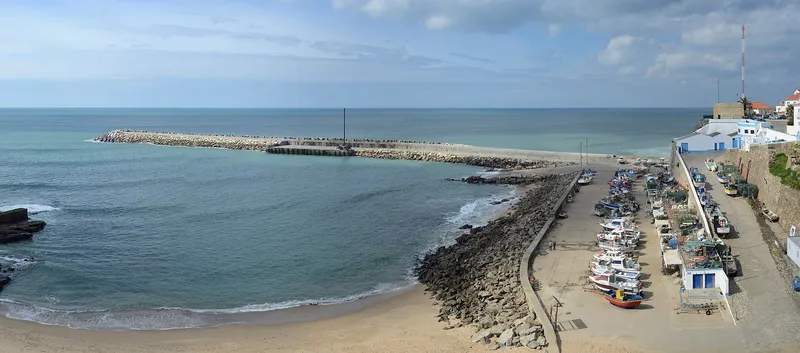 Nomad Score 8.3$2,200/moSafety 9WiFi 6Value 6
Ericeira is a whitewashed fishing town on low cliffs, and the waves are why people move here. The coast around it became a World Surf Reserve in 2011, the first in Europe, with breaks like Ribeira d'Ilhas and Coxos within a few kilometres of the centre. A close surf and remote-work crowd fills the cafés between sessions, which makes it the easiest small town on this list to arrive in alone. About $2,200 a month covers it, and Lisbon is about 45 minutes by car. Summer highs stay in the low twenties, and evenings are quiet.
-
5
 Nomad Score 8.3$1,700/moSafety 9WiFi 7Value 6
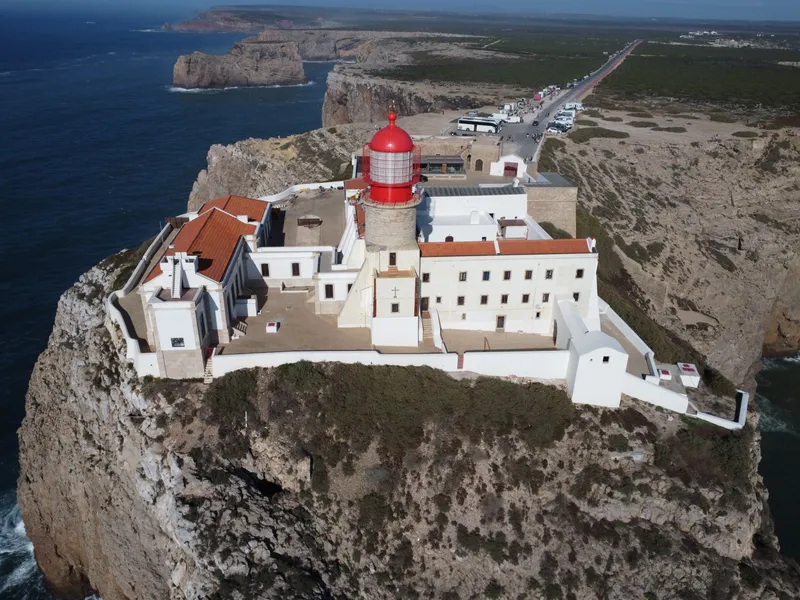
Sagres sits beside the southwestern tip of mainland Europe, where the cliffs of Cabo de São Vicente drop into the Atlantic and the lighthouse marks the end of the road. The village still works as a fishing port, and its beaches, Tonel, Mareta and Martinhal, face different ways, which is why surfers and swimmers can usually find one that suits the day. About $1,700 a month is high for a village, because long rentals are scarce. The wind rarely stops, coworking is thin, some shops close from November, and you will want a car.
-
6
 Nomad Score 8$1,400/moSafety 8WiFi 8Value 6
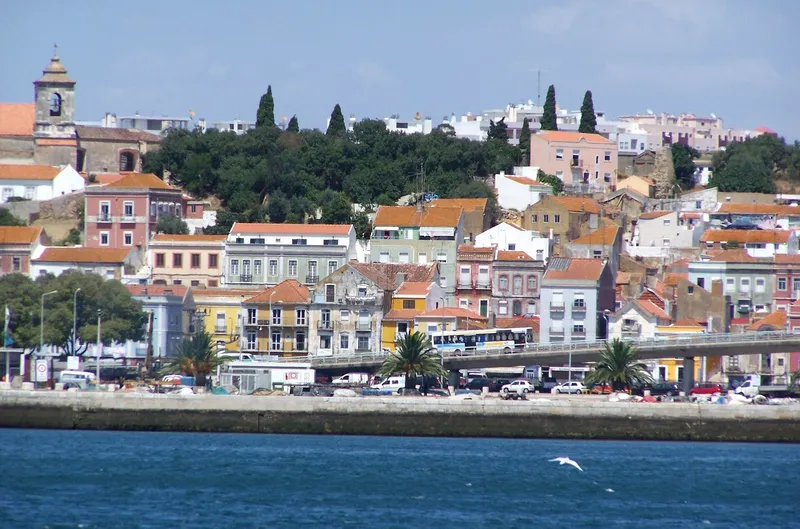
Setúbal is the Lisbon area at a discount. Trains reach the capital in under an hour and the Navegante pass covers both, but home is a working fishing port on the Sado estuary, which has its own resident pod of dolphins, and the local dish is choco frito, fried cuttlefish. The Arrábida hills and their coves rise just west of town, and a ferry crosses to the long empty sands of Tróia in about fifteen minutes. It costs about $1,400 a month. Parts of the city are industrial and unrenovated, and the nomad scene is small.
-
7
 Nomad Score 7.8$2,200/moSafety 8WiFi 6Value 6
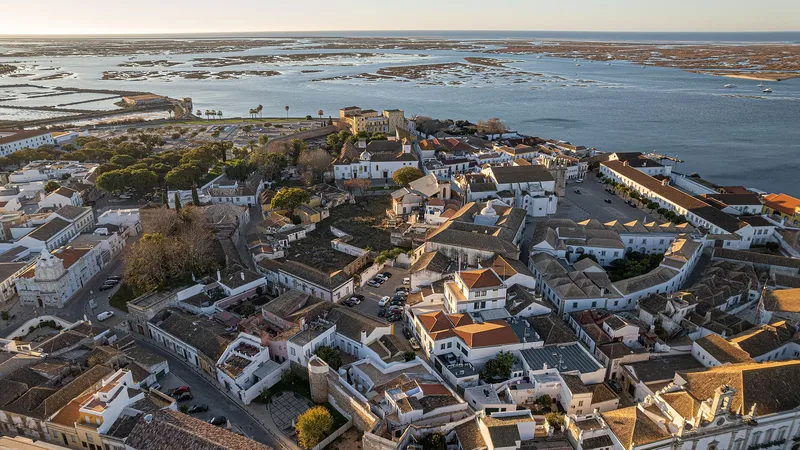
Rather than a resort, Faro is the Algarve's working capital. Its walled old town sits beside the Ria Formosa, a protected lagoon of salt marsh and sandbar islands with ferries out to the beaches of Ilha Deserta and Culatra, and the airport is about ten minutes from the centre, which makes weekends across Europe easy. About $2,200 a month buys a comfortable life, and the winters are among the mildest and driest on the mainland. The year-round remote-work crowd is small, and much of the coast around it empties once summer ends.
-
8
 Nomad Score 7.8$2,400/moSafety 9WiFi 6Value 5
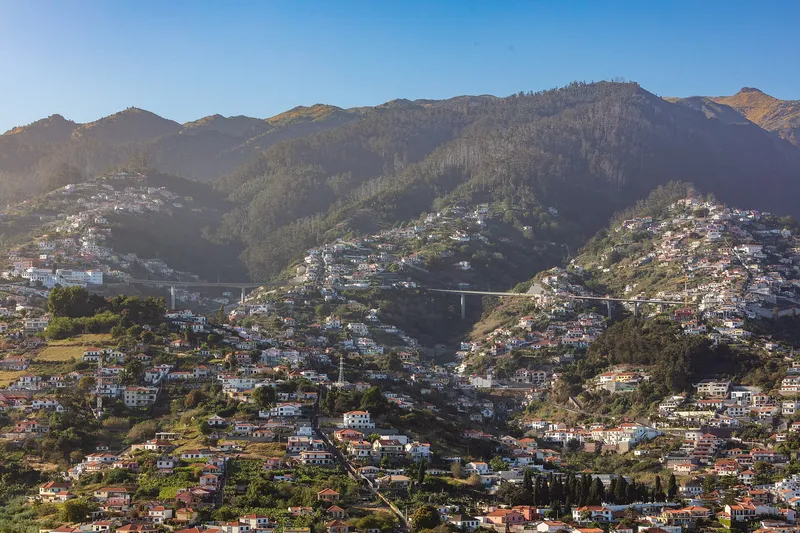
Funchal climbs from its harbour up the steep south coast of Madeira, and you can ride the cable car to Monte and come back down in a wicker toboggan steered by two men in straw hats. Highs stay between 20C and 27C all year. Weekends belong to the levadas, old irrigation channels with walking paths along the mountainsides. The island has courted remote workers since its nomad village opened in Ponta do Sol in 2021. Life costs about $2,400 a month, and longer, pricier flights to the mainland or northern Europe are the cost of the setting.
-
9
 Nomad Score 7.8$1,400/moSafety 9WiFi 7Value 6
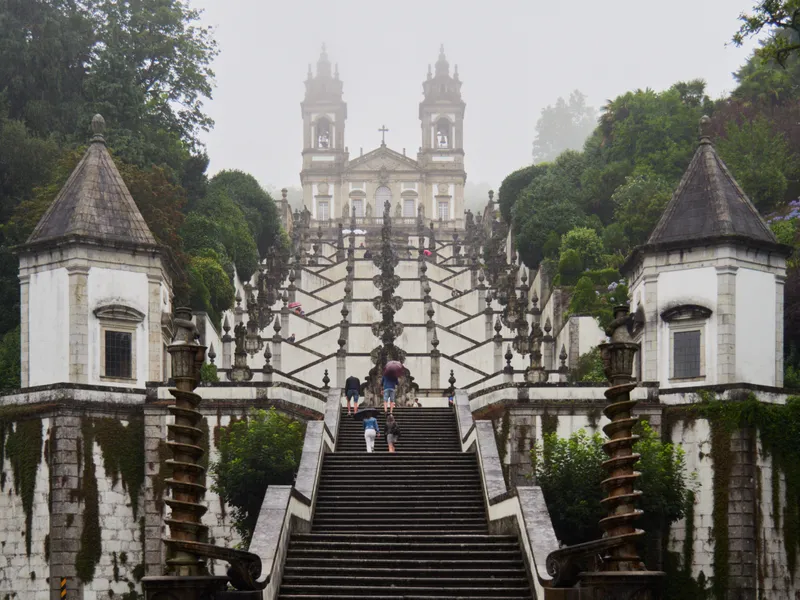
Braga is one of the oldest cities in Portugal and among its most devout, with a cathedral older than the country itself and the zig-zag Baroque staircase of Bom Jesus do Monte climbing a hillside just east of town. A large university keeps it young. It costs about $1,400 a month, and Porto and its airport are about an hour away by train. The expat and remote-work crowd is small, so the first months can be lonely, and the friendships come from people who live here. The Minho is green for a reason: Braga gets a lot of rain.
-
10
 Nomad Score 7.8$1,050/moSafety 9WiFi 7Value 7
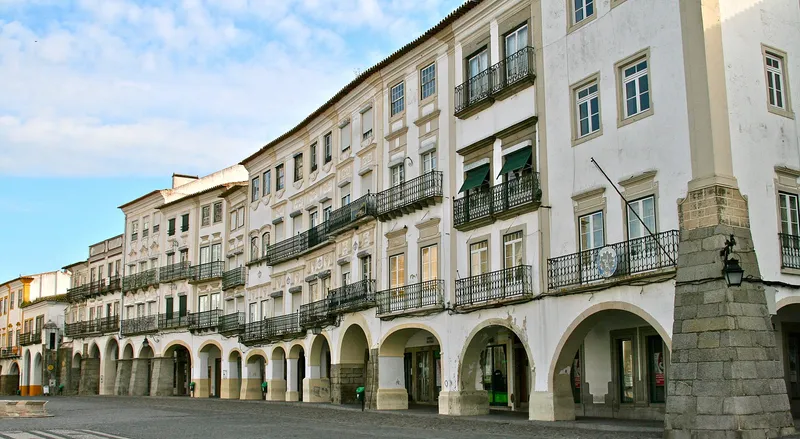
Évora is a walled town on the Alentejo plain with a Roman temple standing in the middle of it, a Gothic cathedral, and a Chapel of Bones lined with the remains of about five thousand people. UNESCO listed the whole historic centre in 1986, and you can walk it end to end in twenty minutes. At about $1,050 a month it is the cheapest base on this list, and the region's vineyards and cork-oak country begin outside the walls. The summer heat is serious, with July highs of 33C, and trains to Lisbon run only a handful of times a day.
-
11
 Nomad Score 7.6$1,300/moSafety 9WiFi 7Value 6
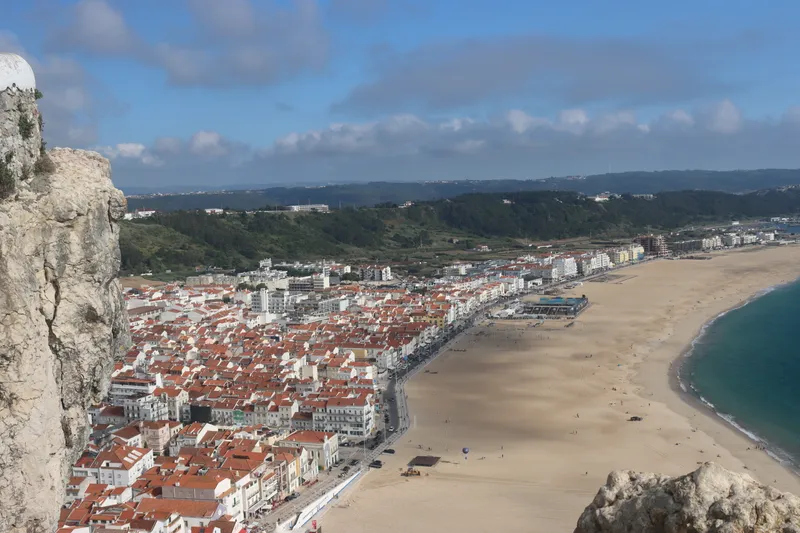
Nazaré lives two lives. In summer it is a fishing-town beach resort, where some older women still wear the layered skirts of local tradition and fish is laid out to dry on racks by the sand. In winter the swell arrives at Praia do Norte, where an undersea canyon builds the biggest waves anyone has surfed, and crowds line the clifftop fort to watch. A funicular links the lower town to the Sítio quarter on the cliff. It costs about $1,300 a month. The nomad community is small, and buses thin out in winter.
-
12
 Nomad Score 7.4$1,700/moSafety 9WiFi 6Value 7
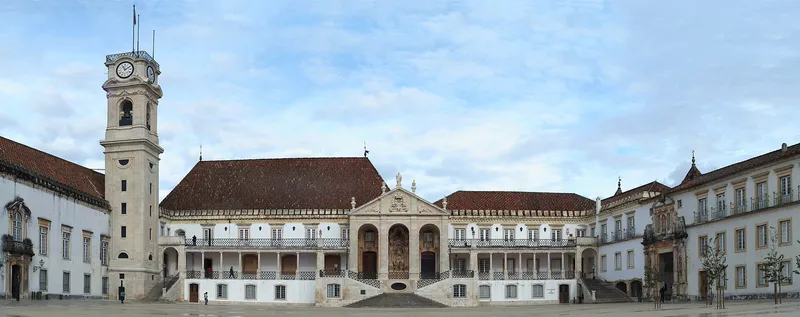
Coimbra was Portugal's capital before Lisbon, and its university, founded in 1290 and settled here for good in 1537, still crowns the hill above the city. The Joanina library, all gilded shelves, keeps a colony of bats that hunt the insects at night. In term time students in black capes fill the steep lanes, and the local fado is sung by men. Living here costs about $1,700 a month. Few foreigners settle, English is less common than in Lisbon, and you will build a social life from scratch.
-
13
 Nomad Score 7.4$1,300/moSafety 8WiFi 7Value 7
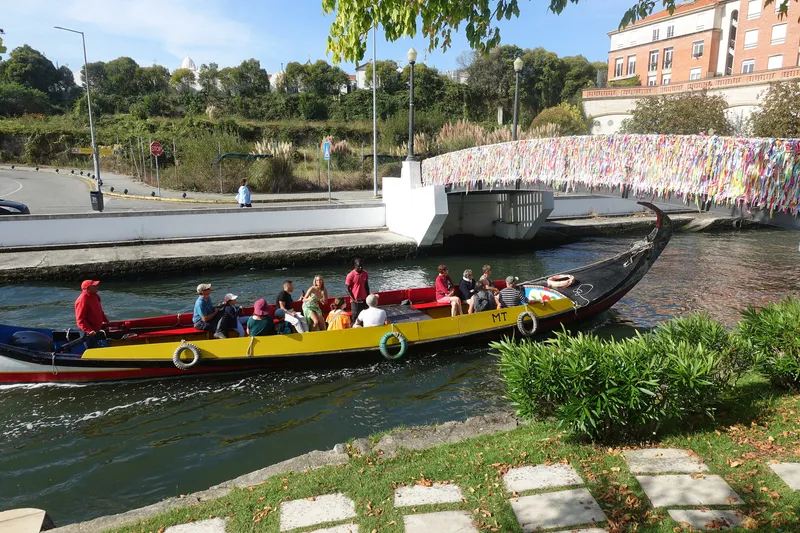
Aveiro is flat, which is rare in Portugal, and laced with canals where painted moliceiro boats, once used to gather seaweed, now carry visitors. The striped wooden houses of Costa Nova and the wide sands of Barra are a short bus ride out, and Porto is about an hour away by train. A university keeps the centre lively. At about $1,300 a month it is among the cheapest bases here. The pace is gentle and evenings end early, so it suits people happier with a bicycle and a routine than with a dozen choices of night out.
-
14
 Nomad Score 7.4$1,300/moSafety 9WiFi 7Value 6
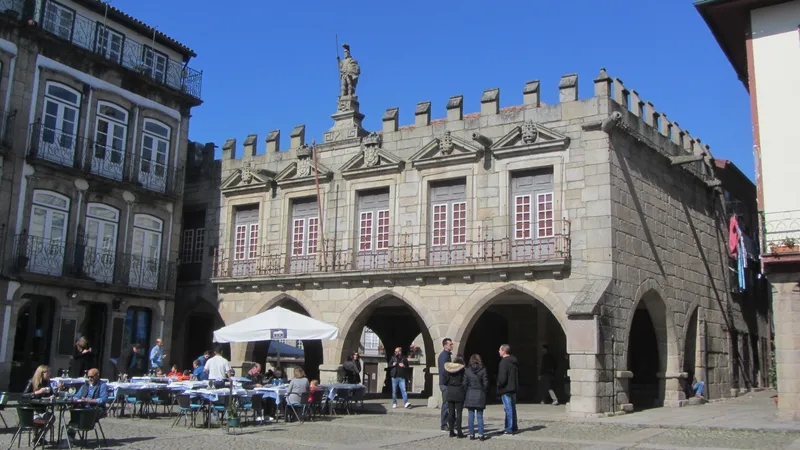
Guimarães calls itself the birthplace of Portugal, and says so in large letters on an old wall, with the castle and the Ducal Palace on the hill above the old town to back the claim. The medieval centre, a UNESCO site of granite lanes and small squares, is crossable on foot in fifteen minutes, and a cable car climbs to Penha above it. Porto is about fifty minutes away and Braga under half an hour. It costs about $1,300 a month. The nomad crowd is thin, nightlife is modest, and the winters are wet.
-
15
 Nomad Score 7.2$1,400/moSafety 8WiFi 6Value 6
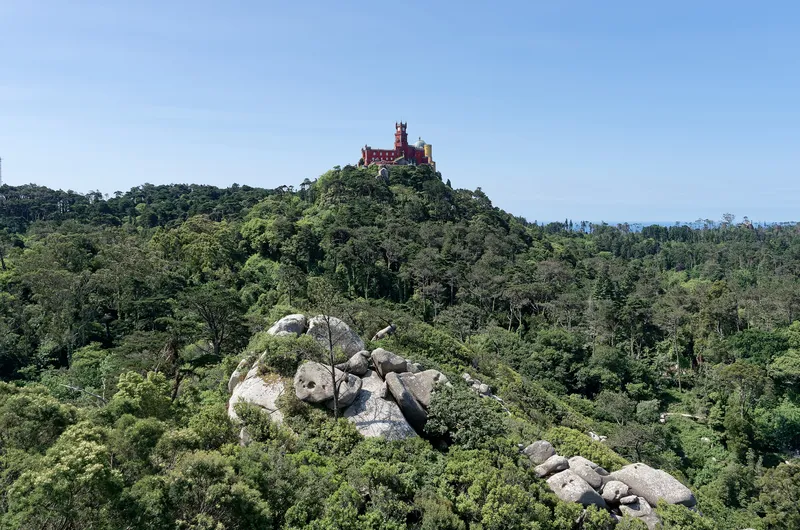
Palaces crown the forested hills of Sintra, from the red and yellow Pena Palace on its peak to the Moorish Castle and the spiral well at Quinta da Regaleira, all kept green by the mist that rolls in off the Atlantic. Millions of visitors arrive each year, most of them in the same half-kilometre at the same hours, so where you live decides everything: a flat on the main street is untenable, a house in the hills is silent. The train reaches Lisbon in about forty minutes. Expect about $1,400 a month, and damp walls in winter.
Start with how much company you need. If the answer is a lot, Lisbon is the base, and Porto is the cheaper second city with most of the same life. If you want the coast and some company, Ericeira's surf crowd is the one real small-town scene here. If you would rather spend less and live among locals, the northern towns of Braga, Guimarães and Aveiro put Porto an hour away at about half its cost.
To weigh two of them on cost and weather, use the compare tool; to work out which kind of base suits you, try the Nomad Taste Wheel.
Frequently asked questions
What is the best digital nomad city in Portugal?
Lisbon leads this ranking. It has the largest remote-work and startup scene in Portugal, plenty of English and beaches a train ride away, at about $3,500 a month, the highest on the list. Porto, in second place, gives you a similar life in a smaller city for about $2,800.
What is the cheapest digital nomad city in Portugal?
Évora, at about $1,050 a month, a walled Alentejo town about ninety minutes from Lisbon by train. Nazaré, Aveiro and Guimarães follow at about $1,300 each, then Setúbal, Braga and Sintra at about $1,400. None of them has a real nomad scene, so expect to build your own circle.
How does Portugal's D8 visa work?
The D8 is Portugal's residence visa for remote workers and freelancers paid from abroad. It asks for income of about $4,240 a month, four times the Portuguese minimum wage, so the figure rises whenever the wage does. The residence permit runs for two years and can be renewed for three more. Without it, non-EU visitors have 90 days in any 180 across the Schengen area. Our nomad visa finder compares it with other countries.
Should I choose Lisbon or Porto?
Lisbon if you want the bigger social and startup scene and can pay about $3,500 a month for it. Porto if you would rather live somewhere smaller and more local for about $2,800. Porto is also wetter, with grey winters, while Lisbon gets more sun. Both have a metro to the airport and a beach within reach.
Can I live near Lisbon for less?
Yes, and the train makes it easy. Setúbal and Sintra each cost about $1,400 a month and are under an hour from central Lisbon by rail. Ericeira, on the surf coast, costs about $2,200 and is about 45 minutes away by car. Cascais is the exception at about $3,000.
How are these Portuguese cities ranked?
By Nomad Score, which blends thirteen categories, among them cost, internet, safety, climate and community, across the Portuguese cities we cover. The costs are our own monthly estimates for one person. The full method is on our methodology page.