Cost of Living in Vaduz
Where this figure comes from. No cost survey covers Vaduz, so the $3,400 a month above is our own estimate rather than a measurement. On 416 of our 999 city guides the figure is built from a published Numbeo basket, a one-bedroom rent in the centre plus one person's monthly costs without rent, converted to USD; this city is not one of them. How we source everything.
Budget around $3,400 a month as a solo remote worker in Vaduz, which reflects Swiss prices without Swiss scale. A one-bedroom flat runs roughly $1,600 to $2,400, and the rental market is very tight because the country has forty thousand people and strict planning rules. Groceries are Swiss-priced, which is to say among the highest in Europe, though many residents shop over the border in Austria where the same basket costs considerably less. The Swiss franc is the currency. This is our own estimate rather than a reconciliation against measured data. Health insurance is compulsory and privately purchased on the Swiss model, a substantial monthly cost that no rent figure includes, and it is the single biggest omission in any naive comparison with a European Union country. Personal tax rates are low by regional standards, which partly offsets it for anyone actually resident. Cross-border shopping has limits worth knowing, since there are allowances on what may be brought back duty free and Swiss customs rules apply here. The buses across the border are cheap and frequent enough to make the trip routine.
Where to Work in Vaduz
Liechtenstein has the infrastructure of a wealthy Alpine state: fibre throughout, comprehensive mobile coverage, entirely reliable power, and a financial sector that requires all of it. There is very little coworking, because the country has almost no visiting professional population. German is the official language and Alemannic dialect is what people actually speak, which is difficult even for German speakers; English works in business and banking. The country sits in central European time and functions economically as part of the Swiss and Austrian Rhine valley. Anyone working with London should note the one-hour offset, which leaves a British and a Liechtenstein working day almost entirely aligned. The economy is more industrial than the banking reputation suggests, and that is the more interesting fact about it. Liechtenstein has one of the highest ratios of industrial output to population anywhere, anchored by a handful of engineering and dental-materials firms with global reach. More people commute in to work each day than live in the country, mostly from Switzerland and Austria, which is why the roads are busy at eight in the morning and the towns are quiet again by nine in the evening.
Getting Around Vaduz
Vaduz has around five thousand inhabitants and can be walked end to end in twenty minutes. Liechtenstein has no airport and no railway station of any consequence, though the Austrian line clips the northern corner. Buses run frequently within the country and across the border to Buchs and Sargans in Switzerland and Feldkirch in Austria, and they are how almost everyone travels. Zurich airport is around ninety minutes by train and bus. Malbun, the small ski area, is half an hour up the valley. The Rhine footbridge to Sevelen in Switzerland is a covered wooden crossing and one of the pleasanter ways to leave the country on foot. The bus network is the thing to understand, since it is effectively the national transport system: one operator runs it, a monthly pass is inexpensive by regional standards, and the timetable is dense enough that a car is genuinely optional here in a way it is not across most of the Alps. The Rhine cycle route runs the length of the country on a flat separated path, which makes the whole of Liechtenstein rideable in an afternoon and is much the best way to see it.
Sorting transport? Book an airport transfer, or compare car rental on Auto Europe and QEEQ.
Visas for Vaduz
Liechtenstein is not in the European Union but is in the European Economic Area and in the Schengen area, so Schengen rules and day counts apply. It is also in a customs and currency union with Switzerland. There is no remote work visa. Residence is genuinely difficult: the country operates a strict annual quota on residence permits for European Economic Area nationals, allocated partly by lottery, and permits for everyone else are rarer still. This is the hardest country in Europe to move to legally. Anyone counting Schengen days should note that Liechtenstein is inside the area, so time here counts exactly as time in Switzerland or Austria would. The quota is small enough to be worth stating plainly: a few dozen permits a year against a resident population of forty thousand, which is why that population grows so slowly. The route most people take instead is to live over the border and commute in, which requires none of this and takes twenty minutes. Family reunification is the other realistic path, and between the two of them they account for most new arrivals who do settle. The souvenir stamp the tourist office in Vaduz puts in a passport for a fee is now the only ink most non-European visitors collect, since the EES at Zurich airport records their arrival digitally.
Best Time to Visit Vaduz
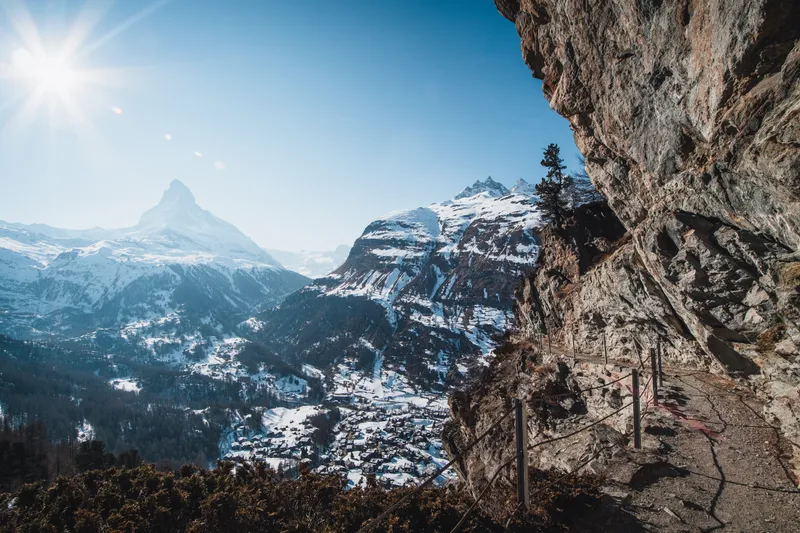
June to September is the walking season, with the high paths above Malbun and Steg open, alpine flowers and daytime temperatures in the low twenties. December to March brings snow and a small but genuine ski area at Malbun, which is uncrowded because almost nobody outside the region knows it exists. The Rhine valley floor where Vaduz sits gets fog and inversions through the winter, so the mountain villages are often above the cloud when the capital is under it. National Day on the fifteenth of August is the one big public event. National Day is unusual enough to plan around: the prince invites the entire country up to the castle grounds for a drink, which is among the few occasions anywhere that a head of state does anything like it. For walkers, the Fuerstensteig is the classic route, a cliff path with fixed cables that opens once the snow has gone, usually from June. May and October are quiet, cheap and often clear, with the valley fog not yet settled and the lower paths already open.
Pros and Cons of Vaduz
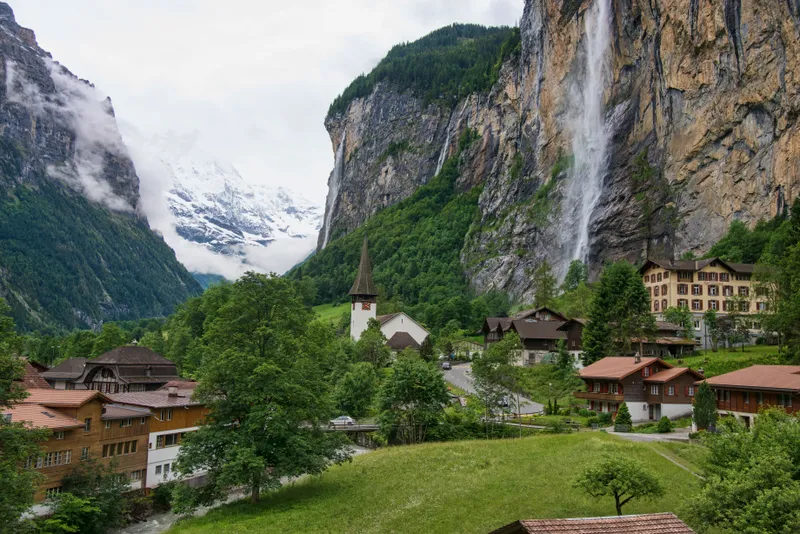
Liechtenstein is safe, orderly, wealthy and spectacularly located, with the Alps rising directly behind the Rhine valley and walking paths from the capital into the mountains. The infrastructure is Swiss-standard and the country is small enough to know completely. It is very expensive, and there is essentially nothing at all to do after dark, the residence quota makes moving here close to impossible, and Vaduz is a town of five thousand people rather than a city, with all that implies for company and choice. The prince's castle above the town is also a private residence rather than a museum, so it can be walked to and not entered. The Kunstmuseum holds a serious modern collection, and the princely art collection is among the most important in private hands anywhere. And the constitutional arrangement is a genuine curiosity: after a referendum in 2003 the prince holds veto powers unusual for a European monarch, which makes this the most politically powerful royal house on the continent, and a subject locals discuss with far more nuance than a visitor expects.
Who Vaduz Is For
Private banking or the trust sector with a reason to be here, or a walker spending a Schengen allowance in a beautiful and largely unvisited corner of the Alps. It works for weeks rather than years, because the residence system is built to keep the population where it is. Settling here is close to impossible by design, since residence permits are allocated by lottery in tiny numbers, the costs are Swiss, and a social life would have to be conducted across the border. Sargans and Feldkirch, both twenty minutes away, are where most people actually go out. Walkers on the Rhine or the Alpine passes have a practical reason to stop, because Liechtenstein's marked paths run straight into the Swiss and Austrian networks without a break at either border. For most visitors the right shape is a base in Feldkirch or Sargans, both cheaper and better connected, with the country walked and ridden from there, which costs a fraction and loses nothing at all. It is small enough that staying inside it confers no real advantage beyond the address. Anyone who wants the novelty can still buy a passport stamp at the tourist office for a couple of francs, which makes it one of very few places in Europe that still sell one.
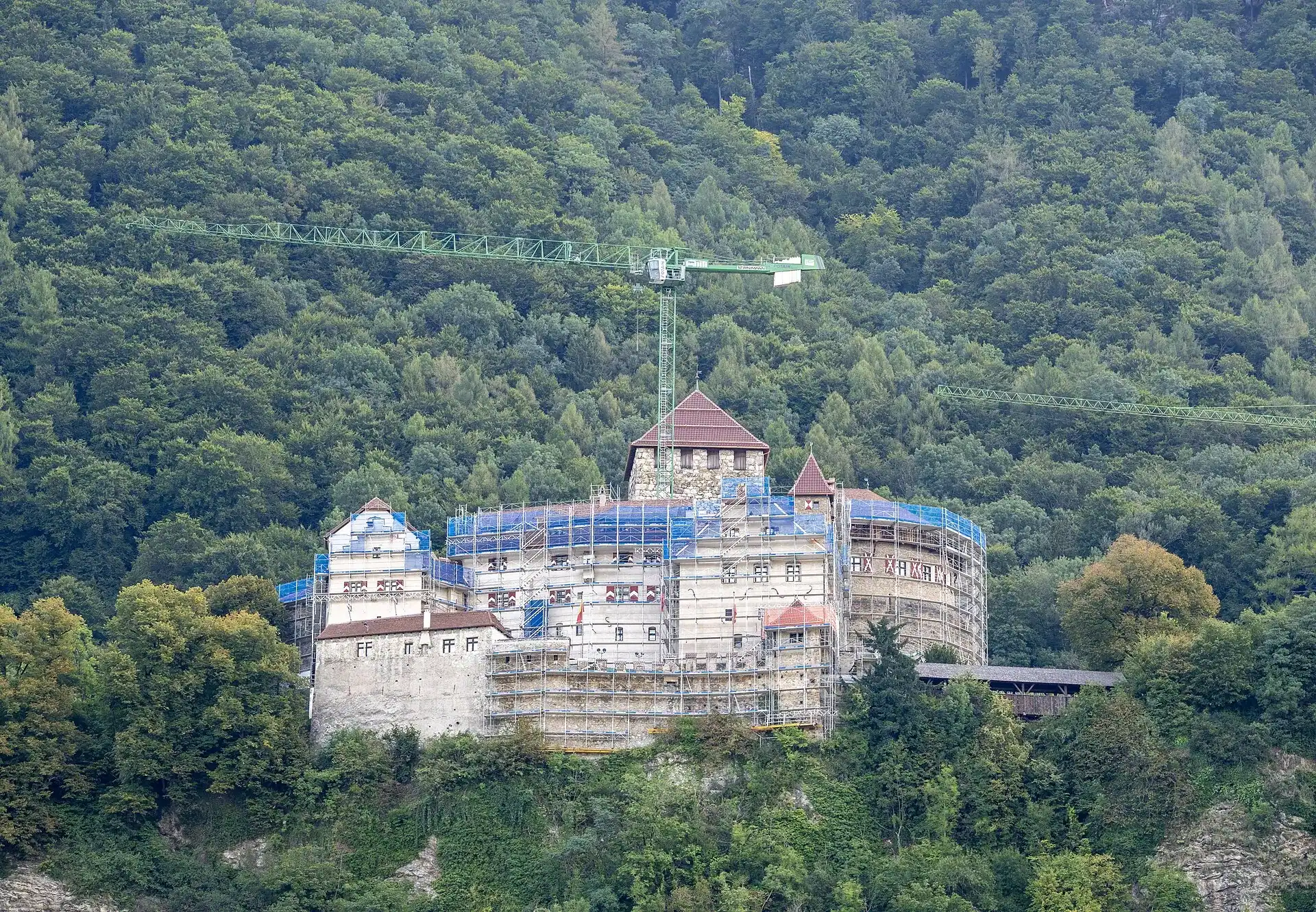 Photo: AuHaidhausen / Wikimedia Commons (CC BY 4.0)