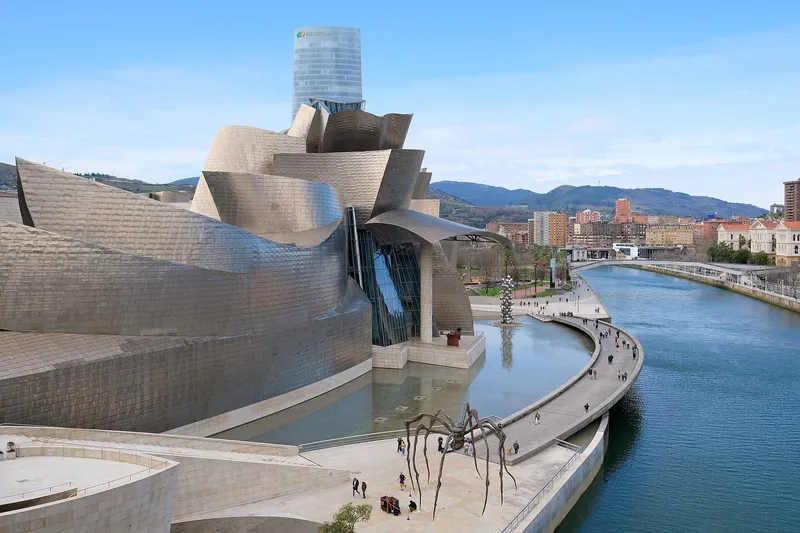
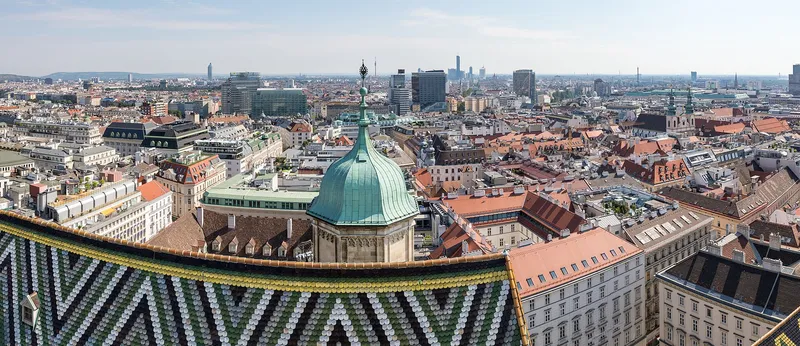
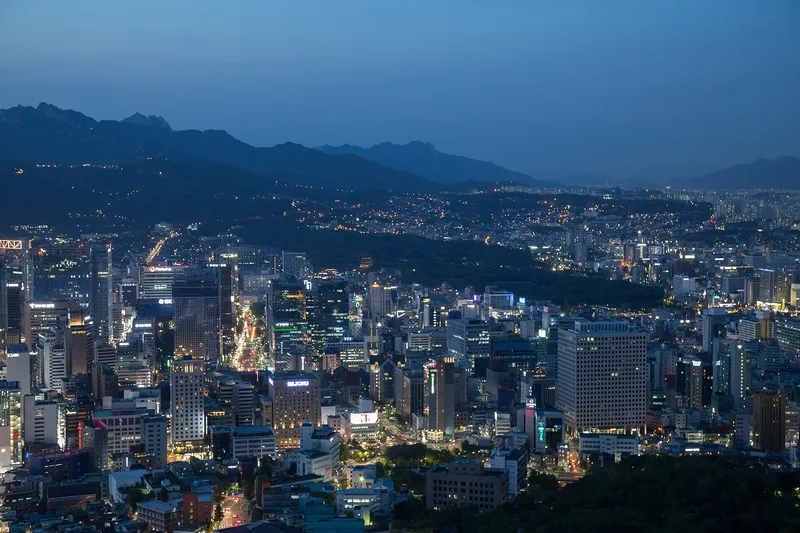
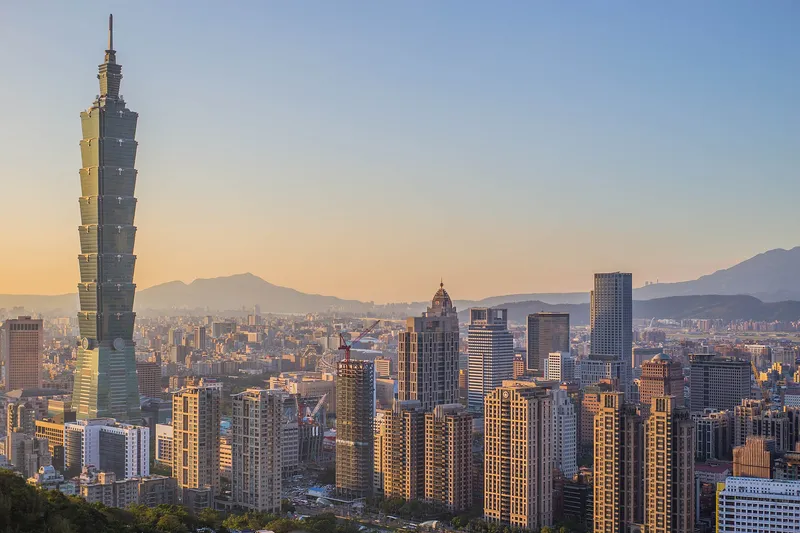
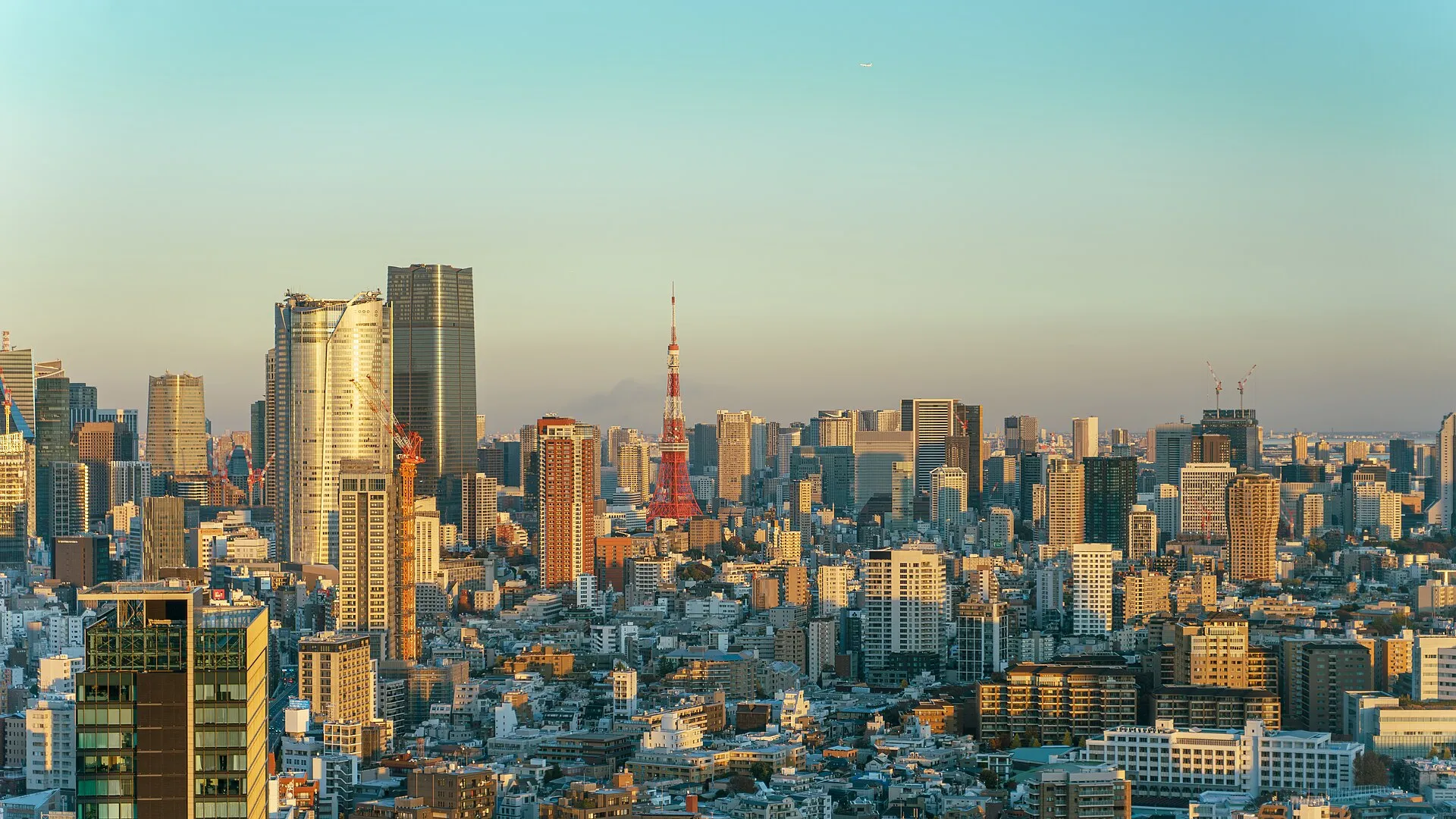
Tokyo skyline with Tokyo Tower at golden hour, Minato City
Photo: David Kernan / Wikimedia Commons (CC BY 4.0)
Japan flag

Tokyo

Japan

Ultra-modern efficiency meets ancient tradition in the world's largest city.

¥4.000
Monthly Budget
--
Current Weather
Humid Subtropical
Climate Type
90 Mbps
Avg. WiFi Speed
10/10
Safety Score
2,000+
Active Nomads
--
Time Difference
Scroll
0
Nomad Score

Setting Up as a Nomad in Tokyo

Ultra-modern efficiency meets ancient tradition in the world's largest city. A humid subtropical climate and strong safety make Tokyo an easy base, and at about $4,000 a month it fits a range of budgets. Keep cost in mind.

Compare Tokyo vs Nagoya →

Category Breakdown

How Tokyo scores across all 13 factors

Weather in Tokyo

Monthly averages from 2019-2023 (Open-Meteo), and the best time to visit

Jan
11°
Feb
15°
Mar
18°
Apr
23°
14°
May
26°
19°
Jun
30°
23°
Jul
32°
24°
Aug
28°
21°
Sep
22°
14°
Oct
17°
Nov
12°
Dec
Daily high & low (°C)Rainfall (mm/month)Best months to visit

The best time to visit Tokyo for comfortable weather is Jun, Aug, Sep. The warmest month is Aug (around 32°C by day), and the wettest is Jul (about 241mm of rain).

Chasing good weather? See other cities that are warm in Jun, or plan a multi-city route around the seasons. Staying a while in Tokyo? Check visa options, your time-zone overlap and how far your budget stretches, or find it on the world map.

Historical monthly averages, not a forecast. Source: Open-Meteo.

Things to do in Tokyo: it is one of our top nomad spots for shopping. See more things to do off the clock.

Best Neighborhoods in Tokyo

Where to base yourself for the perfect nomad experience

Shibuya

$$$
Trendy & Dynamic

Tokyo's trendy heart where fashion meets tech

Shibuya is the pulsing center of Tokyo's youth culture and tech scene. Beyond the famous crossing, you'll find cutting-edge coworking spaces, trendy cafes, and an endless stream of energy. It's expensive but puts you at the center of Tokyo's creative and startup ecosystem.

Best for: Tech workers, creatives, and nomads who want to be in Tokyo's most energetic neighborhood
✓ Pros
  • Excellent transport hub
  • Countless cafes
  • Tech scene
  • 24/7 energy
✗ Cons
  • Very expensive
  • Extremely crowded
  • Can be overwhelming

Shimokitazawa

$$
Bohemian & Creative

Tokyo's bohemian village with vintage soul

Shimokitazawa is Tokyo's indie darling - a maze of narrow streets filled with vintage shops, live music venues, and independent cafes. This is where Tokyo's creative types come to escape the corporate grind. Perfect for nomads who value character over convenience.

Best for: Creatives, musicians, and nomads seeking Tokyo's most characterful neighborhood
✓ Pros
  • Unique character
  • Great live music
  • Vintage shopping
  • Quieter vibe
✗ Cons
  • Small train stations
  • Limited coworking
  • Far from CBD

Nakameguro

$$$
Stylish & Upscale

Cherry blossoms and coffee culture by the canal

Nakameguro is Tokyo at its most stylish. The canal-side neighborhood is lined with designer boutiques, specialty coffee shops, and some of the city's best restaurants. It's the neighborhood of choice for Tokyo's fashion and creative industries.

Best for: Design professionals, foodies, and nomads with refined taste
✓ Pros
  • Beautiful canal walks
  • Best coffee scene
  • Stylish atmosphere
  • Great restaurants
✗ Cons
  • Expensive
  • Can feel exclusive
  • Limited nightlife

Shinjuku

$$
Urban & Connected

Neon-lit chaos and the busiest station on earth

Shinjuku is organized chaos at its finest. The world's busiest train station connects you everywhere, while the surrounding blocks offer everything from corporate towers to the legendary Golden Gai bar district. Perfect for nomads who need transport and variety.

Best for: Business travelers, nightlife seekers, and nomads who need maximum connectivity
✓ Pros
  • Best transport
  • 24-hour services
  • Endless options
  • Business facilities
✗ Cons
  • Overwhelming
  • Tourist-heavy
  • Noisy and crowded

Koenji

$
Alternative & Community

Tokyo's punk rock neighborhood with community soul

Koenji is where Tokyo's counterculture lives. Known for its vintage clothing stores, live houses, and activist community, it's the affordable alternative to Shimokitazawa. Strong neighborhood spirit and regular festivals make it perfect for long-term stays.

Best for: Budget nomads, music lovers, and those seeking authentic Tokyo community
✓ Pros
  • Affordable
  • Strong community
  • Great music scene
  • Local festivals
✗ Cons
  • Further from center
  • Less English
  • Limited coworking

Cost of Living in Tokyo

Tokyo has a reputation for being punishingly expensive, but the weak yen has quietly changed the math. With the rate sitting near 155 yen to the dollar (and at times weaker), your foreign income stretches further than it did a decade ago. The city is not cheap, but for many remote workers it now costs less than a mid-tier European capital. A realistic monthly breakdown for one person:

  • Rent, central wards (Shibuya, Minato, Shinjuku): a small studio (1R or 1K) runs 130,000 to 170,000 yen ($840 to $1,100). Furnished short-term or serviced apartments cost noticeably more.
  • Rent, cheaper wards (Adachi, Nerima, Edogawa, Katsushika) or a 10 minute walk from a station: 70,000 to 100,000 yen ($450 to $645) for a comparable studio.
  • Groceries: 35,000 to 55,000 yen ($225 to $355) if you cook at home. Supermarkets and konbini are everywhere.
  • Eating out: cheap and excellent. A ramen bowl or teishoku set is 800 to 1,200 yen ($5 to $8), a konbini lunch under 700 yen ($4.50). Budget 30,000 to 60,000 yen ($195 to $390) monthly depending on how often you cook.
  • Coworking hot desk: 15,000 to 20,000 yen ($95 to $130) for a monthly flex membership, or roughly 3,000 yen ($19) for a day pass.
  • Local transport: 8,000 to 12,000 yen ($50 to $77) using a Suica for daily trips.

All in, a frugal setup in an outer ward lands around 180,000 to 220,000 yen ($1,160 to $1,420) per month. A comfortable central lifestyle runs 280,000 to 350,000 yen ($1,800 to $2,260). Utilities, a phone plan, and health cover sit on top of that.

Where to Work

Tokyo has a deep coworking scene. WeWork operates a dozen-plus locations, with polished spaces above Shibuya's Center Gai and across Roppongi and Marunouchi. Smaller independents are worth seeking out: .andwork Shibuya draws an international creative crowd, CASE Shinjuku near Takadanobaba is affordable and unpretentious, and DIAGONAL RUN TOKYO caters to visiting professionals. Most hot desks include lockers, free coffee, and member events.

Cafe-work culture is real but has unwritten rules. Chains like Starbucks, Doutor, and Komeda are laptop-friendly, but at small independent cafes camping for hours is frowned upon, so read the room. On connectivity: Tokyo's mobile and fixed internet is fast and dependable. Free public WiFi (station networks, Starbucks, konbini) is patchy and often needs a clunky sign-in, so most nomads run an eSIM or a pocket WiFi device for a reliable always-on connection.

Getting Around

Tokyo's rail network is the best on earth, and you will rely on it daily. Get a Suica or Pasmo IC card (regular plastic Suica sales resumed in 2025, or add one to your phone) and tap through every gate. The two cards are interchangeable and work on JR lines, the Tokyo Metro, Toei subway, buses, and private railways. The JR Yamanote Line loop connects most major hubs, and individual rides typically cost 150 to 320 yen ($1 to $2). The city is genuinely walkable within neighborhoods, and remarkably safe on foot at any hour.

Tokyo has two airports. Haneda (HND) is close in and easy: 30 to 45 minutes to central Tokyo by monorail or Keikyu line. Narita (NRT) is far out; take the Keisei Skyliner (around 2,580 yen, roughly 45 minutes to Ueno) or the Narita Express. If you can choose your flights, Haneda saves you real time and money.

Visas and Staying Long-Term

Citizens of the US, UK, Canada, Australia, New Zealand, and most EU countries get 90 days visa-free as a temporary visitor, with no advance application. That covers a lot of remote workers, though technically you should not be doing local income-earning work on this status. In 2024 Japan launched a digital nomad visa under "Designated Activities," valid for up to six months for remote workers employed by companies outside Japan. It requires proof of about 10 million yen (roughly $65,000) in annual income plus private health insurance covering up to 10 million yen in treatment. It cannot be renewed or extended: you must leave and spend six months outside Japan before reapplying. Stacking back-to-back visa-free entries to live here long-term is risky, as immigration officers can refuse entry. Always confirm current rules with the Ministry of Foreign Affairs or your nearest Japanese embassy before you travel.

Best Time to Visit

Tokyo has four distinct seasons and they matter. Summer (June to September) is hot and brutally humid, with a rainy stretch in June and typhoon risk into autumn. Spring (late March to April) brings cherry blossom and mild, pleasant weather, but it is peak tourist season with higher prices. Autumn (October to November) is arguably the best window for remote work: comfortable temperatures, low humidity, clear skies, and fewer crowds. Winter is cold but dry and sunny, and it is the cheapest and quietest time to settle in.

Pros and Cons

  • Pros: world-class public transport, extremely safe, superb and affordable food, fast reliable internet, deep coworking options, and a weak yen that makes it cheaper than expected.
  • Pros: clean, efficient, endlessly interesting, with excellent healthcare and near-zero petty crime.
  • Cons: a real language barrier outside tourist zones, apartments that are genuinely tiny by Western standards, and a stubborn cash culture where some places still refuse cards.
  • Cons: finding a long-term apartment as a foreigner is bureaucratic, summers are oppressive, and central rents remain high.

Who Tokyo Is Best For

Tokyo suits remote workers who value structure, safety, and quality over a party-hostel social scene: people who want a productive base, great food, and a city that simply works. It rewards the curious, and it fits solo nomads and couples on stable, foreign-currency income.

Skip it if you need a low monthly budget, crave a tight built-in nomad community, or want somewhere you can coast on English alone. Those chasing rock-bottom costs or an instant social circle will find Southeast Asia an easier landing.
Where to Stay in Tokyo

Top neighborhoods and accommodations for digital nomads

Anyplace at Ebisu Garden Terrace Nibankan

Serviced apartments
Ebisu

Work-ready furnished apartments with gigabit Wi-Fi, ergonomic desk setups, and a walkable upscale residential neighborhood.

Check availability →

MONday Apart Premium Akihabara

Aparthotel
Akihabara

Spacious 36-46sqm suites with in-unit kitchen and laundry, five minutes from Akihabara Station and central Tokyo lines.

Check availability →

Hotel K5

Boutique hotel
Nihonbashi

Swedish-Japanese designed hotel in a 1920s bank building with laptop-friendly workspaces, free Wi-Fi rated 9.8, and multiple on-site bars.

Check availability →

UNPLAN Shinjuku

Hostel
Shinjuku

Social hostel with free breakfast, meeting rooms, rooftop terrace, and a vibrant cafe-bar scene steps from Shinjuku nightlife.

Check availability →

Browse apartments, aparthotels and hotels across Tokyo. Compare prices and book a base that suits a remote-work stay.

See available stays in Tokyo →

Affiliate link. See our disclosure.

Best Coworking Spaces

Where nomads get work done in Tokyo

Basis Point Nishi-Shinjuku

Coworking space
Nishi-Shinjuku

Polished multi-floor coworking hub steps from Shinjuku Station with fast fiber, standing desks, and drop-in day passes.

Visit website →

.andwork Shibuya

Coworking space
Shibuya

Design-forward coworking in Jinnan with a ground-floor cafe, collaborative tables, and a quiet focus floor for deep work.

Visit website →

CASE Shinjuku

Coworking space
Takadanobaba

Sophisticated members-only coworking space one minute from Takadanobaba Station with high-speed Wi-Fi and unlimited beverages.

Visit website →

DIAGONAL RUN TOKYO

Coworking space
Kyobashi

Sleek coworking loft near Tokyo Station in the Kyobashi MID Building, popular with startup founders and creative freelancers.

Visit website →
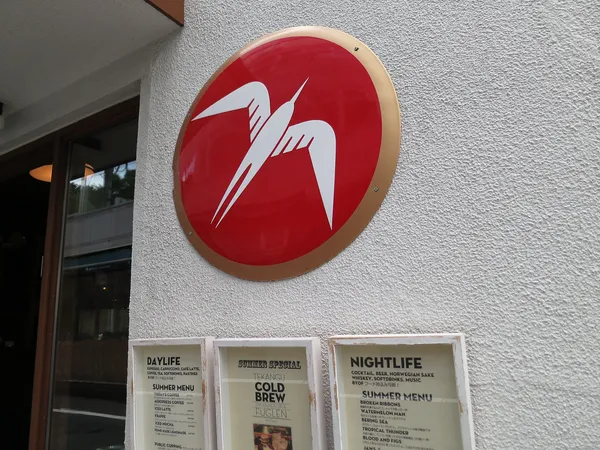
Exterior wall of Fuglen Tokyo coffee shop with red circular bird logo and menu boards

Photo: Alper Cugun (CC BY 2.0)

Fuglen Tokyo

Laptop-friendly cafe
Tomigaya, Shibuya

Scandinavian-roasted specialty coffee in a sun-drenched Tomigaya space with Wi-Fi, power outlets, and a relaxed working atmosphere.

Visit website →

Onibus Coffee Nakameguro

Laptop-friendly cafe
Nakameguro

Compact specialty roastery beside the train tracks with a timber terrace, single-origin pour-overs, and a reliably calm working vibe.

Visit website →

Where to Eat & Drink

Best food and drink spots in Tokyo

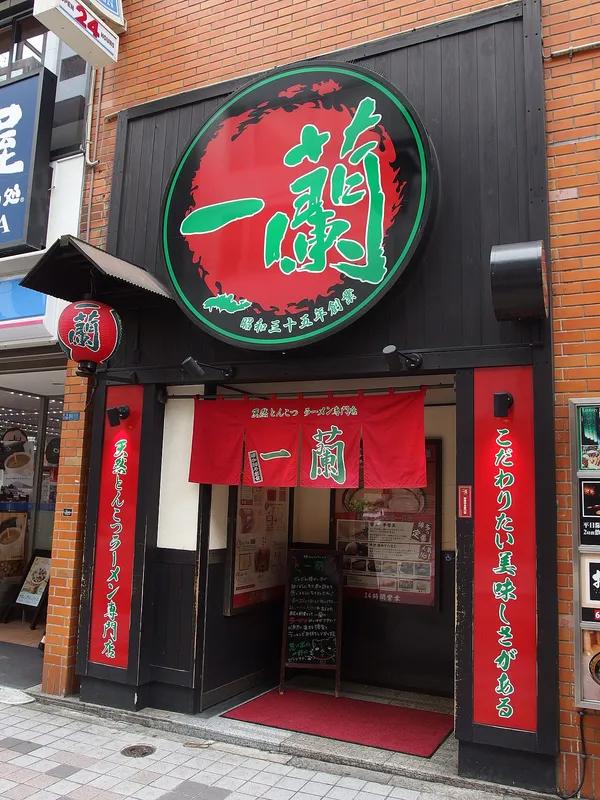
Storefront of Ichiran ramen restaurant in Shinjuku with large red circular logo and red noren curtains

Photo: Guilhem Vellut (CC BY 2.0)

Ichiran Shinjuku

Ramen
Kabukicho, Shinjuku

Solo-booth tonkotsu ramen institution where each diner customizes broth richness, garlic, and spice level at their own private counter.

Visit website →
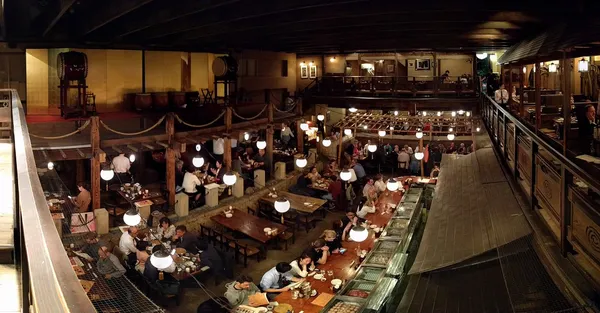
Multi-level wood-beamed interior of Gonpachi Nishi-Azabu restaurant with round globe lanterns and long dining tables

Photo: David Baron (CC BY-SA 2.0)

Gonpachi Nishi-Azabu

Izakaya
Nishi-Azabu, Minato

Dramatic multi-level izakaya famed for its handmade soba, grilled skewers, and the Kill Bill film connection, open until 3 AM.

Visit website →
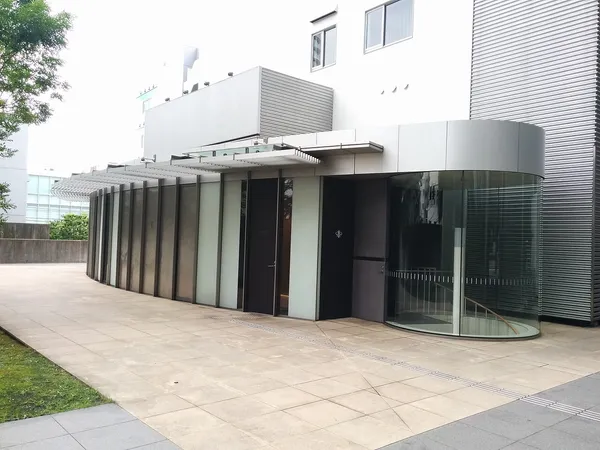
Modern curved glass and metal exterior of Narisawa restaurant in Minami-Aoyama, Tokyo

Photo: Pocsywe (CC BY-SA 4.0)

Narisawa

Innovative Japanese
Minami-Aoyama

Two Michelin star restaurant ranked 21st globally in 2025, celebrating Japan's satoyama landscapes through inventive seasonal tasting menus.

Visit website →

Florilege

French-Japanese
Azabudai Hills, Minato

World's 50 Best ranked French bistronomy using Japanese ingredients, relocated to Azabudai Hills with an open counter and intimate dining room.

Visit website →
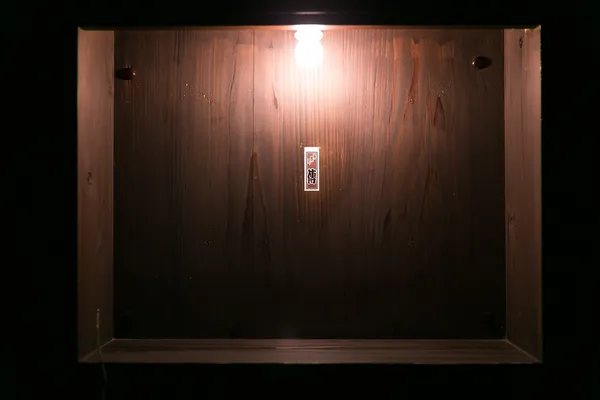
Dark wooden entrance door of Jimbocho Den restaurant with small nameplate sign illuminated by single overhead bulb

Photo: City Foodsters (CC BY 2.0)

Jimbocho Den

Modern Kaiseki
Jimbocho, Chiyoda

Playful modern kaiseki from chef Zaiyu Hasegawa, ranked among the world's best restaurants, blending tradition with wit and seasonal precision.

Visit website →
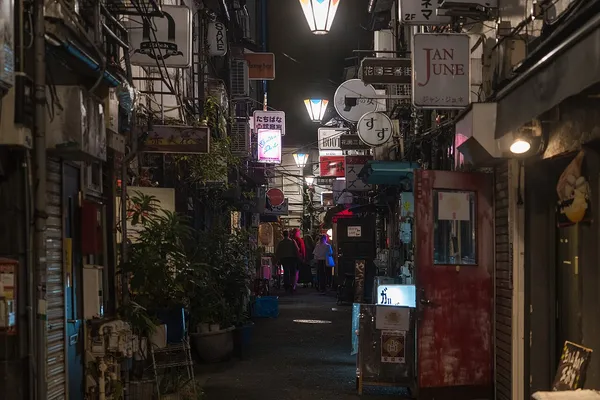
Narrow alley of Shinjuku Golden Gai at night lined with small bars and neon signs

Photo: Alexkom000 (CC BY 4.0)

Golden Gai Bar Alley

Bar alley
Kabukicho, Shinjuku

Legendary warren of over 200 tiny themed bars seating 5-8 guests, each with its own personality, ideal for meeting locals and fellow travelers.

View on Maps →

What Do Nomads Say?

Vote on how accurate these scores are based on your experience

Cities with a Similar Vibe to Tokyo

Different places that score alike across our 13 categories, if you like Tokyo, these tend to feel similar.

Frequently Asked Questions About Tokyo

How much does it cost to live in Tokyo as a digital nomad?

A comfortable nomad budget in Tokyo is around $4,000 a month: a furnished rental, food, coworking, and getting around. Live a little outside the center or eat local to spend less.

Is the internet fast enough for remote work in Tokyo?

With a WiFi score of 9/10, connectivity in Tokyo is excellent for calls and focused work. A prepaid local SIM keeps you online when you are away from the apartment.

Is Tokyo safe for digital nomads?

Tokyo scores 10 out of 10 for safety in our ratings, which is excellent for solo travel and long stays. Use normal precautions at night and with valuables, and choose well-reviewed areas.

Is Tokyo a good city for digital nomads overall?

For nomads, Tokyo is worth a look if you value safety and food. Costs sit near $4,000 a month and the community keeps growing, though, like anywhere, it will not match every checklist.