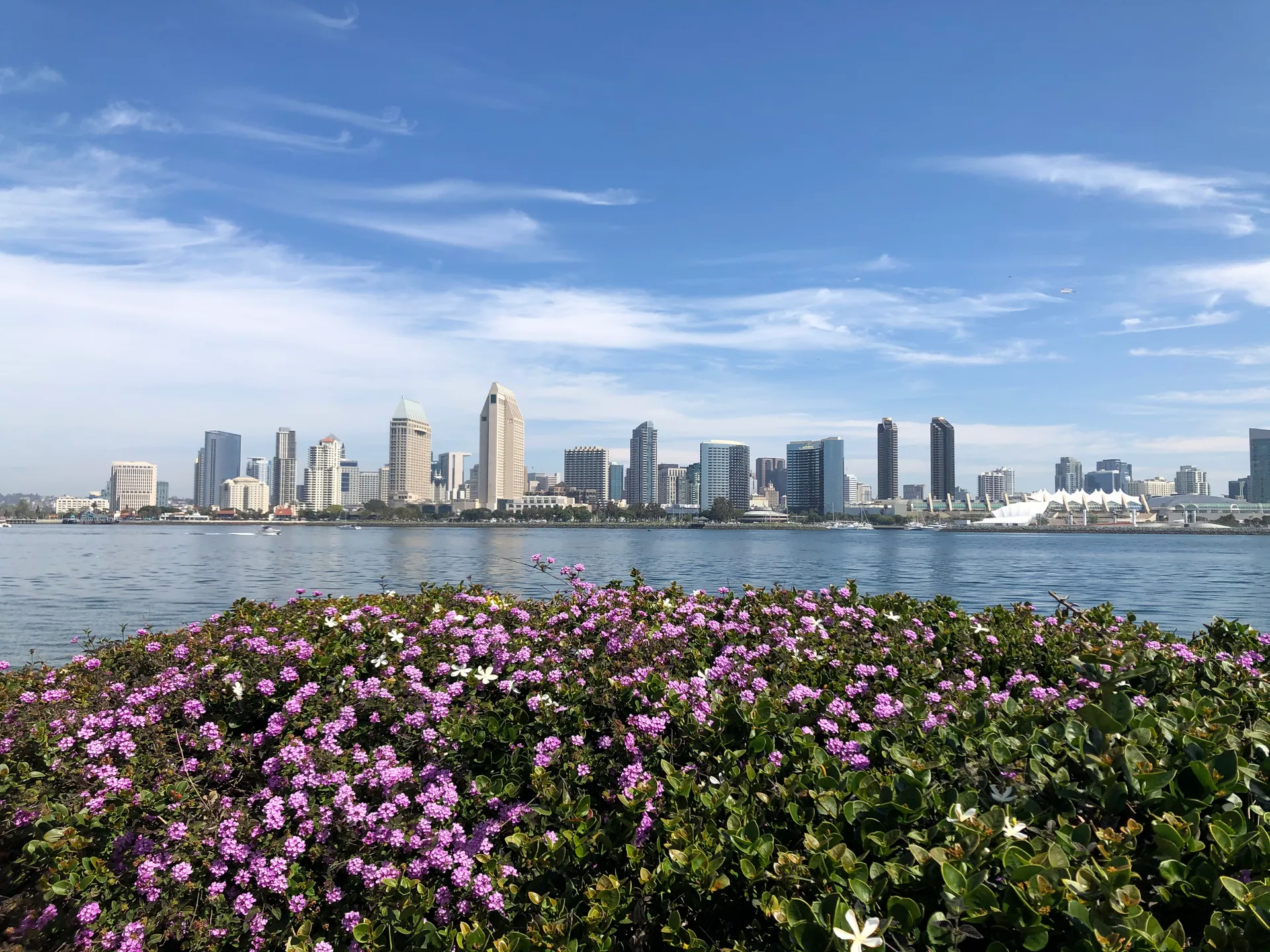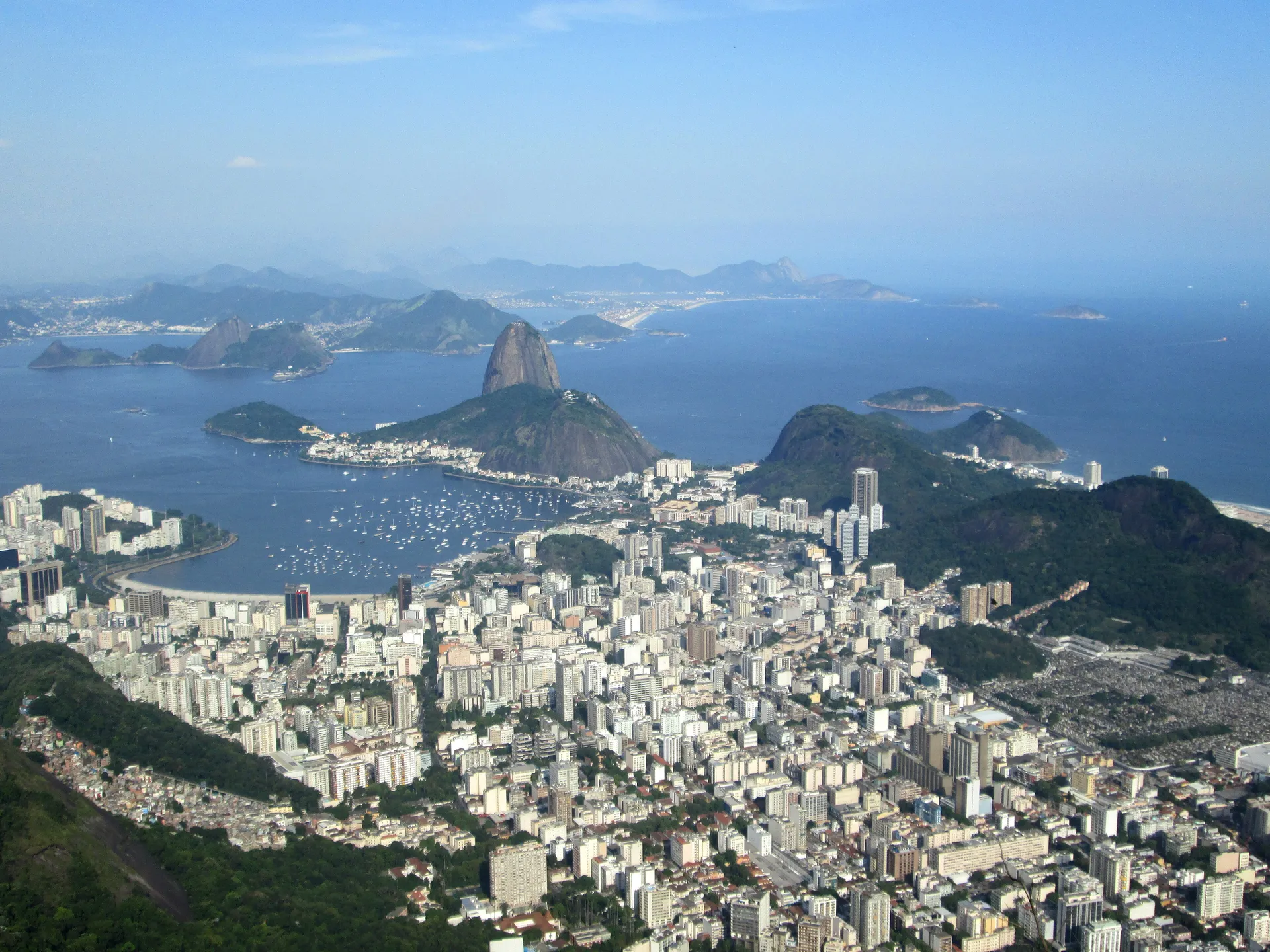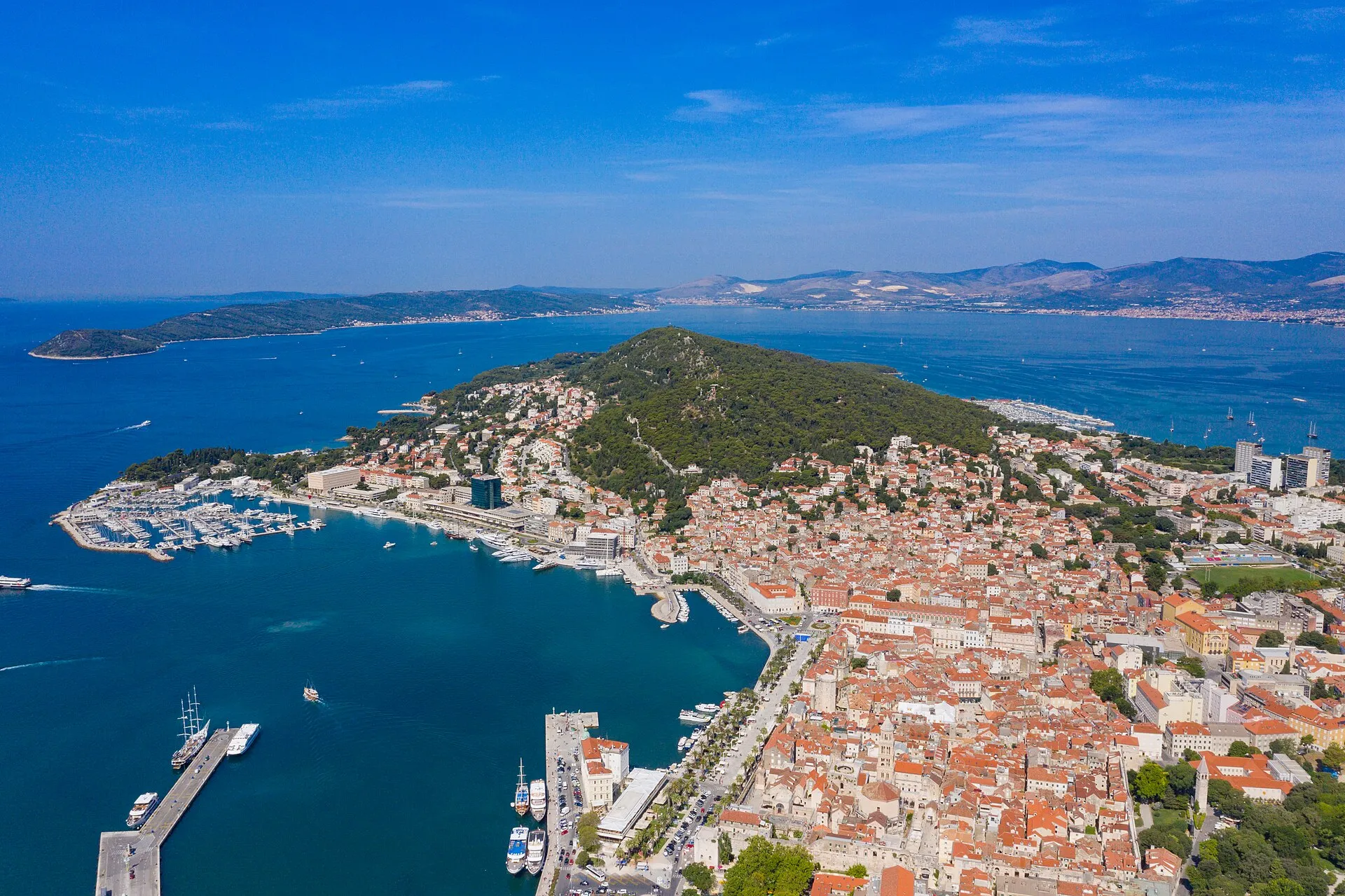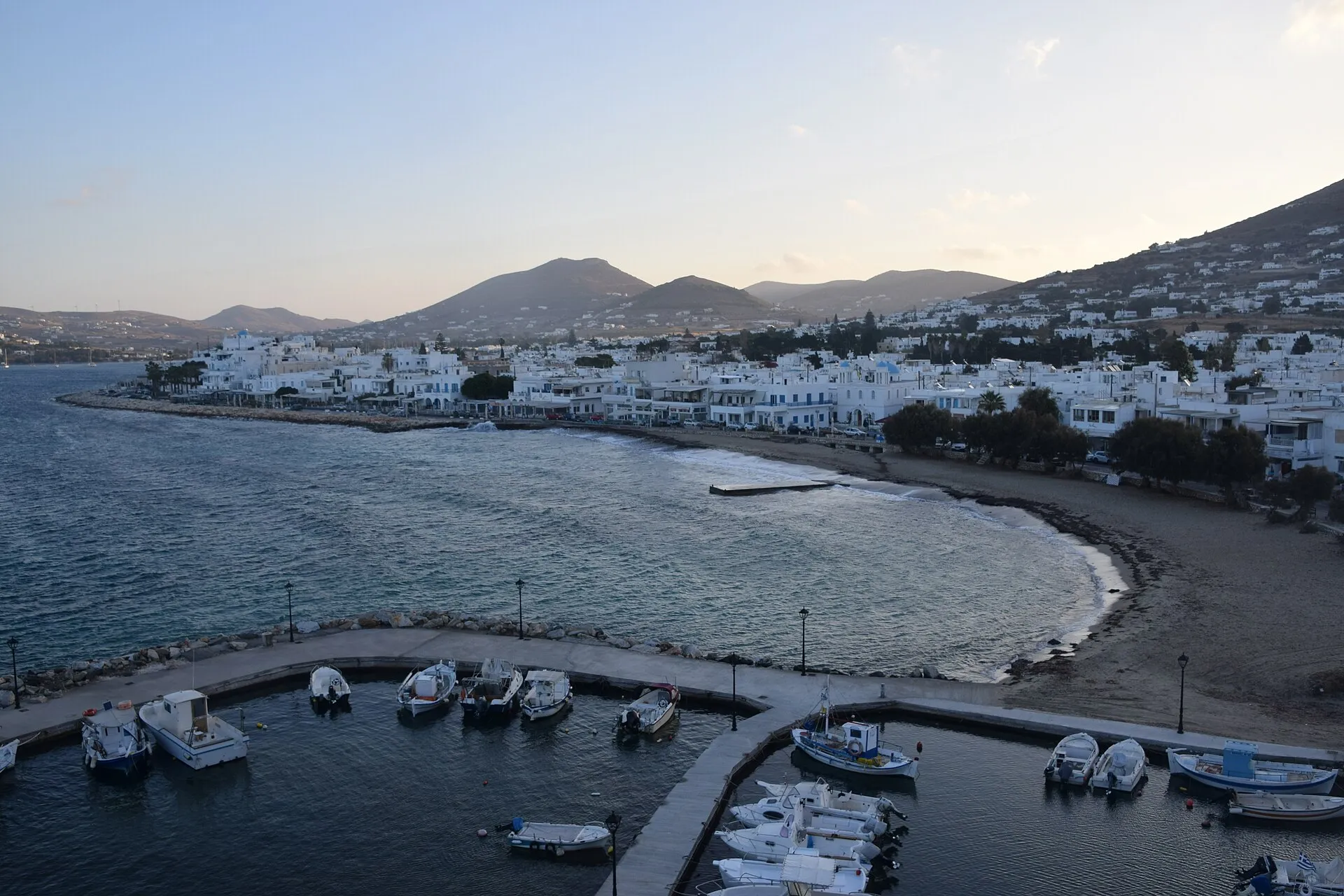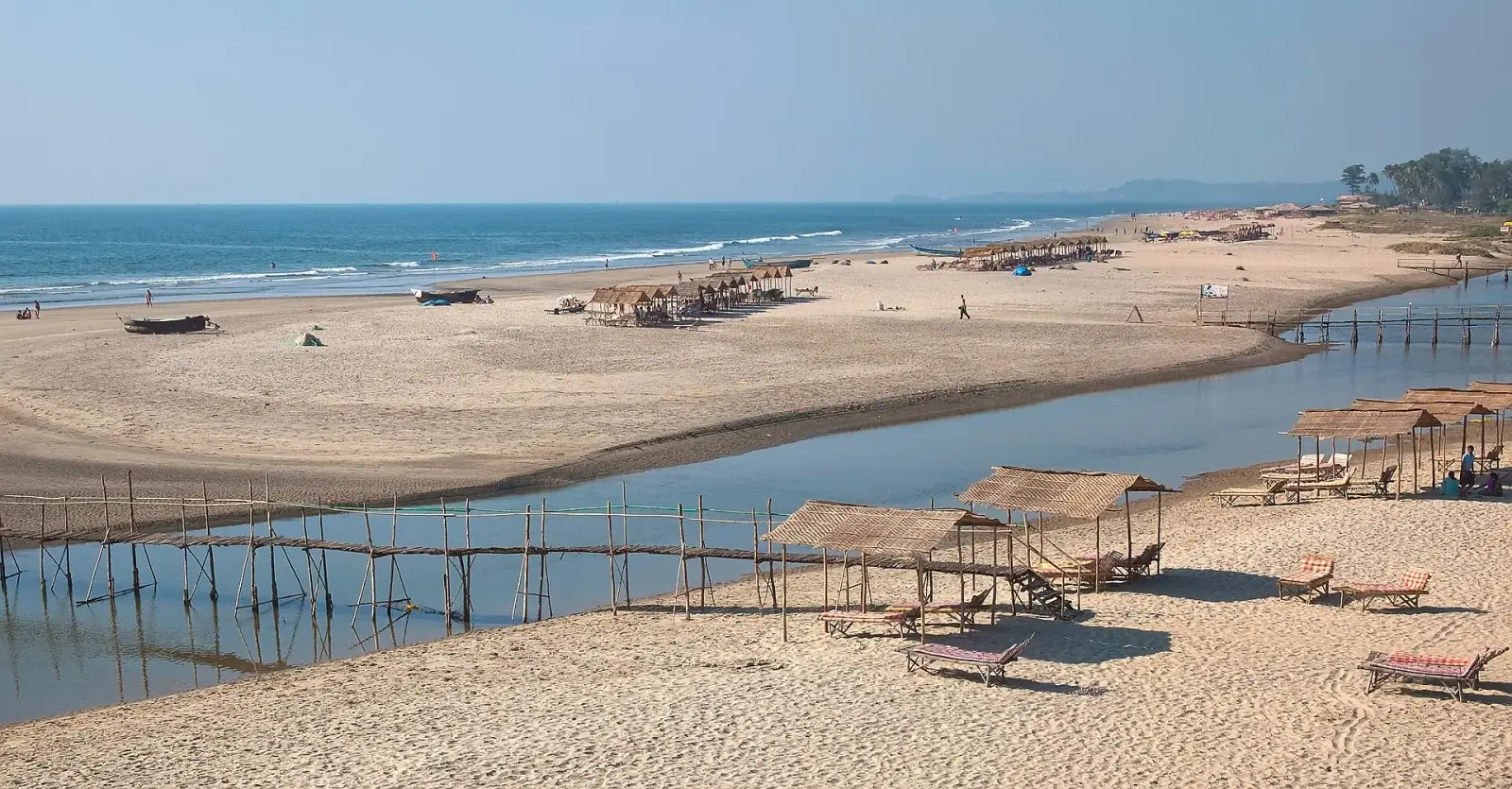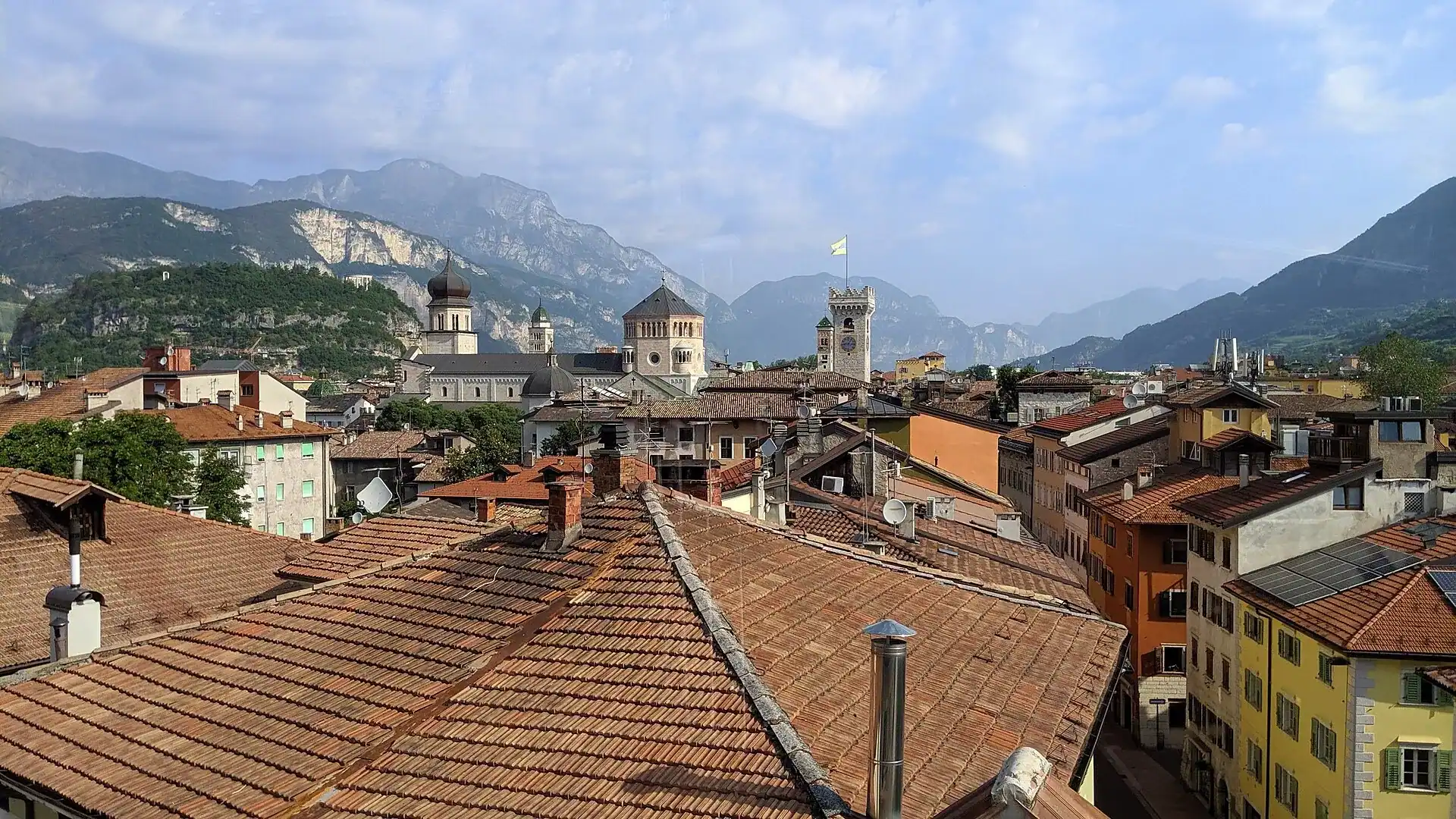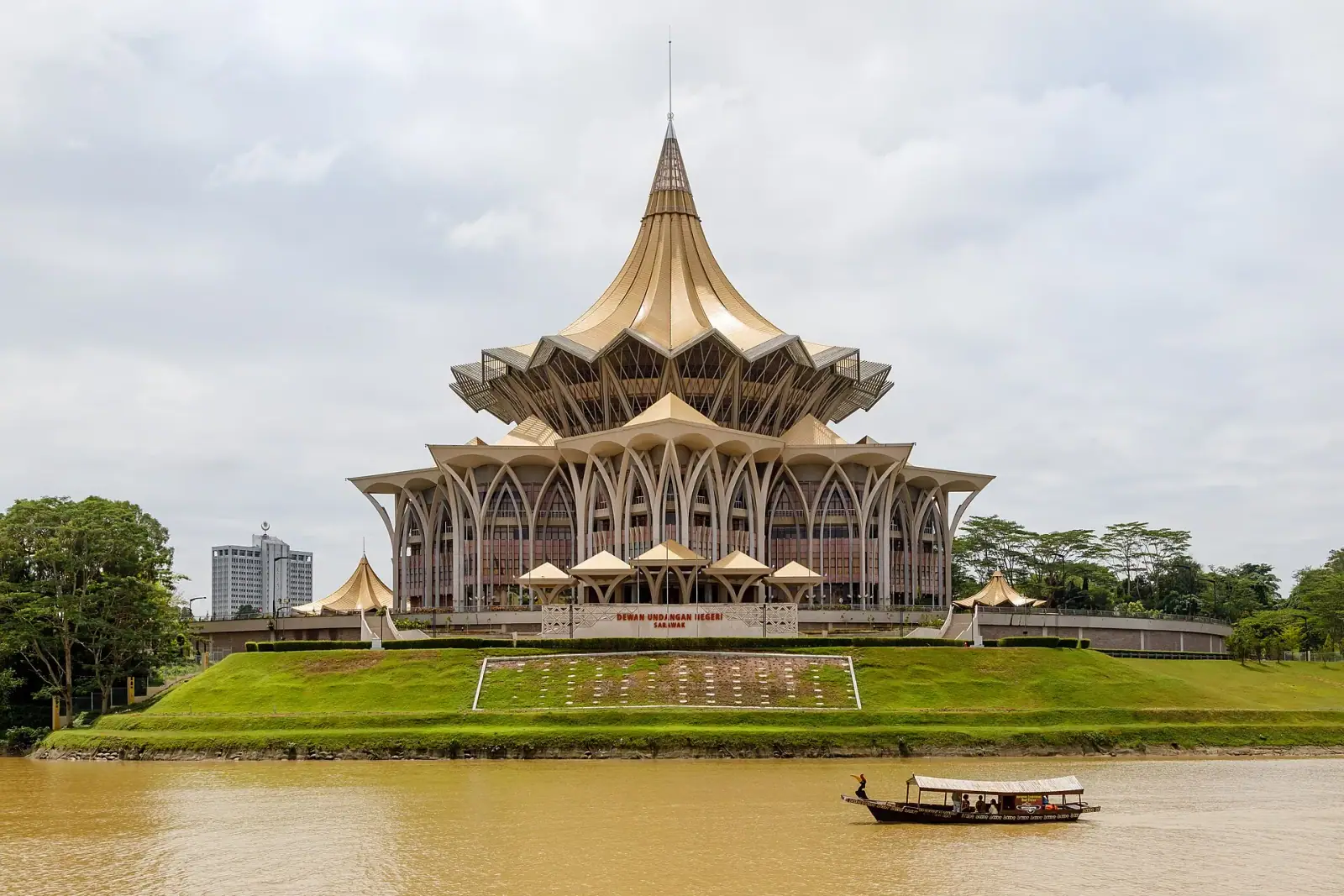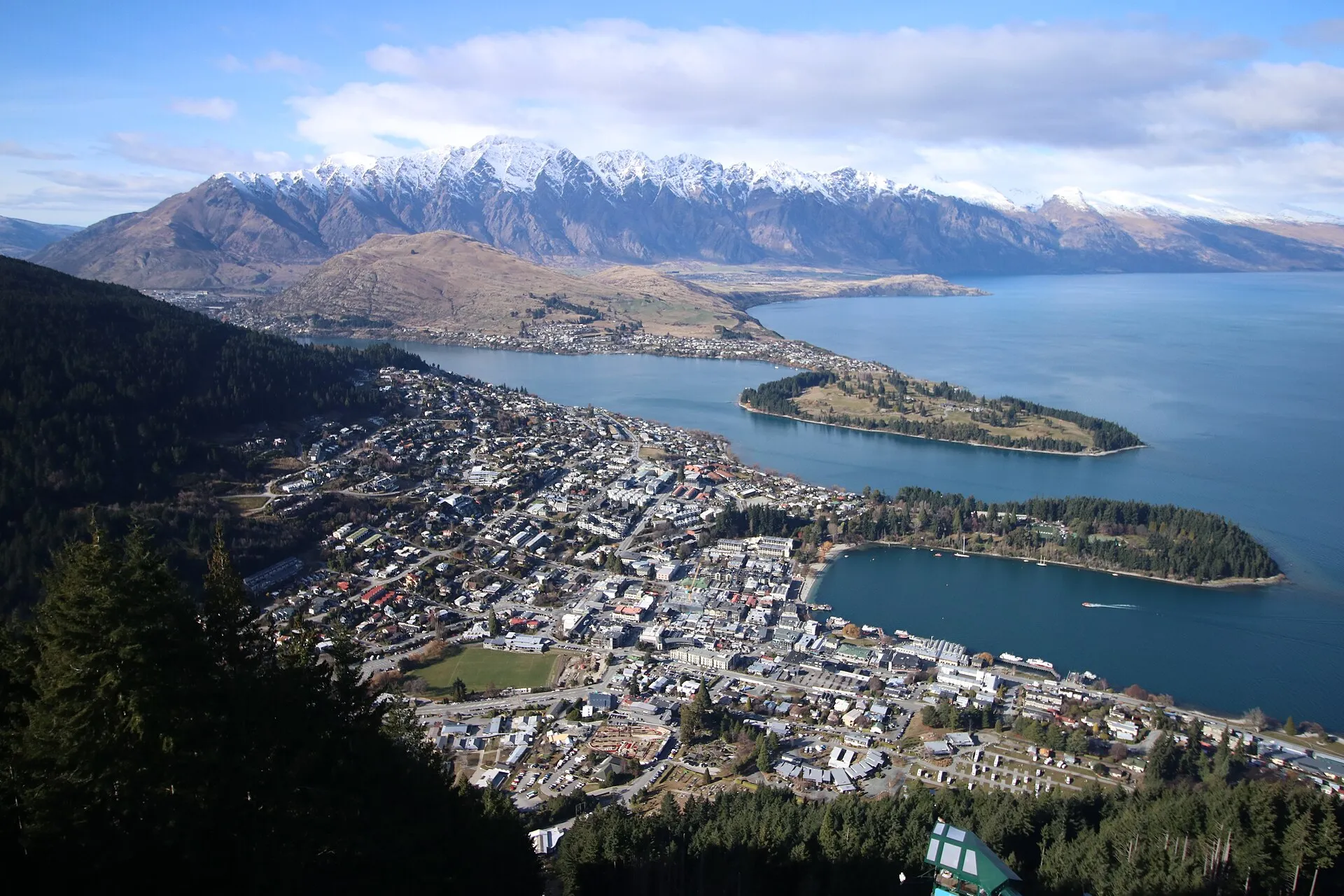
Put this list on a map and nearly every pin lands beside a mountain, a fjord or a cold ocean. Six of the fifteen are Nordic or North Atlantic towns, three are in Switzerland and Liechtenstein, two are in New Zealand's Southern Lakes, and the rest are a Hokkaido city under deep winter snow, a Canadian city on the edge of the Rockies and two surf towns on Portugal's Atlantic coast. Not one of them is a hot, crowded capital.
That is what a family ranking produces when it is built from safety, clean streets, clean air, nature and a community to join, and leaves out nightlife, wifi and price. These are places where a lake or a trail is part of an ordinary Tuesday and where you stop worrying about the walk back from the park. Queenstown comes out on top.
What it cannot tell you is whether there is a school place, a daycare or a good paediatrician nearby, because we hold no data on any of them. Treat it as a shortlist of liveable towns, then check those three things city by city.
Ranked by a weighted blend of five of our existing city scores: safety 30%, cleanliness 20%, air quality 20%, nature 15% and nomad community 15%. Cost, wifi and climate are not part of it, and we hold no data on schools, childcare or paediatric care, so none of those shape the order. Explore the numbers yourself on the comparison tool or browse all 1017 city guides.
At a glance
 Queenstown
Lake Wakatipu, mountain trails and ski fields are part of a normal week here, for about $4,000 a month.
LOWEST BUDGETWanakaA bike-friendly lake town an hour from Queenstown, and the cheapest base on the list at about $1,500 a month.
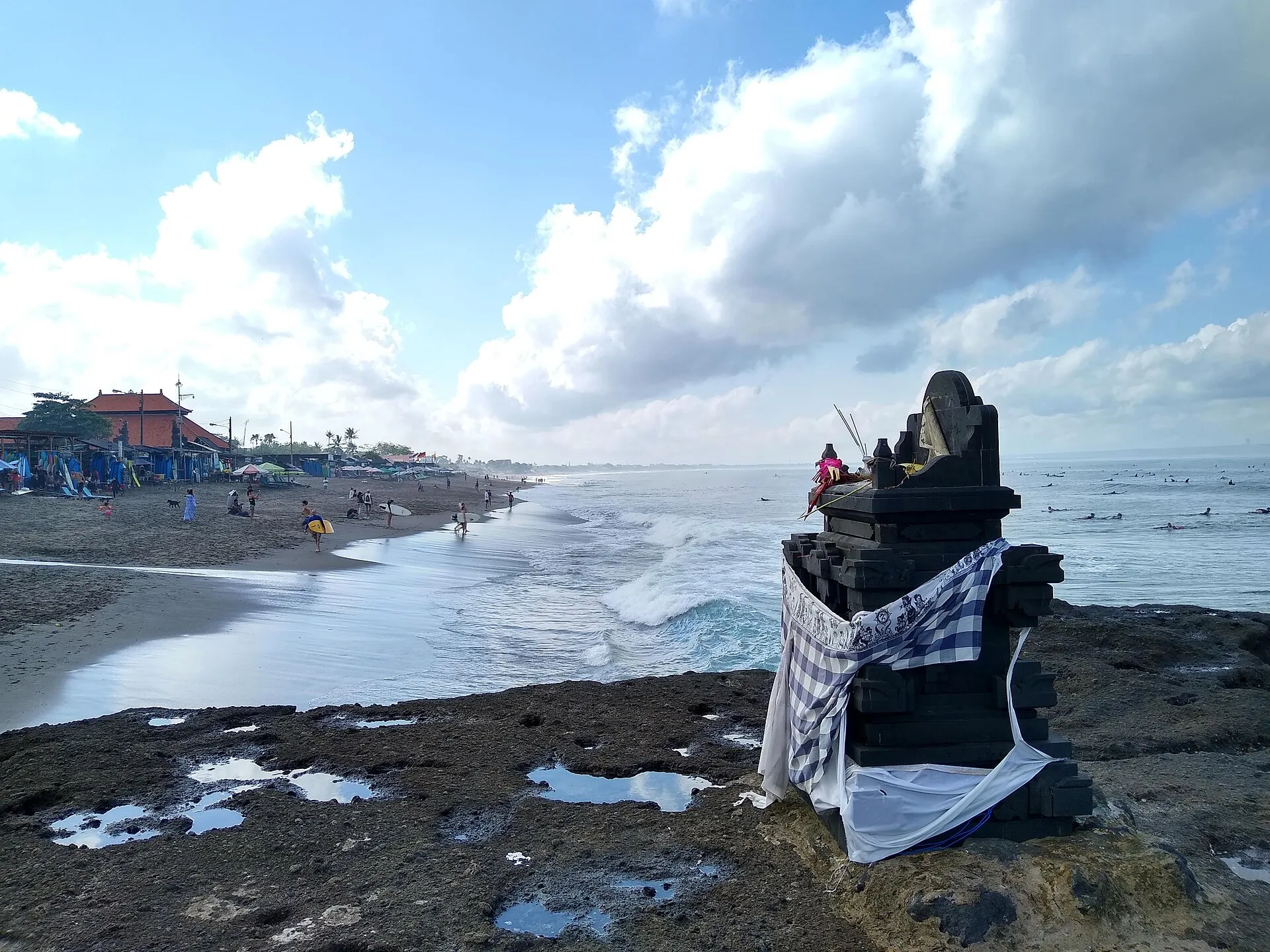
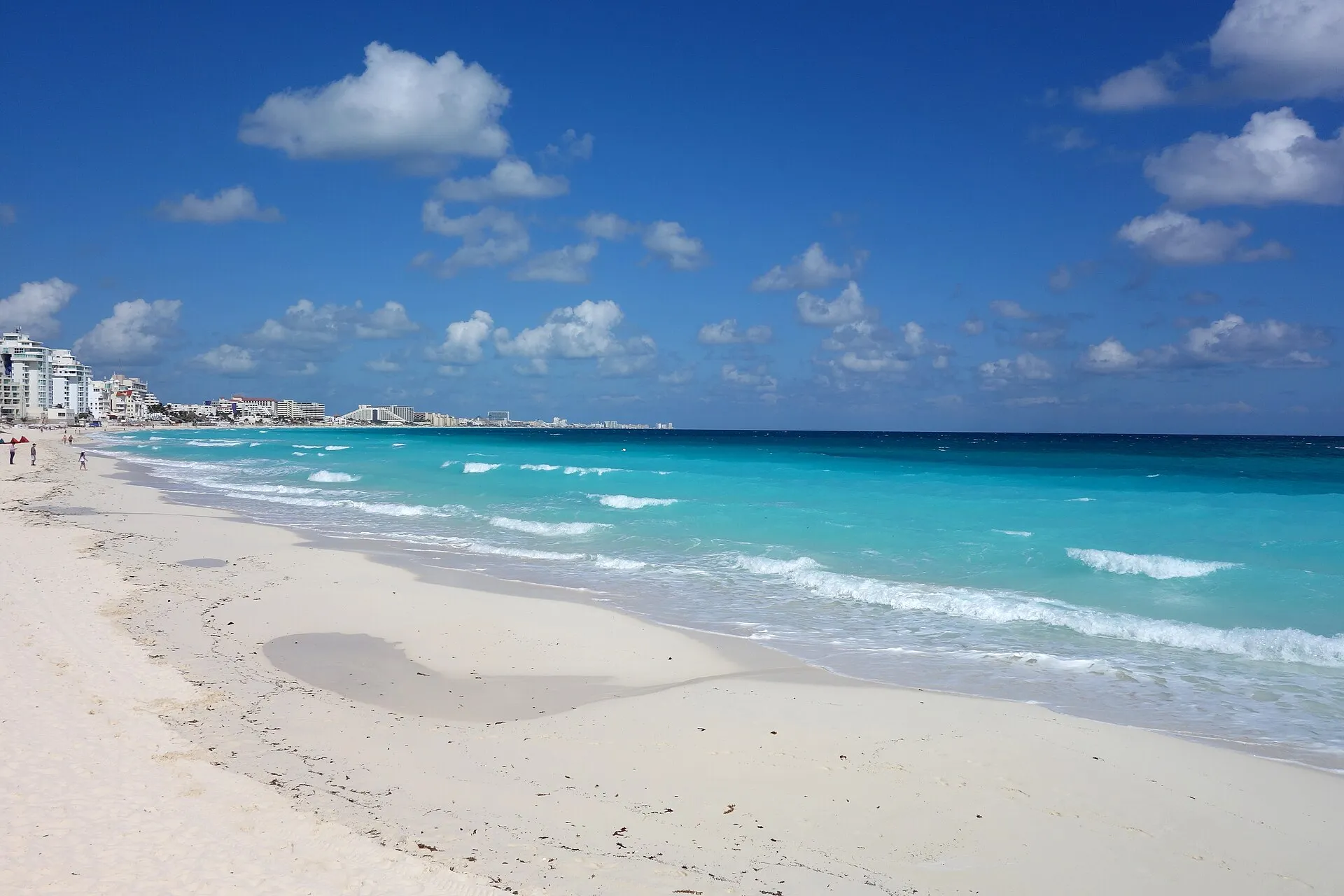
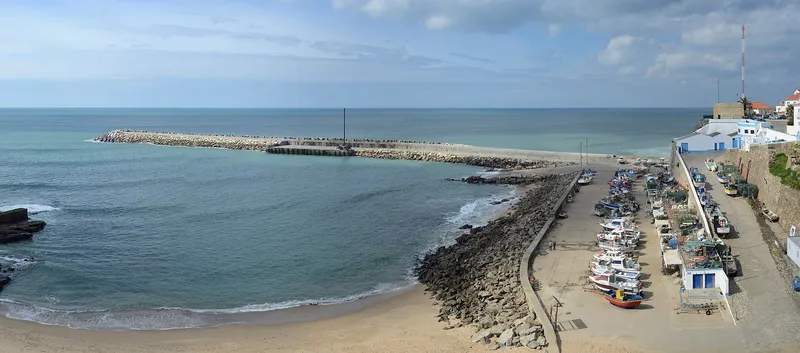
WARMEST WEATHER Ericeira
Europe's first World Surfing Reserve, 75 minutes from Lisbon by bus, at about $2,200 a month.
What to weigh before you book
Schooling, healthcare and childcare are usually what decide a family move, and this page cannot speak to any of them. Before you commit to a city, find out which international or bilingual schools exist and whether they have places, how your health cover works there and what children's care looks like, and whether daycare or after-school care is available and affordable. A town can be safe and clean and still be the wrong call if the nearest school has a waiting list.
Language is the next filter. Life runs in English in Queenstown, Wanaka and Calgary. In Sapporo very little English is spoken, in Torshavn school and daily life are in Faroese and Danish, and in Lucerne, Zurich and Vaduz it is German, with Swiss German dialect on top. Older children feel that most.
Then budget and season. The monthly figures are our estimates for one person, so a family flat in a good school catchment will cost more, and the range on this list already runs from about $1,500 in Wanaka to about $6,500 in Zurich. Climate is not in the blend either: Tromso has a polar night from late November to late January, Bergen is the rainiest city in Western Europe, and only Ericeira and Sagres are warm for much of the year.
The ranking
-
1
 Match 8.9/10Nomad Score 8.3$4,000/moSafety 9WiFi 7Value 3
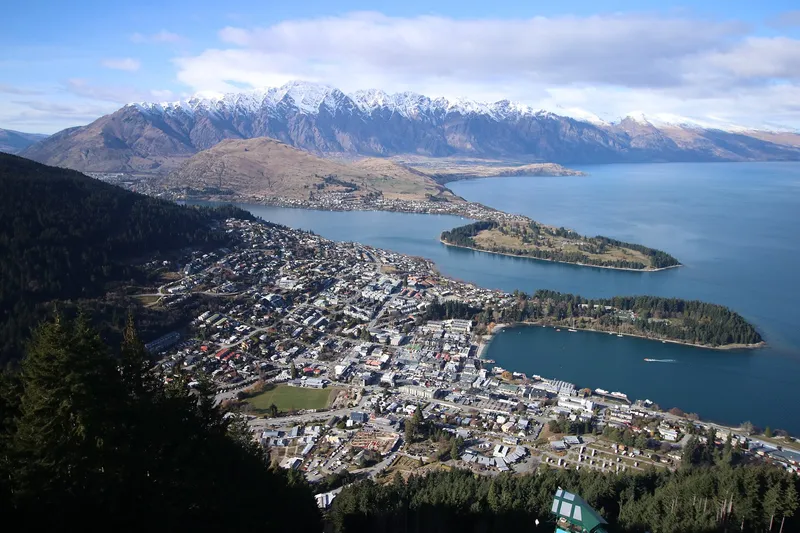
In Queenstown the outdoors is the daily routine rather than the weekend plan. The town sits on the shore of Lake Wakatipu with the mountains rising straight behind it, so trails, lake beaches and ski fields are close enough for an afternoon after school. Daily life runs in English, which takes the friction out of everything from enrolling to seeing a doctor. The trade-offs: at about $4,000 a month it is an expensive base, and this is a small adventure town rather than a full-service city, crowded with visitors in peak season. Best for active families who want nature at the door.
-
2
 Match 8.9/10Nomad Score 7.8$5,000/moSafety 10WiFi 8Value 2
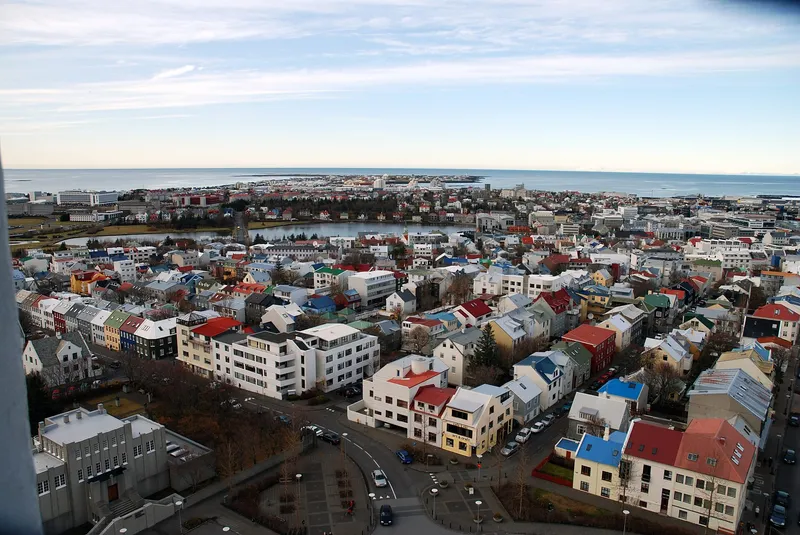
Reykjavik is a calm, orderly small capital, and for parents that calm is the point. Geothermally heated outdoor pools are part of ordinary family life in Iceland, and lava fields, waterfalls and coastline begin a short drive from town. The downsides are cost and light. At about $5,000 a month it is among the dearest bases here, and winter days are short, dark and windy, though rarely bitter. The international crowd is small. A strong pick for families who value safety and clean air above warmth and want a dramatic landscape for every weekend.
-
3
 Match 8.9/10Nomad Score 7.6$2,400/moSafety 10WiFi 9Value 3
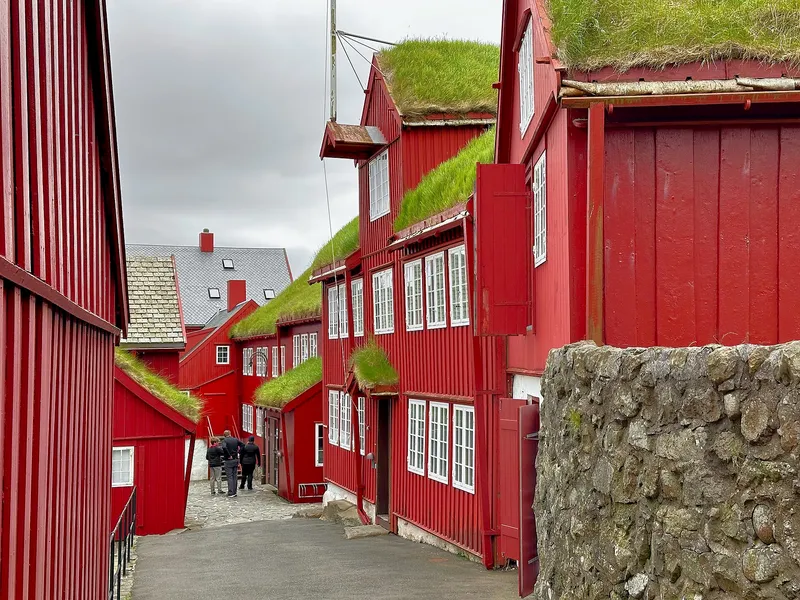
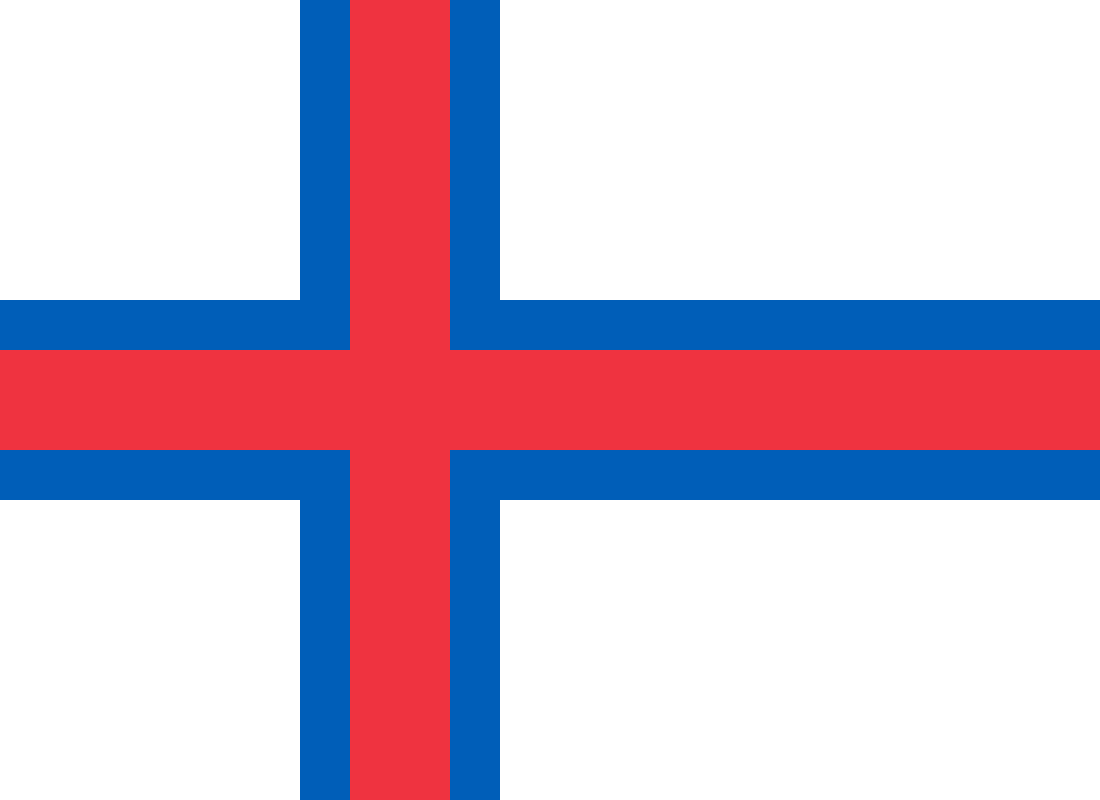
Children in Torshavn grow up between sea cliffs, grass-roofed houses and harbours that still work for a living. Puffins nest on Mykines between roughly May and August, a short trip away, buses in town are free, and sub-sea tunnels link the main islands. At about $2,400 a month it costs roughly half what the Norwegian cities on this list do. School and daily life run in Faroese and Danish, so older children face a new language, and specialist healthcare means a flight to Denmark. Winters are dark and stormy rather than cold.
-
4
 Match 8.9/10Nomad Score 7.4$5,200/moSafety 10WiFi 8Value 1
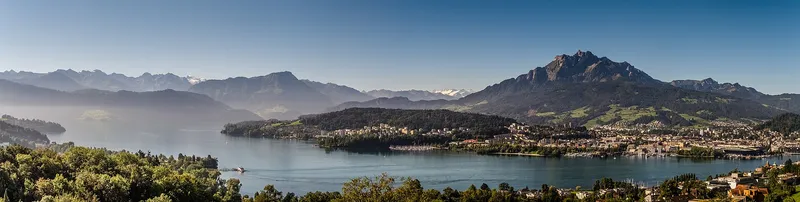
Lucerne is the postcard Switzerland that also works on a weekday. The old town, the covered Chapel Bridge, the lakefront and the main station are all within a 15 to 20 minute walk of each other, lake ferries leave from the centre, and a cogwheel railway climbs Pilatus for a day in the mountains. The catch is money: about $5,200 a month, one of the most expensive bases here, and school runs and admin go easier with some German. It is quiet too, with a small international crowd. Right for families who can absorb Swiss prices for lakeside mountain living.
-
5
 Match 8.6/10Nomad Score 8$6,500/moSafety 10WiFi 8Value 1
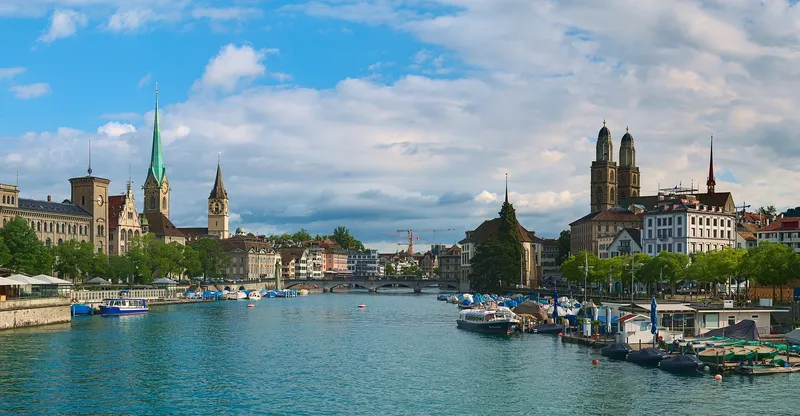
Zurich gives a family big-city depth without big-city stress. Trams, buses and S-Bahn trains are frequent, punctual and clean, the centre is compact enough to walk, and in summer the lake and the river turn into the city's swimming spots, with long evenings by the water. Museums and public services are first-rate, and English carries most admin. The blunt trade-off is price: at about $6,500 a month this is the most expensive base on the list, before you add a family-sized flat. Right for families who want full urban infrastructure and can fund it.
-
6
 Match 8.5/10Nomad Score 8.3$2,200/moSafety 9WiFi 6Value 6
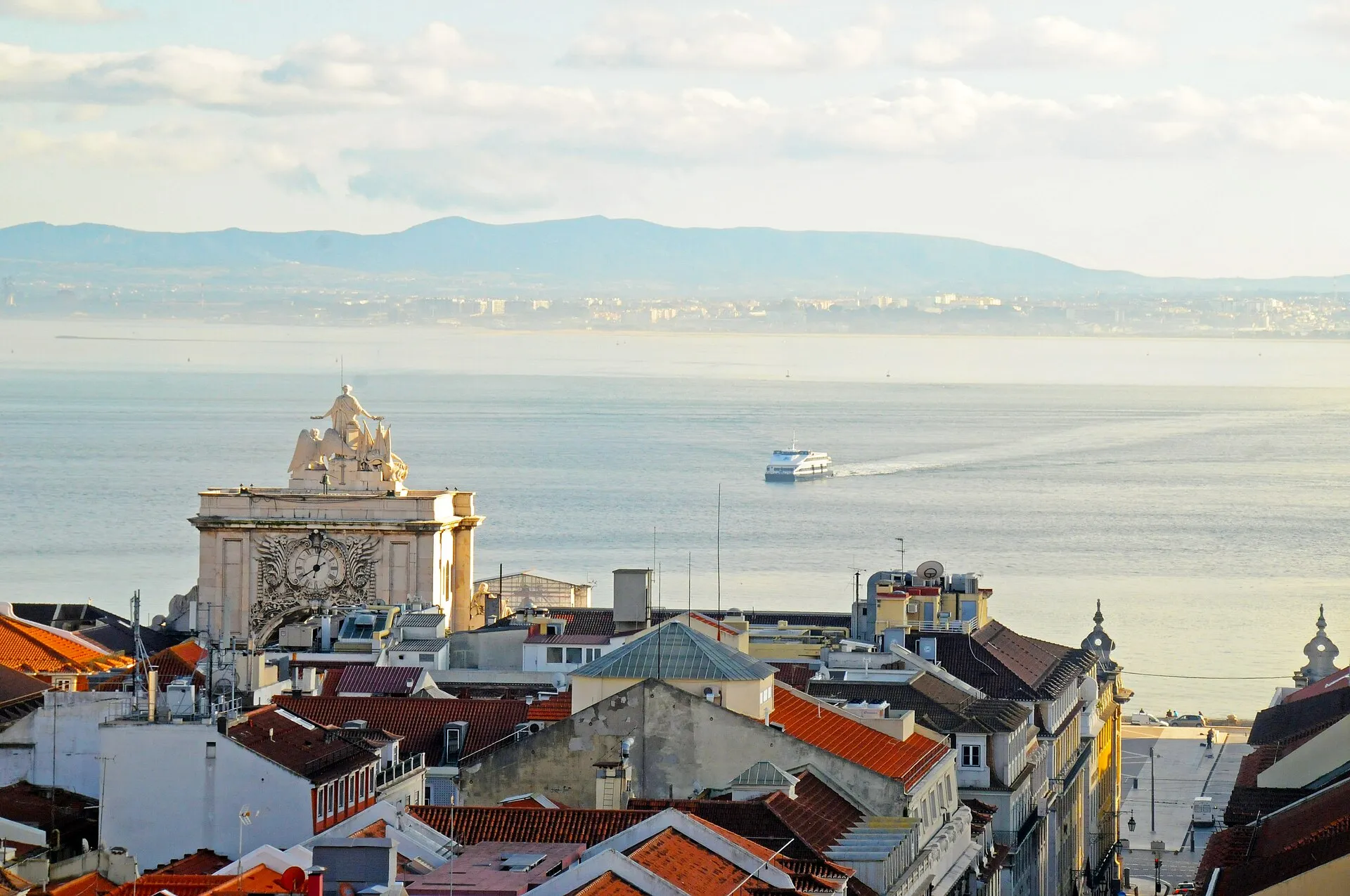
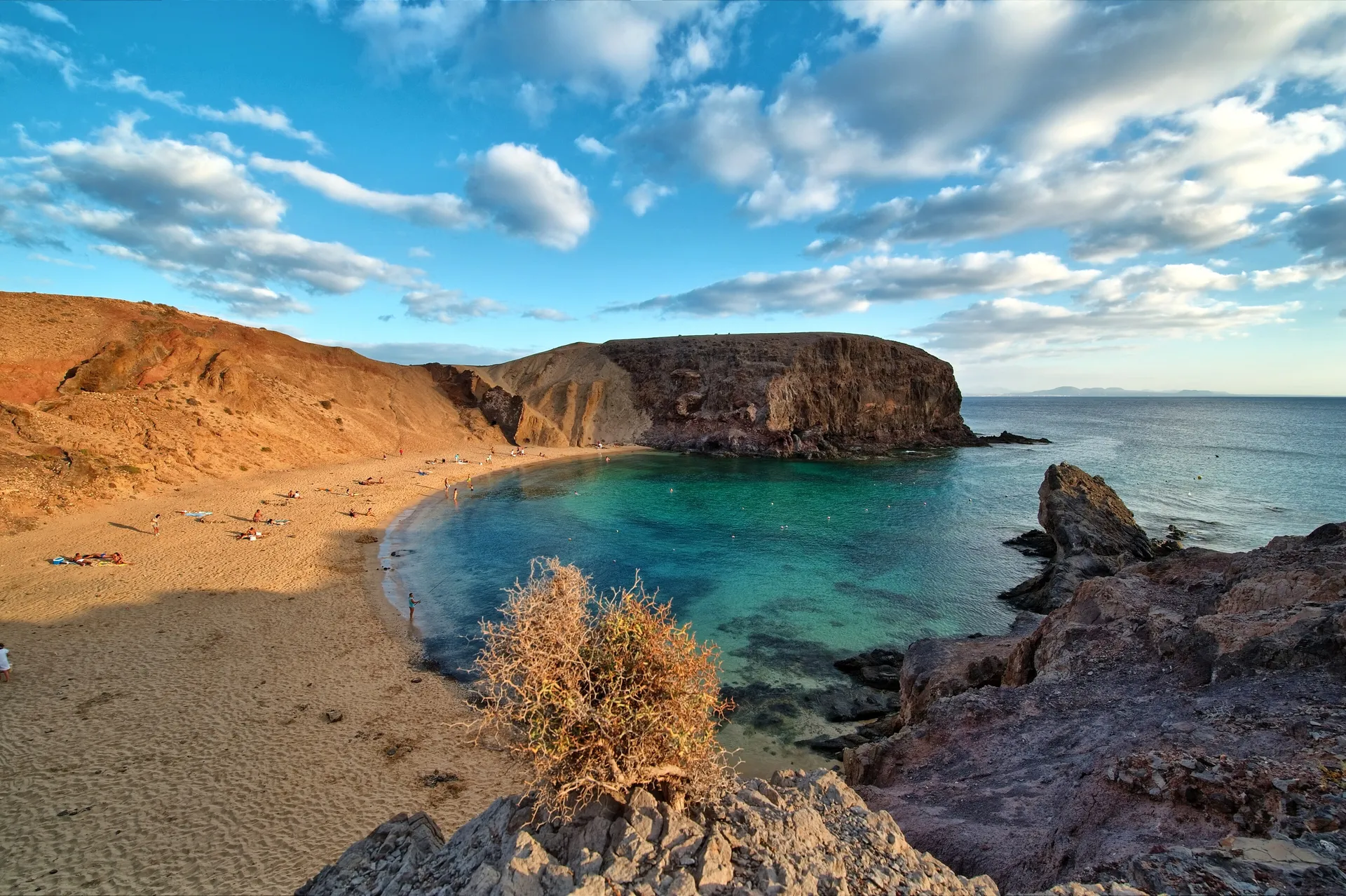
Ericeira is the warm answer on this list. The village was declared Europe's first World Surfing Reserve, Ribeira d'Ilhas is its surf-school beach, and Lisbon is about 75 minutes away by bus. At about $2,200 a month it costs far less than the Alpine and Nordic bases, and its surf crowd makes it easier than most places here to build a social circle. The compromises: peak-season rents now rival Lisbon's, the centre is small, the wind blows often and nightlife is limited. Ideal for families who want sun, ocean and an easier social landing.
-
7
 Match 8.5/10Nomad Score 8$1,500/moSafety 9WiFi 7Value 5
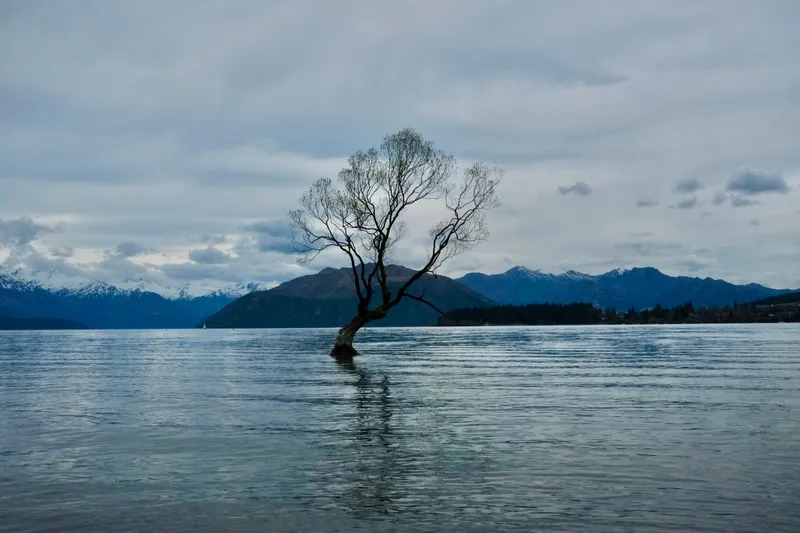
Wanaka gives a family a lake to swim in, flat lakeside paths to cycle and a year shaped by the seasons: long hiking days in summer, golden poplars in autumn, ski fields up the road in winter. The town is small enough that school runs and errands rarely need a car, though the trailheads do. At about $1,500 a month it is the cheapest base on this list, but family-sized rentals are tight and seasonal, and finding one is the hardest part of settling in. Queenstown's airport is about an hour away.
-
8
 Match 8.5/10Nomad Score 7.8$2,600/moSafety 10WiFi 7Value 5
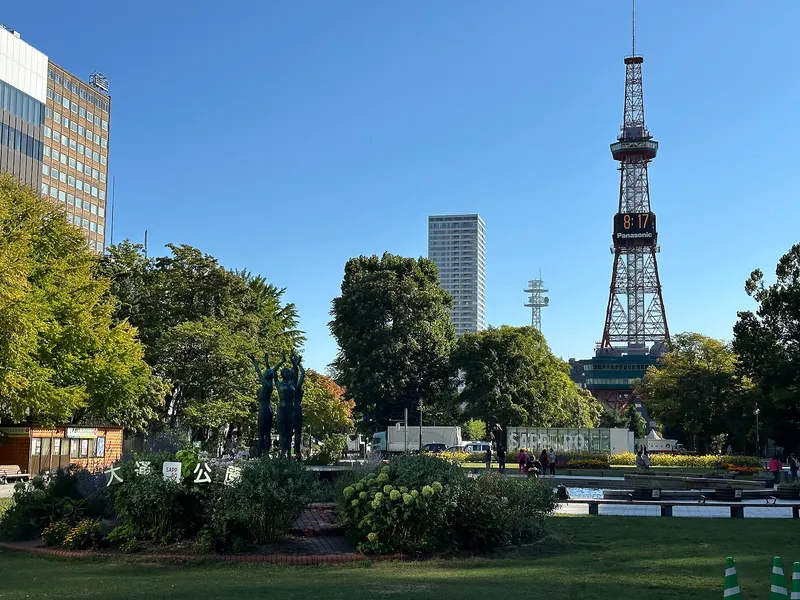
Sapporo pairs Japanese order with four real seasons. Odori Park runs through the centre as a ribbon of festivals, the Snow Festival fills it with ice and snow sculptures every February, and the slopes of Niseko are about 90 minutes away by bus. Three subway lines keep daily life simple without a car. At about $2,600 a month it is one of the more affordable bases here. The clear hurdle is language: little English is spoken, so schooling, healthcare and admin lean on translation apps or some Japanese. Winter brings four to five metres of snow.
-
9
 Match 8.5/10Nomad Score 7.4$4,800/moSafety 9WiFi 8Value 2
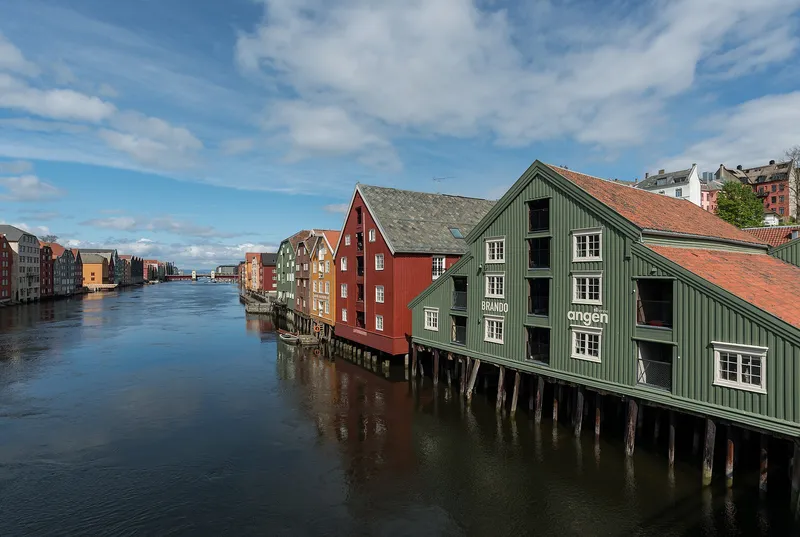
Trondheim calls itself Norway's most bike-friendly city and has the proof: signposted cycleways, and Trampe, a bicycle lift that pushes riders up one of its steeper hills. The centre gathers around Nidaros Cathedral, and the old shipyard at Solsiden is now waterfront restaurants. Internet is dependable, which matters when a working parent has calls between pickups. It is expensive at about $4,800 a month, the winters are long and properly Norwegian, and this is a compact historic city rather than a metropolis. A good fit for families who want calm with a real city attached.
-
10
 Match 8.5/10Nomad Score 6.9$5,100/moSafety 9WiFi 8Value 2
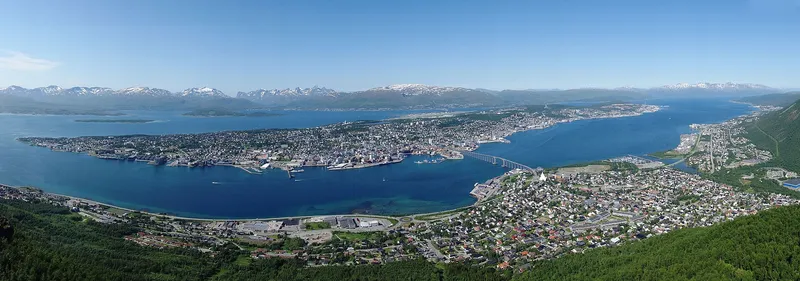
Above the Arctic Circle, Tromso turns the calendar into an event: continuous daylight from around 20 May to 22 July, then a polar night from late November to late January when the sun never rises and the northern lights take over. A cable car across the bridge climbs to views over the city and its fjord. For children that can be unforgettable; for parents the dark months are demanding and the midnight sun disrupts sleep. At about $5,100 a month it is expensive. Best for hardy families drawn to Arctic nature and happy in a small town.
-
11
 Match 8.5/10Nomad Score 6.3$3,400/moSafety 10WiFi 9Value 2
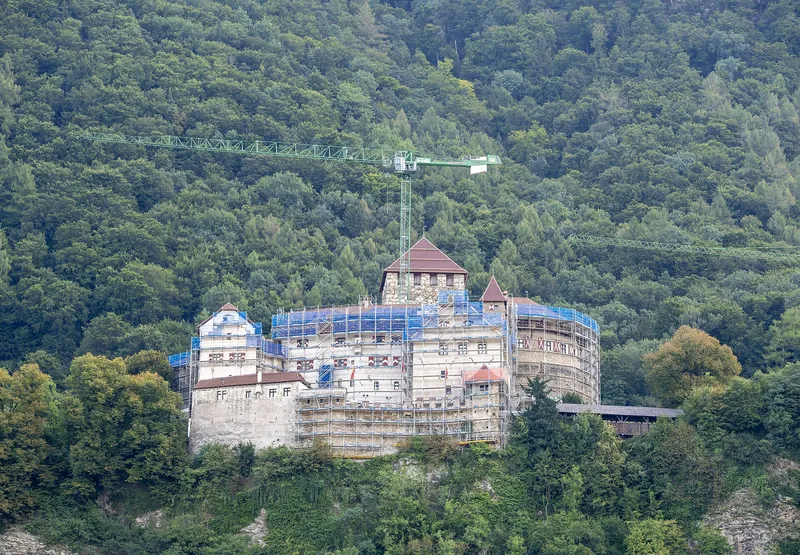
Vaduz is a capital of about five thousand people that you can walk end to end in twenty minutes, with the Alps rising straight behind the Rhine valley and marked paths leading from town into the mountains. A dense national bus network makes a car optional, the flat Rhine cycle route crosses the whole country in an afternoon, and the small Malbun ski area is half an hour up the valley. At about $3,400 a month it costs well under Lucerne or Zurich. The catch is scale: evenings are quiet and most social life happens across the border.
-
12
 Match 8.4/10Nomad Score 8.3$1,700/moSafety 9WiFi 7Value 6
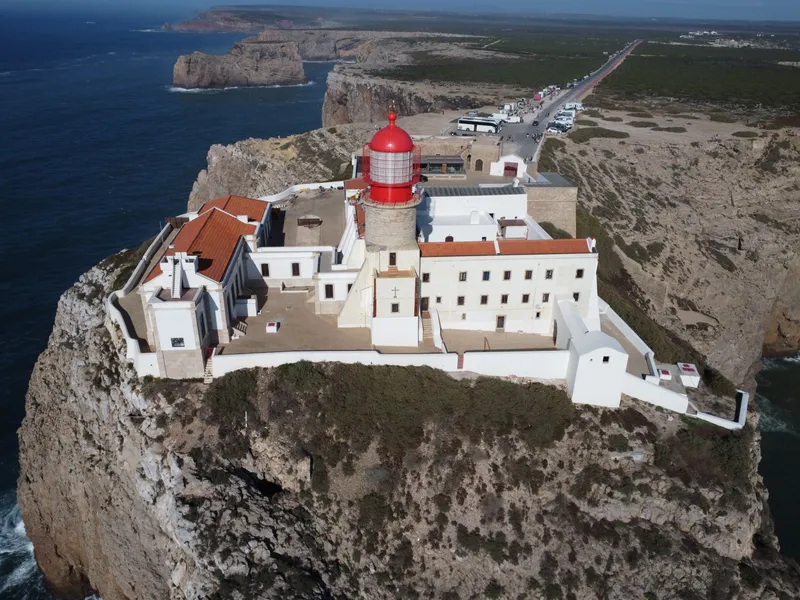
Sagres sits at Portugal's south-western tip, a fishing village of cliffs and uncrowded beaches: Tonel and Mareta by the village, Martinhal a little east, and the lighthouse at Cabo de Sao Vicente about six kilometres out for sunset. The cliff paths of the Fisherman's Trail start nearby. At about $1,700 a month it is among the cheapest bases here. The wind is constant and the sea cool, a car is needed for supermarkets and day trips, some shops close from November, and Lagos, an hour away by bus, is where you go for town life.
-
13
 Match 8.4/10Nomad Score 8$3,500/moSafety 9WiFi 8Value 3
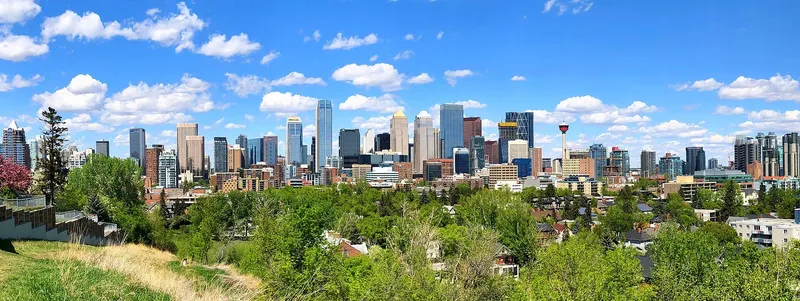
Calgary is the most practical North American option here: a real city with river pathways running through its neighbourhoods, English in every office, and Banff and Kananaskis 90 minutes to two hours west for weekend hiking and skiing. At about $3,500 a month it is mid-priced for this list. The honest limits are a long, cold winter, a car for the mountains, since no train makes that trip, and July's Stampede, which crowds the city and pushes short-term rents up. Well suited to families who want big outdoor access with easy English-language living.
-
14
 Match 8.4/10Nomad Score 7.4$4,500/moSafety 9WiFi 7Value 2
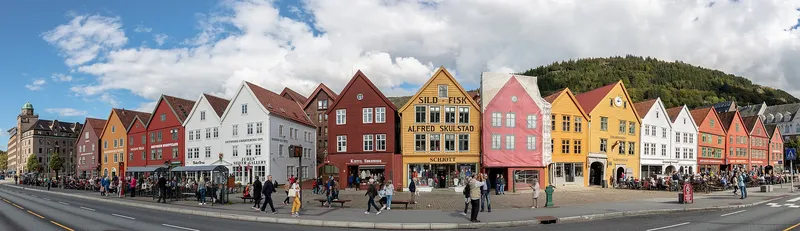
Bergen is the rainiest city in Western Europe, around 2,500 millimetres a year, so families who choose it pack waterproofs as a matter of course. In return they get the fjords, the UNESCO-listed wooden wharf of Bryggen, an aquarium on the Nordnes peninsula, and mountains rising behind the centre. Hilly streets make cycling an option rather than a habit. At about $4,500 a month it is expensive, and the international crowd is small. A good fit for families who want dramatic fjord nature and Norwegian order and will trade sunshine for both.
-
15
 Match 8.4/10Nomad Score 6.9$2,600/moSafety 10WiFi 8Value 5
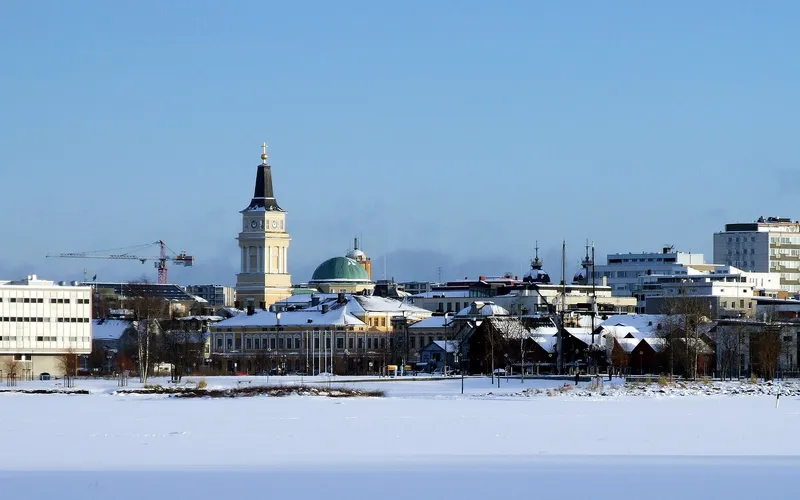
For a family, Oulu is two different cities. From June to August it is long light, midnight sun, waterfront evenings and highs around 18 to 22C, and a flat cycleway network that older children can ride. From November it is a long, cold, dark winter, a season for skis and indoor life. The pace is quiet all year, which suits young children better than teenagers looking for buzz. Finnish runs daily life, though English is widely spoken. At about $2,600 a month it is one of the cheaper Nordic bases on this list.


No city wins this list for every family, because the same five factors weigh differently with a toddler than with a teenager. If calm and clean air come first and you can pay for them, the Nordic towns, Lucerne and Queenstown lead. If warmth matters, Ericeira and Sagres are the only real answers here, and both cost far less. If budget leads, Wanaka is the cheapest base at about $1,500 a month.
Put two or three finalists side by side in Compare to see cost, weather and all thirteen categories together. Then give each one its own research on schools, childcare and healthcare, the questions this ranking leaves to you.
Frequently asked questions
What is the best city for digital nomads with families?
Queenstown comes out on top of this blend: a safe, clean lake town in New Zealand's Southern Alps where daily life runs in English and the mountains start at the edge of town. It costs about $4,000 a month. The best pick for your family depends on what you put first; Ericeira is warmer and cheaper, and Reykjavik or Zurich give you a city's services.
Which of these cities are the cheapest?
Wanaka is the cheapest at about $1,500 a month, followed by Sagres at about $1,700, Ericeira at about $2,200, Torshavn at about $2,400, and Sapporo and Oulu at about $2,600. At the other end, Zurich runs about $6,500, Lucerne about $5,200 and Tromso about $5,100. These are our estimates for one person, so a family-sized flat will push the real figure higher.
Which family-friendly cities here have warm weather?
Ericeira and Sagres, both on Portugal's Atlantic coast, are the only bases on this list with mild winters and warm summers, though both are windy and the sea stays cool. Climate is not part of the ranking, which is why so many cold northern towns rank above them.
What about international schools and childcare?
We have no data on schools, childcare or paediatric care, so this ranking cannot speak to them. Before committing to any city, check which international or bilingual schools exist and whether they have places, how your health cover works locally, and whether childcare is available and affordable.
How is the family ranking calculated?
It is a weighted blend of five of our existing city scores: safety 30%, cleanliness 20%, air quality 20%, nature 15% and nomad community 15%. Nightlife, wifi, cost and climate are left out, and so are schools and healthcare, because we hold no data on them.