Most places give you a good season and make you pay for it with a bad one. These fifteen barely have seasons at all. In each of them, every month's average temperature lands between 14C and 24C. The warmest month is never more than 5C warmer than the coolest. For someone working from a rented flat, that means no air conditioner to run in August, no radiator to fight in January, the same clothes all year, and a lease you can sign in any month without regretting the timing.
Fourteen of the fifteen are tropical towns between roughly 1,000 and 2,200 metres up, and both halves of that matter. Close to the equator the midday sun stands high in every month and the length of the day hardly changes, so there is no real summer or winter to swing between. On its own that makes a place hot all year, which is where altitude comes in: air cools as it rises, so a town high in the mountains loses the lowland heat while keeping the even calendar. Colombia shows the whole effect in one country. On the coast, Cartagena sees highs of 31C to 32C in every month. Medellín, nearly a mile up, has highs of 27C to 29C and cool nights. Bogotá sits so much higher that its monthly averages are only 13C to 15C, too cool for this list. Spring lives in the band between.
The one exception is Rarotonga, a low island in the South Pacific where the ocean around it, not height, holds every month between 21C and 24C. Spring temperatures do not mean dry weather either. Many of these highland towns sit in the path of tropical rains, and Baguio takes 963mm in an average August. If rain matters to you as much as warmth, the Nomad Comfort Index scores every city month by month on both.
A city qualifies when each of its twelve monthly average temperatures, the midpoint of the normal daily high and low, falls between 14C and 24C. Its warmest month must also be no more than 5C warmer than its coolest. The normals are 1991-2020 weather-station records where a station is close enough, and ERA5 reanalysis for 2019-2023 elsewhere. Qualifying cities need an overall Nomad Score of 6.0 or more, are ordered by that score, and no country may take more than six places, because Colombia's highland towns would otherwise crowd out everywhere else. Explore the numbers yourself on the comparison tool or browse all 999 city guides.
At a glance
 Medellín
The biggest city on the list by far, with a metro, more than 50 coworking spaces and a big nomad community. At about 1,500 metres you never need heating or air conditioning.
Best for European hours Nanyuki
A town on the equator at about 1,950 metres, where English is an official language and Kenya's clock overlaps the whole European working day. It costs $800 a month.
Best in Asia Baguio
Afternoons never pass 26C, in a region where most cities need air conditioning. English is spoken nearly everywhere, and it costs $810 a month.
What to weigh before you book
A flat temperature line says nothing about rain, and rain decides how these towns feel from one month to the next. Baguio, Monteverde and Boquete each take more than 450mm in their wettest month, while Oaxaca and San Cristóbal see very little from November to March. Altitude has costs of its own: the first days at 1,500 metres or more can bring fatigue and headaches, the sun burns harder than the temperature suggests, and nights in the higher towns get cold in buildings with no heating. Most of these places are also small, so outside Medellín expect thin coworking, slow connections in the villages, and a long road to an international airport. On cost, only Medellín, Baguio and Boquete are priced from measured Numbeo data; the other twelve monthly figures are our own estimates. If you are choosing an arrival date, Best Weather by Month shows which places are at their best in the month you have in mind.
The ranking
-
1
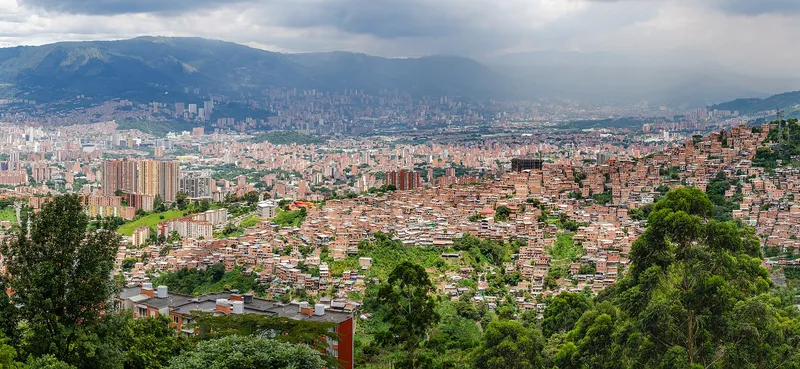 Monthly average 22–24°C all yearNomad Score 8.3$1,440/moSafety 5WiFi 7Value 7
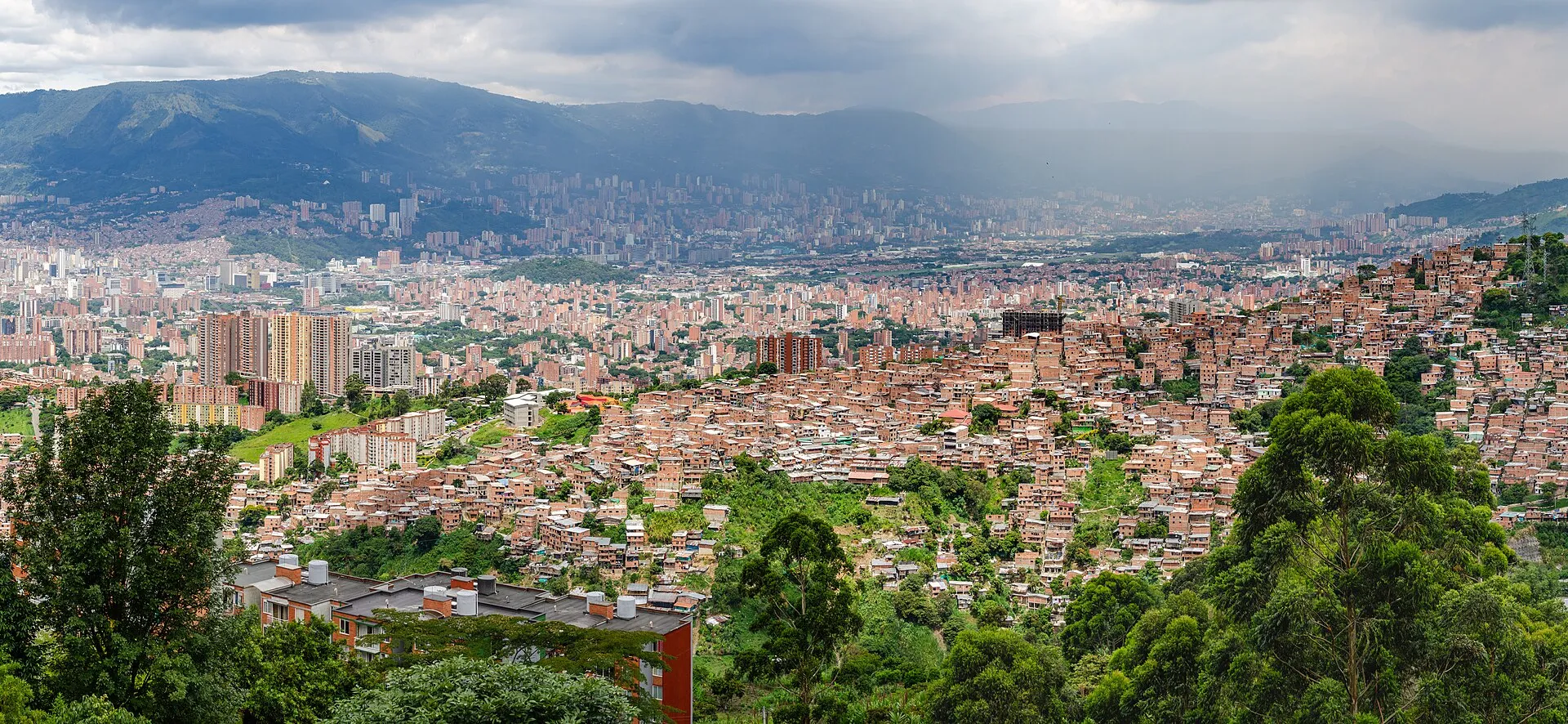
"The city of eternal spring" is what Medellín calls itself, and at about 1,500 metres the name holds up. Afternoons reach 27C to 29C in every month of the year. Nights settle near 18C, so you never run a heater or an air conditioner, which helps keep the budget at $1,440 a month. Medellín also has what the smaller towns lack: more than 50 coworking spaces, Colombia's only metro and a large, established nomad community. The price is vigilance. Phone snatching and drink-spiking around nightlife are real risks, and heavy rain can briefly knock out power and internet, so keep mobile data as a backup.
-
2
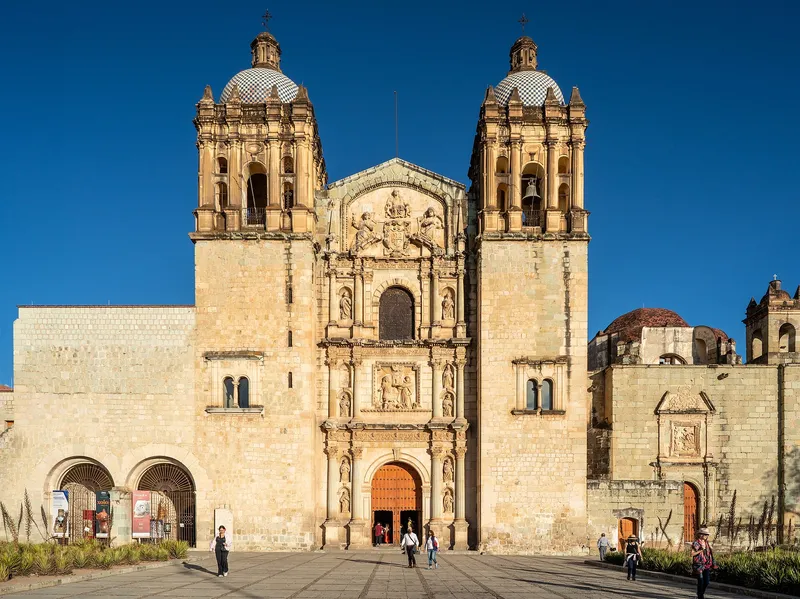 Monthly average 19–23°C all yearNomad Score 7.8$1,600/moSafety 6WiFi 5Value 7
April afternoons in Oaxaca reach 31C, while January nights drop to 11C, yet both ends are easy to live with. At roughly 1,550 metres the air is dry, and from November to April almost no rain falls. The reason to stay is the food, along with the Indigenous craft, market and mezcal culture that rewards people who settle for a month or two. Work takes a plan, because home and cafe WiFi is inconsistent; a coworking desk at Gubixi in Centro solves it. Most flights route through Mexico City, and the altitude can bring a few tired days at first.
-
3
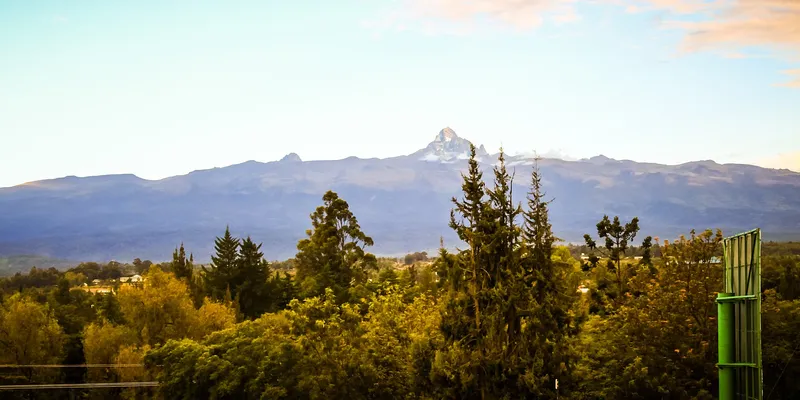 Monthly average 18–20°C all yearNomad Score 7.4$800/moSafety 7WiFi 5Value 7
Few places show the altitude effect as cleanly as Nanyuki. The equator line is marked on the main road, yet at about 1,950 metres the houses are built with fireplaces. Afternoons top out between 23C and 26C. Kenya's clock gives a full overlap with European working hours, English is an official language, and $800 a month goes a long way. What the town asks for is self-sufficiency. Power cuts are routine, so an inverter or generator matters if your work cannot pause, and the wildlife at Ol Pejeta and Lewa, the reason many people come, needs a vehicle of your own.
-
4
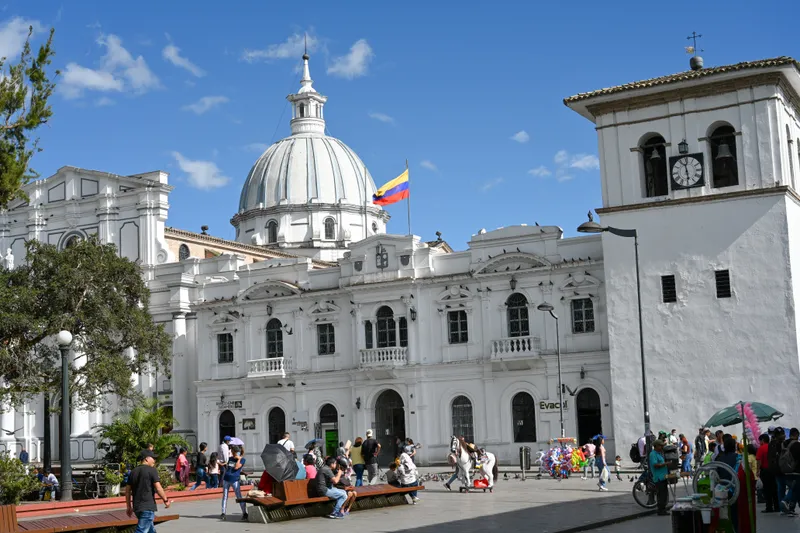 Monthly average 19–20°C all yearNomad Score 7.2$900/moSafety 6WiFi 6Value 8
The thermometer barely moves in Popayán: the long-term record puts every month's low at 14C, and the monthly averages sit within a degree of each other. At around 1,700 metres the whitewashed colonial town needs neither heating nor air conditioning. Its food carries UNESCO recognition, and a set lunch costs $3 to $5. Coworking is thin, so most people split their days between home fibre and student cafes. Two things to plan around: Holy Week, when nightly processions fill the city and every room, and the main road north, which closes now and then for landslides or protests.
-
5
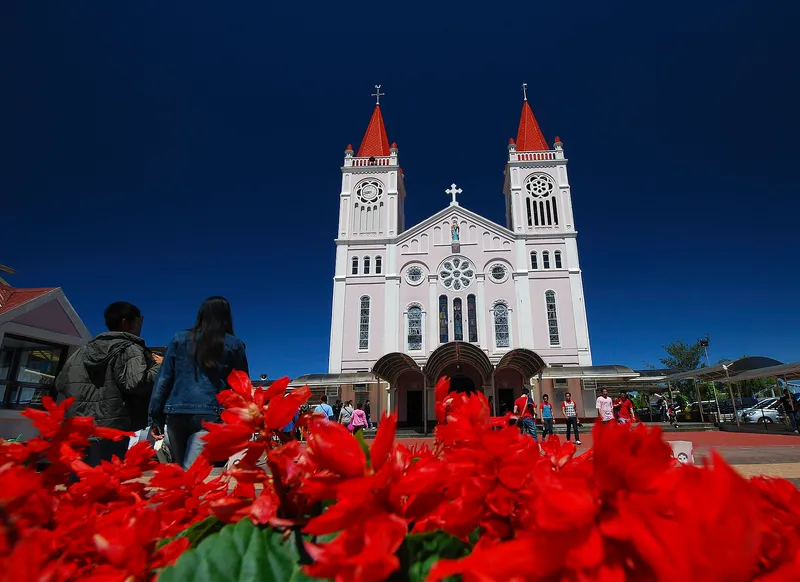 Monthly average 18–21°C all yearNomad Score 7.2$810/moSafety 7WiFi 6Value 9
Manila swelters at 30C to 34C. Up in the Cordillera, Baguio keeps its afternoons between 22C and 26C. Its altitude, roughly 1,540 metres, makes it one of very few places in Southeast Asia where you can work without air conditioning, and at $810 a month it is among the cheapest towns here. English is spoken almost everywhere. The price is the wet season: from May to October the rain is relentless, with 963mm in an average August, and landslides can close the mountain roads for days. There is no airport, so Manila is a five to six hour bus ride away.
-
6
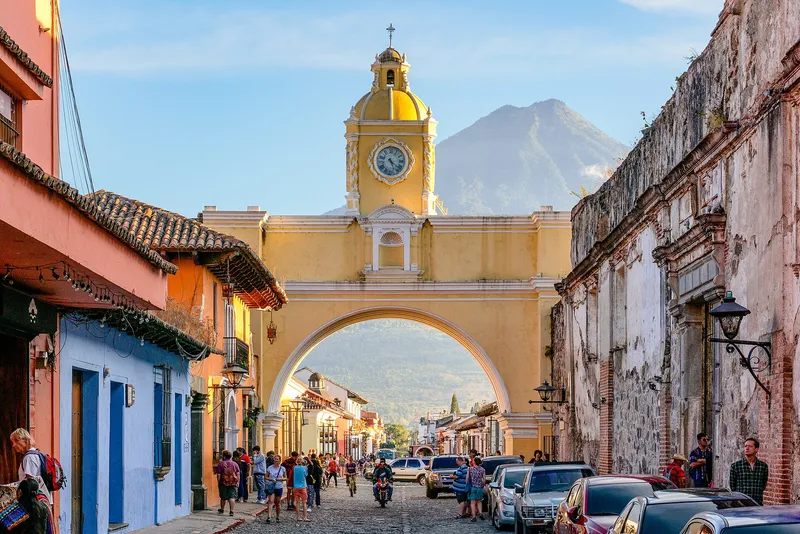 Monthly average 20–21°C all yearNomad Score 7.1$1,800/moSafety 5WiFi 5Value 7
Ringed by volcanoes at 1,530 metres, Antigua barely registers a season. Highs are 24C or 25C in every month of the year. The dry season from November to April brings clear views of Acatenango and Pacaya, and the rainy months mostly mean afternoon showers of one to three hours, which a remote worker spends indoors anyway. Impact Hub in the centre and El Cubo, with its backup generators, give you real desks, and the cafe scene is genuinely laptop-friendly. Budget $1,800 a month, more than the lake towns. Semana Santa is overwhelming, and power cuts come with rainy-season storms.
-
7
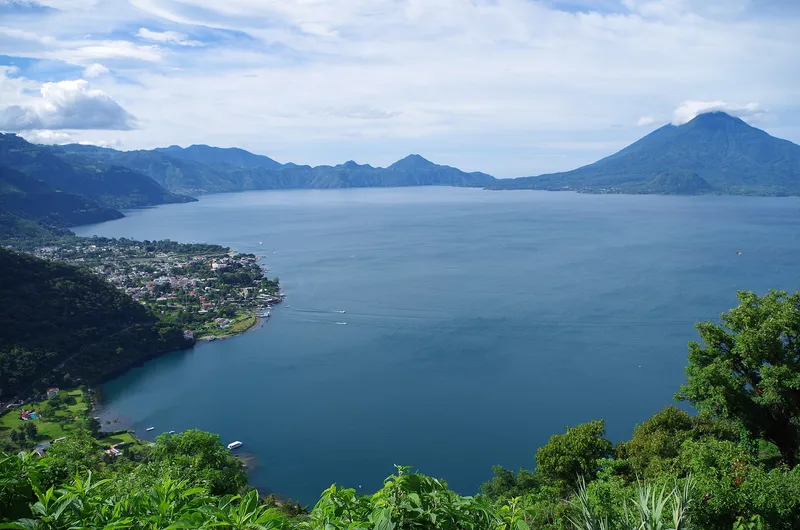 Monthly average 18–20°C all yearNomad Score 7.1$1,500/moSafety 5WiFi 4Value 8
Life on Atitlán runs on boats: public lanchas link the lakeside villages from early morning until about 5:30pm, and three volcanoes fill the view from almost any terrace. At roughly 1,560 metres, afternoons never pass 23C. June brings the most rain, 386mm in an average year. This is a place for focused work rather than heavy bandwidth. Panajachel has the most reliable connections, San Pedro comes next, and the smaller villages are often slow. Bring cash, since cards are rarely accepted and ATMs are scarce. Most people find four to six weeks enough before Antigua starts calling.
-
8
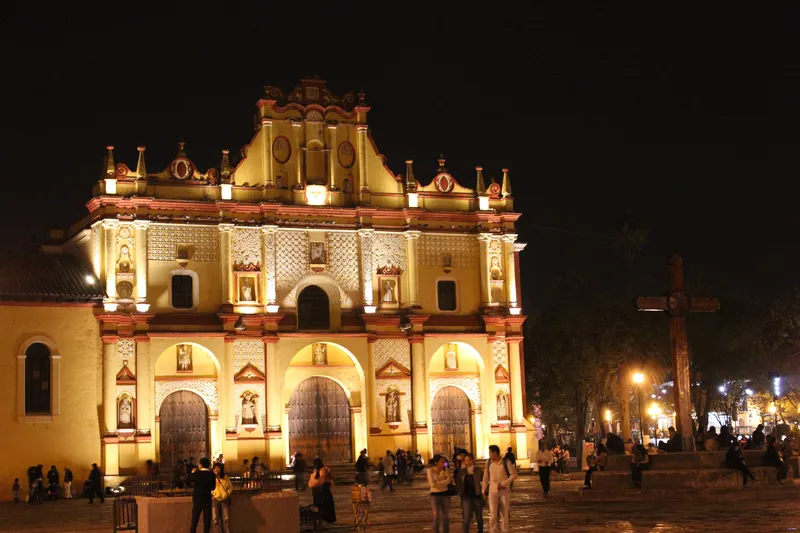 Monthly average 14–18°C all yearNomad Score 7.1$1,000/moSafety 6WiFi 6Value 7
Pack a sweater for San Cristóbal. At over 2,000 metres in the Chiapas highlands, it is the coolest town here. January nights drop to 7C, yet afternoons still reach 21C. Almost no building has heating, so locals rely on a thick duvet and an electric blanket. Days are bright and calm for focused work, and good Chiapas coffee costs a dollar or two. Two local frictions: water supply can fail in the dry months, and highway blockades sometimes cut the road to the airport at Tuxtla for a day or more. Around three months is right before the town starts feeling small.
-
9
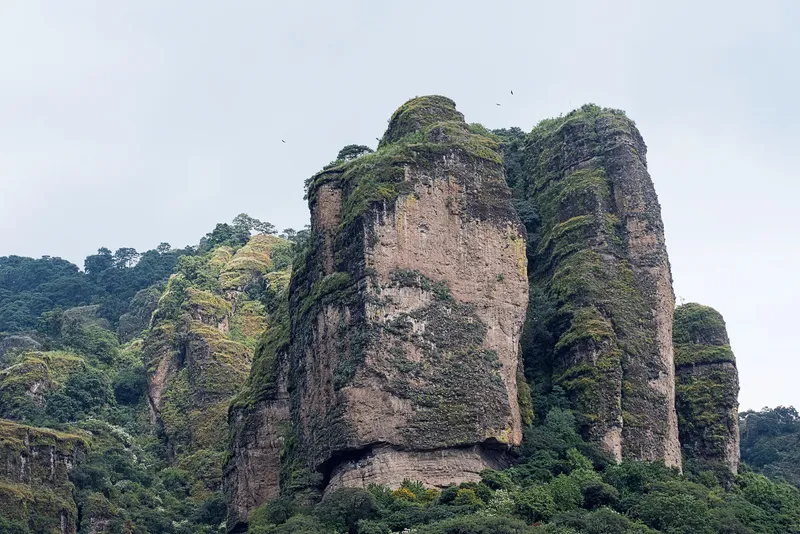 Monthly average 18–23°C all yearNomad Score 7.1$900/moSafety 6WiFi 5Value 7
Weekdays and weekends are two different towns in Tepoztlán. From Monday to Thursday it is a quiet place beneath the Tepozteco cliffs; from Friday evening, day-trippers from Mexico City pack the market and the trail up to the clifftop pyramid. At about 1,700 metres, April is the warm peak, with highs of 30C. The rains from May to October crest in September at 464mm. There is no real coworking, so people work from their rental and treat cafes as a change of scene, with a Telcel hotspot as backup. The capital is about 1.5 hours away by bus.
-
10
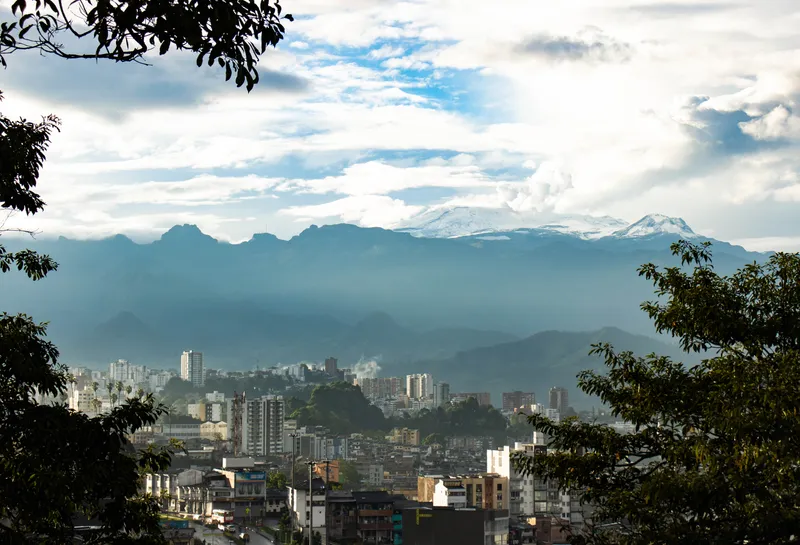 Monthly average 17–18°C all yearNomad Score 6.9$1,300/moSafety 7WiFi 6Value 8
You stop noticing the weather in Manizales, which for focused work is a compliment. At around 2,150 metres, lows sit at 13C in every month. Highs reach only 21C or 22C. The trade is cloud: rain and mist are normal through much of the year, and the wettest spells run from April to May and October to November. The Cable Aéreo gondola crosses this steep city for about $1 a ride, and GoToWork offers 24-hour access on fibre. Spanish is not optional here, and flights often route through Pereira because the local runway at La Nubia is short.
-
11
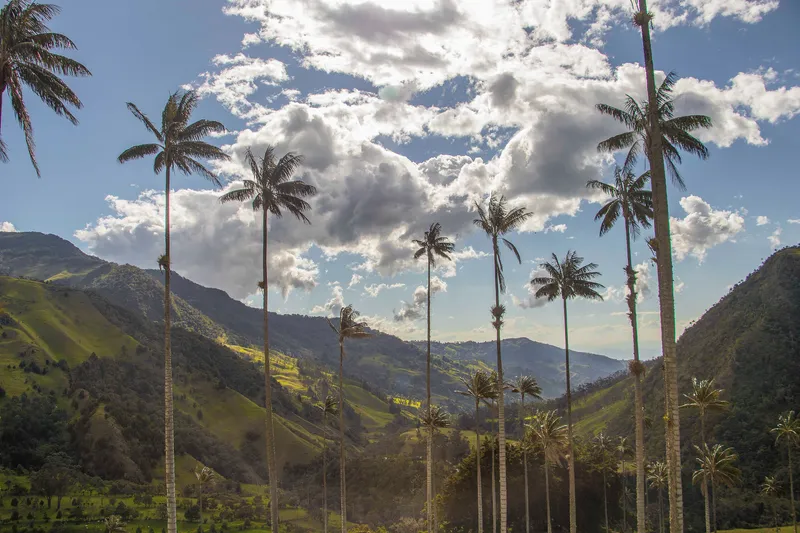 Monthly average 17–18°C all yearNomad Score 6.9$900/moSafety 7WiFi 5Value 7
Wax palms, the tallest palms in the world, are the reason to come to Salento. They stand in the cloud of the Cocora Valley, a short ride from this small coffee-country village in the old Willys jeeps that leave from the plaza. Afternoons reach 21C or 22C in every month. It rains often, though, with 348mm in an average October. The internet sets the limit: there is no coworking, connections drop, and the main street is loud from Friday to Sunday. Two to four weeks is the right stay, after which most people move an hour down the road to Armenia or Pereira.
-
12
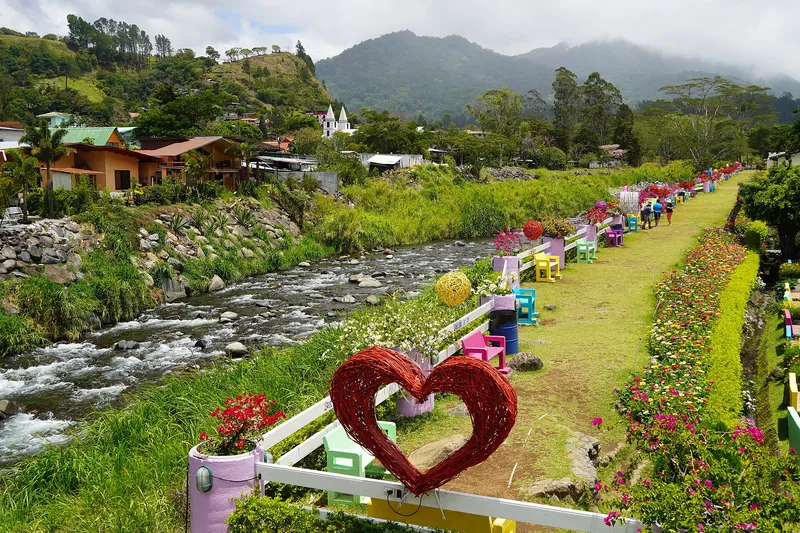 Monthly average 20–22°C all yearNomad Score 6.9$1,320/moSafety 8WiFi 5Value 7
For anyone without Spanish, Boquete is the gentlest landing on the list. A large English-speaking expat community runs social events and volunteer groups, and the town is considered one of the safer in Panama. Down on the coast, Panama City sees highs of 28C to 32C. Up here, above 1,000 metres, afternoons never pass 25C. Rain is the catch, with 479mm in an average October and storms that can cut the power. Selina is essentially the one real coworking space. At $1,320 a month it costs more than most Panamanian towns, and the expat bubble is real.
-
13
 Monthly average 17–19°C all yearNomad Score 6.9$800/moSafety 7WiFi 5Value 8
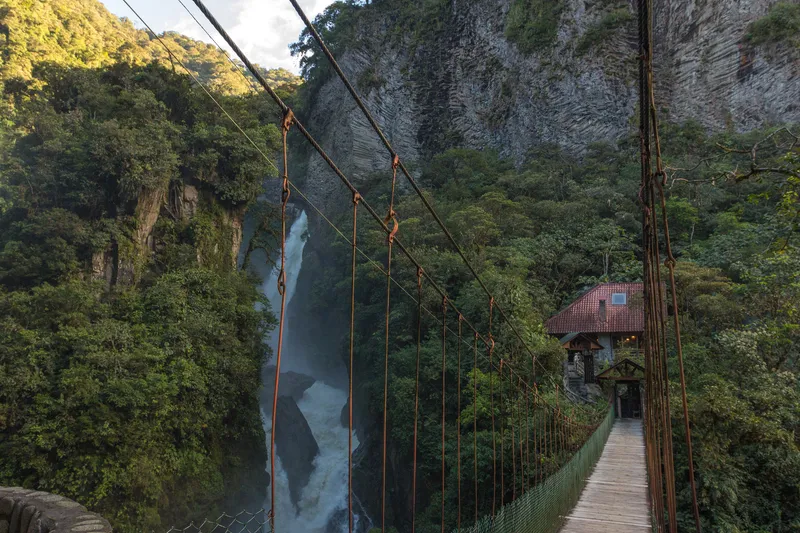
If your evenings matter as much as your workdays, Baños delivers: waterfalls along the Ruta de las Cascadas, hot springs, rafting and canyoning, all cheap and close. The town sits in an Andean valley at around 1,800 metres, where afternoons never pass 22C. June is the wettest month, at 330mm. Ecuador uses the US dollar, and $800 a month covers a comfortable life. The internet is the weak point, and in 2024 drought forced power rationing across the country, with blackouts of several hours a day. The monitored volcano above town occasionally brings ash or a closed trail.
-
14
 Monthly average 17–19°C all yearNomad Score 6.9$1,100/moSafety 8WiFi 6Value 6
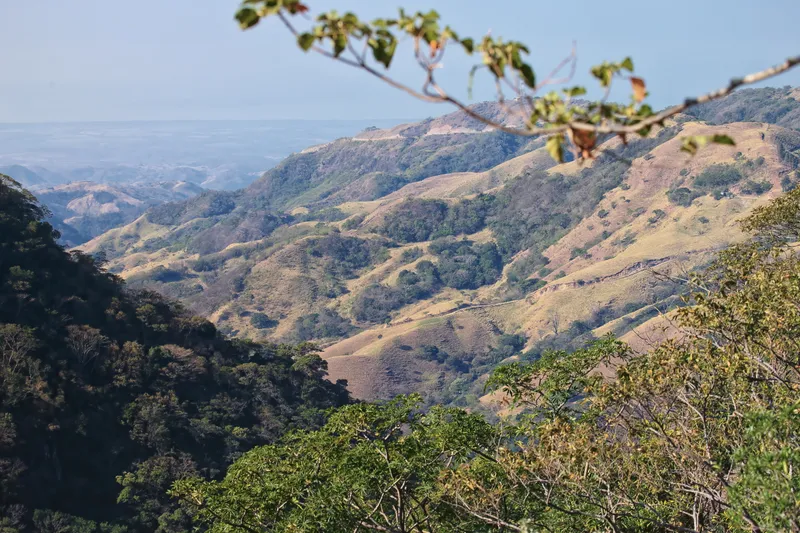
Hardly a day passes in Monteverde without mist. At about 1,400 metres on the Continental Divide, trade winds push Caribbean cloud over the ridge. Afternoons never pass 22C, and October brings 554mm of rain. The reward is cloud forest on the doorstep: the Bajo del Tigre trail in the Children's Eternal Rainforest starts just outside Santa Elena, close enough to walk on a working day. Connections wobble in rain and cloud, so carry a Kolbi or Claro SIM as backup. Getting in or out means four to five hours to San José on winding roads.
-
15
 Monthly average 17–18°C all yearNomad Score 6.7$1,000/moSafety 7WiFi 5Value 7
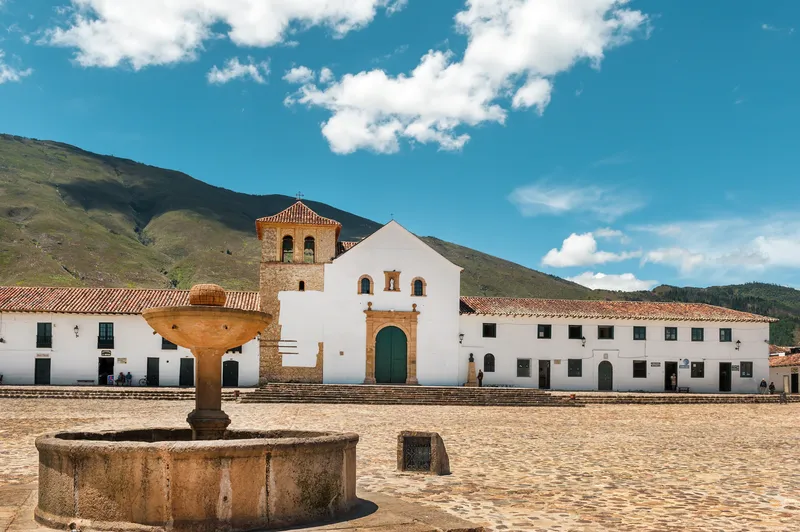
A whitewashed colonial town in the Boyaca highlands built around one of Latin America's largest cobbled plazas.




If steady temperatures matter less to you than sunshine and warmth, the best cities for year-round weather cover the coasts and islands this list leaves out. Otherwise the choice comes down to what you want around the weather: Medellín for a real city, Nanyuki or Baños for the outdoors, Oaxaca, San Cristóbal or Popayán for food and culture, and Boquete or Antigua for an easy first landing. Try to arrive in the dry season, when roads are open and the views are clear, and give a town a month before you commit to a longer lease.
Frequently asked questions
What is an eternal spring city?
We count a city as eternal spring when every one of its twelve monthly average temperatures falls between 14C and 24C. The gap between its coolest and warmest month must also be 5C or less, which rules out places that are mild on average but still have a real summer and winter. Of the cities in our index with a Nomad Score of 6.0 or more, 34 pass both tests.
Why do highland towns near the equator stay spring-like all year?
Two things combine. Near the equator the sun is high at midday in every month and day length barely changes, so the seasons hardly differ; altitude then takes off the tropical heat, because air cools as it rises. In Colombia, Cartagena on the coast has highs of 31C to 32C all year. Medellín, nearly a mile up, has 27C to 29C. Go much higher and spring turns cool: Bogotá's monthly averages are only 13C to 15C.
Which eternal spring city is cheapest?
Nanyuki in Kenya and Baños in Ecuador both come in at $800 a month, with Baguio in the Philippines close behind at $810. Each has a catch: Nanyuki has routine power cuts and needs a car, Baños has weak internet, and Baguio has a severe wet season with landslides on the mountain roads.
Is Medellín really spring-like if its highs reach 28C?
It sits at the warm edge of the range. Afternoons never pass 29C, and nights fall to about 18C. That keeps the monthly averages between 22C and 24C. In practice that means warm days, cool evenings and no need for heating or air conditioning in any month.
Why are so many of these towns in Latin America?
The Andes and the Central American highlands put a lot of sizeable towns at 1,500 to 2,200 metres inside the tropics. Twelve of the 34 cities in our index that pass the spring test are in Colombia alone, which is why the list allows any one country six places at most. Outside the Americas, Nanyuki in Kenya and Baguio in the Philippines make the fifteen, and Dalat in Vietnam and Nairobi also pass the test.