Five of the fifteen cities here are on islands, and they are not the same kind of island. Lanzarote, Gran Canaria and Tenerife sit in the Atlantic off the coast of Morocco, run on UK time and stay in the low twenties all winter. Mallorca and Ibiza are Mediterranean: hot and crowded in August, cool and quiet in January. Which group you have in mind decides when you should go.
On the mainland, Barcelona leads the ranking on sheer depth, while Madrid, Valencia, Málaga and Alicante give you city life at lower rents, and Granada and Girona are the smaller historic choices. Then there is the Spain people forget when they picture sun: the green, rainy Atlantic north, where San Sebastián, Santander and Vigo eat as well as anywhere in Europe and August highs stay in the low to mid twenties.
That north is also where a budget goes furthest. Vigo costs about $1,150 a month, roughly a third of Barcelona, and Santander about $1,600. If you can work under grey skies from November to March, they are the bargains on this list.
Ordered by Nomad Score, our blend of thirteen categories from cost, climate and internet to safety and community, across the Spanish cities we cover. Monthly costs are our own estimates for one person living comfortably. Explore the numbers yourself on the comparison tool or browse all 1017 city guides.
At a glance
 Barcelona
The most food, culture, beach and company of any Spanish city, at about $3,800 a month
BEST VALUEVigoAtlantic seafood and the Cíes Islands for about $1,150 a month, if you can take the rain
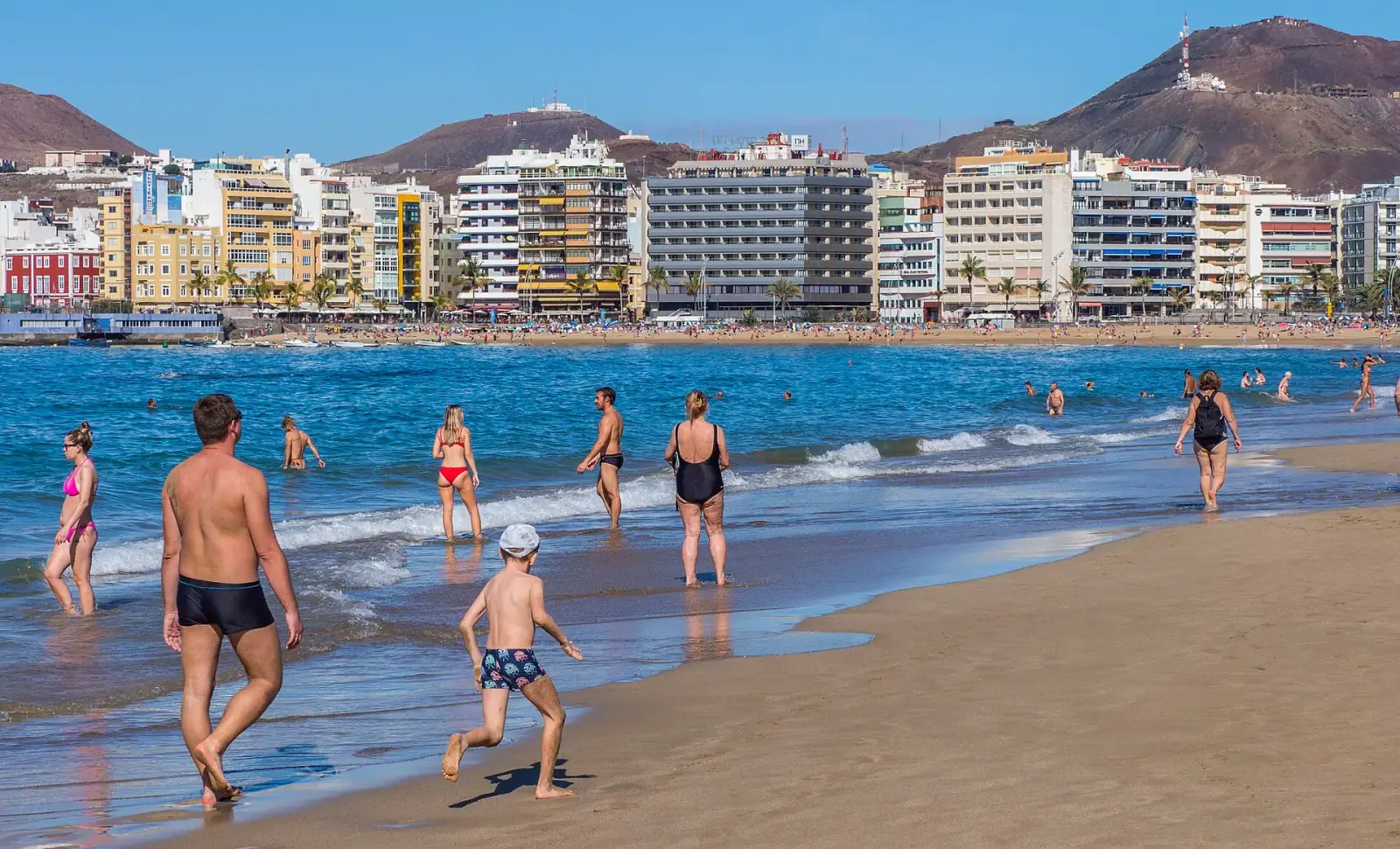
BEST BEACH BASELas PalmasA three-kilometre city beach, spring weather all year and a large remote-work crowd
What to weigh before you book
Three things decide a Spanish base: the visa, the season and the rent, and for non-EU nomads the visa comes first. Without a residence permit you get 90 days in any 180 across the whole Schengen area, so a long stay runs through Spain's digital nomad visa, which asks for remote income of about $3,280 a month. That floor is 200% of Spain's minimum wage, so it rises whenever the wage does.
The season decides which half of the list makes sense. In summer Madrid and Granada bake, the Balearics fill with tourists and short-let prices, and the Atlantic north is at its best. In winter it flips: Vigo, Santander and San Sebastián turn wet and grey, and the Canaries become the warmest part of Spain, which is exactly when their rents rise. If you can, plan to move once a year rather than pick one city for all twelve months.
Rent is the last lever and the easiest to see. Ibiza, Barcelona and San Sebastián are the expensive end, Vigo, Santander and Granada the cheap one, and the gap between top and bottom is more than three times.
The ranking
-
1
 Nomad Score 9.3$3,800/moSafety 6WiFi 8Value 3
Barcelona needs the least explaining of any city in Spain: the Eixample grid with a bar or bakery on most corners, Gaudí's buildings scattered through it, and city beaches a metro ride from the centre. Coworking spaces and English-speaking meetups are everywhere, so a newcomer can have a social life within a week. Rent is the problem. At about $3,800 a month it is the priciest mainland base here, and good flats are fought over, so many people take a room in Gràcia or Poblenou before committing. Pickpockets on the metro are the other tax.
-
2
 Nomad Score 8.9$3,300/moSafety 9WiFi 8Value 4
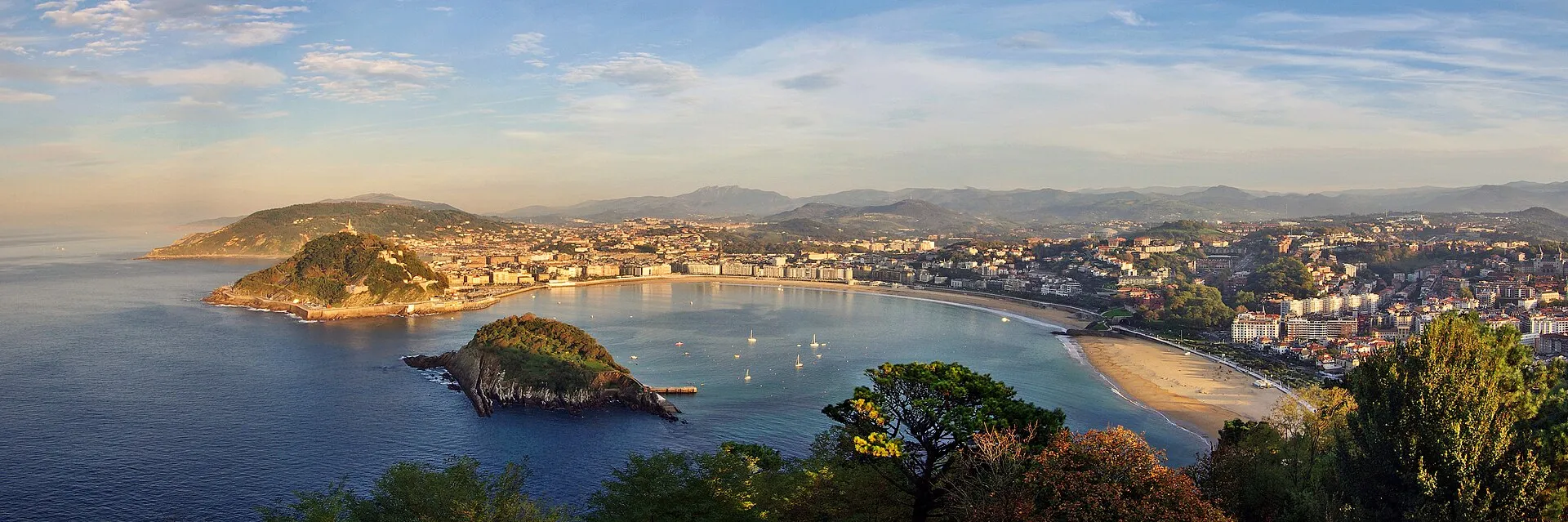
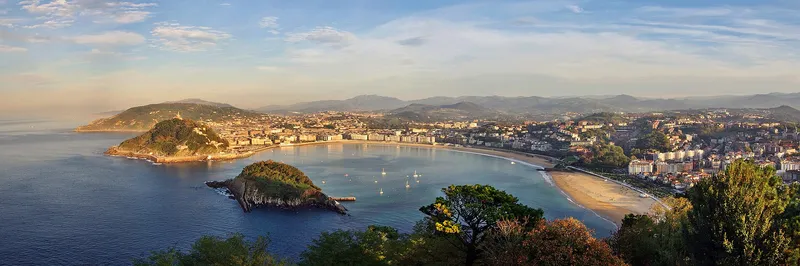
San Sebastián is a small Basque city wrapped around La Concha, a shell-shaped bay with a city beach along its whole curve. People come for the food. The old town's bars lay their pintxos out along the counter, and the city has one of the highest concentrations of Michelin stars per head anywhere. It is quiet, clean and expensive at about $3,300 a month, and the Atlantic weather is real: only Vigo gets more rain among the cities here. The nomad scene is small, so it suits people who want calm and a very good dinner more than a crowd.
-
3
 Nomad Score 8.7$1,900/moSafety 9WiFi 8Value 6
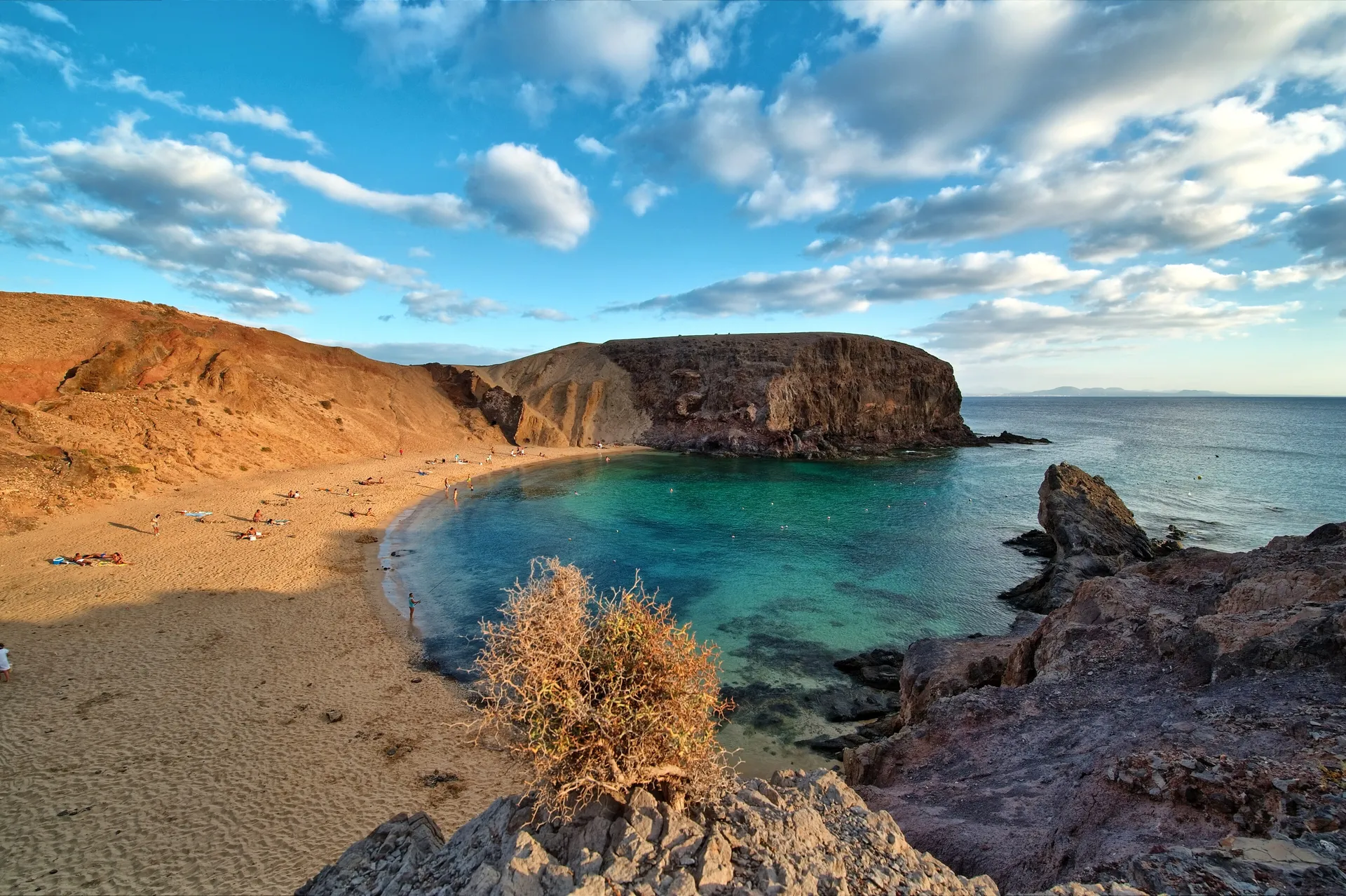
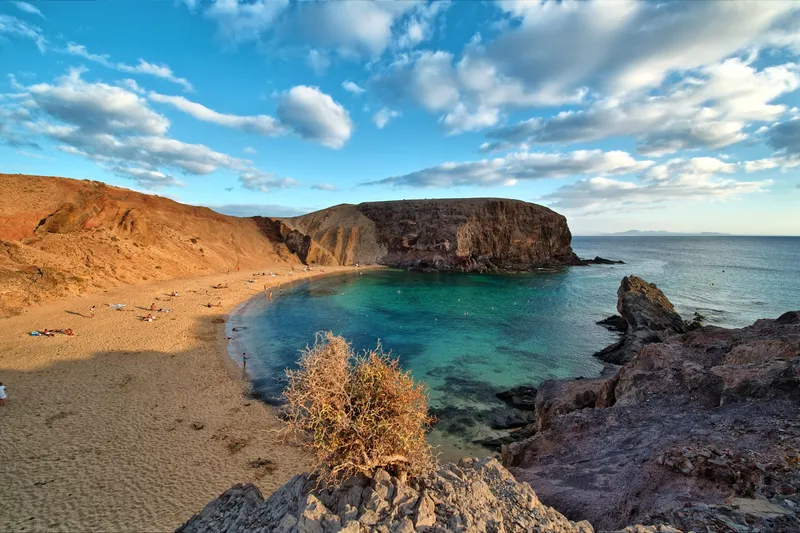
Lanzarote looks like nowhere else in Europe. Lava fields run across Timanfaya, vines grow in black ash pits behind low stone walls at La Geria, and the villages are low and whitewashed. The island is only about 60 km long, but the buses are thin, so budget for a car on top of about $1,900 a month. Work happens from a terrace more than a coworking space: Arrecife has a handful, and the remote-work crowd is far smaller than on Gran Canaria. Winter highs sit around 22C with almost no rain, the trade wind blows hard, and surfers head for Famara.
-
4
 Nomad Score 8.5$2,400/moSafety 7WiFi 7Value 5
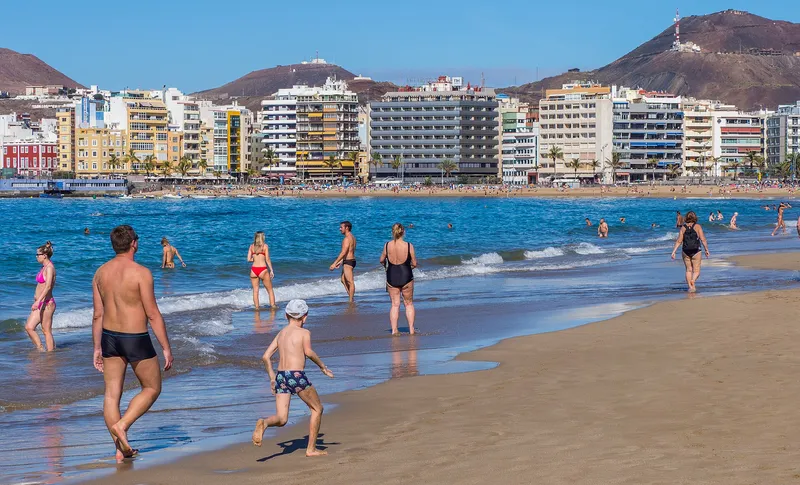
Las Palmas built one of the largest nomad communities in Spain around a single beach. Las Canteras runs for about three kilometres along the city's northern edge, with a natural reef that calms the water and a promenade lined with cafés, and the coworking spaces and coliving houses sit a few streets back from the sand. The weather barely moves all year, from highs of 21C in January to 28C in August. About $2,400 a month buys a solid life. It is a real city with a port and traffic, and flights to northern Europe take around four hours.
-
5
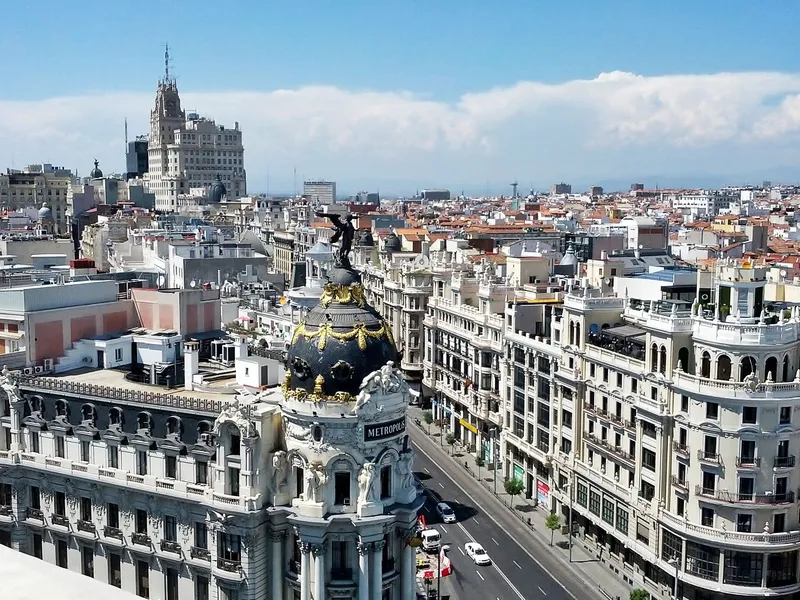 Nomad Score 8.5$3,200/moSafety 7WiFi 8Value 4
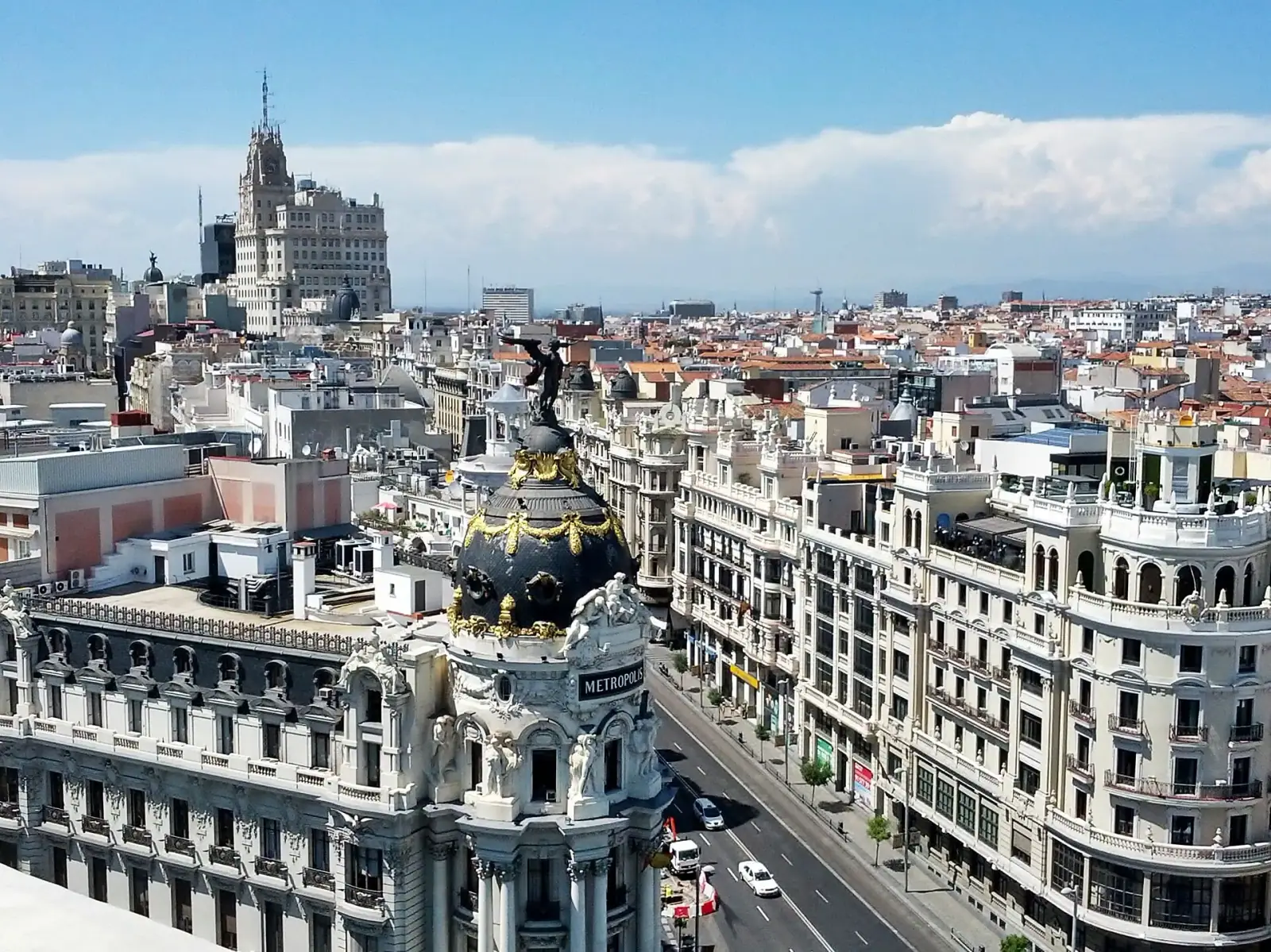
Madrid is the city on this list without a beach, and it makes up for it with hours. Dinner starts after nine, the terraces of La Latina and Malasaña stay busy midweek, and the Prado, the Reina Sofía and the Thyssen sit within a short walk of each other. The metro is huge and cheap, and high-speed trains reach most of the country in a few hours. At about $3,200 a month it undercuts Barcelona. Summer is the catch, with average July highs of 33C and no sea breeze to soften them.
-
6
 Nomad Score 8.3$2,500/moSafety 7WiFi 7Value 5
Valencia is the Mediterranean city many people settle on once they have priced Barcelona. It has the beach, an old centre around the cathedral and the Central Market, and the Turia, a dried-out riverbed turned into a park about nine kilometres long that ends at the white curves of the City of Arts and Sciences. You can cycle across most of the city along it. About $2,500 a month covers a comfortable life, and January highs of 17C make it an easy winter base. Paella comes from the rice fields of the Albufera just south of town, and the city takes it seriously.
-
7
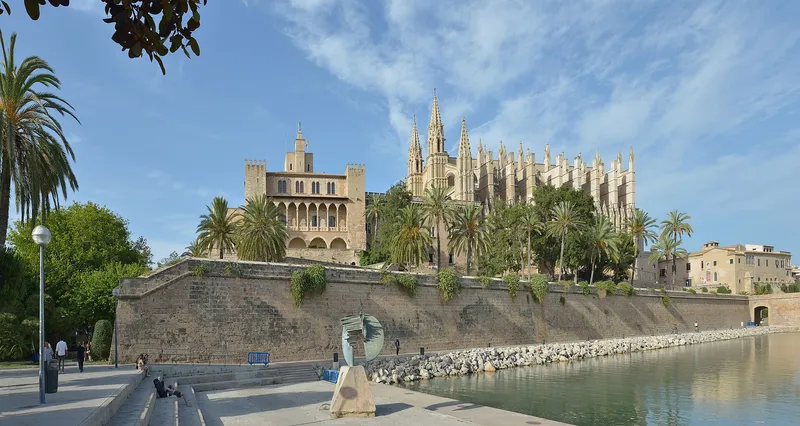 Nomad Score 8.3$3,200/moSafety 8WiFi 7Value 4
A proper city rather than a resort, Palma de Mallorca has a Gothic cathedral on the old sea wall, an old quarter of stone courtyards, and the market and bars of Santa Catalina just west of it. The Serra de Tramuntana, a UNESCO-listed range of mountain villages and cycling roads, is a short drive away, and the airport, one of the busiest in Spain, flies to most of Europe. It costs about $3,200 a month. Summer brings serious crowds and short-let prices, so the time to live here is November to March, when highs stay between 17C and 20C.
-
8
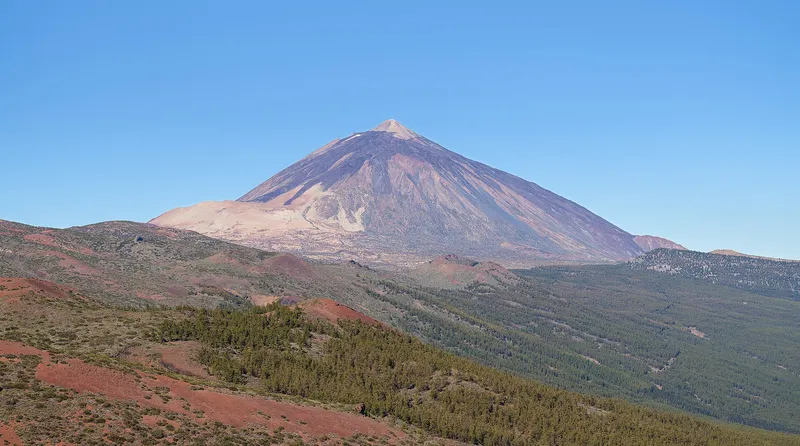 Nomad Score 8.2$2,400/moSafety 8WiFi 7Value 5
Tenerife is really two islands. The south, around Los Cristianos and Costa Adeje, is sunny resort country; the north, around La Laguna and Puerto de la Cruz, is greener, cloudier and more Canarian. Between them rises Teide, the highest mountain in Spain, and its national park makes weekend hiking easy. Living here comes to about $2,400 a month. The remote-work community is spread across the island rather than gathered in one place, so choose the town first and the flat second. Winter highs of 22C bring northern Europeans in from November.
-
9
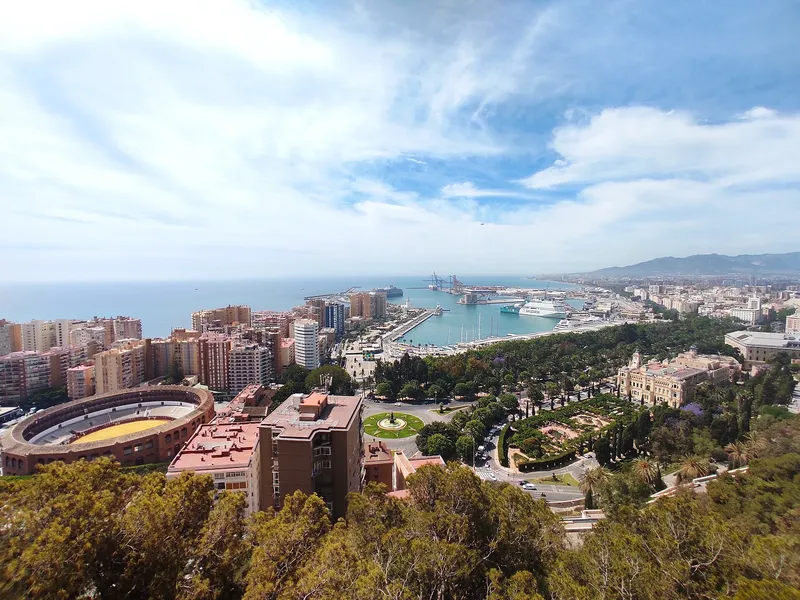 Nomad Score 8$2,600/moSafety 7WiFi 7Value 5
Málaga used to be the airport people landed at on their way to the Costa del Sol. Now the city keeps them: a renovated harbour front, the Picasso Museum in the painter's home town, the Pompidou's glass cube on the quay, and a tech scene that brought Google's cybersecurity centre here in 2023. The centre is compact, the beach at La Malagueta is minutes from the cathedral, and the airport flies across Europe. About $2,600 a month buys the life. Rents have climbed with the city's popularity, and August highs reach 31C.
-
10
 Nomad Score 8$1,800/moSafety 7WiFi 6Value 7
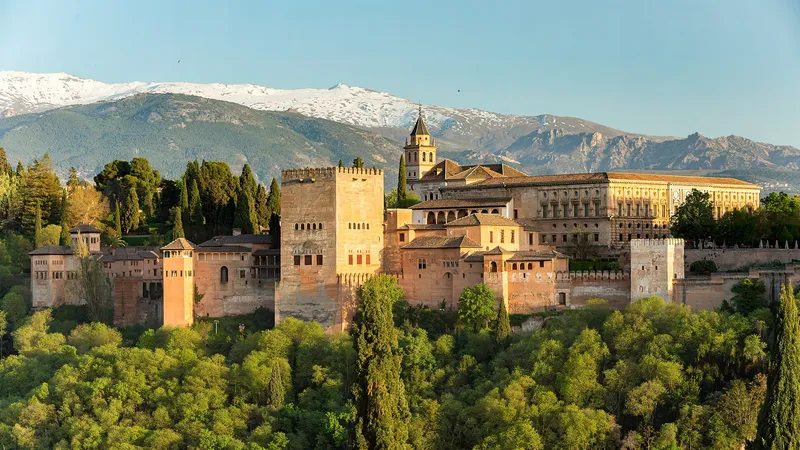
Granada sits under the Alhambra with the Sierra Nevada behind it, so in late winter you can see snow on the peaks from the lanes of the Albaicín. It is a university city, which keeps it lively and keeps prices down: about $1,800 a month, and in most bars a drink still comes with a free tapa. The old Moorish quarter is all steep alleys and whitewashed walls. Work infrastructure is thinner than on the coast and English less common, so some Spanish makes life much easier. Summers are hot, with August highs of 35C, and winter nights near freezing.
-
11
 Nomad Score 8$2,200/moSafety 8WiFi 7Value 6
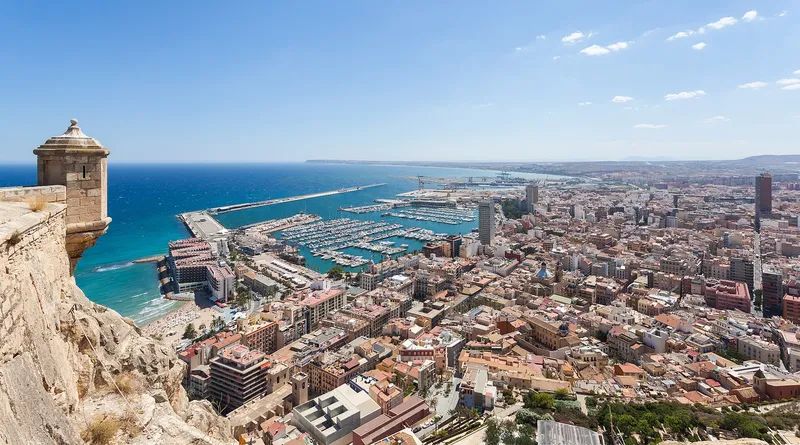
Alicante gives you the Costa Blanca with a city attached. The castle of Santa Bárbara sits on a rock above the old town, the palm-lined Explanada runs along the harbour, and Postiguet beach starts at the bottom of the hill. Of the mainland cities here it gets the least rain, and January highs reach 17C, which makes for an easy winter. It costs about $2,200 a month. The trade-off is company: the nomad scene is smaller than in Valencia, under two hours up the coast by train, and the town goes quiet out of season.
-
12
 Nomad Score 8$1,150/moSafety 8WiFi 8Value 7
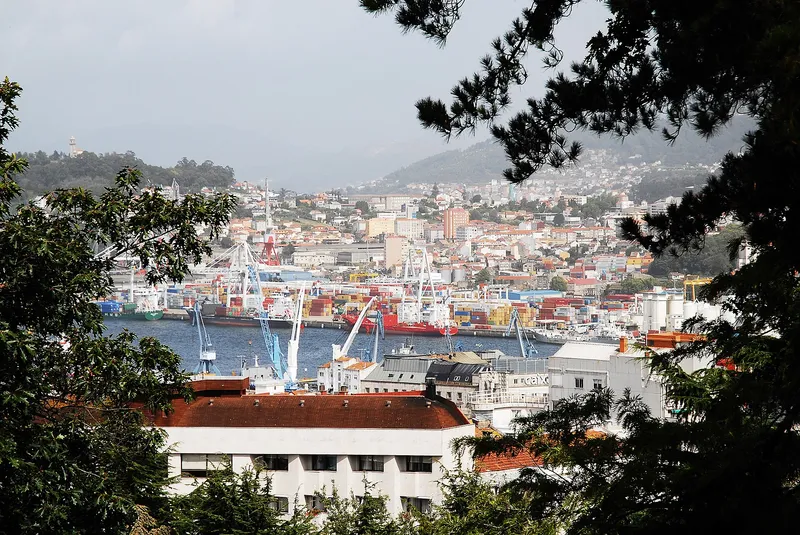
A working port on a long Atlantic inlet, Vigo eats like one. It lands more fish than almost any port in Europe, and on Rúa da Pedra in the old town the oyster sellers open them at stone counters for anyone passing. That, and the Cíes Islands at the mouth of the ría, a national park with a daily cap on summer visitors, are the reasons to come. It is the cheapest base on this list at about $1,150 a month. The rain is the price: Vigo is wetter than anywhere else here, and the city climbs a steep hill.
-
13
 Nomad Score 7.8$4,000/moSafety 8WiFi 6Value 3
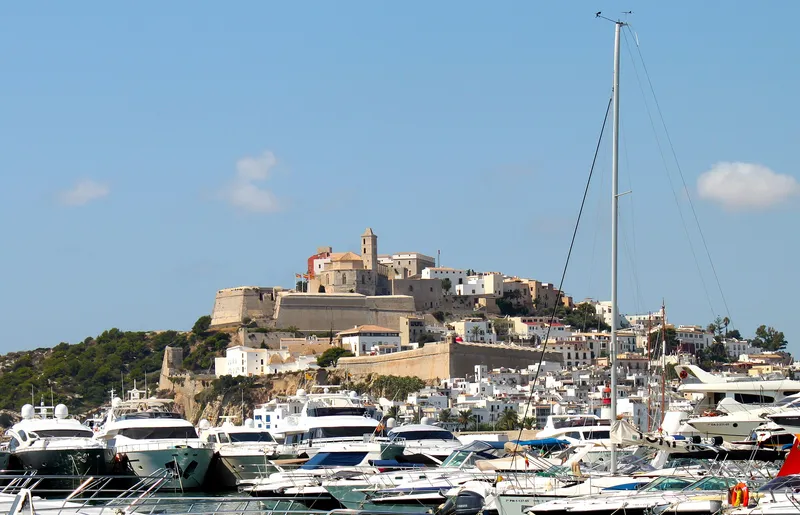
Ibiza is two places depending on the month. From June to September it is the club island, with short-let prices to match. From October to May the big clubs close, the coves go quiet and the island becomes what long-stayers come for: pine-covered hills, the walled old town of Dalt Vila above the harbour, and a small international crowd that works mornings and hikes afternoons. Nearly everything is within about 45 minutes. It is the most expensive base on this list at about $4,000 a month, and some cafés and services shut for the winter.
-
14
 Nomad Score 7.8$2,400/moSafety 8WiFi 7Value 5
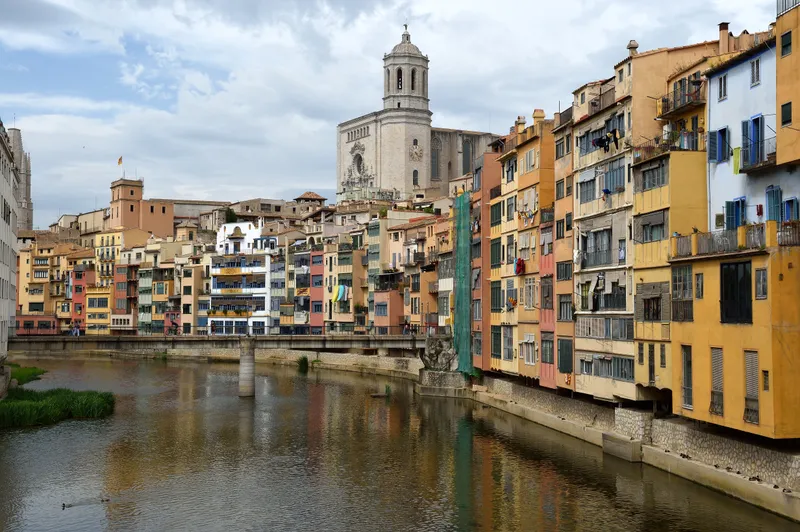
Girona is the answer for people who love Barcelona and cannot live with its rent. The fast train covers the distance in about 40 minutes, so the big city's airport, clients and nightlife become a day trip, while home is a walled medieval town with coloured houses stacked along the Onyar river. Professional cyclists have trained from here for years, and the Pyrenees and the Costa Brava are both within an hour. Expect about $2,400 a month. Evenings are quiet and the English-speaking crowd is small, so it suits focused solo work.
-
15
 Nomad Score 7.8$1,600/moSafety 9WiFi 8Value 5
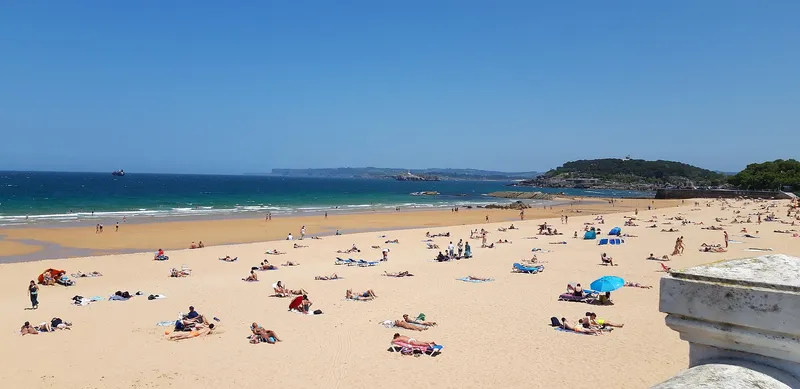
Santander is Spanish summer for people who cannot stand Spanish summer. August highs sit around 23C, which is why Spaniards from the hot interior fill it in July and August, and the beaches of El Sardinero lie inside the city, reached by a seafront walk from the centre. The Picos de Europa are about ninety minutes south, and ferries sail to Portsmouth and Plymouth. About $1,600 a month covers a good life. The bill arrives in winter, when the Cantabrian coast is wet and grey from November to March and the town goes quiet until spring.
If money is no object and you want company from the first day, Barcelona is still the place to start. If you want the same Mediterranean light for less, Valencia, Alicante and Málaga sit in a row down the coast. For winter, go to the Canaries: Las Palmas for people, Lanzarote for quiet, Tenerife for mountains. And if you can trade sun for seafood, Vigo and Santander are the best value on this list.
Put two or three of them side by side on cost and weather with the compare tool, or start from what matters to you with the Nomad Taste Wheel.
Frequently asked questions
What is the best digital nomad city in Spain?
Barcelona leads this ranking. No other Spanish city combines as much food, culture, beach and English-speaking company, though it is also one of the most expensive at about $3,800 a month. San Sebastián is second, smaller and calmer at about $3,300, and Las Palmas has the biggest remote-work crowd outside the mainland for about $2,400.
What is the cheapest digital nomad city in Spain?
Vigo, at about $1,150 a month, then Santander at about $1,600 and Granada at about $1,800. The first two are on the rainy Atlantic coast; Granada is inland, hot in summer and near freezing on winter nights. Lanzarote, at about $1,900, is the cheapest of the islands.
How long can I stay in Spain as a digital nomad?
Without a visa, most non-EU passport holders get 90 days in any 180 across the Schengen area. Spain's digital nomad visa, created by the 2023 startup law, grants up to a year at first and can be renewed to five years in total. It asks for remote income of about $3,280 a month, set at 200% of Spain's minimum wage so it rises with the wage, along with health insurance and a clean criminal record. EU citizens need none of this. Our nomad visa finder compares it with other countries.
Barcelona, Valencia or Madrid?
Barcelona has the beach and the biggest international crowd, at about $3,800 a month. Madrid has no coast but the best museums and the latest nights, for about $3,200. Valencia is the compromise, with a beach, the Turia park and a calmer pace for about $2,500. If cost decides, choose Valencia; if your social life does, Barcelona.
Which Spanish city is warmest in winter?
The Canary Islands. Lanzarote, Las Palmas and Tenerife all have January highs of 21C or 22C and very little rain. On the mainland, Alicante, Valencia and Málaga reach about 17C in January, mild enough for long walks along the sea. The Atlantic north is cool and wet from November to March.
How are these Spanish cities ranked?
By Nomad Score, which blends thirteen categories from cost, climate and internet to safety, food and community. The monthly costs are our own estimates for one person. The full method is on our methodology page.