Air quality is easy to ignore until you have spent a dry season somewhere the sky turns beige. Headaches, a cough that hangs around, mornings when you skip the run because the index is red: bad air quietly taxes everything else a base offers. The places on this list sit at the other extreme, somewhere you open the window without checking an app first.
What they share is a reason rather than luck. Most are small and far from heavy industry. Many sit in the path of steady wind off the sea: the Faroes in the North Atlantic, Aland in the Baltic, Ponta Delgada in the middle of the Atlantic, Rarotonga in the Pacific trades. Reykjavik heats and powers itself almost entirely with geothermal and hydro energy, and Zermatt bans combustion cars from the village. The trade-off is just as consistent: these are remote, mostly cold and expensive places, and four of the top five also appear in our ranking of the best cities for nature and the outdoors.
Clean is not the same as flawless. Several of these towns burn wood for heat, and on still winter evenings in Queenstown, Wanaka and the Norwegian and Finnish cities that smoke can briefly raise particle levels. Cruise ships idle in Geiranger's fjord in summer, and spring pollen bothers allergy sufferers in Turku and the Azores. Each entry below names its local catch.
Cities are ranked by the air quality category of our 13-category city score, which is an editorial rating rather than a live sensor reading, with ties broken by the overall Nomad Score. All fifteen share the top air rating, so the order reflects overall livability: cost, internet, safety and the rest. That is why Queenstown and Wanaka lead and the fjord villages close the list. Explore the numbers yourself on the comparison tool or browse all 999 city guides.
At a glance
 Queenstown
Typical readings sit near the bottom of the US AQI scale, and you still get coworking spaces, reliable fibre and legal remote work on a visitor visa.
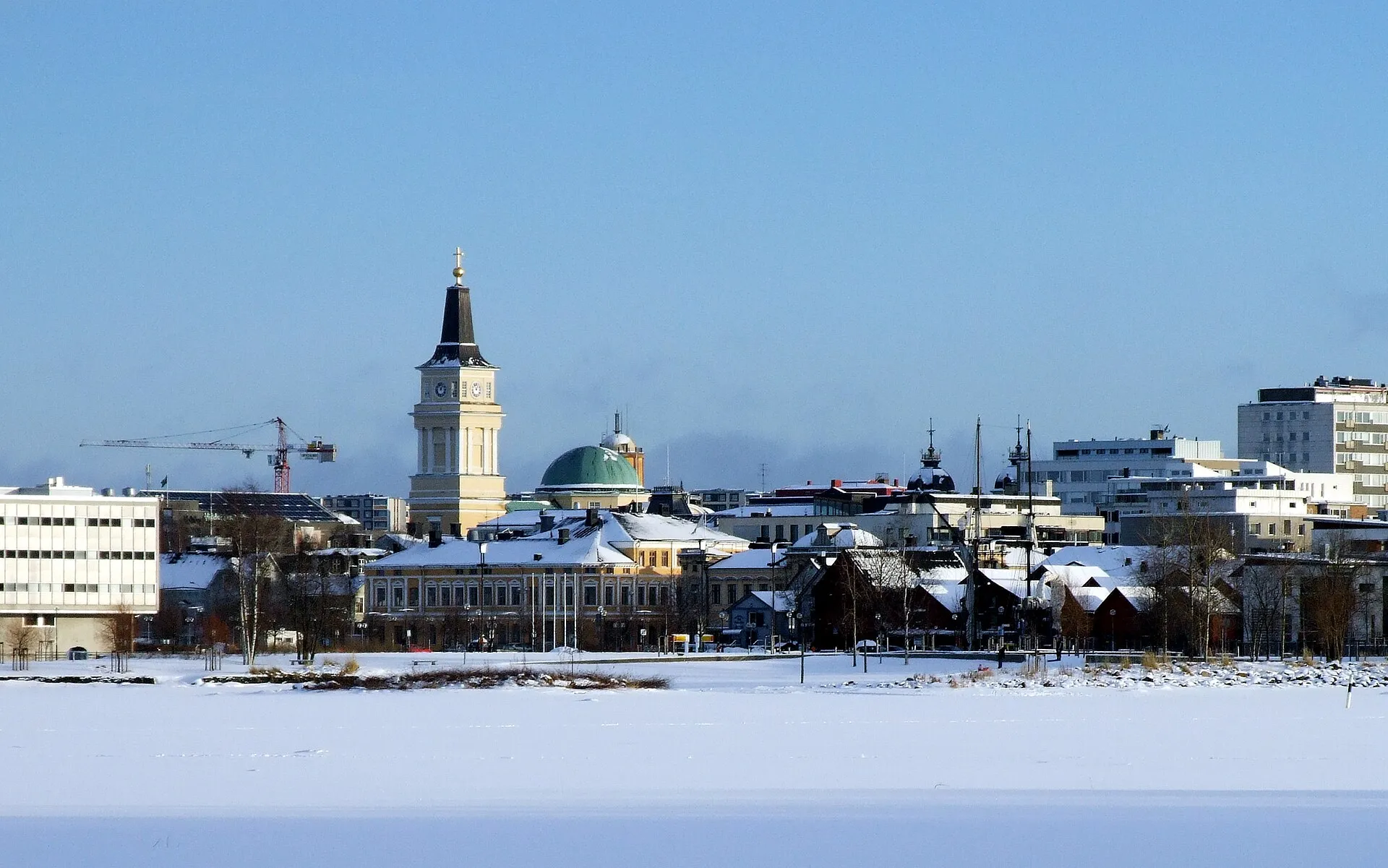
Cheapest clean-air base Oulu
OuluBaltic coast air, a strong tech scene and cycling that makes a car unnecessary, for $1,550 a month, if you can face the winter.
Car-free air Zermatt
Combustion cars are banned from the village, only electric taxis and e-buses move through it, and the internet is fast enough for a proper working stay.
What to weigh before you book
Our air rating is an editorial judgement, not a live sensor network, and it describes a typical year. Real air changes by the hour. In cold places the main local spoiler is wood smoke: on calm winter evenings, valley towns like Queenstown and Wanaka can hold it for a few hours, and Trondheim, Tromsø and Oulu see similar short spikes. Pollen is the other. If you have hay fever, birch season in Finland or the lush growth of the Azores may matter more to you than any pollution figure. Weigh, too, what clean air costs here: most of these places are remote, dark in winter and expensive, and several have no coworking at all. Clean air is worth a lot, but it will not make up for a base where you cannot work or cannot afford to stay.
The ranking
-
1
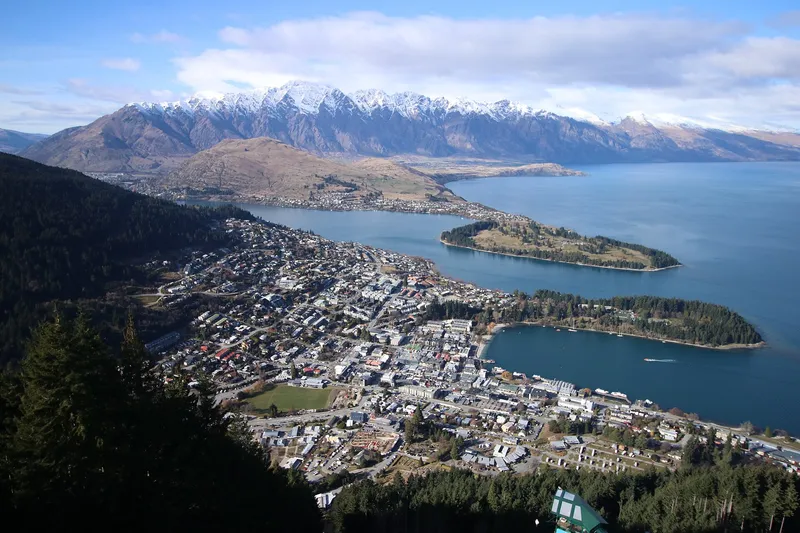 Air quality 10/10Nomad Score 8.3$2,390/moSafety 9WiFi 7Value 3
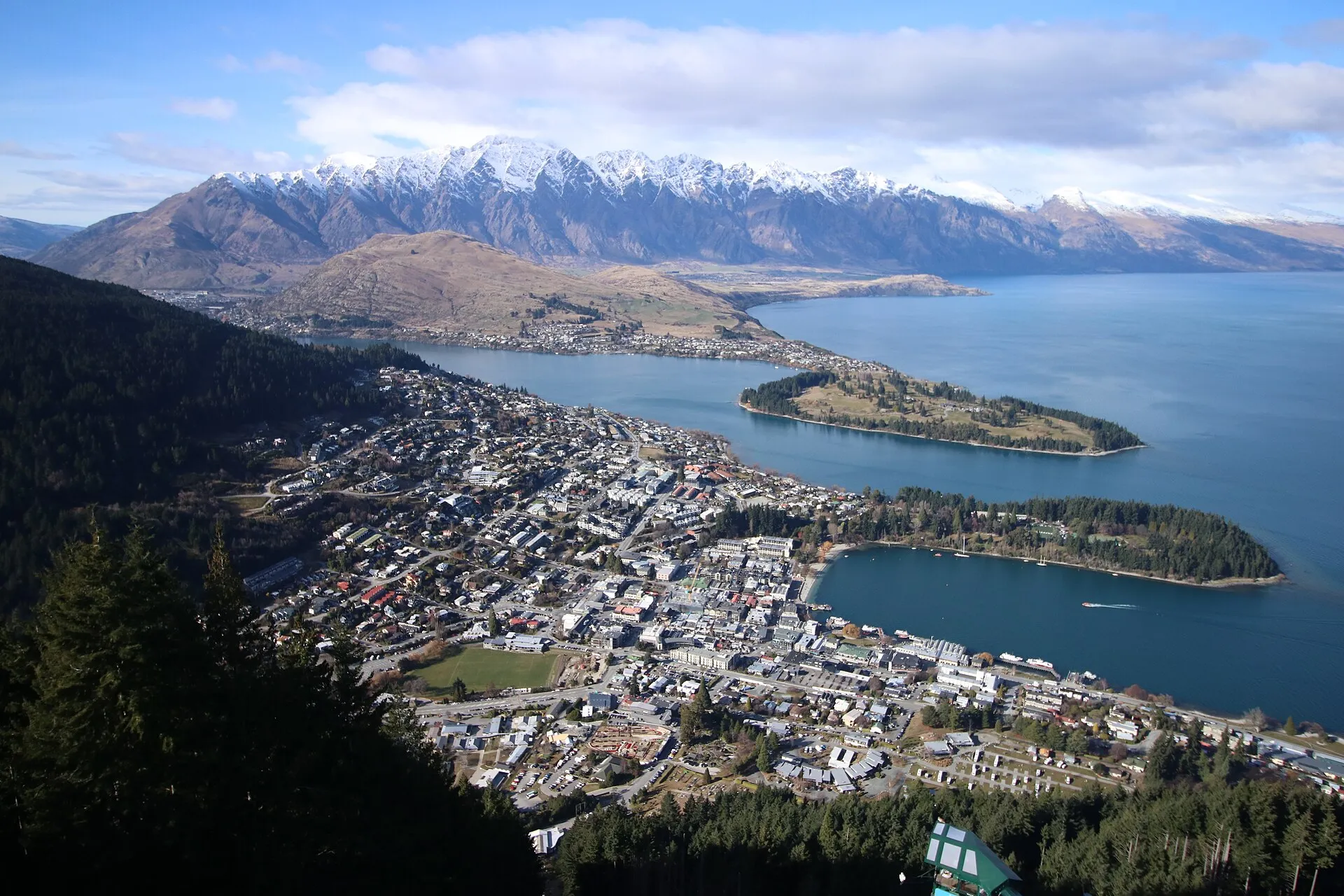
Queenstown's air is about as clean as a town gets. Typical readings sit between 5 and 15 on the US AQI. Fine particles routinely stay below 2 micrograms per cubic metre, well inside WHO guidelines. There is no heavy industry nearby, and mountain air clears the basin most of the year. The one blemish comes in winter, when wood-burning fireplaces in residential areas briefly lift particle levels. Visitor visas and NZeTA entries allow work for overseas clients. Expect $2,390 a month, a punishing rental market and long-haul flights routed through Auckland or Christchurch.
-
2
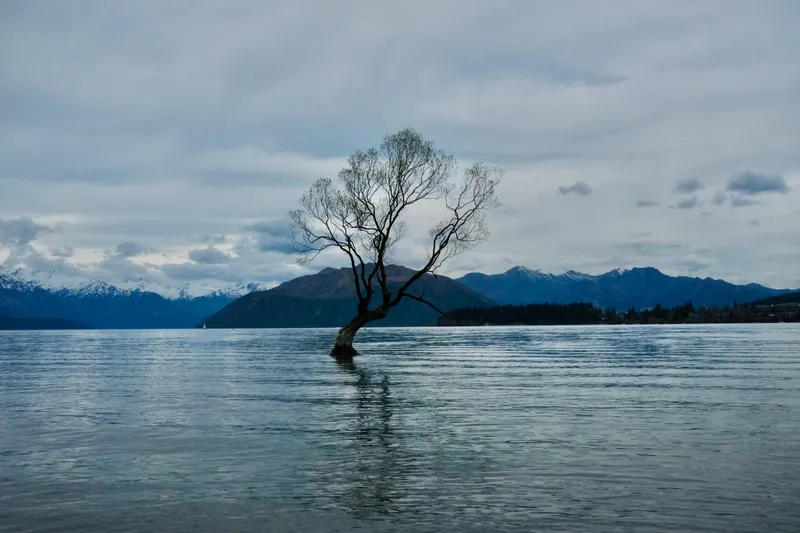 Air quality 10/10Nomad Score 8$2,360/moSafety 9WiFi 7Value 5
Wanaka's crystal-clear days are the town's calling card, and they explain its famous starry skies. A sparse population, an alpine setting and clean air off the mountains and the lake keep it fresh for most of the year. The caveat is winter: on calm, cold evenings, home wood-burners can leave a short-lived smoky haze in the valley. Days here split naturally into focused morning work and an afternoon on the trails or the water. Budget $2,360 a month, closer to Queenstown prices than to provincial New Zealand, with scarce, seasonal housing and a winding road to anywhere.
-
3
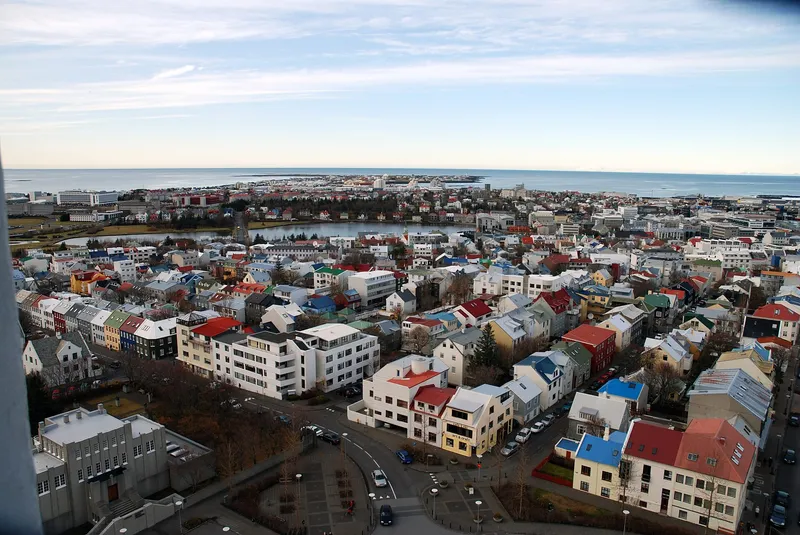 Air quality 10/10Nomad Score 7.8$3,570/moSafety 10WiFi 8Value 2
Nearly all of Reykjavik's electricity and heating comes from geothermal and hydropower, so the city burns almost no fossil fuel for energy, and traffic is the main source of what pollution there is. Cold Atlantic air does the rest. Hot tap water carries a faint sulphur smell, harmless and quickly forgotten. Iceland is volcanic, and its national air-quality service publishes sulphur dioxide readings and health advice for eruption gas, the thing to watch when a volcano is active. Expect $3,570 a month, four to five hours of December daylight, and fast internet throughout.
-
4
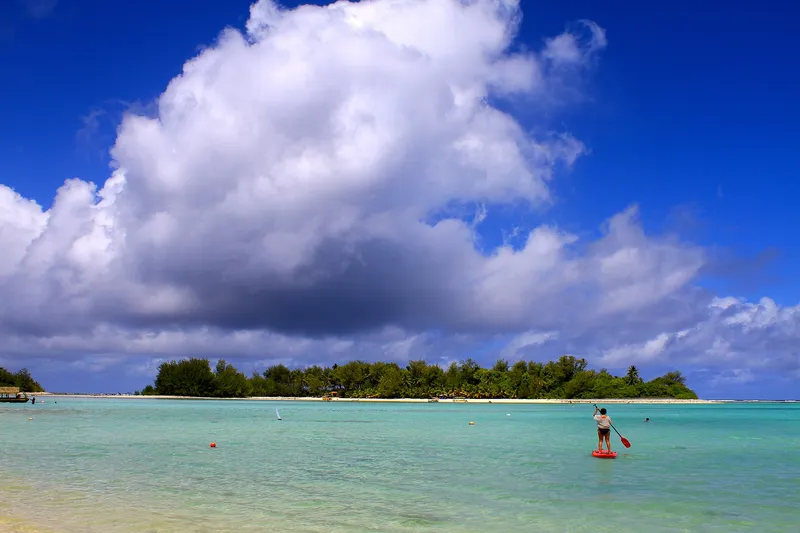 Air quality 10/10Nomad Score 7.8$1,800/moSafety 9WiFi 5Value 4
A small volcanic island in the middle of the Pacific, Rarotonga breathes the air you would expect: constant trade winds, no industry, around thirteen thousand people and a growing share of solar power. Diesel still makes up part of the electricity supply, the one local source worth naming. By law no building stands taller than a coconut palm, which keeps the island low and green. Life costs about $1,800 a month, high for the Pacific because nearly everything is imported, and the Manatua cable made remote work workable. There is no remote-work scene at all, so think in months, not years.
-
5
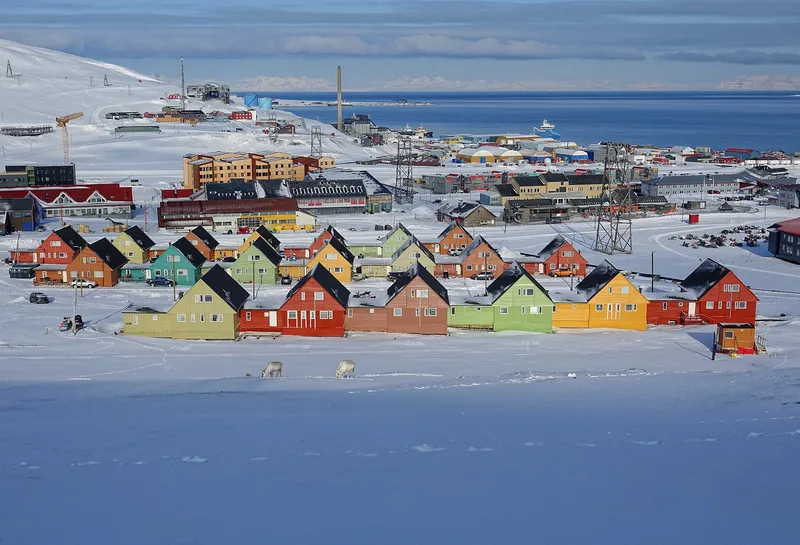 Air quality 10/10Nomad Score 7.8$2,400/moSafety 8WiFi 8Value 3
Air here is clean enough that Svalbard's Zeppelin observatory at Ny-Alesund serves as a global background monitoring station. Longyearbyen itself has about two and a half thousand people, almost no traffic and no industry beyond its power plant. The habit of taking shoes off indoors, inherited from the coal-dust years, is the reminder of dirtier times. Svalbard's treaty lets anyone live and work here regardless of nationality, but housing is mostly tied to employers, the sun does not rise for four months, and $2,400 a month buys life in a small town with one supermarket.
-
6
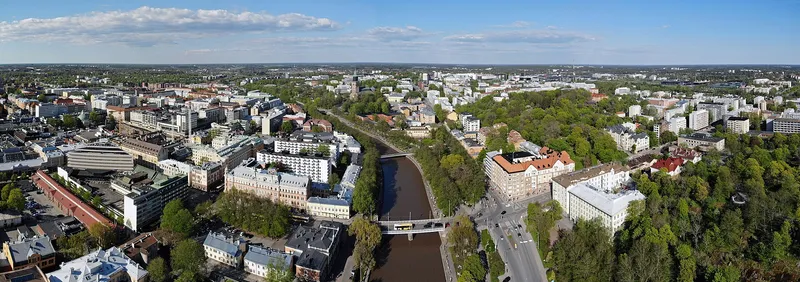 Air quality 10/10Nomad Score 7.6$1,660/moSafety 9WiFi 8Value 5
Turku has no heavy industry inside the city, gets clean breezes off the Baltic and sits under Finland's strict environmental rules, so typical readings stay in the good range all year. The honest exception is pollen: birch and grasses in spring can bother allergy sufferers. Day to day it is a calm, walkable river city with fast internet, a punctual bus network and the archipelago on the doorstep, and it costs less than Helsinki at about $1,660 a month. The winters are long, dark and cold, the nomad scene is small, and there is no dedicated nomad visa.
-
7
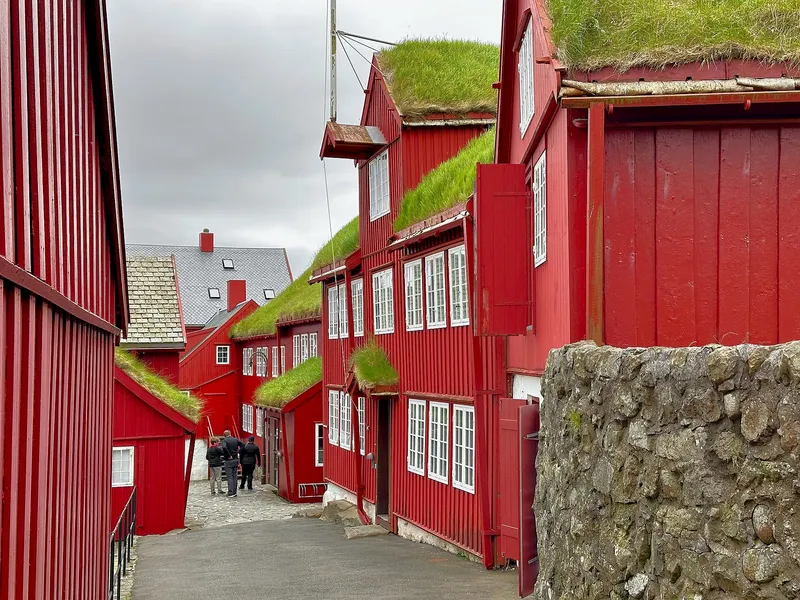 Air quality 10/10Nomad Score 7.6$2,400/moSafety 10WiFi 9Value 3
The Faroe Islands are eighteen basalt islands in the open North Atlantic, and the near-constant wind around Torshavn leaves nothing to linger in the air. Fifty-four thousand people live across the whole archipelago, and the only local sources, the salmon farms and the fishing fleet, barely register against that wind. Power is reliable and increasingly comes from wind and hydro. The same weather is the hard part: fog, sun and horizontal rain can share an hour, and winter storms close tunnels and cancel flights. Budget $2,400 a month and treat it as a few weeks of deep, quiet work.
-
8
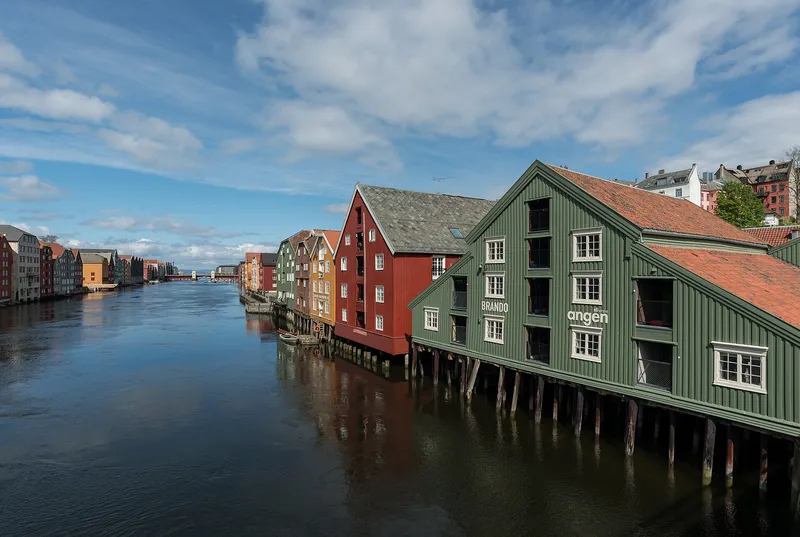 Air quality 10/10Nomad Score 7.4$2,610/moSafety 9WiFi 8Value 2
For a university city of its size, Trondheim's air is remarkably clean: limited heavy industry, strong environmental rules and winds off the fjord that disperse what traffic produces. Winter brings a slight rise from wood-burning stoves and exhaust, never close to concerning levels. The compact centre is easy to cycle, and a young, English-friendly student population makes settling in simpler. Costs run about $2,610 a month, with rent, restaurants and alcohol the painful items. Around the winter solstice the sun is up for well under five hours, so come between May and September.
-
9
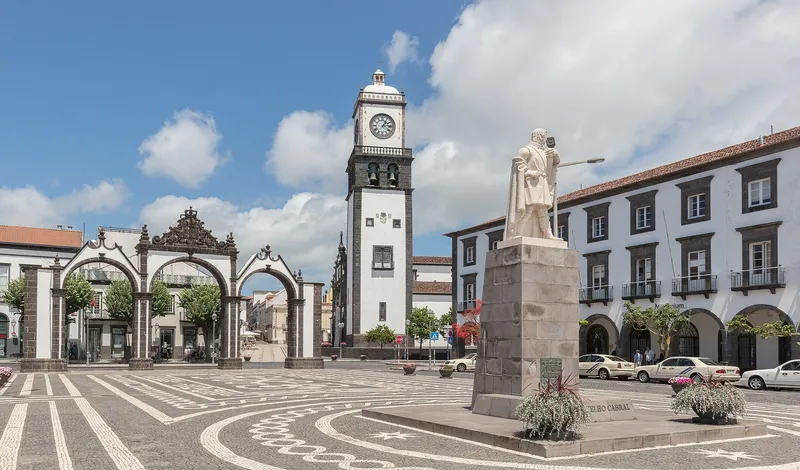 Air quality 10/10Nomad Score 6.9$2,000/moSafety 9WiFi 5Value 6
Ponta Delgada takes its air straight off the mid-Atlantic, with steady onshore breezes flushing the city and no heavy industry anywhere on São Miguel. Volcanic sulphur from geothermal areas such as Furnas is noticeable when you visit them but does not reach the city, and spring pollen is moderate on an island this green. A good week here means deep work, fresh seafood lunches and a weekend hike to a volcanic lake. Expect $2,000 a month, limited flights, a small nomad community and changeable weather, with December averaging 15 rainy days.
-
10
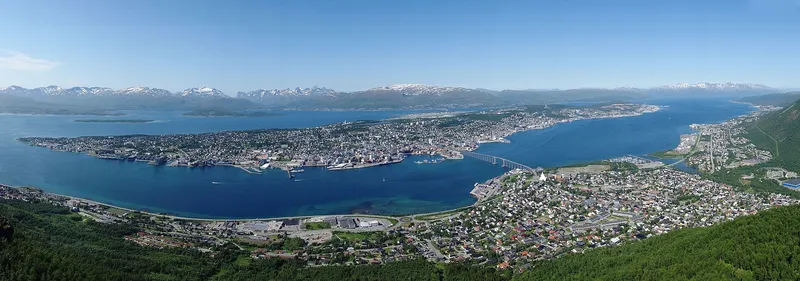 Air quality 10/10Nomad Score 6.9$2,800/moSafety 9WiFi 8Value 2
Strong winds off the Norwegian Sea and no heavy industry nearby give Tromsø some of the cleanest urban air in Europe, in a real university city with wilderness minutes from the centre. The recurring issue is winter woodsmoke from home heating, which causes occasional particle spikes but nothing like city pollution. The polar night runs from around 21 November to 21 January, and the midnight sun from late May, so your body clock gets tested either way. At $2,800 a month it is the costliest Norwegian entry here, and with no rail link, you fly in and out.
-
11
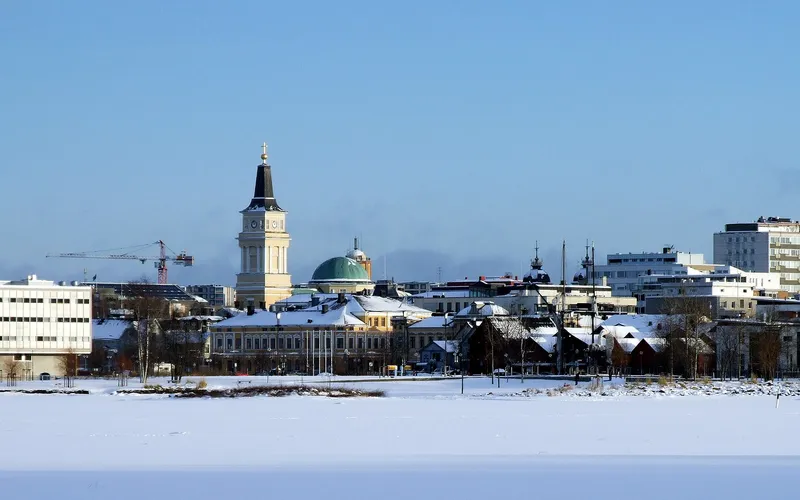 Air quality 10/10Nomad Score 6.9$1,550/moSafety 10WiFi 8Value 5
Oulu's small size, limited heavy industry and position on the Gulf of Bothnia keep its air very clean through the year, with rivers, forests and coastline inside the city limits. Winter wood-burning causes brief local spikes. The city has a strong tech and startup scene, outstanding cycling infrastructure that makes car-free living easy, and long midnight-sun summers. At $1,550 a month it is the cheapest base on this list. Winters, though, are severe: temperatures regularly fall to between minus 10 and minus 20, and daylight shrinks to a few hours.
-
12
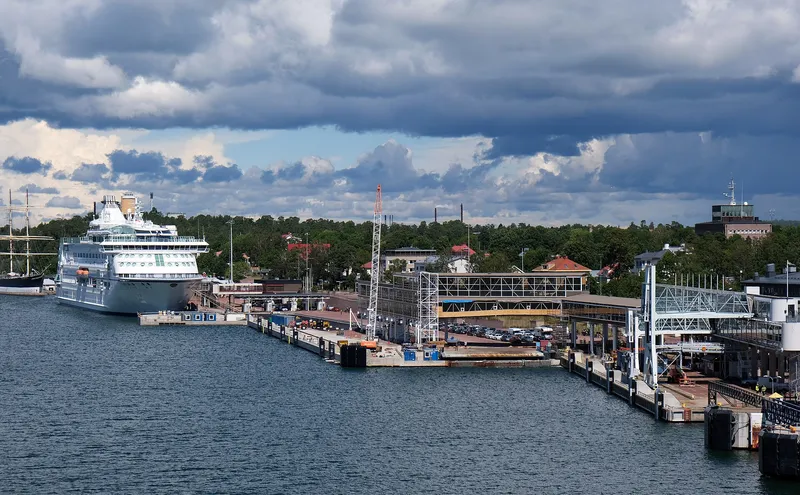 Air quality 10/10Nomad Score 6.9$2,100/moSafety 9WiFi 9Value 4
Constant sea wind and no industry across a low-density Baltic archipelago put Mariehamn's readings among the cleanest in Europe. Ferry traffic is the one local source, and it stays concentrated at the port. Plenty of residents cycle through winter on studded tyres, and the islands actively court remote workers, with a relocation service to answer newcomers' questions. Budget $2,100 a month. The catch is language: Aland runs in Swedish by constitutional arrangement, so the English and Finnish fallback that works in Helsinki does not apply here.
-
13
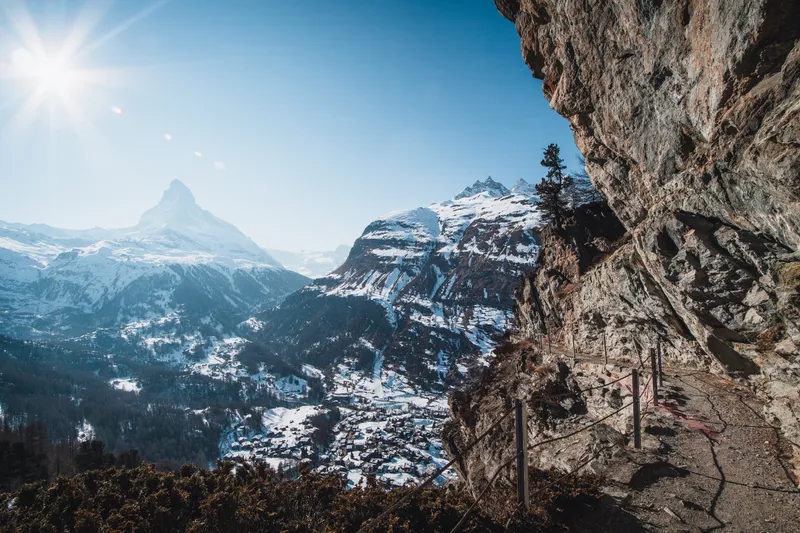 Air quality 10/10Nomad Score 6.7$1,900/moSafety 9WiFi 8Value 3
Zermatt bans combustion cars from the village altogether. Drivers leave their vehicles down the valley in Tasch and take the train up, and inside the village only small electric taxis and e-buses move through the lanes. Add the altitude and the glaciers, and the air is crisp and free of traffic fumes. The internet is fast and reliable, and the Gornergrat railway, the Sunnegga funicular and the cable cars put high trails minutes away. The monthly figure is $1,900, but in a resort where nearly everything arrives by train, prices carry a heavy premium. You will rarely meet another remote worker here.
-
14
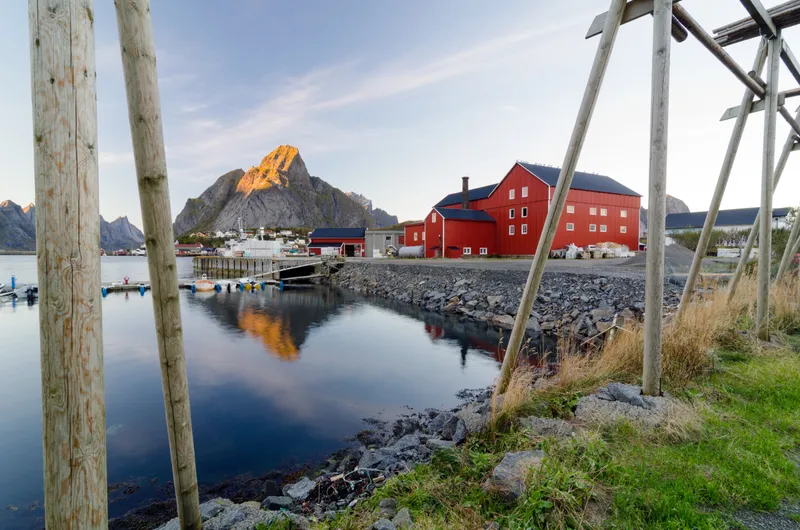 Air quality 10/10Nomad Score 6.5$1,800/moSafety 9WiFi 8Value 3
Red rorbu cabins on stilts, granite peaks rising straight from the sea and crisp ocean air nearly all year: Reine, above the Arctic Circle, is the postcard version of clean. There is no industry or dense traffic to speak of, and the sea breeze keeps things fresh. Your rorbu, with a window desk facing the harbour, is the best office you will find, since there is no coworking. Budget $1,800 a month, and expect Norwegian prices, with cabins at a premium in summer. Lofoten weather swaps sun, wind and rain within the hour, and daylight swings from midnight sun to weeks of dark.
-
15
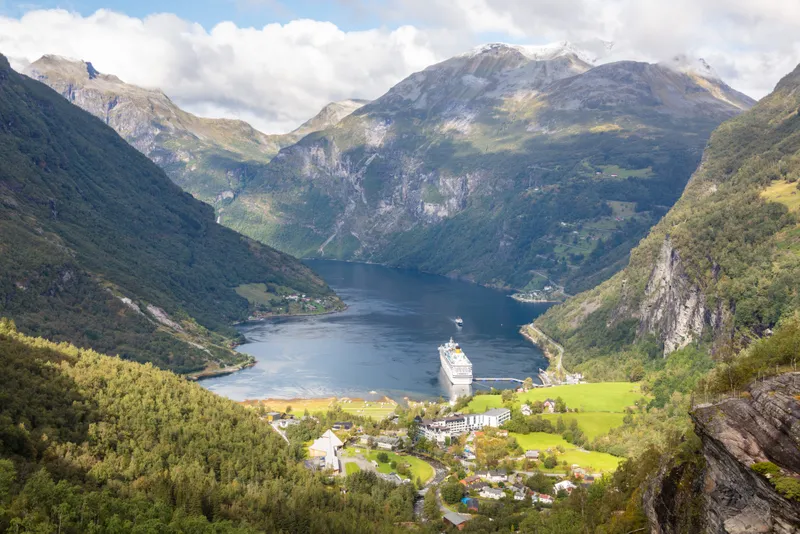 Air quality 10/10Nomad Score 6.3$1,800/moSafety 9WiFi 7Value 3
Geiranger sits at the head of a UNESCO-listed fjord, in a sparsely populated valley where heavy rain and mountain air keep things fresh most of the year. The honest caveat is cruise ships idling in the fjord in summer. Since January 2026 the fjord has been a zero-emission zone for smaller passenger ships, including the sightseeing boats. The big liners have until 2032 to comply, so summer ship traffic is not going away. Away from the waterfront the air is superb. Budget $1,800 a month, with no coworking or nomad scene, and many businesses shut in winter.



If clean air is the priority and you still want a working town around you, Queenstown, Turku and Trondheim pair it with cafés, fast internet and a functioning city. If you want clean air at the lowest cost, Oulu and Turku are the best-value Nordic picks. The fjord and island entries, from Reine and Geiranger to Rarotonga, work better as a month of focused work in extraordinary surroundings than as a long-term base, and that is no small thing to have on offer.
Frequently asked questions
Which city has the cleanest air for digital nomads?
Queenstown tops our list: typical readings sit between 5 and 15 on the US AQI, there is no heavy industry nearby, and mountain air clears the basin. Wanaka and Reykjavik follow. All fifteen cities share our top air rating, so the order reflects overall livability for a remote worker.
Why is the air so clean in these places?
Usually a combination of wind, isolation and how energy is made. Island and coastal towns such as Torshavn, Mariehamn and Rarotonga sit in steady sea winds with almost no industry, Reykjavik runs on geothermal and hydro power, and Zermatt bans combustion cars from the village.
Do any of these cities have air quality problems?
Short ones. Home wood-burning can raise particle levels on calm winter evenings in Queenstown, Wanaka, Trondheim, Tromsø and Oulu. Cruise ships idle in Geiranger's fjord in summer, spring pollen affects allergy sufferers in Turku and Ponta Delgada, and Iceland publishes sulphur dioxide advice when a volcano erupts.
Which clean-air city is the cheapest?
Oulu, at $1,550 a month, followed by Turku at $1,660. Rarotonga, Reine and Geiranger each come in at $1,800, though prices in the Norwegian villages run high once you are there and Rarotonga imports nearly everything.
How were these clean-air cities ranked?
Cities are ranked by the air quality category of our 13-category city score, which is our editorial judgement rather than a sensor reading. Because all fifteen share the top rating, the overall Nomad Score decides the order, so a well-connected town like Queenstown ranks above a remote fjord village.