Say you land on a Monday knowing nobody. In Canggu, you could have a desk at BWork by the afternoon and be invited to a beach sunset by midweek. In Chiang Mai, the regulars at Yellow Coworking on Nimmanhaemin Soi 5 will tell you where everyone goes on Friday. In London or New York the people are there too, but you will have to go out and find them. How much of that social work a city does for you is what this page ranks.
Remote work takes away the office, and with it the way most adults make friends. A city with a deep scene puts it back: coworking spaces that run events, group chats that organize everything from run clubs to dinners, and a steady stream of people in the same situation as you.
The catch is that the strongest scenes are in the places everyone already knows. Popularity pushes up rents, thins out local life in the nomad-heavy neighborhoods and creates churn, so the friends you make in March may be gone by May. Read the list for the kind of crowd you want, not just its size.
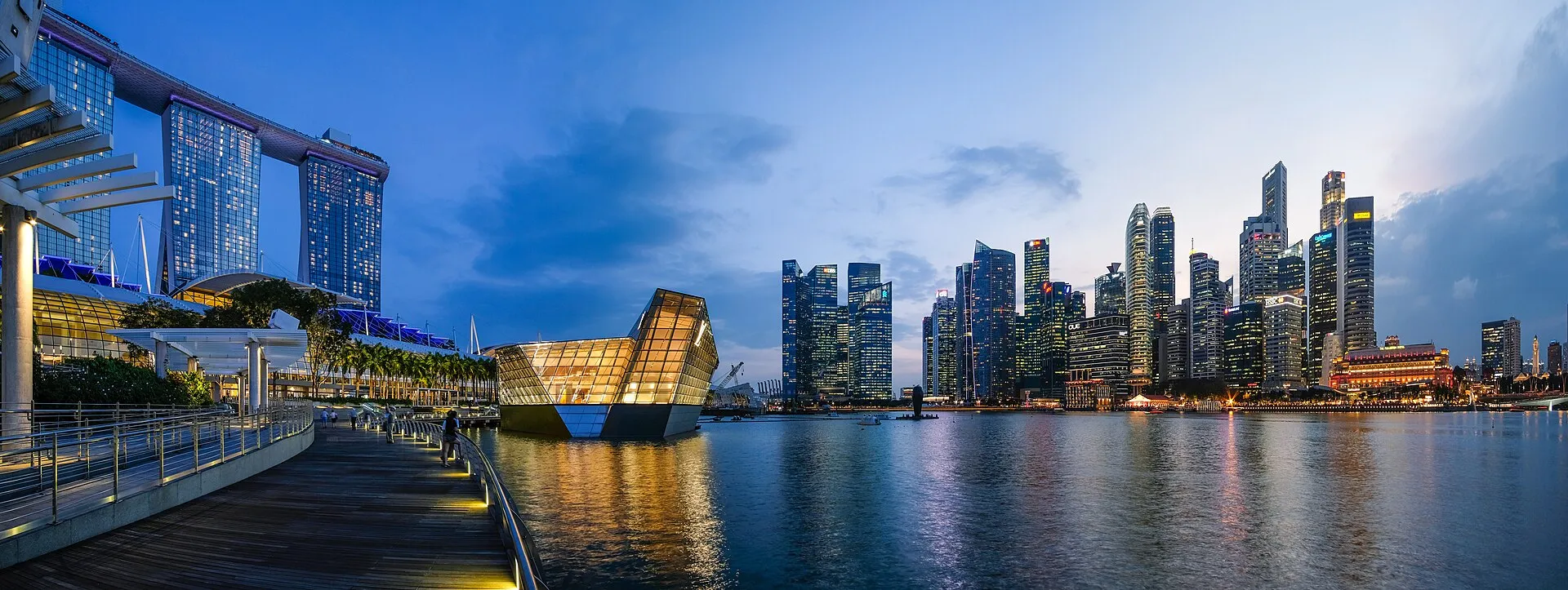
Cities are ranked by their community score across our 1,000-city index, which weighs coworking density, meetup and event frequency, and the depth of the established nomad and expat scene, with ties broken by overall Nomad Score. Monthly costs are our own estimates for one person living comfortably. Explore the numbers yourself on the comparison tool or browse all 1017 city guides.
At a glance
 Lisbon
A real startup scene, regular tech events and a large English-speaking crowd, in a sunny, walkable city where people stay long enough for friendships to stick.
Best value Chiang Mai
The original nomad hub, with long-running coworking spaces like Punspace and Yellow and a cost of about $1,600 a month, the lowest on this list.
Best for Latin America Medellín
Spring-like weather all year, more than 50 coworking spaces across El Poblado and Laureles, and one of the most social nomad scenes in the Americas, for about $1,800 a month.
What to weigh before you book
A big scene tells you people are there, not that they will suit you. Nomad populations churn fast, so the friends you make in month one may all leave by month three, and the very density that makes meeting people easy can also produce a transient crowd that never quite becomes a real circle. Some hubs also cluster nomads into a few neighborhoods that feel sealed off from local life, which is great for fast friendships but thin on cultural depth.
Think about the type of community, not just the size. Bali and Canggu run on surf, wellness and startup hustle, Berlin and Barcelona skew creative and nightlife-driven, Austin and London gather around their tech and professional worlds, and Ubud leans toward a slower wellness-and-retreat crowd. Language matters too: in Medellín, Mexico City or Madrid a little Spanish opens far more doors than you might expect. Visa length shapes how deep you can go, since a scene is only useful if you can stay long enough to move past small talk.
The ranking
-
1
 Community 10/10Nomad Score 8.2$2,000/moSafety 7WiFi 6Value 6
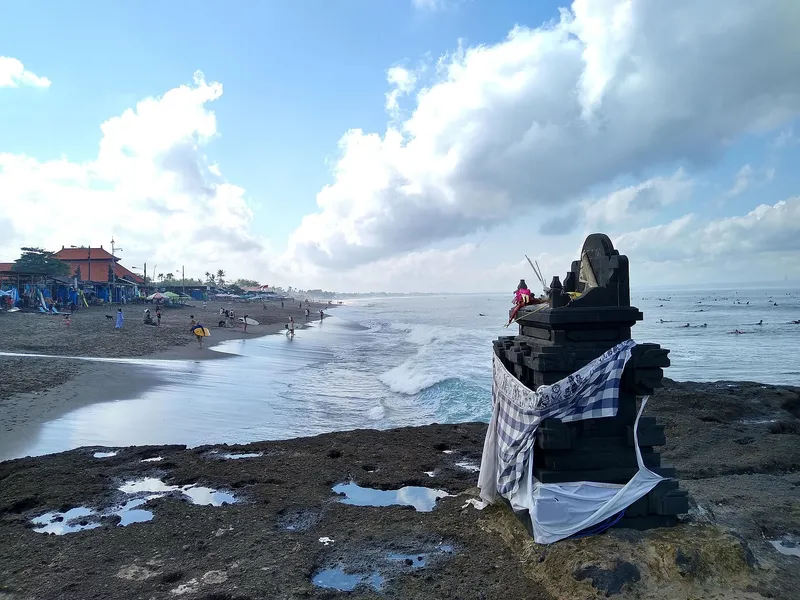
Bali is several nomad scenes on one island, and the first decision is which one you want. Canggu and Pererenan on the southwest coast are surf, coworking and sunset beach bars. Ubud, inland among the rice terraces, gathers a quieter crowd around yoga studios. Seminyak mixes cafes and nightlife with a little more polish. Whichever you pick, the infrastructure for meeting people is already built, from coworking events to group chats for every interest. At about $2,000 a month it is easy to stay long enough to move past small talk, though traffic between the scenes is slow.
-
2
 Community 10/10Nomad Score 7.8$1,600/moSafety 8WiFi 7Value 7
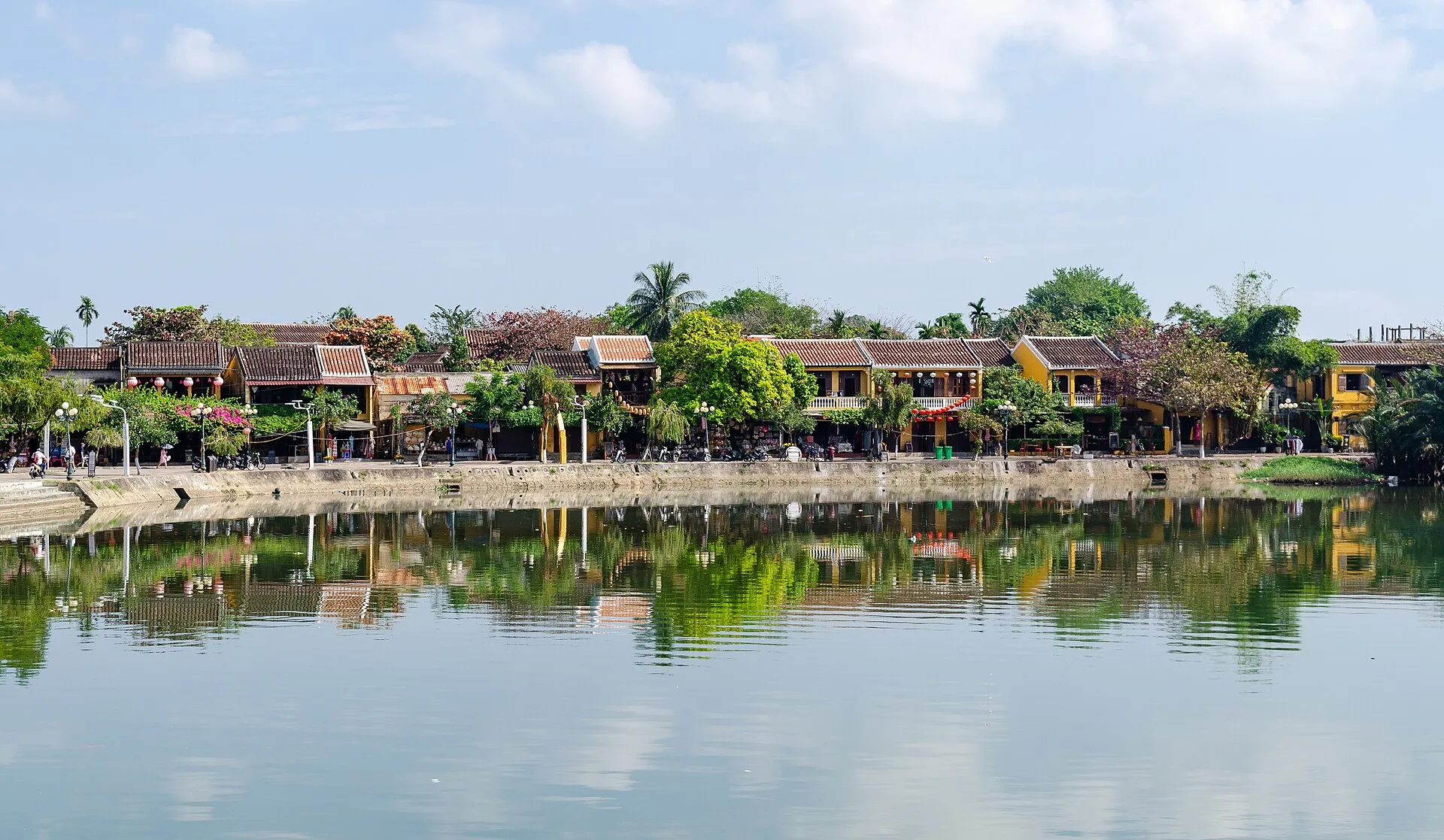
Chiang Mai has hosted remote workers for more than a decade, and it shows in how easy the first week is. Punspace, by the old city's moat and at Tha Phae Gate, is the calm professional option; Yellow on Nimmanhaemin Soi 5 is the louder one, known for networking and a tech-incubator feel; and the Nimman corridor between them is lined with laptop cafes. The crowd mixes first-timers with long-haul veterans. At about $1,600 a month it is the cheapest city here. The caveat is burning season in early spring, when smoke settles over the valley and many regulars leave.
-
3
 Community 10/10Nomad Score 7.2$2,200/moSafety 7WiFi 6Value 6
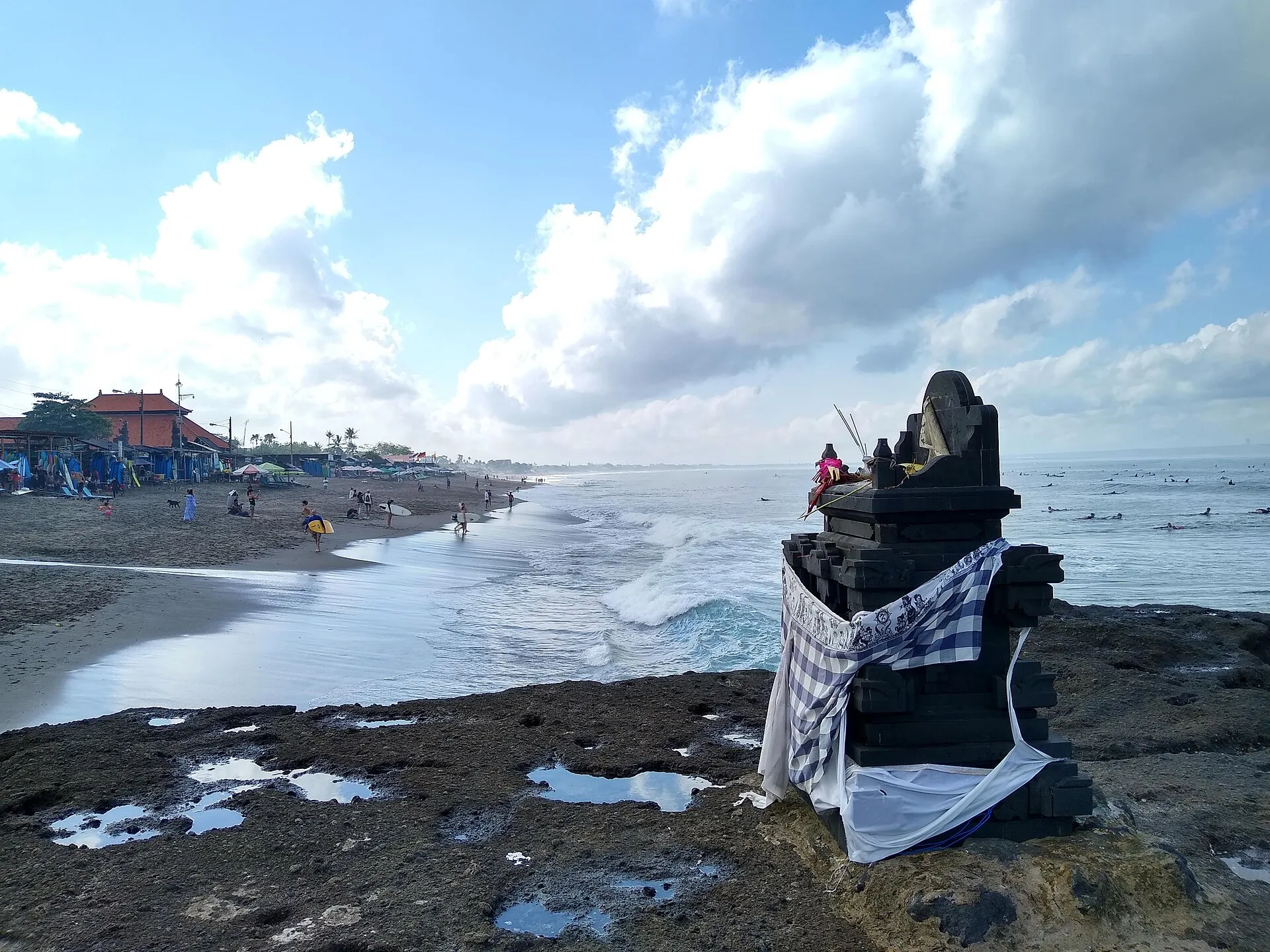
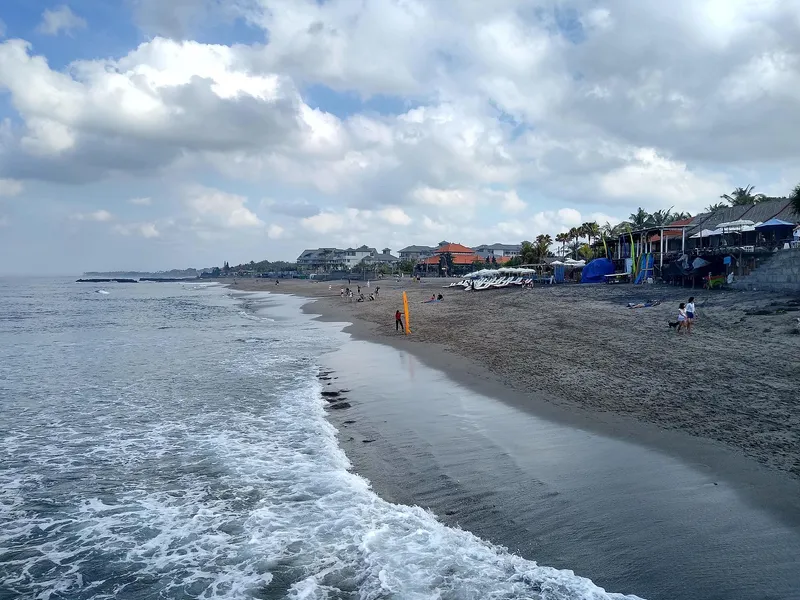
Canggu is Bali's nomad scene at its most concentrated: a few kilometers of former rice fields turned into villas and cafes, surf breaks at Batu Bolong and Echo Beach, and more coworking per square kilometer than almost anywhere in Southeast Asia. BWork has a garden pool and focus rooms for calls, and Tribal in Pererenan lets you work for free against a small food and drink spend. You can arrive knowing no one and be pulled into a group by your second sunset. It costs about $2,200 a month, and the boom has paved over much of the village it replaced.
-
4
 Community 9/10Nomad Score 9.6$3,500/moSafety 8WiFi 8Value 3
Lisbon's scene reaches well beyond nomad hangouts. Second Home fills a plant-lined hall inside the Mercado da Ribeira at Cais do Sodré, Heden runs spaces from Rossio to Santa Apolónia, and Web Summit brings the tech world to town each November, so you can build a circle through work as easily as through group chats. Founders and local professionals mix with remote workers. Sun, safety and walkable hills keep people around long enough for friendships to stick. The honest downside is cost: at about $3,500 a month, with rents rising, Lisbon no longer feels like the bargain it once was.
-
5
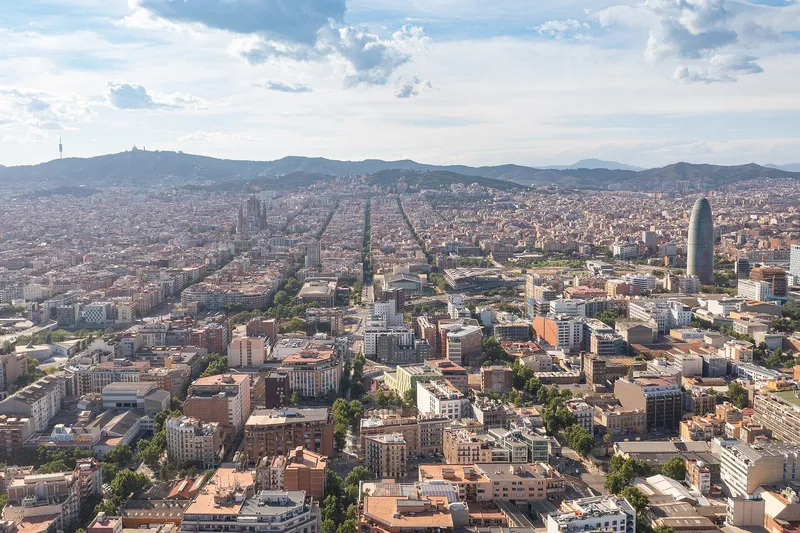 Community 9/10Nomad Score 9.3$3,800/moSafety 6WiFi 8Value 3
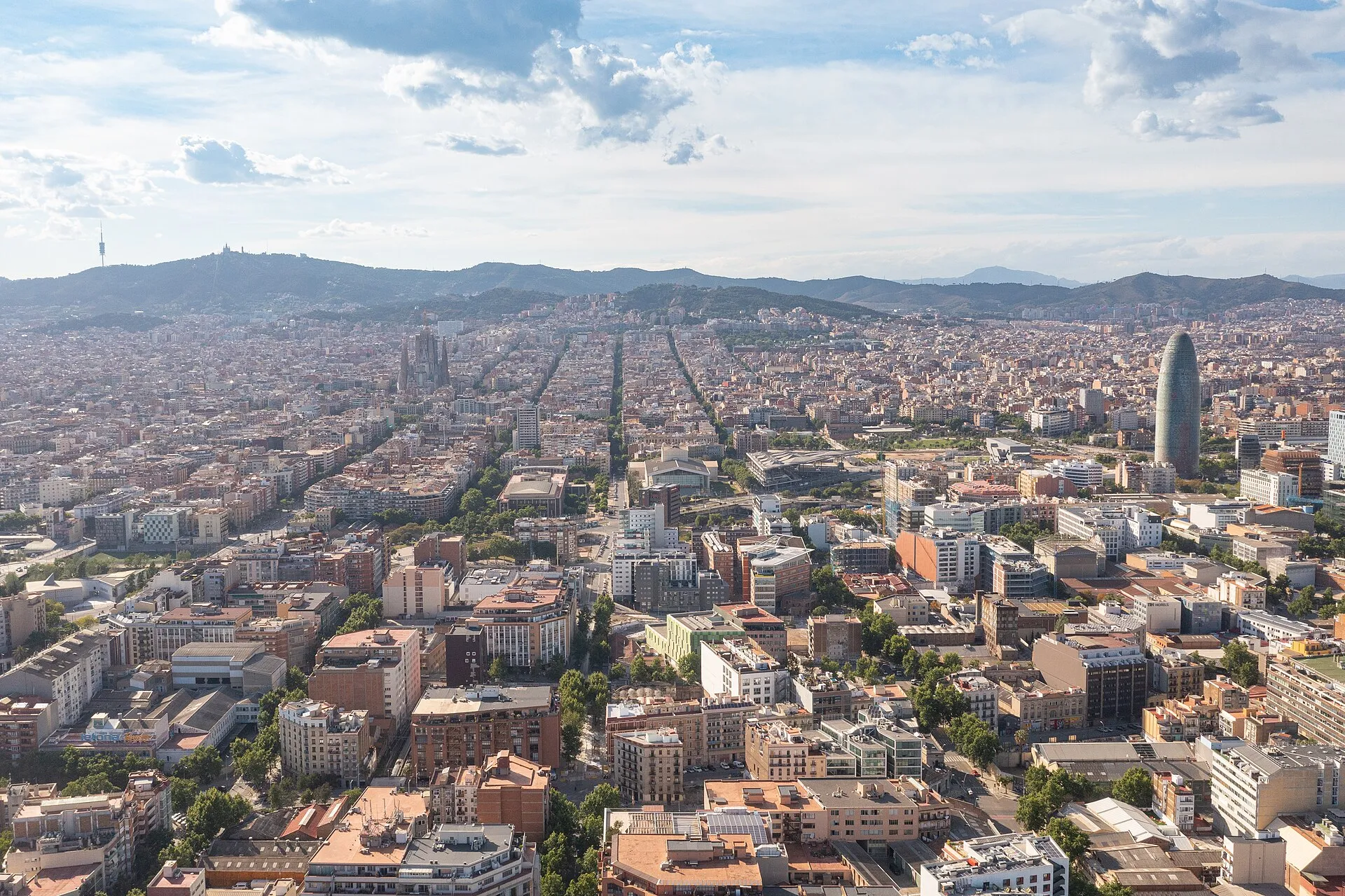
Several overlapping circles, rather than one nomad bubble, make up the scene in Barcelona. Poblenou, the old industrial district reborn as the 22@ tech quarter, holds Talent Garden's campus and its regular events; Betahaus in Gràcia has rooftop terraces and an international crowd; Coco Coffice in Sant Antoni charges by the hour with coffee included. Designers, founders and remote workers end up at the same beach bars and vermouth terraces. The tradeoffs are pickpocketing in the tourist core and on the metro, and a cost of about $3,800 a month, so this is a base you choose for the scene rather than the savings.
-
6
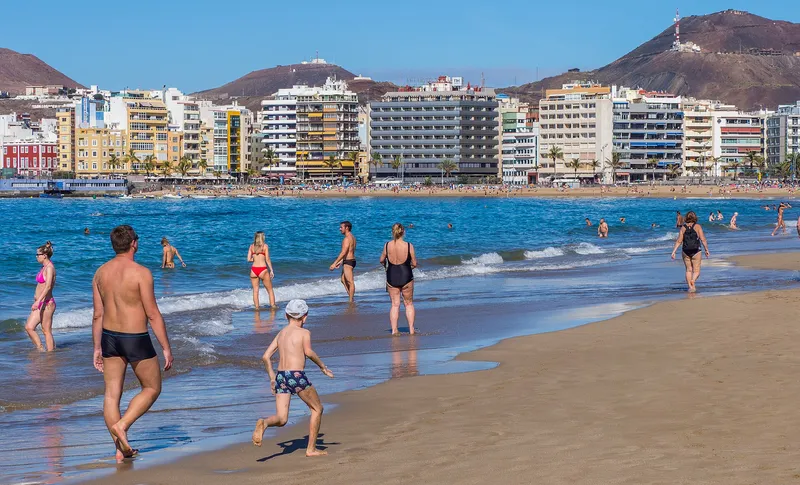 Community 9/10Nomad Score 8.5$2,400/moSafety 7WiFi 7Value 5
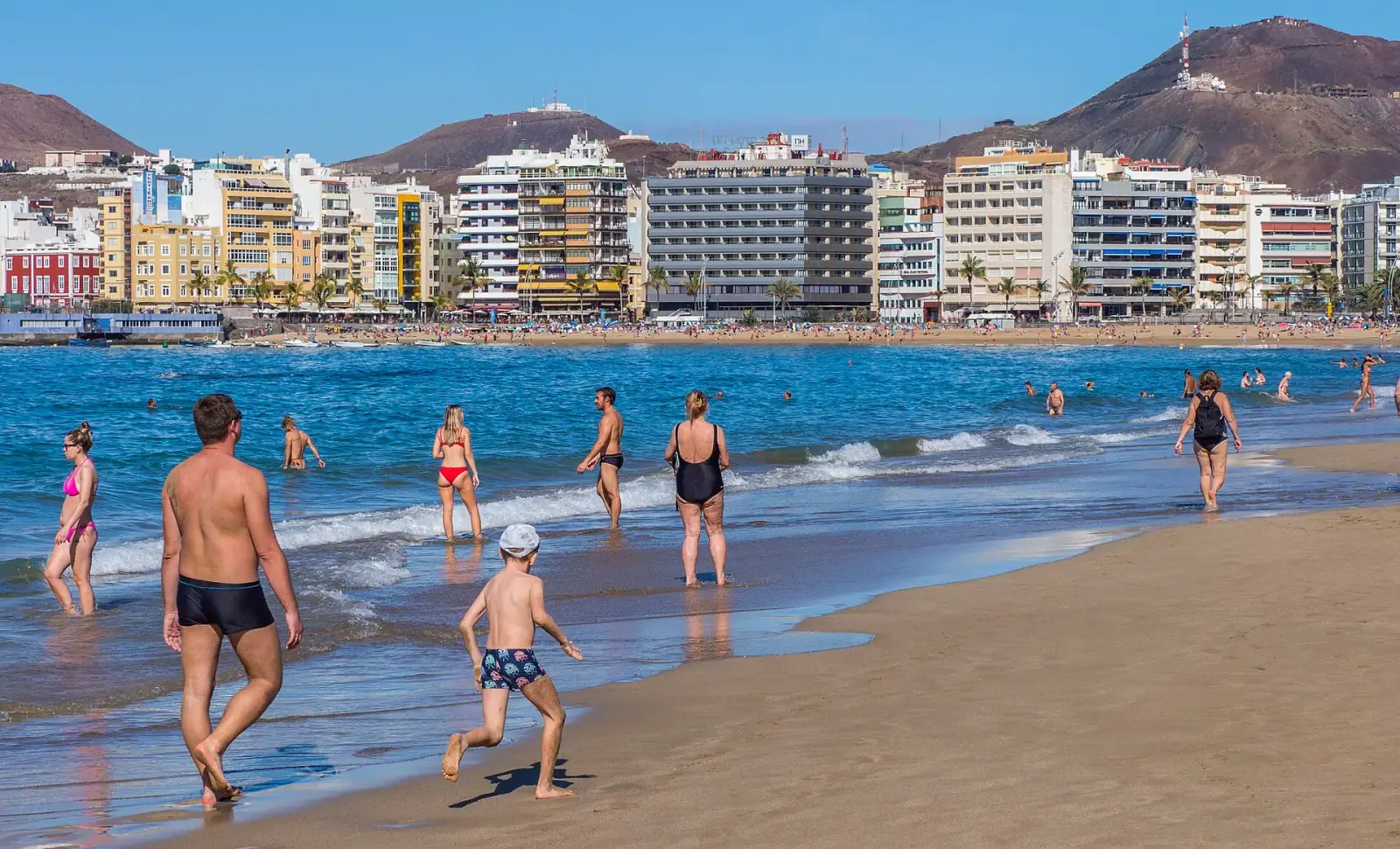
Las Palmas has turned into one of Europe's most concentrated nomad scenes, and almost all of it sits within walking distance of Las Canteras beach. Coworking spaces cluster in Guanarteme and La Isleta, from White Forest a short walk from the sand to FICO and the rooftop Sky Coworking near Santa Catalina, and spring-like weather in every month keeps people on the island through winter. At about $2,400 a month it undercuts Barcelona and Madrid. The tradeoff is scale: this is an island city, so after a couple of months you may feel you have met the core group.
-
7
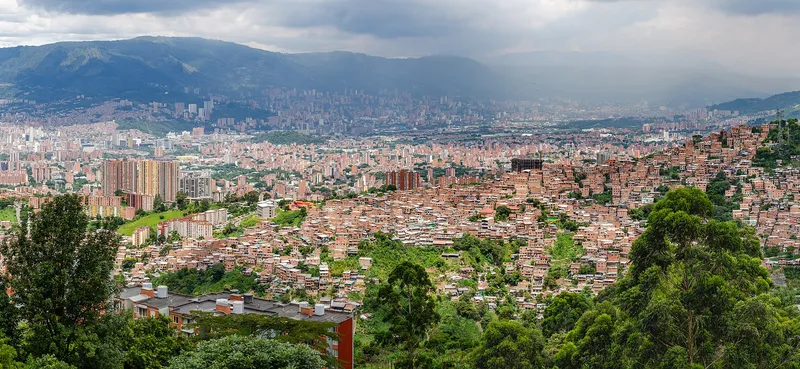 Community 9/10Nomad Score 8.3$1,800/moSafety 5WiFi 7Value 7
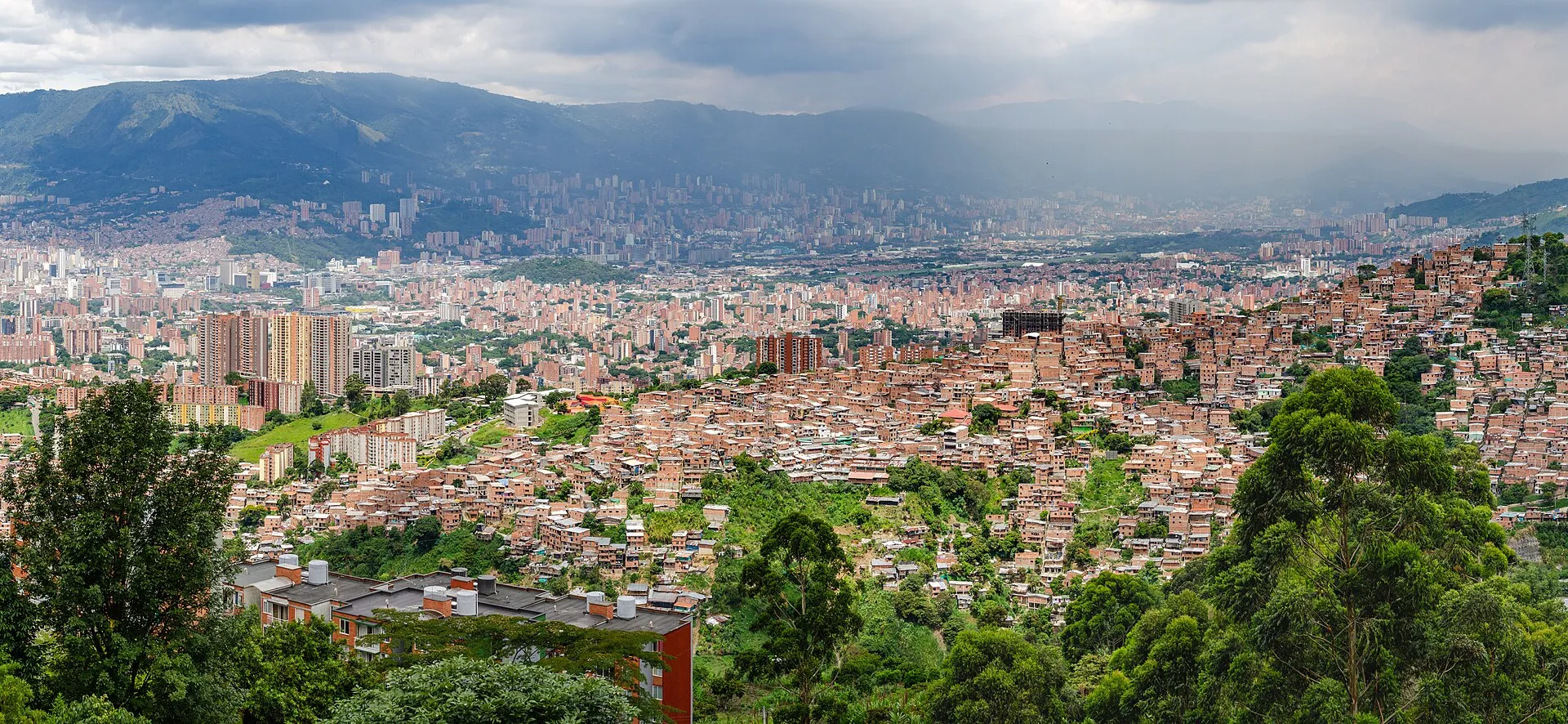
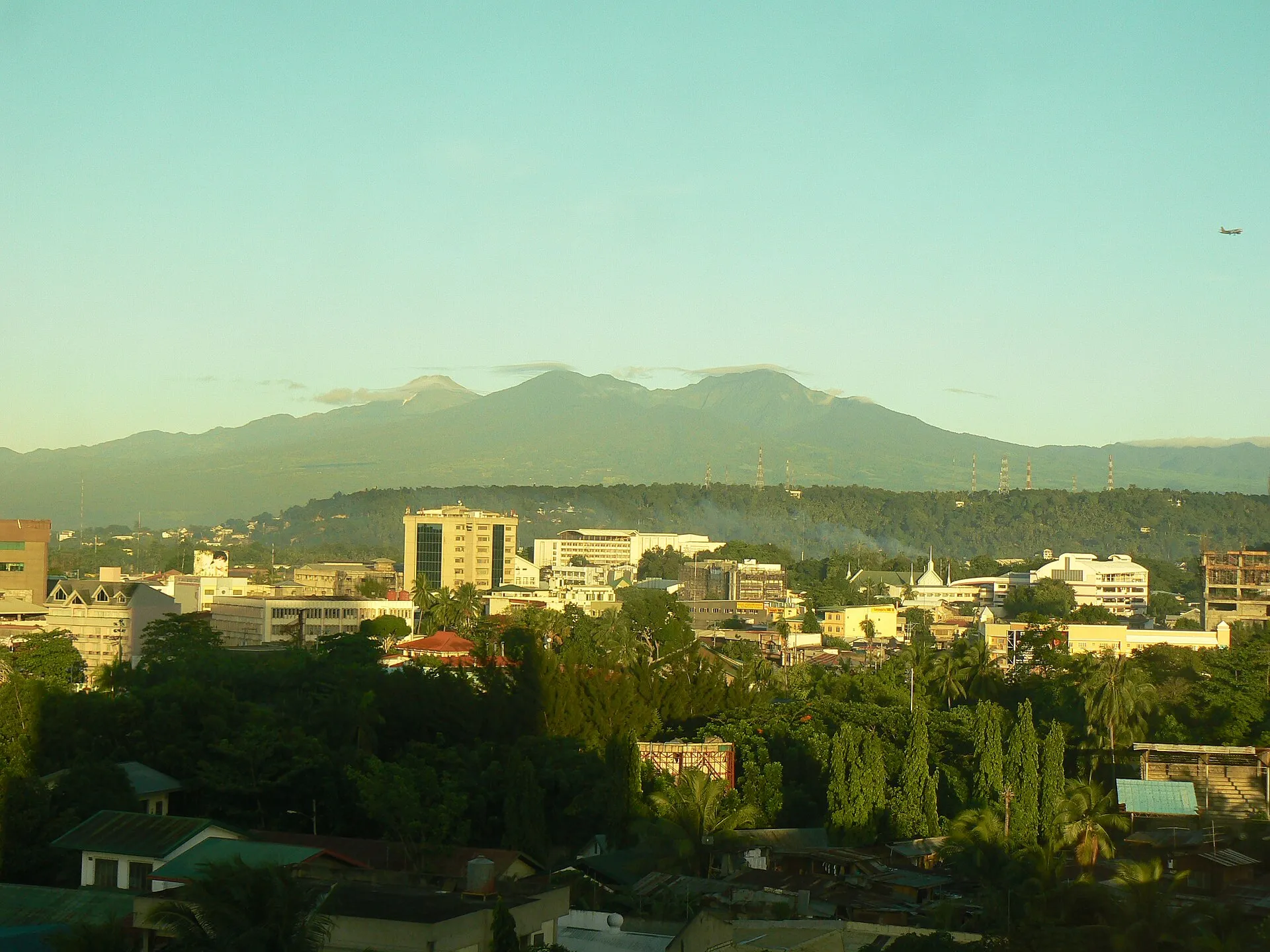
Medellín has more than 50 coworking spaces, and its nomad scene splits between two neighborhoods. El Poblado is the busier one, with towers along the Milla de Oro, Selina's social coworking and the bars of Provenza. Laureles is flatter and more local, with community spaces like Circular Coworking in a plant-filled converted house. Spring-like weather and a cost of about $1,800 a month keep people around long enough to build real friendships rather than weekend acquaintances. The caveats are street safety, which rewards care at night, and English, which is limited outside the nomad circuit.
-
8
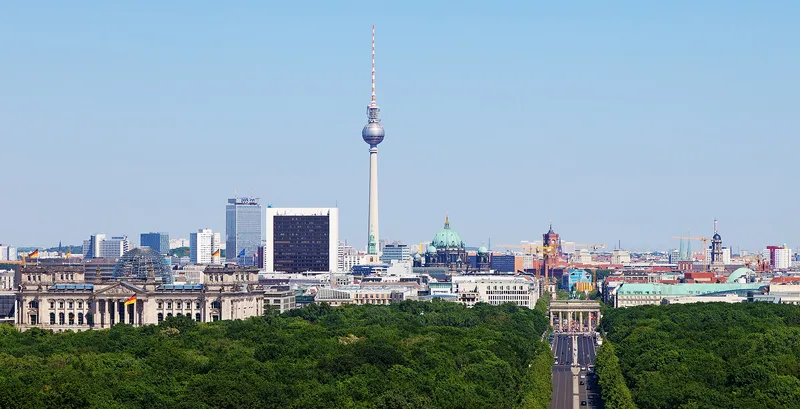 Community 9/10Nomad Score 8.3$3,400/moSafety 7WiFi 6Value 3
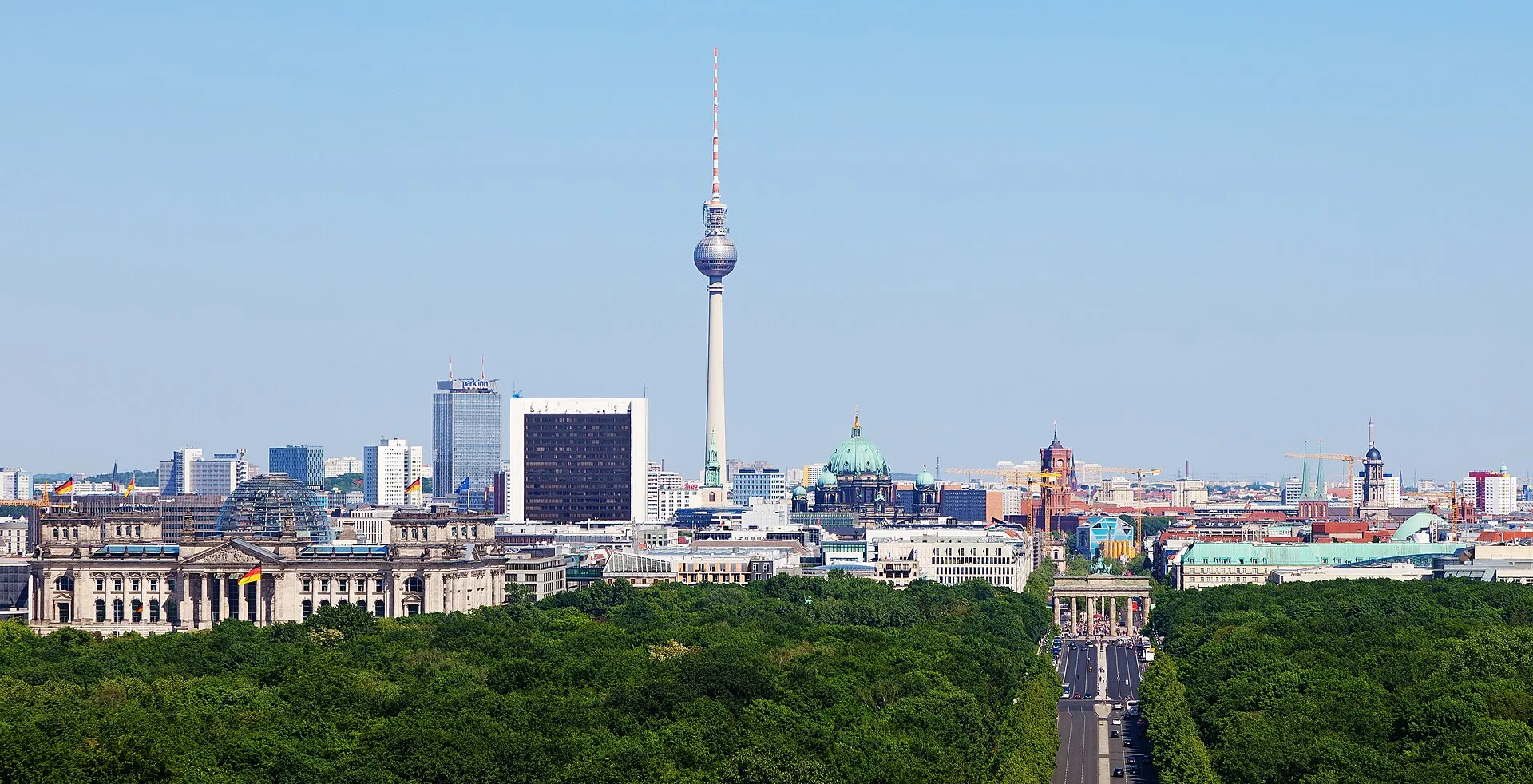
Berlin's community is creative, technical and gloriously unstructured. Betahaus in Kreuzberg, one of Europe's coworking pioneers, runs weekly networking breakfasts; St. Oberholz at Rosenthaler Platz has been a cafe-office for startup people for years; Factory Berlin fills a historic brick building with tech companies. English is widely spoken, so plugging in is easy, and there is a niche for almost any interest. The catch is the season: grey winters empty the parks and canal-side terraces that make summer social life so easy, and the city's reserve can read as coldness at first. Budget about $3,400 a month.
-
9
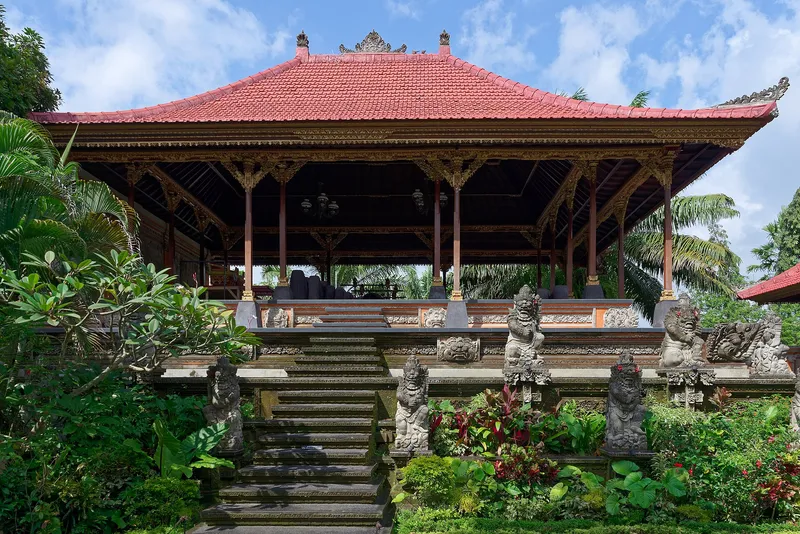 Community 9/10Nomad Score 7.8$1,800/moSafety 8WiFi 5Value 7
Ubud draws a different kind of nomad than the coastal Bali hubs: a wellness-and-creativity crowd that gathers around yoga studios, ecstatic dance, retreats and two main coworking spaces, Outpost in Penestanan with its rooftop yoga deck and the newer Setter on Jalan Raya Sanggingan. Shared interests make conversation easy, and the social life is slower and more intentional than Canggu's. At about $1,800 a month it is also cheaper than the coast. The tradeoffs are less wired infrastructure than Canggu and thin nightlife, so if community to you means late bars rather than shared meals, the fit will feel narrow.
-
10
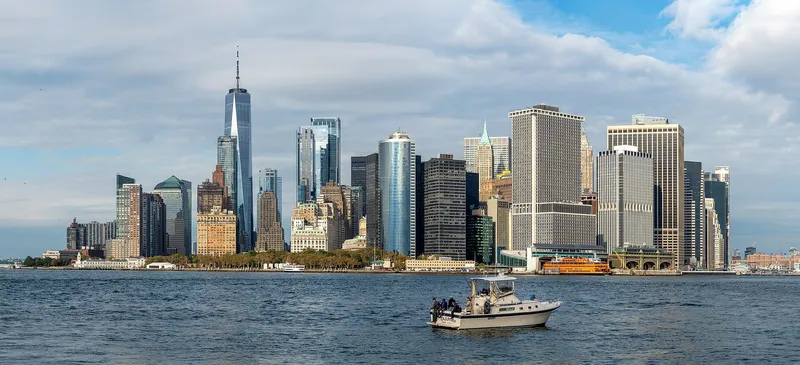 Community 9/10Nomad Score 7.8$6,500/moSafety 6WiFi 9Value 1
Everyone passes through New York sooner or later, and there is a meetup, members' club or industry night for any niche you can name. Bat Haus in Williamsburg runs a community-minded coworking with a backyard, The Farm SoHo is popular with freelancers, and Green Desk spreads across Brooklyn and Queens on flexible monthly terms. People connect fast even when they commit slowly. The obvious wall is cost: at about $6,500 a month this is the most expensive base here by a wide margin, which turns what should be an easy social life into a budgeting exercise.
-
11
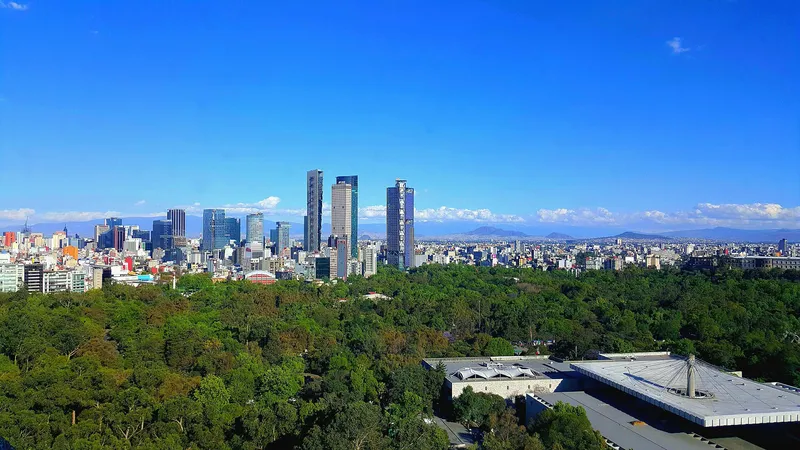 Community 9/10Nomad Score 7.6$2,200/moSafety 4WiFi 5Value 6
Mexico City suits nomads who want a scene embedded in a real metropolis rather than a nomad bubble. Roma and Condesa are the center of gravity, dense with cafes where you can nurse a coffee for hours, and Homework runs mixers and workshops alongside quiet, library-like focus rooms. The remote crowd mixes with a large local creative class, and working hours line up with US clients. At about $2,200 a month the value is hard to argue with. The tradeoffs are safety that varies sharply by area, altitude that takes a few days to adjust to, and air-quality spikes in the dry months.
-
12
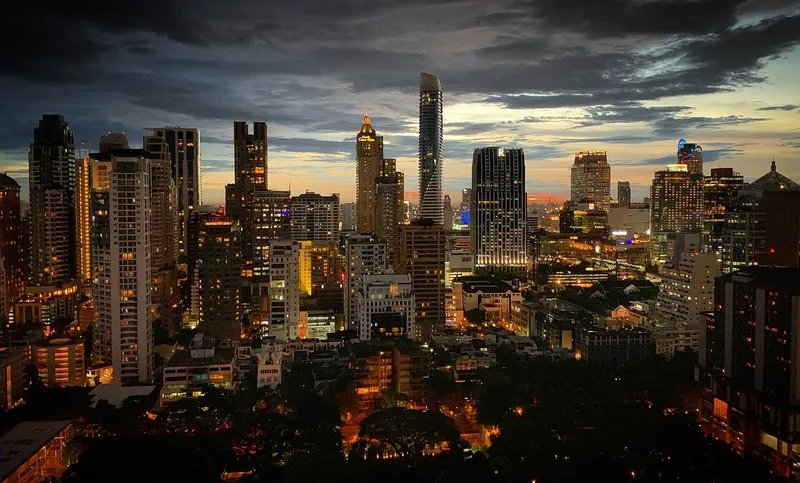 Community 9/10Nomad Score 7.6$2,200/moSafety 8WiFi 9Value 6
Volume is what Bangkok offers: a vast city where nomads, expats and locals overlap across coworking hubs, rooftop bars and a full events calendar. The Hive fills seven floors in Thonglor with a rooftop garden and a bar, JustCo and the free, 24-hour C Asean CO-OP share Samyan Mitrtown, and Glowfish in Asoke suits the solo professional. As Southeast Asia's transit hub the city keeps people cycling through, and street food gives every meetup a cheap next stop. The tradeoffs are heat, traffic and dry-season haze, which make getting between meetups hard work. Budget about $2,200 a month.
-
13
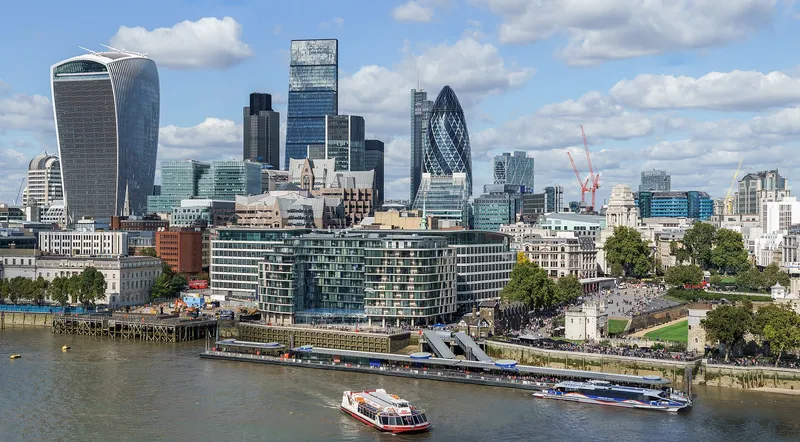 Community 9/10Nomad Score 7.6$5,500/moSafety 6WiFi 6Value 1
London offers community by scale: a global city where any profession, hobby or diaspora already has a group waiting. Second Home runs design-led spaces in Spitalfields, London Fields and Clerkenwell, Huckletree Shoreditch serves the tech and startup crowd, and the evening calendar of talks, meetups and industry events never thins out. Friendships made through work come naturally, and everything runs in English. The barrier is money: at about $5,500 a month, second only to New York on this list, London rewards people with the income to stay past the expensive first weeks.
-
14
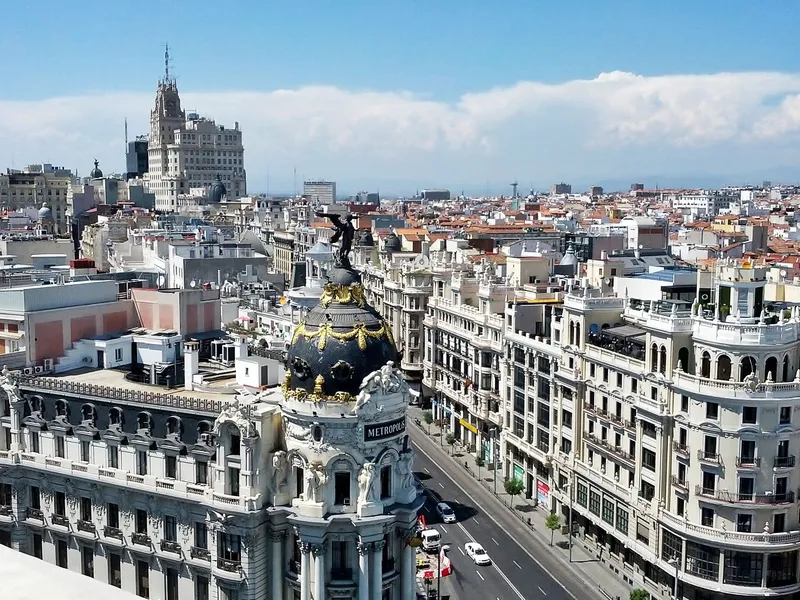 Community 8/10Nomad Score 8.5$3,200/moSafety 7WiFi 8Value 4
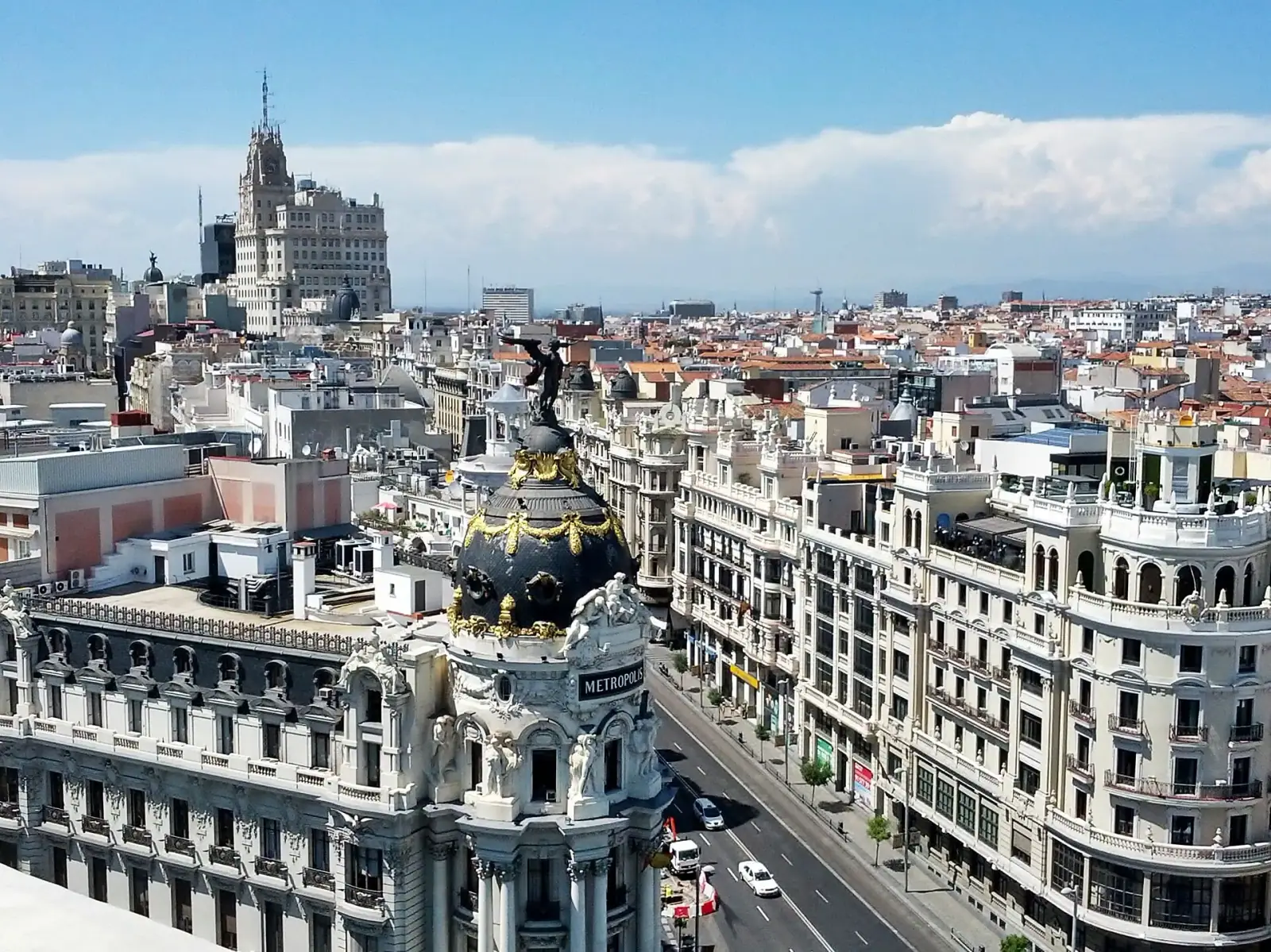
Madrid is less of a dedicated nomad hub than Barcelona or Lisbon, and that is its appeal: more of the circle you build here will be Spanish. Socializing is the city's default setting, with late dinners, full terraces and neighborhood fiestas through the summer. For a daytime anchor, Impact Hub, Talent Garden and Nomad Coworking, which sells short plans from a few days, give remote workers a desk and a way in. A little Spanish goes a long way. The tradeoffs are a brutal summer, a genuinely cold winter and a cost of about $3,200 a month, below Barcelona but far from cheap.
-
15
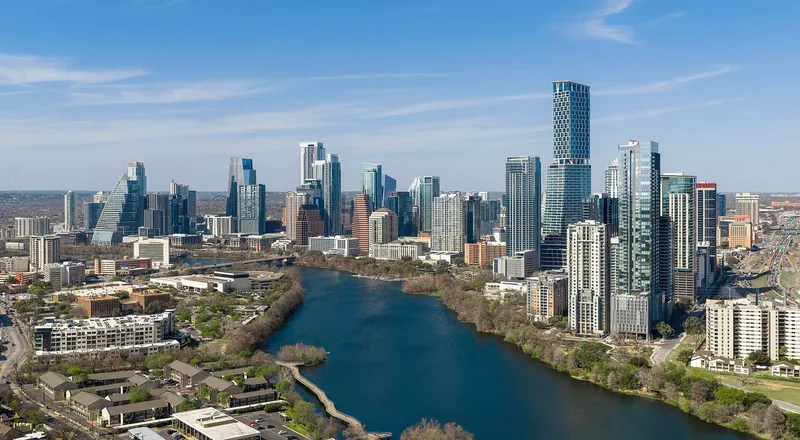 Community 8/10Nomad Score 8.3$4,000/moSafety 6WiFi 9Value 3
Founders, more than nomads, set the tone in Austin. Capital Factory, downtown, is the anchor of the local tech scene, packed with founders, mentors and near-constant events; WeWork and independent spaces across East Austin fill in the rest, and coffee shops on South Congress and around the university are full of laptops on weekdays. Evenings pull everyone toward live music on Red River and Sixth Street. Everything runs in English, so plugging in is quick. The tradeoffs are a punishing summer, a city built around the car, and a cost of about $4,000 a month.





Which base is right depends on the social life you want more than on the size of the scene. For the fastest route into a ready-made circle, Canggu and Chiang Mai are hard to beat, and they do it cheaply. To build friendships through work and a real startup world, Lisbon, Berlin, Barcelona and Austin reward a longer stay. For Latin American warmth and value, Medellín and Mexico City stand out once you bring a little Spanish.
Whichever way you lean, weigh the scene against rent, how long you can legally stay and the pace that suits you, then read the city guides for the two or three that tempt you.
Frequently asked questions
Which digital nomad city is best for meeting other nomads?
Bali and Chiang Mai lead this list, with Canggu close behind. Canggu is the densest nomad belt in Asia, with coworking spaces that double as social clubs, while Chiang Mai offers the same ease for about $1,600 a month. For a European base, Lisbon combines a large scene with a real startup world and Web Summit every November.
How quickly can I make friends as a nomad in these cities?
Quickly, if you go looking. In the top hubs like Canggu, Chiang Mai and Lisbon the infrastructure does much of the work: coworking spaces run events, group chats organize dinners and activities, and there is something on most weeks. Go to a couple of events in your first week and say yes to the invitations that follow.
Are cheaper cities worse for nomad community?
Not at all. Chiang Mai at about $1,600 and Medellín and Ubud at about $1,800 have some of the most established scenes on this list. Low costs let people stay longer, which deepens a community rather than thinning it out.
What are the downsides of a big nomad scene?
The most popular hubs tend to have high churn, so friends leave quickly, and dense nomad neighborhoods can feel sealed off from local culture. Rising rents in places like Lisbon and Canggu also follow the crowds. A big scene makes meeting people easy but does not guarantee lasting friendships.
Is speaking the local language necessary to join the nomad scene?
In English-friendly hubs like Bali, Chiang Mai, Berlin and Lisbon, no. In Latin American bases like Medellín and Mexico City the core nomad scene runs in English, but even basic Spanish widens your circle well beyond it and opens up local friendships the nomad circuit never reaches.