Malaysia asks very little of a newcomer. English carries you through shops, offices and coworking desks, hawker food costs a few dollars a plate, and fibre is common in city apartments. Across the ten cities below a solo month runs from $690 in Kuching to $1,040 in Kuala Lumpur, and the whole country keeps one clock, eight hours ahead of Greenwich.
Most Western passports get 90 days visa-free, and Malaysia also runs a working nomad visa, the DE Rantau Nomad Pass. It lasts three to twelve months and can be renewed once, to two years in all. Tech workers must earn $24,000 a year from outside Malaysia, other professions $60,000, and spouses and children can come too. The catch is geographic. The pass covers Peninsular Malaysia and Labuan only, while Sabah and Sarawak run their own immigration and admit holders on an ordinary tourist stamp, which leaves out three of the cities here: Kuching, Miri and Kota Kinabalu. To set it against other countries' schemes, see how the nomad visas compare.
That split shapes the list. On the peninsula, Kuala Lumpur and Penang have the coworking and the community, while Ipoh, Malacca, Johor Bahru, Langkawi and the Cameron Highlands trade both for calm and lower rents. Across the sea in Borneo, Kuching, Miri and Kota Kinabalu put rainforest, caves and reefs on the doorstep.
These are all ten Malaysian cities in our index, ordered by their overall Nomad Score, our composite of 13 categories including cost, climate, internet, safety, food, English and visa access. Where cities share a score, as Malacca and Miri do, and as Langkawi, Ipoh, Johor Bahru and the Cameron Highlands do, the order between them means nothing. Monthly costs are Numbeo survey data for six cities and our own estimate for Malacca, Miri, Langkawi and the Cameron Highlands, and the blurbs flag each estimate. Explore the numbers yourself on the comparison tool or browse all 999 city guides.
At a glance
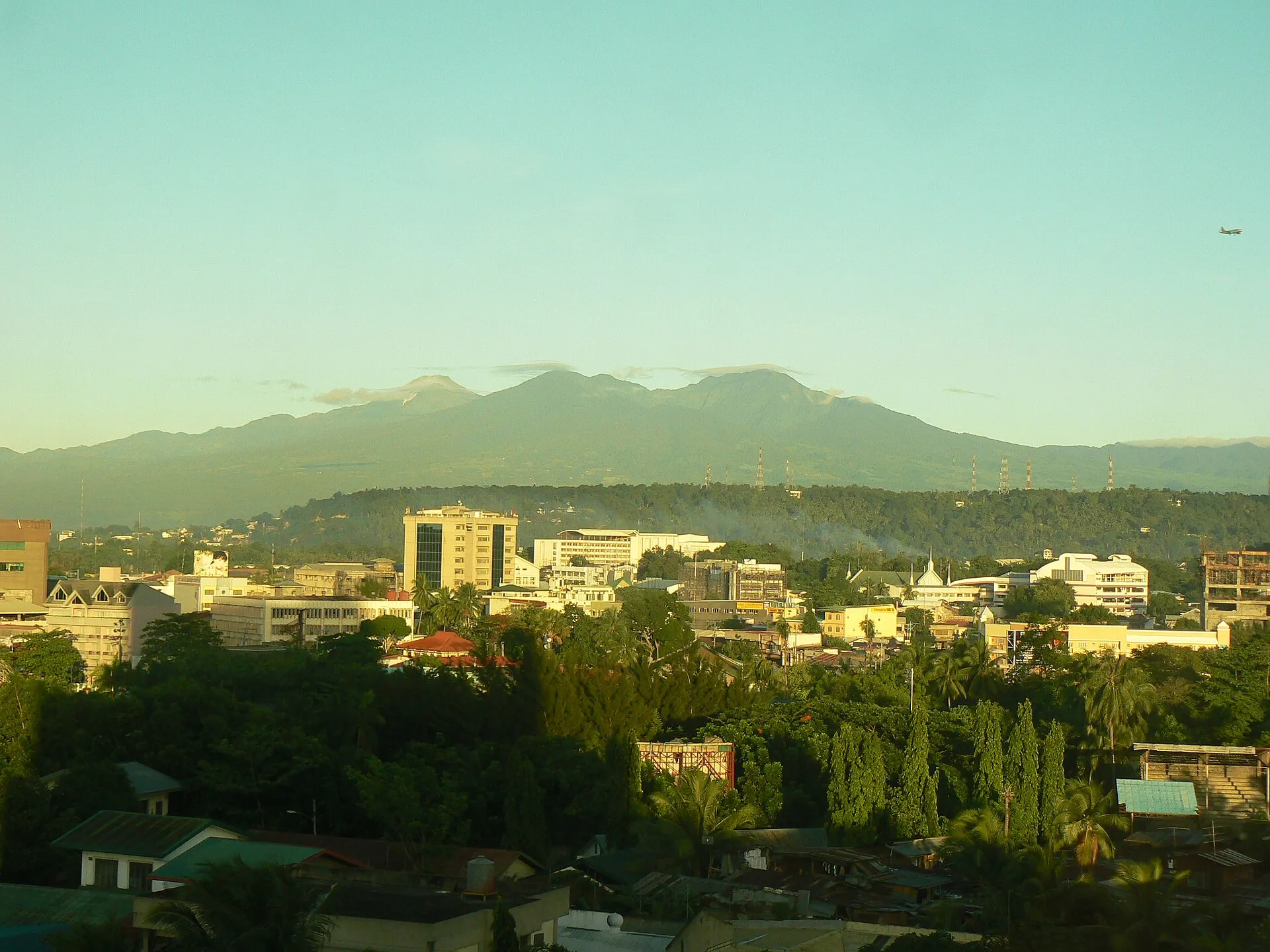
 Kuching
The cheapest city here at $690 a month, with Sarawak laksa for breakfast and orangutans a day trip away.
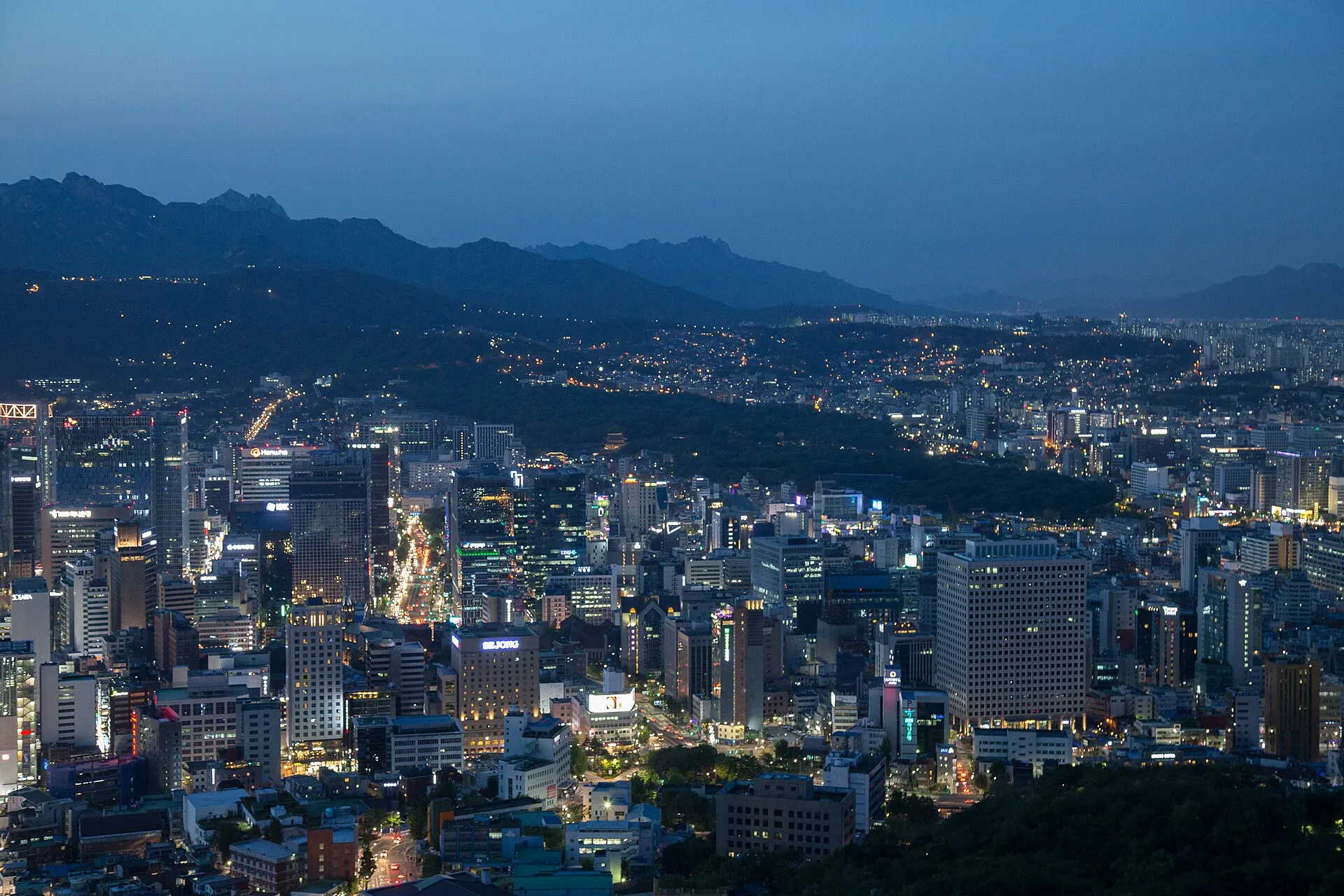
BEST FOR WORKKuala LumpurNine WORQ coworking sites on the rail network and direct flights to three continents, for $1,040 a month.
BEST FOODPenangGeorge Town's hawker stalls and heritage streets for about $740 a month, inside the area the nomad pass covers.
What to weigh before you book
Weigh the visa map first. A year on the DE Rantau pass works in Kuala Lumpur, Penang, Ipoh or Malacca, but not in Kuching, Miri or Kota Kinabalu, where each arrival is a separate state stamp whose length the officer decides. Then weigh the air and the heat. Every city here except the Cameron Highlands is hot and humid all year, and smoke from fires clearing land on Sumatra and Borneo can push air quality into unhealthy territory, usually somewhere between June and October depending on the city. The ranking cannot tell you how much company you will have. Kuching tops the list because it is cheap, safe and close to the rainforest, yet its coworking spaces are quiet, and outside Kuala Lumpur and Penang the remote-work crowd is a handful of people. One national rule applies everywhere: same-sex relations are criminalised, which is a real risk for LGBTQ travellers. To weigh two or three of these side by side, use the city comparison tool.
The ranking
-
1
 Nomad Score 8.2$690/moSafety 8WiFi 7Value 8
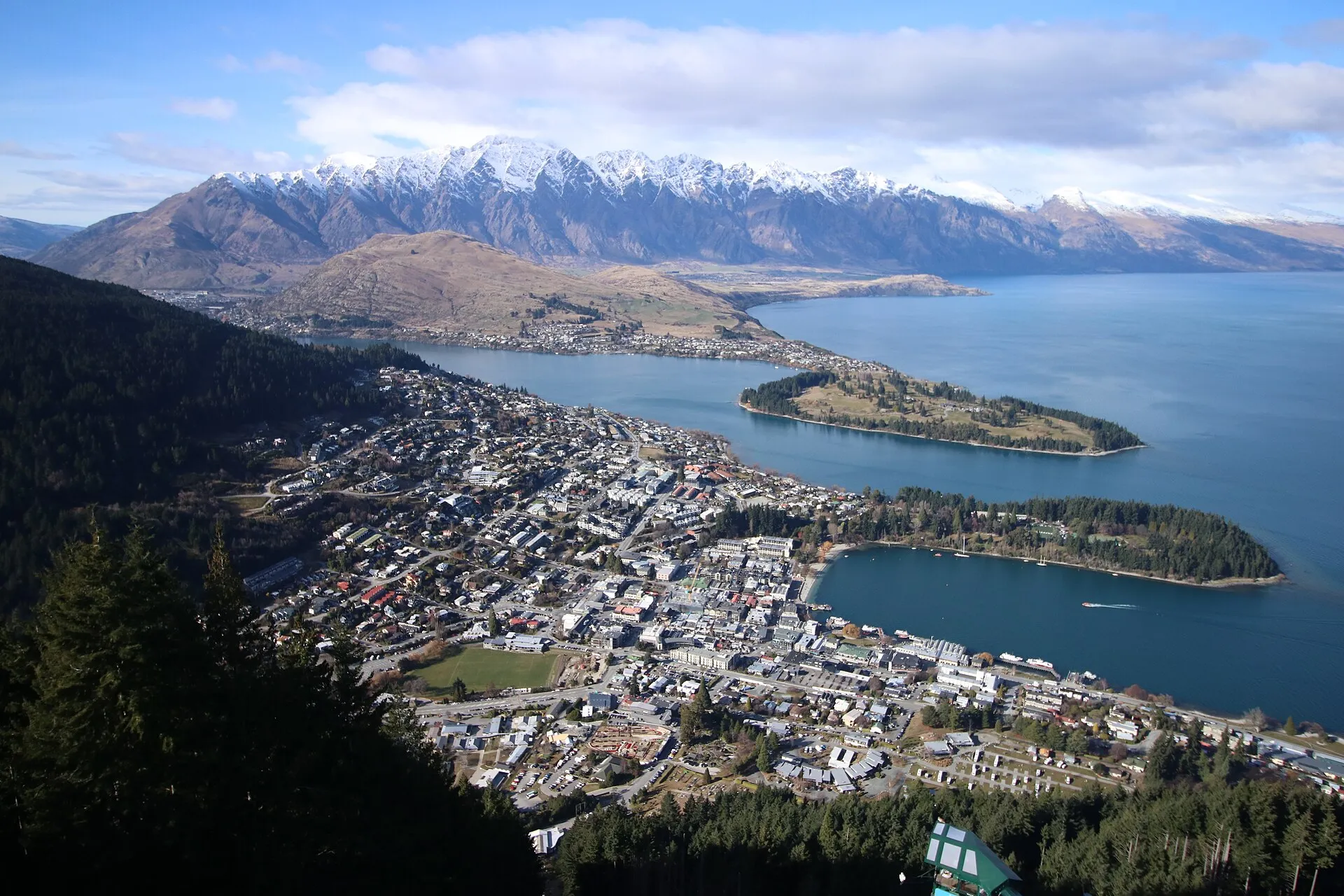
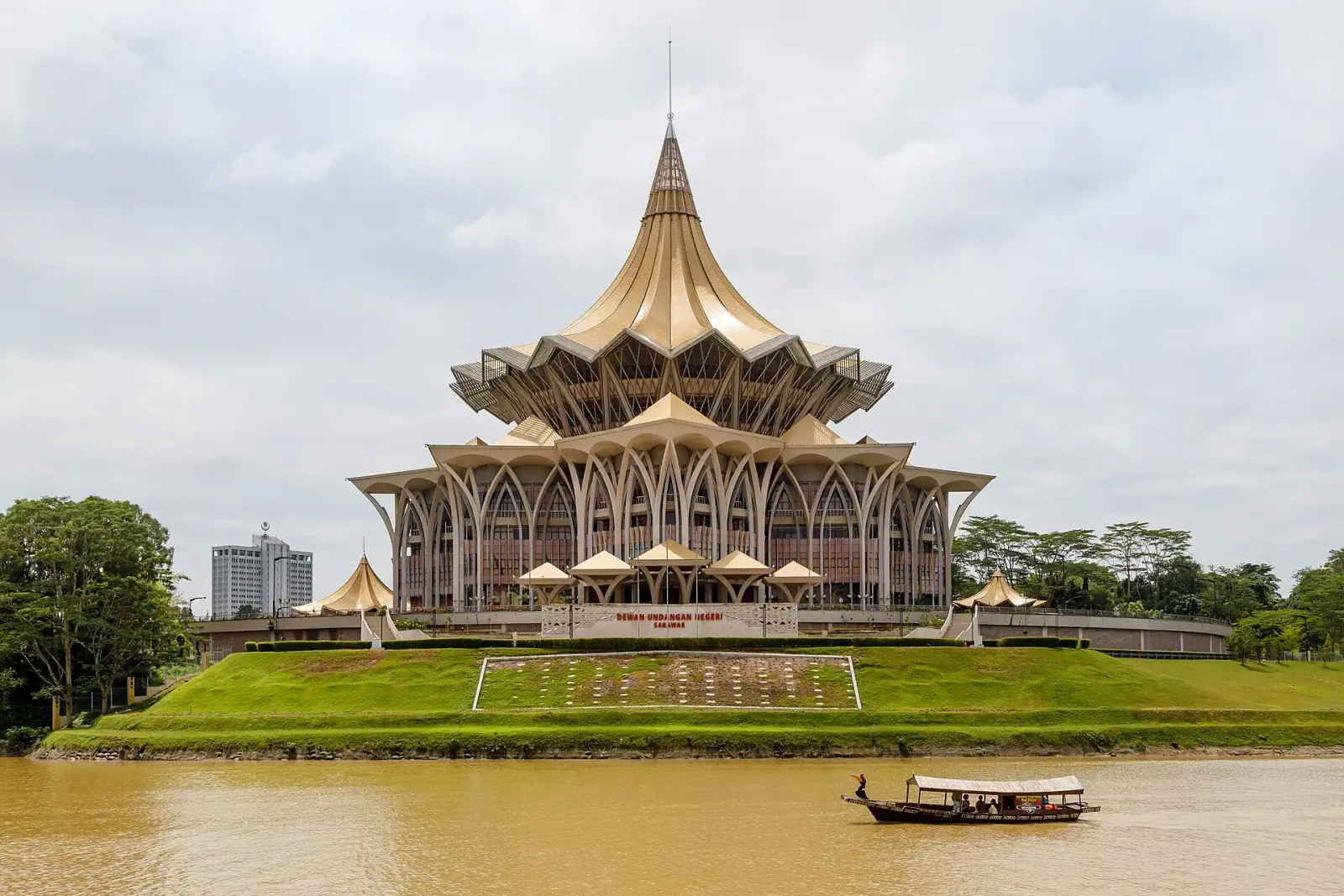
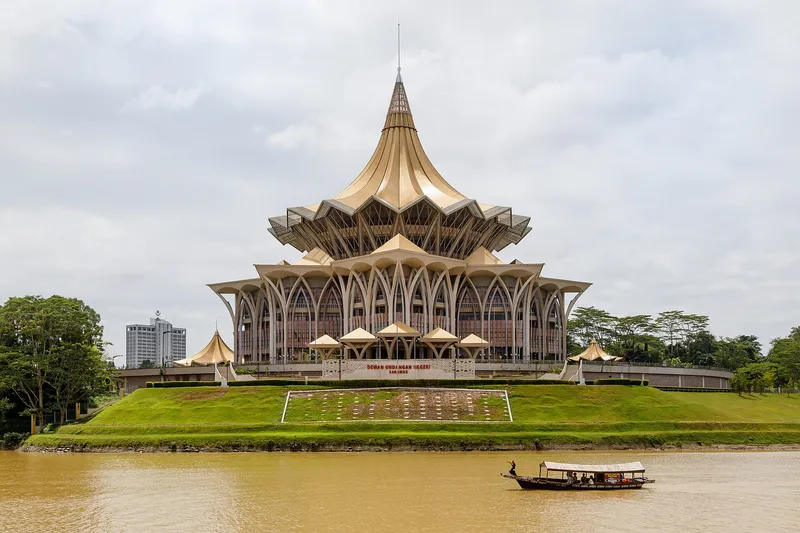
Borneo's rainforest starts at the edge of Kuching, with Bako National Park and the Semenggoh orangutans both easy day trips. The city itself costs about $690 a month, and a bowl of Sarawak laksa about $2. The riverfront esplanade is pleasant in the cool hours, Grab trips across town are inexpensive, and Unifi fibre is the dependable home connection. Coworking is quiet: iCube Innovation sells cheap day passes, but there is little scene to join. Two catches: January averages 672mm of rain, and Sarawak sits outside the DE Rantau pass, so a stay runs on the visa-free stamp.
-
2
 Nomad Score 7.4$740/moSafety 7WiFi 6Value 7
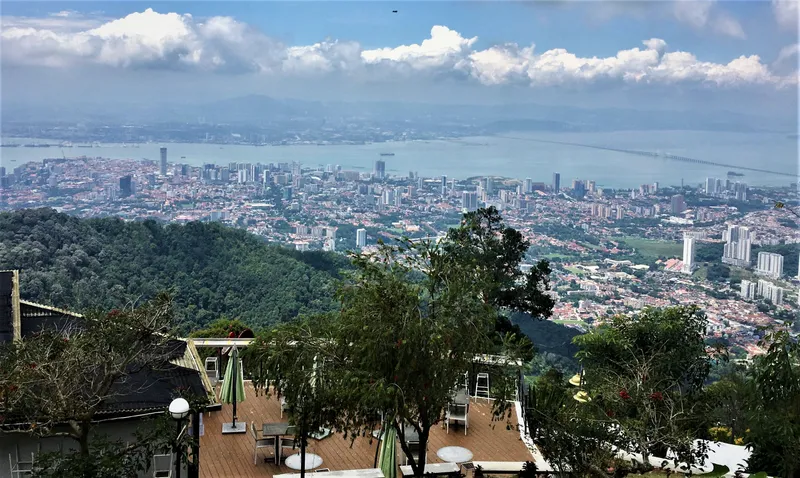
Come to Penang hungry. Hawker stalls charge $1 to $3 a plate and Peranakan kitchens fill George Town's heritage streets. A month comes to about $740. The polished desk is Common Ground in Pulau Tikus, at $120 a month, and Hundred Years puts coworking inside a restored shophouse on Muntri Street. Cafe wifi is the weak point, so most people run a local SIM as a hotspot for calls. The free CAT shuttle loops the old town; beyond it you need Grab or a motorbike. The city goes quiet early at night, and October, averaging 337mm of rain, is the month to skip.
-
3
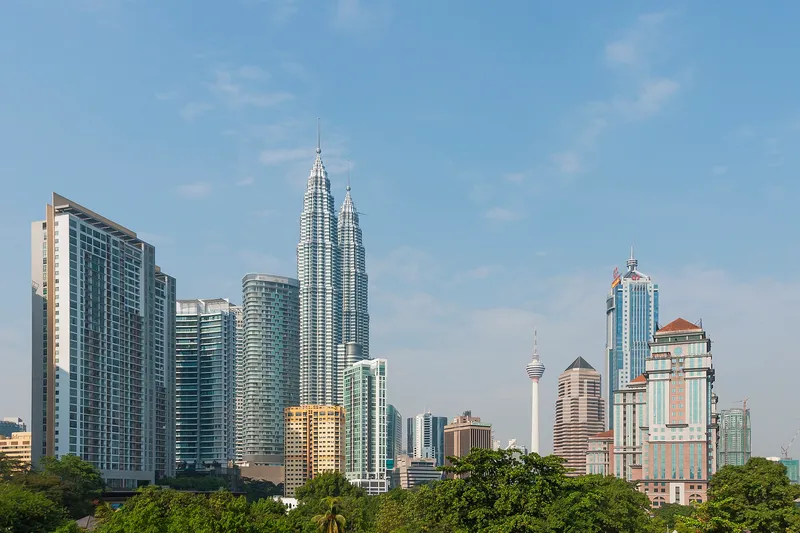 Nomad Score 7.2$1,040/moSafety 6WiFi 7Value 7
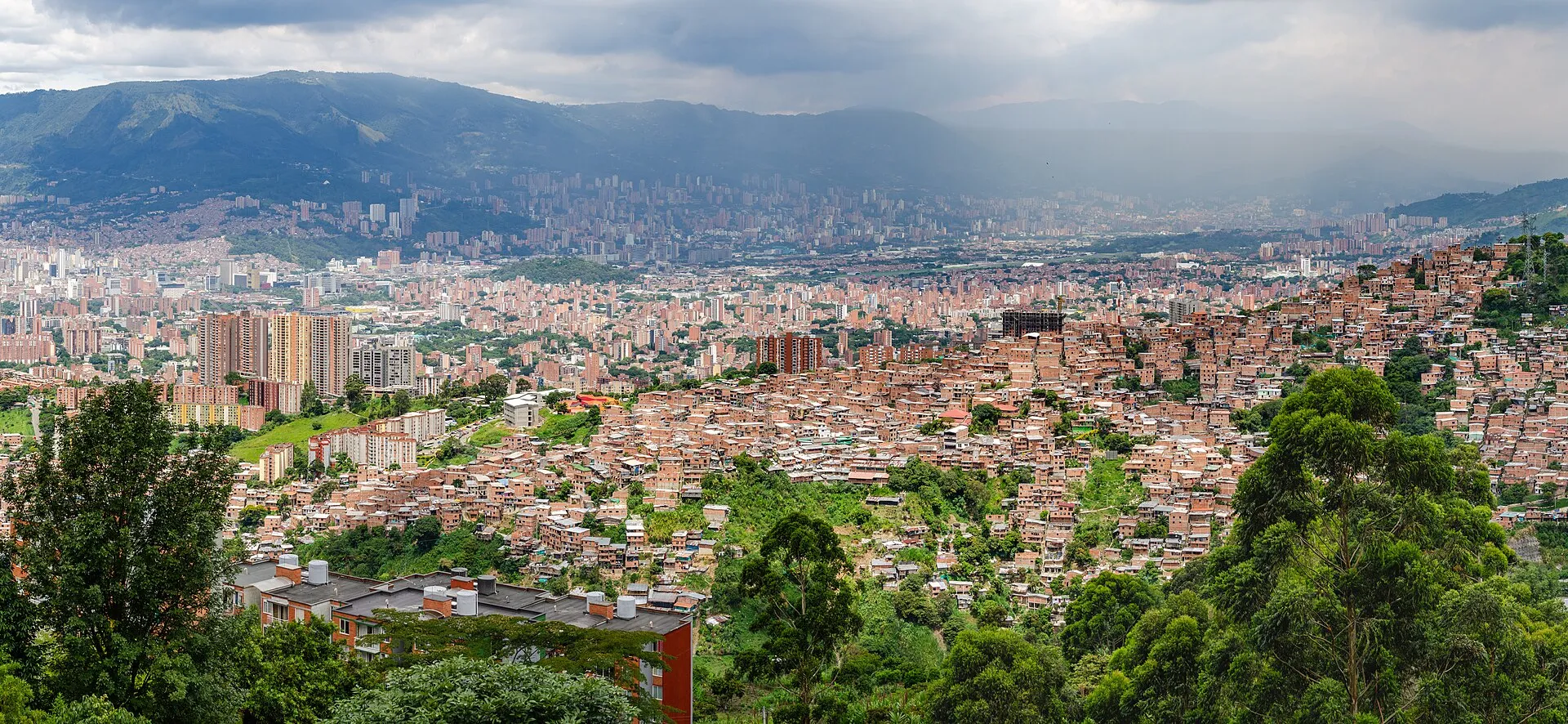
If you need things to simply work, Kuala Lumpur is the Malaysian answer. WORQ runs nine coworking sites beside MRT and LRT stations with 24-hour access, home fibre often comes with the rent, and the KLIA Ekspres reaches the airport in 28 minutes. From there, direct flights go to Europe, Australia and across Asia. At $1,040 a month it is the dearest of the ten. The city was built for cars, so you cross blocks through malls, and haze from Sumatran fires can foul the air in August and September.
-
4
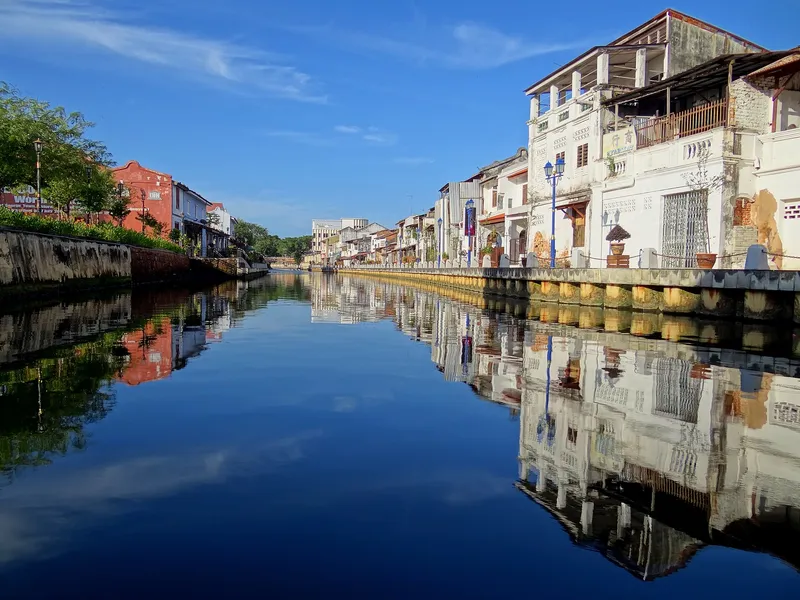 Nomad Score 6.7$890/moSafety 8WiFi 5Value 9
Within a heritage core only about 1.2 km across, Malacca packs Stadthuys, Christ Church, Jonker Street and a Nyonya food tradition of chicken rice balls and satay celup. Our estimate is $890 a month. Grind Shack in Bukit Beruang is the desk most remote workers use, at around $5 a day. Outside the heritage zone the city is not walkable, there is no major airport, and the remote-work crowd is tiny. Weekend crowds fill the old town, and Kuala Lumpur is about two hours away by express bus. Unlike the Borneo cities, Malacca falls inside the DE Rantau pass.
-
5
 Nomad Score 6.7$800/moSafety 7WiFi 7Value 7
Oil built Miri, which grew up around Shell's first Malaysian well, and that industry left it with better business infrastructure and more English than a town its size usually has. Fibre from Unifi and Maxis reaches most of the city and power is reliable. Our estimate is $800 a month. The real reason to be here lies beyond the city: small planes to the caves of Gunung Mulu, the Niah Caves two hours south, and Brunei just up the coast. The town is plain, its beaches forgettable. Being in Sarawak, it is outside the DE Rantau pass, and the state sets its own entry stamp.
-
6
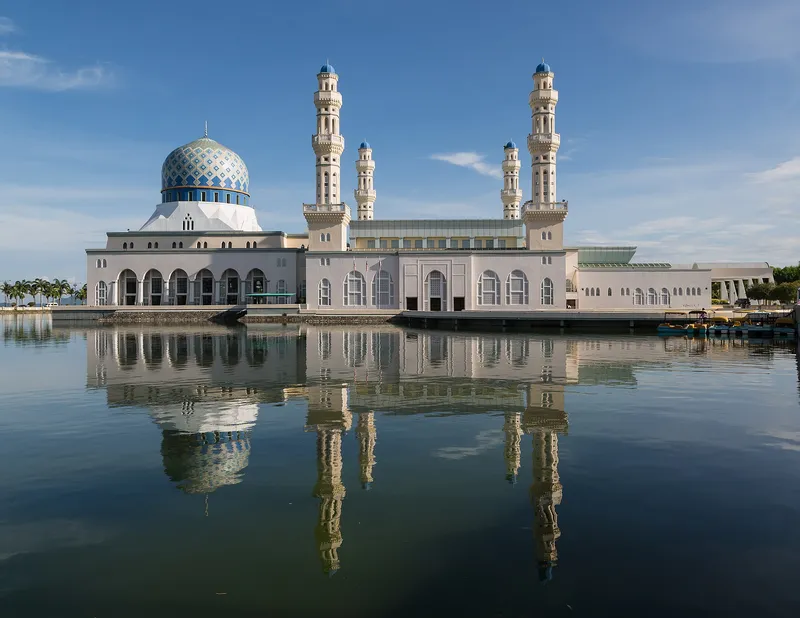 Nomad Score 6.5$850/moSafety 7WiFi 5Value 8
Island parks and coral reefs lie just offshore from Kota Kinabalu, with Mount Kinabalu rising inland, which makes it the outdoors pick among Malaysia's cities. A month costs about $850. OPIS Co-working inside the Toojou hotel runs 24 hours with free coffee, and city-centre wifi carries video calls. Grab is the daily transport since buses are sparse, and the airport is 15 to 25 minutes from town. Rain peaks in October at 387mm, while February and March stay under 100mm. Sabah runs its own immigration and the DE Rantau pass does not reach it, so a stay lasts as long as the visa-free stamp.
-
7
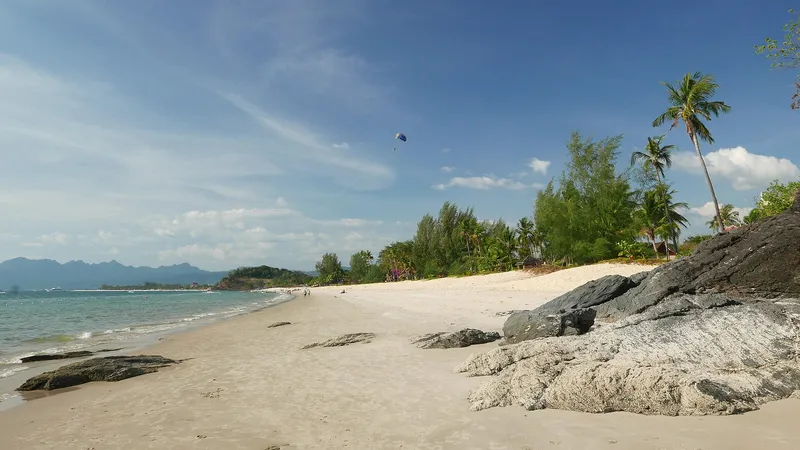 Nomad Score 6.3$780/moSafety 8WiFi 5Value 7
Duty-free status makes Langkawi the rare island where imported goods and alcohol cost less than on the mainland. Our estimate is $780 a month. Jetpack Langkawi in Pantai Cenang, open since 2017, is the original coworking room but seats only about six. Home fibre needs a 12-month contract, so short stays lean on mobile data. You need a scooter or car, as Grab drivers are scarce. The mangroves, rainforest and beaches of a UNESCO Geopark fill the weekends, and AirAsia flies direct to Kuala Lumpur, Penang, Singapore and Bangkok. From late April to October the monsoon brings rough seas and more power cuts.
-
8
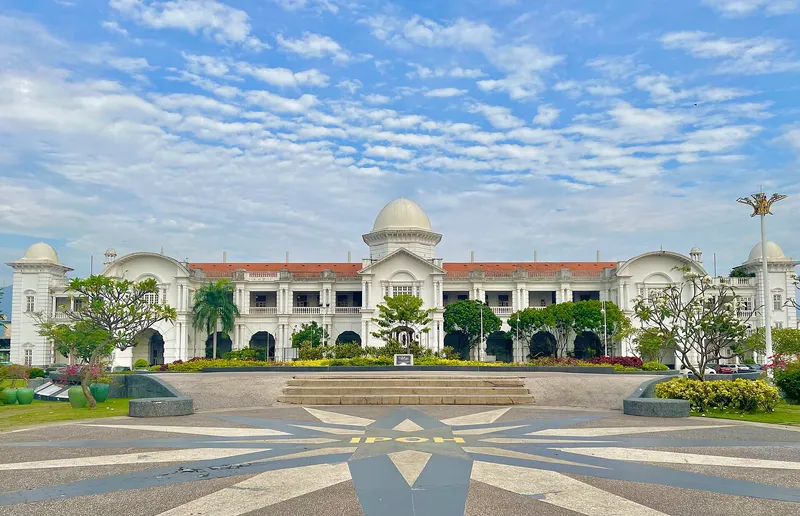 Nomad Score 6.3$700/moSafety 8WiFi 5Value 9
White coffee and a plate of hor fun in an Old Town kopitiam cost under $2.50, and a whole month in Ipoh runs about $700. Limestone hills, caves and hot springs are within half an hour, and the ETS train reaches KL Sentral in about two hours and Penang in about 90 minutes. Incubator4u is the best-known coworking space, and Cold Blue Specialty Coffee has a quiet upper floor for focused work. The trade-offs are a thin nomad scene, buses that stop around 8pm and haze between June and October. Penang is the natural next move once Ipoh starts to feel small.
-
9
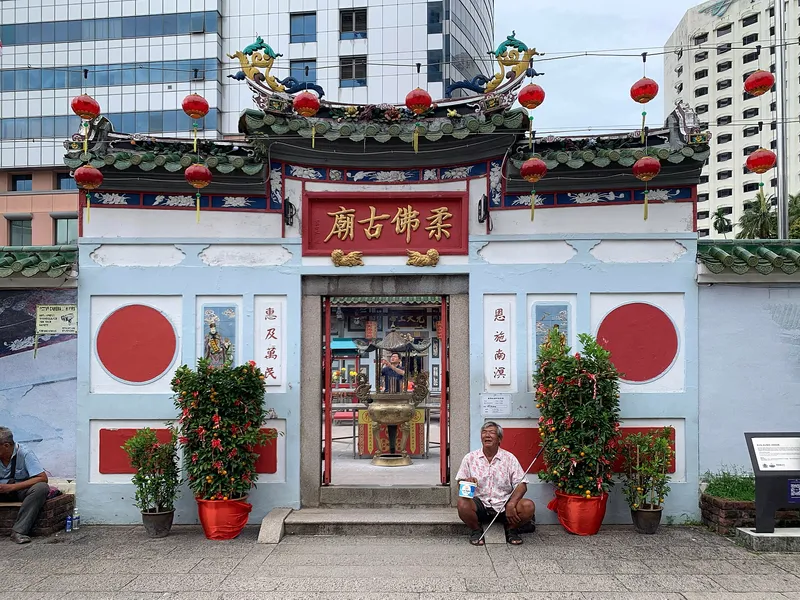 Nomad Score 6.3$870/moSafety 6WiFi 7Value 8
Singapore sits across the causeway from Johor Bahru, and that is the point: a Causeway Link bus crosses in 10 to 20 minutes, plus whatever the immigration queue adds. A month here costs about $870. INFINITY8 runs six coworking sites at $10 a day, fibre is widespread and mobile data is cheap. The city sprawls, pavements break off, and Grab is how you get anywhere. A rail link to Singapore, the RTS, is due to open at the end of 2026. Haze can drift in from July to September, and the nomad community is small.
-
10
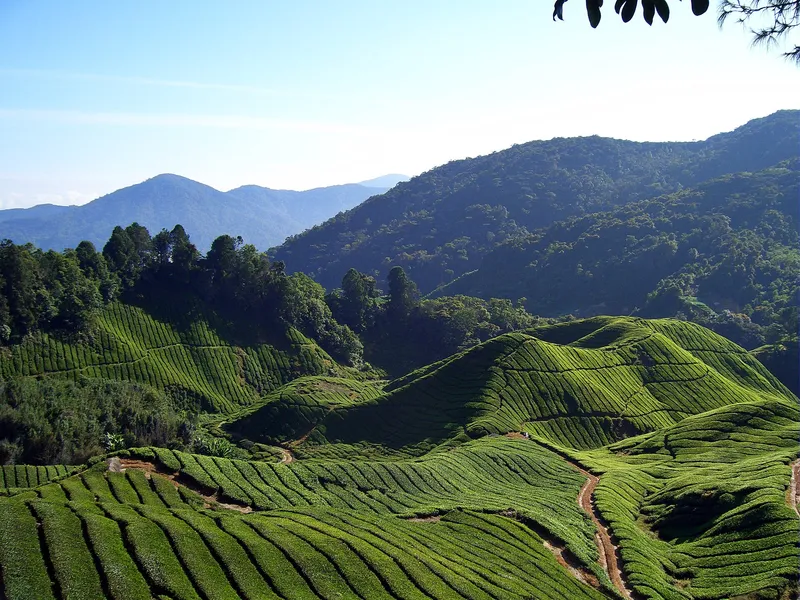 Nomad Score 6.3$900/moSafety 8WiFi 5Value 7
Sleeping under a blanket in the tropics is the draw of the Cameron Highlands. At around 1,500 metres, highs stay between 21C and 23C all year. Nobody needs air conditioning, and vegetables from the surrounding farms are cheap at the market. Our estimate is $900 a month. There is no coworking space, and fixed lines in Tanah Rata are usable but slow, dropping in heavy rain, so test a property before you commit. Kuala Lumpur is about four hours by bus. Weekends bring crowds of domestic visitors, and the October to December rains can trigger landslides on the access roads.
Pick by what you need around you. For coworking, flights and other remote workers, Kuala Lumpur, with Penang as the slower, tastier alternative. For a cheap, calm year on the nomad pass, Ipoh or Malacca, and Johor Bahru if your clients are in Singapore. For a season of nature, Kuching or Kota Kinabalu on the visa-free stamp, Langkawi for the sea, and the Cameron Highlands when the heat gets too much. Penang and Langkawi are short hops from southern Thailand, so a winter here pairs naturally with the best Thai bases for remote work.
Frequently asked questions
What is the best city in Malaysia for digital nomads?
Kuching heads our list: it is the cheapest city here at $690 a month, safe and calm, with excellent food and Borneo's rainforest on the doorstep. It has a small remote-work scene and sits outside the DE Rantau pass. For coworking and community, Kuala Lumpur and Penang are the stronger bases.
What is the cheapest city in Malaysia for remote work?
Kuching, at $690 a month. Ipoh follows at $700 and Penang at $740. All three figures come from Numbeo survey data. Kuala Lumpur is the dearest of the ten at $1,040.
Can I use the DE Rantau Nomad Pass anywhere in Malaysia?
No. The pass covers Peninsular Malaysia and the Federal Territory of Labuan. Sabah and Sarawak run their own immigration, so a pass holder entering Kuching, Miri or Kota Kinabalu does so on a tourist stamp. Penang, Kuala Lumpur, Ipoh, Malacca, Johor Bahru, Langkawi and the Cameron Highlands are all inside it.
Kuala Lumpur or Penang: which suits a remote worker better?
Kuala Lumpur, at $1,040 a month, has the deeper coworking scene, rail to the airport and long-haul flights, but it is built for cars and gets haze. Penang, at $740, has the better food and a walkable heritage centre, with weaker cafe wifi and a smaller scene. Both are covered by the DE Rantau pass.
How are these Malaysian cities ranked?
By overall Nomad Score, our composite of 13 categories such as cost, climate, internet, safety, food and English. We cover ten Malaysian cities and all of them appear here. Cities that share a score have no order between them.