For a remote worker, the internet connection is not a background utility. It is the floor everything else stands on. A stunning apartment with cheap rent means nothing if your camera freezes during a client call or a file refuses to sync before a deadline. Upload speed, latency, and above all consistency decide whether a city can actually hold your working life, not just your weekends.
The hard part is that reliability rarely travels alone. The places with the most dependable fiber tend to be expensive, tightly governed, or built around a temperate rather than tropical climate. Cheaper cities can surprise you with excellent networks, but they can also surprise you with an outage the morning of a launch. That tension runs through this entire list: nearly every city here trades something else, whether cost, weather, or visa ease, for the confidence of a connection that simply works.
Read the ranking as a shortlist, not a verdict. Every city below scores at the top of our index for connectivity, so the order reflects fine distinctions rather than large gaps. Weigh the internet score against what else matters to you, budget, time zone, community, and use each blurb to understand the specific tradeoff you would be accepting. The goal is a base where your work is the last thing you have to worry about.
Cities are ranked by their WiFi score across our 1,000-city index, with ties broken by the overall Nomad Score. Explore the numbers yourself on the comparison tool or browse all 999 city guides.
At a glance
 San Diego
A rare city that pairs top-tier connectivity with excellent weather, nature, and near-universal English, so your work rarely competes with your surroundings.
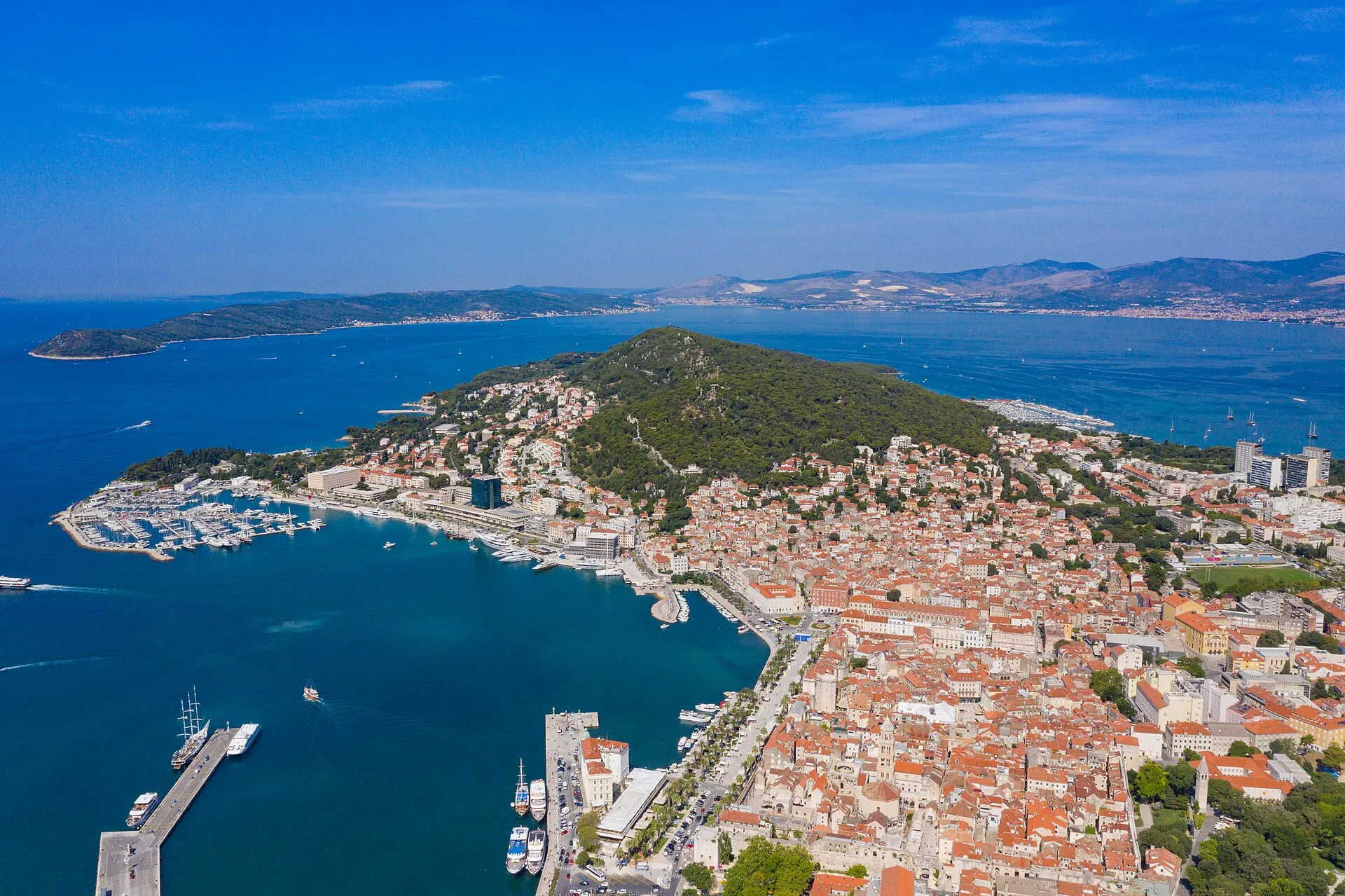
Best value Groningen
Dutch fiber reliability and a walkable, English-fluent student city at $2,280 a month, in the cheaper half of this list.
Best for tech workers Seoul
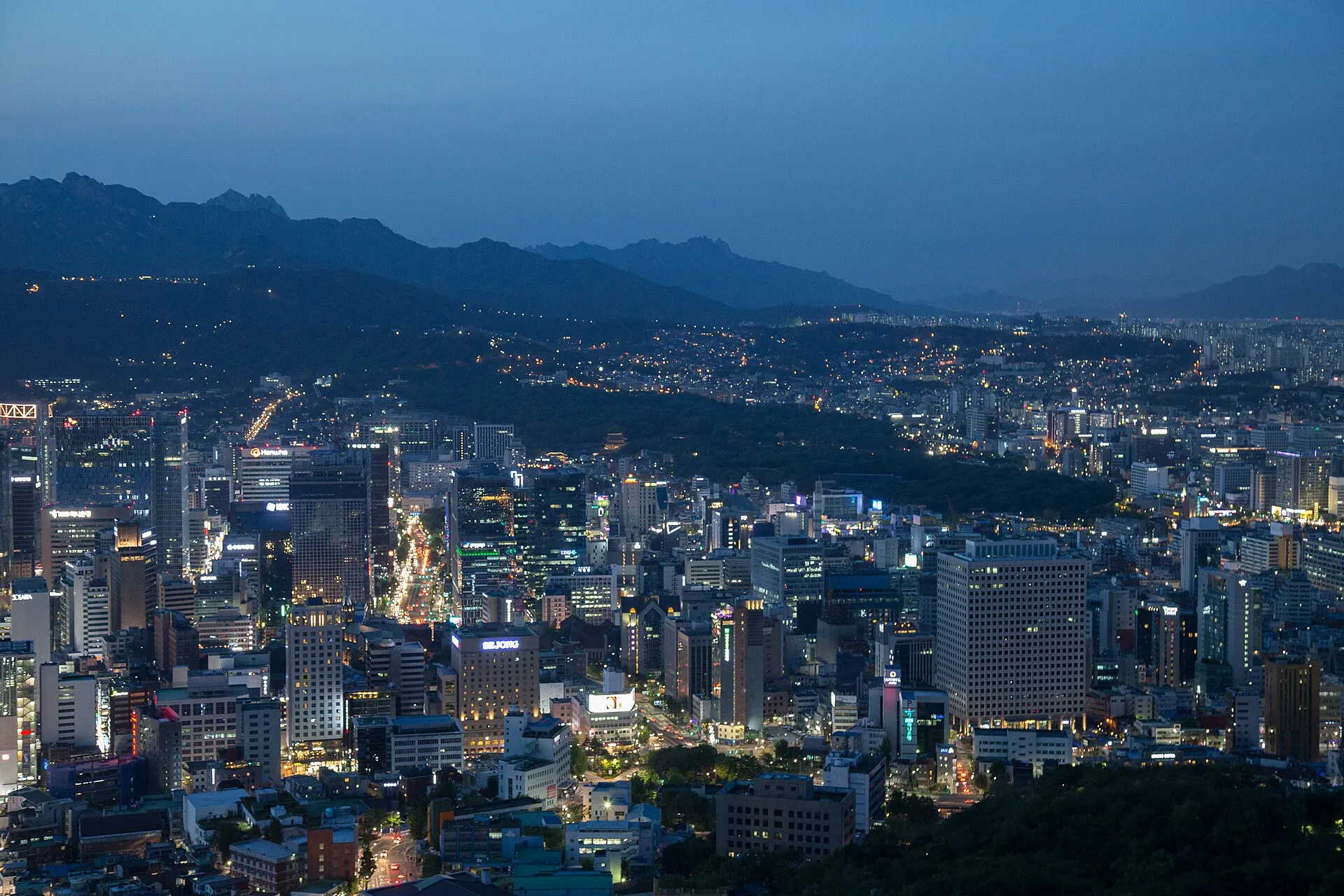
SeoulSeoul's ubiquitous high-speed networks, dense cafe and coworking scene, and late-night infrastructure suit engineers who keep unusual hours and push large builds.
What to weigh before you book
A connectivity score captures the strength of a city's networks, but not the quirks of your specific unit. Older buildings, shared lines, and budget listings can lag well behind the national standard, so confirm the actual connection before signing a lease rather than trusting the city average. A mobile plan with generous data is cheap insurance: it turns a router outage from a crisis into an inconvenience, and lets you take a call from a park or a train.
Also think about what fast internet is for. If your work is video-heavy, upload speed and latency matter more than the headline download number that speed tests advertise. Time zone is its own quiet factor, since a flawless connection cannot fix a call scheduled at 3 a.m. Coworking spaces and cafes vary block to block, so it pays to scout two or three reliable spots early. The score points you to cities where all of this is easier, not to a guarantee.
The ranking
-
1
 WiFi 10/10Nomad Score 8.5$3,840/moSafety 10Value 2Community 7
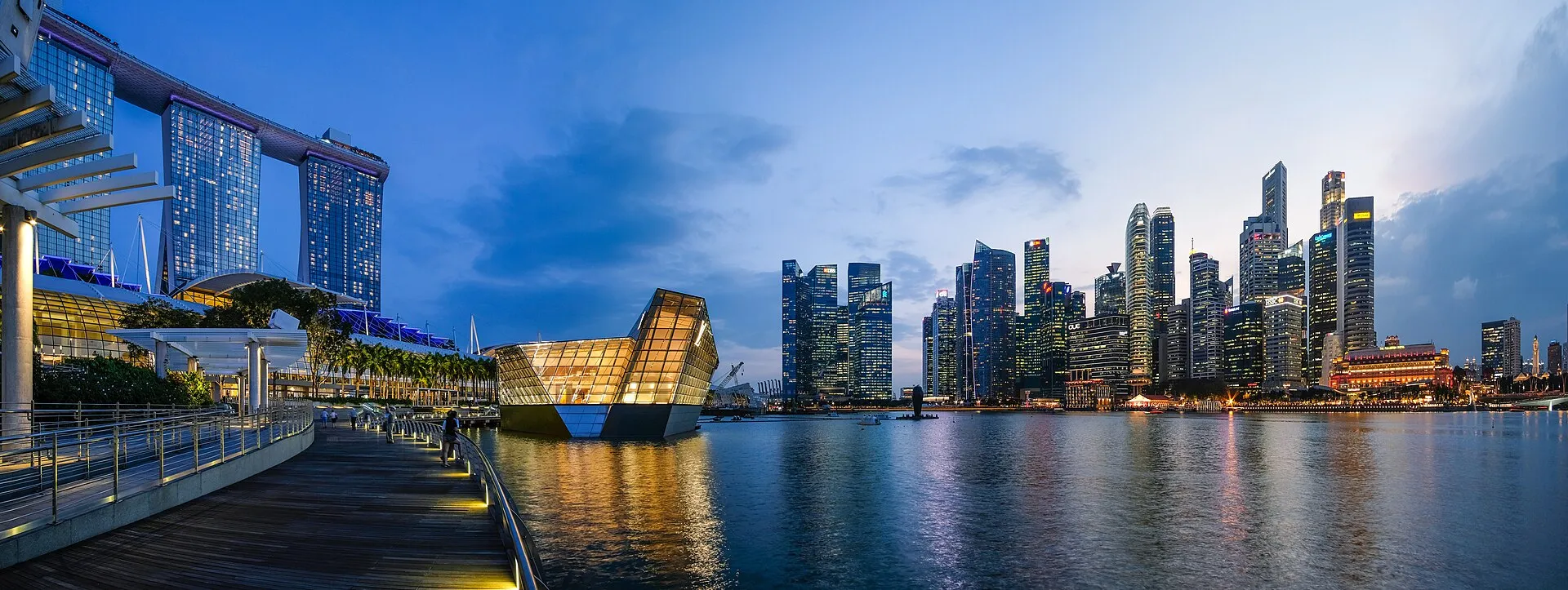
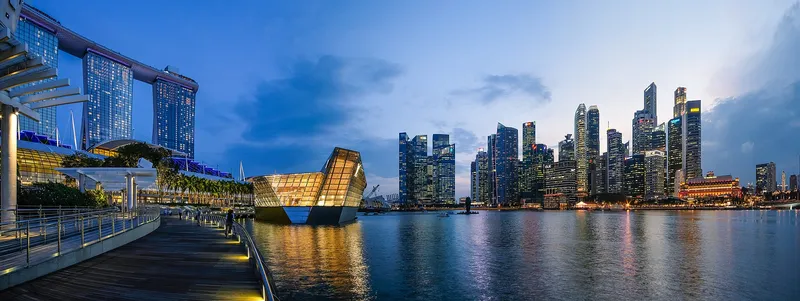
Few places make connectivity feel this effortless. Singapore's fiber network is among the most complete anywhere, and its density means a strong, stable signal follows you from apartment to cafe to airport lounge. Video calls hold, large uploads finish quickly, and the reliability is boringly consistent, which is exactly what you want. Coworking is polished and plentiful, English is universal, and mobile data is fast citywide. The tradeoff is blunt: at $3,840 a month this is one of the priciest bases here, and the tropical humidity never really lets up, so you pay a premium for a connection you can forget about.
-
2
 WiFi 10/10Nomad Score 7.2$3,350/moSafety 9Value 2Community 7
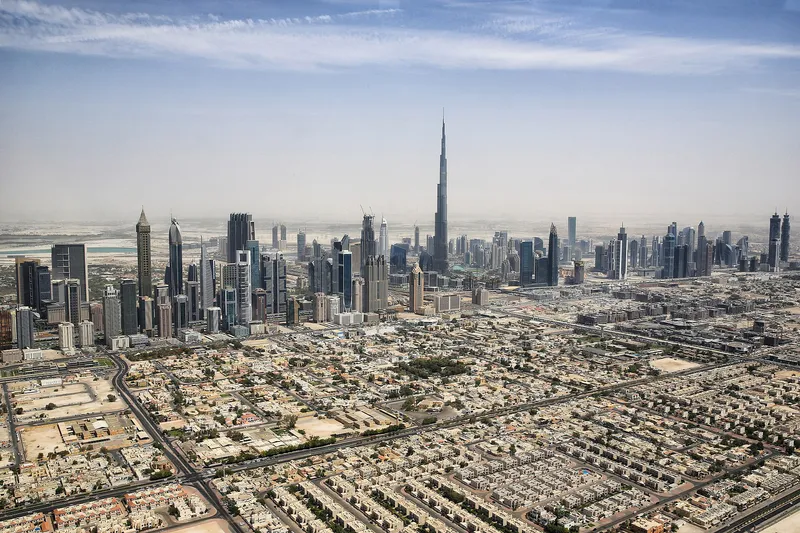
A futuristic skyline and tax-free living in the desert oasis.
-
3
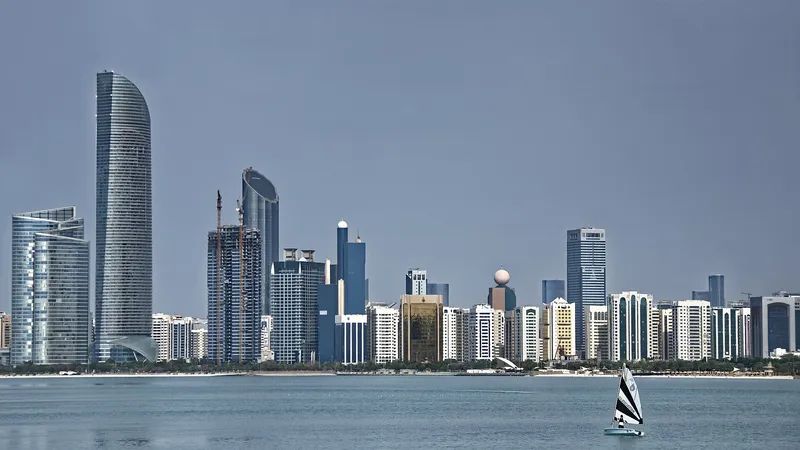 WiFi 10/10Nomad Score 6.7$2,700/moSafety 10Value 2Community 5
Oil wealth meets cultural ambition in this desert metropolis.
-
4
 WiFi 9/10Nomad Score 8.9$4,400/moSafety 7Value 2Community 6
San Diego offers something unusual: dependable American broadband without the gray weather that usually comes with a strong network. Connections are quick and stable enough for a full day of calls, coworking is professional, and the city's tech corridor keeps cafes friendly to laptop workers. What sets it apart is the balance, since the climate, coastline, and outdoor life mean your off-hours are as good as your working ones. The tradeoff is cost. At $4,400 a month it sits among the more expensive bases, and Southern California prices reward those who commit rather than those passing through.
-
5
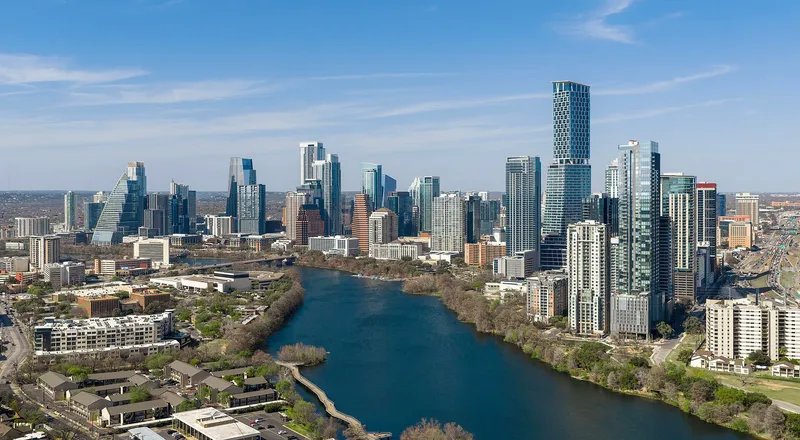 WiFi 9/10Nomad Score 8.3$2,920/moSafety 6Value 3Community 8
Austin's tech boom brought infrastructure with it, and the internet reflects that. Connections are fast and dependable, coworking is everywhere, and cafes expect laptops rather than merely tolerating them, which makes the daily logistics of remote work easy. The music, food, and startup energy give your off-hours a real pulse, and the community of remote workers is one of the strongest on this list. Summers are punishing and the city's growth has pushed costs up, with $2,920 a month now typical, but for an English-speaking base that blends reliable connectivity with genuine social life, Austin earns its place.
-
6
 WiFi 9/10Nomad Score 8.3$3,880/moSafety 5Value 2Community 8
Los Angeles delivers strong, reliable broadband across a city built for the creative and tech industries, so cafes, coworking spaces, and studios are all set up for people who work online. Connections handle uploads and calls without drama, and the sheer density of laptop-friendly venues means you are never short of options. The real tradeoffs are cost and friction: at $3,880 a month it sits in the priciest handful here, traffic swallows time, and safety and air quality lag the leaders. But the community is large and the industry proximity is unmatched for creative remote workers.
-
7
 WiFi 9/10Nomad Score 8.3$5,200/moSafety 5Value 1Community 8
The foggy, hilly heart of global tech, where cable cars, Victorian rowhouses and the Golden Gate frame a famously expensive but endlessly creative bay city.
-
8
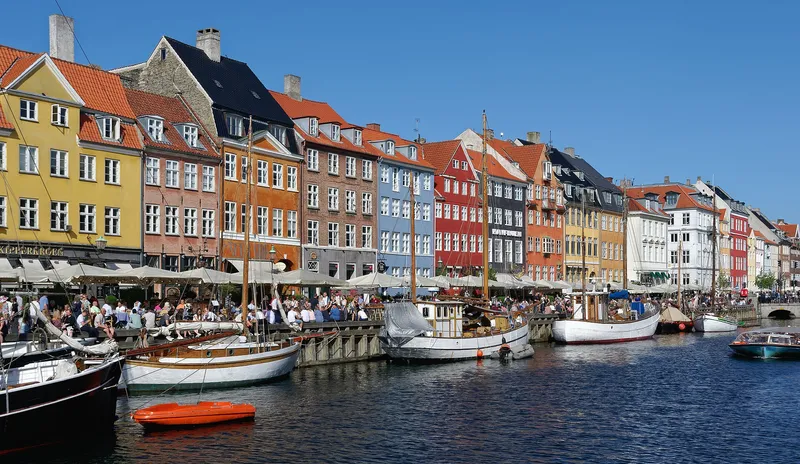 WiFi 9/10Nomad Score 8.2$2,960/moSafety 9Value 2Community 6
Copenhagen combines dependable Nordic internet with a quality of daily life that keeps remote workers rooted. Connections are quick and steady, coworking spaces are well designed, and the city's cycling culture means you can reach a reliable desk without ever touching a car. English is widely spoken and the food scene is exceptional. The tradeoffs are cost and climate, since $2,960 a month buys a comfortable but not cheap base, and winters lean cold and dark. For a nomad who wants seamless connectivity wrapped in design, comfort, and calm, Copenhagen makes a strong case.
-
9
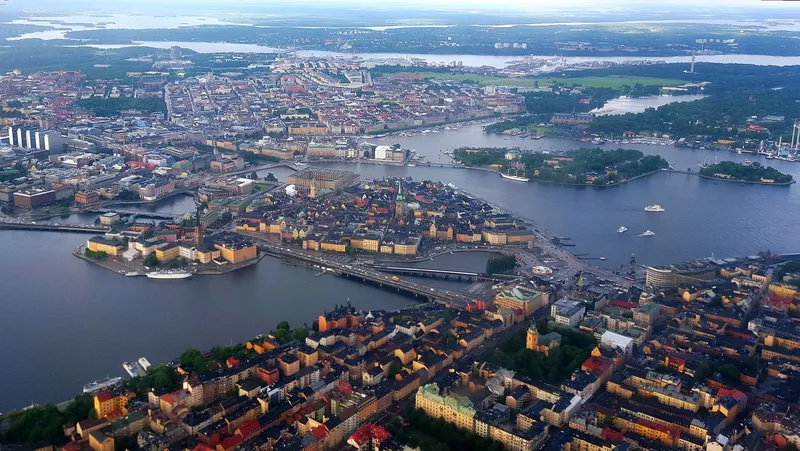 WiFi 9/10Nomad Score 8.2$2,820/moSafety 8Value 2Community 6
Spread across fourteen islands, Stockholm still delivers a connection that never seems to notice the water. Sweden's fiber reach is deep, speeds are high, and reliability is the kind you stop thinking about, which frees you to focus on the work rather than the network. Coworking is modern and cafes are comfortable for long sessions. English is near-universal and design excellence runs through everything. The familiar Nordic tradeoffs apply: $2,820 a month is not budget, and the winters are dark and long. But as an innovation hub with genuinely fast internet, Stockholm rewards those who can handle the cold.
-
10
 WiFi 9/10Nomad Score 8$1,870/moSafety 9Value 4Community 6
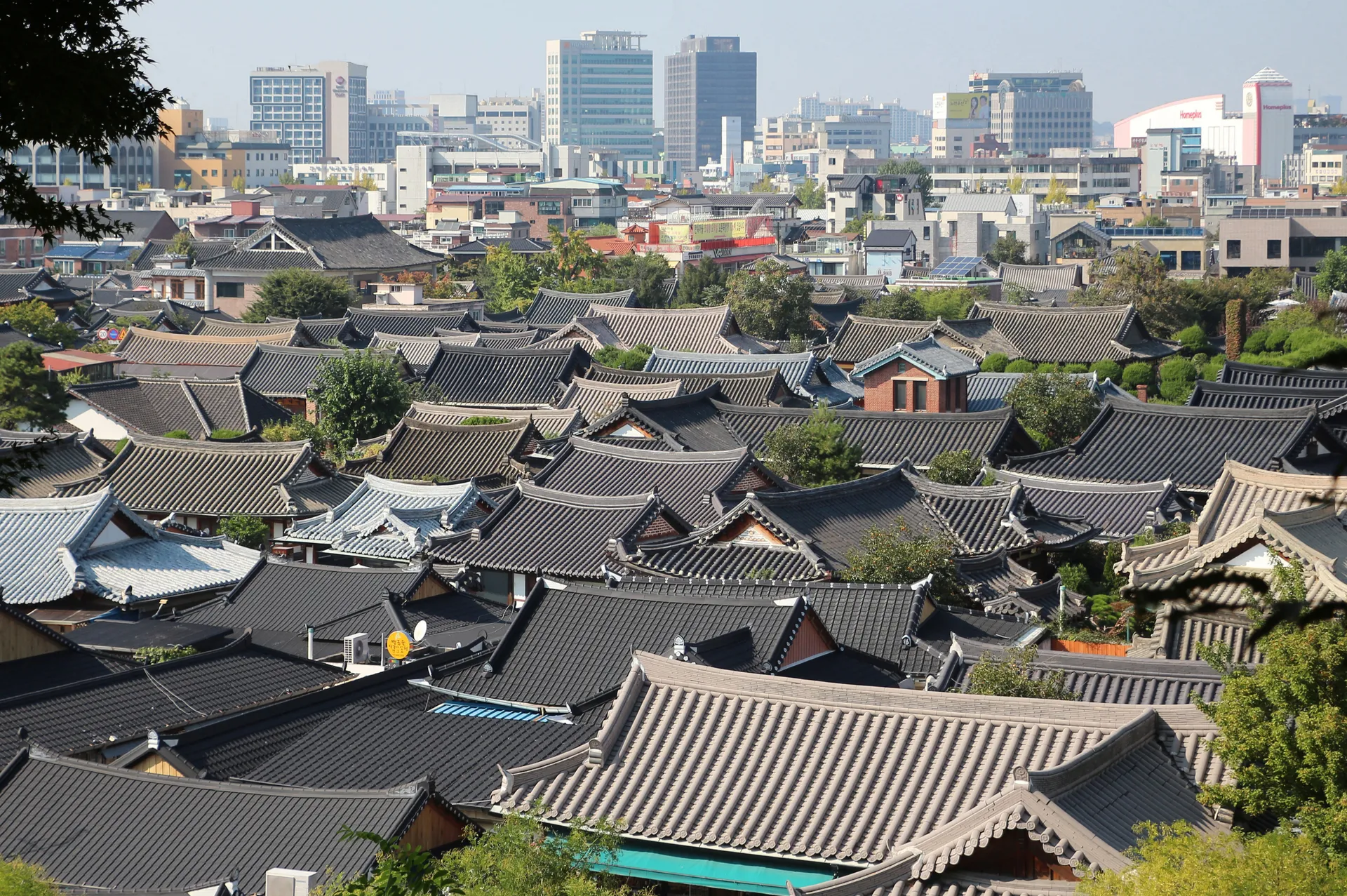
South Korea built its reputation on internet infrastructure, and Seoul is where that shows most. Speeds are high, latency is low, and coverage reaches into subway tunnels and back-alley cafes alike, so you are rarely more than a few steps from a connection strong enough for screen sharing and heavy uploads. The 24-hour culture means cafes and coworking spaces stay open when your calls run late. English is thinner than the top score suggests, and winters are cold with middling air quality, but for the price, $1,870 a month, the raw network quality is hard to match anywhere on this list.
-
11
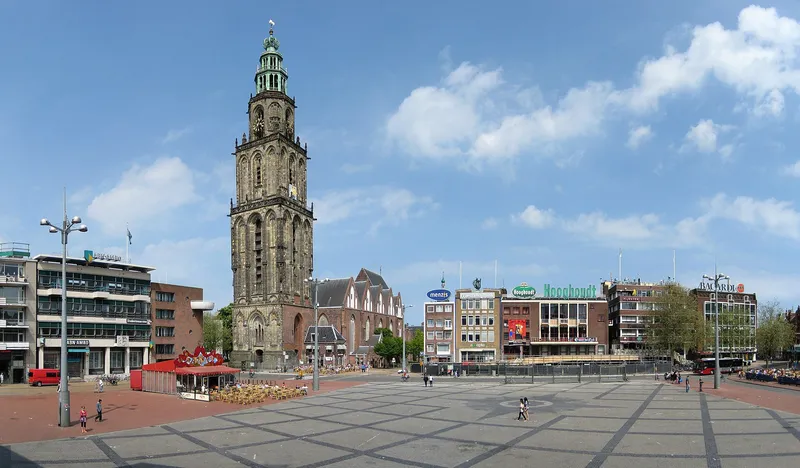 WiFi 9/10Nomad Score 8$2,280/moSafety 9Value 5Community 5
Groningen is one of the value stories of this list. Dutch internet reliability comes without the price tag of Amsterdam or the Nordic capitals, since $2,280 a month puts it in the cheaper half of the bases here. Connections are quick and stable, the compact city is entirely bikeable, and the large student population keeps cafes and coworking spots buzzing and laptop-friendly. English is widely spoken and safety is high. The tradeoff is scale: this is a small northern city, so nightlife and the nomad scene are modest and the weather is often gray. For focused, affordable remote work, it is hard to beat.
-
12
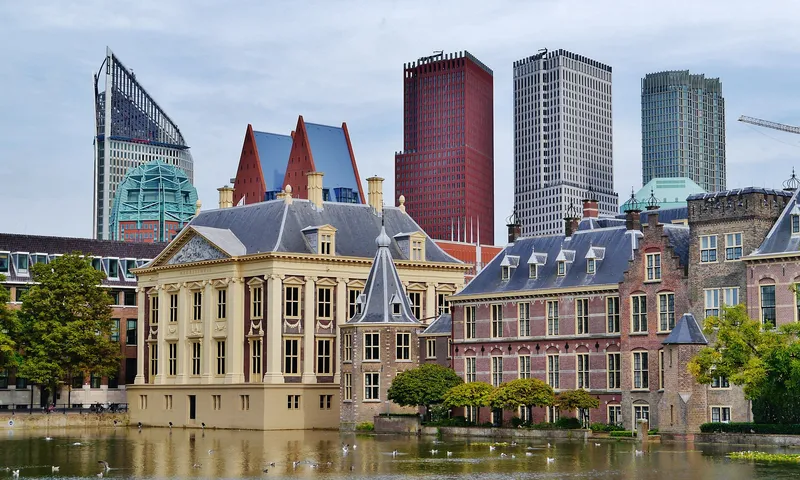 WiFi 9/10Nomad Score 7.8$2,670/moSafety 8Value 4Community 5
Experience international city of peace and justice.
-
13
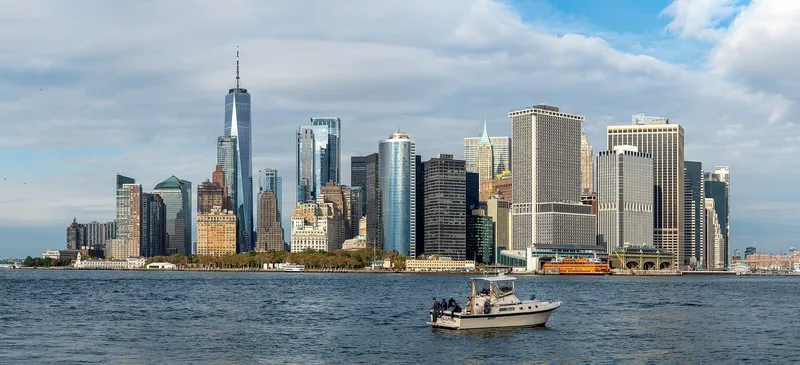 WiFi 9/10Nomad Score 7.8$5,720/moSafety 6Value 1Community 9
The city that never sleeps.
-
14
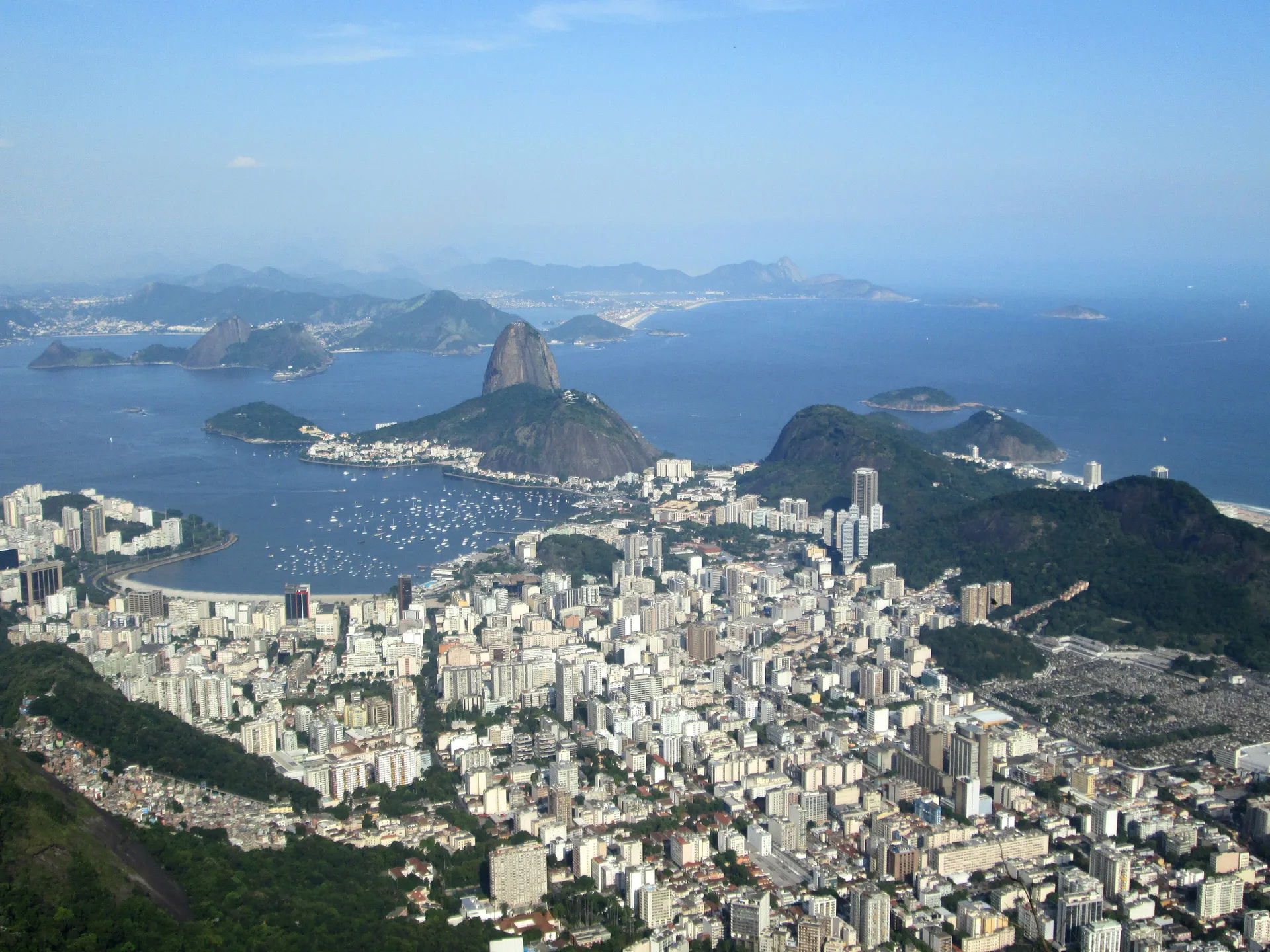
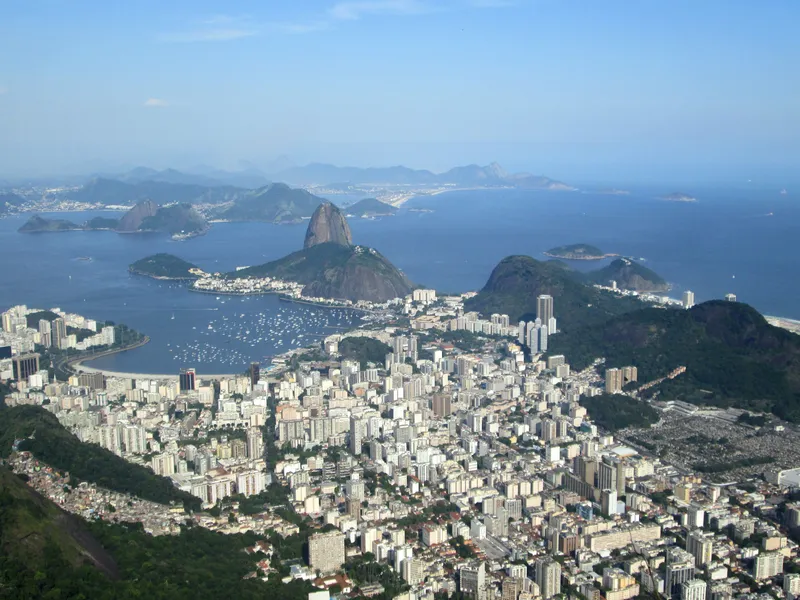 WiFi 9/10Nomad Score 7.8$1,350/moSafety 4Value 6Community 6
Brazil's beach-and-mountain metropolis of Copacabana sands, samba nights, and Sugarloaf views.
-
15
 WiFi 9/10Nomad Score 7.8$4,200/moSafety 6Value 2Community 7
The monumental American capital, packed with free world-class museums, leafy avenues and a serious, international professional crowd.





The cities above all clear the bar that matters most: an internet connection you can trust through a full day of calls, uploads, and deadlines. What separates them is everything else. Singapore, Zurich, and Los Angeles buy you reliability at a premium, while Hiroshima, Daejeon, and Sokcho prove that fast, dependable networks do not require a large budget. Between those poles sit cities that trade climate, community, or language for the same quiet confidence in the connection.
Start from the tradeoff you are least willing to make, then match it against the blurbs above. When you have a shortlist, compare cities side by side on cost, safety, and the factors that shape your daily life, or browse the full city guides to see how each one feels beyond the numbers.
Frequently asked questions
Which city has the most reliable internet for remote work?
Singapore and Seoul top our index, both scoring a perfect ten for connectivity. Singapore edges ahead on overall livability and consistency, while Seoul offers comparable network quality at a lower monthly cost. Either delivers the dependable, low-latency connection that video calls and large uploads demand throughout a full working day.
What internet speed do I actually need as a digital nomad?
It depends on your work. Video calls and screen sharing lean on upload speed and low latency more than raw download numbers, so a stable connection matters more than a headline figure. Most professional remote work runs comfortably on any of these cities' networks; the real risk is inconsistency, not insufficient peak speed, so prioritize reliability.
Are cheaper cities on this list still reliable for video calls?
Yes. Hiroshima, Daejeon, and Sokcho all sit near the top of our connectivity ranking at $900 to $1,500 a month, far less than Singapore or Zurich. The gap between the cheapest and most expensive cities here is about lifestyle, weather, and community, not network quality. Each cheaper option still supports demanding, call-heavy remote work.
Should I rely on cafe and coworking WiFi or get my own connection?
For anything important, have your own. A dedicated apartment line plus a mobile plan with generous data gives you two independent connections, so an outage in one is only an inconvenience. Reserve cafe and coworking WiFi for lighter tasks or as a backup, and always test a rental's actual connection before committing.
Does a high internet score mean my specific apartment will be fast?
Not necessarily. The score reflects a city's overall network strength, but older buildings, shared lines, and budget listings can trail well behind the national standard. Before signing any lease, confirm the actual connection in that unit, ideally with a speed test, rather than trusting the city average to hold everywhere.