Cost of Living in Takamatsu
Where this figure comes from. No cost survey covers Takamatsu, so the $1,350 a month above is our own estimate rather than a measurement. On 416 of our 999 city guides the figure is built from a published Numbeo basket, a one-bedroom rent in the centre plus one person's monthly costs without rent, converted to USD; this city is not one of them. How we source everything.
Budget around $1,350 a month as a solo remote worker in Takamatsu, which is among the better value Japanese cities and well below Osaka or Tokyo. A one-bedroom apartment runs roughly $400 to $600, though Japanese rental practice adds key money, agency fees and often a guarantor requirement, which can mean several months upfront and is the real obstacle for a foreign tenant. Groceries are moderate and eating out is excellent value, with the local sanuki udon costing very little. Utilities are reasonable, with humid summers needing air conditioning. Local transport is cheap and the city is compact. Fibre runs about $35 to $50 a month. The udon economy is a genuine local phenomenon rather than a slogan: Kagawa is Japan's smallest prefecture and its self-appointed udon capital, and a bowl at a self-service shop costs a couple of dollars, which makes eating out cheaper than cooking for one. Short stays sidestep all of that, since monthly mansion operators and share houses let furnished rooms at a higher effective rate but without the lump sum.
Where to Work in Takamatsu
Takamatsu has a small coworking presence, less developed than the larger Japanese cities, and most remote work happens from apartments. Japanese fixed broadband is world-class in speed and reliability and is inexpensive relative to income, and mobile coverage is comprehensive across Shikoku's northern coast. The obstacles are administrative: a home connection generally requires a residence card and a Japanese bank account, so a stay of a few months usually means a furnished apartment with a line already in place or a pocket wifi rental, which is cheap and works well. Japan runs nine hours ahead of GMT, which puts European clients in the evening and American ones out of reach, and that is the structural constraint on basing here. Kagawa has courted remote workers with prefectural relocation schemes as part of the national push away from Tokyo, and the infrastructure those funded is what a visitor benefits from. Every third year the islands out in the sea here host an art festival that draws several hundred thousand visitors across three separate seasons, and in those years the ferries, the accommodation and the whole tone of the city change. In the years between, the same islands are close to empty.
Getting Around Takamatsu
Takamatsu is flat, compact and one of the easier Japanese cities to cycle, with the port, Ritsurin Garden and the covered shopping arcades all within a short ride. Local trains and a private railway cover the wider area and buses fill the gaps. The port is the reason many people come: ferries leave for Naoshima, Teshima and the other Setouchi art islands throughout the day. The Seto Ohashi bridge connects Shikoku to Honshu by rail, putting Okayama an hour away and Osaka about three. The airport has domestic connections and a few regional international routes. The Kotoden private railway runs three lines out from the centre and is the local way to reach Kotohira, where the shrine's 785 steps up Mount Zozu are one of the classic pilgrimages in Japan. Ferry timetables to the smaller islands thin considerably outside the summer months, so an autumn or winter island trip needs checking rather than assuming.
Sorting transport? Book an airport transfer, or compare car rental on Auto Europe and QEEQ.
Visas for Takamatsu
Japan grants most Western nationals ninety days visa-free on arrival, with some eligible for a further ninety-day extension. The digital nomad status introduced in 2024 allows six months for nationals of qualifying countries, subject to a high income threshold and private health insurance, and cannot be renewed back to back, so it suits a defined stay rather than an open-ended base. Longer residence runs through employment, study, the business manager route or the highly skilled professional points system. The income bar sits at ten million yen, about $63,080, a year, fixed in yen and therefore moving with the exchange rate, which is high enough to exclude a large share of the people the scheme nominally targets. Dependants may accompany the holder on a matching status, which is unusual among the shorter nomad permits. A resident leaving the country can use a special re-entry permit valid for a year without applying for anything in advance, ticked on a form at the airport, and it is the step people skip when they assume the residence card by itself gets them back in.
Best Time to Visit Takamatsu
Late October and November are the best weeks, with warm dry days, clear air and the autumn colour in Ritsurin Garden, which is the single most photographed thing in the city. Spring in late March and April brings the cherry blossom and the start of the sailing weather on the Inland Sea. Summer from June to September is hot and humid, with a rainy season through June and typhoons possible into September, though Shikoku's northern coast is drier than most of Japan thanks to the mountains behind it. Winter is mild with highs around ten. The Setouchi Triennale, held across the Inland Sea islands every three years in spring, summer and autumn sessions, transforms the whole region and fills accommodation for months, so it is worth checking whether a planned stay collides with it. The Inland Sea's sheltered position also gives Kagawa the lowest rainfall of any Japanese prefecture.
Pros and Cons of Takamatsu
Takamatsu is the practical base for the Setouchi art islands, has one of Japan's finest gardens inside the city, sits on a calm inland sea with more sunshine than most of the country, and costs a fraction of the big cities. Sanuki udon is a genuine local institution rather than a marketing line. English is limited, the nightlife is thin, and there is no foreign community to join, and Shikoku is the least visited of Japan's main islands, which is either the appeal or the drawback depending on temperament. The Setouchi Triennale also runs only every three years, so the art islands are considerably quieter outside it than the photographs suggest. Ritsurin Garden is regularly rated among the finest gardens in Japan and is in the city itself rather than a day trip, with six ponds and thirteen landscaped hills laid out over roughly a century from the early seventeenth century.
Who Takamatsu Is For
A real Japanese provincial city rather than an international enclave, which works best with some Japanese already or the intention to learn. The Setouchi Triennale and the art islands are why most people come at all. Cyclists have their own case, and the Inland Sea's mild weather is what makes a longer stay comfortable. Wanting English, a night out or colleagues from anywhere else means crossing the bridge to Osaka rather than staying on Shikoku. The provincial pace is the deciding question, because the same quiet reads as restorative to one person and as isolation to the next, and nobody knows which they are until a month in. Pilgrims have a practical reason to start here, since several of the eighty-eight temples on the Shikoku circuit sit within reach of the city and the route can be joined rather than begun from the far end. Contemporary art is the other reason to be on this side of the Inland Sea. Naoshima's Benesse and Chichu museums and the wider island network are reached more easily from this port than from anywhere else in Japan.
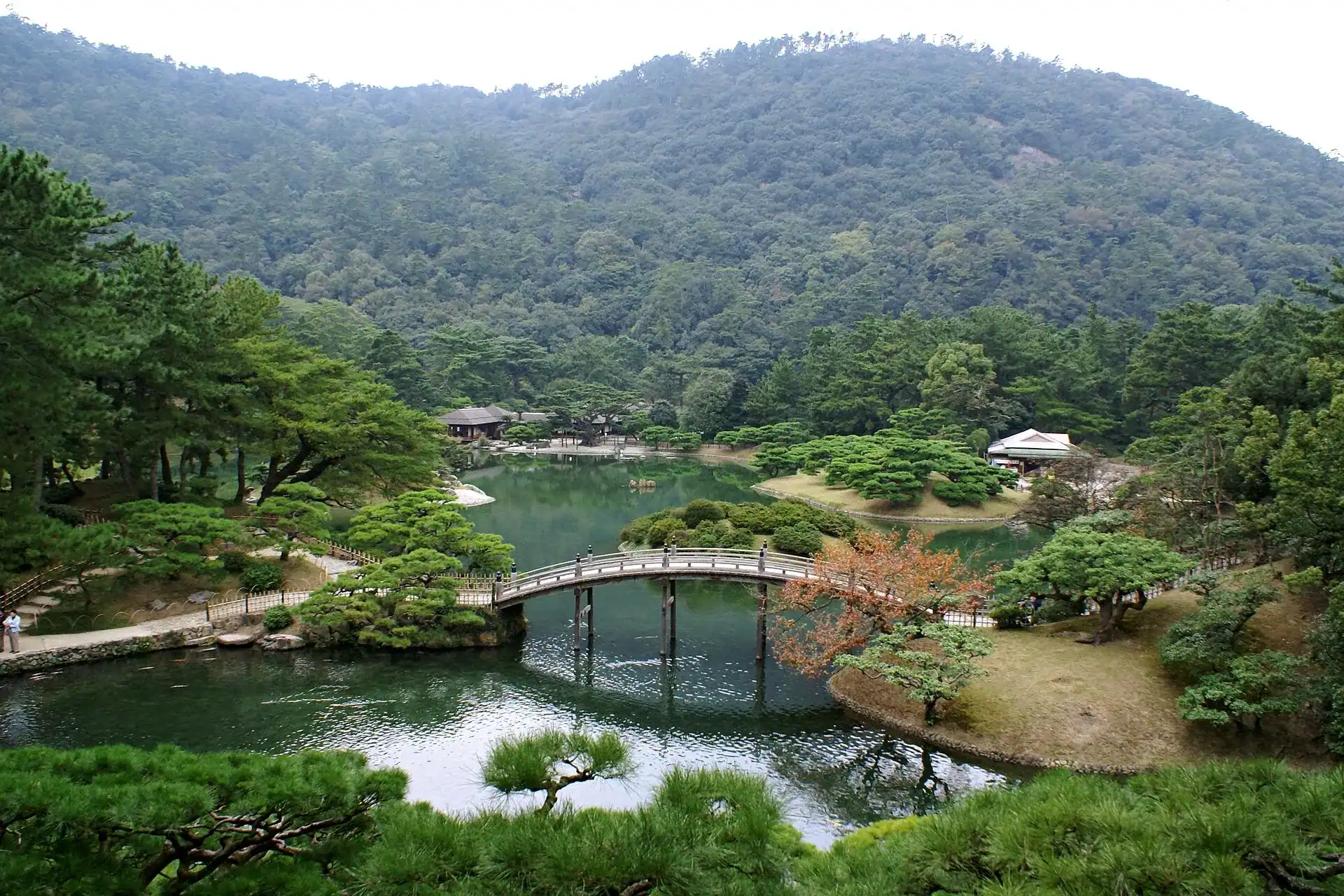 Photo: 663highland / Wikimedia Commons (CC BY 2.5)