Cost of Living in Kamakura
Where this figure comes from. No cost survey covers Kamakura, so the $1,600 a month above is our own estimate rather than a measurement. On 416 of our 999 city guides the figure is built from a published Numbeo basket, a one-bedroom rent in the centre plus one person's monthly costs without rent, converted to USD; this city is not one of them. How we source everything.
Kamakura is more affordable than central Tokyo, though it is far from a budget destination. A single nomad should plan on roughly $1,400 to $1,900 a month, depending on how you handle rent. A small flat near the station commands a premium, while sharing or living a few stops out lowers the figure considerably. Groceries and eating at local spots are reasonable, and a rail pass makes the Tokyo commute predictable. These are editorial estimates rather than precise quotes, and prices swing with the yen and the season. Weekend crowds can nudge cafe and restaurant spending upward if you are not careful. What makes this town's arithmetic different from the capital's is the commute. A monthly rail pass into the city costs real money, and once you add it to the rent the gap against living in an outer ward narrows sharply, which is the calculation most people get wrong on arrival. If you will go in twice a week, the pass is not worth it; four times and it is. The other local variable is the weekend: cafes and restaurants here price for day-trippers, and the same lunch costs noticeably less on a Tuesday than on a Sunday, which adds up over a month.
- Rent (one-bed near the station): a clear majority of your budget
- Groceries and home cooking: moderate, with fresh produce and seafood widely available
- Eating out: friendly local set meals to pricier tourist-facing spots on Komachi-dori
- Transport: an IC card or commuter pass for the frequent trains to Tokyo and Yokohama
Where to Work in Kamakura
Kamakura suits a calm, focused working rhythm rather than a buzzing coworking scene. Internet at flats and guesthouses is generally fast and reliable, so many nomads simply work from home. Independent cafes are scattered around the station, Komachi-dori and the Hase area, and several welcome laptop users during quieter hours, though seats fill fast at weekends. Dedicated coworking is limited compared with Tokyo, so some residents keep a membership in the city and travel in when they need a desk or meetings. For deep work, the temples, beaches and wooded hills nearby offer easy breaks, and Yokohama is a short train ride away for larger offices. The practical shape of a week here is decided by the trains. The line into the city is one of the most crowded in the country at commuting hours, standing room from here to the terminus, which is survivable twice a week and grim five times; anyone who needs to be in an office daily should live closer in. Going the other way, a mid-morning train is nearly empty and the journey is pleasant. The other consideration is the weekend, when day visitors fill the town and take every cafe seat with a socket beside it by ten, so a home desk is not optional.
Getting Around Kamakura
Kamakura is compact and best explored on foot, by bicycle or on its charming local railways. The JR Yokosuka Line links the town to Tokyo in around an hour, while the vintage Enoden line trundles along the coast between Kamakura, Hase and Enoshima, passing the sea and back gardens on the way. Central sights, Komachi-dori and Tsurugaoka Hachimangu sit within easy walking distance of the main station. Buses reach the hillier temples and quieter corners. Cycling is pleasant along the flatter coastal stretches, though the town gets busy on fine weekends. Most nomads find they rarely need a car here. A note on the coastal railway, because it is both charming and a bottleneck. It runs a single track for much of its length with passing loops, the carriages are short, and on a fine weekend the queue at the station in the hills can be forty minutes to board. Go early or walk the coast path instead, which is flat and takes about the same time. For the temples in the hills behind the town, the old cut-through trails between them are the better route than the bus, and they connect into a genuinely good day's walking.
Sorting transport? Book an airport transfer, or compare car rental on Auto Europe and QEEQ.
Visas for Kamakura
Kamakura follows Japan's national immigration rules, so there is nothing specific to the town itself. Many nationalities can enter visa-free for short stays, typically up to ninety days, which suits a trial visit. In 2024 Japan introduced a digital nomad visa allowing eligible nationals from certain countries to stay for up to six months while working remotely for overseas clients, subject to income and insurance conditions. Longer stays generally require a work, spouse or student status. Before relying on repeated short entries, know that officers at the border do refuse people whose pattern of visits looks like residence, and that the refusal is a denial of landing rather than a warning, which means a flight home on the same day. A gap of roughly as long as the previous stay is the rule of thumb people use, though nothing official states it. On arrival, an address is required on the landing card and it must be a real one; a hostel booking for the first night is the usual answer if the flat is not arranged yet.
Best Time to Visit Kamakura
Kamakura has a humid subtropical climate with four distinct seasons, each with its own character. Spring brings cherry blossom and mild, comfortable days, making it a popular arrival window. June is famous for hydrangeas, especially at Hase-dera and Meigetsu-in, though it coincides with the rainy season and sticky air. Summer is hot and humid but lively, with surfers and beachgoers filling the coast. Autumn offers crisp weather and fine foliage around the temples, arguably the most pleasant stretch for working and exploring. Winter is cool, quiet and clear, ideal if you prefer fewer crowds. Weekends and holidays draw heavy day-tripper traffic year round. The storms that track up this coast between late summer and early autumn bring closures and cancelled trains, and the beaches here take the swell directly, so a week in September can be spectacular or indoors. The rainy month in early summer, which the hydrangeas depend on, also means a fortnight of grey and a laundry problem in a flat without a dryer. If you are choosing one month to work here, take November: clear, cold, empty of crowds midweek, and the maples in the temple grounds are at their best.
Pros and Cons of Kamakura
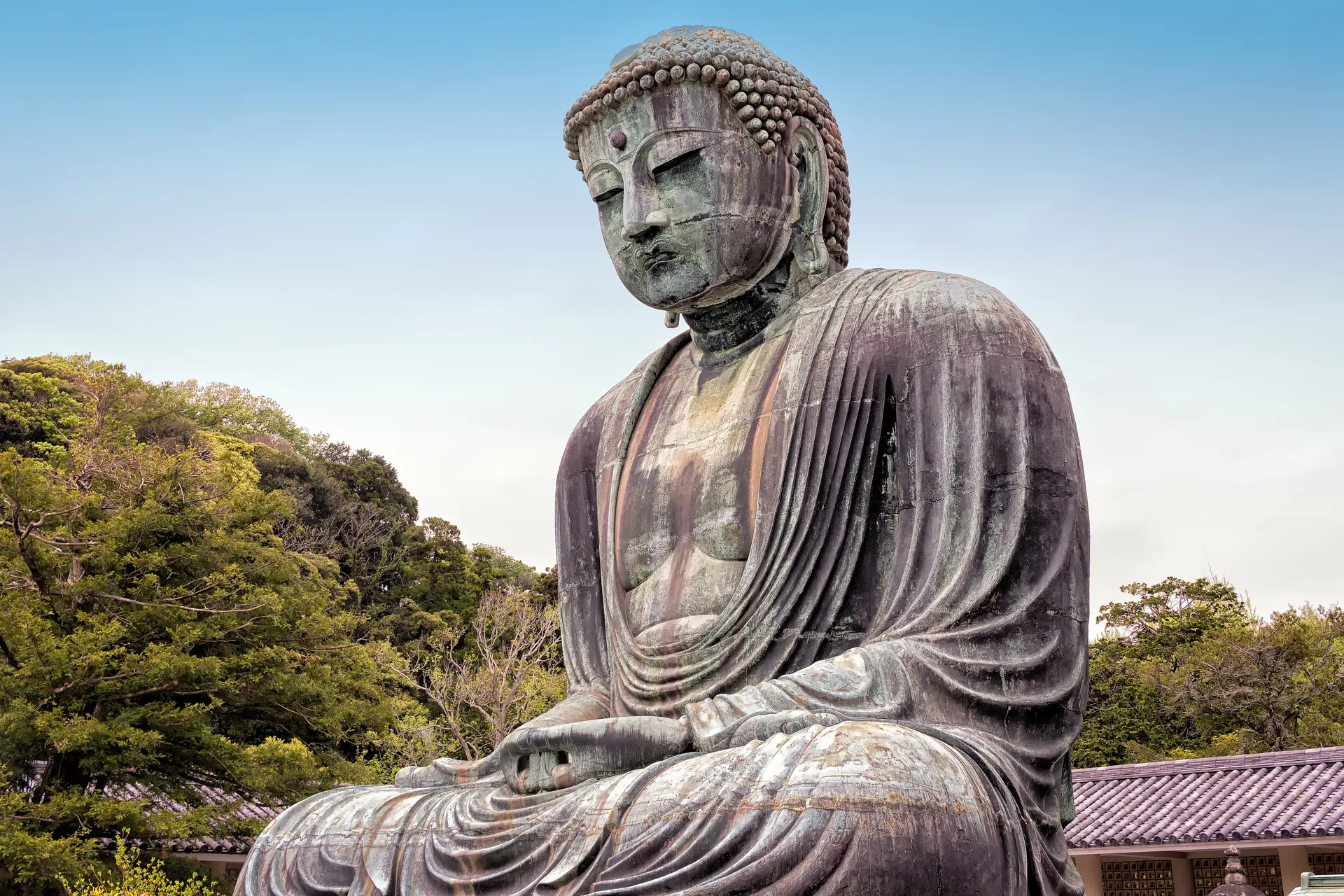
Kamakura appeals to nomads who want calm, nature and history within reach of a world city, but it asks for some compromises in exchange. The pace is gentle, the setting beautiful and the sense of safety reassuring, yet the small size and limited English can feel isolating for anyone expecting a large, ready-made expat scene. Weigh the coastal quiet against the practical realities of remote-work infrastructure and language before committing to a longer stay. The specific thing this town has is that it was the seat of government of the whole country for a hundred and fifty years, and the temples that remain are from that period rather than reconstructions of it. Walking up to one of them on a wet Tuesday in February, with nobody else there, is a different experience from the queue at the great bronze Buddha on a Sunday, and both are available. The cost of that is the Sunday. The visitor numbers run to many millions a year, almost all of them at weekends, into a town of about a hundred and seventy thousand, and the difference between a weekday and a weekend here is the single largest fact about living in it. Anyone who can arrange their week to be out of town on Saturdays and Sundays will find this an extraordinarily pleasant place.
- Pros: relaxed coastal setting, easy Tokyo access, very safe and clean, rich temple culture, surf and beaches
- Cons: limited English, small nomad community, sparse dedicated coworking, heavy weekend crowds, rents higher than rural Japan
Who Kamakura Is For
Kamakura suits the self-sufficient remote worker who values tranquillity, the outdoors and cultural depth over a busy social calendar. It is a natural fit for artists, writers, surfers and anyone drawn to Zen temples, coastal walks and a slower daily rhythm, all while staying close enough to Tokyo for meetings and city life. Those who already have their own network, or who happily work solo, will thrive here. It is a weaker match for nomads who need a large English-speaking community, nightlife or plentiful coworking on their doorstep. Come for the quiet, the sea and the history, and treat Tokyo as your backup city. Practically: a first stay of three months under the visa waiver, arriving in September or in March, is the natural shape. Take a flat one or two stations along the coast rather than by the main station; the rent drops, the weekend crowds do not reach, and the walk to the beach is the same. Learn the two phonetic alphabets before arriving, which is a weekend of work and the difference between a menu being readable and not. And find the surf, the trails or the temples early, because the thing that sustains a stay here is a routine outdoors rather than anything the town puts on.