Cost of Living in Sendai
Where this figure comes from. No cost survey covers Sendai, so the $1,600 a month above is our own estimate rather than a measurement. On 416 of our 999 city guides the figure is built from a published Numbeo basket, a one-bedroom rent in the centre plus one person's monthly costs without rent, converted to USD; this city is not one of them. How we source everything.
Sendai runs around $1600 per month for a single nomad, cheaper than Tokyo while still being a comfortable Japanese city. A furnished apartment or monthly rental in a central area typically costs $600 to $950, with short-term furnished options at the higher end and standard leases cheaper but harder to arrange short-term. Food is reasonable for Japan, and you can eat well on $350 to $500 a month by mixing supermarkets, convenience stores, and affordable local spots serving the region's specialties like gyutan grilled beef tongue. A tourist or local SIM with data runs $20 to $40 monthly. Budget $100 to $200 for a coworking membership, plus utilities, which rise in the cold winter for heating. Transport is efficient but not free, so factor in metro and train fares. Overall Sendai offers Japan's famed reliability and cleanliness at a noticeably gentler cost than the biggest cities, making it strong value by Japanese standards.
Where to Work in Sendai
Sendai offers the excellent connectivity Japan is known for, with fast, reliable fixed broadband and strong mobile coverage, so you will not need a backup SIM for reliability the way you would in India, though a data SIM is still handy for getting around. Coworking spaces exist downtown around the station and central business districts, offering day passes and monthly memberships, and the quality and etiquette are high. Cafe culture is strong, with plenty of quiet, comfortable cafes and chains like the ubiquitous coffee shops where laptop work is common and outlets are often available, making cafe-based work easy and pleasant. Public wifi is available but a personal connection or SIM is more dependable. As a university city home to Tohoku University, Sendai has a studious, relaxed atmosphere well suited to focused work. For remote workers, the combination of rock-solid internet, good cafes, and central coworking makes daily productivity effortless. The university runs an international research institute on disaster science, set up after the tsunami of 2011, and the reconstruction of the coast east of the city has made this a centre for that field worldwide. It is the most distinctive professional thing about the place.
Getting Around Sendai
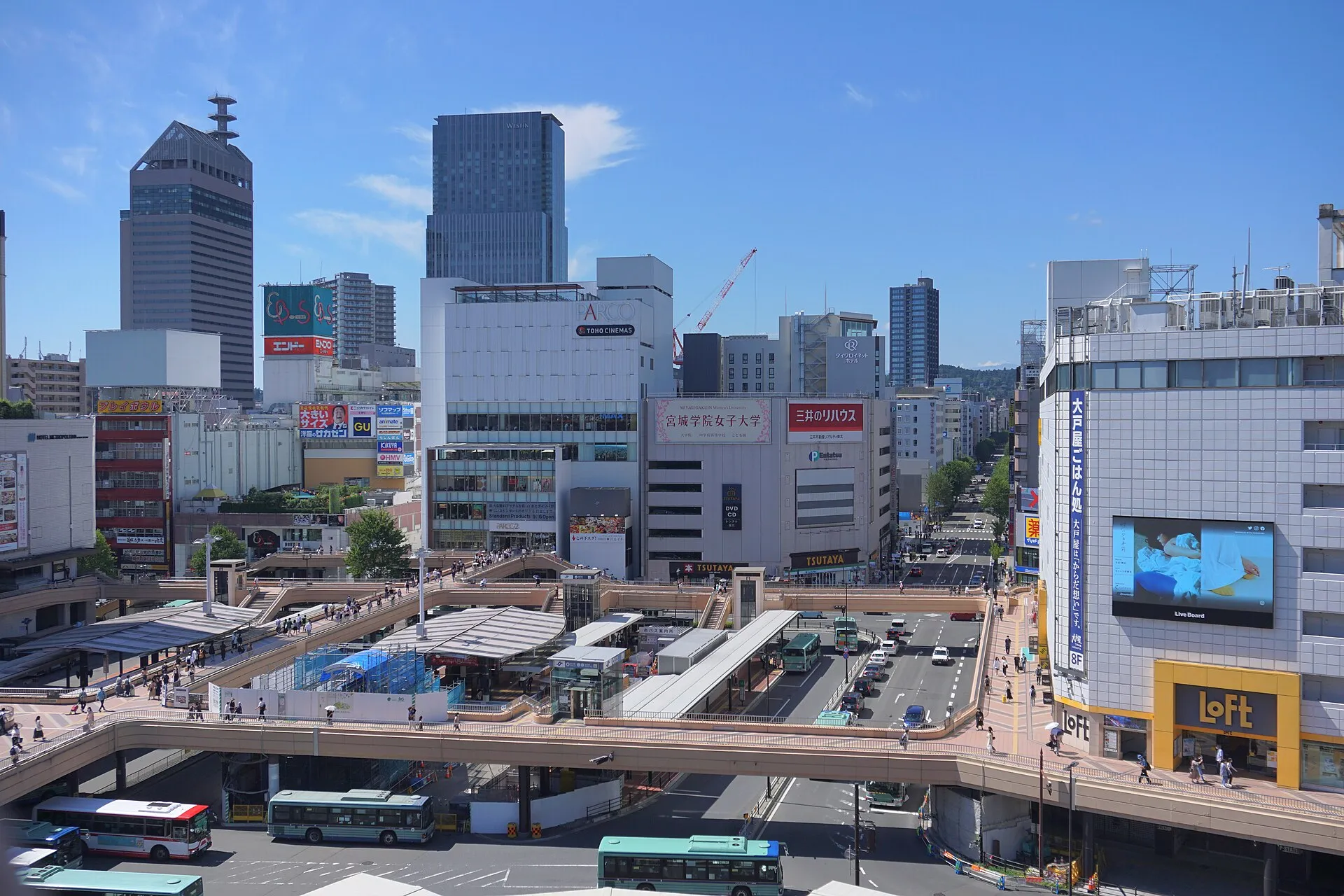
Sendai is compact, clean, and very walkable in its center, with a grid of covered shopping arcades that make getting around pleasant in any weather. The city has two subway lines plus an extensive bus network, all punctual and easy to use with an IC card, and the loop bus is handy for sightseeing. Trains connect the center efficiently. Sendai sits on the Tohoku Shinkansen line, so Tokyo is only about 90 minutes away by bullet train, making weekend trips simple, and regional rail reaches the coast and mountains. Sendai Airport connects by a direct rail line to the city center in around 25 minutes and offers domestic flights plus some international routes. Ride-hailing exists but taxis are the usual on-demand option and are reliable if pricier than public transit. For most nomads, walking plus the subway, buses, and the occasional Shinkansen covers everything smoothly and dependably. The airport and the rail line serving it were both under water in 2011 and have since been rebuilt, and the coast road out that way runs past embankments and memorial parks that were rice fields before. It is an ordinary commute through a landscape remade inside a decade.
Sorting transport? Book an airport transfer, or compare car rental on Auto Europe and QEEQ.
Visas for Sendai
Japan launched a digital nomad activity status in 2024, allowing eligible nationals to stay for up to six months for remote work, but it comes with conditions, notably an annual income requirement of ten million yen, about $63,080, and eligibility limited to certain countries with the right agreements, plus private health insurance coverage. It is a designated activity status rather than a long residence visa, and the six-month stay is not straightforwardly renewable, so read the criteria carefully. Many nationalities can alternatively enter Japan visa-free as tourists for stays of around 90 days, which suits shorter trips, though tourist entry is not intended for work. There is no traditional long-term nomad residence route beyond this. Anybody staying long enough to be issued a residence card gets a personal number alongside it, and that number rather than the passport is what banks, employers and the tax office work from. A visitor without one finds a great deal of ordinary administration simply closed off.
Best Time to Visit Sendai
Sendai enjoys four distinct seasons, and spring and autumn are the standout times to visit. Spring, particularly April, brings cherry blossoms and mild, pleasant weather ideal for exploring, while autumn from September into November offers crisp air and beautiful foliage. Summer, June through August, is warm and more humid, with a rainy season in early summer, though Sendai stays cooler and more comfortable than Tokyo or the south thanks to its northern location and coastal breezes. The city is famous for its Tanabata star festival in early August, a major draw. Winters from December through February are cold with some snow, colder than much of Japan's main population belt, so heating matters and it appeals if you like a proper winter. For the most comfortable stay with the best scenery and events, aim for spring or autumn, and consider early August if you want to experience the celebrated Tanabata festival. December has its own case: the Pageant of Starlight hangs lights in the zelkova trees of the city centre, Jozenji-dori above all, for much of the month, and in September the Jozenji Street Jazz Festival puts amateur bands on street corners across the centre, one of the largest events of its kind in Japan.
Pros and Cons of Sendai
Sendai's strengths are Japan's hallmark reliability, safety, cleanliness, and excellent internet, all at a meaningfully lower cost than Tokyo, plus a compact walkable center, great food, strong public transport, and a quick 90-minute Shinkansen link to Tokyo. The new digital nomad status gives eligible high earners a legitimate route to stay six months. It is a relaxed university city with easy access to nature. The drawbacks are that it is still pricier than Asian nomad hubs, the international nomad community is small, and English can be limited outside tourist and academic circles, so a translation app helps. Winters are genuinely cold and snowy, and the six-month nomad status carries a high income bar and is not easily renewed. It is less lively than Tokyo or Osaka. Overall it is a calm, high-quality, well-run base for those who prioritize comfort, safety, and infrastructure. Matsushima, ranked among the Three Views of Japan for its bay of some 260 pine-topped islets, is about half an hour away on the Senseki line, and those islands broke the 2011 tsunami well enough that the town came through with relatively little damage.
Who Sendai Is For
The safety, reliability and infrastructure of Japan, without the crowds and prices of Tokyo, is the proposition here, for anyone who values a calm, walkable city with quick bullet-train access to the capital. The income requirement on Japan's digital nomad status means higher earners qualify for it and others do not, which leaves shorter tourist-length stays as the practical alternative. It appeals to people who love four-season climates, nature and hot springs nearby, and refined food culture including the local gyutan specialty. The university atmosphere and quiet cafes make it ideal for focused, heads-down work. It fits solo travelers and couples who prioritize comfort and quality over a big party scene or a ready-made international community. It is less suited to budget-focused nomads chasing the lowest costs, those who need a large English-speaking crowd, or anyone who dislikes cold, snowy winters, since Sendai's north climate is real.