Cost of Living in Naha
Where this figure comes from. No cost survey covers Naha, so the $1,600 a month above is our own estimate rather than a measurement. On 416 of our 999 city guides the figure is built from a published Numbeo basket, a one-bedroom rent in the centre plus one person's monthly costs without rent, converted to USD; this city is not one of them. How we source everything.
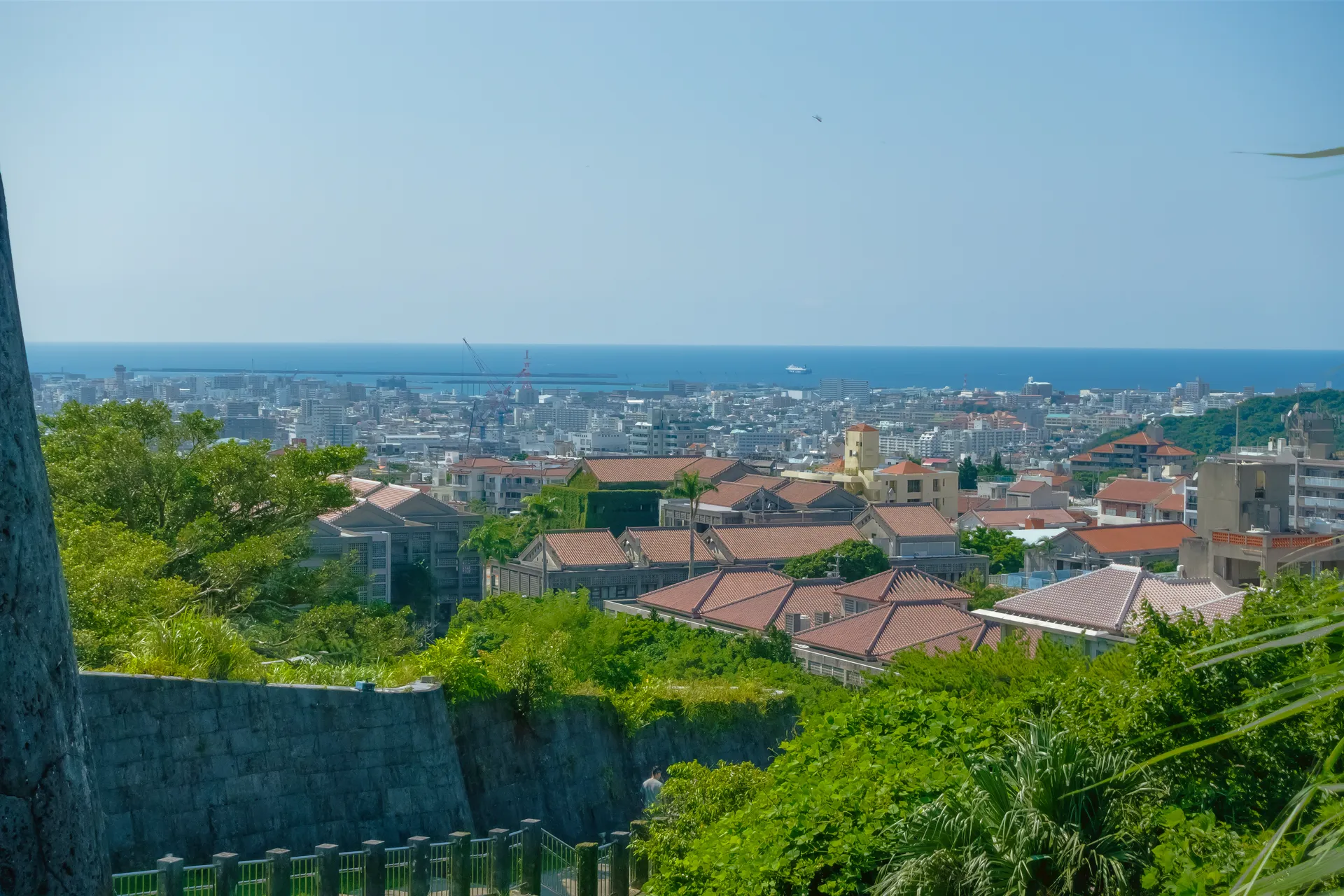
Naha is noticeably cheaper than Tokyo, though Japan is not a budget destination and prices have crept up. A single nomad might spend roughly $1,400 to $1,900 a month, depending on flat size and how often you eat out. Rent is the biggest variable: a small central apartment costs far less than a city-centre place on the mainland, but short-term furnished lets carry a premium. Local Okinawan meals, convenience stores and the fresh-produce markets keep daily costs down, while imported goods, nights on Kokusai-dori and island trips add up. These are editorial estimates, so treat them as a starting point rather than a fixed quote. The Japanese rental system decides whether a long stay is affordable. A conventional lease asks for a deposit, a non-refundable gift payment to the landlord, an agency fee and a guarantor company's cut, and those together can come to most of half a year's rent before you have slept a night. The alternatives are the furnished monthly apartments that charge more per month and nothing in advance, or a share house. Two island costs are worth adding: electricity in the humid summer, when the cooling runs constantly, and the shipping surcharge on anything ordered from the mainland.
- Rent (small central 1-bed, monthly): roughly $600 to $950
- Coworking hot desk (monthly): roughly $110 to $200
- Local lunch (Okinawa soba or set meal): roughly $7 to $11
- Monthly transport (Yui Rail plus buses): roughly $60 to $100
Where to Work in Naha
Japan's digital backbone is excellent, and Naha benefits from fast, reliable fibre and steady mobile coverage, so video calls and heavy uploads rarely stutter. The pace is laid-back, more island than metropolis, which suits focused deep work. You will find a healthy spread of cafes for casual sessions, from chain coffee shops to independent roasters, plus a handful of dedicated coworking spaces clustered around the centre and near Kokusai-dori. Seating with reliable power can be limited at peak hours, so arrive early for a plug. For longer stays, a monthly coworking membership gives you a quiet desk, meeting rooms and a small community, which helps offset the compact local nomad scene. The working week here comes with two practical notes. The clock runs nine hours ahead of Greenwich, so European colleagues come online as your day is ending and American ones in the middle of your night, which pushes most people toward a shifted schedule rather than a split one. And typhoon closures are a real category of lost day: when a warning is issued the buses stop, shops shut and offices close, sometimes for two days, and nobody treats it as optional. Build that into any commitment between summer and autumn.
Getting Around Naha
The centre of Naha is compact and walkable, and the Yui Rail monorail is the easy backbone, linking Naha Airport to Kokusai-dori, the Prefectural Office area and onward to Shuri near the castle. It is clean, punctual and simple to use with a stored-value card. City buses fill in the gaps but can be slower and harder to navigate without some Japanese. To explore beyond the city, a hired car is genuinely useful: Okinawa's beaches, viewpoints and northern forests reward road trips, and public transport thins out fast. Ferries from Naha's ports connect you to the surrounding Kerama and outer islands for snorkelling and quieter shores. A licence detail catches a lot of visitors. Japan recognises only the older form of international driving permit, so drivers from a handful of countries including Germany, Switzerland and Belgium cannot use one and must instead carry an official Japanese translation of their home licence, obtained locally. Check which category your country falls into before booking a car, because the rental desk will refuse you. Note too that the monorail covers a short span of the city and stops before midnight, so evenings out end with a taxi, and the outer-island ferries cancel readily in rough weather.
Sorting transport? Book an airport transfer, or compare car rental on Auto Europe and QEEQ.
Visas for Naha
Japan launched a digital nomad visa in 2024, offering eligible nationalities a stay of about six months, subject to a fairly high annual income threshold and private health insurance. It is designed for remote workers earning from foreign clients or employers. Many travellers also enter under visa-free short stays, but these vary by nationality and do not permit local employment, so you cannot take on work inside Japan on a tourist entry. Rules, income floors and eligible countries change, and the nomad visa is non-renewable in its current form. What the announcement of that visa leaves out is how it differs from ordinary residence. Holders are not given a residence card and do not register at a ward office, which means no national health insurance, no bank account and no phone contract in the normal way, so private cover and a foreign card are the working arrangement. Anyone planning to actually settle needs a different category entirely. Note also that there is no extending it from inside the country, and that a gap is required before applying a second time.
Best Time to Visit Naha
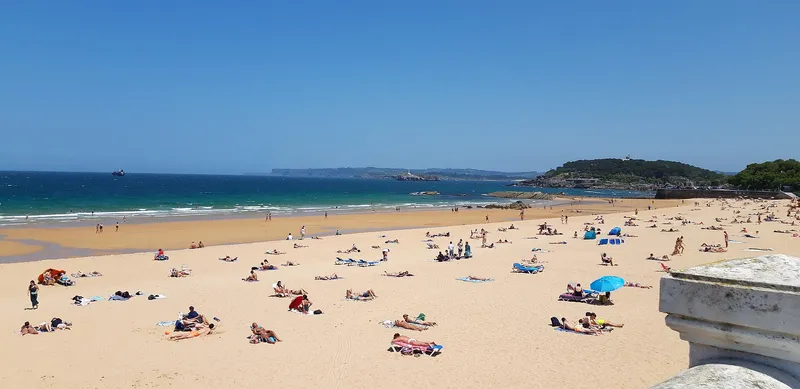
Spring and autumn are the sweet spots. Roughly March into early May, then late October into December, bring warm, pleasant days, lower humidity and calmer seas, ideal for pairing work with beach time. Summer is hot, intensely humid and busy, and it overlaps with typhoon season, which runs broadly from summer into autumn and can bring closures, cancelled ferries and grounded flights, so build in flexibility. Winter is mild by Japanese standards, cooler and breezier than the mainland's icy months, with quieter streets and cheaper flights, though the sea is too cool for comfortable swimming. For the best balance of weather and value, aim for the shoulder seasons. The calendar is reshaped by three dates, and all of them fill the flights. The long public holiday at the start of May, the ancestral festival week in August and the new year each empty the mainland onto this island, so accommodation and seats need booking months ahead. The rainy season sits between them, usually from the second half of May into June, and is more a matter of grey humidity than downpours. The cold months have one genuine attraction of their own: humpback whales calve in the waters around the nearby islands, and the boats out to see them leave from here.
Pros and Cons of Naha
- Pro: Very safe, clean and easy, with the reassurance of Japanese infrastructure
- Pro: Fast, reliable internet and a relaxed subtropical pace
- Pro: Gateway to Okinawa's beaches and islands, with distinct Ryukyu culture and food
- Con: Small nomad community and limited coworking compared with big Asian hubs
- Con: English is limited, so daily admin can be slow without some Japanese
- Con: Hot, humid summers and a real typhoon-season risk that can disrupt travel
Who Naha Is For
Naha suits the nomad who wants a safe, subtropical, beach-adjacent base in Japan without the intensity of Tokyo or Osaka. It rewards people who value clean streets, dependable internet and easy access to islands and sea over a buzzing social scene. You should be comfortable working around limited English, a compact nomad community and the seasonal quirks of typhoon weather. It is a strong fit for independent, self-directed remote workers, couples and slow travellers who like nature, culture and calm. If you need a large ready-made expat crowd or nonstop nightlife, a mainland city or a bigger Southeast Asian hub may serve you better. Three months on a visa waiver is the natural first stay, and it covers a whole shoulder season. Hire a car for at least part of it, because the best of this island, the northern forests, the empty east-coast beaches, the small ports, is unreachable by bus. Learn the alphabet used for foreign words before arriving; it takes a few hours and turns menus and signs from opaque to readable. And understand that a substantial American military presence has shaped this island for eighty years, that it remains a live local issue, and that an outsider is better off listening than offering a view.