Cost of Living in Kanazawa
Where this figure comes from. No cost survey covers Kanazawa, so the $890 a month above is our own estimate rather than a measurement. On 416 of our 999 city guides the figure is built from a published Numbeo basket, a one-bedroom rent in the centre plus one person's monthly costs without rent, converted to USD; this city is not one of them. How we source everything.
Kanazawa is one of Japan's most affordable mid-sized cities for remote workers. Rent is the biggest variable. A one-bedroom apartment in central areas like Katamachi or Korinbo runs $345-475/month. In quieter residential areas further out, such as Tatsunokuchi or Nonoichi, you can find comparable flats for $250-345/month.
- Rent (central 1BR): $345-475/month
- Rent (outer areas 1BR): $250-345/month
- Groceries: $160-220/month, lower if you shop at Omicho Market for seafood
- Eating out: A sit-down dinner costs roughly $5-9.50; lunch sets at local spots run $5-7
- Coworking hot desk: $3.50-13/day for drop-in; monthly plans at Regus from around $295-380
- Local transport: A one-day bus pass is $5; most people spend $19-38/month on transit
- Utilities: $63-95/month for a small apartment
Realistic monthly total: $820-1,260/month for a comfortable solo remote-work setup. That puts Kanazawa roughly 26% cheaper than Tokyo.
Where to Work
Kanazawa has a small but functional coworking scene. The most central option is Coworking Square Kanazawa Korinbo, a community-oriented space in the Korinbo shopping district with drop-in rates from $3.50 for a few hours. LINNAS Kanazawa, a boutique hotel near Omicho Market, has a coworking lounge open to non-guests and regularly hosts digital nomad meetups and Urban Retreats. Near the station, +CREW (Taskuru) offers day passes at $6.50, and Microsoft Base Kanazawa charges $0.50 per 15 minutes. There is also a free drop-in space at CRIT inside the IT Business Plaza Musashi, worth knowing if you need a quick quiet desk at no cost.
Cafe work is common at Japanese chains like Doutor and Starbucks, both present in Kanazawa. Independent cafes are more hit-or-miss: some welcome laptop users, others subtly discourage it with limited seating. WiFi at dedicated coworking spaces is consistently fast, backed by Japan's strong broadband infrastructure. Mobile data via 5G/4G is reliable throughout the city, including in the historic districts.
Getting Around
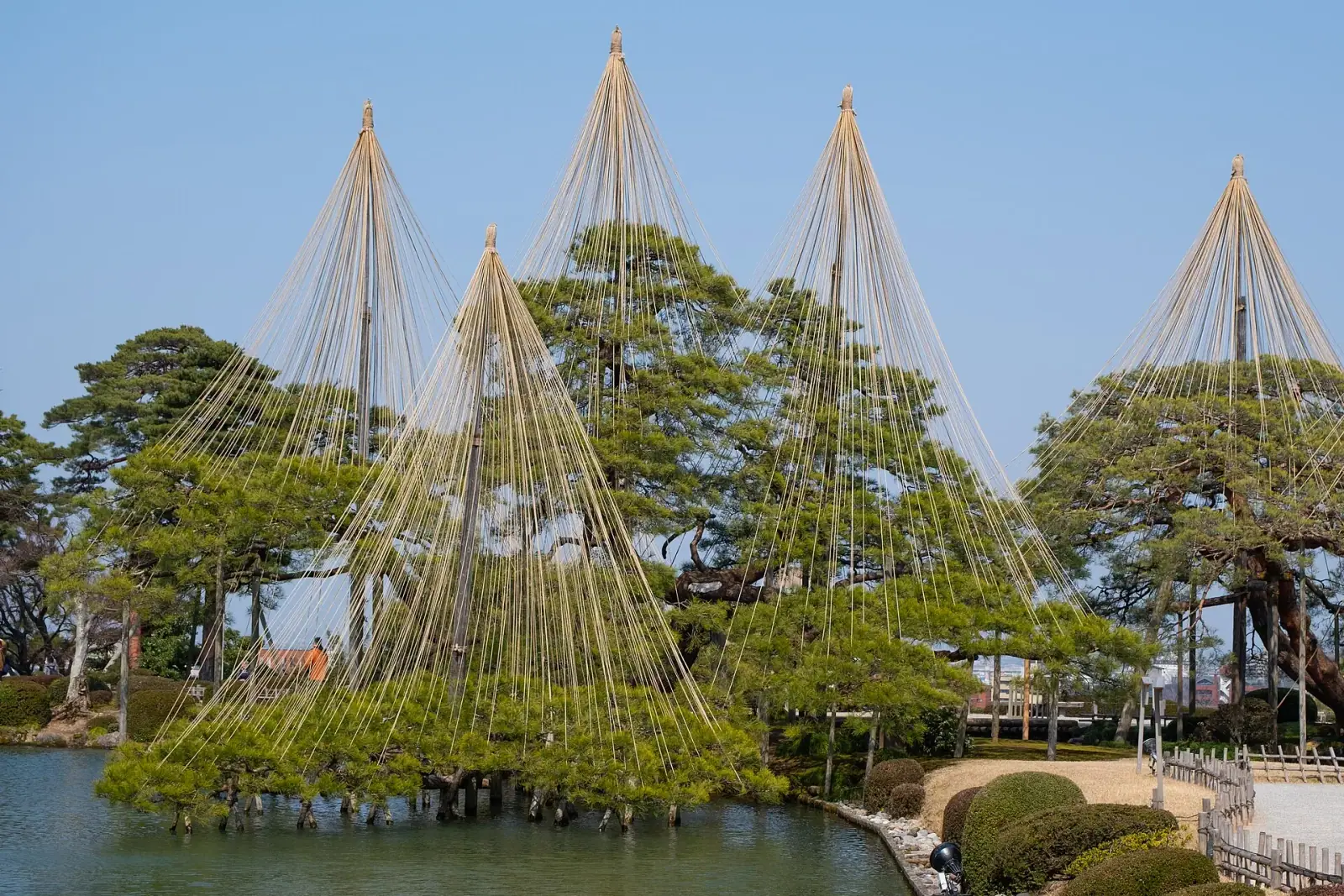
Kanazawa is a compact castle town. Nearly all major sites, including Kenrokuien Garden, the Higashi Chaya district, and Omicho Market, fall within roughly a 2km radius of Kanazawa Castle. You can walk most of it, though the hills between districts add up.
The Kanazawa Loop Bus runs two routes (Left and Right Loop) every 15-20 minutes and covers the main tourist and working areas. The City One Day Pass costs $5 and covers unlimited rides on loop and local Hokutetsu buses, plus discounts at several attractions. Regular city buses connect the outer residential areas to downtown.
The nearest airport is Komatsu Airport, about 40km from the city center. A direct highway bus from Kanazawa Station takes roughly 55 minutes and costs around $7 one-way. There is no rail link between the airport and the city. Kanazawa itself is on the Hokuriku Shinkansen line, with Tokyo about 2.5 hours away direct and Osaka a little over 2 hours, changing at Tsuruga from the Shinkansen to the Thunderbird limited express.
Sorting transport? Book an airport transfer, or compare car rental on Auto Europe and QEEQ.
Visas and Staying Long-Term
Japan allows visa-free entry for 90 days to citizens of the US, UK, EU member states, Australia, Canada, and about 70 other countries. You cannot work for Japanese clients during this period; remote work for overseas employers sits in a legal grey area that most nomads navigate without issue, though it is not officially sanctioned under a tourist entry.
Japan launched a Digital Nomad Visa in 2024 that offers a 6-month stay (non-renewable; you must leave Japan for 6 months before reapplying). It requires proving an annual income of at least ten million yen, about $63,080, and holding health insurance covering at least the same amount in Japan. Eligible passport holders must come from one of 51 approved countries and regions.
Most visitors cannot extend a tourist stamp from inside Japan (British passports can apply for a further 90 days), and stacking exits and re-entries to stay on is exactly what an officer at the landing examination can refuse.
Best Time to Visit
Kanazawa sits on the Sea of Japan coast of Honshu and is one of the rainiest cities in Japan, receiving around 2,400mm of precipitation per year. Winter (December to February) brings heavy cloud, persistent drizzle, and occasional snow, with temperatures around 3-7°C. The city is beautiful under snow but gloomy for extended stays.
The two best windows for remote work are:
- Late April to late May: Mild temperatures (12-18°C), cherry blossom season, good light, manageable crowds
- Mid-October to early November: Autumn foliage at Kenrokuien, cool and dry, comfortable for cycling and walking between work sessions
Summer (July-August) is warm and humid but less oppressively hot than Tokyo or Osaka, and crowds at cultural sites are lighter than you might expect. Avoid planning a workation entirely around winter unless you genuinely enjoy grey, damp weather.
Pros and Cons
Pros
- Significantly cheaper than Tokyo, Osaka, or Kyoto for rent and daily costs
- Outstanding food scene, especially fresh seafood from Omicho Market
- Very safe city with extremely low crime
- Compact and walkable core with genuine historic character
- Fast, reliable internet infrastructure throughout Japan
- Less crowded than the Golden Route cities while offering similar cultural depth
- Shinkansen access puts Tokyo within 2.5 hours
Cons
- Limited English: menus, signs, and service are mostly in Japanese only
- Coworking scene is small; options thin out quickly
- Nomad community is tiny compared to Tokyo, Osaka, or Southeast Asian hubs
- Very rainy, especially in winter and early spring
- No international airport; Komatsu Airport has limited direct routes
- Finding longer-term housing without Japanese language skills or a local guarantor is genuinely difficult
Who Kanazawa Is Best For
Kanazawa suits remote workers who want a slower, more immersive Japan experience without Tokyo prices or crowds. It is a good fit if you are already comfortable navigating Japan independently, have some experience with low-English environments, and want to spend months rather than weeks somewhere with real cultural texture: samurai districts, lacquerware, exceptional seafood, a strong craft tradition, and a city small enough to actually know.
It also works well for people in design, architecture, or creative fields, since the city has a genuine arts infrastructure around the 21st Century Museum of Contemporary Art and a local creative community that is unusually active for a city of 450,000.
Skip Kanazawa if you need a large nomad community, require fluent English at every turn, are on a very tight budget and need cheap coworking, or want a buzzing nightlife and international social scene. It is not the place for first-time Japan visitors who want hand-holding infrastructure: it rewards self-sufficiency.