Cost of Living in Reine
Where this figure comes from. No cost survey covers Reine, so the $1,800 a month above is our own estimate rather than a measurement. On 416 of our 999 city guides the figure is built from a published Numbeo basket, a one-bedroom rent in the centre plus one person's monthly costs without rent, converted to USD; this city is not one of them. How we source everything.
Reine is a spectacular place to spend money. Norway is one of the most expensive countries on earth, and a remote Arctic village amplifies that: groceries travel a long way, restaurants are few, and a rorbu cabin over the water commands a premium, especially in the summer peak. A realistic solo budget lands somewhere between roughly $2,000 and $3,500 a month, and the higher end is easy to reach if you eat out often or rent a scenic cabin in July. Self-catering is the single biggest lever you have. Shopping at the small local grocery, cooking your own fish, and traveling in the shoulder seasons all pull costs down meaningfully. This is not a budget base for stretching savings; it is a well-funded, scenery-first slow-travel stay where you accept the price for the view.
- Rorbu cabin or apartment: roughly $1,000-2,200/month, peaking in summer.
- Groceries: expect $500-800/month cooking most meals yourself.
- Restaurant meal: often $30-60 per person; alcohol is especially costly.
- Rental car and fuel: a major line item if you keep one all month.
Where to Work in Reine
There is no coworking space in Reine, and there will not be one; the village is tiny. The good news is that internet is surprisingly solid. Many rorbu cabins and lodges advertise reliable wifi, and 4G coverage along the E10 corridor is generally dependable, so video calls are usually fine. In practice, your rorbu cabin is the best home office you will find here: a desk by the window, the harbor and peaks in front of you, and quiet all day. Cafes exist in and around the village and make pleasant change-of-scene spots for a few hours, though hours shrink sharply outside summer. Treat Reine as a heads-down environment rather than a networking one. Download what you need and keep a mobile hotspot as backup for weather-related outages.
- Best bet: a rorbu cabin with confirmed wifi and a window desk.
- Cafes work for short sessions but keep short off-season hours.
- Carry a 4G hotspot as backup; coverage is good but weather can interfere.
- No coworking, no dedicated office space, minimal after-hours scene.
Getting Around Reine
Reine village itself is walkable in minutes, but the Lofoten experience is spread along the islands, so mobility matters. A rental car is the most useful thing you can have: the E10 highway threads the archipelago, linking Reine to Hamnoy, Sakrisoy, A at the road's end, and onward toward Leknes and Svolvaer. Local buses run along Lofoten and connect the villages, though frequency is limited and drops off in winter, so check timetables carefully. Arriving without your own wheels usually means the car ferry to Moskenes, a short drive from Reine, or express passenger boats along the coast. For flying in, the small airports at Leknes and, further out, Bodo and Harstad/Narvik are the practical gateways, with Bodo also serving the Moskenes ferry across the Vestfjord.
- Rental car: the most flexible option; the E10 links every village.
- Local buses run along Lofoten but are infrequent, especially off-season.
- Car ferry to Moskenes and express boats connect Reine to the mainland.
- Airports: Leknes is closest; Bodo and Harstad/Narvik serve wider routes.
Sorting transport? Book an airport transfer, or compare car rental on Auto Europe and QEEQ.
Visas for Reine
Norway sits in a slightly confusing spot: it is not a member of the European Union, but it is part of the Schengen Area. For most visitors that means the standard Schengen rule applies: many nationalities can enter visa-free for up to 90 days within any rolling 180-day period, and those days are shared across all Schengen countries, not reset by hopping between them. That window suits a scenic slow-travel stay well. If you want to remain longer, live in Norway, or work locally, you move into national immigration territory, which involves Norwegian residence and work permits with their own income, housing, and purpose requirements. Those rules are more involved than a tourist stamp and change over time. Nobody checks a passport between Oslo and the Lofoten wall: the flight to Leknes or Bodo and the Moskenes ferry are all domestic, so the Entry/Exit System will have logged your arrival at whichever Schengen airport came first, and nothing in Lofoten adds to or resets that count.
- Norway is in Schengen but not the EU; the 90/180 rule applies to visitors.
- The 90 days are counted across all Schengen countries combined.
- Longer stays or local work require Norwegian residence and permits.
Best Time to Visit Reine
Reine is a place of extremes, and your season shapes everything. Summer, roughly June through August, is the classic window: the midnight sun keeps the sky bright around the clock, hiking trails like Reinebringen and beaches such as Kvalvika are at their best, and every service is open, which is also why it is busiest and priciest. Autumn and winter flip the world: short, dark days, real cold, some businesses closed, and in exchange the northern lights dancing over the peaks on clear nights. Spring is the quiet in-between, thawing and uncrowded but with limited hours and unpredictable conditions. Whatever month you pick, Lofoten weather is famously changeable; sun, wind, and rain can trade places within an hour, so pack layers, waterproofs, and flexible plans, and never bank on a forecast holding.
- Summer (Jun-Aug): midnight sun, prime hiking, all services open, busiest.
- Autumn/winter: northern lights, deep cold, dark days, some closures.
- Spring: quiet and uncrowded but with limited services and shifting weather.
- Year-round: expect fast-changing conditions; pack layers and waterproofs.
Pros and Cons of Reine
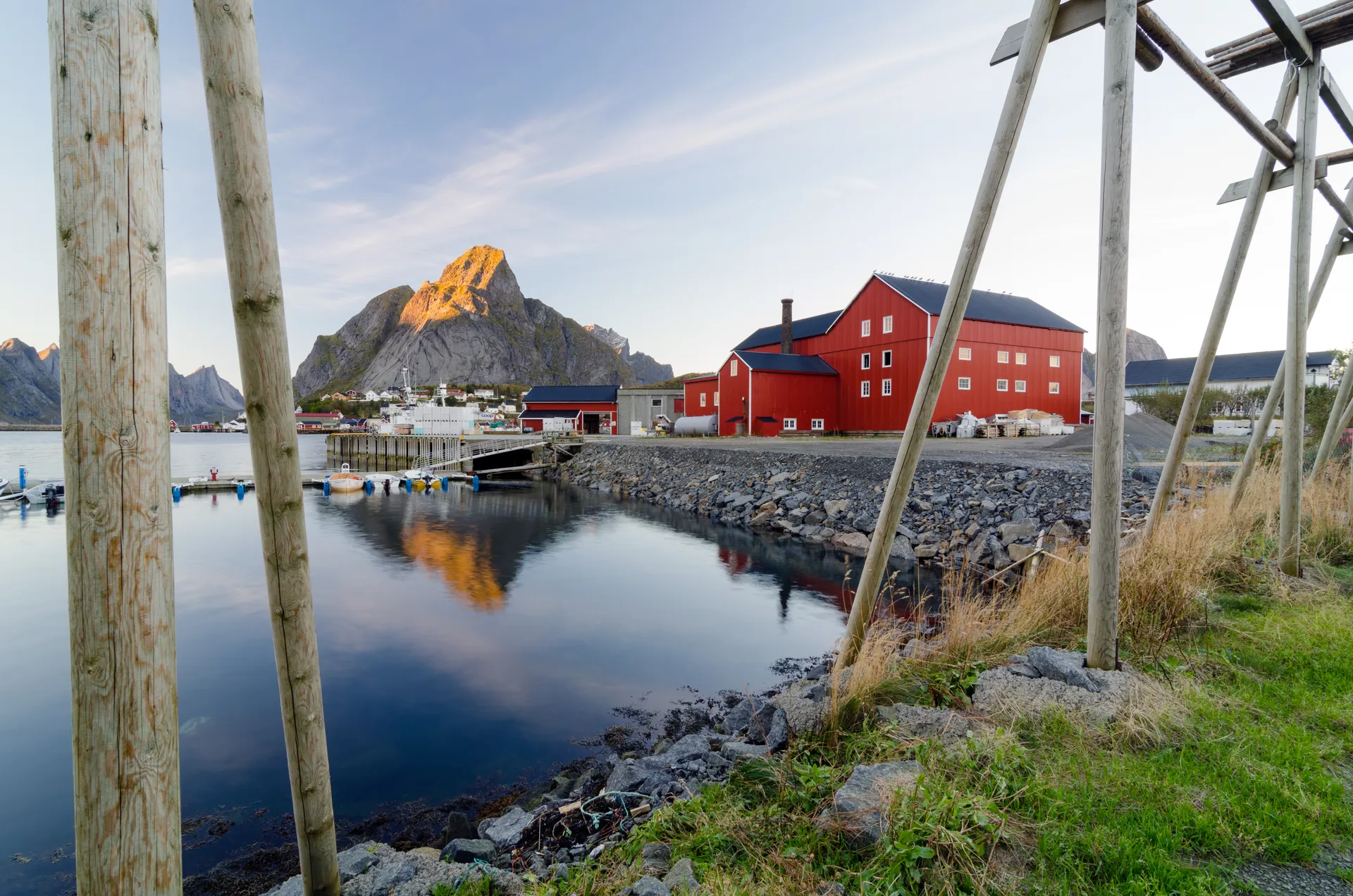
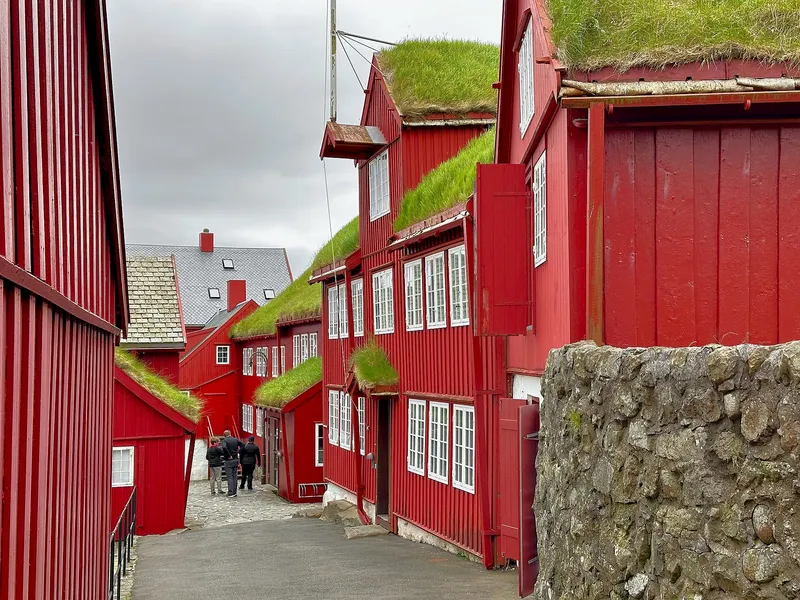
Reine's case is simple and lopsided: the setting is close to unbeatable, and the practicalities are hard. You wake to red rorbu cabins on stilts, granite peaks rising straight from the fjord, and some of the cleanest air and safest streets you will ever encounter, with excellent English spoken and better wifi than the remoteness suggests. Against that, honestly, is a very high cost of living, a minuscule population, near-zero nightlife, and no nomad community to plug into. The daylight swings are dramatic enough to affect your rhythm, from a sun that never sets to weeks of darkness. It is a superb scenic, active, slow-travel base for a few focused weeks, and a poor choice as a practical, sociable, long-term work hub. Go in knowing which of those you want.
- Pros: world-class scenery, superb safety, clean air, strong English, good wifi.
- Cons: very expensive, tiny population, almost no nightlife or nomad scene.
- Watch: extreme seasonal daylight can unsettle sleep and work rhythm.
- Best framed as a scenic slow-travel stay, not a long-term base.
Who Reine Is For
Reine rewards a specific traveler. If you are a well-funded remote worker or creative who values scenery, quiet, and the outdoors over cafes, coworking, and a social calendar, this is close to a dream setting: hike by day, work from a window desk with the fjord in front of you, and chase the midnight sun or aurora depending on the season. Photographers, hikers, writers, and anyone craving a genuine reset will thrive here. It is a poor fit if you need nightlife, a built-in nomad crowd, budget living, or a reliable long-term base with year-round services. Think of Reine as a place you come to on purpose, for a defined and scenic stretch, with the funds and self-sufficiency to enjoy it. Come for the view and the calm; do not come expecting a scene.
- Great for: well-funded, active, scenery-first slow travelers and creatives.
- Great for: photographers, hikers, and anyone wanting a real reset.
- Poor fit for: budget travelers or those needing nightlife and community.
- Poor fit for: anyone seeking a practical, long-term, year-round work base.