Cost of Living in Oulu
Real market data
Source: Numbeo · August 2026
$1,550/moSolo nomad1-bed centre + living costs
$2,140/moCoupleshared 1-bed + costs
$1,420/moLean / localcheaper area + costs
- 1-bed rent, city centre$800€694
- 1-bed rent, outside centre$680€587
- Monthly costs excl. rent (1 person)$750€649
- Meal, inexpensive restaurant$18€16
- Monthly transit pass$65€56
- Buy price, per m² (centre)$4,070€3,540
Prices are from Numbeo (August 2026), converted to USD at $1 = €0.87 (01 Aug 2026). The monthly living-costs figure is our transparent one-person basket, groceries, a few meals out, utilities, phone, internet, transport and essentials, priced from those figures. Solo adds central rent; couple and lean are estimates from the same numbers. The guide below quotes its own monthly range, which is a different measurement rather than a competing one: this table prices a defined basket at the figures above, while that range is a judgement about how somebody actually lives here.
Oulu is noticeably cheaper than Helsinki, though by Nordic standards it is still an expensive city. Expect to spend more than you would in Southern or Eastern Europe, but significantly less than in the Finnish capital.
- Rent, city center (1-bedroom): roughly $690-865/month
- Rent, outer neighborhoods (1-bedroom): roughly $520-715/month
- Groceries: $230-345/month cooking at home with basics
- Eating out: $14-21 per meal at a casual restaurant; lunch specials run closer to $12-15
- Coworking hot-desk: $125-290/month depending on space
- Local bus pass: roughly $64/month
- Internet (home broadband): $17-40/month
Realistic monthly total: $1,420-1,550/month for a single remote worker renting their own flat and eating out a few times a week. Budget travelers sharing housing can get well below that.
Where to Work
Oulu has a small but functional set of coworking options, reflecting its status as Finland's technology hub outside Helsinki. The university and tech-park ecosystem means the concept of shared workspaces is well understood here.
Coworking Spaces
- Visio Coworking (Asemakatu 16, city center): creative-focused space three minutes from the train station, with a photography studio and regular networking events. Good for freelancers who want a community feel.
- Njetwork Inn (Isokatu 56): smaller community-oriented office for entrepreneurs; rent includes coffee, cleaning, printer, and broadband. Known for its tight-knit member community. Around $255/month.
- Regus (Hallituskatu 36 or Lentokatu 2 near the airport): corporate-standard hot desks from around $125/month, good for structured, quiet work.
Cafe Culture and WiFi
Oulu has a modest cafe-work culture. Espresso House on Rotuaari (Kirkkokatu 8) is the most reliable chain option for laptop work, with outlets and reasonable dwell time. The city library is a free, quiet alternative with solid WiFi. Cafe connections are modest, while home broadband is considerably faster. You will not struggle with connectivity, but true cafe-hopping as a work strategy is less developed here than in larger European cities.
Getting Around
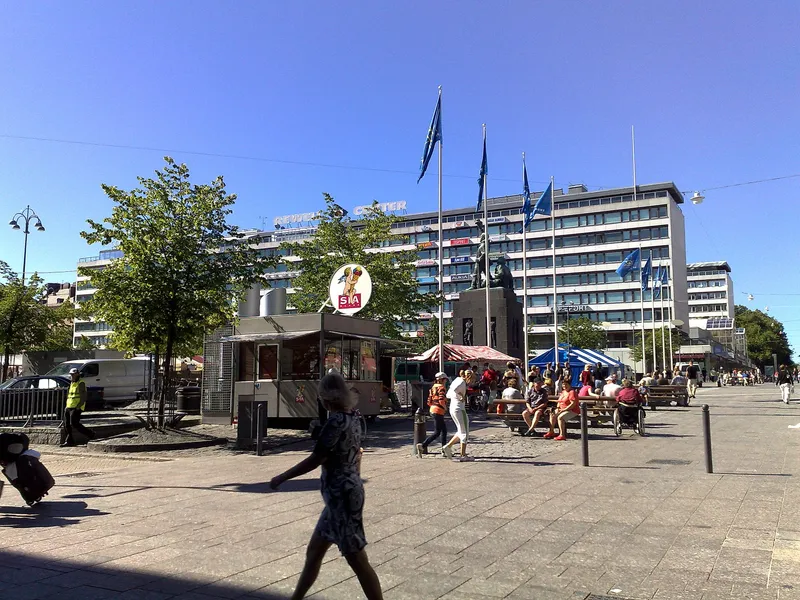
Oulu is compact, flat, and genuinely excellent for cycling. The city has one of Finland's most developed urban cycling networks, and renting or buying a bike is the practical choice for daily movement. Most of the center, restaurants, coworking spaces, and the market square are reachable by bike in under 15 minutes.
The local bus network covers the city and suburbs. A monthly pass costs around $64. Taxis average about $8 for a short 3 km trip.
Airport: Oulu Airport (OUL) sits close to the city and handles direct Finnair flights to Helsinki (roughly 1 hour) as well as some regional European connections via airBaltic from Riga. A taxi to the city center costs around $17-23. Bus route connections also exist via the local transit network. From Helsinki, you can also reach Oulu by train in around 4-5 hours on the intercity rail.
Sorting transport? Book an airport transfer, or compare car rental on Auto Europe and QEEQ.
Visas and Staying Long-Term
Finland is part of the Schengen Area. Citizens of around 60 countries, including the US, UK, Canada, Australia, New Zealand, and most of the EU, can enter without a visa for stays up to 90 days within any 180-day period. There is no dedicated digital nomad visa for Finland. If you want to stay longer, the main legal routes are a self-employment residence permit or an employed work permit; both require an established Finnish business connection or an employer. Working remotely for a foreign employer under a tourist or visa-free stay sits in a legal grey area that Finnish authorities have historically treated strictly.
Best Time to Visit
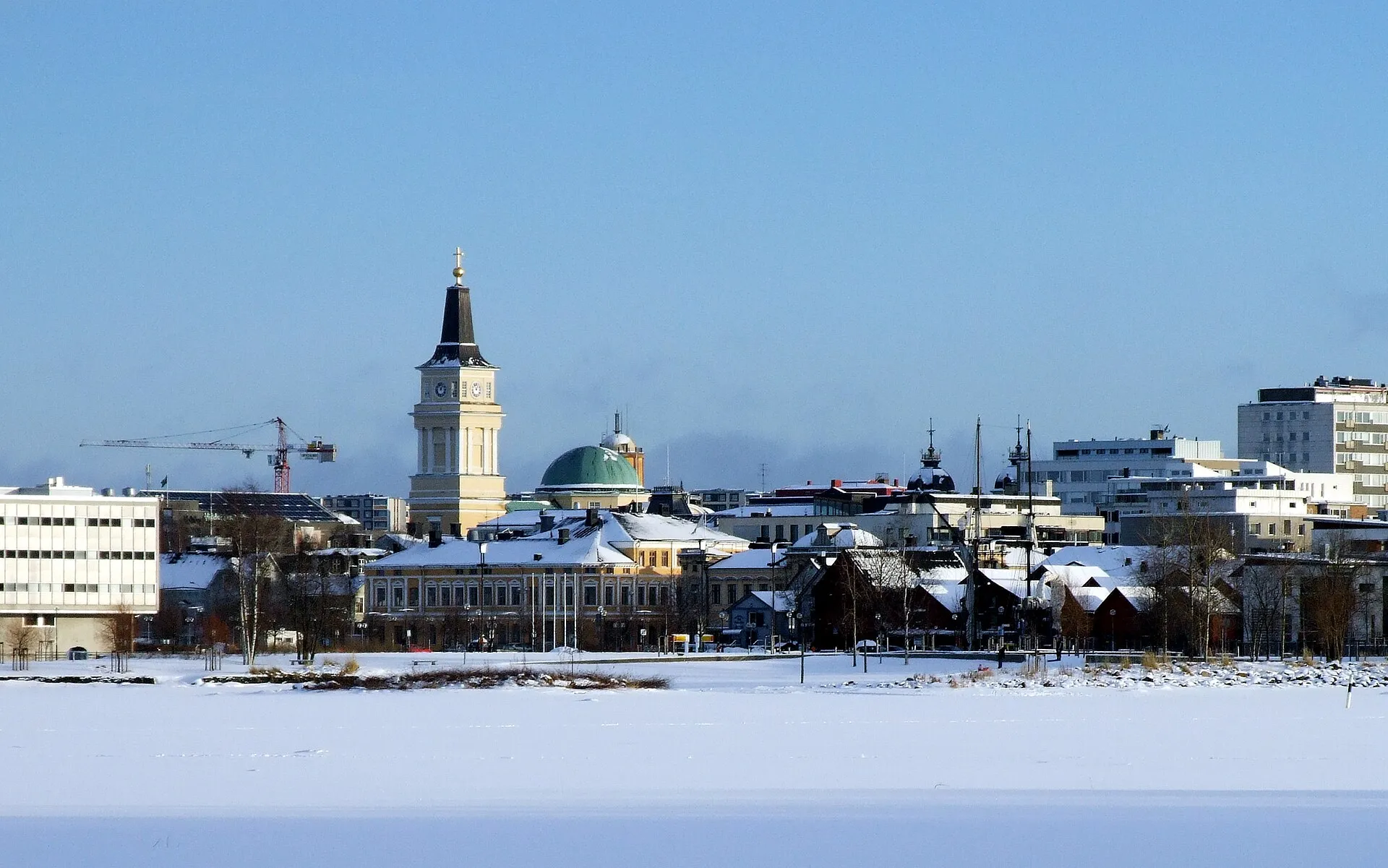
Oulu sits at 65 degrees north latitude, which shapes the entire experience.
Summer (June to August) is the clear window for most remote workers. Temperatures reach 18-22 degrees Celsius (65-72 F), days are extremely long (full midnight sun in June and July), and the city comes alive with outdoor events, waterfront life, and cycling culture. The light can interfere with sleep if you do not bring blackout curtains, but the energy is excellent.
Spring (April to May) and early autumn (September to October) offer crisp, manageable weather, fewer tourists, and good chances to see the northern lights in September-October. These are solid shoulder seasons for focused work.
Winter (November to March) is harsh. Temperatures regularly drop to -10 to -20 degrees Celsius (14 to -4 F), daylight shrinks to a few hours, and the Baltic coast freezes. Oulu handles its winters well with infrastructure and sauna culture, but it is a challenging environment for newcomers and can affect mood and productivity significantly. Not recommended for a first visit.
Pros and Cons
Pros
- Exceptional air quality and natural environment: rivers, forests, and coastline within city limits
- Very safe city with low crime and strong social infrastructure
- Outstanding cycling infrastructure makes car-free living easy
- Strong tech and startup ecosystem; good networking opportunities in the innovation sector
- English is widely spoken, particularly among younger people and in professional settings
- Cheaper than Helsinki by 20-30% across most categories
- Midnight sun in summer is a genuinely memorable experience
Cons
- Winters are extreme and long, with very little daylight from November through February
- Small international nomad community; meeting other remote workers requires effort
- Nightlife is limited compared to European capitals
- No digital nomad visa; 90-day Schengen cap applies to most non-EU visitors
- Coworking and cafe options are functional but not abundant
- High cost relative to Eastern Europe or Southeast Asia
Who Oulu Is Best For
Oulu suits remote workers who genuinely value outdoor access, clean air, and a quiet, safe environment over urban density and social scene. If you want to combine productive work with cycling trails, river saunas, and long summer evenings, Oulu delivers something genuinely distinctive. It is a strong fit for EU citizens who can stay longer and integrate into the tech community, and for anyone visiting Finland who wants a less-visited alternative to Helsinki.
It is a harder sell if you need a vibrant nightlife scene, a large existing nomad community to plug into, or if you are traveling on a non-EU passport and constrained by the 90-day Schengen limit. Budget-sensitive nomads from outside Northern Europe may find the cost-to-lifestyle ratio difficult to justify compared to cheaper alternatives.