Cost of Living in Tromsø
Real market data
Source: Numbeo · August 2026
$2,800/moSolo nomad1-bed centre + living costs
$3,820/moCoupleshared 1-bed + costs
$2,490/moLean / localcheaper area + costs
- 1-bed rent, city centre$1,530kr14,500
- 1-bed rent, outside centre$1,220kr11,600
- Monthly costs excl. rent (1 person)$1,270kr12,086
- Meal, inexpensive restaurant$34kr325
- Monthly transit pass$66kr630
- Buy price, per m² (centre)$9,170kr87,049
Prices are from Numbeo (August 2026), converted to USD at $1 = kr9.49 (01 Aug 2026). The monthly living-costs figure is our transparent one-person basket, groceries, a few meals out, utilities, phone, internet, transport and essentials, priced from those figures. Solo adds central rent; couple and lean are estimates from the same numbers. The guide below quotes its own monthly range, which is a different measurement rather than a competing one: this table prices a defined basket at the figures above, while that range is a judgement about how somebody actually lives here.
Tromsø is one of Norway's most expensive cities, and Norway itself is among the priciest countries in the world. Plan your budget accordingly before you commit to a stay here.
A realistic monthly breakdown for a solo remote worker:
- Rent, 1-bedroom in the city centre (Sentrum/Strandkanten): $1,470-1,790
- Rent, 1-bedroom in a cheaper area (Tromsdalen, across the bridge): $1,160-1,420
- Groceries (self-catering, sensible shopping): $370-525
- Eating out (one meal per day at a mid-range spot): $525-735
- Coworking hot-desk at FLOW (Strandgata): roughly $210-370/month
- Local bus pass (monthly): ~$78
- Total realistic range: $2,740-4,850/month, depending heavily on how often you eat out and whether you live centrally
Households in Troms, as in Nordland and Finnmark, pay no VAT on electricity, which offsets utility costs slightly. Still, expect very little change from $2,500 even on a tight budget.
Where to Work
FLOW Coworking (Strandgata 9, second floor) is the main coworking space in Tromsø and the most established option. It hosts around 60 companies and 100 people in a 3,000 square metre space, with open desks, private offices, meeting rooms, and an on-site Thai restaurant. WiFi is reliable and the atmosphere is a mix of startups, remote workers, and small businesses. The waterfront location makes long days easier to tolerate.
For cafe work, Risø Mat og Kaffebar (Strandgata 32) is the most nomad-friendly spot in town: strong coffee, good seating, and enough outlets to stay for a few hours. Fint Kafé and Bar (Skippergata 1C) has a dedicated quiet room for focused work and is fully vegetarian, which is useful if you prefer a calmer setting.
The broader cafe-work culture in Tromsø is more forgiving than in southern Norway, but you will be expected to keep buying. WiFi at cafes is generally solid and enough for video calls. Most spots close by early evening, so plan around that if you work late.
Getting Around
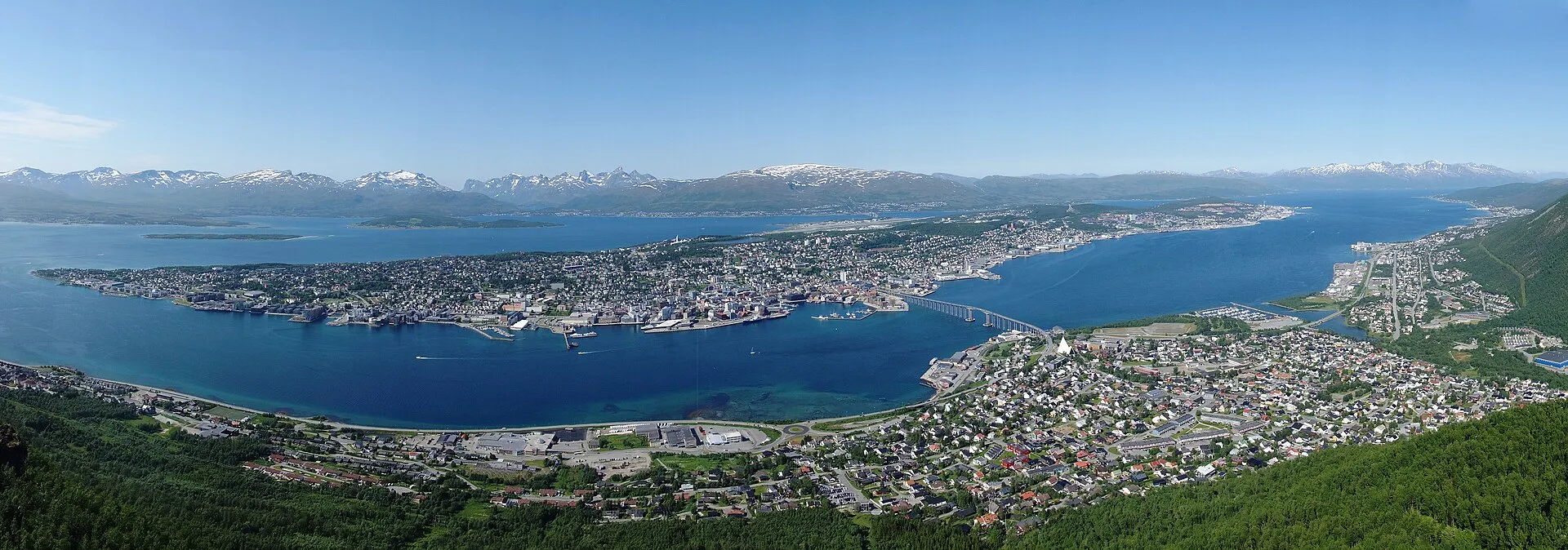
Tromsø's city centre sits on a small island, and almost everything you need day-to-day is within a 15-20 minute walk. Walkability is one of the city's genuine strengths: the harbour, cathedral, main shopping street, and most restaurants are all close together. In winter, pack proper footwear, as icy pavements are common.
The bus network run by Troms Fylkestrafikk covers the whole island and connects to the mainland via the bridge. The Svipper app makes ticketing straightforward. A monthly pass costs around $78 and gives you good access to outer neighbourhoods and the university area. Night buses run on Friday and Saturday.
Tromsø Airport (TOS) is on the island, about 4 kilometres from the centre. The airport express bus takes roughly 20 minutes and is the most convenient option when you have luggage. Regular city buses (routes 24, 26, 40, 42) also connect the airport to the centre but have limited luggage space. A taxi runs around $42 on weekday daytimes. There is no rail link to Tromsø; flying is the standard way in and out.
Sorting transport? Book an airport transfer, or compare car rental on Auto Europe and QEEQ.
Visas and Staying Long-Term
Norway is a Schengen member, so citizens of the EU and EEA can stay and work freely. For most other passports, including the US, UK, Canada, and Australia, you can enter visa-free for up to 90 days within any 180-day window under standard Schengen rules.
Norway does not have a dedicated digital nomad visa. The independent-contractor permit is not a substitute: it is for a skilled, self-employed person established abroad who holds a contract with a client for a time-limited assignment in Norway, at no less than the skilled-worker wage requirement. It is tied to that contract, runs to six years in total at most and never leads to permanent residence. If you stay more than 183 days per calendar year, Norwegian income tax applies (22% flat rate plus 8.2% social contributions).
Best Time to Visit
Tromsø's two headline seasons could not be more different, and you cannot combine them.
Winter (November to February) brings the polar night: the sun stays below the horizon from around November 21 to January 21, meaning perpetual twilight or darkness. This is prime Northern Lights season, with sighting rates of 60-80% on clear nights. Temperatures average around -4 to -10°C (15-25°F). It is atmospheric and photogenic, but the cold and the dark take a genuine toll on productivity and mood if you stay longer than a few weeks.
Summer (June to early August) is the most practical window for remote work. The midnight sun runs from around May 20 to July 22, giving you continuous daylight. Temperatures reach 8-15°C (46-59°F). The city is lively, hiking is accessible, and the perpetual light energises rather than drains. The flip side is that blackout curtains are essential for sleep.
September and October offer a useful middle ground: darkness returns enough to see the Northern Lights, autumn colours are attractive, and the city is less tourist-heavy. Spring (March to April) is also good for aurora watching with slightly warmer temperatures.
Pros and Cons
- Safety: Tromsø is extremely safe with very low crime
- Nature access: hiking, fjords, glaciers, and the Northern Lights are on your doorstep
- Internet: fast and reliable at cafes and coworking spaces
- Air quality: excellent, one of the cleanest urban environments in Europe
- English: almost universally spoken; you will rarely need Norwegian
- Healthcare: world-class public system if you establish residency
- University town: younger, international population than you might expect for a city this far north
- Cost: genuinely expensive; budget travellers will struggle to keep costs under $2,500/month
- Isolation: no train link; flights are the only practical way in or out, and they are not cheap
- Polar night: weeks of near-total darkness in winter can seriously affect mood and focus
- Coworking scene is thin: FLOW is the main option; if it does not suit you, choices are limited
- Social connections: Norwegians tend to be reserved; building a meaningful local network takes time
- Weather: damp and unpredictable; high rainfall year-round and frequently overcast
Who Tromsø Is Best For
Tromsø rewards people who have a genuine reason to be there beyond just working from somewhere new. If you are a nature photographer, an aurora chaser, a winter sports enthusiast, or someone who has always wanted to experience the far north in depth, Tromsø offers something almost no other remote-work destination can. The combination of a real city (university, restaurants, bars, events) with wilderness within minutes of the centre is rare.
It also suits nomads who prioritise safety and a clean, quiet environment over nightlife or a large expat community. The English-speaking university crowd means you will not feel completely socially adrift.
Skip Tromsø if you are on a tight budget, heat-dependent, or looking for a large established nomad community with easy socialising. It is also a poor fit if you struggle with either extreme of the light cycle: the midnight sun disrupts sleep in summer, and the polar night is psychologically demanding in winter. If you want warm weather, cheap coworking, and a packed calendar of nomad meetups, Southeast Asia or Southern Europe will serve you far better.