Cost of Living in Turku
Real market data
Source: Numbeo · August 2026
$1,660/moSolo nomad1-bed centre + living costs
$2,290/moCoupleshared 1-bed + costs
$1,470/moLean / localcheaper area + costs
- 1-bed rent, city centre$870€754
- 1-bed rent, outside centre$670€585
- Monthly costs excl. rent (1 person)$790€689
- Meal, inexpensive restaurant$17€15
- Monthly transit pass$66€57
- Buy price, per m² (centre)$4,340€3,770
Prices are from Numbeo (August 2026), converted to USD at $1 = €0.87 (01 Aug 2026). The monthly living-costs figure is our transparent one-person basket, groceries, a few meals out, utilities, phone, internet, transport and essentials, priced from those figures. Solo adds central rent; couple and lean are estimates from the same numbers.
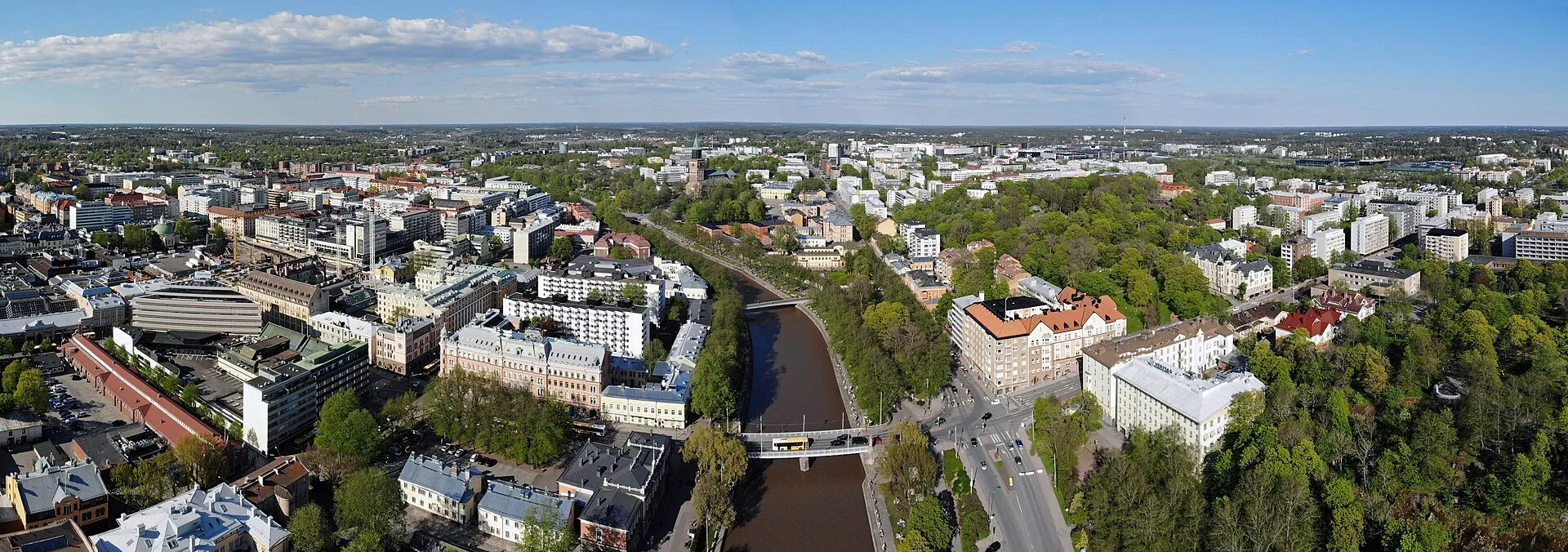
Turku is Finland's oldest city and sits on the country's southwest coast at the mouth of the Aura River. It runs cheaper than Helsinki, but this is still Nordic Europe, so budget accordingly. All prices below are in US dollars, converted from euro prices, and they shift with the exchange rate.
Here is a realistic monthly breakdown for one person:
- Rent, one-bedroom in the center: around $865. A smaller studio can run less.
- Rent, one-bedroom in a cheaper area: around $675 a short bus ride out.
- Utilities: roughly $140, higher in the deep winter when heating runs constantly.
- Groceries: about $290 to $405 if you cook and shop at Lidl, Prisma, or the market hall.
- Eating out: a basic restaurant meal is about $16 to $18, and a mid-range dinner for two runs near $105.
- Coworking hot desk: a flexible day office at the big flexible-space chains starts near $75 a day, while a monthly membership is cheaper per day.
- Local transport: a 30-day Foli season ticket is $66.
All in, expect roughly $1,840 to $2,990 a month (about USD 1,700 to 2,800) as a single person, depending on your rent and how often you eat out. Short-term furnished rentals cost more than the long-lease figures above, so factor that in if you are only staying a few months.
Where to Work
The nomad scene here is small, so do not expect a wall of dedicated coworking brands. The reliable options are the flexible-office chains (Spaces, Regus) with hot desks and day passes, plus Werstas, a coworking space out in the Turku Science Park near the university with WiFi, coffee, meeting rooms, and quiet zones. Booking a desk online ahead of time is smart since availability is limited.
Cafe-work culture exists but is low-key. Plenty of central cafes will let you sit with a laptop for a couple of hours, and the University of Turku and Abo Akademi give the center a student energy that makes laptop work feel normal. WiFi is genuinely good: Finland has strong, fast, widely available connections, and public WiFi in libraries, cafes, and the main library on the river is dependable. Mobile data is cheap and coverage is excellent, so a local SIM as a hotspot backup is an easy safety net.
Getting Around
Turku is compact and flat, and the historic center along the Aura River is easy to cover on foot. The local bus network is Foli, which is clean, punctual, and covers the whole region. A single ticket bought in the Foli app is about $3.50 and is valid for two hours, a 24-hour ticket is $9.50, and the 30-day season ticket is $66. A Foli season ticket also unlocks the Follari city bikes in the warmer months.
Cycling is popular and the city is bike-friendly, though winter ice and darkness make it a warm-season habit for most people. Getting to and from the airport (code TKU) is simple: Foli bus line 1 runs between the terminal and the center in about 20 minutes for the standard bus fare. For Helsinki, the VR train takes about two hours with several departures a day, and intercity buses cover the same route in a similar time.
Sorting transport? Book an airport transfer, or compare car rental on Auto Europe and QEEQ.
Visas and Staying Long-Term
Finland is in the Schengen area, so many travelers can enter visa-free for up to 90 days in any 180-day period. That covers most short stays, and it is the simplest way to spend a season here.
Finland does not have a dedicated digital nomad visa. If you want to stay longer, the routes run through Finnish residence permits, most commonly the self-employment or entrepreneur permit for people building a business or freelancing with a real economic footprint in Finland. These permits are typically granted for a year at first and can be extended, and long enough continuous residence can open a path toward permanent residence. They come with income thresholds and paperwork, so they are a commitment rather than a quick fix. Note that remote work for foreign clients on a tourist entry sits in a gray area under the rules, so do not assume it is permitted.
Best Time to Visit
Turku's seasons are extreme, and they will shape your entire experience. Winters are long, cold, and dark: in December and January daylight is short and the sun barely climbs, temperatures sit below freezing for weeks, and the mood turns very indoor. It is atmospheric and quiet, but the darkness is hard on people who are not used to it.
Summers are the opposite. From late May through August the days are long and bright, the riverbank fills with terraces and life, and the archipelago nearby is stunning. That stretch is the clear best window for remote work here: you get energy, daylight, and an outdoor social scene. Late spring and early autumn are pleasant shoulder seasons with fewer crowds. If you are sensitive to short daylight, plan your stay around the summer half of the year.
Pros and Cons
The honest tradeoffs:
Pros
- Fast, reliable internet and excellent mobile coverage almost everywhere.
- Clean, safe, and walkable, with a punctual bus network in Foli.
- Cheaper than Helsinki while keeping the same high quality of life.
- Gorgeous summers, a lively riverfront, and the archipelago on your doorstep.
- Widely spoken English and a calm, orderly pace of life.
Cons
- Long, dark, cold winters that can wear you down.
- High costs by global standards, even if it beats the capital.
- A small nomad and coworking scene, so less ready-made community.
- Finnish is difficult, and while you can get by in English, deeper integration is slow.
- No dedicated nomad visa, so long stays mean real residence-permit paperwork.
Who Turku Is Best For
Turku suits remote workers who value calm, safety, and reliability over nightlife and a big nomad crowd. If you like nature, cold-weather quiet, and a walkable Nordic city with fast WiFi, and you are happy making your own routine, you will do well here, especially from late spring through summer. It is also a solid base if you want to explore the archipelago or use it as a gentler alternative to Helsinki.
Skip it if you need a large, built-in nomad community, cheap living, or reliable sunshine. If long dark winters drag you down, or you want a buzzing coworking and social scene from day one, other European bases will serve you better. Turku rewards a certain temperament more than it rewards everyone.