Cost of Living in Reykjavik
Real market data
Source: Numbeo · August 2026
$3,570/moSolo nomad1-bed centre + living costs
$4,470/moCoupleshared 1-bed + costs
$3,130/moLean / localcheaper area + costs
- 1-bed rent, city centre$2,450kr303,700
- 1-bed rent, outside centre$2,010kr248,667
- Monthly costs excl. rent (1 person)$1,120kr138,841
- Meal, inexpensive restaurant$28kr3,500
- Monthly transit pass$90kr11,200
- Buy price, per m² (centre)$7,880kr977,545
Prices are from Numbeo (August 2026), converted to USD at $1 = kr123.98 (01 Aug 2026). The monthly living-costs figure is our transparent one-person basket, groceries, a few meals out, utilities, phone, internet, transport and essentials, priced from those figures. Solo adds central rent; couple and lean are estimates from the same numbers. The guide below quotes its own monthly range, which is a different measurement rather than a competing one: this table prices a defined basket at the figures above, while that range is a judgement about how somebody actually lives here.
Reykjavik is one of the most expensive cities in Europe for nomads. Expect a genuine sticker shock compared to Southern Europe or Southeast Asia, and budget accordingly before you commit to a stay.
A one-bedroom apartment in the central 101 district runs roughly $2,260-3,060 per month. Moving to the eastern suburbs of Breiðholt or Árbær drops that to $1,450-1,940, though you will rely more on buses. Coliving and short-term furnished rentals in the center tend to land around $1,610-2,020 per month and are worth considering for stays under three months.
Monthly grocery costs for a single person cooking at home run approximately $485-645. Lamb, skyr, dairy, and root vegetables are reasonably priced by local standards. Imported goods, fresh fruit, and specialty items carry a noticeable premium.
Eating out is expensive. A casual lunch costs around $24-36. A sit-down dinner at a mid-range restaurant is typically $48-81 per person without wine. Hot dogs from Bæjarins Beztu remain the one genuine budget option in the city center at under $5.
A hot-desk coworking membership runs approximately $325-485 per month. A 30-day public transport pass costs around $94. Mobile data plans are affordable at roughly $6.50-9.50 per month for 10 GB.
Realistic monthly total: $3,230-4,840 for a comfortable solo nomad lifestyle, which includes rent in or near the center, groceries plus a few meals out, coworking, and transport. Budget closer to the lower end if you take a peripheral apartment and cook most meals.
Where to Work
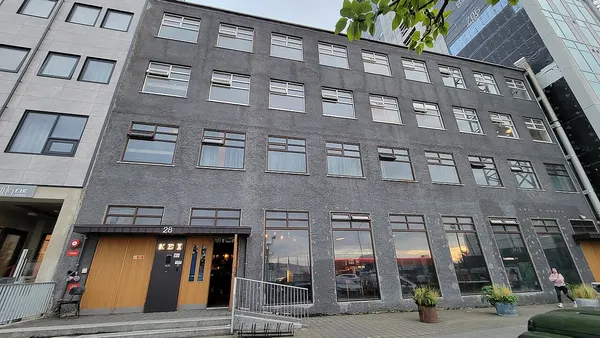
Reykjavik has a small but functional coworking scene. Innovation House (Eiðistorg, Seltjarnarnes) is well-established and caters to entrepreneurs and startups. Minor Coworking suits creative freelancers with its artist-focused warehouse space. Quarter is centrally located near downtown and popular with software teams. The Ocean Cluster House by the old harbor hosts maritime and tech companies but has open membership options. All offer reliable fiber internet.
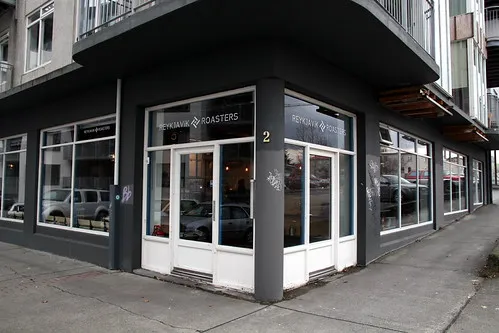
Cafe work culture exists but is not as entrenched as in Lisbon or Chiang Mai. Most cafes tolerate laptop workers during off-peak hours, but do not expect to camp for four hours on a single coffee. Reykjavik Roasters (Brautarholt and Karastigur locations) and Kaffitar branches across the city are your most reliable cafe-work spots, with solid WiFi and a tolerant atmosphere.
WiFi quality is genuinely excellent across the city. Fiber reaches most accommodations, and 4G/5G coverage is strong everywhere in the capital area. Dead zones or slow connections are rare, so video calls and large uploads are a non-issue.
Getting Around
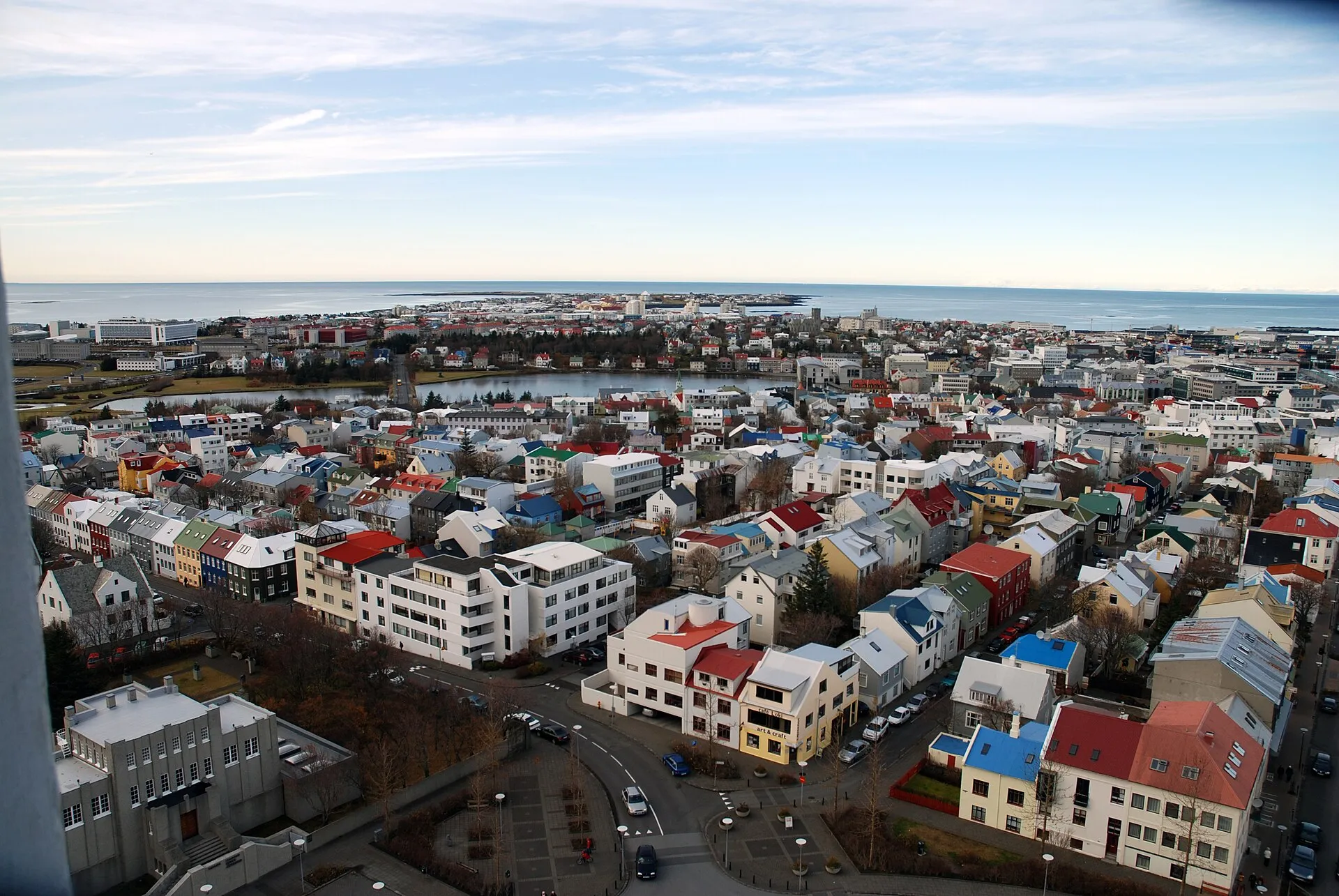
The city center (the 101 postal district) is very walkable. You can reach most cafes, restaurants, and cultural spots on foot in under 20 minutes if you are based downtown. Beyond the center, walkability drops quickly and the city is fairly spread out.
Public buses (Straeto) cover the capital area reasonably well, though service frequency outside peak hours can be infrequent. The 30-day pass at $94 is worth buying if you are staying more than two weeks. The Klapp app handles tap-to-pay for individual fares at $5.50 each.
Many locals cycle during summer, and the city has a growing network of bike lanes. Winters make cycling difficult. Ride-hailing via Hreyfill taxis is available but expensive for regular commuting.
From Keflavik International Airport, you are 50 km southwest of the city. The Flybus shuttle is the standard option at around $31-40 one way and connects to the BSI bus terminal in central Reykjavik. The journey takes 45-60 minutes depending on hotel stops. Taxis to the airport cost roughly $120-145 and are only worth it if you are splitting the fare.
Sorting transport? Book an airport transfer, or compare car rental on Auto Europe and QEEQ.
Visas and Staying Long-Term
Iceland is part of the Schengen Area. Citizens of the US, UK, Canada, Australia, New Zealand, Japan, and most other visa-exempt countries can enter without a visa and stay for up to 90 days in any 180-day period across all Schengen countries combined, not just Iceland. This is a shared limit across the whole Schengen zone, so time spent elsewhere in Europe counts toward it.
Iceland introduced a Long-Term Visa for Remote Workers in October 2020, under which non-EU/EEA nationals may remain for as long as six months, so long as the employer or the clients paying them sit outside the country. The income requirement is steep: you must demonstrate at least $8,070 per month. If you need to bring a partner or dependents, the threshold rises to $10,490. You must already have a visa-free entry arrangement to apply. Processing takes three to four weeks.
For most digital nomads, the standard Schengen 90-day stay is the practical option. Extensions beyond 90 days require the remote work visa or a formal residence permit. Keflavik is the first Schengen airport for anyone arriving from North America or Britain, including passengers only changing planes there for Copenhagen or Paris, so the Entry/Exit System registers them in Iceland and their Schengen count starts at that transfer desk.
Best Time to Visit
For remote work combined with lifestyle quality, May through September is the clear window. Temperatures stay between 10-15C (50-59F) in summer, which is mild and pleasant. The midnight sun phenomenon from late May through July means near-constant daylight, which some people find energizing and others find genuinely disruptive to sleep. Bring a good eye mask if you are sensitive to light.
June and July see the most tourists and the highest accommodation prices. May and August offer a better balance: decent weather, longer days, fewer crowds, and marginally lower costs.
September into October is a legitimate shoulder option. Weather is cooler and wetter, but the Northern Lights start appearing, daylight is still reasonable for productivity, and prices drop. November through March is genuinely tough for nomads: only four to five hours of daylight in December, persistent cold and wind, and a harsher environment that can affect motivation and mood over a long stay. If you visit in winter, do so knowing the trade-off.
Pros and Cons
- Exceptionally fast and reliable internet throughout the city
- Very high safety: consistently ranked among the safest countries in the world
- Clean air and stunning nature within easy reach, including geothermal pools, waterfalls, and volcanic landscapes
- English is spoken nearly everywhere, making daily life frictionless
- Unique cultural scene: music, design, literature, and a tight-knit creative community
- Excellent food quality from fresh Icelandic seafood, lamb, and dairy
- One of the most expensive cities in the world for nomads, with few budget workarounds
- Dark winters with only four to five hours of daylight can seriously affect mood and productivity
- Small city with limited coworking variety and a nomad community that is present but not large
- Remote work visa income threshold is very high, putting long stays out of reach for many nomads
- Eating out and groceries are expensive, especially if you have a varied diet
- Getting anywhere outside the city requires a car or tour, as public transport does not reach most natural attractions
Who Reykjavik Is Best For
Reykjavik works best for nomads on a strong income who prioritize safety, nature access, and a genuinely unique cultural environment over value for money. If you earn comfortably above average in your field and want a base that feels unlike anywhere else in Europe, it delivers. It also suits those who specifically want the summer midnight sun experience or a legitimate reason to spend weeks exploring Iceland's landscape on weekends.
It is a strong fit for short concentrated stays of four to eight weeks rather than multi-month bases. The 90-day Schengen visa-free window gives you plenty of time to experience everything the city offers without overstaying your welcome financially.
Skip Reykjavik if you are on a tight budget, if you struggle with limited sunlight in colder months, or if you want a large and active nomad community. It is also not ideal as a year-round base given the Schengen clock and the difficulty of affording the remote work visa income requirements for most people.