Cost of Living in Wanaka
Where this figure comes from. No cost survey covers Wanaka, so the $2,360 a month above is our own estimate rather than a measurement. On 416 of our 999 city guides the figure is built from a published Numbeo basket, a one-bedroom rent in the centre plus one person's monthly costs without rent, converted to USD; this city is not one of them. How we source everything.
Wanaka is beautiful but not budget friendly. As a small, high-demand resort town it carries prices closer to Queenstown than to provincial New Zealand, and housing is the real pinch point. Rent takes the biggest share: new leases lodged across the Queenstown-Lakes District in July 2026 had a median of about $2,040 a month, and a quarter of them came in under about $1,530, before food, transport or anything else. Long-term rentals are scarce and competitive, especially before ski season, so many arrivals start in short-term stays and pay a premium. Groceries, eating out and activities all sit above the New Zealand average. You can trim costs by cooking at home, sharing a house, cycling instead of running a car, and enjoying the lake and trails, which are free and world-class.
- Median new lease, Queenstown-Lakes District, July 2026: about $470 a week, or $2,040 a month (Tenancy Services bond data).
- Lower quartile of the same leases: about $353 a week, or $1,530 a month; supply is tightest before winter.
- Our $2,360 a month headline is that lower-quartile rent plus Numbeo's one-person basket for nearby Queenstown, about $830. Numbeo's own Wanaka rent sits below the official lower quartile, so the official figure is the one we use.
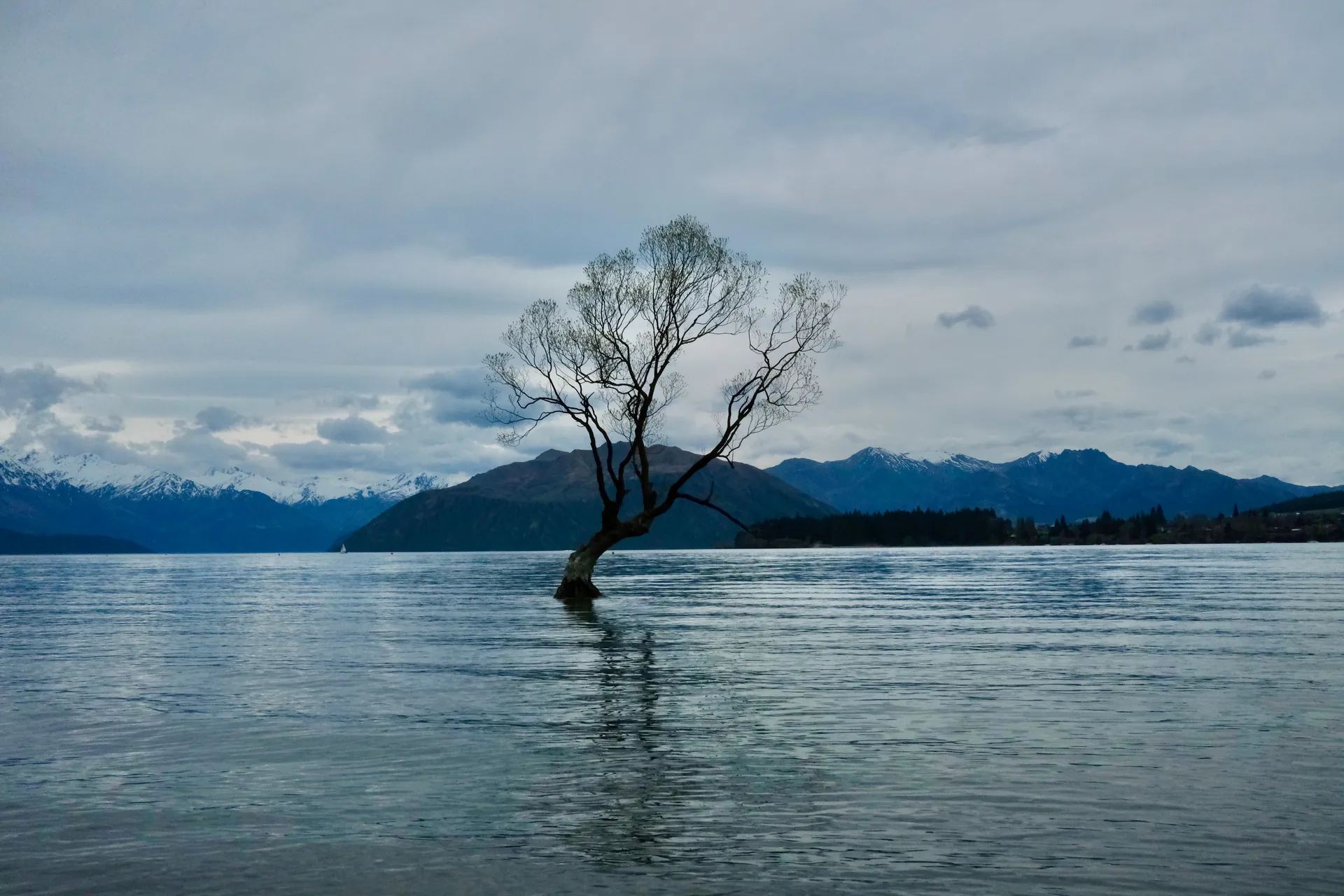
- Free by design: lake swims, Roys Peak, the Millennium Track and #ThatWanakaTree.
Where to Work in Wanaka
For a town this size, Wanaka is a pleasant place to get work done. Internet is generally good by New Zealand standards, with fibre in much of the town center and reliable connections in most rentals, so video calls and uploads are rarely a problem. There is a modest but genuine remote-worker and lifestyle crowd, and you will not struggle to find laptop-friendly cafes along Ardmore Street and near the lakefront where a flat white buys you a few focused hours. A small coworking scene exists for those who want a proper desk and company. Honestly though, the best home office here is a lake-view rental: a window onto the Southern Alps and the water does more for motivation than any office ever could, and mornings before the trails call are prime deep-work time.
- Cafes: plenty of laptop-tolerant spots in the town center, quieter outside peak brunch hours.
- Coworking: limited but present for those wanting a dedicated desk and networking.
- Home setup: a lakefront or valley rental with fibre is the standout option.
- Rhythm: locals often work early, then hit the water or hills in the long summer evenings.
Getting Around Wanaka
The town itself is compact, walkable and very bikeable, with flat lakeside paths linking the center, the marina and the outer suburbs. For day-to-day life you barely need a car. To make the most of the region, though, a vehicle is genuinely useful: the best trailheads, the ski fields, wineries and neighbouring lakes are spread out and public transport is limited. Roads to spots like the Cardrona Valley and Treble Cone are mountain roads, some gravel or steep, so check conditions in winter. Queenstown and its international airport (ZQN) sit about an hour away over the Crown Range or via the Kawarau Gorge, and shuttles and buses run that route, which is how many nomads arrive. Within Wanaka, cycling plus the odd rideshare or rental covers most needs.
- In town: walk or cycle; the lakefront paths make it easy and scenic.
- A car helps: trailheads, ski fields and the wider Otago region reward having wheels.
- To Queenstown and ZQN airport: about an hour by shuttle, bus or car.
- Winter roads: the Crown Range and Cardrona road can need caution or chains.
Sorting transport? Book an airport transfer, or compare car rental on Auto Europe and QEEQ.
Visas for Wanaka
Wanaka follows the same rules as the rest of New Zealand, so your options depend on your passport and plans. Many visitors from visa-waiver countries can enter for short stays after obtaining an NZeTA (the electronic travel authority) and paying the associated tourism levy, which suits a scenic working break where your income comes from abroad. Younger travellers from eligible countries often use the Working Holiday scheme, which allows a longer stay with the right to take local work, popular for a ski season. Longer or work-sponsored stays require dedicated visas and planning. There is no digital nomad visa, but visitor visas applied for from 27 January 2025, and NZeTA entries, allow remote work for an overseas employer or overseas clients with no limit on how much, as long as none of it is for a New Zealand employer or for people or businesses in New Zealand.
- Short visits: NZeTA plus the visitor levy for eligible visa-waiver nationals.
- Working Holiday: a longer, work-permitted option for eligible younger travellers.
- Longer stays: separate work or residence visas with more requirements.
Best Time to Visit Wanaka
Wanaka is a place of strong seasons, and each rewards a different kind of visitor. Summer, from December to February, is the peak: long daylight, warm days for swimming in the lake, and prime conditions for Roys Peak, the Rob Roy Glacier and countless other hikes. It is also the busiest and priciest window, so book ahead. Autumn (March to May) is a quieter favourite, with golden poplars, crisp air and calm lake mornings that photographers love. Winter, roughly June to August, transforms the town into a base for the nearby Cardrona and Treble Cone ski fields, bringing a lively but cold season. Spring is the mellow shoulder: fresh, uncrowded, snow still on the tops and everything greening up.
- Summer (Dec to Feb): hiking, lake swims and long days; peak crowds and prices.
- Autumn (Mar to May): golden colour, calm mornings and fewer people.
- Winter (Jun to Aug): skiing at Cardrona and Treble Cone; cold and lively.
- Spring (Sep to Nov): quiet, fresh and green, with snow lingering on the peaks.
Pros and Cons of Wanaka
Wanaka trades on scenery and a slower pace, and for the right person the pros are compelling. You get world-class alpine and lakeside nature on your doorstep, a safe and clean small-town feel, clean air, excellent English and a genuine if small community of active, outdoorsy people. Good-for-New-Zealand infrastructure means reliable internet and decent cafes. The honest downsides are just as real: it is expensive, especially for housing, which is tight and seasonal. It is remote, a long way from big cities and international hubs, so travel takes effort. Nightlife and cultural variety are thin compared with a city, and the strong seasonality means the town swells and empties through the year. It suits scenery-first living, not those craving urban energy.
- Pros: stunning nature, strong safety, clean air, good internet and a friendly outdoor community.
- Cons: high cost of living and scarce housing.
- Cons: remoteness from major cities and limited nightlife or big-city culture.
- Cons: pronounced seasonality in crowds, prices and available rentals.
Who Wanaka Is For
Wanaka is for the nomad who plans their life around mountains, lakes and trails rather than nightlife and networking. If your ideal week mixes focused morning work with afternoon hikes, lake swims, biking or a ski day, and you can comfortably afford a not-cheap resort town, this is close to paradise. It fits self-directed remote workers with steady overseas income who value peace, safety and scenery over convenience and city buzz, and who do not mind being far from major hubs. It is a weaker match for anyone on a tight budget, anyone who needs constant urban stimulation or a large social scene, or anyone who wants a fast, seamless base for frequent long-haul travel. Come for the beauty, stay for the calm, and embrace the outdoors.
- Great for: active, nature-loving nomads who can afford a premium small town.
- Great for: focused workers who want calm, safety and stunning surroundings.
- Less ideal for: budget travellers or those needing city nightlife and culture.
- Less ideal for: nomads who want to be near big cities and airports.