Cost of Living in Mariehamn
Where this figure comes from. No cost survey covers Mariehamn, so the $2,100 a month above is our own estimate rather than a measurement. On 416 of our 999 city guides the figure is built from a published Numbeo basket, a one-bedroom rent in the centre plus one person's monthly costs without rent, converted to USD; this city is not one of them. How we source everything.
Budget around $2,100 a month, which is Nordic pricing without a Nordic city's choice. A one-bedroom runs roughly $700 to $1,100, cheaper than Helsinki or Stockholm and not by as much as the size difference suggests. Groceries are Finnish prices, which are high, and the archipelago's ferry logistics do not help. Eating out is expensive and the choice is limited outside the summer season. The compensations are real: heating is included in most rentals, public services are excellent and the tax-free status of the islands within the European Union means alcohol and some goods are cheaper on the ferries. The euro is the currency. Rental supply is the real constraint rather than the price. Summer demand pulls a good part of the stock into short lets, so a long lease is far easier to sign in September than in May, and the market is small enough that listings circulate by word of mouth as often as they appear online. Budget separately for leaving: every trip off the islands is a ferry or a flight, and a household that hops to Stockholm or Turku monthly will watch that line grow quickly. Healthcare and schooling come through the Finnish system and cost almost nothing at the point of use.
Where to Work in Mariehamn
Connectivity is excellent. Aland has Finnish infrastructure, which means fibre through the town, comprehensive mobile coverage and entirely reliable power. There is a small coworking scene and the islands have actively marketed themselves to remote workers, with the local government running programmes to attract residents to a place with a shrinking population. Everything administrative is digital and works. The time zone is eastern European, two hours ahead of GMT in winter, which gives a workable overlap with the rest of Europe and an early finish against anything in the Americas. The one real friction is language rather than infrastructure: business, government and daily life run in Swedish, and while English is widely understood, the meetings, the noticeboards and the paperwork are not in it. The islands run a relocation service staffed by people whose job is to answer exactly the questions an arriving remote worker has, which is not something most places offer. Practically, winter is the productive half of the year here. Summer is short, everyone is outdoors and on the water, and trying to hold a normal working rhythm through July is a fight most residents stop picking.
Getting Around Mariehamn
Mariehamn is small and flat and the bicycle is the default: Aland has an extensive network of cycle paths and the islands are laid out for them. Buses connect the main island's villages. Beyond that, the archipelago runs on ferries, most of them free or nearly so between the inhabited islands, and working out the timetables is part of living here. Mariehamn Airport has limited connections to Helsinki and Stockholm, but the practical route is the ferry: large ships run to both Stockholm and Turku daily and take five to six hours. A car still earns its place for anyone living outside the town, mostly because the bus timetable is built around school hours rather than working ones. Plenty of people cycle straight through the winter on studded tyres, since the terrain is flat and the roads are cleared promptly. If you are taking a vehicle onto an archipelago ferry, reserve it: the boats are small, the sailings are few, and being turned away means waiting for the next one, which on the outer routes can be the following day.
Sorting transport? Book an airport transfer, or compare car rental on Auto Europe and QEEQ.
Visas for Mariehamn
Aland is part of Finland and part of the European Union and the Schengen area, so European Union and EEA citizens can live and work here with no permit and everyone else needs the same Schengen visa or residence permit they would need for mainland Finland. The islands do sit outside the European Union value added tax area, which is why the ferries sell duty free, but that is a tax arrangement rather than a border. One genuine local rule: acquiring land and full residency rights requires hembygdsratt, a regional citizenship with a five year qualifying period. What that regional citizenship actually gates is worth stating precisely, because it sounds more restrictive than it is day to day: it governs owning land, voting in the islands' own elections and holding certain trades, and it leaves renting, working and living here entirely unaffected. Acquiring it takes five years of residence and a working command of Swedish. One further consequence of the demilitarised status is that holders of Aland regional citizenship are exempt from Finnish conscription, which is a real legal distinction rather than a historical footnote.
Best Time to Visit Mariehamn
June to August is the season, with long days, temperatures around twenty degrees, the archipelago open by boat and the islands at their busiest. May and September are quieter and still pleasant. Winter from December to March is cold, dark and very quiet, with the sea sometimes freezing enough to close the smaller ferry routes, though the main Stockholm and Turku ships run all year. The islands empty out of visitors entirely between October and April, which is either a drawback or the reason to come. Anyone planning around the ferries should note that the Stockholm and Turku routes are also the islands' duty free lifeline and are busiest on Friday and Sunday evenings. Midsummer is the fixed point of the local calendar and effectively closes the islands for several days, which makes it either the best week to be here or the worst to need anything done. The June light is the real draw: it barely gets dark at all, and the archipelago in flat evening water is what brings people back. In a cold winter the frozen sea becomes usable for skating and walking, which is a genuine pleasure the summer visitors never see.
Pros and Cons of Mariehamn
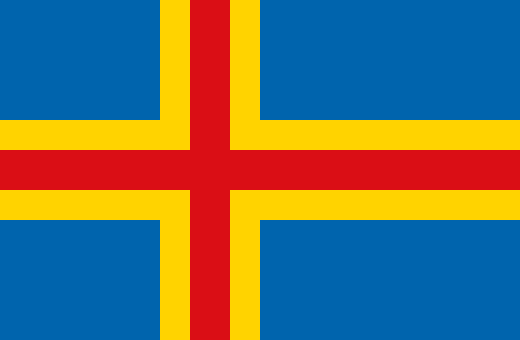
Aland is a demilitarised, Swedish-speaking, self-governing archipelago inside the European Union, with Nordic infrastructure, little theft, an enormous amount of water and space, and a government that actively wants more residents. Winter here is long and dark, the population is small enough to limit both the social and the professional scene, and the language is settled by law rather than preference, since Swedish is what the islands run on and arriving with Finnish will not help you at all. Prices are high and the choice of everything is narrow. Aland also fought a quiet diplomatic battle in the 1920s to join Sweden and lost it at the League of Nations, which is why the autonomy and the demilitarisation exist at all. Anything medical beyond the ordinary means a trip to Turku or Helsinki, so a specialist appointment is a day of travel rather than an afternoon. And the population is small enough that a professional falling-out is difficult to walk away from, which people who have lived in small places will recognise immediately and those who have not tend to underestimate.
Who Mariehamn Is For
Aland suits Swedish speakers, sailors, cyclists and anyone who wants Nordic quality of life in a place with genuine space around it. It suits European Union citizens especially, since the paperwork disappears entirely. It suits families, given the schools and the safety. A town of eleven thousand is not a city, the winters are dark in the way Baltic winters are, and Swedish is genuinely required here rather than merely useful. Aland is monolingually Swedish by constitutional arrangement, so the Finnish-English fallback that works in Helsinki does not exist. Maritime history has a particular anchor here. The Pommern, a four-masted barque moored in the harbour, is the last of the grain-trade windjammers preserved unaltered rather than restored into something tidier. The islands reward a trial run in February rather than July, because anyone can enjoy Aland in summer and the winter is the half that decides it. It suits people who arrive with their income already secured, since the local job market is small and largely Swedish-speaking: a poor place to look for work and a good one to bring it. Aland against Gotland or the Stockholm archipelago really means choosing between self-government and better connections.
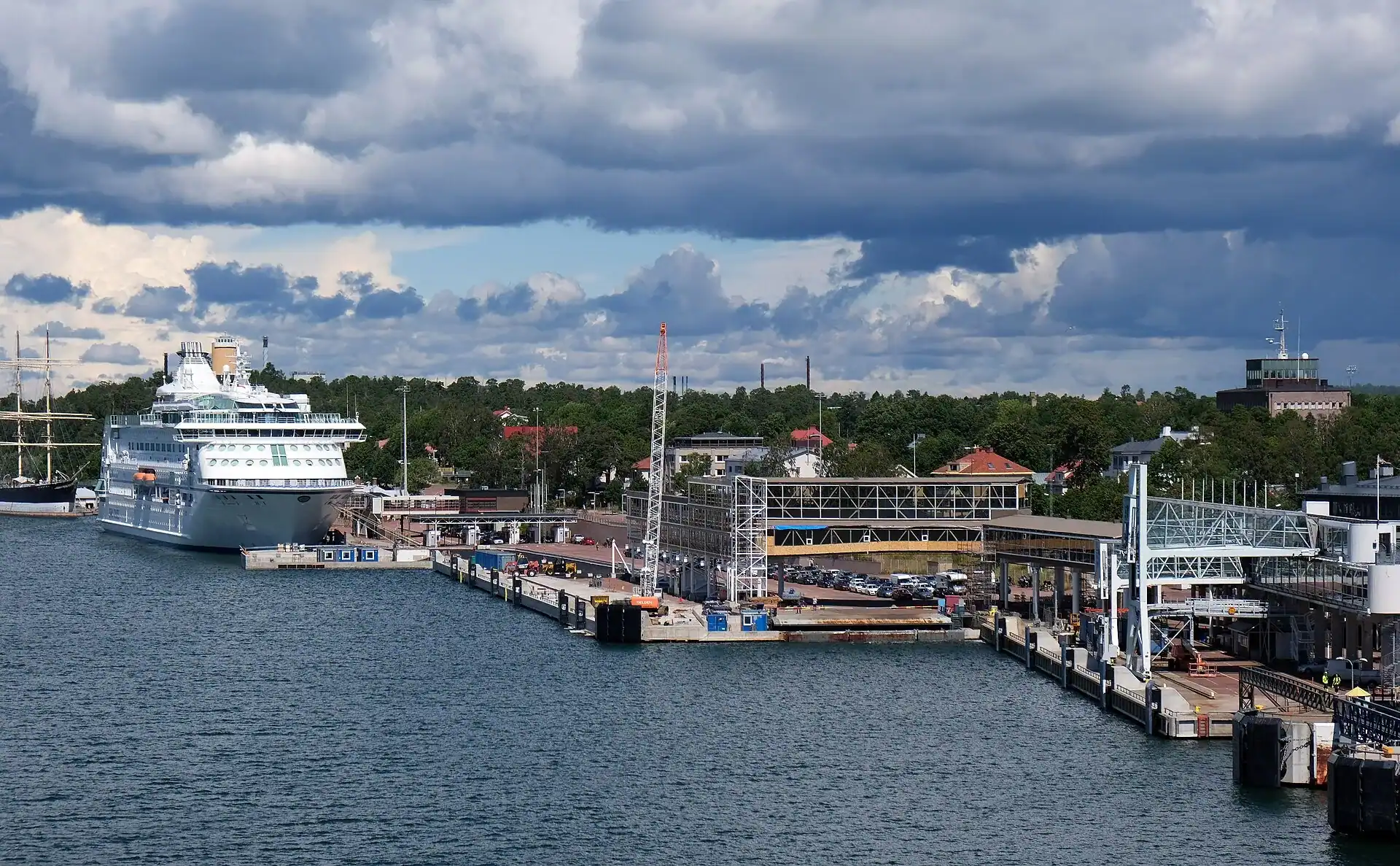 Photo: kallerna / Wikimedia Commons (CC BY-SA 4.0)