Cost of Living in Lima
Real market data
Source: Numbeo · August 2026
$1,130/moSolo nomad1-bed centre + living costs
$1,430/moCoupleshared 1-bed + costs
$720/moLean / localcheaper area + costs
- 1-bed rent, city centre$760S/2,581
- 1-bed rent, outside centre$350S/1,190
- Monthly costs excl. rent (1 person)$370S/1,267
- Meal, inexpensive restaurant$4S/15
- Monthly transit pass$27S/91
- Buy price, per m² (centre)$2,360S/7,994
Prices are from Numbeo (August 2026), converted to USD at $1 = S/3.39 (01 Aug 2026). The monthly living-costs figure is our transparent one-person basket, groceries, a few meals out, utilities, phone, internet, transport and essentials, priced from those figures. Solo adds central rent; couple and lean are estimates from the same numbers. The guide below quotes its own monthly range, which is a different measurement rather than a competing one: this table prices a defined basket at the figures above, while that range is a judgement about how somebody actually lives here.
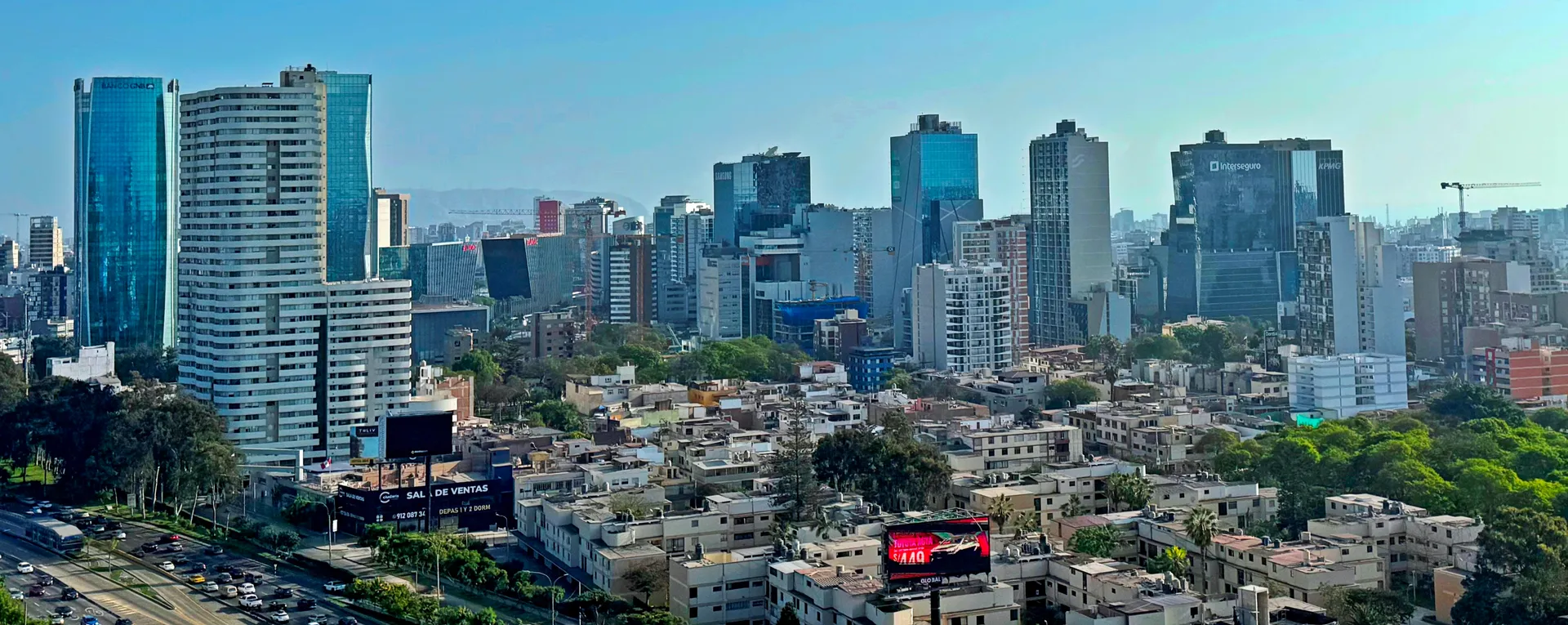
What this figure covers. Lima is a city of ten million with an enormous spread between districts. The measured average takes in all of them; the guide below prices Miraflores, Barranco and San Isidro, which is where a foreign remote worker would realistically be. How we source everything.
Lima is one of South America's more affordable capital cities, though costs vary sharply by neighborhood. Budget around $1,000 to $1,800 per month for a comfortable nomad lifestyle.
- Rent (central Miraflores or San Isidro): $740 to $1,300 for a furnished one-bedroom. Barranco tends toward the lower end of that range.
- Rent (cheaper areas like Jesus Maria or Pueblo Libre): $530 to $820 for a decent furnished apartment.
- Groceries: $180 to $260 per month shopping at Wong or Metro supermarkets. Local markets (mercados) cut that figure further.
- Eating out: A solid lunch menu (menu del dia) runs $3.50 to $6. Mid-range restaurants cost $15 to $29 per person. Upscale cevicherias add up fast.
- Coworking hot-desk: $120 to $260 per month depending on the space. Day passes typically cost $9 to $15.
- Local transport: Metropolitano BRT fares are $0.94 per trip. Uber or Cabify rides across Miraflores run $3 to $6. Budget $44 to $88 monthly.
- Total realistic range: $900 to $1,500 per month covers rent, food, coworking, and transport with room for a social life.
Where to Work
Lima's coworking scene has matured quickly. You will find well-designed spaces at every price point in Miraflores, Barranco, and San Isidro.
Comunal Coworking is the most recognized local chain with locations in Miraflores and Barranco, offering reliable fiber, meeting rooms, and a genuine community of freelancers and designers. The Workshop, located next to the Pucllana archaeological site in Miraflores, is a strong pick for a professional atmosphere. International names like WeWork and Spaces are also present in San Isidro for those who need that setup.
Cafe culture for laptop work is genuinely good. Puku Puku has multiple locations across Miraflores and San Isidro, with solid Wi-Fi and specialty Peruvian coffee. Tostaduría Bisetti in Barranco is quieter and excellent for focused mornings.
The real WiFi situation is better than you might expect. Home fiber connections and coworking spaces consistently deliver speeds that handle video calls without trouble. Mobile data on Claro or Entel is fast and cheap if you need a backup. The main caveat is that some smaller cafes limit seating time during busy hours, so ordering regularly is the understood etiquette.
Getting Around
Lima is a massive, sprawling city and traffic is genuinely bad, especially in the mornings and early evenings. Within Miraflores and Barranco you can walk most errands, and the clifftop Malecon provides a pleasant route between the two neighborhoods. Beyond that, you will rely on apps or buses.
Uber and Cabify are reliable and affordable. Most in-district rides cost $2.50 to $5.50. InDrive lets you negotiate fares and can be cheaper for longer trips. Avoid unmarked street taxis; app-based options are far safer.
The Metropolitano BRT (rapid bus) runs a north to south corridor at $0.94 a trip and is useful for getting between districts. Lima's Metro (Line 1) connects southern and central districts but does not serve Miraflores or Barranco directly.
From Jorge Chavez International Airport to Miraflores, an Uber costs around $12 to $16 and takes 30 to 60 minutes depending on traffic. The Airport Express Lima bus is a cheaper option at $4.50, running directly to Miraflores. Expect the journey to feel longer than the map suggests.
Sorting transport? Book an airport transfer, or compare car rental on Auto Europe and QEEQ.
Visas and Staying Long-Term
Citizens of the US, Canada, the UK, EU countries, and Australia enter Peru visa-free and receive a tourist stamp allowing up to 90 days on arrival, with a maximum of 183 days within any 365-day period. Unlike some countries in the region, Peru does not generally allow most nationalities to extend a tourist stay from within the country, so a border run is the typical workaround for longer stays.
Peru created a digital nomad status by law in 2023, but it still cannot be applied for as of September 2026. Migraciones said it would start granting it once the rules were issued and a procedure was added to its official list of procedures, the TUPA, and neither has happened.
Best Time to Visit
Lima's climate is mild year-round but the two seasons feel very different. From December through April, you get clear skies, warm temperatures of 26 to 30 degrees Celsius (79 to 86 F), and a lively beach atmosphere along the Malecon. This is summer, hotel prices are higher, and the city buzzes.
From May through November, a coastal fog called garua settles in. You will rarely see rain, but the sky stays a flat gray for weeks. Temperatures hover between 15 and 22 degrees Celsius (59 to 72 F). The city is quieter, cheaper, and many nomads find this the more productive window precisely because there is less temptation to be outdoors.
For remote work, both windows are workable. If you care about sunshine and exploring on weekends, January through March is the sweet spot. If you want lower costs and fewer crowds, June through September delivers that, even if the gray sky takes some adjustment.
Pros and Cons
- Pro: One of the world's great food cities, with an extraordinary range from market lunches to internationally acclaimed restaurants
- Pro: Affordable cost of living relative to the quality of infrastructure and amenities available
- Pro: Fast, reliable internet in coworking spaces and most cafes
- Pro: Active nomad and expat community concentrated in Miraflores and Barranco
- Pro: Good base for exploring Peru's interior on long weekends
- Con: Gray, sunless winters from May to November that wear on mood over time
- Con: Traffic is severe; cross-city commutes can eat 45 to 90 minutes each way
- Con: Air quality and pollution are noticeable, particularly in central and northern districts
- Con: Petty theft is a real concern outside the main nomad neighborhoods; staying alert matters
- Con: No digital nomad visa yet, which limits official long-stay options
Who Lima Is Best For
Lima works particularly well for nomads who care about food culture, want affordable urban living with solid infrastructure, and are comfortable in a large Latin American city. If you spend your evenings exploring restaurants, checking out independent galleries in Barranco, and using weekends as a launchpad for trips to Cusco, Arequipa, or the Amazon, Lima delivers consistently. The cost-to-quality ratio for food especially is hard to beat anywhere in South America.
It suits people on a mid-range budget who want a real city with neighborhood life, not just a tourist bubble. English is limited outside the main nomad areas, so some Spanish goes a long way.
Lima is a harder fit if you need reliable sunshine for your mental health, hate traffic, or want a walkable city where you can cover ground on foot. It can also feel impersonal and chaotic if you are based outside Miraflores, Barranco, or San Isidro. If a quiet mountain town or beach village sounds more appealing than a sprawling metropolis of 11 million, consider Cusco or Huanchaco instead.