Cost of Living in Máncora
Where this figure comes from. No cost survey covers Máncora, so the $900 a month above is our own estimate rather than a measurement. On 416 of our 999 city guides the figure is built from a published Numbeo basket, a one-bedroom rent in the centre plus one person's monthly costs without rent, converted to USD; this city is not one of them. How we source everything.
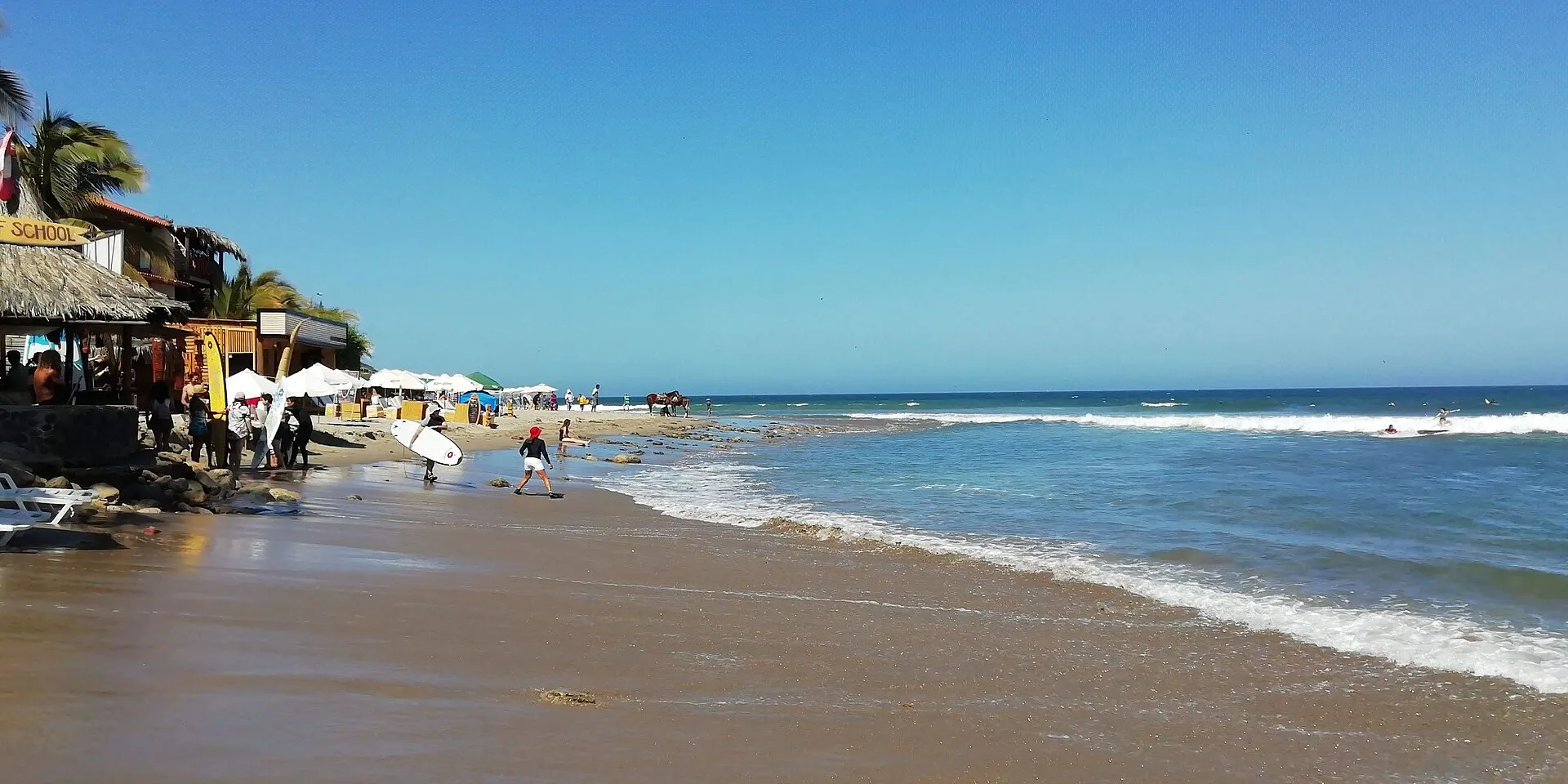
Máncora is one of Peru's cheaper destinations for foreigners, though accommodation varies wildly based on location and season. In the central tourist strip, a basic private room or small studio starts around $175-265/month if you rent locally long-term rather than through Airbnb. A decent furnished apartment in the center runs $355-530. Move a few blocks inland or toward the quieter Los Órganos or Las Pocitas areas and you can find basic bungalows for $235-355 per month.
Groceries from the local market are very affordable: a kilo of fish or chicken costs $4.50-5, and fresh produce is cheap year-round. A set lunch menu at a local spot runs $3.50-4.50. Eating at tourist-facing restaurants costs $10-18 per meal. A coworking hot desk at Selina runs around $15-16/day or roughly $170/month on a monthly plan. Getting around on foot or by mototaxi costs $0.50-1.50 per trip.
- Rent (local area, furnished): $235-530/month
- Groceries: $59-105/month
- Eating out (mix local/tourist): $135-265/month
- Coworking hot desk: $170/month
- Local transport (mototaxi): $18-35/month
- Utilities and internet: $29-53/month
- Total realistic range: $650-1,100/month
Budget travelers can scrape by on $600; anyone wanting a private apartment, decent food variety, and a coworking pass will spend closer to $900-1,100. Tap water is not drinkable, so factor in bottled water costs (around $6-9/month).
Where to Work
Your honest options are limited. Selina Máncora is the only dedicated coworking space in town, located on Avenida Panamericana Norte. It offers a hot desk, pool access, and the best WiFi in Máncora. The vibe is social and hostel-adjacent, which suits some people and irritates others. Expect occasional outages tied to local infrastructure.
Beyond Selina, a handful of cafes are laptop-tolerant. Cafe del Mundo (Calle Piura 224) has solid French press coffee and reported WiFi, making it the best non-Selina option for a focused morning session. Green Eggs and Ham near the beach has WiFi but is loud and social, better for a casual hour than a full workday. Blacksheep Cafe further down the main road is quieter and more focused.
The honest WiFi reality: Máncora is a beach party town with infrastructure built for tourism, not remote work. Speeds outside Selina are inconsistent, and power cuts happen. Mobile data (Claro or Movistar, 10GB for around $13-15/$13) often outperforms cafe WiFi as a backup. Máncora works for remote workers who need moderate bandwidth for calls and standard tasks, but it will frustrate anyone requiring sustained high-speed uploads or rock-solid reliability.
Getting Around
Máncora town is small and walkable. The main strip along Avenida Panamericana is about 1.5 km and you can cover most of what you need on foot. For anything further, mototaxis (three-wheeled tuk-tuks) are the default local transport and cost $1-1.50 per short trip. There are no buses within the town itself.
Getting to Máncora from the outside world takes some effort. The closest airports are Talara (75 km south, about 1 hour by road) and Tumbes (105 km north, about 1 hour 15 minutes). Piura Airport is larger with more daily flights to Lima but sits 220 km south, meaning roughly 2.5 hours by road. From any of these airports, you take a taxi or shared shuttle to the main road and then into Máncora. A private taxi from Piura Airport costs $145-205. From Tumbes, taxis run $44-59.
Long-distance buses from Lima to Máncora take 18-20 hours. Cruz del Sur and CIVA are the reliable operators. If you are coming from Ecuador, CIFA buses run from Huaquillas to Máncora; buy directly from the bus company, not from street agents offering packages near the border.
Sorting transport? Book an airport transfer, or compare car rental on Auto Europe and QEEQ.
Visas and Staying Long-Term
Citizens of the US, Canada, UK, EU, Australia, and most Western nations enter Peru visa-free. Despite what older guides say about 180 days, immigration officers in practice typically stamp you in for 90 days on arrival. The theoretical maximum under Peruvian law is 183 days per year, but expecting 90 days is the safer assumption. Peru has no digital nomad visa you can apply for: one was created by law in 2023, but the rules that would open it have never been issued. A tourist stay cannot be extended from inside Peru except by citizens of the Andean Community countries, so if you want more than 90 days, ask for them at the border. Most long-term visitors do a border run to Ecuador and re-enter.
Best Time to Visit
Máncora sits in the Piura region and enjoys warmer, sunnier conditions than the rest of Peru's coast. The best window for remote work combined with pleasant weather is May through November. Temperatures hover around 22-28°C, humidity is manageable, surf is consistent, and there are fewer tourists. The town is livelier without being overwhelmed.
December through April is technically the warm "summer" season, but also the rainy and hot period. Average highs sit around 29-30°C with hotter spells into the low thirties, humidity spikes, and heavy rains (especially February to April) can cause flooding on dirt roads. It is also the busiest time, with the beach scene filling up for the South American summer holidays in January and February. If you are here purely to surf or party, January and February work fine. For sustained focused remote work, the May-to-November window is significantly more comfortable.
Pros and Cons
- Low cost of living compared to most digital nomad hotspots
- Year-round warm weather and consistent sun
- Excellent fresh seafood, especially ceviche
- Beginner-friendly surf scene with easy access to lessons and board rental
- Relaxed, social atmosphere that suits people craving a slow pace
- Good base for side trips to Punta Sal, Los Órganos, and the Ecuador border
- Very limited coworking infrastructure, WiFi is unreliable outside Selina
- Petty theft and drug-related activity in the central tourist zone
- Tap water is not potable
- Small town with few English speakers away from hostels
- Hot and humid December-April, with periodic flooding
- Long transit times to reach international airports
Who Máncora Is Best For
Máncora is a strong fit if you want low living costs, warm weather, surfing, and a laid-back beach routine. You do your focused work in the mornings at Selina or a quiet cafe, then spend your afternoons in the water or exploring the coast. It rewards people who are self-sufficient, comfortable with occasional connectivity hiccups, and genuinely interested in slowing down for a month or two.
It is less suited for nomads who depend on fast, reliable internet for video production, large file transfers, or intensive calls. It is also a harder sell if you want a robust professional community or a city with diverse cultural amenities. Solo travelers who are cautious about safety should stay alert in the central strip at night and keep valuables out of sight. If you want a beach escape on a budget and can work within patchy infrastructure, Máncora delivers. If you need digital infrastructure that just works, look at Lima, Cusco, or Arequipa instead.