Cost of Living in Tarapoto
Where this figure comes from. No cost survey covers Tarapoto, so the $600 a month above is our own estimate rather than a measurement. On 416 of our 999 city guides the figure is built from a published Numbeo basket, a one-bedroom rent in the centre plus one person's monthly costs without rent, converted to USD; this city is not one of them. How we source everything.
Tarapoto is one of the cheapest bases in this guide, even by Peruvian standards. A one-bedroom apartment near the Plaza Mayor or in Morales runs roughly $205 to $385 a month, and a nicer place with air conditioning and a pool in a gated complex can push toward $530 to $735. Menu-del-dia lunches at local spots cost $2.50 to $4.50, a plate of tacacho con cecina or juane at a market stall is similarly cheap, and a full dinner out with drinks at a nicer restaurant is $9 to $15 per person. Mototaxi rides around town are $1 to $2. A single nomad can live comfortably on $590 to $885 a month including rent, and couples splitting an apartment can do it for less per person. The currency is the Peruvian sol (PEN), card acceptance is inconsistent outside of supermarkets and larger restaurants, and cash from ATMs (watch for withdrawal fees) is still the norm for mototaxis, markets, and small eateries.
Where to Work in Tarapoto
Tarapoto does not have the coworking density of Lima or Cusco, but it has a handful of solid cafes near the Plaza Mayor and along Jiron Lamas and Jiron San Martin that work fine for a laptop session, plus a growing number of hotels and hostels that cater to remote workers with decent common areas. Wifi is generally usable for email, video calls, and light cloud work, but it is not always fast or stable, rain and power fluctuations during the wet months can knock out connections, and a backup mobile data plan (Claro or Movistar SIM) is worth having as insurance. Most people who plan to work seriously in Tarapoto rent an apartment or a room with its own fiber or cable connection rather than relying purely on cafes, since a slow shared cafe wifi struggles once several other people are also streaming video calls. Treat Tarapoto as a place for asynchronous or flexible work rather than a city built around back-to-back video meetings.
Getting Around Tarapoto
Mototaxis are the default way to get anywhere in Tarapoto, they are everywhere, cheap, and fast, but also loud, and the constant buzz of two-stroke engines is part of daily life here whether you like it or not. Short rides within town cost $1 to $2, agree on the price before getting in since meters do not exist. Colectivos (shared cars or vans) connect Tarapoto to nearby towns like Lamas, Chazuta, and Sauce for about a dollar per person, and they are the practical way to reach day-trip destinations without booking a private tour. For longer regional trips or to reach the coast, overnight buses run from Tarapoto to cities like Chiclayo and onward to Lima, though the road is long and mountainous. The airport (TPP) has daily flights to Lima, about one hour in the air, run by LATAM and Sky, and flying is by far the easier way to reach Tarapoto from the capital compared to the 20-plus hour bus ride. Walking works fine within the compact centro, but the heat and humidity make mototaxis the more comfortable choice for most errands.
Sorting transport? Book an airport transfer, or compare car rental on Auto Europe and QEEQ.
Visas for Tarapoto
Most nomads from the US, EU, UK, Canada, Australia, and many other countries receive a tourist stamp on arrival in Peru that is valid for up to 183 days, though immigration officers sometimes grant fewer days (as low as 90) at their discretion, so it is worth confirming the stamped date when you land. This stay is generally not renewable or extendable from inside the country in the way some other countries allow, and overstaying triggers a fine calculated per day plus potential complications leaving the country, so track your exit date carefully. Peru has had a digital nomad residence status on the books since Legislative Decree 1582 of November 2023, allowing up to 365 days for people employed by a company abroad, but Migraciones has never opened applications, so remote workers in Tarapoto use the tourist entry and leave before their stamped date. Because Tarapoto is not a major international gateway, most people arrive via Lima first and then take a short domestic flight in, meaning your Peru entry stamp (and its day count) is set at the Lima airport, not in Tarapoto itself.
Best Time to Visit Tarapoto
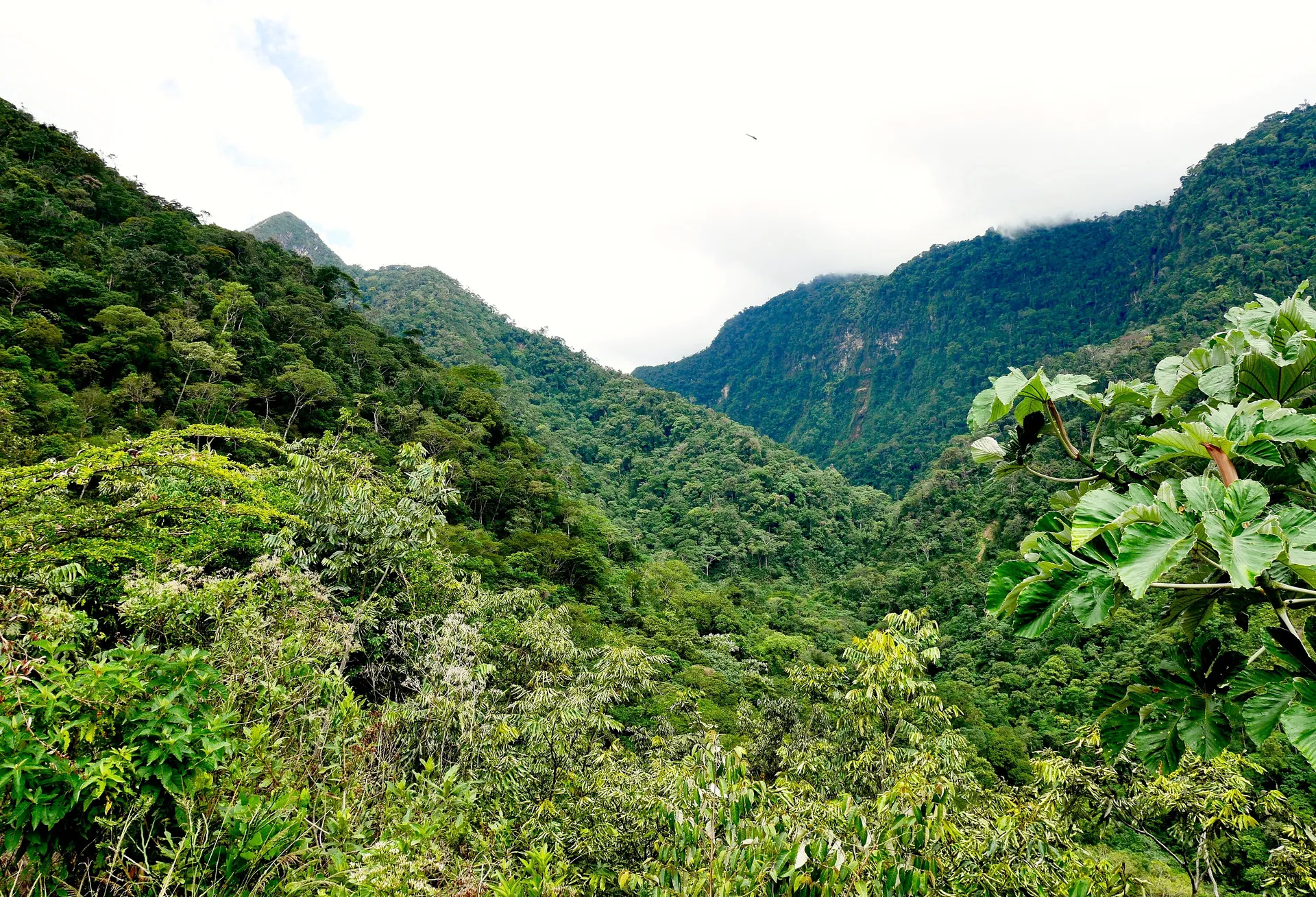
Tarapoto sits in the high jungle at around 350 meters elevation, and it is warm and humid essentially all year, with daytime temperatures typically in the high 20s to low 30s Celsius (mid 80s to low 90s Fahrenheit). There is a drier, slightly cooler stretch from roughly June to September that many visitors find more comfortable, with less rain and marginally lower humidity, making it the best window for waterfall hikes, the Ahuashiyacu falls, and boat trips to the Blue Lagoon (Laguna Azul) near Sauce. The wetter months, especially December through April, bring heavier and more frequent downpours that can turn unpaved roads muddy and occasionally disrupt travel to more remote spots in the Cordillera Escalera reserve, though the rain typically comes in bursts rather than lasting all day. There is no cold season here, so pack for heat and humidity year-round regardless of when you visit. Late June has a fixed date worth catching: the week up to San Juan on 24 June brings contests and music to the plazas, and the Cumbaza and Shilcayo rivers become the scene of the ritual bath that is meant to wash the year clean.
Pros and Cons of Tarapoto
The pros: Tarapoto is genuinely cheap, the surrounding nature is spectacular with waterfalls, the Blue Lagoon, cacao and coffee farms, and the Cordillera Escalera all within reach, the food scene built around Amazonian ingredients is distinctive and good, and the pace of life is relaxed and friendly compared to Lima. The cons are real too and worth stating plainly: it is hot and humid essentially every day of the year, which not everyone adapts to well, the mototaxi traffic makes the centro noisy and occasionally chaotic, wifi and general infrastructure are noticeably behind what you get in Lima, Medellin, or Chiang Mai, and petty crime such as bag snatching and phone theft happens, so normal city precautions (not flashing valuables, being alert at night, using registered taxis after dark) matter here. This is a jungle-gateway city that grew organically rather than a place built for remote work, and it shows in both its charm and its rough edges.
Who Tarapoto Is For
Tarapoto suits nomads who want a genuinely low-cost, nature-heavy base and do not mind trading polish for authenticity, people who are drawn to jungle landscapes, waterfalls, and river culture more than beach clubs or coworking lounges, and remote workers whose jobs do not depend on rock-solid video calls every day. It is a good fit for slower travelers, budget-conscious digital nomads, and anyone curious about the Amazonian side of Peru who wants a comfortable home base rather than a deep expedition into the rainforest. It is a weaker fit for anyone who needs fast reliable internet for constant video meetings, dislikes heat and humidity, or is looking for a large, established international nomad community with frequent meetups, since Tarapoto's foreign remote-worker scene is still small compared to Peru's bigger hubs like Lima or Cusco. Travellers interested in living indigenous culture get a bonus too: Lamas, a short colectivo ride up the hill, keeps the Wayku quarter where the Quechua-Lamista community lives.