Cost of Living in Trujillo
Where this figure comes from. No cost survey covers Trujillo, so the $1,000 a month above is our own estimate rather than a measurement. On 416 of our 999 city guides the figure is built from a published Numbeo basket, a one-bedroom rent in the centre plus one person's monthly costs without rent, converted to USD; this city is not one of them. How we source everything.
Trujillo is one of Peru's most affordable mid-sized cities. A one-bedroom apartment in the central districts of El Golf or Primavera runs roughly $240-350 per month. Step further out toward California or San Andres and you can find decent one-bedrooms for $180-260. Groceries from local markets run about $120-180 monthly if you cook most meals. Eating out is cheap: a solid lunch menu at a local cevicheria or menu del dia costs $3.50-6, and even a sit-down dinner at a nicer restaurant rarely tops $18 per person with drinks.
A hot-desk day pass at Estacion Coworking or Centrika typically runs $9-15; monthly memberships range from $88-160. Getting around by combi or micro bus costs $0.29-0.59 per ride. Uber and InDriver rides across the city average $2.50-4.50. All in, a comfortable nomad budget for Trujillo lands around $1,000-1,400 per month, making it one of the cheaper cities in South America for remote workers.
Where to Work
Trujillo has a small but functional coworking scene. Estacion Coworking in San Andres is the main hub, offering fast fiber internet, a cafe, printer access, and a startup-leaning community. It hosts occasional events and is the closest thing the city has to a nomad focal point. Centrika Coworking on Jiron Ayacucho in the historic center rents offices and flexible desks and caters more to local professionals than nomads, but it is a solid backup option.
Cafe-working culture is emerging but not yet as established as in Lima or Medellin. Specialty cafes like Moche Cafes Especiales in the historic center and Elevaria Cafe near Av. Fatima welcome laptop workers and serve excellent Peruvian specialty coffee. Home internet via Claro or Movistar fiber costs $24-35 per month and is generally reliable in El Golf and Primavera. Power cuts are rare in the modern residential areas. Budget for a local SIM as a backup hotspot; both Claro and Entel offer 4G LTE with good coverage in the city.
Getting Around
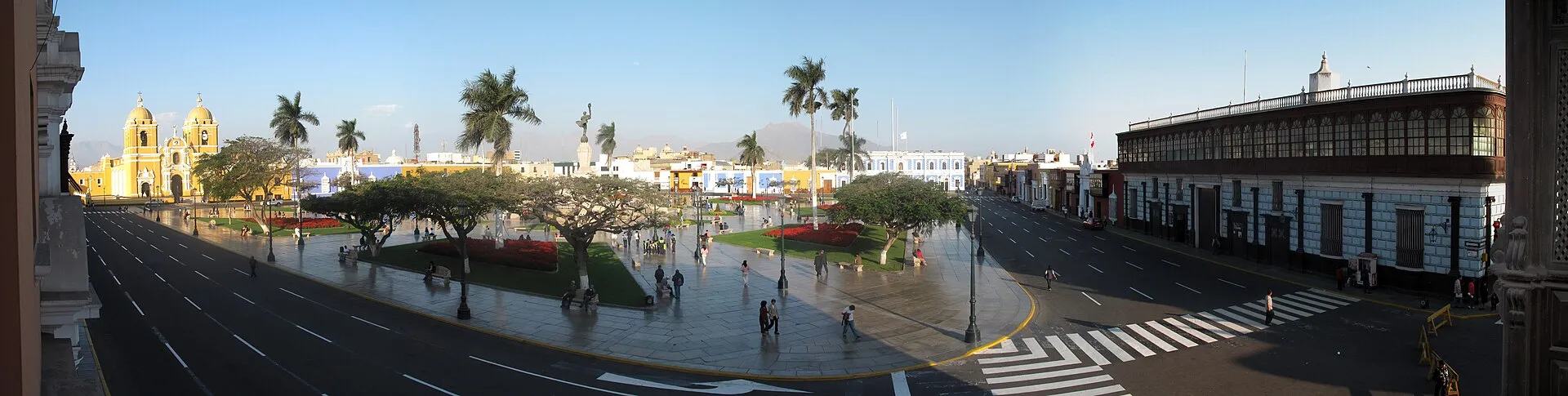
The historic center is walkable and compact. Most attractions, cafes, and restaurants in the centro are reachable on foot within 20 minutes. Beyond the center, you will need wheels. Combis and micros cover the whole city for $0.29-0.59 per trip and run from early morning until about 9 PM, though routes can be confusing at first. Uber and InDriver are both active in Trujillo and are the recommended options for evening travel or any time you are carrying a laptop bag, given occasional petty theft on public buses.
Taxis exist but always agree on a price before you get in; a cross-city ride should be $2.50-4.50. The beach suburb of Huanchaco is a popular side base for nomads; colectivos run there for $0.88-1, or a taxi costs around $4.50-6. Trujillo's airport (TRU, Capitan FAP Carlos Martinez de Pinillos) is about 10 km from the center. A taxi to downtown costs roughly $6-7.50. There are no direct bus routes that serve the airport entrance conveniently, so a taxi or ride-share is the practical choice with luggage.
Sorting transport? Book an airport transfer, or compare car rental on Auto Europe and QEEQ.
Visas and Staying Long-Term
Citizens of the United States, Canada, the EU, the UK, Australia, New Zealand, and most of South America enter Peru visa-free and receive a tourist permit of up to 90 days on arrival. Your passport should have at least 6 months of validity remaining. A tourist stay cannot be extended inside Peru: Migraciones offers an extension only to citizens of the Andean Community countries, so ask for the days you need when you are stamped in.
Peru passed legislation in late 2023 creating a dedicated digital nomad visa with a 365-day stay, but as of mid-2026 that visa has not been implemented by immigration authorities and was not included in updated TUPA publications. There is no workaround other than the standard tourist permit or exiting and re-entering the country.
Best Time to Visit
Trujillo is a genuine year-round destination. The coast here is arid desert, so rain is almost never a factor. Temperatures stay between 16-29 degrees C (61-84 F) throughout the year. The warmest months run January through March, with afternoon highs touching 28-29 C (82-84 F) and occasional coastal humidity. June through October is drier and slightly cooler, averaging 20-24 C (68-75 F) during the day with fresh breezes off the Pacific.
For remote work, the sweet spot is April through November. Temperatures are comfortable, humidity is low, and the city runs at a calm pace outside of major festivals. Two festivals shape the calendar: the national Marinera dance contest is traditionally held in January, and the Festival Internacional de la Primavera fills the last week of September with parades that end in a Sunday corso, and both are culturally unmissable but also mean busier streets and higher short-term rental prices. The December-to-March window is perfectly fine to visit, just warmer and more festive. The exception is an El Nino year, when warm water off the coast can bring the kind of downpours this desert city is not built for, so watch the coastal forecast before committing to a February or March stay.
Pros and Cons
- Low cost of living compared to Lima, Cusco, or most Latin American nomad hubs
- Mild, sunny climate year-round with virtually no rain
- Rich archaeology: Chan Chan, Huaca del Sol y de la Luna, and Huanchaco are on your doorstep
- Excellent northern Peruvian food, especially ceviche, cabrito, and seco dishes
- Compact center that is easy to navigate on foot
- Lower tourist saturation than Lima or Cusco, so a more authentic day-to-day feel
- Limited coworking options: the scene is thin compared to Lima or Medellin
- Little English spoken outside hotels and tourist businesses; functional Spanish is needed
- Petty theft is a real concern in peripheral neighborhoods and busy markets
- Small international community: fewer nomad meetups and networking events than larger hubs
- No implemented digital nomad visa despite legislation passing in 2023
- Air quality is moderate: Trujillo ranks among the more polluted Peruvian cities due to vehicle emissions
Who Trujillo Is Best For
Trujillo suits nomads who want a genuinely affordable South American base without the chaos of Lima or the tourist-trap pricing of Cusco. If you can work independently from a home office or are comfortable with a small coworking ecosystem, and you already speak basic Spanish, you will find the low costs, good food, and stable year-round climate rewarding. It is particularly good for people interested in pre-Columbian history, surf day trips to Huanchaco, or those doing longer slow-travel stays in Peru outside the beaten Gringo Trail.
Skip Trujillo if you need a large nomad community, frequent English-language networking, or a mature coworking infrastructure. It is also a poor fit if you are unwilling to take basic urban safety precautions, especially at night. Travelers who want consistent sun, low prices, and an authentic Peruvian city that has not been packaged for foreign visitors will feel right at home here. Chan Chan has been on UNESCO's danger list since it was inscribed in 1986, because its mud walls erode in the rare heavy rains, which is a reason to see it sooner rather than later. Riders have a reason of their own to come, since Trujillo is known as the cradle of the Paso, Peru's smooth-gaited saddle horse.