Cost of Living in Pisac
Where this figure comes from. No cost survey covers Pisac, so the $800 a month above is our own estimate rather than a measurement. On 416 of our 999 city guides the figure is built from a published Numbeo basket, a one-bedroom rent in the centre plus one person's monthly costs without rent, converted to USD; this city is not one of them. How we source everything.
Pisac is one of the more affordable bases a nomad can pick in the Andes, and most long-stay visitors land somewhere between $700 and $1,300 a month depending on how much comfort and how many restaurant meals they want. Rent is the biggest variable: a simple room or small local apartment is cheap, while the eco-lodges, casitas and retreat-style rentals that the expat and wellness crowd favour cost noticeably more. Fresh produce from the market and set-menu almuerzos keep food costs low, though imported goods and Cusco-level tourist restaurants push things up. The ruins above town are not free: entry is on the regional boleto turistico, and the partial Sacred Valley version, about $20, is valid for two days and also covers Ollantaytambo, Chinchero and Moray. Anyone settling in for weeks does better with the general ticket at around $37, which runs for ten days and adds the sites in and around the city.
- Budget local living: roughly $700 to $850 per month
- Comfortable expat style with a nicer rental: $1,000 to $1,300 per month
- A market-fresh almuerzo (set lunch) often costs just a few dollars
- Bring a cushion for retreats, ceremonies and Sacred Valley day trips, which add up
Where to Work in Pisac
Pisac is a small Andean market town rather than a corporate work hub, and the place it falls shortest for a remote worker is the connection. Wifi in accommodation is variable, sometimes fine for calls and sometimes frustrating, so the single most useful thing you can do is buy a local SIM and treat mobile data as your real internet. Claro, Movistar and Bitel all sell cheap prepaid data; coverage in town is decent and gives you a backup when a cafe or rental drops. A handful of laptop-friendly cafes near the plaza let you work over coffee, but expect the altitude to sap your focus and energy for the first several days.
- Buy a Claro, Movistar or Bitel SIM and load prepaid data as your primary connection
- Ask any rental for a real speed test and a plan B before committing to a long stay
- A few plaza-area cafes tolerate laptops, though none are dedicated coworking spaces
- Schedule light workdays at first while you acclimatize to nearly 3,000m
Getting Around Pisac
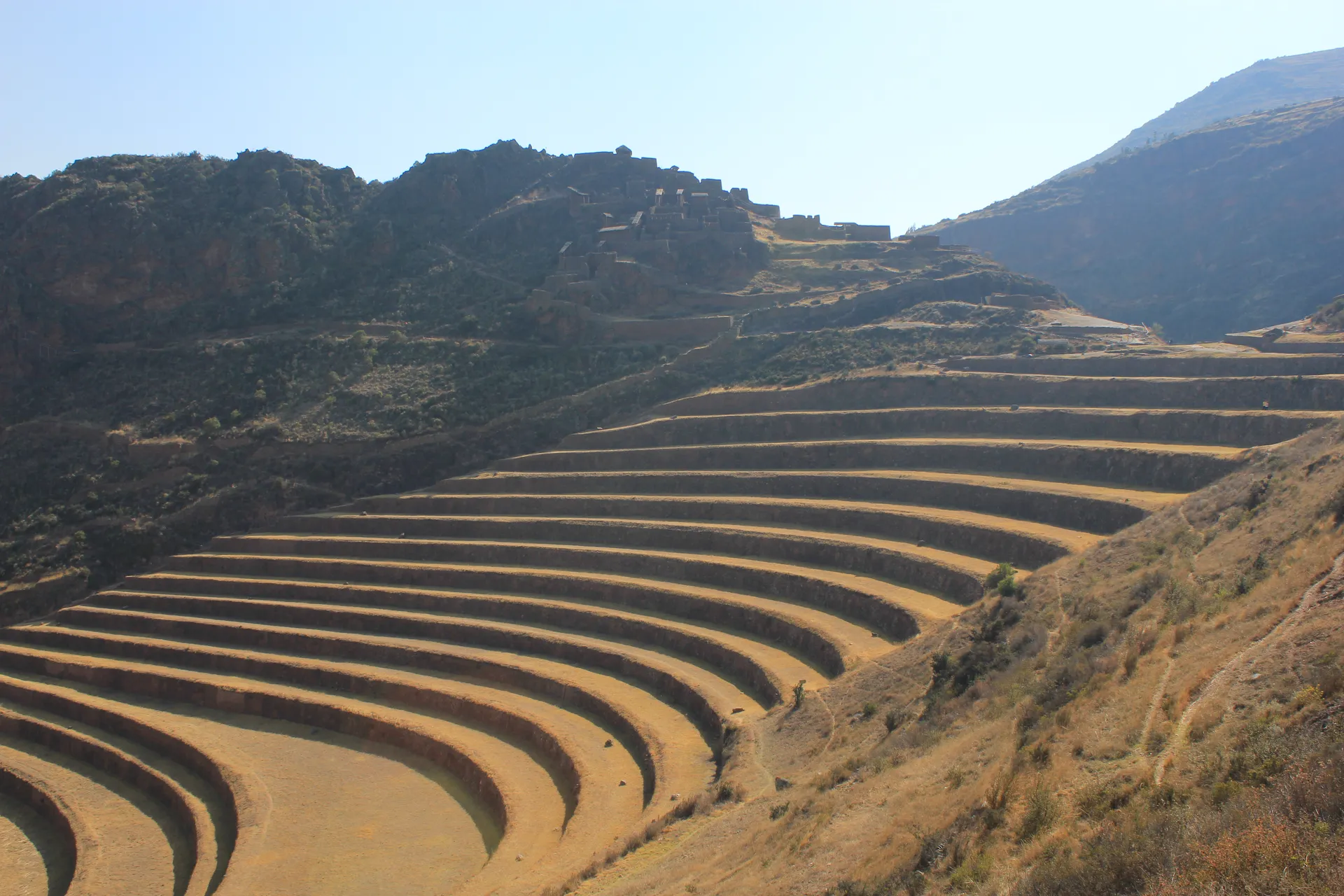
The town itself is small and walkable: the plaza, the famous artisan market and most cafes and rentals sit within a few blocks. For everything beyond town you rely on colectivos (shared minivans) and taxis, which are cheap and frequent. Colectivos run the roughly one-hour route to and from Cusco constantly, and along the Sacred Valley toward Calca, Urubamba and Ollantaytambo. The Pisac Inca ruins loom on the ridge above town; you can hike up through the terraces or take a short taxi to the upper entrance and walk down. For Machu Picchu, the standard path is a colectivo or drive to Ollantaytambo and then the train.
- Colectivos to Cusco take about an hour and leave when full
- Shared vans and taxis link Calca, Urubamba and Ollantaytambo along the valley
- Reach the ruins on foot up the terraces or by a short taxi to the top
- Take a train from Ollantaytambo for the Machu Picchu leg
- Respect the altitude: acclimatize slowly, drink coca tea and stay well hydrated
Sorting transport? Book an airport transfer, or compare car rental on Auto Europe and QEEQ.
Visas for Pisac
Pisac follows Peru's national entry rules, so there is nothing town-specific to arrange. Many travellers from countries such as the US, UK, Canada, Australia and most of the EU enter as tourists without a visa arranged in advance. Peru grants a tourist stay at the border officer's discretion, commonly for a period that can run up to 90 or in some cases as long as 183 days within a year, so it is worth politely confirming the length you are given and keeping your entry stamp. Peru created a digital nomad residence status in law in November 2023, but Migraciones has never opened applications for it, so remote workers in the Sacred Valley still visit as tourists.
- Peru sets entry length at the officer's discretion, so confirm your stamped days on arrival
- There is no nomad-specific visa; most remote workers enter as tourists
Best Time to Visit Pisac
The Andean year splits cleanly into dry and wet, and the dry season from roughly May to September is the sweet spot for Pisac. Expect crisp, sunny days that are perfect for exploring the ruins and the valley, paired with genuinely cold nights, so pack layers and a warm sleeping setup. This is also peak season around Cusco and Machu Picchu, so the region is busier. The wet season, roughly November to March, brings green landscapes and fewer crowds but frequent afternoon rain and the occasional trail or road disruption. Whenever you come, remember the town swells on market days, which are lively and photogenic but crowded. Sunday is the big market, when Quechua communities from the hills come down to sell produce alongside the craft stalls; Tuesday and Thursday are smaller, which makes them the better days for a quiet coffee near the plaza.
- Dry season (May to September): sunny days, cold nights, best trail and ruin conditions
- Wet season (November to March): green and quieter but frequent afternoon rain
- Market days pack the plaza with vendors and visitors, so plan quiet work around them
Pros and Cons of Pisac
Pisac rewards a particular kind of traveller and frustrates another. On the upside it is affordable, culturally extraordinary and surrounded by some of the most striking mountain scenery in the Americas, with a warm, established wellness and expat community that makes it easy to find your people. On the downside it is a small town with modest infrastructure, unreliable wifi, thin nightlife and limited English outside tourist-facing spots, and the altitude is a real adjustment that hits some people hard. Weigh those honestly: none of the drawbacks are dealbreakers for a slow-travel or spiritually minded nomad, but they can quietly derail anyone expecting a plug-and-play work city.
- Pros: low cost, incredible Inca culture and nature, a friendly long-stay community
- Pros: generous tourist stays and an easy base for the whole Sacred Valley
- Cons: variable wifi, modest infrastructure and limited nightlife
- Cons: high altitude to acclimatize to and limited English away from tourist spots
Who Pisac Is For
Pisac is for the cultural, spiritual and slow-travel nomad rather than the deadline-driven remote worker who needs guaranteed bandwidth. If you are drawn to Andean history, plant-medicine and retreat culture, yoga and wellness, hiking terraced hillsides and living cheaply among a small international community, few places match it. It also works beautifully as a gentler-altitude, quieter base than Cusco while you explore the Sacred Valley and plan a Machu Picchu trip. It suits people who can front-load light workloads, lean on a mobile SIM and roll with imperfect infrastructure. It is a poor fit for anyone who needs fast reliable internet daily, a buzzing nightlife or big-city convenience. History rewards the patient here: the ridge complex, thought to have been built under Pachacuti as residence, citadel and observatory, is big enough to repay several visits, and living below it lets you walk it early before the tour groups arrive from the city.
- Great for spiritual, wellness and cultural travellers who value depth over speed
- Great as a calmer, lower-altitude base than Cusco for the Sacred Valley
- Less suitable for corporate schedules that demand fast, reliable daily internet