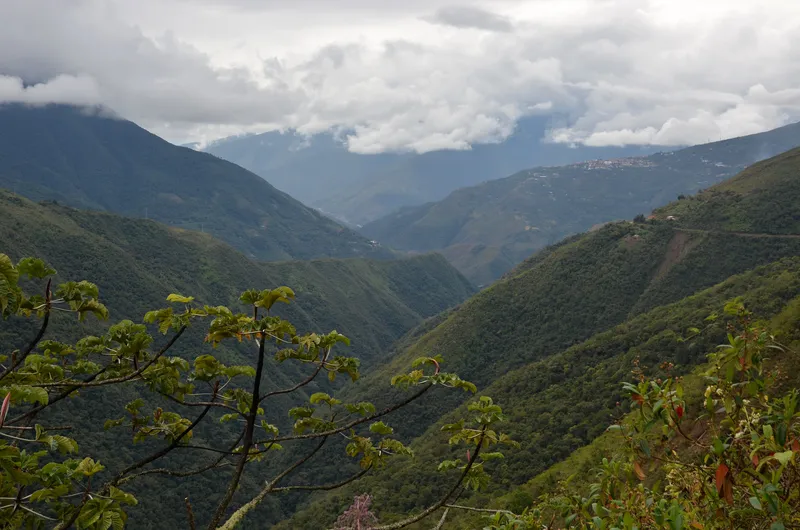
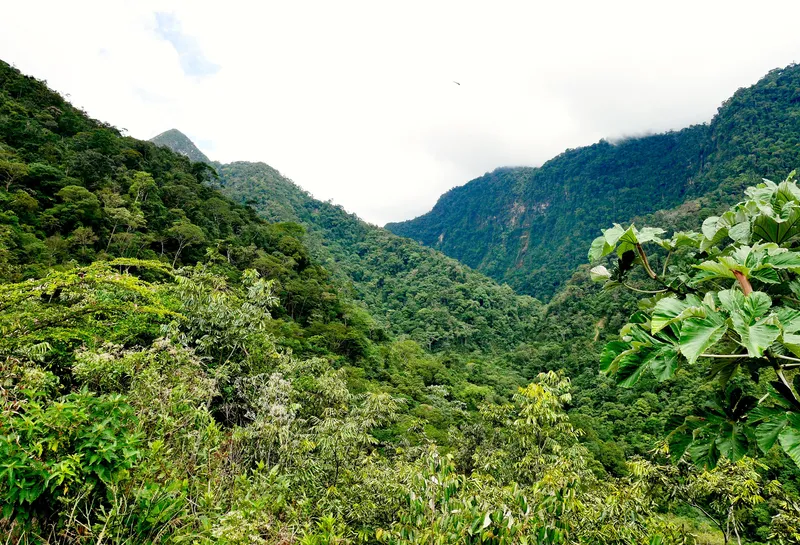
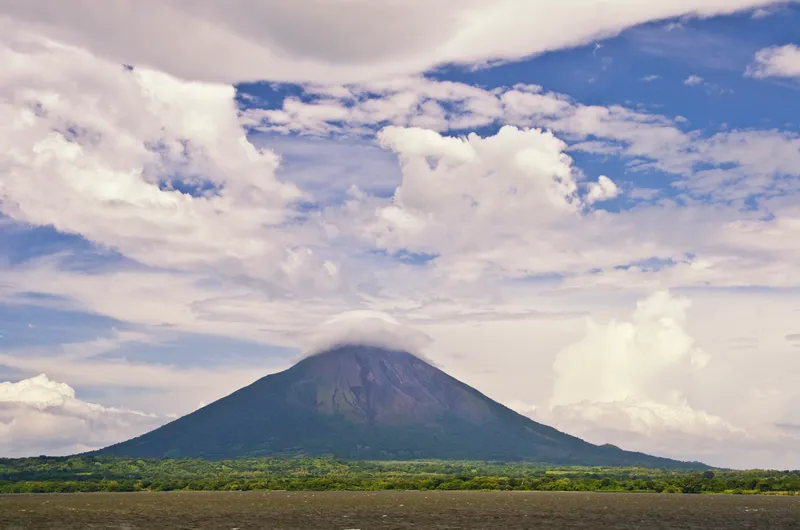
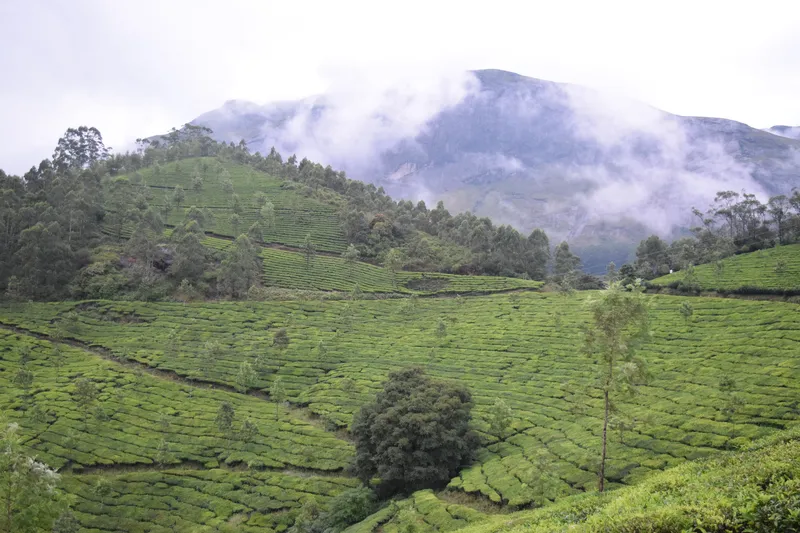
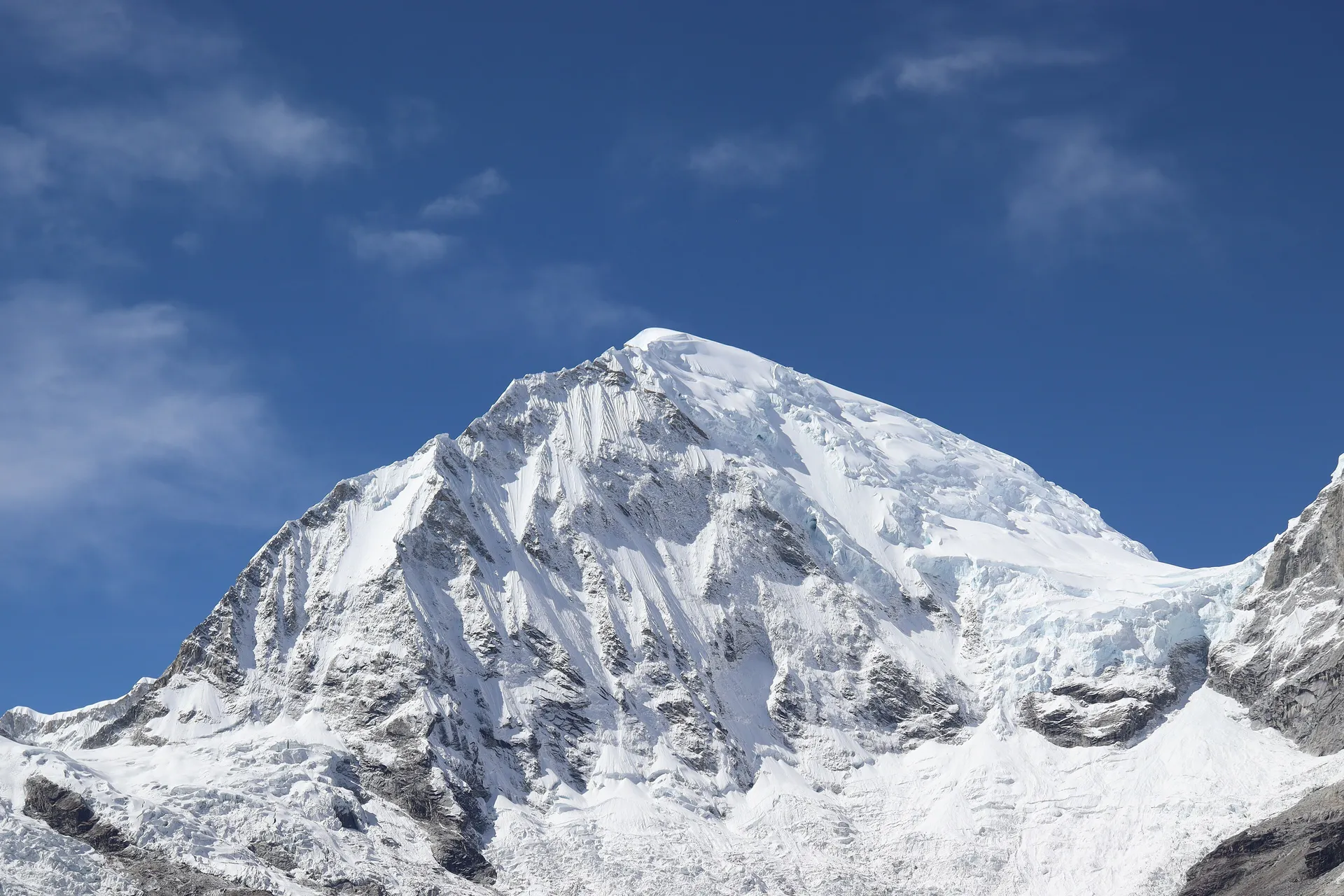
The glaciated peak of Huascaran in the Cordillera Blanca above Huaraz, Peru
Photo: Carlo Brescia / Wikimedia Commons (CC BY-SA 4.0)
🇵🇪

Huaraz

Peru

A high Andean city cradled beneath the snow-capped peaks of the Cordillera Blanca, the trekking and climbing capital of Peru and gateway to turquoise glacial lakes like Laguna 69.

$700
Monthly Budget
--
Current Weather
Subtropical Highland
Climate Type
40 Mbps
Avg. WiFi Speed
6/10
Safety Score
500+
Active Nomads
--
Time Difference
0
Nomad Score

Setting Up as a Nomad in Huaraz

A high Andean city cradled beneath the snow-capped peaks of the Cordillera Blanca, the trekking and climbing capital of Peru and gateway to turquoise glacial lakes like Laguna 69. What pulls nomads here is nature, backed by low costs and easy visas. Budget around $700 a month. Nightlife is the weak spot.

Compare Huaraz vs Trujillo →

Nomad Facts at a Glance

The practical basics for Huaraz, Peru

CurrencySol (S/, PEN)
LanguageSpanish
Plugs & powerType A/B/C · 220V / 60Hz
Tap waterBottled or filtered
Tipping10% often added
Ride-hailingUber, DiDi, Cabify
Emergency105 / 911
Mobile dataeSIM: Airalo / Holafly
Driving sideRight
Dialling code+51
Time zoneUTC-5
Best time to visitJun, Jul, Aug

Country-level guidance to get you oriented, not a substitute for checking locally. Numbers and norms can change; 112 reaches emergency services from most mobiles worldwide.

Category Breakdown

How Huaraz scores across all 13 factors

Weather in Huaraz

Monthly averages from 2019-2023 (Open-Meteo), and the best time to visit

19°
Jan
19°
Feb
19°
Mar
19°
Apr
19°
May
20°
Jun
22°
Jul
23°
Aug
21°
Sep
20°
Oct
20°
Nov
19°
Dec
Daily high & low (°C)Rainfall (mm/month)Best months to visit

The best time to visit Huaraz for comfortable weather is Jun, Jul, Aug. The warmest month is Aug (around 23°C by day), and the wettest is Mar (about 269mm of rain).

Chasing good weather? See other cities that are warm in Jun, or plan a multi-city route around the seasons. Staying a while in Huaraz? Check visa options, your time-zone overlap and how far your budget stretches, or find it on the world map.

Historical monthly averages, not a forecast. Source: Open-Meteo.

Best Neighborhoods in Huaraz

Where to base yourself for the perfect nomad experience

Centro (Plaza de Armas)

$
Functional, busy, workaday Andean town center

The rebuilt civic heart of Huaraz

The area around the Plaza de Armas is Huaraz's administrative and commercial core, rebuilt after the devastating 1970 earthquake into a grid of functional, mostly low-rise buildings. It holds the cathedral, banks, ATMs, the main market, and government offices, with mountain views appearing between buildings on clear days. Practical rather than picturesque.

Best for: Errands, banking, budget lodging, market shopping
✓ Pros
  • Central to everything, easy walking access
  • Best ATM and banking access in the city
  • Cheapest guesthouses and eateries nearby
✗ Cons
  • Architecturally plain, little colonial charm left
  • Noisier with traffic and market crowds

Jiron Jose Olaya / Luzuriaga Strip

$$
Backpacker-social, gear-shop lined, English-friendly

The trekker and traveler hub

This stretch around Jiron Jose Olaya and Avenida Luzuriaga is where most foreign trekkers base themselves, packed with tour agencies, gear rental shops, hostels, and the cafes nomads actually work from, including Cafe Andino. It has the best wifi options in the city and the strongest concentration of English speakers, with a steady stream of climbers planning routes over coffee.

Best for: Remote work in cafes, trip planning, meeting other travelers
✓ Pros
  • Best cafe wifi in Huaraz, including Cafe Andino
  • Easiest place to book treks and rent gear
  • Highest concentration of fellow travelers and nomads
✗ Cons
  • Prices run higher than the local average
  • Can feel touristy and crowded in peak trekking season

Soledad District

$
Residential, local, festival-proud

A quieter, more residential slice of Huaraz

East of the center, the Soledad district is a primarily residential neighborhood known for the Señor de la Soledad festival, one of Huaraz's biggest annual celebrations. It offers a calmer, more local pace than the tourist strip, with small neighborhood shops, family-run eateries, and easy uphill access toward mirador viewpoints over the valley and Cordillera Blanca.

Best for: Longer stays wanting a quieter, more local base
✓ Pros
  • Quieter and more residential than the center
  • Good elevated views toward the Cordillera Blanca
  • Cheaper long-term rentals than the tourist strip
✗ Cons
  • Farther from cafes and trek agencies, more walking or taxis needed
  • Fewer English speakers and traveler amenities

Carhuaz

$
Small-town, rural, low-tourist

A laid-back valley town north of Huaraz

About 30 minutes north of Huaraz by colectivo, Carhuaz is a small, relaxed Callejon de Huaylas valley town with its own plaza, a slower pace, and closer proximity to trailheads like Laguna 620 and routes toward the eastern Cordillera Blanca. It sees far fewer tourists than Huaraz itself, making it a genuine off-the-circuit option for nomads wanting immersion over convenience.

Best for: Quiet immersion, trekkers seeking a less touristy base
✓ Pros
  • Authentic small-town Andean life
  • Closer to certain northern Cordillera Blanca trailheads
  • Noticeably cheaper than Huaraz proper
✗ Cons
  • Very limited wifi and no real cafe-work scene
  • Fewer services, need Huaraz for banking, gear, and larger errands

Cost of Living in Huaraz

Huaraz is one of the cheapest bases in the digital nomad circuit, largely because it is not really built for remote workers, it is built for trekkers, and prices reflect a backpacker economy. A simple menu del dia lunch runs 10 to 15 PEN (roughly 2.5 to 4 USD), a private room in a trekker-oriented guesthouse can be had for 400 to 700 PEN a month if you negotiate a monthly rate outside peak season, and a full one bedroom apartment near the center runs 900 to 1,600 PEN. Gear rental, tour costs, and the occasional acclimatization splurge (better food, a hot shower guesthouse, a supplement of coca tea) add up faster than rent does. Budget nomads can live comfortably on 1,800 to 2,500 PEN a month excluding tours; add 100 to 300 USD a month if you plan to trek or climb regularly, since permits, guides, and gear rental for Santa Cruz, Laguna 69, or a Cordillera Blanca summit attempt are not cheap even by Peruvian standards. Everything is priced and paid in PEN soles, cash is still king outside the handful of tourist-facing cafes and hotels that take cards, and ATMs in the center (BCP, Interbank, Scotiabank around the Plaza de Armas) are reliable but sometimes run out of cash on weekends, so carry a buffer.

Where to Work in Huaraz

There is no real coworking scene in Huaraz, this is not that kind of town. Your options are cafes with wifi, your guesthouse common area, or nothing, and you should plan around that rather than fight it. Cafe Andino, a longtime trekker institution just off Jiron Jose Olaya, has the best combination of reliable wifi, good coffee, and a working-friendly upstairs seating area with mountain views, though it gets crowded with trip-planning trekkers in high season. California Cafe near Parque Ginebra is another solid option with decent wifi and slow-paced seating that tolerates laptop squatters. Beyond that, expect patchy fiber connections that slow down in the evening when everyone streams, occasional outages after storms, and altitude-related mental fog for your first three to five days that makes deep work genuinely harder, this is a real and underrated factor, not just a cliche. Most people who work here treat it as a low-output base: mornings for calls and light work, afternoons for acclimatization walks or short excursions, and they save serious deadline-heavy work for before or after their Huaraz stint. If your job needs rock-solid video calls every day, test your guesthouse or cafe wifi for a few days before committing to anything longer.

Getting Around Huaraz

Huaraz itself is compact and walkable, the center around Plaza de Armas and Jiron Luzuriaga can be covered on foot in twenty minutes, though the altitude makes uphill walking noticeably more tiring than it should be. Mototaxis and regular taxis are cheap and everywhere, a ride across town runs 4 to 8 PEN, just agree the fare before getting in since meters do not exist. Getting to Huaraz from Lima is an 8 hour bus ride on companies like Movil Tours or Cruz del Sur, with overnight buses being the practical choice to avoid burning a daylight day; the road is fully paved now and generally safe, though winding. For day trips into the Cordillera Blanca (Laguna 69, Lake Paron, Chavin de Huantar, Pastoruri), most nomads book a tour van since public transport to trailheads is slow, infrequent, and sometimes involves several colectivo transfers; colectivos do run to nearby valley towns like Carhuaz, Yungay, and Caraz from the Huaraz terminal and are the budget option if you have time. There is no rideshare app coverage worth relying on, so build local taxi and colectivo stands into your mental map early.

Visas for Huaraz

Most Western passport holders, including US, Canadian, EU, UK, and Australian citizens, get a stamp on arrival in Peru valid for up to 183 days, though immigration officers sometimes stamp fewer days at their discretion, so ask for more if you plan a longer stay and confirm the exact date stamped in your passport. This single tourist stamp covers the entire country, there is no separate visa process for Huaraz or the Ancash region specifically. Peru does not currently have a dedicated digital nomad visa, so long-stay remote workers operate in the same legal gray zone as elsewhere in South America, working remotely for a foreign employer on a tourist stamp, which is common practice but not explicitly sanctioned. Overstaying is fined per day and enforced at departure, so track your date carefully, especially if you get absorbed in trek planning and lose count. Border runs to extend a stay are possible but Huaraz is inland and far from any border crossing, so this is not a convenient base for visa runs, plan your total stay length around the original stamp instead.

Best Time to Visit Huaraz

The dry season, roughly May through September, is unambiguously the best window, with clear skies, stable trails, and the Cordillera Blanca's snow peaks visible in full glory almost every day; this is also when the popular treks like Santa Cruz and Laguna 69 are busiest, so book guides and permits ahead in June through August. The wet season, November through March, brings afternoon rain, cloud cover that hides the mountains for days at a time, and a real risk of landslides and road closures on the routes into the valley and to trailheads, some treks become dangerous or simply close. April and October are workable shoulder months with fewer crowds and mostly decent weather, a reasonable compromise if you want to avoid peak season pricing and crowding. Regardless of season, nights are cold at 3,050 meters, often dropping close to freezing, and most guesthouses have limited or no heating, so pack layers and a good sleeping bag liner if you are staying budget.

Pros and Cons of Huaraz

The single biggest draw is unmatched access to serious mountain scenery and trekking, Huaraz sits beneath Huascaran, Peru's highest peak, and puts world-class routes like Santa Cruz, Laguna 69, and Lake Paron within day-trip or multi-day reach, alongside the Chavin de Huantar archaeological site. Costs are low, the trekking and climbing community is social and easy to plug into, and the pace of life is slow in a way that suits people burned out on faster travel hubs. On the honest downside, the city itself was largely rebuilt after a devastating 1970 earthquake and landslide that killed most of its population, and the resulting architecture is functional and grid-like rather than charming, there is little colonial-era beauty left to wander through. Altitude sickness (soroche) is a genuine risk in the first several days, wifi is patchy and not built for demanding remote work, nights are cold with little heating, petty theft targeting tourists happens in the market and bus terminal areas so stay alert with bags and phones, and wet-season landslides can cut off roads and treks for days. This is an adventure base first, a comfortable digital nomad hub second.

Who Huaraz Is For

Huaraz is for nomads who came to South America for the mountains, not the cafe culture, people who are happy to trade polished coworking spaces and fast wifi for glacier views out the window and a trekking community that talks gear and routes over dinner. It suits slow travelers who can structure their work around lower output weeks, freelancers and asynchronous workers more than people on rigid meeting schedules, and anyone comfortable with a few days of altitude adjustment before they feel normal. It is a poor fit for anyone who needs dependable high-speed internet daily, wants an aesthetically charming old town to wander, or is not prepared for cold nights, basic infrastructure, and the physical toll of working at over 3,000 meters. Think of it less as a long-term base and more as a purposeful multi-week stop built around trekking, with work happening in the gaps.

Where to Stay in Huaraz

Top neighborhoods and accommodations for digital nomads

Browse apartments, aparthotels and hotels across Huaraz. Compare prices and book a base that suits a remote-work stay.

See available stays in Huaraz →

Affiliate link. See our disclosure.

Best Coworking Spaces

Where nomads get work done in Huaraz

Cafe Andino

cafe
Jiron Jose Olaya

Longtime trekker institution with reliable wifi, strong coffee, mountain-view seating, and a well-worn laptop-friendly upstairs area.

View on Maps →

California Cafe

cafe
Parque Ginebra

Relaxed cafe near Parque Ginebra with decent wifi, hearty breakfasts, and a slow pace tolerant of remote workers settling in for hours.

View on Maps →

Chocolate Cafe Huaraz

cafe
Centro

Cozy central cafe known for hot chocolate and coffee, usable wifi, and a warm indoor spot on cold Huaraz evenings.

View on Maps →

Cafe de Paris Huaraz

cafe
Centro

French-run cafe near the center serving good espresso and pastries, with workable wifi for a couple hours of laptop time.

View on Maps →

Where to Eat & Drink

Best food and drink spots in Huaraz

Cafe Andino

cafe restaurant
Jiron Jose Olaya

Trekker favorite for breakfast, coffee, and comfort food, with a book exchange and route-planning maps on the walls.

View on Maps →

California Cafe

cafe restaurant
Parque Ginebra

Popular breakfast and brunch spot among travelers, known for pancakes, omelettes, and generous portions before treks.

View on Maps →

Chili Heaven

restaurant
Centro

Long-running Indian and international food spot popular with trekkers craving spice after days on the trail.

View on Maps →

Trivio Bistro

restaurant
Centro

Higher-end bistro serving Peruvian and international dishes with craft cocktails, a step up from the backpacker standard.

View on Maps →

Rinconcito Miraflorino

restaurant
Centro

Local favorite for classic Peruvian dishes like lomo saltado and trout, popular with residents as well as visitors.

View on Maps →

Salud y Vida

vegetarian restaurant
Centro

Simple vegetarian spot with affordable set menus, a reliable option for plant-based eaters in a meat-heavy food scene.

View on Maps →

What Do Nomads Say?

Vote on how accurate these scores are based on your experience

Cities with a Similar Vibe to Huaraz

Different places that score alike across our 13 categories, if you like Huaraz, these tend to feel similar.

Frequently Asked Questions About Huaraz

How much does it cost to live in Huaraz as a digital nomad?

A comfortable nomad budget in Huaraz is around $700 a month, covering a furnished rental, food, coworking, and getting around. You can spend less by living outside the center and eating local, or more in the most popular neighborhoods.

Is the internet fast enough for remote work in Huaraz?

Huaraz rates 4 out of 10 for WiFi in our scoring, so connectivity is on the limited side for video calls and everyday remote work. A local SIM with a data plan is a smart backup for cafes, coworking, and travel days.

Is Huaraz safe for digital nomads?

Huaraz scores 6 out of 10 for safety in our ratings, which is average for solo travelers and long stays. Use the usual precautions with valuables and at night, and favor well-reviewed neighborhoods when you choose where to stay.

Is Huaraz a good city for digital nomads overall?

Huaraz stands out for nature and the outdoors and affordability among remote workers. With a typical budget near $700 a month and a growing nomad scene, it is worth a look if those priorities match what you want from a base.