Cost of Living in Iquitos
Where this figure comes from. No cost survey covers Iquitos, so the $620 a month above is our own estimate rather than a measurement. On 416 of our 999 city guides the figure is built from a published Numbeo basket, a one-bedroom rent in the centre plus one person's monthly costs without rent, converted to USD; this city is not one of them. How we source everything.
Budget around $620 a month. A one-bedroom runs roughly $180 to $350, with the streets near the Plaza de Armas and the malecon at the top. Market produce at Belen is very cheap and the Amazon supplies fish, fruit and vegetables that exist nowhere else, though anything manufactured has come up the river or in by air and carries a substantial markup as a result. Eating out is inexpensive. Utilities are moderate and air conditioning is the main cost. Prices here run above the Peruvian average precisely because there is no road, which is the defining economic fact of the city. Rent is negotiated directly and usually in cash, and foreigners are routinely quoted more than locals until they have been in town a while, so the second flat costs less than the first. Bottled or filtered water is a permanent household line rather than a choice. The other budget item peculiar to this city is the jungle itself: a lodge or a guided trip upriver costs many times a day in town, so a month here can be cheap or expensive depending entirely on how often you leave. Peru uses the sol, and cash is still king outside the larger businesses.
Where to Work in Iquitos
Connectivity is weak to moderate. Fibre reaches parts of Iquitos at modest speeds and mobile data from Claro and Movistar covers the city, but the bandwidth arriving in a city with no road connection is limited and outages happen. Power cuts occur. There is very little coworking. The time zone is five hours behind GMT, which is the same as United States Eastern time for much of the year and gives an excellent American overlap and a workable European morning. Anyone with call-heavy work should test the connection before committing. Satellite internet has changed the calculation here more than almost anywhere on this site, since it bypasses the bandwidth bottleneck that the absence of a road creates, and a growing number of lodges and better rentals now advertise it. Ask about it specifically rather than accepting the word wifi. A power bank large enough to run a laptop through a cut is standard equipment. Heat and humidity are hard on machines: keep drives and cameras somewhere dry, and expect a laptop with poor cooling to struggle in an unconditioned room in the afternoon.
Getting Around Iquitos
Iquitos runs on motorcycle rickshaws, called motokars, which are everywhere, cheap and the defining sound of the city. The centre is walkable and the malecon along the river is the evening promenade. There are almost no private cars, since there is nowhere to drive to. Everything beyond the city is by boat: fast launches and slow cargo boats run to Pucallpa, Yurimaguas and downriver to the Colombian and Brazilian border at Leticia and Tabatinga, taking days. Coronel FAP Francisco Secada Vignetta Airport has flights to Lima and Panama City. Anyone taking a cargo boat downriver should expect several days in a hammock on deck, which is the standard way to travel here and is priced accordingly. Fares are agreed before setting off rather than metered, and a short hop across the centre should cost very little, so asking a resident what a given route costs is worth more than any guide. The city also has several ports serving different routes, which is the most common source of confusion for anyone booking a boat, so confirm which one your departure actually uses rather than naming the city and hoping for the best.
Sorting transport? Book an airport transfer, or compare car rental on Auto Europe and QEEQ.
Visas for Iquitos
Peru grants visa-free entry to citizens of most European countries, the United Kingdom, the United States, Canada and Australia, with the stay granted at the officer's discretion and commonly ninety days rather than the full one hundred and eighty-three a year allows. A tourist stay cannot be extended inside Peru and overstay fines are charged daily. There is no remote work visa to apply for: one was created by law in 2023 but has never been opened. Anyone continuing to Colombia or Brazil by river should understand that the three-country border area has its own procedures and that exit stamps must be obtained on the Peruvian side before travelling. The tri-border deserves a note of its own, because it confuses almost everyone. The Peruvian settlement is Santa Rosa, Colombia's is Leticia and Brazil's is Tabatinga, they sit within sight of one another, and moving between them locally goes unpoliced while entering any of the three countries properly does not. Get the exit stamp before leaving Peruvian territory. A yellow fever vaccination certificate is asked for on some regional routes and is worth carrying regardless, since the requirement is enforced unevenly and unpredictably.
Best Time to Visit Iquitos
June to October is the drier season and the best window for jungle trips, with lower water, more walking trails accessible and fewer mosquitoes. November to May is the high water season, when the river rises many metres and the flooded forest becomes navigable by canoe, which is a completely different and arguably better wildlife experience. Temperatures sit around thirty one degrees year round with high humidity in every month. Rain falls in all of them; the difference between the seasons is the river level rather than the sky. Anyone planning a jungle trip should also decide which season they want rather than which is better, since low water and high water offer genuinely different animals and access. The Fiesta de San Juan in late June is the biggest celebration in the Peruvian Amazon and the city gives itself over to it entirely. Beyond that, the cheapest flights and the emptiest lodges fall in the wettest stretch from February to April, which is exactly when the flooded forest is at its most navigable, so the value window and the canoe season turn out to be the same weeks.
Pros and Cons of Iquitos
Iquitos is the largest city in the world with no road connection to anywhere, reachable only by river or air, sitting at the head of the navigable Amazon with rubber-boom mansions faced in Portuguese tiles and a Gustave Eiffel iron house shipped up the river in pieces and reassembled. The Pacaya-Samiria reserve is one of the great wildlife areas of South America. Heat and humidity run at full strength all year, the connectivity is poor, street crime is a real problem, and the ayahuasca tourism industry around it is largely unregulated and has caused genuine harm. On ayahuasca the useful advice is specific rather than cautionary. There is no licensing regime, deaths and assaults have occurred at centres marketing to foreigners, and the only real protection is a long-established retreat with verifiable independent reviews and a medical screening that asks about your prescriptions. Elsewhere, Belen, the floating and stilted neighbourhood on the river, is the most photographed part of the city and also among the poorest, and it deserves a local guide rather than being wandered for pictures.
Who Iquitos Is For
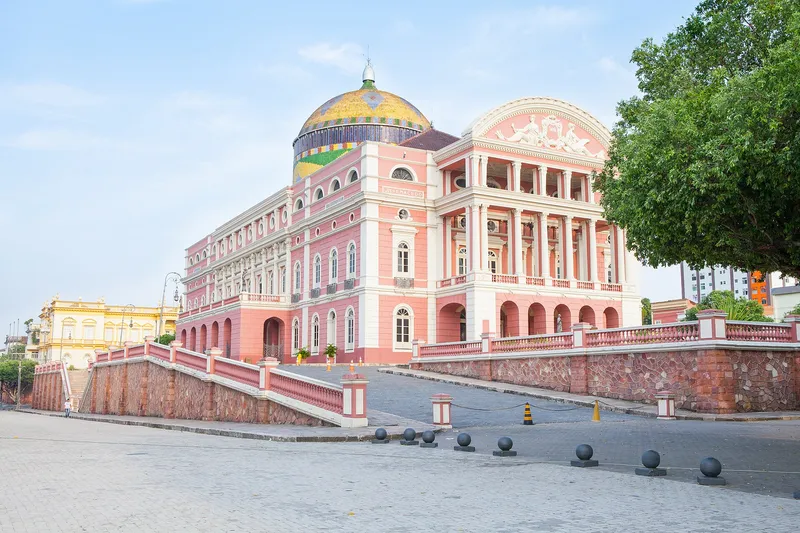
Naturalists, birdwatchers and anyone whose interest is the Amazon itself rather than a comfortable base near it. It suits people working American hours who want somewhere very cheap. The Belen market on the river is the other thing worth arriving for, and it is not laid on for visitors: it is where the city buys its food. Reliable connectivity is not available in a city no road reaches, and the heat and humidity never relent for a season. Anybody coming for ayahuasca should research the operator seriously rather than trust a website, because that industry has a poor safety record here and people have been badly hurt. The rubber boom is why this city looks the way it does. The fortunes made here between 1880 and 1912 paid for the opera houses and the tiled mansions of the whole upper Amazon. Anyone choosing an Amazon base should weigh Puerto Maldonado for easier access from Cusco, Manaus for a far larger city with better infrastructure, and this one for the strongest sense of being somewhere the road does not reach. That isolation is the point rather than a drawback for the people who love it. For most, it rewards weeks rather than a long stay, since the connectivity and the climate wear on anyone whose work is demanding.
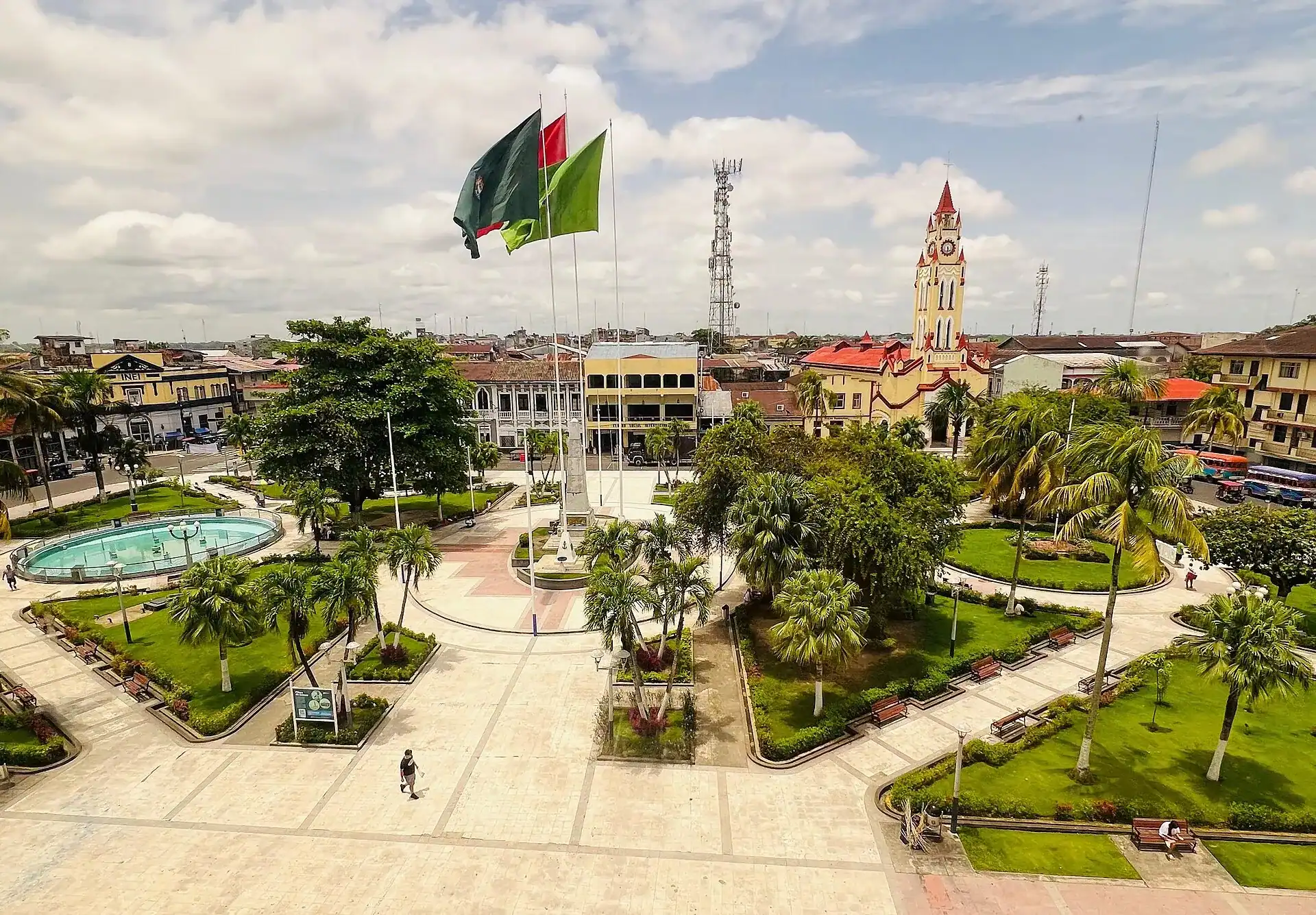 Photo: LLs / Wikimedia Commons (CC BY-SA 4.0)