Cost of Living in Cusco
Where this figure comes from. No cost survey covers Cusco, so the $1,020 a month above is our own estimate rather than a measurement. On 416 of our 999 city guides the figure is built from a published Numbeo basket, a one-bedroom rent in the centre plus one person's monthly costs without rent, converted to USD; this city is not one of them. How we source everything.
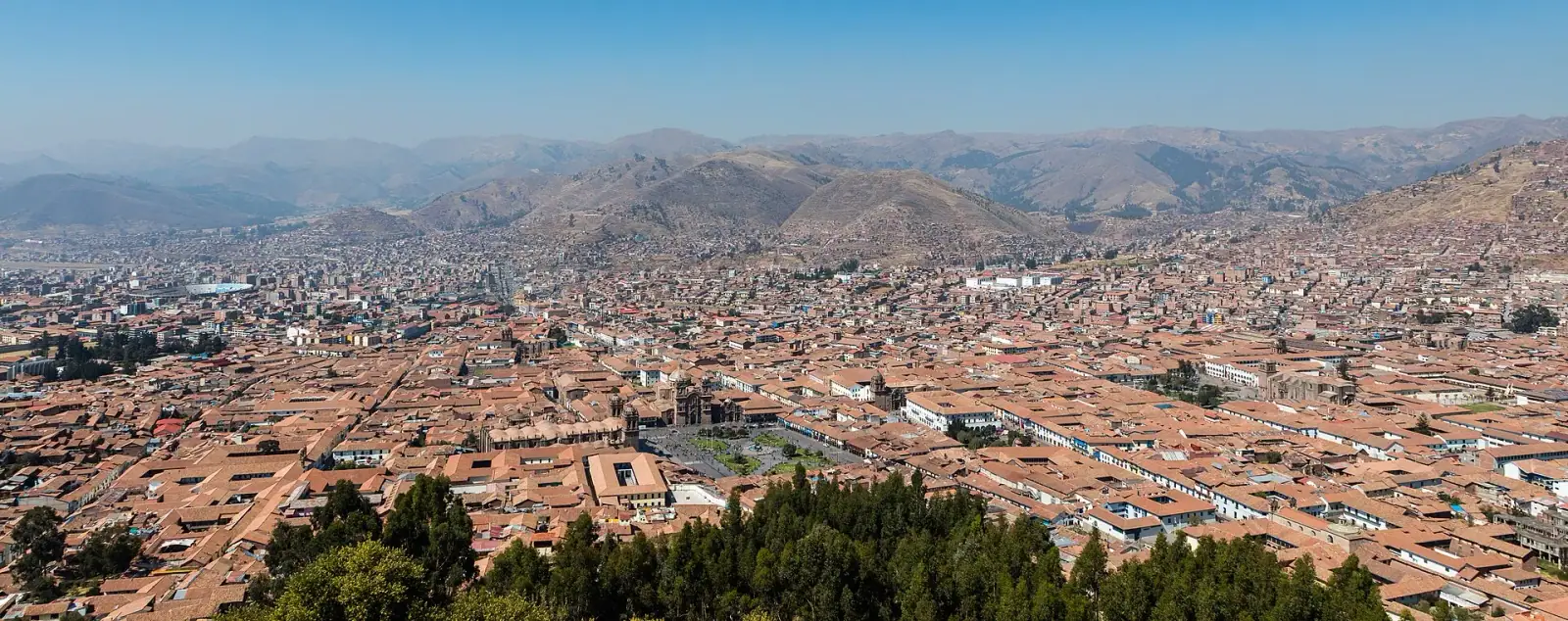
Cusco is one of the more affordable cities in South America for remote workers, though the historic center commands a premium. Expect to pay in Peruvian soles (PEN); the exchange rate runs roughly 3.7-3.8 PEN per USD.
- Rent (central, San Blas or Historic Center): $440-650/month for a furnished studio or private room
- Rent (outer neighborhoods, e.g. Magisterio or Wanchaq): $205-355/month
- Groceries (cooking at home): $120-205/month; Mercado San Pedro undercuts supermarkets significantly
- Eating out (local menú del día, 3 courses): $4.50-7.50; tourist restaurants run $12-24 per main
- Coworking hot-desk: $10-15/day; monthly plans start at roughly $120-135
- Local transport (colectivos, buses): about $0.50 per ride; taxis within the center $3-4.50
Total monthly range: A budget-conscious nomad can get by on $700-1,000. A comfortable setup with a private apartment in the center, daily coworking, and occasional restaurant meals runs $1,100-1,500. Nights out and weekend trips to Machu Picchu or the Sacred Valley push costs higher.
Where to Work
Cusco has a small but functional coworking scene centered on the Historic Center and San Blas. Your best option for reliable fiber is a dedicated coworking space rather than cafe WiFi.
Coworking Spaces
Selina Plaza de Armas (Portal de Comercio 141) is the most social option, with a coworking pass starting at around $9 per day; it attracts a steady stream of nomads and offers an on-site cafe. Ayni Center (Urb. Santa Monica) has the highest community rating, with quiet tables and strong connectivity at roughly $10 per day. Genba Coworking (Plazoleta de San Blas 630) sits in the bohemian heart of San Blas but keeps split hours (closed midday and early evening), so plan around that. La Oficina Cusco (Calle Triunfo 393) is a small, no-frills option with fast internet at $3 per hour.
Cafe Work Culture
Cusco has a reasonable cafe culture for laptop work, concentrated near Plaza de Armas and San Blas. Maki Cafe Lounge (Calle Heladeros 167) has consistently strong WiFi for a cafe in the center. Three Monkeys Coffee near Plaza de Armas pairs specialty Peruvian coffee with a workable connection. A handful of cafes let you charge your laptop; ask before settling in, because some do not allow it. Afternoon power cuts are rare but do happen, so back up work before heading out.
The Real WiFi Situation
Coworking spaces offer decent reliability. Accommodation WiFi is inconsistent: boutique guesthouses and hostels often struggle during evening peak hours. A local SIM card with a Claro or Movistar data plan (roughly $9-12 for 10-15 GB) is a sensible backup for calls and video meetings on the go.
Getting Around
The Historic Center is compact and walkable, but at 3,400 meters the hills will wind you until you acclimatize. San Blas in particular involves steep cobblestone streets that taxis often cannot reach.
- On foot: Plaza de Armas to San Blas is a 10-minute uphill walk. Most central errands are walkable once your lungs adjust.
- Colectivos and local buses: Shared routes covering most of the city for about $0.50 per ride. Slow during rush hours but cheap.
- Taxis: Negotiate or use Uber, InDriver, or Cabify. Short central trips run $3-4.50; cross-city rides $4.50-7.50.
- To the airport: Alejandro Velasco Astete Airport sits about 10 minutes from the center. A taxi costs $6-9. No dedicated bus or metro link exists.
Sorting transport? Book an airport transfer, or compare car rental on Auto Europe and QEEQ.
Visas and Staying Long-Term
Most nationalities (US, EU, UK, Canada, Australia) enter Peru visa-free and receive a tourist stamp of up to 183 days within a 365-day period, though immigration officers typically grant 90 days on arrival. There is no digital nomad visa to apply for: one was created by law in 2023, but as of September 2026 Migraciones has issued neither the rules nor the procedure that would open it. You cannot extend a tourist stamp inside Peru; you must exit and re-enter. Crossing to Bolivia or Chile by bus is the common workaround.
Best Time to Visit
Cusco has two clear seasons. The dry season runs May to October, with daytime temperatures in the mid-teens to low 20s Celsius (60-70F), bright skies, and cold nights that can approach freezing. This is the most productive period for remote work because power interruptions and connectivity drops are rarer. Late April through May and September through early October hit the sweet spot: good weather, slightly lower crowds than the June-August peak.
The rainy season (November to April) brings afternoon downpours most days, with January and February the most disrupted months. January and February are also the quietest for tourism, so accommodation prices drop and the city feels more local. If you can work around the rain and don't need to be outdoors much, this window is budget-friendly. February is when the Inca Trail closes for maintenance, so Machu Picchu day-trips shift to alternate routes.
Inti Raymi (June 24) is the city's biggest festival; expect weeks of celebrations but also higher prices and booked accommodation.
Pros and Cons
- Low cost of living by Western standards, especially outside the tourist center
- Spectacular setting with Inca ruins, Sacred Valley, and Machu Picchu as weekend destinations
- Growing nomad community with meetups and coworking options
- Rich food scene from dirt-cheap market lunches to chef-led Peruvian restaurants
- Dry season weather is genuinely pleasant for working outdoors or exploring between tasks
- Altitude at 3,400m causes real fatigue, headaches, and reduced focus for the first several days
- Inconsistent internet outside dedicated coworking spaces; accommodation WiFi frequently disappoints
- Tourist-zone pricing and crowds in the Historic Center make it noisy and pricey relative to other Peruvian cities
- No digital nomad visa, and a stamp cannot be extended inside Peru, so ask for up to 183 days at the border
- Air quality dips during the dry season from dust and vehicle exhaust concentrated at altitude
Who Cusco Is Best For
Cusco suits nomads who want a dramatic Andean base without Lima's sprawl and who are happy to work asynchronous hours or handle video calls from a coworking space. If you have flexibility around altitude acclimatization, can plan around a reliable coworking desk, and value access to some of the world's great archaeological sites on weekends, Cusco delivers strong value for 1-3 months.
It is less suited to nomads who need guaranteed gigabit connectivity for real-time collaboration, who cannot tolerate altitude effects on sleep and energy, or who prefer a beach or warm low-altitude climate. It is also a tough fit if you rely on a dense pool of local tech or startup connections, since Cusco's professional scene is oriented toward tourism and hospitality rather than tech.