Cost of Living in Puno
Where this figure comes from. No cost survey covers Puno, so the $600 a month above is our own estimate rather than a measurement. On 416 of our 999 city guides the figure is built from a published Numbeo basket, a one-bedroom rent in the centre plus one person's monthly costs without rent, converted to USD; this city is not one of them. How we source everything.
Puno is one of the cheapest bases in Peru, which is fitting given how few nomads actually settle here for long. A simple menu del dia lunch in the center runs $3 to $4.50, and a decent alpaca or trucha (trout) dinner at a sit-down restaurant on Jiron Lima is $7.50 to $13. A private room in a guesthouse or budget hotel near Plaza de Armas runs $12 to $25 a night, and a basic long-stay apartment or hostel monthly rate can land between $250 and $450, though the rental market here is thin and mostly informal since so few foreigners stay more than a week. Taxis around town are $1 to $2.50 flat rate, tuktuks even less. Bottled water, coca tea, and warm clothing are recurring line items you will not budget for elsewhere in Peru. Editorial estimate: a modest monthly budget covering a private room, meals out, local transport, and one island tour lands around $700 to $1,000, well below Cusco or Lima.
Where to Work in Puno
Puno was not built with remote work in mind and it shows. There is no dedicated coworking space, and the "work from a cafe" scene is limited to a handful of spots on Jiron Lima, the pedestrian spine near Plaza de Armas, that serve decent coffee and tolerate laptops for an hour or two over a meal. Power cuts happen occasionally, and wifi is functional rather than fast, fine for email and Slack, frustrating for video calls or large uploads. Most people who work here treat Puno as a short stopover between Cusco and La Paz or Arequipa rather than a base, doing a few days of light work bookended by the Uros and Taquile boat trips. If you need to hold real meetings, plan around the boat schedule (mornings) and expect to work from your guesthouse in the afternoon, ideally one advertised as having decent wifi, since quality varies a lot between properties.
Getting Around Puno
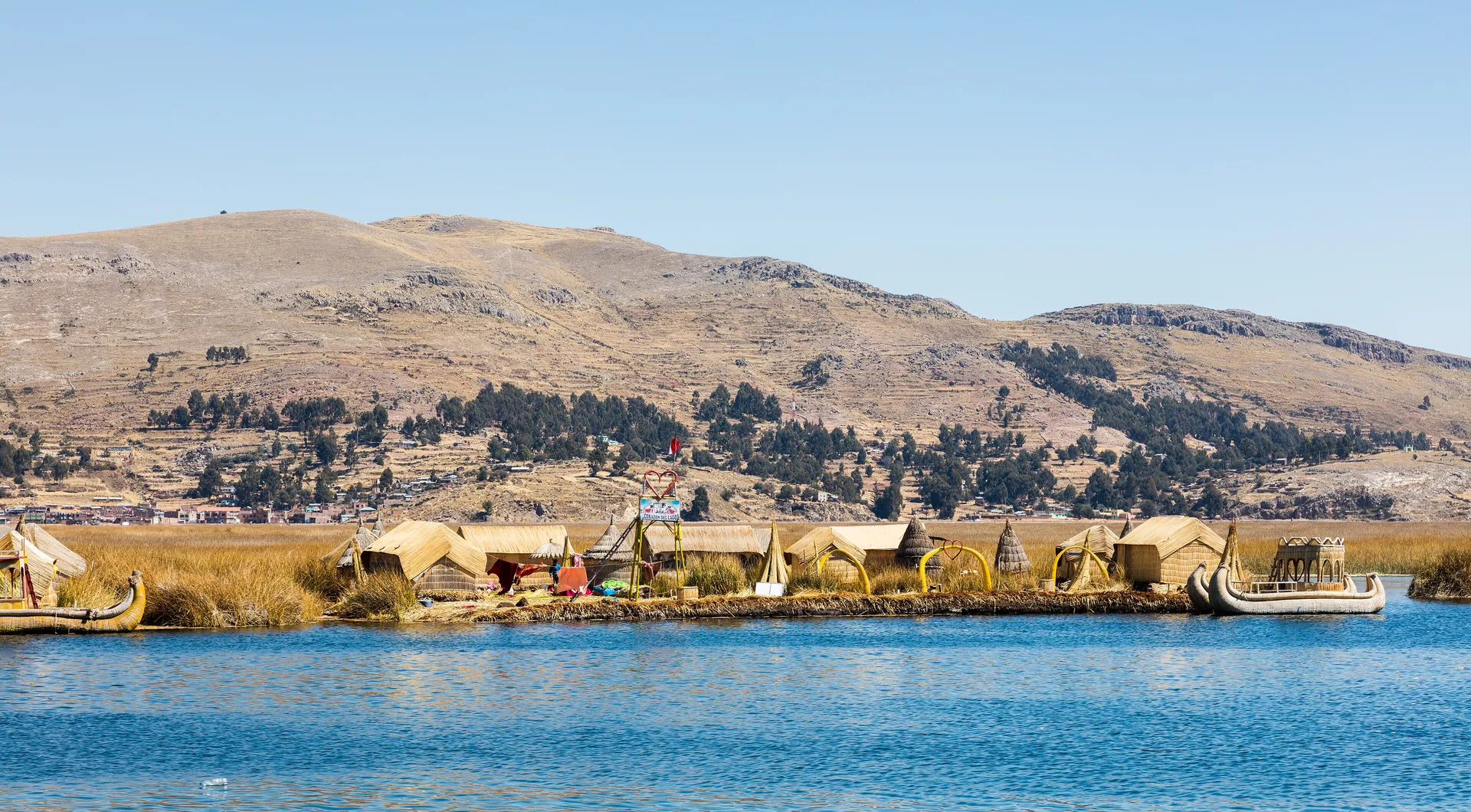
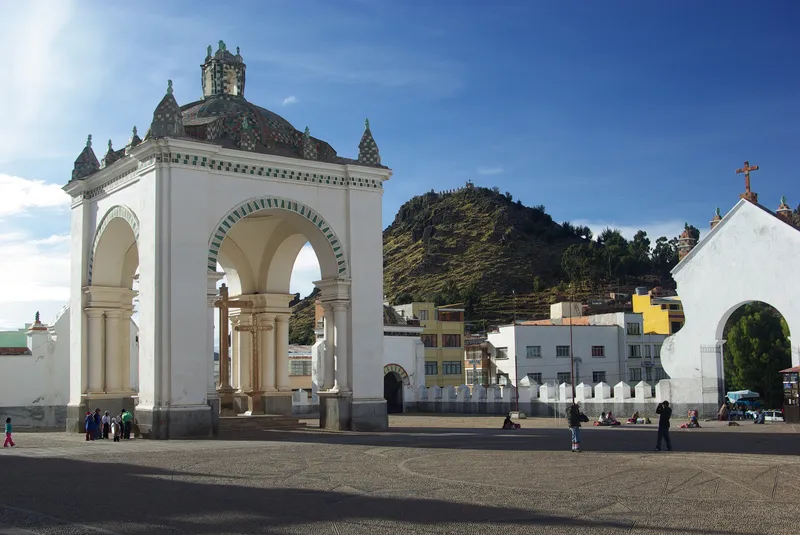
The city center is compact and walkable, though the altitude makes uphill blocks feel far longer than they are. Plaza de Armas, the cathedral, and Jiron Lima are all within a few minutes of each other, and most budget accommodation clusters nearby. Tuktuks (mototaxis) and regular taxis cover longer hops within town for about a dollar and are the easiest way to reach the port for island boats. Puno's own airport situation is a non-factor: the nearest airport is in Juliaca, about 45 minutes away by taxi or shared van (roughly $7.50 to $10), with flights to Lima, Cusco, and Arequipa. Overland, Puno sits on the classic southern Peru bus corridor: Cusco is about 6 to 7 hours by bus (several companies run this route, including tourist-oriented buses with stops at ruins along the way), and Arequipa is around 5 to 6 hours. Buses to La Paz, Bolivia, via the Copacabana border crossing take roughly 3 to 4 hours plus border formalities. Getting to the lake islands themselves is by boat only, departing from the Puno port, with the Uros islands a short 30-minute ride and Taquile or Amantani a half-day each way.
Sorting transport? Book an airport transfer, or compare car rental on Auto Europe and QEEQ.
Visas for Puno
Peru grants most nationalities, including the US, UK, EU, Canada, and Australia, a visa-free entry stamp on arrival, typically 90 days though immigration officers have discretion to grant up to 183 days total per year, so ask for more days at the border if you plan to stay a while. A tourist stay cannot be extended inside Peru unless you hold a passport from an Andean Community country, and residence applications are handled through Migraciones, most easily in a larger city like Lima, Cusco, or Arequipa rather than Puno itself, since local immigration services here are limited. If you are crossing to or from Bolivia via Copacabana, make sure your Peru entry and exit stamps are properly logged, overstay fines are charged per day at departure. Peru's digital nomad residence status, created by Legislative Decree 1582 in 2023, still has no application procedure at Migraciones, so remote workers on the Altiplano rely on the tourist stamp and count its days with care.
Best Time to Visit Puno
The dry season, roughly May through October, is by far the best window: clear skies, minimal rain, and the most reliable boat access to the islands, though nighttime temperatures regularly drop below freezing, especially June and July which are the coldest months. Daytime sun at altitude is strong and warm even when the air temperature is low. The wet season, November through April, brings afternoon rain, greener landscapes, and thinner tourist crowds, but rougher lake crossings and muddier travel. If your dates allow it, early February is worth targeting specifically for the Virgen de la Candelaria festival, Puno's famous multi-day explosion of costumed dance troupes and brass bands that fills the city and draws visitors from across the region, though accommodation books up and prices spike accordingly. Early November is a second, smaller peak: the city's anniversary week culminates on 5 November, when a procession by boat from the Uros islands re-enacts Manco Capac and Mama Ocllo rising from the lake, and crowds wait at the port to greet them.
Pros and Cons of Puno
The pros: unmatched access to Lake Titicaca and its island communities, genuinely low cost of living, a walkable historic center, and a rich living folklore culture that culminates in Candelaria. It is also a natural, logical stop on the Cusco-La Paz overland route. The cons are real and worth stating plainly: the altitude (around 3,830 meters) hits most visitors with some degree of soroche, headache, breathlessness, poor sleep, in the first day or two, and Puno city itself is a functional, workaday town rather than a picturesque one, with unfinished brick buildings and heavy traffic on the main avenues. Wifi is patchy, the coworking scene does not exist, nights are cold enough to matter for comfort, and petty theft (bag snatching, pickpocketing around the market and bus terminal) is a real enough concern that most guides advise the usual city precautions. The islands, not the town, are the draw. The February festival carries real standing, too: UNESCO added it to its list of intangible cultural heritage in 2014, recognising a festival the city stages for itself rather than for visitors.
Who Puno Is For
Puno suits travelers and light-working nomads who want a short, purposeful stop rather than a long-term base: two to five days to acclimatize, visit the Uros and Taquile or Amantani, and catch a bit of the folklore culture, before moving on to Cusco, Arequipa, or across the border to La Paz. It works well for people already acclimatized to altitude from prior stops in the Andes, and for anyone building a Peru-Bolivia overland route who wants to break up the journey with real cultural substance. It is a poor fit for anyone needing reliable coworking infrastructure, fast internet, warm evenings, or a polished urban environment, and a genuinely risky choice for people with cardiovascular or respiratory conditions who have not cleared high-altitude travel with a doctor. Give it an extra half day for Sillustani, the field of stone burial towers built by the Qulla people on the shores of Lake Umayo outside town; an afternoon among those chullpas is the best counterweight to the island boat tours.