Cost of Living in Chachapoyas
Where this figure comes from. No cost survey covers Chachapoyas, so the $600 a month above is our own estimate rather than a measurement. On 416 of our 999 city guides the figure is built from a published Numbeo basket, a one-bedroom rent in the centre plus one person's monthly costs without rent, converted to USD; this city is not one of them. How we source everything.
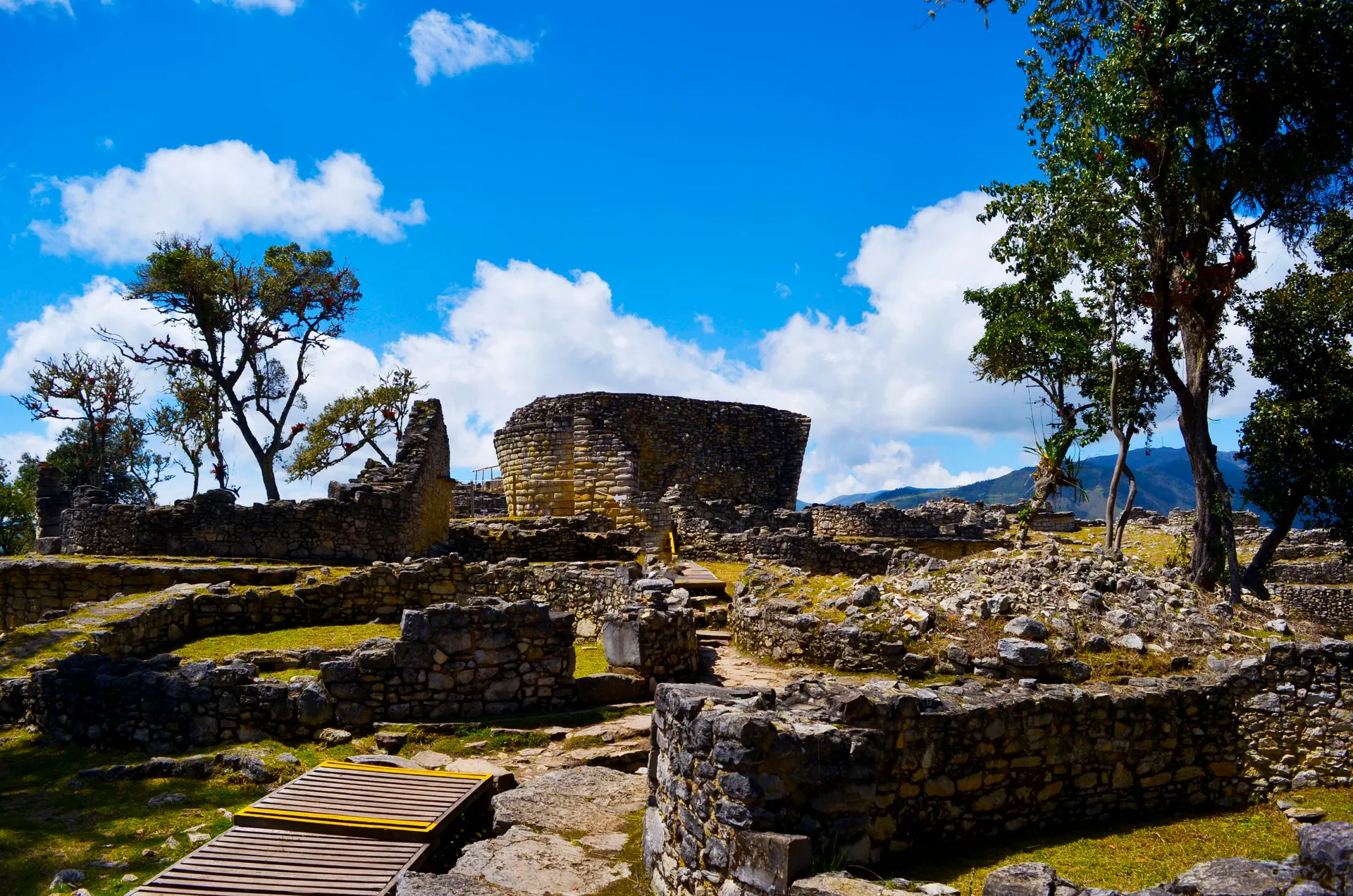
Chachapoyas is cheap, even by Peruvian standards, and that is a large part of its appeal for a slow-travel budget. A simple furnished room or studio near the Plaza de Armas runs roughly $250 to $400 a month, while a full apartment with a kitchen and hot water (not always a given at 2,335m) lands around $350 to $550. Menu del dia lunches at family-run comedores cost $3 to $4.50, and a decent dinner with a glass of local craft beer at one of the nicer plaza-adjacent restaurants rarely tops $10 to $12. Produce, eggs, and grains from the Mercado Central are extremely cheap, so cooking at home can push a food budget under $150 a month. Long-distance buses and colectivos are the main non-rent expense: day tours to Kuelap, Gocta, or Karajia typically run $15 to $35 per person including transport and a guide. All told, a modest but comfortable single-person monthly budget lands around $700 to $1,000, and a couple sharing a nicer apartment with regular excursions might spend $1,200 to $1,600. Card acceptance is limited outside a handful of hotels and tour agencies, so plan to carry PEN soles in cash and withdraw from one of the BCP or BBVA ATMs on or near the plaza, since machines are scarce once you head out to the villages.
Where to Work in Chachapoyas
Look for a coworking scene in Chachapoyas and you will not find one, a sign of how few remote workers make the long trip up. There is no WeWork-style space, no purpose-built nomad hub, and no meetup calendar. What you get instead is a small cluster of cafes around the Plaza de Armas with decent wifi and enough tables to camp out for a few hours, plus your own rented room as the real daily base. Wifi in town is workable for email, Slack, and browser-based tasks, but it is fiber-limited and shared across a small provincial grid, so video calls can stutter and heavy uploads (large files, cloud backups) are best scheduled for early morning before the network fills up. Power cuts are infrequent but not unheard of, especially during heavy cloud-forest rain, so a laptop with a healthy battery buffer is worth having. Some travelers bring a Claro or Movistar SIM with a data plan as a backup hotspot for calls that absolutely cannot drop. Outside the town center, forget it entirely: villages near Kuelap, Gocta, or Karajia have spotty or no signal, which is exactly why most remote workers treat Chachapoyas as a slow-travel base for two to four weeks of light work mixed with exploring, rather than a place to run a demanding client-call schedule.
Getting Around Chachapoyas
Getting to Chachapoyas at all is part of the experience, and honestly part of the filter. There is a small airport (Shocol) with limited, weather-dependent flights from Lima on select carriers, often just a few times a week and prone to delay or cancellation in cloudy conditions. The more reliable overland route is by bus: roughly 9 to 10 hours from Chiclayo on the coast, or a similarly long, winding mountain journey from Tarapoto to the east. These are legitimate long-haul rides on switchback roads, not a quick hop, so budget a full travel day and expect some motion-sensitive stomachs. Once you are in town, Chachapoyas itself is compact and very walkable, with the Plaza de Armas, market, and most guesthouses within a 10 to 15 minute stroll of each other. To reach the outlying attractions, mototaxis handle short local hops for about a dollar, while combis and colectivos (shared vans and cars) connect Chachapoyas to nearby towns like Tingo, Nuevo Tingo, and Luya. Kuelap itself is reached via a scenic cable car (teleferico) from the Nuevo Tingo base station, a genuinely impressive piece of infrastructure in an otherwise rustic transport landscape. For Gocta, Karajia, and Revash, organized day tours with a driver and guide are the practical option, since public transport to trailheads is infrequent and schedules are informal.
Sorting transport? Book an airport transfer, or compare car rental on Auto Europe and QEEQ.
Visas for Chachapoyas
Most nomads enter Peru the same way regardless of destination city. Citizens of the US, Canada, EU, UK, Australia, and many other countries receive a tourist entry stamp on arrival, typically granting up to 90 days, though immigration officers have discretion and sometimes grant less. A longer initial stamp, up to 183 days in a year, can be requested at the border and is at the officer's discretion; once you are inside Peru, a tourist stay cannot be extended. Peru created a digital nomad status for employees of foreign companies by Legislative Decree 1582 in 2023, but Migraciones has still not published a way to apply, so remote workers in Chachapoyas are on a tourist entry like everyone else, working online quietly and without local employment. If you plan to stay long-term, budget a border run or a visit to Peru's immigration authority (Migraciones) well before your stamp expires; Chachapoyas itself has no immigration office of consequence, so any formal visa business means a trip to a larger city like Chiclayo or Lima. Keep your passport and entry stamp details handy, since some guesthouses and SIM card vendors ask to see them.
Best Time to Visit Chachapoyas
Chachapoyas sits in cloud-forest terrain at over 2,300 meters, so the climate is cool, damp, and changeable year-round, not the hot jungle heat some people expect from northern Peru. Daytime temperatures generally sit in the high teens to low twenties Celsius, dropping noticeably at night, and mist or drizzle can roll in at almost any time of year. The dry season, roughly May through September, is the most reliable window: trails to Kuelap, Gocta, and Karajia are less muddy, cable car and outdoor visibility is better, and river crossings on rural roads are less likely to wash out. The wet season, October through April, brings heavier afternoon rain, occasional landslides on the mountain roads from Chiclayo or Tarapoto, and mud on unpaved trekking paths, though the cloud forest is at its greenest and waterfalls like Gocta run fuller. Pack layers no matter when you go: a light rain shell, a warm layer for evenings, and proper footwear for cobblestone streets and forest trails matter more here than sun protection.
Pros and Cons of Chachapoyas
The pros are substantial for the right traveler. Chachapoyas offers genuine off-the-beaten-path Peru: a charming, low-key colonial town of white walls and red tile roofs, a lovely Plaza de Armas without the tour-bus crowds of Cusco, and access to archaeological sites (Kuelap's pre-Inca fortress, the Karajia sarcophagi, the Revash tombs) that feel discovered rather than packaged. Costs are low, the pace is unhurried, locals are welcoming, and the surrounding cloud forest scenery, including Gocta, one of the world's taller waterfalls, is spectacular. The cons are equally real and worth stating plainly. It is genuinely remote: getting there means a long bus ride or an unreliable flight, and getting around the region means combis, colectivos, and organized tours rather than easy self-drive or ride-hailing. Wifi is patchy and there is essentially no coworking infrastructure, so demanding remote-work schedules are a real challenge. The weather is cool and damp rather than tropical-postcard warm, English is not widely spoken, and the nightlife and expat social scene are minimal to nonexistent.
Who Chachapoyas Is For
Chachapoyas suits the slow-travel adventurer far more than the plug-and-play digital nomad. It is a strong fit for remote workers with a light or flexible workload who want two to four weeks immersed in dramatic archaeology and cloud-forest nature, without needing daily video calls or a buzzing coworking scene. History buffs, hikers, photographers, and anyone drawn to lesser-visited Peru will find it rewarding, especially if they can structure their work around slower internet and occasional travel days to reach outlying sites. It is a poor fit for anyone who needs consistent high-speed wifi, an active social or dating scene, quick flight connections, or a built-in community of other remote workers, since none of those exist here in meaningful supply. Think of Chachapoyas as a rewarding detour on a longer Peru or South America itinerary, best paired with a more connected base like Lima, Cusco, or Arequipa before or after.