Cost of Living in Gramado
Where this figure comes from. No cost survey covers Gramado, so the $1,000 a month above is our own estimate rather than a measurement. On 416 of our 999 city guides the figure is built from a published Numbeo basket, a one-bedroom rent in the centre plus one person's monthly costs without rent, converted to USD; this city is not one of them. How we source everything.
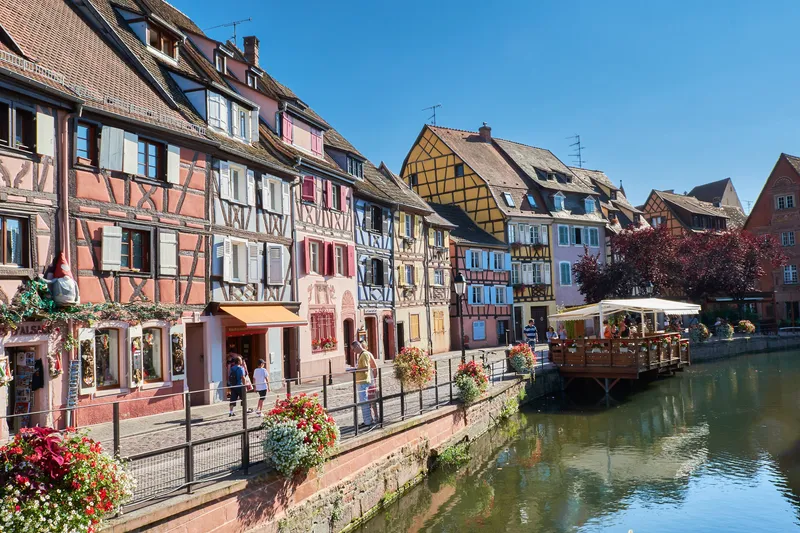
Gramado is one of the pricier towns you will find in Brazil, and that is worth saying plainly up front. This is a polished domestic-tourism magnet built around chocolate shops, fondue restaurants, and Bavarian-styled boutiques, so prices track closer to a European alpine village than a typical Brazilian interior town. A digital nomad renting a studio or one-bedroom apartment away from the main tourist strip should budget roughly $435 to $750 a month, more if you want to be walking distance from Rua Coberta during peak season. Groceries at supermarkets like Zaffari or Bourbon Fruit are reasonable, but eating out in the center, especially anything branded around chocolate, fondue, or wine, adds up fast. A simple lunch plate (prato feito) outside the tourist core runs $5 to $9, while a fondue dinner for two in the center can hit $39 or more. Coffee shops charge tourist-town prices, often $2.50 to $4 for a coffee. Overall, plan for a monthly figure well above the rest of the interior, and expect it to swing hard with the calendar: the Christmas lights season and the July school holidays are when accommodation and restaurants both reprice, and a stay booked across either of them costs noticeably more than the same stay in March.
Where to Work in Gramado
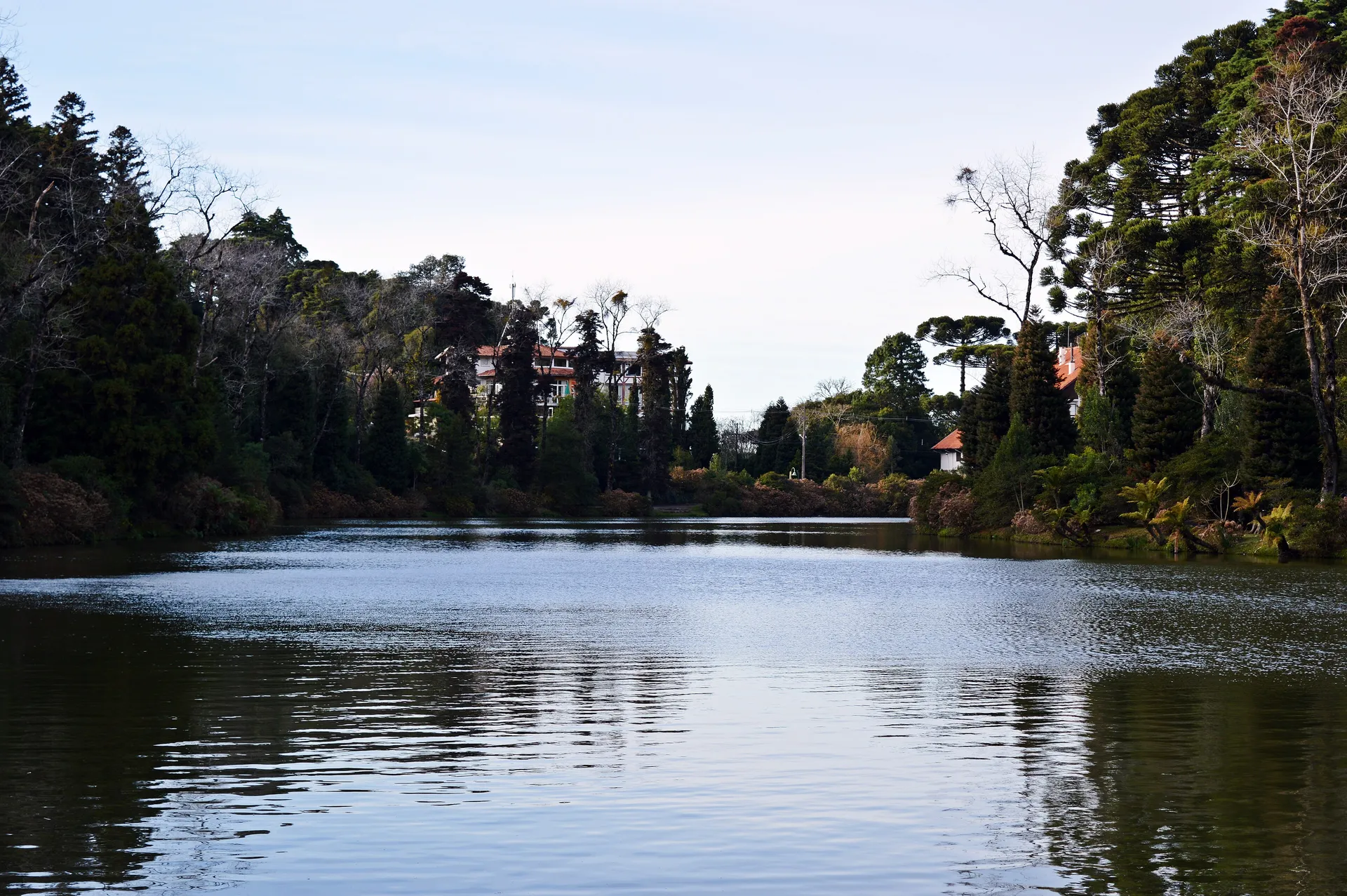
Gramado is honestly not a coworking hub. There is no dense cluster of dedicated coworking spaces the way you would find in Sao Paulo, Florianopolis, or even nearby Porto Alegre. What you get instead are cafes with decent wifi scattered around the center and Lago Negro area, several with cozy alpine-lodge interiors that are pleasant for a few hours of laptop work, particularly outside the Christmas season crush. Wifi in rented apartments and hotels is generally solid and fast, since the whole town runs on tourism infrastructure and reliable internet is expected by visiting guests. If you need a proper desk, a serious coworking space, or a community of remote workers to network with, you will be better served basing yourself in Porto Alegre or Florianopolis and treating Gramado as a scenic multi-week retreat rather than your primary work base. Many remote workers who come here do so for a change of pace and cooler weather rather than for productivity infrastructure, and that is a fair way to think about the town.
Getting Around Gramado
The town center is compact and genuinely walkable, with Rua Coberta and Avenida Borges de Medeiros forming the spine of shops, restaurants, and hotels most visitors and remote workers stick to. Beyond the center, hills and spread-out attractions mean a car becomes useful fast, especially if you want to reach Lago Negro, the outer hotel districts, or make day trips to neighboring Canela and the canyons further out. Getting to Gramado itself typically means flying into Porto Alegre (POA) and then taking a bus, roughly two hours via regular intercity coaches, or arranging a private transfer. There is no airport in Gramado itself; the nearest small airport, Canela, has limited commercial service. Uber and local taxis operate in town but can be scarce and pricier during high season. Renting a car for excursions into the Serra Gaucha wine country and canyon towns is a popular and practical option if you are staying more than a week.
Sorting transport? Book an airport transfer, or compare car rental on Auto Europe and QEEQ.
Visas for Gramado
Brazil allows citizens of the UK, most of the EU and many other countries to enter visa-free for up to 90 days as tourists, sometimes extendable to 180 days total within a year through a visit to the Policia Federal. American, Canadian and Australian travellers lost that exemption on 10 April 2025 and now buy an electronic visa online beforehand. Brazil sets visas nationally, so nothing here is specific to Gramado: a shorter stay runs on the tourist entry, and a longer one can run on the VITEM XIV, Brazil's digital nomad visa for people paid by an employer abroad who earn at least $1,500 a month or hold $18,000 in savings. It grants a year of legal remote-work residency, which is the route to take for a longer stay in the Serra Gaucha.
Best Time to Visit Gramado
Gramado's climate is cool and humid subtropical, sitting around 830 meters in the Serra Gaucha hills, which means genuinely chilly winters by Brazilian standards, frequent fog, and rain that can roll in with little warning any time of year. Winter (June to August) brings the coldest temperatures, sometimes near freezing at night, and heavy fog is common, part of the town's charm but also a real practical consideration if you need clear roads or flights. The town's biggest draw and biggest crowd event is Natal Luz, the Christmas Light festival, running roughly from late October through January, when the town is beautifully decorated but also packed, expensive, and heavily booked out, hotel and rental prices spike noticeably. For a calmer, more affordable, and still pleasant stay, aim for autumn (March to May) or spring (September to early October), when the hydrangeas are often blooming, crowds thin out, and you can actually get a table at a fondue restaurant without a wait.
Pros and Cons of Gramado
The pros are real: Gramado is genuinely beautiful, clean, safe, and unusually orderly for Brazil, with a cool climate that is a welcome break from the country's tropical heat, charming Bavarian-styled architecture, excellent chocolate and wine, and a walkable, photogenic center. Safety is a standout, this is one of the lowest-crime, most polished towns in the country, and infrastructure like sidewalks, signage, and public spaces feels more European than most Brazilian destinations. The cons matter too, and being honest about them is important. Gramado can feel themed and manufactured, more like a curated tourist set piece than an authentic slice of Brazilian life, and prices reflect that. English is limited outside hotels and the most touristy shops, so some Portuguese goes a long way. Fog and rain can disrupt plans with little notice, and during Natal Luz the town is genuinely overrun, hard to book, and far pricier than the rest of the year. It is also simply not built for remote work infrastructure the way larger cities are.
Who Gramado Is For
Gramado suits nomads and remote workers looking for a short, scenic, restorative stay rather than a long-term work base: think two to four weeks to enjoy cooler weather, good food, hiking and canyon day trips, and a genuine change of pace from Brazil's beach and city circuit. It is a great fit for couples, honeymooners, and anyone craving an alpine-village atmosphere without leaving South America, and for remote workers who want quiet, safety, and slower rhythms over nightlife or networking density. It is a poor fit if you need a strong coworking scene, an English-speaking social circle, or rock-bottom costs. If you are chasing an active digital nomad hub with meetups and coworking spaces, look to Florianopolis or Porto Alegre instead and treat Gramado as the reward trip you take once your work for the month is done. Check the calendar before booking: the Natal Luz Christmas festival runs from late October into January and the Gramado Film Festival takes over the town in August, and both fill rentals and push prices up well in advance.